Your first utility bill can be a strange reality check after moving into your own place. You may have planned your rent, groceries, transport, and furniture, but utility costs can still surprise you.
The lights work, water runs, your phone charges, and the internet connects without much thought. Then the bill arrives, and suddenly you realize those everyday comforts come with a price.
Your first utility bill may include several different services depending on where you live. Electricity, water, internet, waste collection, gas, and other services can affect your monthly expenses.
Some utility costs may remain fairly consistent, while others can change from month to month. Your electricity bill, for example, may increase when you use more appliances or spend more time at home.
That does not mean utility bills are something you should fear or avoid. You simply need to understand what you are paying for before the charges become stressful.
Before moving in, ask your landlord or previous occupants about typical utility costs when possible. This can give you a rough idea of what your monthly expenses might look like.
You can also keep your first few bills and compare them over several months. This helps you notice patterns and understand which expenses are more difficult to predict.
Your first few bills can also teach you how your home affects your monthly budget. If your costs are higher than expected, you can adjust your spending elsewhere.
If you are still preparing for independent living, How to Prepare Financially Before Living on Your Own is a helpful place to start. Understanding these costs early can make your transition feel less financially overwhelming.

How to Prepare for Your First Utility Bills
Understand What Counts as a Utility
Before preparing for your first bills, understand which services you actually pay for. Utilities can include electricity, water, gas, internet, waste services, and other household services.
The exact services depend on your home, location, landlord, and rental agreement. Some homes include certain utilities within rent, while others require separate payments every month.
You should also find out whether any shared household services are included in your rent. Some properties may handle certain charges collectively, while others leave each resident responsible.
Do not assume everything works the same way because someone else pays bills differently. Check your lease and ask your landlord about every service connected to your home.
It is also helpful to ask when each payment is normally due. Knowing the payment dates can help you organize your income before bills arrive.
You should keep a simple record of the services you are responsible for each month. This makes it easier to track your expenses and notice changes over time.
This can help you avoid budgeting for something already covered while forgetting another important payment. During my first experience handling household bills, I focused mainly on electricity and overlooked smaller costs.
That taught me to ask questions before assuming I understood the full monthly picture. Taking time to understand your utilities can make your first months of independent living much easier.

Check Your Lease Before Paying Anything
Your lease should contain important information about the utilities connected to your home. Look for sections explaining which services you are responsible for paying each month.
Pay attention to account requirements, payment arrangements, shared charges, and important billing details. Some buildings may have one main service divided among several apartments.
Other homes may have individual meters or accounts connected directly to each household. If something feels unclear, ask for an explanation before making assumptions about your payments.
It is better to understand the arrangement early than discover an unexpected charge later. Your lease may also explain how utility responsibilities change when you eventually move out.
For more guidance around rental agreements, What to Do Before Signing Your First Lease can help you prepare.
Keep a copy of your lease somewhere safe because you may need those details again.

Find Out Which Utilities Are Already Active
You should know which utilities are active before you fully settle into your new home. Ask your landlord or service provider about electricity, water, gas, internet, and other necessary connections.
Some services may already be running when you move in, while others need your attention. If an account must be transferred into your name, find out how quickly you should do it.
Delaying account setup can sometimes cause interruptions or confusion about previous charges. You also want to know the exact date your responsibility begins.
This matters because you should not casually accept charges belonging to another person. Take note of meter readings or account information when you first move into the property.
Keeping those details can help if questions come up about your first bill.

Learn How Your Electricity Bill Works
Electricity is often one of the household costs people notice most after moving out. Your bill may depend on how much electricity your home uses during the billing period.
Appliances, cooling systems, fans, lighting, cooking equipment, and other devices can affect usage. The exact pricing system depends on your location and electricity provider.
Do not worry about understanding every technical detail immediately. Start by learning how your meter works and how your provider calculates your charges.
If you have a prepaid meter, understand how to check your balance and purchase credit. If you receive regular bills, learn the billing date, due date, and payment method.
Simple knowledge can help you notice unusual charges before they become bigger problems.

Pay Attention to Your Meter Reading
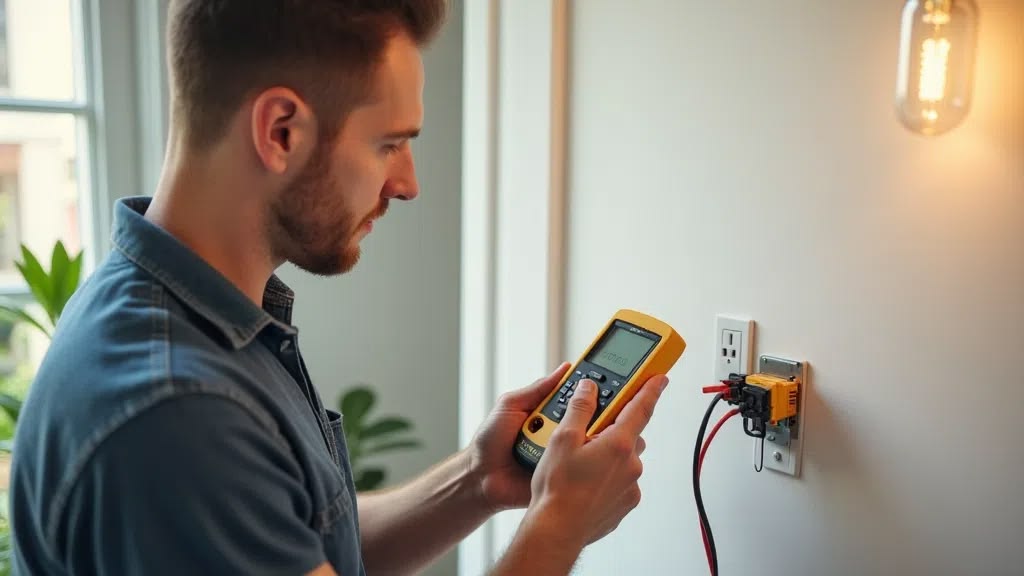
Your meter can give you useful information about how much electricity your home uses. If you have access to the meter, learn how to check and record its reading.
Take a reading around the time you move in and keep it somewhere safe. This gives you a starting point for understanding your household electricity usage.
You can then compare future readings and notice how your consumption changes. A sudden increase may happen because you are using more appliances than before.
It could also point to an issue that needs checking, so do not ignore unusual changes. First compare your habits, the billing period, and the meter information available to you.
If the numbers still seem unusual, contact the provider or property manager for clarification.
Learn How Water Charges Work
Water may seem like a small expense until you begin paying for it yourself. Your water costs can depend on your usage, local billing system, or building arrangement.
Some homes have individual water meters, while others use shared systems or fixed charges. Ask how your particular home handles water before creating your monthly budget.
Also, pay attention to small habits that can waste water without you noticing. Leaving taps running, taking very long showers, or ignoring leaks can increase unnecessary usage.
A dripping tap may seem harmless, but repeated waste can become costly over time. Check sinks, toilets, showers, and visible pipes for signs of leaking water.
Report serious leaks quickly, especially when the problem involves the property’s plumbing. Knowing how water works in your home can prevent avoidable surprises.

Think About Internet as a Monthly Cost
Internet can become an easy expense to forget because it feels like a normal part of life. You may need it for work, school, communication, entertainment, or everyday tasks.
Before choosing a plan, think about what you actually need from your connection. A more expensive package is not always necessary for simple browsing and regular streaming.
At the same time, choosing a weak plan can become frustrating when your needs increase. Compare the monthly cost, installation charges, contract terms, equipment fees, and payment dates.
Also check if your building already has an available provider or shared connection. Your internet bill should fit comfortably into your wider monthly budget.
If you are still adjusting to independent living costs, How to Navigate Your First Month of Independent Living can help.

Prepare for Your First Bill to Look Different
Your first utility bill may not look exactly like the amount you expect every month. That can happen because your first billing period may cover only part of a month.
Some providers may also include setup charges, deposits, connection fees, or other starting costs. This is why you should not build your future budget around one first bill.
Instead, treat the first payment as information about your new household costs. Write down the amount, billing period, and services included on the statement.
Then, watch the next few bills to understand your normal monthly pattern. After two or three billing cycles, your estimates may become much more realistic. This approach makes budgeting easier because you are working with actual information.

Create a Utility Bill Calendar
Once you know your billing dates, put them somewhere you will remember. A simple phone calendar can show you when each utility payment is coming.
You can create reminders several days before each due date for extra breathing room. That gives you time to check your account and make sure enough money is available.
Avoid relying only on memory because busy weeks can make important dates easy to forget. You can also keep your utility information in one note on your phone.
Include provider names, account details, due dates, payment methods, and customer service information. Keep sensitive account details private and avoid sharing them casually with other people.
A simple system can reduce the stress that comes from remembering several bills.

Build Utility Costs Into Your Monthly Budget
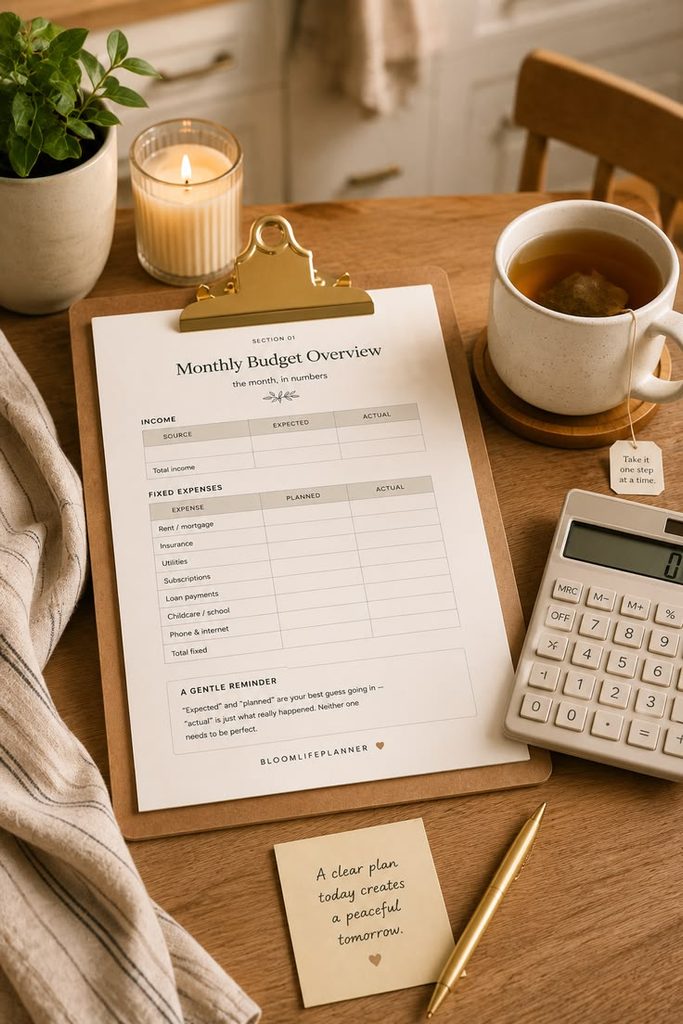
Your utility bills should have a clear place inside your monthly budget. Do not wait until the bill arrives before thinking about how you will pay it.
Estimate your regular utility costs and set aside money throughout the month. Your estimate does not need to be perfect during your first few months.
It simply needs to give you enough structure to avoid spending that money elsewhere. As you receive real bills, update your budget using those actual amounts.
You may discover that some costs are lower than expected, while others need more attention. That information can help you improve your overall spending plan.
How to Prepare Financially Before Living on Your Own can also help you plan these costs properly.
The goal is making utility payments a normal part of your monthly routine.
Learn How Your Home Affects Energy Costs
Your home itself can affect how much electricity you use every month. A small apartment with efficient appliances may use less energy than a larger home.
Older appliances can also consume more electricity than newer, efficient models. Your daily habits matter too, especially how often you use cooling, cooking, and entertainment devices.
Notice which appliances run for long periods and consider how necessary that usage really is. You do not need to sit in darkness or avoid using your appliances completely.
Instead, develop practical habits that reduce waste without making your home uncomfortable. Turn off lights when you leave rooms and unplug devices you rarely use.
Use cooling systems sensibly and avoid running appliances unnecessarily. Small changes can become meaningful when you repeat them throughout the month.

Avoid Spending All Your Money Before Bills Arrive
One common mistake is spending freely because a bill is not due yet. You may look at your account and think you have more money available than you really do.
But some of that money already belongs to upcoming household expenses. Treat expected utility payments as money that is already committed.
You can set it aside mentally, physically, or inside a separate savings space. This habit becomes especially useful when your income arrives before several bills are due.
You will feel less pressure because the money needed for those payments is already protected. During my first month managing several expenses alone, I learned how quickly available money disappeared.
That experience showed me why upcoming bills should be considered before spending extra money.

Ask Questions About Shared Utility Costs
Some homes have shared utility arrangements that can be confusing at first. A building may divide certain costs among tenants instead of giving everyone separate accounts.
If that applies to you, ask exactly how the amount is calculated. Find out what period the charge covers and how your share is determined.
You should also know who collects the payment and when it needs to be made. Do not feel awkward asking questions about money that you are expected to pay.
Clear information protects you from confusion and makes budgeting much easier. If the arrangement seems different from your lease, ask the property manager for clarification.
Keep written records of important explanations, especially when the amount could change. A little clarity can prevent uncomfortable conversations later.

Keep Your Utility Accounts Organized
As you become responsible for several bills, organization becomes more important. You may eventually have different providers for electricity, water, internet, and other services.
Save confirmation messages, receipts, statements, and important account information in one secure place. You can create a digital folder or keep paper records if that works better for you.
Make sure you can quickly find proof of payment when you need it. This is useful if a provider says a payment was missed or your account shows an unexpected balance.
Also, check your statements regularly instead of paying without looking at the details. You may notice a new fee, unusual usage, or another change that needs attention.
Staying organized does not take much time when you build the habit early.

Know What to Do When a Bill Looks Wrong
Sometimes a utility bill may be higher than expected, and you need to investigate calmly. First, check the billing period and compare the amount with previous charges.
Look at your recent usage and think about changes in your daily routine. Maybe you used more cooling, hosted guests, bought a new appliance, or stayed home longer.
If nothing explains the increase, contact the provider and ask about the charge. Keep your account details and previous statements nearby during the conversation.
You should also contact your landlord if the issue involves a property system or shared service. Do not ignore a confusing bill because the problem may become harder to resolve later.
Ask questions early and keep records of the response you receive.

Prepare for Utility Costs to Change
Your utility bills may not stay exactly the same every month. Usage can change because of weather, work schedules, visitors, appliances, or changes in daily routines.
That means your budget should have some room for normal increases. Instead of expecting one exact amount forever, create a reasonable range for utility costs.
During cheaper months, you can leave some money available for months with higher charges. This small buffer can make unexpected increases less stressful.
It also helps you avoid borrowing money simply because one bill was higher than usual. Your first few months will teach you the normal pattern for your particular home.
Use that information to make future budgets more realistic and easier to maintain.

Keep Emergency Money for Household Problems
Utility bills are not the only unexpected household expenses you might face. A broken appliance, urgent repair, replacement item, or sudden service issue can also require money.
That is why having some emergency savings matters when you live independently. You do not need to build a huge emergency fund immediately.
Start with an amount you can realistically save while handling your normal responsibilities. Keep this money separate from the amount you need for regular bills.
That way, an unexpected household problem does not automatically destroy your monthly budget. Your emergency fund can grow gradually as your income and financial habits improve.
For more help with the wider responsibilities of independence, How to Manage the Responsibilities of Living on Your Own is worth reading.

Learn Simple Ways to Lower Your Bills
Saving on utilities does not always require major lifestyle changes. Start with small habits that fit naturally into your normal day.
Turn off unused lights, close doors when using cooling systems, and avoid wasting water. Use appliances only when needed and pay attention to devices that remain switched on constantly.
If you cook regularly, plan meals so you are not repeatedly using appliances for tiny tasks. You can also compare internet plans when your current package no longer matches your needs.
Still, do not cut important services simply to save a small amount of money. Your goal is to reduce waste while keeping your home safe, comfortable, and functional.
Simple habits become more powerful when you continue them every day.

Give Yourself Time to Learn
Your first utility bills may feel confusing because almost everything is new. You are learning providers, payment dates, meters, usage patterns, and costs at the same time.
It is normal to make a few mistakes while building your system. Maybe you forget one reminder or underestimate your first bill.
Use those experiences to improve your routine instead of becoming frustrated with yourself. Independent living is full of small lessons that become easier through repetition.
By the second or third month, many tasks that once felt complicated may feel ordinary. You will know where to check your bill, when to pay, and how much money to set aside.
That growing familiarity is one of the quiet signs that you are becoming more independent.

Let Your First Bills Teach You
Your first few utility bills can teach you more than the actual amount you pay. They can show you how your home, habits, appliances, and daily routine affect your spending.
You may discover that electricity costs more than expected during certain periods. You might also notice that small changes make a useful difference over time.
Instead of seeing every bill as another problem, use it as information. Look at the numbers, notice patterns, and make sensible changes when needed.
That approach helps you become more comfortable with managing your own household. You are not simply paying bills anymore; you are learning how your home operates financially.
Those lessons can become useful as your responsibilities increase throughout adulthood.

Connect Utility Bills With the Rest of Your Life
Utility bills do not exist separately from your other responsibilities. They are connected to your rent, groceries, transportation, savings, work, and personal spending.
That is why learning to manage them can improve your wider financial habits. If electricity increases one month, you may need to adjust another spending category.
If your internet plan costs more than expected, you may need to review other subscriptions. These small decisions are part of learning how to balance your income with real responsibilities.
Your first week of living alone may introduce these challenges quickly.
For more about that early adjustment, What to Expect During Your First Week Living Alone can help you understand what comes next.
The more familiar these decisions become, the less intimidating independent living can feel.

Final Thoughts
Preparing for your first utility bills is really about understanding your home before the costs surprise you. You need to know what you are paying for, when payments are due, and how usage affects charges.
Start by checking your lease and confirming which utilities belong to you. Then, learn how your meters, accounts, providers, and payment systems work.
Keep your bills organized and include them inside your monthly budget from the beginning. Also, leave some room for higher charges because household costs can change each month.
Most importantly, do not expect yourself to understand everything immediately. Your first few bills are opportunities to learn how your new home affects your money.
As you become more comfortable, you will build routines that make these payments feel much less stressful. Independent living comes with many small responsibilities, but you can learn them one step at a time.
Leave a Reply