Moving into your first apartment can feel exciting, but the first week can also feel overwhelming. You finally have your keys, your own space, and a place that belongs to your everyday life.
At the same time, there may be boxes everywhere, unfinished tasks, unfamiliar rooms, and several responsibilities waiting for you.
When I first moved into a new place, I thought getting the keys would be the hardest part. I quickly realized that settling in came with its own list of decisions.
I had to figure out where things belonged, what needed attention first, and which tasks could comfortably wait.
That is why your first week should not be about making everything perfect. It should be about getting comfortable, understanding your apartment, and creating a simple starting routine.
You do not need to unpack every box or buy everything immediately. If you are still getting ready for the move itself, How to Set Up Your First Apartment Without Feeling Overwhelmed can help you prepare your space before settling in.
Once you have moved through the door, your priorities become a little different.
The good news is that you can take everything one step at a time. By focusing on the right things first, your apartment can start feeling like home without making you feel completely exhausted.
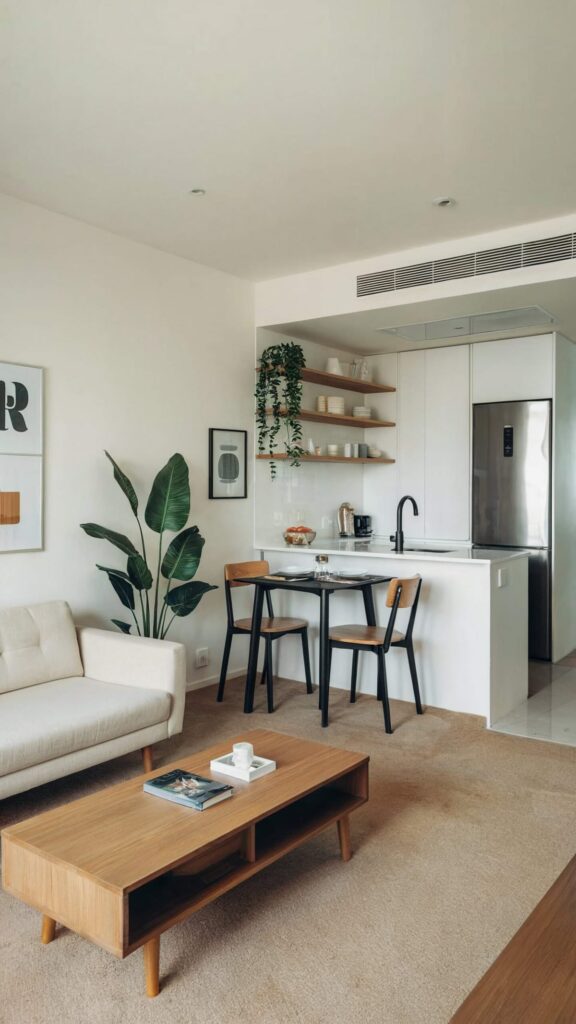
What to Do During Your First Week in a New Apartment
Give Yourself Time to Settle In
Your first apartment may not immediately feel like home, even though you have been looking forward to moving. The rooms may feel unfamiliar because your usual belongings and routines are not properly arranged yet.
You may also notice that the apartment looks different from how you imagined it before moving. Try not to judge the space too quickly during those first few days.
An empty corner may eventually become your favorite reading spot after you understand the room better. A piece of furniture that looks awkward initially might work perfectly after you move it around.
Your first week is really a period of discovery. You are learning how the apartment feels during mornings, afternoons, evenings, and quiet nights.
Those little observations can help you make better decisions about furniture, storage, lighting, and decoration. Give yourself permission to have unfinished rooms during this process.
Your home does not need to look ready for pictures before you can enjoy living there. Sometimes, settling in simply means knowing where your toothbrush, pajamas, charger, and favorite mug are.
You can handle everything else gradually as your energy and budget allow. That approach makes your first week feel more manageable and much less stressful.

Check Your Apartment Carefully
After you have had some time to breathe, walk through your apartment carefully. Look at the walls, floors, ceilings, windows, doors, cabinets, and other visible areas.
You want to notice existing problems before you become too comfortable inside the space. Pay attention to stains, cracks, broken handles, damaged fixtures, leaks, or anything that looks unusual.
Check the appliances included with your apartment and make sure they are working properly. Even small issues are worth noticing because they can become harder to explain later.
Take clear pictures of anything that appears damaged or different from what you expected. Keep the pictures somewhere safe, preferably with the date attached. This gives you a useful record of the apartment’s condition when you moved in.
Do not assume that a small problem is too unimportant to mention. A dripping tap might seem harmless today, but ignoring it could create a bigger issue later.
Reporting problems early also gives your landlord or property manager an opportunity to address them.
If you want to understand the moving process more clearly, What to Expect During Your First Apartment Move-In covers the important things to watch for.

Make Sure Your Utilities Are Working
Once you have checked the apartment, make sure your basic utilities are working properly. Test your electricity, water, internet, gas, and other services connected to your home.
The exact utilities you need will depend on your rental arrangement. Turn on the lights and test different switches around the apartment.
Run your taps, check the shower, and make sure the toilet flushes properly. You should also test important appliances if they came with the apartment.
Internet is another service worth checking early, especially if you work or study from home. A connection that works in one room may not perform equally well throughout the apartment.
Testing it early gives you time to find a better setup if needed. Also confirm which utilities you are responsible for paying yourself. Some rentals include certain services within the rent, while others require separate accounts.
Do not rely on assumptions because arrangements can differ from one apartment to another. Keep your account information and payment details somewhere easy to find.
For a more detailed guide, How to Set Up Utilities in Your First Apartment can walk you through the process.
Read Your Lease Again
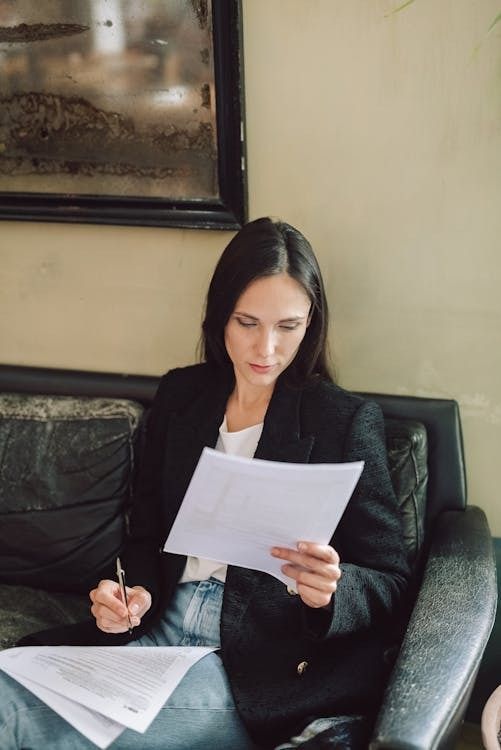
You may have already read your lease before signing it, but your first week is still worth another look. Living inside the apartment can make certain parts of the agreement suddenly feel much more relevant.
Pay attention to information about rent payments, maintenance, guests, parking, pets, noise, and other apartment rules. Look for details explaining what you are responsible for and what your landlord handles.
You do not need to memorize every paragraph or understand every legal phrase immediately. Instead, focus on the sections that affect your everyday life inside the apartment.
If something seems confusing, ask the landlord or property manager for clarification. It is better to understand a rule early than accidentally break it because you misunderstood the agreement.
You can also keep a digital or physical copy of your lease somewhere accessible. You may need to check something later, especially when dealing with repairs, payments, or moving arrangements.
If you want to understand your rental agreement more confidently, How to Read and Understand Your First Lease Agreement explains the important areas first-time renters should notice.
Learn How Your Apartment Works
Your first week is also the perfect time to learn the practical side of your apartment. Find the electrical panel, water shutoff, gas controls, rubbish area, mailbox, and other useful locations.
You might not need some of these things immediately, but knowing where they are can save you later. Imagine dealing with a sudden water problem while still searching for the shutoff valve.
Knowing its location beforehand can make an unexpected situation much easier to handle. You should also find out how maintenance requests work in your building.
Some properties use phone calls, emails, websites, or property management applications. Save the correct contact information somewhere convenient.
Take some time to notice how the doors, windows, locks, appliances, and other fixtures work. You do not need to become an expert at everything during your first week. You simply want to feel familiar enough with your surroundings.
That familiarity can make your apartment feel much less strange. As you learn how everything works, you will naturally become more confident managing the space yourself.
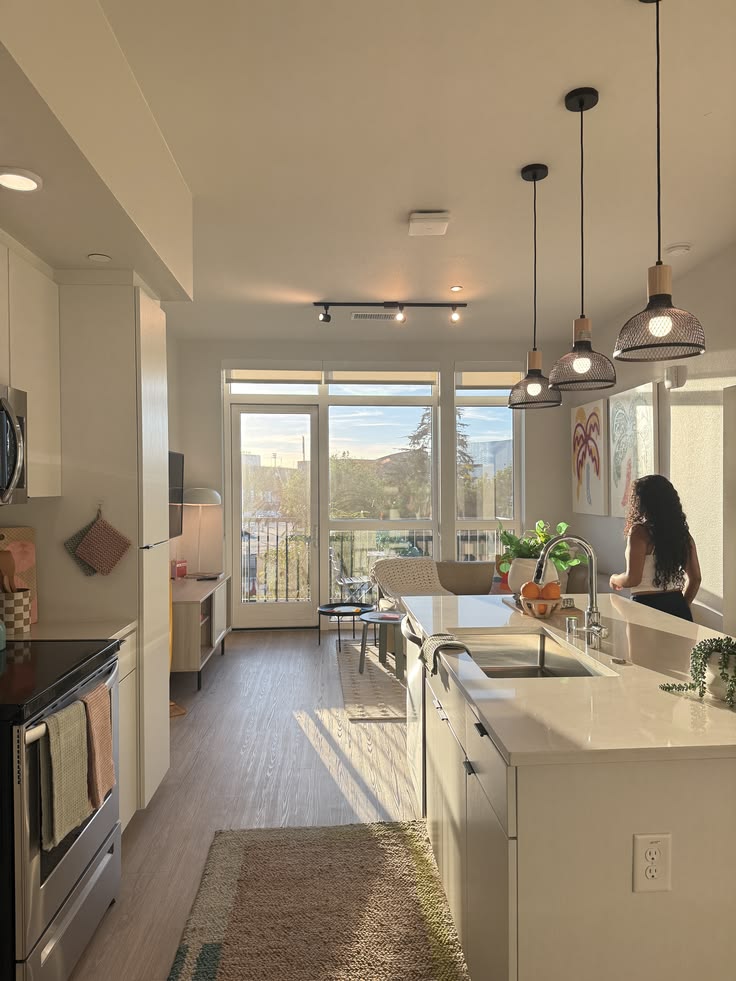
Unpack the Things You Actually Need
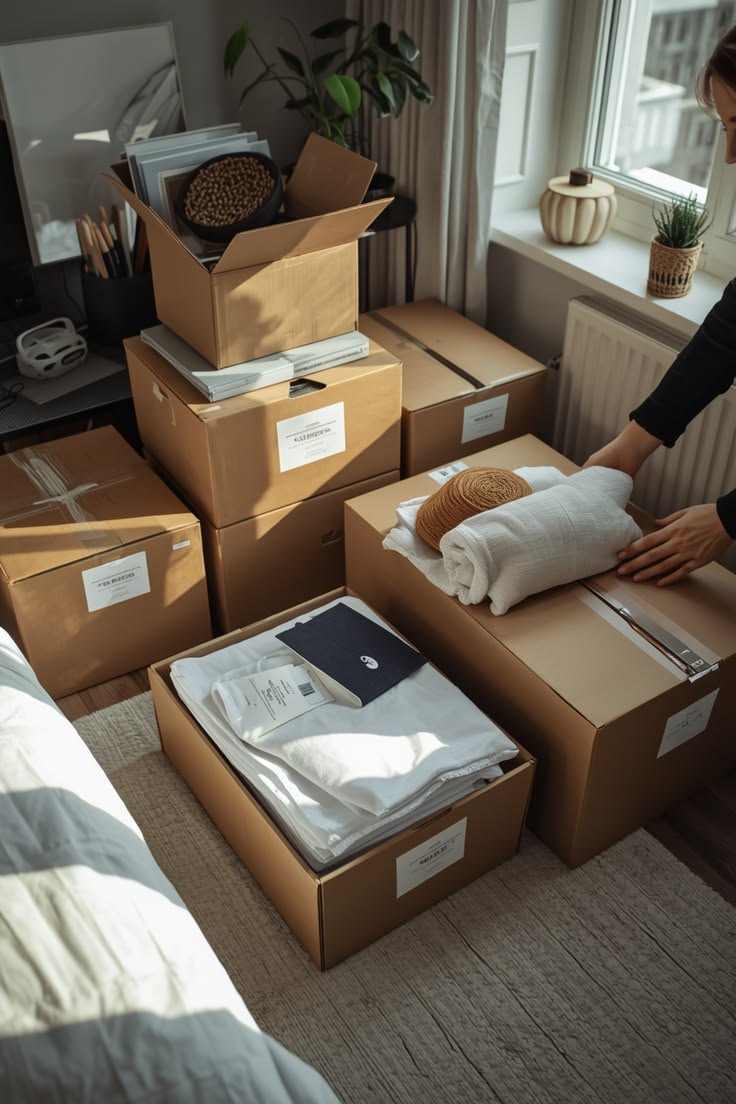
You might feel tempted to unpack every box immediately because you want the apartment to look finished. But trying to do everything at once can leave you exhausted before the first week even ends.
Start with things you use every day instead. Your bedding, clothes, toiletries, kitchen basics, cleaning supplies, and work essentials should come first. These items allow you to maintain some normality while everything else remains unfinished.
Create a temporary space for belongings you are unsure about. This gives you time to decide where things should live without forcing yourself into rushed organization decisions.
During my first apartment setup, I once put several kitchen items into the first available cabinet. A few days later, I moved almost everything because cooking became unnecessarily difficult.
That experience taught me something simple about organizing a new home. Sometimes, using your space first gives you better answers than trying to plan everything beforehand.
You will learn where your belongings naturally fit as you move through your normal routines. So, give yourself permission to unpack slowly and make changes along the way.
Stock Your Kitchen With Simple Food
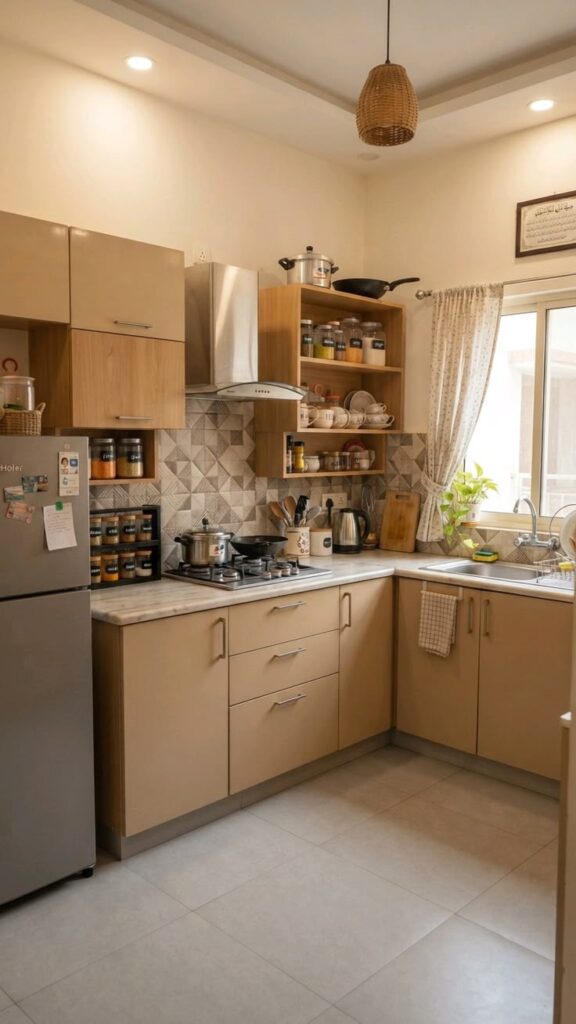
Your first week is not the time to create a perfectly stocked kitchen. You simply need enough food and basic supplies to get through your normal days comfortably.
Think about the meals you usually eat during a regular week. If you cook often, buy ingredients that can help you prepare several simple meals. If you rarely cook, avoid buying expensive kitchen supplies that may remain unused.
Your first grocery trip can become surprisingly expensive when you try buying everything together. Start with basic foods, drinks, snacks, and ingredients you already know you will use.
You can add more items after you understand your routine better. Perhaps you discover that you need more food containers because you enjoy preparing meals ahead.
Maybe you realize that you barely cook and need fewer kitchen items than expected.
Your kitchen should develop around your real habits, not the lifestyle you imagine having. This can save you money while also preventing your cabinets from becoming unnecessarily crowded.
Create a Simple Cleaning Routine
Your apartment may feel clean when you first move in, but keeping it that way requires some regular attention. The first week gives you a chance to notice which areas become messy most quickly.
You do not need to deep-clean your entire apartment every day. Instead, focus on small tasks that prevent dirt and clutter from building up.
Wash dishes after meals, wipe kitchen surfaces, remove rubbish, and return belongings to their usual places. These small actions can make deeper cleaning much easier later.
Pay attention to how long different cleaning tasks actually take. You may discover that wiping the kitchen takes only a few minutes, while cleaning the bathroom requires more time.
Use what you learn to create a routine that fits your real schedule. A cleaning routine should make your life easier, not make you feel like you are constantly working around your home.
If you want to create a routine you can actually maintain, How to Create a Cleaning Routine You’ll Actually Stick To can help you build one.

Organize as You Learn Your Space
You do not need to create a permanent organization system during your first week. At this stage, you are still discovering how much storage you actually have.
Instead, pay attention to the things that keep getting misplaced. Notice which cupboards become crowded and which spaces remain unused. Those observations will show you where your apartment needs better organization.
For example, your everyday kitchen items should probably stay close to where you prepare food. Your shoes might work better near the entrance instead of inside your bedroom. Small changes like these can save time every day.
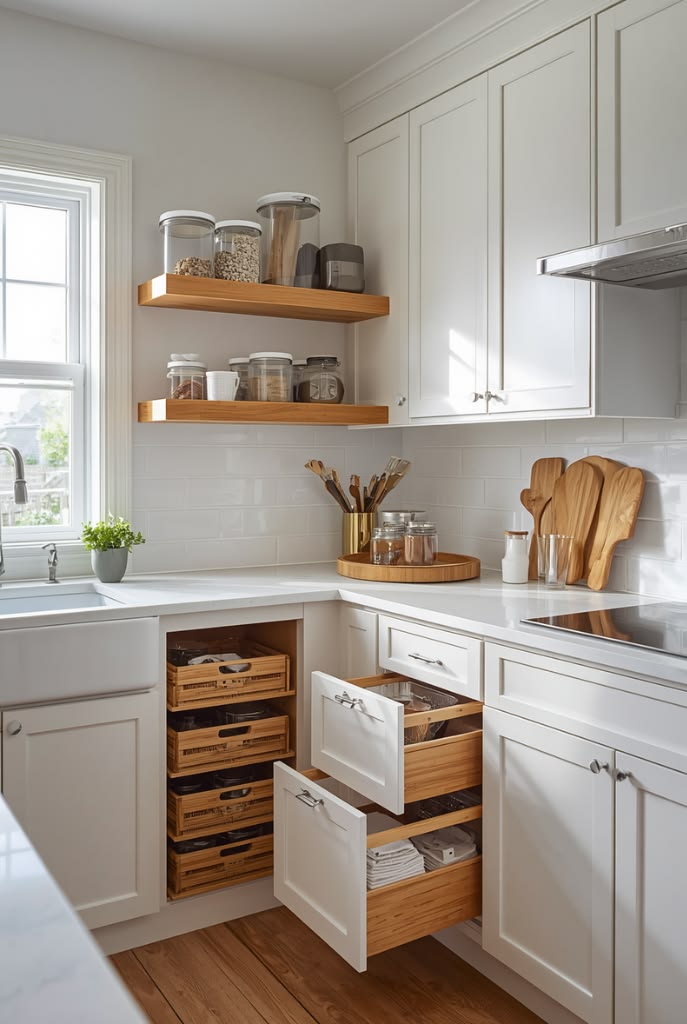
Avoid buying storage containers simply because they look useful. First understand what needs storing, then choose something that actually solves the problem.
If your apartment has limited space, How to Organize a Small Apartment for Everyday Living can give you practical ideas. Good organization should make your routine easier instead of simply making things look tidy.
Set Up Your Important Documents
Your first apartment will probably come with more paperwork than you expected. You may have your lease, receipts, utility information, payment records, maintenance details, and other important documents.
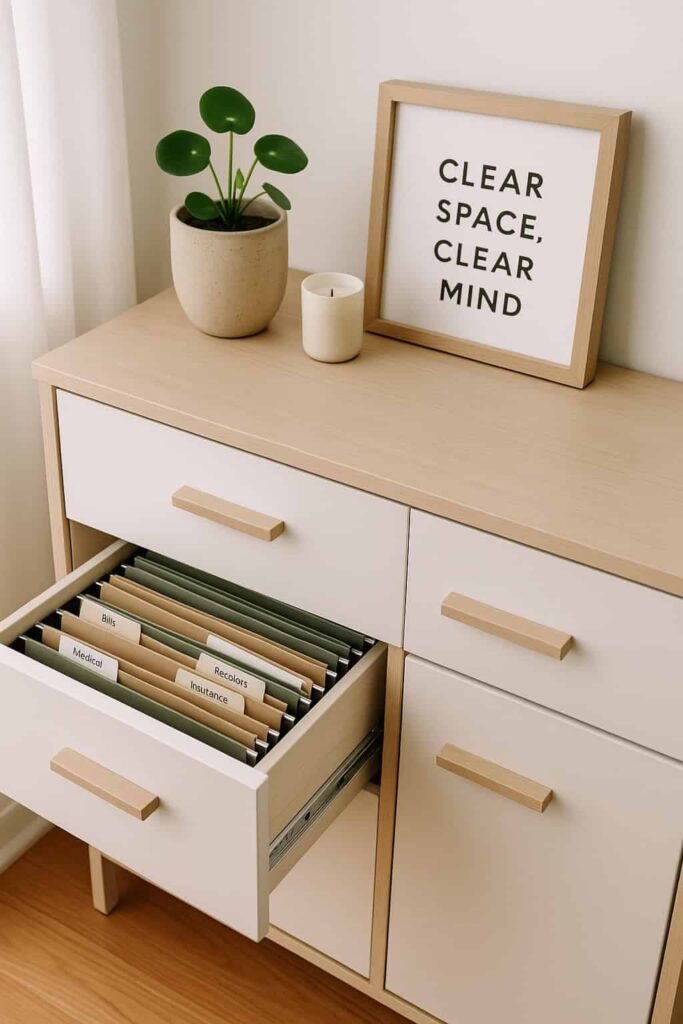
Choose one safe place for these things from the beginning. You can use a physical folder, small file box, or organized digital folder. The system does not need to be complicated to work well.
Keep your lease somewhere easy to access because you may need to check it again. You should also save important contact details for your landlord, property manager, and utility providers.
This small habit can save you plenty of time later. Instead of searching through emails or random papers, you will know exactly where important information belongs.
Your first week is also a good time to create reminders for rent and utility payments. A simple phone calendar can help you remember important dates without keeping everything in your head.
Create a Landing Spot Near Your Door
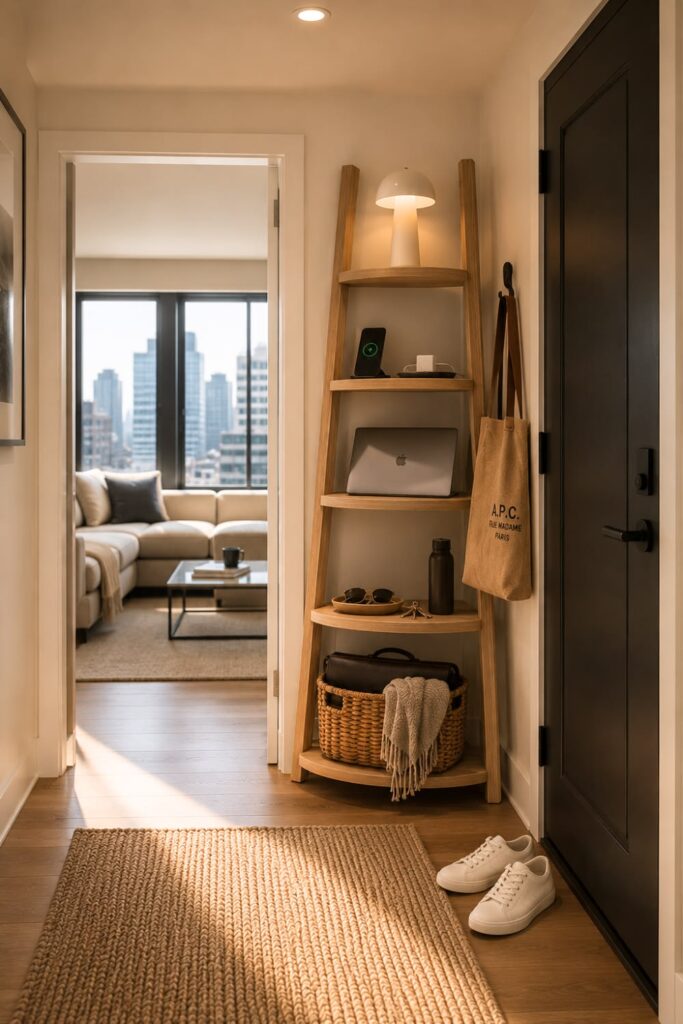
Your entrance may be small, but it can still benefit from a simple organization system. Choose one convenient place for your keys, everyday bag, shoes, sunglasses, and other things you carry outside.
You could use a small tray, basket, hook, shelf, or narrow table depending on your available space. The goal is simply giving your everyday belongings somewhere to go when you arrive home.
This habit can save you from searching for your keys when you are already running late. It also prevents small items from spreading across your bedroom, kitchen, and living room.
At first, you may need to remind yourself to use the space consistently. After some time, putting your belongings there can become automatic.
That small routine is one example of how a new apartment can become easier to manage. For more useful ideas, How to Build Simple Home Habits That Save Time Every Week explores simple routines that reduce everyday stress.
Talk About Responsibilities With Your Roommate
If you share your apartment with a roommate, use the first week to discuss household responsibilities. Do not wait until someone feels frustrated before talking about chores and shared expenses.
Discuss cleaning, groceries, rubbish, shared supplies, bills, visitors, and other responsibilities. You do not need complicated rules for every little household situation.
The main goal is making expectations clear from the beginning. Both people should understand what they are responsible for and how shared tasks will be handled.
Remember that people can have very different ideas about cleanliness and household routines. Something that feels normal to you might feel messy or excessive to your roommate.
A simple conversation can help you understand each other’s expectations before small issues become arguments. If you need practical ideas for creating a fair system, How to Split Household Responsibilities With a Roommate can help.

Make Your Apartment Feel Comfortable
Once the important tasks are under control, start making your apartment feel comfortable. You do not need to decorate every wall or buy expensive furniture during your first week.
Start with simple things that make your everyday experience better. Arrange your furniture so you can move around easily and use each room comfortably.
Your favorite bedding, a soft blanket, books, family pictures, or small decorative pieces can make the space feel personal. These details do not need to cost much money or require permanent changes.
Because you are renting, think carefully before making changes that could affect the walls or property. Simple renter-friendly touches can still create a space that feels completely yours.
If you want more ideas for decorating without permanent changes, How to Make a Rental Feel Like Home Without Permanent Changes fits naturally here.

Give Yourself One Quiet Evening
With all the unpacking and organizing, it can become easy to forget that you are allowed to enjoy your new home. Give yourself at least one evening during your first week without a long list of apartment tasks.
You could prepare something simple, order food, watch your favorite show, read, or simply sit quietly. You do not need to accomplish anything during that time.
I remember sitting among several unopened boxes one evening and feeling guilty about not finishing everything. Then I realized I had spent the entire day organizing instead of enjoying the fact that I had moved.
That small moment reminded me that a home is not simply another project. It is also the place where you will rest, create memories, and build your everyday life.
So, allow yourself to enjoy the space before everything is perfectly arranged. Those quiet moments can make the apartment feel like yours much sooner.

Check What You Actually Need
By the middle or end of your first week, you will understand your apartment much better. You will notice things that work well and other things that make your daily routine slightly harder.
Make a new shopping list based on those observations instead of your original list. Maybe you need more hangers, another storage basket, better lighting, or an extra kitchen utensil.
Separate those things into needs and wants before spending money. This simple step can protect your budget while still allowing you to improve your home gradually.
You may also discover that something you thought you needed is actually unnecessary. That is perfectly fine because living inside the apartment gives you information that shopping cannot provide.
Let your actual routine guide your future purchases. Your home will become more practical when your decisions are based on how you genuinely live.

Avoid Rushing Into Big Purchases
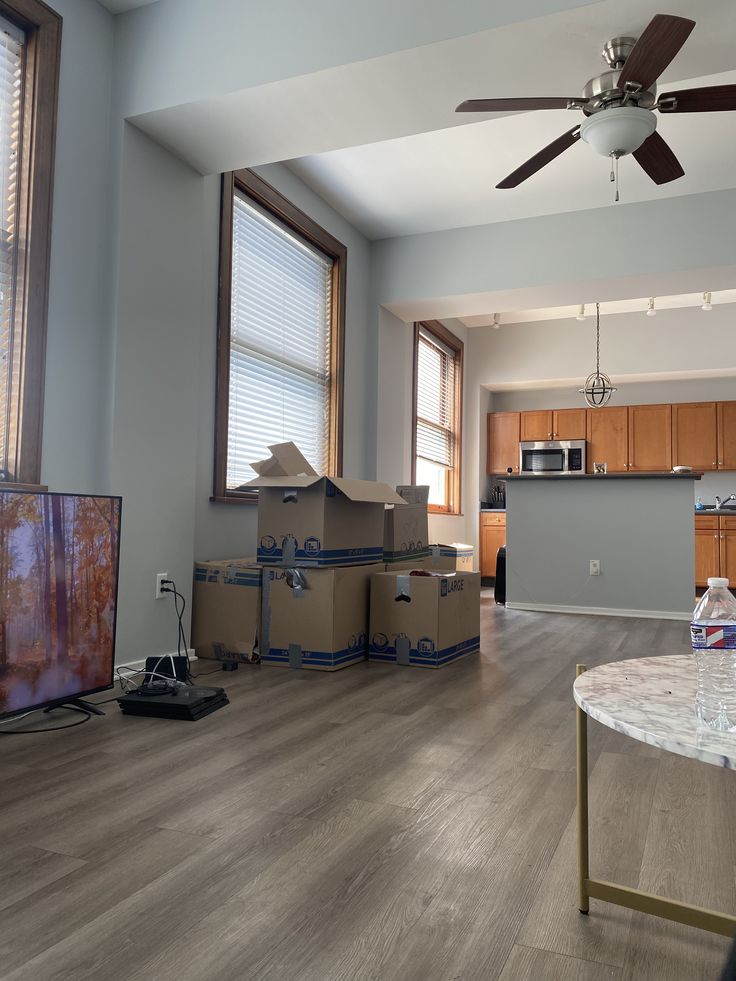
Empty rooms can make you feel like you need to buy furniture immediately. You might start imagining a sofa, dining table, rug, television stand, shelves, and decorations filling every empty space.
But give yourself some time before making expensive decisions. Your first week is still too early to know exactly how every room will work.
Measure your available space before buying large furniture. Think about walking areas, doors, windows, storage, and how you normally move through each room.
A beautiful piece of furniture can become frustrating if it makes the room difficult to use. Practical furniture usually becomes more valuable when you are living independently and managing a real budget.
Waiting can also give you time to compare prices and save for better-quality items. You do not need to furnish your entire apartment during your first week.
Notice What Works and What Needs Changing
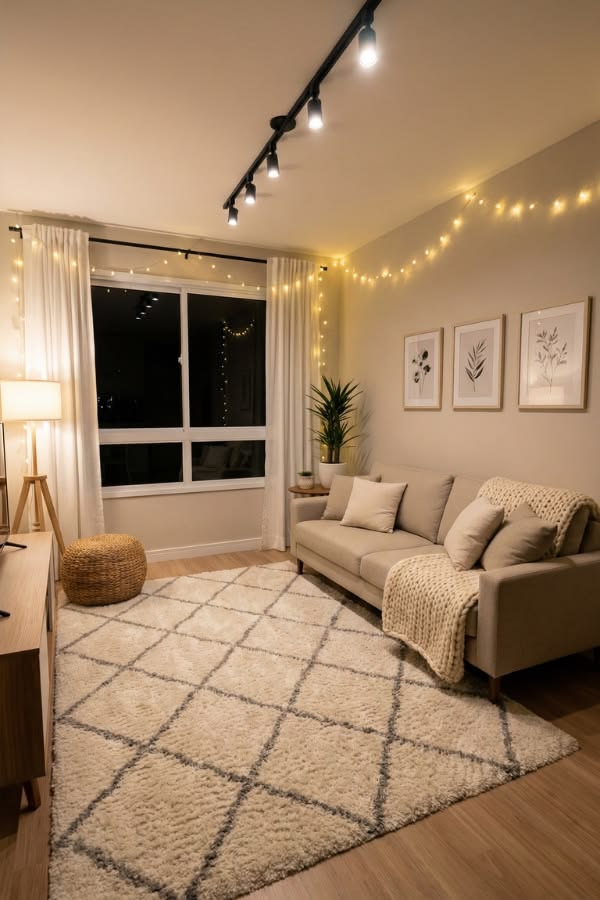
By the end of your first week, your apartment should already feel slightly more familiar. You may know where your most-used items belong and which routines are beginning to work.
You may also notice things that need changing, and that is completely normal. Your furniture arrangement might feel awkward, or your kitchen storage may need another solution.
Write those ideas down instead of trying to fix everything immediately. Some problems may disappear naturally once you become more familiar with the space.
At the same time, notice the things that already work well. Keep those routines instead of constantly changing your entire setup.
Your first week is not about creating a finished apartment. It is about learning enough to make better decisions during the weeks ahead.
Let Your Home Develop Slowly
Your apartment will probably look different a few months from now. Furniture may move, storage systems may change, and some things you buy today may eventually leave.
That does not mean you made bad decisions. It simply means you are learning what works for your lifestyle and what does not.
Your first apartment is also a chance to discover what kind of home makes you feel comfortable. Maybe you prefer fewer belongings, more open space, or a certain type of organization.
Give yourself permission to experiment. You do not have to get everything right on your first attempt.
A comfortable home usually develops through small adjustments rather than one huge decorating project. You notice something, try a solution, live with it, and adjust again when necessary.

Remember That You Are Still Learning
Your first week in a new apartment can teach you more than you expected. You are learning how to manage your space, money, belongings, routines, and household responsibilities.
Some things will go smoothly, while others may need adjustment. You might forget something, buy something unnecessary, or realize that your original plan does not work.
That does not mean you are failing at independent living. It simply means you are learning through experience, just like everyone else did.
Give yourself room to change your mind and try different approaches. Your apartment does not need to feel completely settled after seven days.
The goal is simply becoming more comfortable with your space and your responsibilities. As the weeks pass, many of these things will begin feeling much more natural.
Final Thoughts
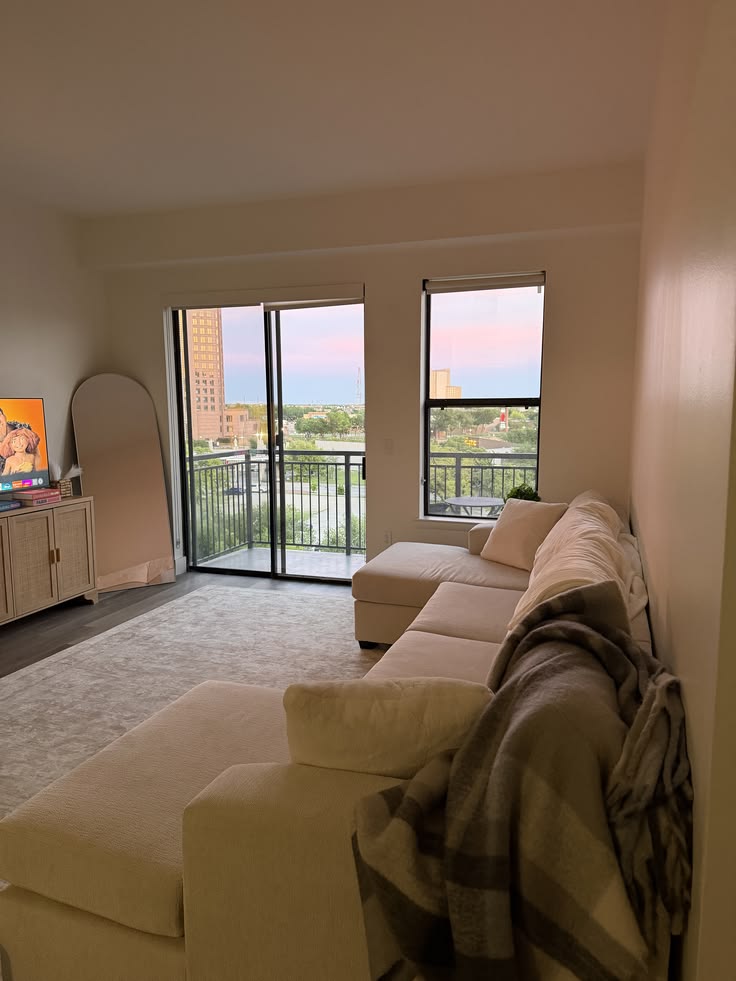
Your first week in a new apartment is really about creating a comfortable starting point. You do not need to unpack everything, buy everything, or solve every household problem immediately.
Start by checking your apartment, confirming your utilities, reviewing your lease, and handling your everyday essentials. Then, slowly organize your belongings and create routines around the way you actually live.
Pay attention to small frustrations because they can show you what needs changing. At the same time, notice what already works and allow those habits to grow.
Try not to compare your first week with someone else’s perfectly decorated apartment online. Your home will take time to develop, especially while you are learning independent living for the first time.
Most importantly, give yourself permission to enjoy the experience. You have taken an important step toward creating a home and managing your own life.
Start small, stay patient, and remember that you do not need everything figured out immediately. Your apartment will become more comfortable as you learn it, use it, and slowly make it your own.
Leave a Reply