Your first apartment can feel like the beginning of everything you have been waiting for. You have the keys, your boxes are packed, and suddenly you realize there is still so much to do.
The exciting part is imagining where your sofa will go and how you will decorate your bedroom. But the less exciting jobs can save you from expensive problems later.
Before moving day arrives, you need to check the apartment, prepare your money, organize your belongings, and plan how everything will come together.
It is easy to focus only on packing clothes and buying cute home items. Yet, some of the most important preparations happen before the first box enters your new home.
I remember how easy it was during my first move to think I was completely prepared. Then I noticed small things I had forgotten, and fixing them became stressful because I was already busy moving.
That is why preparation matters so much. You want moving day to feel busy, but not completely chaotic.
You also do not need to finish everything in one afternoon. Start early, handle the important things first, and give yourself enough time to catch mistakes.
If you are still building your shopping list, you may also want to keep 35 First Apartment Essentials You’ll Actually Use nearby because preparation and shopping usually go hand in hand.
Now, let’s get into the things worth doing before you move into your first apartment.
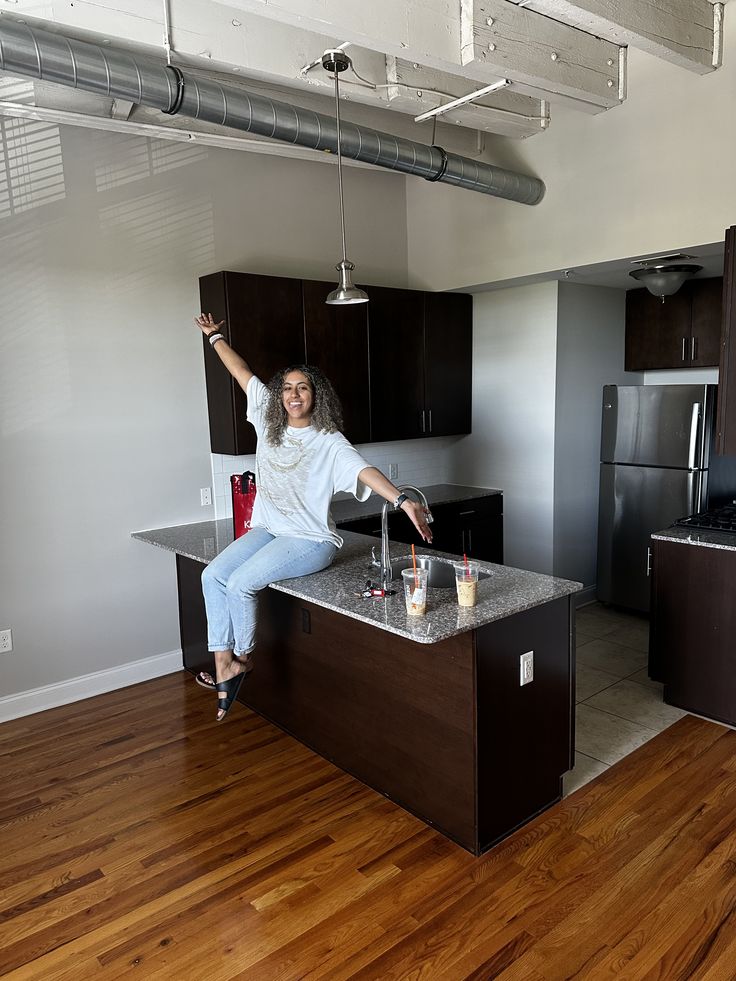
25 Things to Do Before Moving Into Your First Apartment
1. Read Your Lease Again
Before you move, take another look at your lease and read the important sections carefully. You may have read it before signing, but moving closer can make certain details feel more important.
Look for information about utilities, repairs, guests, pets, parking, maintenance requests, noise, and move-out requirements.
Also, check what your landlord expects you to handle yourself. Some responsibilities can surprise new renters because they assumed everything was covered.
Keep a digital copy somewhere easy to access. You can also save important contact information from your landlord or property manager.
Having these details available can save you from searching through emails when something needs attention.
Keep this handy: 25 Things to Check Before Signing an Apartment Lease

2. Confirm Your Move-In Date and Time
Do not assume your move-in date means you can arrive whenever you want.
Confirm the exact date and time with your landlord, property manager, or building management before moving day.
Ask when you can collect your keys and where you should go when you arrive.
If the building has an elevator, loading area, parking rules, or security desk, ask about those details too.
This matters because your moving truck, friends, family members, or hired movers need clear instructions.
A small timing problem can create a surprisingly stressful start. You do not want everyone standing outside while you are trying to figure out who has your keys.
Write down the confirmed time and share the information with anyone helping you move.
3. Create a Realistic Moving Budget
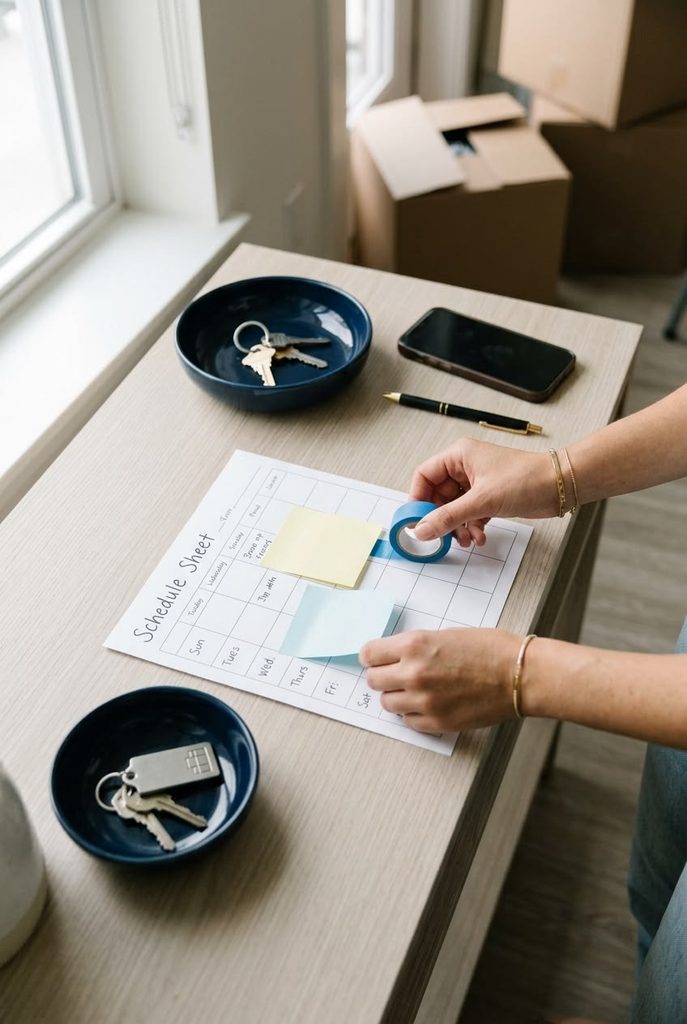
Moving usually costs more than the rent you have already planned for.
You may need money for transportation, movers, boxes, cleaning supplies, groceries, utility deposits, small repairs, and unexpected purchases.
Write down the expenses you already know about before moving day arrives. Then leave some extra room for things you did not expect.
Do not spend your entire budget on furniture because you want the apartment to look finished immediately.
Your home can come together slowly. Having money available for practical needs is much more useful during those first few weeks.
If you want to avoid unnecessary spending, keep a separate list of items you need immediately and things you can buy later.
That simple difference can protect your budget when the excitement of moving starts taking over.
Save this for later: 45 Things to Buy for Your First Apartment

4. Set Up Your Utilities
Find out which utilities you need to arrange before moving in.
Depending on your apartment, this could include electricity, water, gas, internet, waste services, or other household services.
Some rentals include certain utilities, while others require you to create your own accounts.
Do not guess based on what someone else pays. Your lease and landlord should give you the information you need.
Contact the relevant providers early enough so your essential services are ready around your move-in date.
Internet can sometimes take longer to arrange than expected, especially during busy periods.
You may not need everything running on the exact same day, but basic services should not be an afterthought.

5. Measure the Important Spaces
Before buying large furniture, measure your apartment carefully.
Check doorways, hallways, bedroom spaces, living areas, kitchen corners, and other places where large items need to pass.
A sofa can look perfect online and still refuse to fit through your front door.
Measure the space where each large item will sit instead of buying based only on appearance.
Also, keep your measurements somewhere easy to find while shopping. Your phone is usually the simplest place to store them.
During my first apartment setup, I almost bought furniture that would have crowded the room. Measuring first would have saved me from making that mistake.
A few minutes with a measuring tape can save you money, frustration, and an unnecessary return.

6. Make a Room-by-Room Checklist
Instead of creating one huge moving list, break your preparation into rooms.
Start with the bedroom, bathroom, kitchen, living area, and entryway. Then write down what each space needs before moving day.
This makes the whole process easier because you can see what is missing.
For example, your bedroom might need sheets and curtains, while the kitchen might need basic cookware and cleaning supplies.
You can also use the checklist to decide what you already own. That prevents you from buying duplicates.
Keep the list simple enough to update as you shop and pack.
A room-by-room plan can make a large move feel much more manageable.

7. Decide What You Are Taking With You
Moving into your first apartment does not mean taking everything you have ever owned.
Go through your clothes, kitchen items, books, electronics, decorations, and other belongings before packing them.
If something has been sitting untouched for years, ask yourself if you genuinely need it in your new home.
The less you move, the less you need to carry, unpack, organize, and store.
This is also a good time to donate useful items you no longer need.
Do not create clutter in your new apartment simply because you already own something.
Your first home should give you a chance to create a space that works for your current life.
You might also love this: 35 Small Apartment Organization Ideas That Make Everyday Life Easier

8. Start Packing Nonessential Items Early
Do not wait until the night before moving to pack everything.
Start with items you do not use every day, such as seasonal clothes, decorations, extra books, and rarely used kitchenware.
Then work closer to your moving date with the things you use regularly.
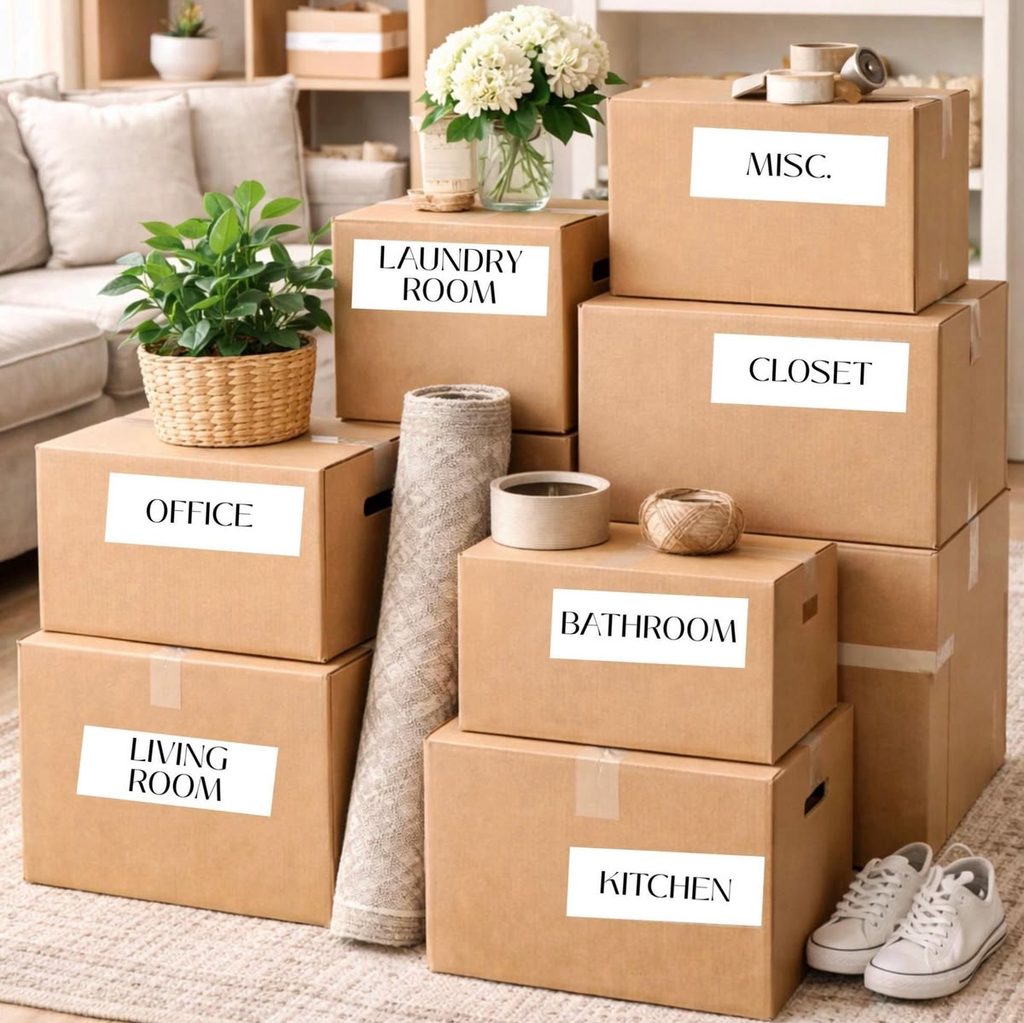
Label boxes clearly with the room and general contents. This makes unpacking much easier once everything arrives.
You can also mark boxes containing fragile items so they receive extra care.
Avoid making boxes so heavy that you cannot safely lift them. Smaller boxes can be much easier to carry.
Good packing is not about finishing quickly. It is about making the next stage easier.
9. Pack a First-Night Bag
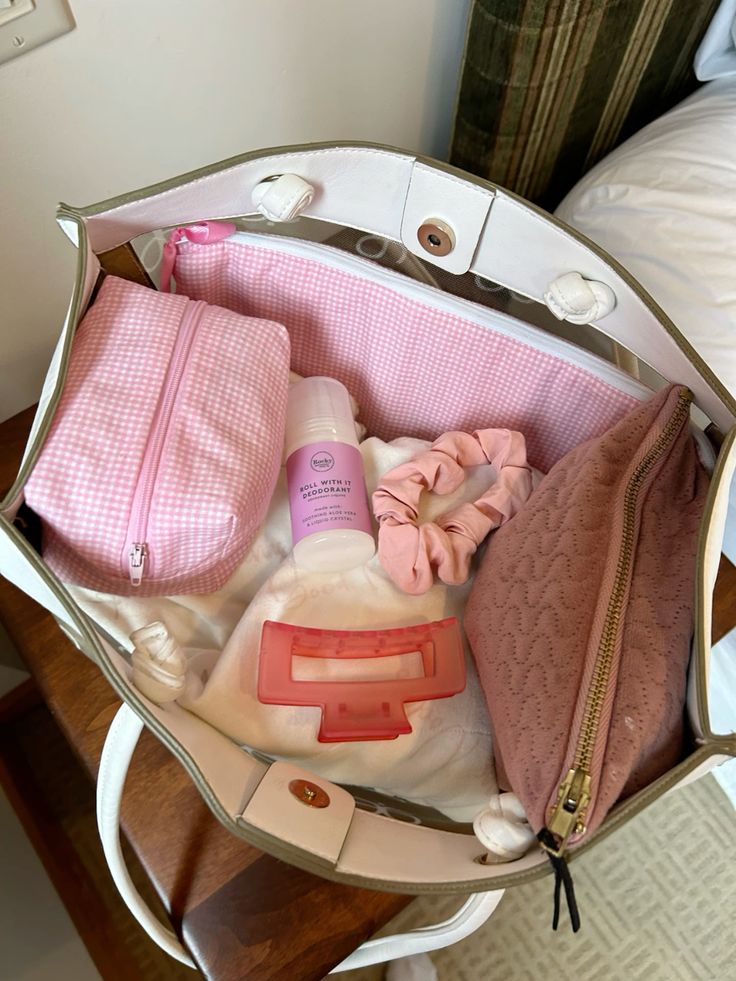
Your first-night bag should contain the things you will need before unpacking everything.
Think about toiletries, pajamas, medication, chargers, clean clothes, towels, toilet paper, and basic food.
You might also want a water bottle, snacks, important documents, and anything you need for your normal bedtime routine.
Keep this bag separate from your other boxes. You should be able to find it immediately after arriving.
This simple step can save you from opening twenty boxes just to find your toothbrush.
Your first night may already be tiring. Make it easier by keeping your essentials within reach.
10. Arrange Moving Help Early
If friends or family members are helping, confirm their availability before moving day.
If you are hiring movers, book them early and confirm the date, time, location, and services included.
Do not assume everyone remembers the original plan. A quick confirmation can prevent confusion.
Tell everyone what time you expect to start and where they should meet you.
Also, make sure there is enough space for people to move boxes safely.
If you have heavy furniture, make sure the people helping you are prepared for the job.
Moving is already demanding enough without discovering at the last minute that you do not have enough help.

11. Check Your Cleaning Supplies
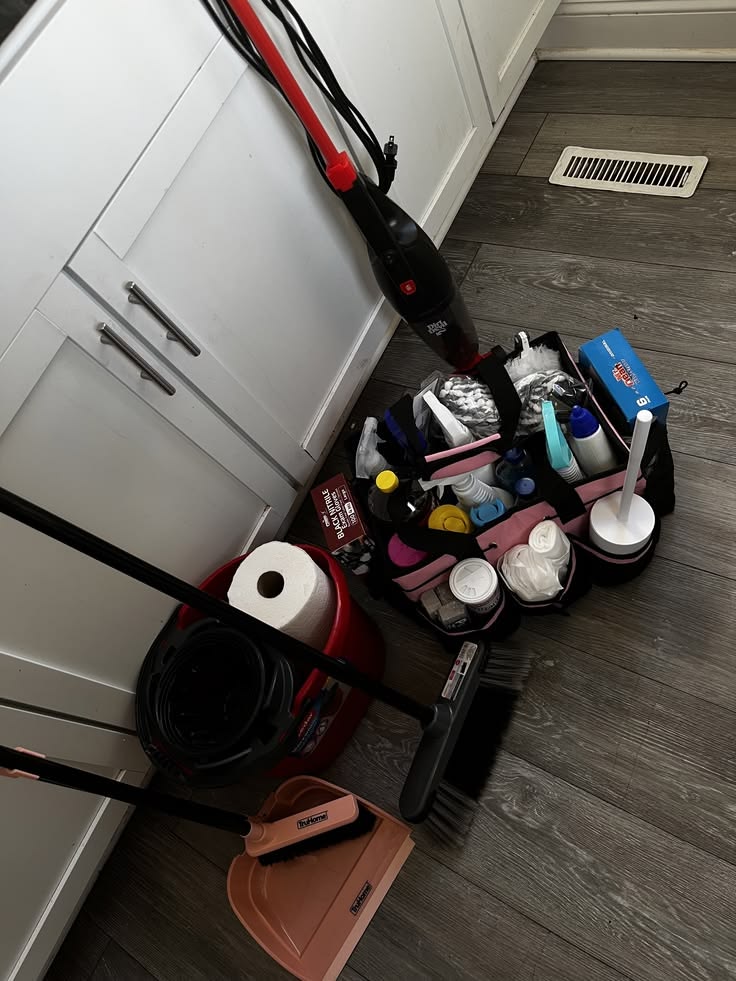
You should have basic cleaning supplies ready before your belongings arrive.
A new apartment can still need cleaning, even if it looked tidy during your viewing.
Dust can collect on shelves, floors, cabinets, windowsills, and other areas that you did not notice before.
Have basic supplies such as cloths, suitable cleaners, gloves, trash bags, a broom, and a mop available.
It is much easier to clean an empty apartment than one filled with boxes and furniture.
If you want to build a proper cleaning routine after moving, keep 45 Things to Clean in Your Apartment and How Often to Clean Them on your reading list.
12. Plan Where Your Important Documents Will Go
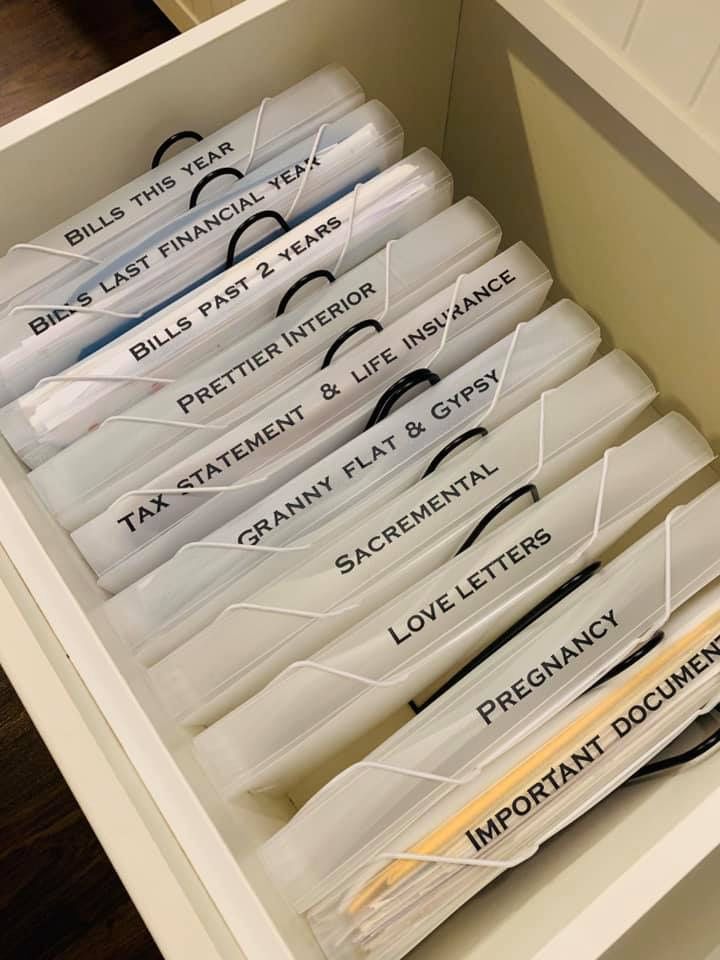
Your lease, identification, utility information, insurance documents, receipts, and other important papers should have a safe place.
Do not leave these documents inside random moving boxes.
Create one folder or digital storage system for important household information.
You should know exactly where to find your lease if you need to check a rule later.
The same goes for appliance instructions, landlord contact details, and repair information.
A small document system may seem unnecessary at first, but it can save you time when something important comes up.
13. Check Your Insurance Needs
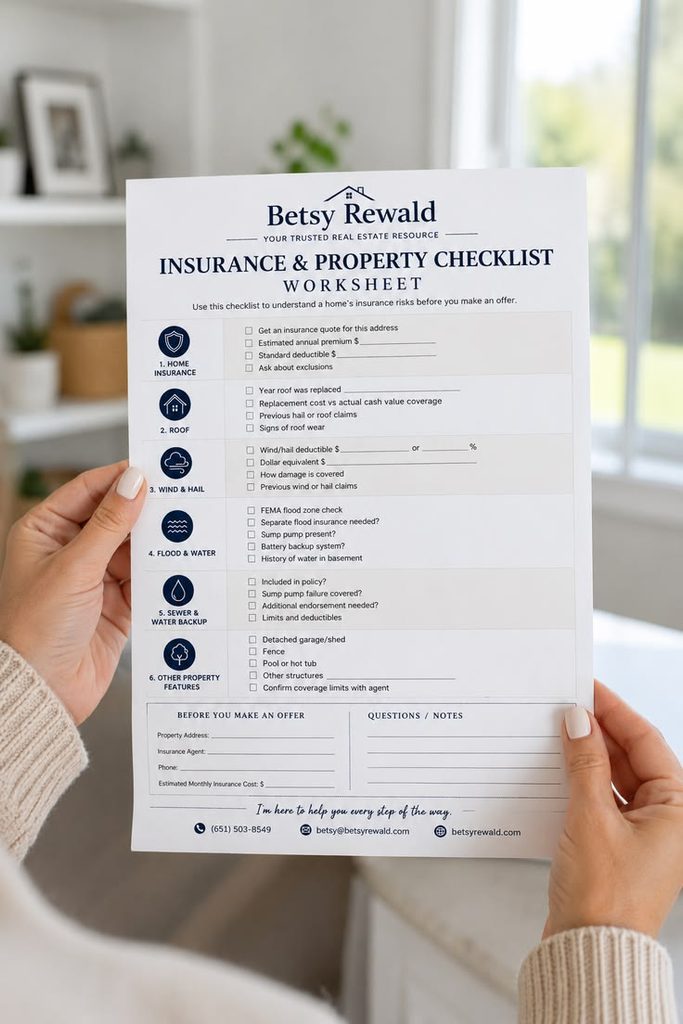
Find out what type of insurance or coverage your rental agreement requires.
Some landlords may have specific requirements, while other situations may leave you with different choices.
Read the information carefully and ask questions about anything you do not understand.
Do not assume your landlord’s insurance automatically protects your personal belongings.
Keep copies of any relevant policy documents with your other important household records.
This is one of those boring preparation jobs that feels much more important after something unexpected happens.
14. Plan Your First Grocery Trip
Your first grocery trip should focus on simple foods you will actually eat.
Moving can leave you tired, so you may not feel like cooking a complicated meal immediately.
Buy a few easy breakfast items, snacks, drinks, basic ingredients, and foods that can be prepared quickly.
Do not fill the refrigerator with groceries simply because it looks exciting to have your own kitchen.
Start small and learn your eating routine. You can add more food after you know what you actually use.
Also remember basic kitchen supplies like salt, cooking oil, and other everyday ingredients you regularly need.
A little planning can keep you from spending too much on takeout during your first week.

15. Decide How You Will Handle Your Mail
Make sure you know where your mail will be delivered at your new apartment.
Some buildings have individual mailboxes, while others use shared areas or building-specific systems.
Update your address with important services and people who regularly send you documents.
This can include your bank, employer, school, subscriptions, insurance providers, and other important accounts.
You do not need to change everything in one day. Make a list and handle the updates gradually.
Also, check how packages are handled in your building.
Knowing where deliveries go can prevent missed packages and confusion after you move.

16. Plan Your Internet and Work Setup
If you work or study from home, your internet setup deserves attention before moving day.
Think about where your desk, router, computer, chargers, and other equipment will go.
Choose a location that gives you enough light and allows you to work comfortably.
Do not place your workspace somewhere that blocks a doorway or creates unnecessary clutter.
If you need internet installed, arrange the appointment early.
A working setup can make your first week much easier, especially if you need to work immediately after moving.

17. Decide Where Your Furniture Will Go
You do not need a perfect interior design plan before moving.
But having a rough idea of where major furniture belongs can make moving day much faster.
Think about the sofa, bed, dining table, desk, television, and other large items.
You can even sketch a simple room layout on paper or your phone.
This helps the people carrying your furniture know where things should go.
It also reduces the need to move heavy items around later.
Your first arrangement does not have to be permanent. You can change things after living in the space for a while.

18. Check Your Smoke and Safety Equipment
Before settling in, find out where your smoke alarms and other safety equipment are located.
Check that they appear to be working and report any concerns to the landlord or property manager.
If your apartment has fire extinguishers or other building safety equipment, know where they are located.
You should also learn the safest exit routes from your building.
These are not things you want to think about for the first time during an emergency.
Take a few minutes to understand your surroundings before the apartment becomes filled with boxes.

19. Take Photos Before Unpacking
Take clear photos and videos of the apartment when you first receive access.
Photograph walls, floors, doors, windows, appliances, fixtures, and anything that already shows damage.
Pay attention to scratches, stains, marks, cracks, dents, and other visible issues.
Keep the photos somewhere safe with the date if possible.
This gives you a record of the apartment’s condition when you moved in.
Do not assume a small mark is too unimportant to document. It is better to have clear records than to rely on memory later.
This step is especially useful when your lease or landlord has specific move-out expectations.
Don’t miss this: 35 First Apartment Mistakes You’ll Want to Avoid

20. Learn How Repairs Are Reported
Find out how your landlord or property manager wants maintenance problems reported.
Some buildings use email, phone calls, online portals, or specific maintenance forms.
Save the correct contact information somewhere you can access quickly.
You should also know which problems need urgent attention and which can wait for normal maintenance.
Do not try to repair something yourself simply because you do not know who to contact.
Some repairs can become more expensive when handled incorrectly.
Knowing the proper process before you need it can make apartment problems much less stressful.
21. Find Your Nearest Useful Places
Before moving, take some time to learn what is around your new apartment.
Find the nearest grocery store, pharmacy, bank, gas station, laundry facility, public transportation stop, or other places you regularly need.
You do not need to memorize every street in the area.
Just knowing where your basic everyday needs are located can make your first few days easier.
Save important locations on your phone so you can find them quickly.
You can also check your route to work, school, or other regular destinations before your first busy morning.
That small bit of preparation can make the new neighborhood feel less unfamiliar.
22. Plan Your Cleaning Order
If the apartment needs cleaning, decide where you will start before your furniture arrives.
Usually, it makes sense to clean areas that will become difficult to reach later.
Think about floors, cabinets, shelves, bathroom surfaces, windowsills, and other accessible areas.
You can work room by room instead of trying to clean the entire apartment at once.
Do not forget areas hidden behind or underneath furniture when they are accessible.
A clean starting point makes unpacking feel much better.
You can later build a regular routine using your preferred schedule and the actual needs of your apartment.
23. Prepare a Small Moving-Day Toolkit
Keep a small bag or box with items you might need during the move.
Include things like scissors, tape, a screwdriver, a measuring tape, chargers, cleaning cloths, trash bags, and basic tools.
You may also want bottled water, snacks, paper towels, and other simple supplies.
Keep this kit separate from the main boxes.
You should not have to search through packed belongings to find scissors when a box refuses to open.
This small toolkit can become one of the most useful things you bring into the apartment.
You’ll use this again: 25 Apartment Items Worth Buying Before You Move In
24. Plan What You Will Do With Your Trash
Moving creates more rubbish than most people expect.
You may have cardboard boxes, packaging, plastic wrapping, old items, and other waste after unpacking.
Find out how your building handles rubbish and recycling before moving day.
Know where bins are located and what items can go into each one.
Break down cardboard boxes as you unpack so they do not take over your living space.
If you have a large amount of waste, find out if your building has special collection rules.
A simple waste plan can stop your first apartment from becoming crowded with empty boxes.
25. Give Yourself a Little Breathing Room
Finally, do not schedule your entire move so tightly that there is no room for unexpected problems.
Something will probably take longer than planned. A delivery may arrive late, a box may be missing, or a piece of furniture may need adjusting.
That does not mean the move has gone badly.
Give yourself extra time where possible, especially around moving day.
Also, avoid planning a huge social event immediately after moving. You may need a quiet evening to unpack, shower, eat, and breathe.
During my first move, I thought finishing everything quickly would make me feel more settled. Instead, slowing down helped me enjoy the apartment much more.
Your first apartment is a new chapter, not a race.
Keep this guide nearby: 25 Things to Do During Your First Week in a New Apartment
What to Do the Day Before Moving
The day before moving should be about finishing, checking, and resting rather than creating new chaos.
Charge your phone and power banks so you can communicate throughout the move.
Put your important documents, keys, wallet, chargers, and first-night bag somewhere safe.
Confirm the moving time again and make sure everyone helping you knows the plan.
Check that your boxes are labeled and that fragile items are clearly marked.
You can also do one final walk around your current home to check closets, cabinets, drawers, and storage areas.
It is surprisingly easy to leave something behind because it was hidden somewhere you rarely use.
Keep some basic food and water available because moving day can become hectic.
Most importantly, try to get enough rest. You will need your energy more than you need another late-night packing session.
What Not to Do Before Moving
Preparing for your first apartment can become stressful when you try to handle everything at once.
Do not buy every household item immediately just because your apartment looks empty.
Do not pack important documents inside boxes you will not open for days.
Do not forget to check measurements before ordering large furniture.
Do not leave utility arrangements until the last possible moment.
Do not assume your landlord knows about every existing problem inside the apartment.
And do not compare your first home with perfectly decorated apartments you see online.
Your first apartment is supposed to grow with you.
You can buy better furniture later. You can improve your storage later. You can decorate slowly and change things when your needs become clearer.
The important thing is creating a safe and functional starting point.
Worth a look: 35 First Apartment Essentials You’ll Actually Use
A Simple Way to Organize Your Final Week
The final week before moving can feel overwhelming because everything seems urgent.
Instead, divide your tasks across several days.
One day can focus on packing. Another can handle utilities and address changes.
You can use another day for cleaning, shopping, and confirming moving arrangements.
Keep the day before moving as light as possible so you are not exhausted before everything starts.
A simple checklist can help you see what is finished and what still needs attention.
Do not depend entirely on your memory because moving creates too many small details.
Write things down, check them off, and keep important information together.
That alone can make the final week feel much calmer.
Give Yourself Time to Settle In
After moving into your first apartment, you may feel pressure to unpack everything immediately.
But you do not need to make every room perfect on the first day.
Start with the bedroom, bathroom, kitchen basics, and anything you need for work or school.
Then work through the remaining boxes as your energy allows.
You may even discover that some things you packed do not have a useful place in your new home.
That is completely fine. You can donate, store, reorganize, or remove things later.
Your apartment will become more comfortable as you learn how you use it.
Try these next: 35 Small Apartment Organization Ideas That Make Everyday Life Easier
Final Thoughts
Moving into your first apartment is exciting, but it can also expose you to responsibilities you never had before.
Suddenly, you are thinking about utilities, cleaning, groceries, repairs, furniture, safety, bills, and keeping your space organized.
It can feel like a lot when everything happens at the same time.
But preparation makes a huge difference.
You do not need to know everything before moving. You simply need to handle the important things before they become urgent.
Read your lease. Confirm your move-in details. Prepare your budget. Arrange utilities. Measure your rooms. Pack carefully.
Then prepare your first-night bag, cleaning supplies, documents, moving toolkit, and basic groceries.
Those simple steps can make your first few days much easier.
And remember, your apartment does not need to look finished immediately.
Give yourself time to learn the space, build routines, and figure out what actually works for you.
Some things will go perfectly, while others may need a little adjustment.
That is part of learning to manage a home independently.
The goal is not to create a perfect apartment overnight.
The goal is to walk through that front door, know you have prepared well, and slowly turn the empty space into a home that works for you.
Leave a Reply