Starting a new job can make even simple questions feel strangely difficult sometimes. You may know you need help, but something inside keeps telling you to figure everything out alone.
You might sit quietly, stare at your screen, and spend thirty minutes searching for an answer. Meanwhile, the person beside you could solve the problem in two minutes.
That awkward feeling is incredibly common when you are new at work. You want your coworkers to see you as capable, intelligent, dependable, and ready.
So, asking questions can sometimes feel like admitting that you are not good enough. But here is something you need to understand before that fear controls you.
Asking for help does not make you look incapable at work. In many workplaces, asking the right question shows that you care about doing things properly.
The real problem is not asking for help when you genuinely need it. The bigger problem is staying confused, making avoidable mistakes, and pretending everything makes sense.
Your first few weeks are supposed to involve questions, learning, corrections, and adjustment. Nobody walks into a completely new workplace knowing every process, person, tool, and expectation.
If you are still preparing for your career journey, How to Prepare for Your First Job Interview can help.
Now, let’s talk about asking for help without feeling embarrassed, needy, or unprepared.

How to Ask for Help at a New Job Without Feeling Embarrassed
Why Asking for Help Feels So Uncomfortable
Starting somewhere new can make you feel like everyone else knows something you don’t know. You notice people moving confidently through their tasks while you are still learning everything.
They know where files are stored, who approves requests, and which systems they should use. You may still be wondering which button you should press without causing problems.
That difference can make you feel like you are already behind. But most people you work with were once new somewhere too.
They also had moments when they needed someone to explain something simple. They also asked questions that probably felt embarrassing at the time.
You simply do not see those moments because you arrived after they learned everything. There is another reason asking questions feels uncomfortable during your first job.
You may worry that your manager will think you were not listening carefully. You may also fear that your coworkers will become tired of answering your questions.
Those thoughts can become louder when you already feel nervous about proving yourself. Still, you should separate your feelings from what is actually happening.
Feeling embarrassed does not automatically mean you are doing something embarrassing. Sometimes your brain is simply reacting to an unfamiliar situation.
That reaction becomes easier to manage once you understand what your workplace expects.

Your First Job Is Also a Learning Period
A new job is not just about showing what you already know. It is also about learning how that particular workplace operates every day.
You may have excellent skills and still need time to understand the company’s systems. Every workplace has its own language, routines, expectations, tools, and unwritten rules.
Even experienced professionals need time before everything starts feeling natural. That is why you should give yourself permission to learn.
You do not need to know everything during your first week. You simply need to show that you are willing to learn and improve.
This connects closely with How to Make a Great First Impression During Your First Week at Work. A great first impression does not mean pretending to know everything.
Sometimes, it means showing curiosity, paying attention, and taking responsibility for your learning. Your coworkers are more likely to respect someone who genuinely wants to understand.
They may become frustrated with someone who repeatedly makes mistakes without asking questions. So, asking for help can actually protect your reputation instead of damaging it.

Know When You Should Ask for Help
Not every small problem requires someone else’s attention. Sometimes, you can solve something yourself with a little patience and careful thinking.
You should first check the information already available before approaching someone. Look through previous emails, instructions, shared documents, notes, or training materials.
You might discover that the answer was already explained during your onboarding. But do not spend hours struggling with something that needs quick clarification.
There is a point where independent effort becomes unnecessary frustration. A simple question can sometimes save you from making a much bigger mistake.
Ask for help when you have tried reasonable solutions without getting anywhere. Also ask when the task has serious consequences if you get something wrong.
For example, financial records, client information, deadlines, and important documents deserve extra care. You should never stay silent simply because you fear looking inexperienced.
Getting clarification early can prevent problems that become harder to fix later.

Try Solving the Problem Before Asking
One of the best ways to ask for help professionally involves doing some work first. People usually appreciate questions more when they can see genuine effort behind them.
You do not need to solve everything alone before asking. You simply need to understand the problem enough to explain where you are stuck.
For example, avoid saying, “I don’t understand this.” Instead, explain what you already tried and where the confusion started.
You could say, “I followed the instructions until this step, but this result appeared.” That small difference makes your question clearer and easier to answer.
It also shows that you were paying attention instead of immediately giving up. Your coworker can then focus directly on the part causing difficulty.
This approach can save both of you valuable time during busy workdays. It also helps you learn the process instead of simply receiving an answer.

Do Not Turn Every Question Into an Emergency
New employees sometimes become nervous and treat every problem like something urgent. That can make ordinary workplace situations feel much more stressful than necessary.
Before asking someone for help, take a moment and assess the situation. Ask yourself if the problem affects an immediate deadline or important responsibility.
If the answer is no, you may have time to investigate first. You could write the question down and ask during a quieter moment.
This approach shows consideration for your coworker’s workload and responsibilities. At the same time, do not delay important questions simply to appear independent.
If waiting could create a bigger problem, ask sooner instead. Professional judgment means knowing when patience helps and when action matters.
Learning that balance becomes easier as you understand your workplace better.

Choose the Right Person to Ask
Knowing what to ask matters, but knowing who to ask matters too. You do not need to ask the same person about every single problem.
Some coworkers may understand specific systems better than others. Your manager may be the best person for questions about priorities and expectations.
A teammate might be better for questions about daily procedures or software. Human resources may handle questions about policies, benefits, or workplace procedures.
Choosing the right person helps you receive better information faster. It also prevents you from interrupting someone who cannot actually solve your problem.
During your first few weeks, quietly notice who handles different responsibilities. Pay attention when people explain their roles during meetings and everyday conversations.
You can also keep a simple note showing who handles specific workplace questions. That little habit can make asking for help much easier later.

Ask Questions Clearly and Directly
Sometimes people feel embarrassed because they make their questions longer than necessary. You might spend five minutes explaining everything before finally reaching the actual question.
That can make the conversation feel more uncomfortable than it needs to be. Instead, explain the situation briefly and then state exactly what you need.
For example, you might say, “Could you show me how this process works?” You could also say, “I understand the first two steps, but I’m unsure about this part.”
Another useful approach involves asking for confirmation before completing important work. You might say, “Can I quickly confirm that I’m following this process correctly?”
These questions sound professional without making you appear helpless. They also give the other person enough information to respond properly. Clear questions are easier for busy coworkers to answer quickly.

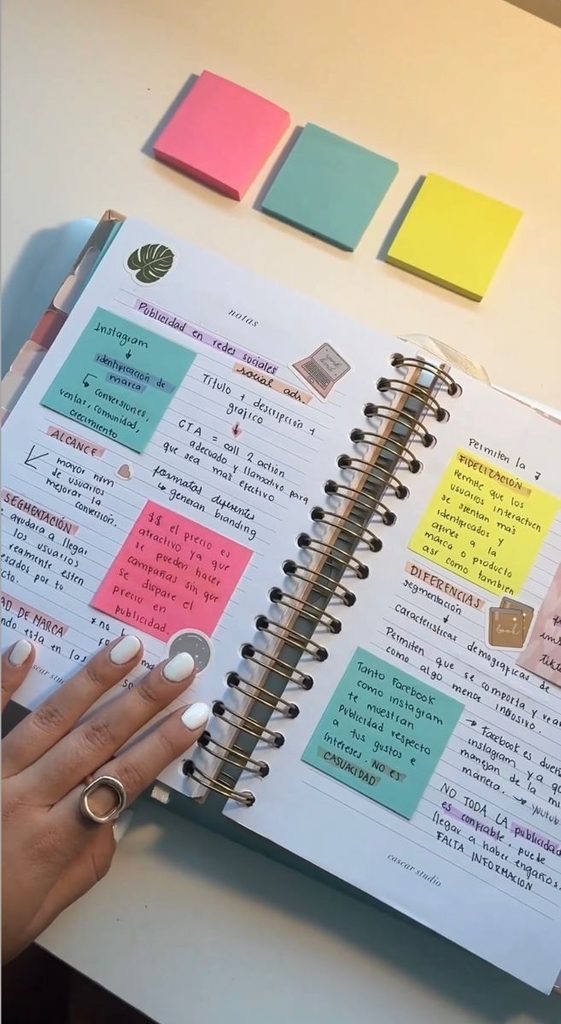
Keep a Small Learning Notebook
One simple habit can reduce the number of questions you need to repeat. Keep a small notebook or digital document for important workplace information.
Write down processes, shortcuts, instructions, names, deadlines, and explanations you may need again. You can also record questions that came up during your first few weeks.
When someone explains something useful, write down the important parts immediately. You do not need to record every word they say.
Focus on the information that will help you handle similar situations independently. This habit shows that you take your learning seriously.
It also prevents you from asking the same question repeatedly. If you are learning how to manage your tasks better, How to Stay Organized When You Start a New Job can help.
Your notes can eventually become your personal workplace reference guide.

What If You Ask Something Really Simple?
This is one of the biggest fears new employees often carry. You might think, “Everyone probably knows this except me.”
Then you start feeling embarrassed before you even open your mouth. But simple questions are still questions that deserve clear answers.
Workplaces often contain processes that seem obvious only after someone explains them. You cannot know every internal system simply because you have been hired.
Your responsibility is to learn the information you need to perform properly. If someone answers your question kindly, accept the answer and keep moving.
If someone reacts impatiently, try not to immediately turn that reaction against yourself. Their response may reflect their workload, personality, stress, or communication style.
It does not automatically prove that your question was stupid. Keep learning, stay respectful, and avoid letting one awkward interaction define you.

Ask Without Apologizing Excessively
Many people begin questions with unnecessary apologies. They say, “Sorry to bother you,” “Sorry, this might sound stupid,” or “Sorry for asking.”
Being polite is good, but constantly apologizing can make you sound less confident. You are allowed to ask reasonable questions at your workplace.
Instead of apologizing repeatedly, acknowledge the person’s time respectfully. You could say, “Do you have a quick minute to help me with this?”
That sounds considerate without making your question sound like a burden. You could also say, “When you have a moment, could you clarify something for me?”
That approach gives the person room to respond based on their workload. You can be respectful without making yourself feel guilty for needing guidance.
Confidence often begins with how you speak to yourself. If you are struggling to believe in your abilities, How to Build Confidence in the Workplace may help.

Do Not Ask Five Questions at Once
Sometimes nervousness causes people to unload every question they have at once. That can overwhelm the person trying to help them.
Instead, group related questions and handle them in a sensible order. If several questions belong to the same process, explain that connection.
You could say, “I have three quick questions about this process.”Then ask each question clearly and allow the person to respond.
This makes the conversation easier for both of you. It also helps you remember the answers more clearly afterward.
If you have many unrelated questions, consider writing them down first. Then decide which questions are urgent and which ones can wait. This small habit can make you look more organized and thoughtful.
Pay Attention While Someone Explains
Asking for help is only half of the learning process. You also need to pay close attention when someone takes time to explain something.
Put your phone away if possible and focus completely on the conversation. Take notes when the information is complicated or easy to forget.
If you need clarification, ask another question instead of pretending you understand. Pretending to understand creates more problems later.
You may complete the task incorrectly and then need even more assistance. It is better to say, “Could you explain that last part again?”

What If You Make a Mistake After Asking?
Sometimes you can ask the right question and still make a mistake afterward. That does not mean asking for help was pointless.
Learning often involves trying something, getting it wrong, and understanding what happened. The important part is how you respond once the mistake becomes clear.
Take responsibility instead of immediately blaming another person. Explain what happened honestly and ask how you can correct it.
Then write down what you learned so you avoid repeating the same problem. This approach turns an uncomfortable situation into useful workplace experience.
If the mistake needs careful handling, How to Handle Workplace Mistakes Professionally can guide you further.
Your goal should not be becoming someone who never makes mistakes. Your goal should be becoming someone who learns quickly from them.

One Small Story You Might Recognize
Imagine starting your first office job and receiving a task you have never completed. Your manager explains the process quickly because several other things need attention.
You nod because you do not want to interrupt the conversation. Later, you stare at the screen and realize you missed one important step.
Instead of asking, you spend almost an hour trying different options. Eventually, you make an error that could have been avoided with one question.
You finally approach your coworker and explain exactly where you became confused. They show you the correct process and tell you they struggled with it initially.
Suddenly, you realize your embarrassment was much bigger than the actual situation. That happens to many new employees more often than you might expect.
Sometimes the hardest part is simply giving yourself permission to ask.

Build Confidence Through Small Wins
Confidence rarely appears suddenly after someone gives you a motivational speech. It usually grows quietly as you complete small tasks successfully.
The first time you complete a process alone, notice that achievement. The first time you answer a question confidently, notice that progress too.
These small moments prove that your learning is actually working. Do not compare your beginning with someone’s fifth year at the company.
You are still collecting experiences that will eventually become professional instincts. If your confidence feels low, focus on progress instead of perfection.
You can also prepare yourself for future conversations using How to Build Confidence in the Workplace.
Confidence grows when you repeatedly prove that you can learn, adapt, and recover.

Create a Simple Question Strategy
Having a simple strategy can make asking for help feel much less stressful. First, identify exactly what you do not understand.
Then check available information before approaching someone for assistance. Next, choose the person most likely to know the correct answer.
After that, ask clearly and briefly while respecting their current workload. Listen carefully and write down important information.
Finally, try applying what you learned without immediately asking another person. This process keeps your questions thoughtful instead of impulsive.
It also helps you become more independent as you gain experience. You may eventually notice that you need help much less often. That is a natural sign that you are settling into your role.
Keep this guide nearby: How to Build Healthy Work Habits Early in Your Career

Keep Building Your Professional Communication Skills
Asking for help is also part of becoming a better workplace communicator. You need to explain problems clearly, listen carefully, and respond respectfully.
Those same skills will help you communicate with managers, teammates, clients, and future employers. Your written communication matters too, especially when asking questions through email.
If you are still learning professional workplace communication, How to Write Professional Emails at Work is worth reading.
A clear message can make asking for assistance easier when someone is unavailable. You can explain what you tried, where you are stuck, and what you need.
That gives the other person enough context to help without unnecessary back-and-forth. Good communication makes workplace learning smoother and less stressful.

Prepare Yourself for Future Career Growth
The ability to ask for help will remain useful throughout your career. You may eventually change departments, companies, industries, roles, or professional responsibilities.
Every new environment will contain information you do not immediately understand. Experienced professionals still ask questions when they encounter unfamiliar situations.
The difference is that they usually feel less embarrassed about doing so. They understand that good questions can prevent expensive mistakes and wasted time.
You can develop that mindset now instead of waiting until you feel experienced. If you are building your career from scratch, How to Write a Resume With Little or No Experience can also help.
Your early career is not just about getting your first job. It is about developing habits that make future opportunities easier to handle.

Another Important Lesson About Asking for Help
You should never feel ashamed of needing guidance at the beginning. But you should also pay attention to patterns in your questions.
If you repeatedly struggle with the same process, investigate why. Maybe the instructions were unclear, or perhaps you need additional training.
You might also need more practice before the process becomes comfortable. Instead of feeling embarrassed, treat repeated confusion as useful information.
It tells you exactly where you need stronger understanding. That awareness can help you become a better employee much faster.
You may eventually discover that one honest conversation solved a problem lasting weeks. That is why speaking up matters.

Before You Ask, Pause and Breathe
If you feel your heart racing before asking a simple question, pause first. Take one slow breath and remind yourself why you are asking.
You are not asking because you are incapable. You are asking because you want to understand something correctly.
That small mental shift can completely change how you approach the conversation. Instead of thinking, “They will think I am stupid,” think differently.
Tell yourself, “I want to make sure I do this correctly.” That thought sounds simple, but it gives your question a professional purpose.
You are not seeking approval. You are seeking information that helps you perform your responsibility properly.
You’ll want to come back to this: How to Prepare for Your First Performance Review

Your First Job Does Not Need to Be Perfect
There is so much pressure around getting your first professional role right. You may feel like every conversation, mistake, question, and decision matters enormously.
Some things will matter, but many awkward moments will eventually become forgettable. You will learn new systems, meet different personalities, and understand workplace expectations.
You will also discover strengths you did not know you had before starting. Give yourself enough room to experience that process.
Your early career is a learning season, not a final examination. You do not need to impress everyone every single day. You simply need to keep showing up, learning, improving, and doing your best.
Continue reading here: How to Make a Great First Impression During Your First Week at Work

Final Thoughts
Asking for help at a new job can feel uncomfortable, especially when you want everyone impressed. But staying confused just to appear capable can create bigger problems later.
Try solving reasonable problems yourself, but do not struggle unnecessarily. When you need help, choose the right person and ask clearly.
Listen carefully, write down useful information, and apply what you learn. Most importantly, remember that asking questions does not mean you are incapable.
You are learning a new workplace, and learning naturally involves asking questions. With experience, the questions that once made you nervous become easier.
You will gradually understand workplace systems and know who to approach. That confidence comes from practice, not pretending you know everything.
So, when you feel embarrassed about asking for help, remember this: You are not proving that you are incapable; you are giving yourself room to become capable.
Your career will not be built from knowing everything immediately. It will be built through learning, asking, practicing, improving, and growing.
Leave a Reply