You finally got the email you were hoping for, and suddenly, getting the interview feels scary. Your heart starts beating faster, and you begin wondering what they might ask you.
Then you remember your limited experience, your nervousness, and that awkward “Tell me about yourself” question. Suddenly, the interview that excited you starts feeling like an exam you might fail.
But here is something important you need to understand before panic takes over completely. Your first job interview is not supposed to feel completely comfortable.
You are stepping into something new, and feeling nervous simply means you care. The good news is that you can prepare yourself before walking into that room.
You do not need perfect experience, perfect answers, or a perfect personality. You simply need to understand what employers want and prepare yourself properly.
You also need to remember that an interview is a conversation, not an interrogation. The person interviewing you is trying to understand who you are beyond your resume.
They want to know how you think, communicate, solve problems, and handle responsibility. So instead of spending the night memorizing complicated answers, start preparing with intention.
Your goal is not to sound like someone else during your interview. Your goal is to confidently show the person sitting across from you what you can offer.
And honestly, that becomes much easier when you know exactly how to prepare. If you are still working on your application materials, start with How to Write a Resume With Little or No Experience.

How to Prepare for Your First Job Interview
Start Preparing Before You Get the Interview Date
Start Preparing Before You Get the Interview Date. Do not wait until you receive an interview invitation before preparing.
Start learning about the companies and roles that interest you, and keep your resume updated. Remember that school projects, volunteering, internships, freelance work, and personal projects can provide valuable examples.
Even organizing a school event can demonstrate communication, teamwork, planning, and problem-solving skills. Pay attention to the things you already do well because they may be more valuable professionally than you realize.

Understand What the Job Actually Requires
Before preparing interview answers, read the job description carefully .Do not only look at the job title and assume you understand everything.
Look at the responsibilities, required skills, preferred qualifications, and expectations listed there. Then think about how your experience connects with those requirements.
You might not meet every requirement, especially when applying for your first job. That does not automatically mean you should remove yourself from consideration.
Many entry-level job descriptions describe an ideal candidate rather than a perfect candidate. Instead, focus on the requirements you can genuinely demonstrate.
If the company wants someone organized, prepare examples showing how you stay organized. If communication matters, think about situations where you communicated clearly with others.
If teamwork appears frequently, prepare examples involving group projects or shared responsibilities. This gives your answers direction instead of making you guess during the interview.
It also helps you show the employer that you actually understand the role.
Bookmark this post: How to Stay Organized When You Start a New Job

Research the Company Before Your Interview
Walking into an interview knowing nothing about the company can hurt your chances. You do not need to memorize the entire history of the organization.
Still, you should understand what the company does and who it serves. Visit the company’s website and read its About page carefully.
Look at its products, services, customers, values, and recent activities. You can also check the company’s social media pages for useful information.
Pay attention to the language the company uses when describing its work. This can help you understand its culture and communication style better.
You should also research the specific department connected to your potential role. Try to understand what someone in that position might handle every day.
For instance, applying for a customer service role requires different preparation from marketing. The more you understand the role, the more specific your answers can become.
You will also have better questions to ask when the interviewer says, “Do you have questions?”

Do Not Overdo Your Research
There is a difference between being prepared and becoming overwhelmed with information. You do not need to know every employee, company milestone, or social media post.
Focus on information that helps you understand the position and organization. Write down three or four useful facts you can remember easily.
Then connect those facts with reasons you are interested in working there. This gives your answers a more personal and thoughtful feeling during the interview. It also shows that you did more than simply submit an application.
See what everyone’s talking about: How to Make a Great First Impression During Your First Week at Work

Prepare for the Questions You Will Probably Hear
You cannot predict every question you will receive, but some questions appear frequently in entry-level interviews. Prepare for questions like, “Tell me about yourself,” by keeping your answer brief and relevant.
Mention your background, useful skills, experiences, and why you are interested in the position. You may also be asked about your strengths, weaknesses, challenges, or past mistakes.
When discussing your strengths, support them with a real example instead of simply listing qualities. For weaknesses, choose something genuine that you are actively working to improve.
Then explain what you are doing differently and what you have learned from the experience. This shows self-awareness, responsibility, and a willingness to grow.
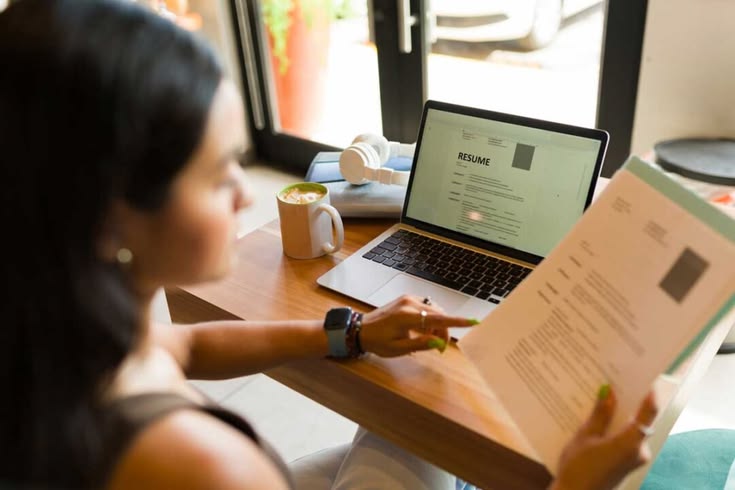
Prepare Stories Instead of Memorized Answers
One of the easiest ways to prepare is using real experiences from your life. Think about situations where you solved problems, helped someone, learned something, or handled pressure.
You can use experiences from school, volunteering, internships, church, personal projects, or previous work. The experience does not have to come from a formal office.
What matters is what you did and what you learned. For example, perhaps you once had a group project where everyone disagreed.
Instead of simply saying you are good at teamwork, explain what happened. Then describe how you helped the group reach an agreement.
Finally, explain what the experience taught you about working with different people. That makes your answer much stronger than simply listing “teamwork” as a skill.
Keep several stories ready because different questions may require different examples.
Save this for later: How to Handle Workplace Mistakes Professionally

Practice Your Answers Without Sounding Robotic
Practicing your answers can build confidence, but avoid memorizing every sentence. Instead, focus on the main points you want to communicate during the interview.
Say your answers aloud, practice with someone you trust, or record yourself. This can help you notice if you speak too quickly, repeat words, or give overly long answers.
Practice answering common questions naturally without relying on a written script. Remember, employers are not looking for a perfect speech. They want to understand you clearly and see how you communicate.

Practice Your Introduction Especially Well
Your opening moments can affect how comfortable you feel throughout the interview. That is why your introduction deserves extra practice before the interview.
Prepare a short introduction that explains who you are professionally. Mention your background, useful skills, and what attracted you to the opportunity.
Keep it conversational and avoid sounding like you are reading your resume aloud. You should be able to deliver it comfortably within one or two minutes.
Then practice saying it until the main points feel familiar. This can give you a strong starting point when the interview begins.
Pin this for later: How to Build Confidence in the Workplace

Prepare Questions You Want to Ask Them
Many first-time candidates focus so much on answering questions that they forget something important.
An interview is also your opportunity to learn about the company and position.
When the interviewer asks if you have questions, avoid saying, “No, I’m fine.”
Having thoughtful questions shows interest and helps you understand what comes next.
You could ask what success looks like during the first few months.
You could also ask about the team’s daily responsibilities and working style.
Another useful question concerns training and support for someone entering the position.
You might ask how the company measures performance for the role.
Questions like these can help you understand what the employer expects.
They can also help you decide if the opportunity matches your goals.

Avoid Questions That You Could Easily Research
Some questions can make you appear unprepared when the answers are already obvious.
For example, asking what the company does may not create the best impression.
You should already understand the basic business before entering the interview.
Instead, ask questions that show you have thought about the actual position.
You can also ask about the team’s current priorities or upcoming challenges.
That creates a more meaningful conversation between you and the interviewer.
You might also love this: How to Ask for Help at a New Job Without Feeling Embarrassed
Choose Your Interview Outfit Ahead of Time
Your clothes should not become another source of stress on interview morning. Choose your outfit at least one day before the scheduled interview.
Make sure everything is clean, comfortable, neat, and appropriate for the workplace. You do not need the most expensive clothes to look professional.
A simple, clean, well-fitting outfit can create a polished appearance. If you are unsure about the company’s dress style, research its workplace photos.
You can also choose something slightly more professional than everyday office clothing. Avoid wearing something that makes you constantly adjust, pull, or worry.
You want your attention focused on the conversation instead of your clothes. The same applies to shoes, hair, accessories, and other personal details. Keep everything simple enough that you feel comfortable and confident.

Pack Everything You Need
Prepare your interview bag the night before whenever possible. Keep copies of your resume available if you are attending an in-person interview.
You can also carry a notebook and pen for taking brief notes. Bring any documents the employer specifically requested during the application process.
If you are traveling somewhere unfamiliar, check the route before leaving home. Knowing your expected travel time can prevent unnecessary panic later.
If possible, plan to arrive around ten to fifteen minutes early. Arriving extremely early can also create unnecessary waiting and nervousness. Give yourself enough time to settle down without rushing through the building.
Keep this handy: How to Build Healthy Work Habits Early in Your Career

Prepare Properly for a Virtual Interview
Virtual interviews can feel easier because you are sitting at home. However, they still require preparation and professional behavior.
First, check your internet connection before the scheduled interview. Test your camera, microphone, headphones, and interview platform ahead of time.
Make sure your device has enough battery or remains connected to power. Choose a quiet place where interruptions are unlikely to happen.
Your background should be reasonably clean and free from distracting movement. You should also position your camera at a comfortable eye-level height.
Avoid placing your laptop on a bed or extremely low surface. Good lighting can also make your face easier for the interviewer to see.
If possible, place a light source in front of you instead. Avoid sitting directly in front of a bright window.

Keep Your Interview Environment Professional
Close unnecessary applications and silence notifications before joining the meeting. You do not want random sounds appearing while someone is speaking.
Keep your phone away or switch it to silent mode. Join the meeting a few minutes early and check your settings again.
Then take a breath and remind yourself that you prepared for this. Virtual interviews still require eye contact and attentive listening.
Look toward your camera regularly instead of constantly watching your own image. Also remember that small technical problems can happen to anyone.
If your connection fails, calmly reconnect and explain the situation briefly. Do not let one technical problem convince you that the entire interview failed.
Worth a look: How to Write Professional Emails at Work
Learn How to Handle Nervousness
Being nervous before your first interview does not mean you are unprepared. Sometimes, nervousness simply means the opportunity matters to you.
The goal is not to eliminate every nervous feeling before you begin. Instead, learn how to keep those feelings from controlling your behavior.
Start by preparing early instead of leaving everything until interview morning. Get enough rest because exhaustion can make nervousness feel much stronger.
Eat something suitable before the interview if you normally need food. Drink enough water, but avoid anything that makes you uncomfortable during the meeting.
Before entering the interview, take several slow breaths. Remind yourself that you do not need to know everything.
You are allowed to pause briefly before answering a difficult question. You can also ask the interviewer to repeat a question when necessary.
Taking a moment to think does not automatically make you look unprepared. In fact, thoughtful answers often sound stronger than rushed answers.

Stop Expecting Yourself to Be Perfect
One mistake many first-time candidates make involves trying too hard to appear perfect. They become afraid of saying anything that reveals their limited experience.
But employers already know you are applying for an entry-level opportunity. They are not expecting you to have twenty years of professional experience.
They want someone who can learn, communicate, take responsibility, and grow. So do not apologize repeatedly for being new.
Instead, confidently explain what you already know and what you are ready to learn. That attitude can make a much stronger impression than pretending to know everything.

Pay Attention to Your Body Language
Your words matter, but your body language also communicates something. Sit comfortably and maintain natural eye contact throughout the conversation.
Avoid constantly checking your phone, looking around, or playing with objects. Try to keep your hands relaxed instead of tightly gripping them.
A natural smile can also make the conversation feel more comfortable. You do not need to force a smile throughout the entire interview.
Simply allow your face to respond naturally to the conversation. Listen carefully while the interviewer speaks instead of planning your next answer.
Small signs of attention can show that you are genuinely engaged. Your posture should also communicate that you are interested and present.
You do not need to sit stiffly like you are attending an examination. Relax your shoulders and allow yourself to breathe normally.

Let Your Personality Show
Professional does not mean becoming completely serious or emotionless. Interviewers are still speaking with a person, not reading a machine.
Let your genuine personality come through while remaining respectful and appropriate. If something is funny, a natural smile or small laugh is completely fine.
If you are passionate about the role, allow that excitement to show. Your goal is to appear professional while still feeling like yourself. That balance becomes easier when you stop trying to perform perfectly.

Be Honest When You Do Not Know Something
At some point, you may receive a question you cannot answer confidently. This happens to experienced professionals too, so do not panic immediately.
Avoid inventing an answer simply because you feel pressured to respond. Instead, be honest about what you currently know.
Then explain how you would approach learning or solving the issue. For example, you can explain that you have not worked with that software yet.
Then mention that you are comfortable learning new tools and give an example. This answer demonstrates honesty while still showing your willingness to grow.
Employers often value someone teachable more than someone pretending to know everything.

Do Not Lie About Your Experience
Never exaggerate your skills simply because you want the job. A lie that sounds impressive during an interview can create problems later.
Imagine telling an employer you are highly skilled with software you have never opened. If they hire you based on that claim, your lack of knowledge becomes obvious quickly.
Instead, describe your current ability honestly and explain your learning progress. You can still present yourself confidently without pretending to be someone else.
Don’t lose this: How to Handle Workplace Mistakes Professionally

Think About What Happened After Your Last Interview
Your preparation should not end when you leave the interview room. Take a few minutes afterward to think about how the conversation went.
Write down questions you answered well and questions that made you uncomfortable. Also note anything you wish you had explained more clearly.
Do not use this exercise to criticize yourself endlessly. Use it to become better prepared for your next opportunity.
Maybe you realized that you spoke too quickly during certain questions. Perhaps you struggled to explain one particular experience clearly.
Write those things down while the conversation remains fresh in your mind. Then practice those areas before another interview arrives. This simple habit can make each interview more useful than the previous one.

Send a Professional Follow-Up
If appropriate, send a short thank-you message after the interview. Thank the interviewer for their time and mention something specific from your conversation.
Keep the message brief, polite, and professional. Do not send several messages asking if they have made a decision.
Give the company the time they mentioned for responding. If they did not provide a timeline, allow some reasonable time before following up. A professional follow-up can remind them of your interest without creating pressure.
Read this next: How to Prepare for Your First Performance Review

Remember That Rejection Does Not Define Your Ability
Your first interview may not lead to your first job. That can hurt, especially after spending days preparing and hoping for good news.
Still, rejection does not automatically mean you were terrible during the interview. Sometimes another candidate had more relevant experience or a stronger connection.
Sometimes the company changes its plans after interviews have already started. Sometimes your answers simply need more practice before your next opportunity.
You cannot control every hiring decision, but you can control your preparation. If you receive useful feedback, take it seriously without taking it personally.
Use it to identify specific things you can improve. Then continue applying instead of allowing one rejection to stop everything.

Your First Interview Is Also Practice
Think about your first interview as an important learning experience. You are learning how professional conversations work in real workplace situations.
You are also learning how to explain your experiences under pressure. Each interview can make the next one feel less unfamiliar.
Even if you do not receive the offer, something useful can come from the experience. You may discover which questions make you nervous.
You may also discover strengths you did not realize you had. That knowledge becomes valuable when another opportunity appears.

Give Yourself Time to Grow
Starting your career can make you feel like everyone else knows something you missed. You see people confidently discussing work, skills, salaries, and career plans.
Meanwhile, you are still trying to understand where you fit professionally. That feeling is more common than you probably realize.
Your first job interview is simply one step into a much bigger journey. You are not expected to have your entire career figured out today.
You are expected to keep learning and become better with each opportunity. So prepare seriously, but do not turn preparation into unnecessary pressure.
Research the company, understand the role, practice your answers, and prepare thoughtful questions. Then walk into the interview knowing you have done your part.
You may still feel nervous, and that is completely okay. Confidence does not always mean feeling fearless before something important.
Sometimes confidence simply means moving forward even while your stomach feels nervous. Your first interview might not go exactly as planned.
You might forget an answer, speak too quickly, or struggle with an unexpected question. That does not mean you cannot succeed.
It simply means you are learning how to navigate your professional life. And honestly, that is what your first job interview should teach you.
You are not walking into that room to prove you are perfect. You are walking in to show what you can offer, what you have learned, and what you can become.
Before you go, check this out: How to Make a Great First Impression During Your First Week at Work

Final Thoughts
Preparing for your first job interview does not have to feel overwhelming. Start early, understand the role, research the company, and prepare your experiences.
Practice your answers enough to feel confident without memorizing every word. Prepare thoughtful questions, choose your outfit early, and plan your journey ahead of time.
For virtual interviews, test your equipment and create a quiet, professional environment. Most importantly, remember that nervousness does not mean you are unprepared.
You can feel nervous and still communicate clearly, answer thoughtfully, and make a great impression. Your first interview is not a final judgment on your future.
It is simply an opportunity to show what you can offer and what you are ready to learn. So take a deep breath, trust your preparation, and walk in with confidence.
You do not need to know everything yet. You simply need to show that you are willing to learn, contribute, and grow. And sometimes, that is exactly what an employer is looking for..
Leave a Reply