Sharing an apartment with a roommate can make independent living easier, but it can also create unexpected tension. You are suddenly sharing your kitchen, bathroom, living room, bills, and everyday routines with another person.
When I first thought about sharing a home, I assumed the hardest part would be finding someone I could tolerate. I soon realized that living together peacefully depends more on clear expectations and simple communication.
Two people can have completely different ideas about cleanliness, groceries, noise, privacy, and household responsibilities. One person might clean immediately, while another prefers waiting until the weekend.
That does not automatically mean either person is difficult. It simply means you need to talk about how you will manage your shared home.
If you are still getting your first apartment ready, How to Set Up Your First Apartment Without Feeling Overwhelmed can help you prepare before sharing your space.
The goal is not creating strict rules for every little thing. You simply need a fair system that keeps responsibilities clear and prevents small problems from becoming bigger arguments.

How to Split Household Responsibilities With a Roommate
Talk About Expectations Before Problems Start
The easiest time to discuss household responsibilities is before someone becomes frustrated. Once resentment starts building, even simple conversations can suddenly feel much harder.
Sit down together and talk about what each person expects from the shared home. You can discuss cleaning, groceries, bills, visitors, rubbish, shared spaces, and personal belongings.
Keep the conversation relaxed instead of making it feel like a formal meeting. You are simply trying to understand how the other person normally handles household responsibilities.
Ask simple questions about what cleanliness means to each of you. You might discover that one person considers a slightly messy kitchen completely normal, while the other finds it stressful.
These differences are easier to manage when you know about them early. You can then create routines that consider both people’s habits instead of guessing what the other person expects.

Decide What Counts as a Shared Responsibility
Not everything inside an apartment needs to become a shared responsibility. Some things will naturally belong to each person individually.
For example, each person can usually handle their own bedroom, clothes, personal toiletries, and private belongings. Shared areas are different because both people use them regularly.
The kitchen, bathroom, living room, entrance, and shared storage areas may need a clearer arrangement. You should also discuss things like rubbish, cleaning supplies, and household items used by everyone.
Write down the main shared responsibilities after your conversation. You do not need a complicated document, because a simple note can be enough.
The important thing is making sure both people understand what needs attention. This removes the common problem where everyone assumes the other person will handle something.

Divide Cleaning in a Way That Feels Fair
Cleaning is one of the biggest sources of roommate disagreements. It becomes especially frustrating when one person feels like they are constantly cleaning after everyone else.
Instead of saying, “We should both clean,” talk about the actual tasks involved. You can divide things like bathroom cleaning, kitchen cleaning, sweeping, mopping, dusting, and rubbish.
You do not necessarily have to split every task exactly in half. Fairness can also mean sharing the overall effort in a way that works for both people.
For example, one person might prefer cleaning the bathroom while another handles the kitchen. Someone who hates mopping might happily take responsibility for another regular task.
The goal is finding an arrangement that both people can realistically maintain. If cleaning starts becoming difficult, How to Create a Cleaning Routine You’ll Actually Stick To can help you create a simple routine together.
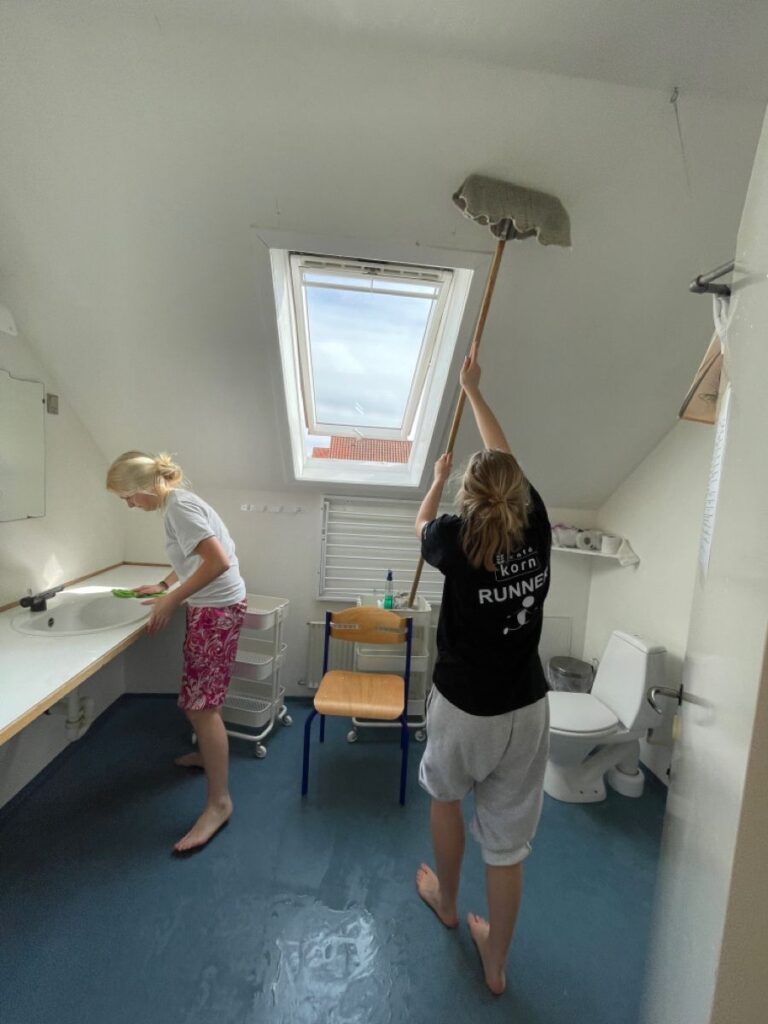
Consider Different Cleaning Standards
One roommate may clean because something looks slightly untidy, while another waits until the mess becomes obvious. These different standards can create tension if you never discuss them.
Try explaining what bothers you instead of simply calling your roommate messy. Saying, “I feel uncomfortable when dishes stay overnight,” gives clearer information than saying, “You are always dirty.”
At the same time, listen to your roommate’s preferences without immediately becoming defensive. They may have grown up with completely different household routines.
You do not need to make your roommate live exactly like you. You simply need enough agreement to keep shared spaces comfortable for everyone.
That might mean agreeing that dishes should not stay overnight or rubbish should leave the apartment regularly. Small agreements can make a surprisingly big difference.

Create a Simple Chore Schedule
A basic schedule can help when both people have busy lives. It gives everyone a clear idea of what needs doing without requiring constant reminders.
You could create weekly responsibilities and rotate certain tasks when needed. Another option is giving each person permanent responsibilities that match their preferences.
For example, one roommate could handle bathroom cleaning while the other handles floors and rubbish. Shared tasks like dishes could simply be handled by whoever uses the kitchen.
The best system is usually the one that feels easy enough to follow. A complicated schedule may look organized initially but become frustrating after a few weeks.
Keep the system flexible and review it when your schedules change. Independent living becomes easier when your home routines fit your actual life.

Handle Groceries Before They Become a Problem
Food can become another awkward area when roommates share an apartment. You need to decide which groceries belong to everyone and which items belong to individuals.
Some roommates prefer buying everything together and splitting the cost. Others prefer keeping most food separate and sharing only basic household items.
Either option can work when both people agree. The problem usually begins when someone eats something they assumed was shared.
Talk about basics like cooking oil, salt, cleaning products, toilet paper, and other items used by everyone. Decide how you will replace those things when they run out.
You can also create a shared shopping list for household essentials. That keeps everyone aware of what needs buying without making one person responsible for everything.

Be Clear About Shared Bills
Money can change a comfortable roommate relationship very quickly. That is why shared bills should be discussed clearly from the beginning.
Talk about electricity, water, internet, rubbish services, shared subscriptions, and other costs connected with the apartment. Make sure everyone understands which expenses are shared and how they will be divided.
Do not rely on memory when money is involved. Keep payment records or use a simple shared system that shows what has been paid.
You should also agree on payment dates before the first bill arrives. Waiting until someone is already chasing money can create unnecessary tension.
If your apartment responsibilities are still new to you, How to Build Simple Home Habits That Save Time Every Week can help you create systems around payments and other household tasks.

Decide How to Handle the Rubbish
Rubbish sounds like a small responsibility until nobody wants to take it outside. If you do not discuss it, the bin can quickly become another source of irritation.
Decide who normally takes rubbish out and how often it should happen. You can rotate the responsibility or simply make it the responsibility of whoever notices first.
Also talk about recycling if your building has separate bins. Make sure everyone understands where different types of waste should go.
The arrangement does not need to be complicated. The main thing is avoiding a situation where one person becomes the permanent rubbish manager.
Small household tasks can easily pile up when nobody feels responsible. Clear expectations help prevent that problem before it starts.

Respect Each Other’s Personal Space
Sharing an apartment does not mean sharing everything. Your roommate should still have private areas and belongings that you respect.
Avoid borrowing personal items without asking, even when something seems harmless. This includes clothes, food, toiletries, electronics, and other belongings.
Your bedroom should also remain your private space unless you have agreed otherwise. The same applies to your roommate’s room and personal areas.
Respecting privacy creates a much healthier atmosphere inside the apartment. It also makes it easier for both people to feel comfortable after a long day.
If you are organizing a smaller shared apartment, How to Organize a Small Apartment for Everyday Living can also help you create clearer spaces for personal belongings.

Talk About Shared Spaces
Shared spaces need slightly different rules because both people use them. The living room, kitchen, bathroom, and entrance should remain comfortable for everyone.
Talk about how belongings should be handled after use. For example, shoes might have a specific place, while kitchen equipment could return to its usual storage area.
This does not mean your apartment needs to look perfect all the time. It simply means shared spaces should not become permanently occupied by one person’s belongings.
If someone needs extra space temporarily, communicate about it. A quick conversation can prevent frustration from building quietly.
Remember that your roommate also needs to feel at home. Shared living works better when both people feel that they have equal access to the apartment.

Agree on Guest Expectations
Guests can create tension when roommates have different expectations. One person may enjoy having friends over regularly, while another prefers a quieter home.
Talk about visitors before problems happen. Discuss overnight guests, parties, late-night visits, and how much notice you both prefer.
You do not need to control each other’s social lives. Instead, you are trying to make sure visitors do not constantly interfere with the other person’s comfort.
If your lease contains guest rules, follow those requirements too. How to Read and Understand Your First Lease Agreement can help you understand the rental rules that may affect guests.
Good communication matters even more when someone plans to have a guest stay overnight. A little notice can give your roommate time to prepare mentally and practically.

Learn How to Deal With Missed Chores
Even a good roommate will probably forget a responsibility sometimes. People get busy, tired, distracted, or unexpectedly overwhelmed.
The problem starts when one missed task becomes a repeated pattern. Instead of silently doing everything yourself, bring it up calmly.
You could say, “I noticed the rubbish has been sitting here for two days.” This gives your roommate a clear reminder without immediately turning the conversation into an argument.
Try to focus on the task rather than attacking the person. Personal criticism can make simple household conversations much harder.
If the same problem keeps happening, discuss the system itself. Maybe the chore is poorly timed, unclear, or simply not realistic for that person’s schedule. What to Do During Your First Week in a New Apartment can help you manage this.

Do Not Keep Score of Every Little Thing
Fairness matters, but constantly counting every tiny task can make shared living exhausting. You do not want your apartment to feel like a competition.
One person might wash a few extra dishes today while the other handles something bigger tomorrow. What matters is the overall balance across time.
Still, this does not mean one person should quietly carry most responsibilities. If the arrangement consistently feels unequal, that needs to be discussed.
Try looking at the bigger picture before becoming upset about small differences. Sometimes a roommate contributes in ways you do not immediately notice.
At the same time, do not ignore a pattern simply because you want to avoid conflict. A calm conversation is healthier than silently building resentment.
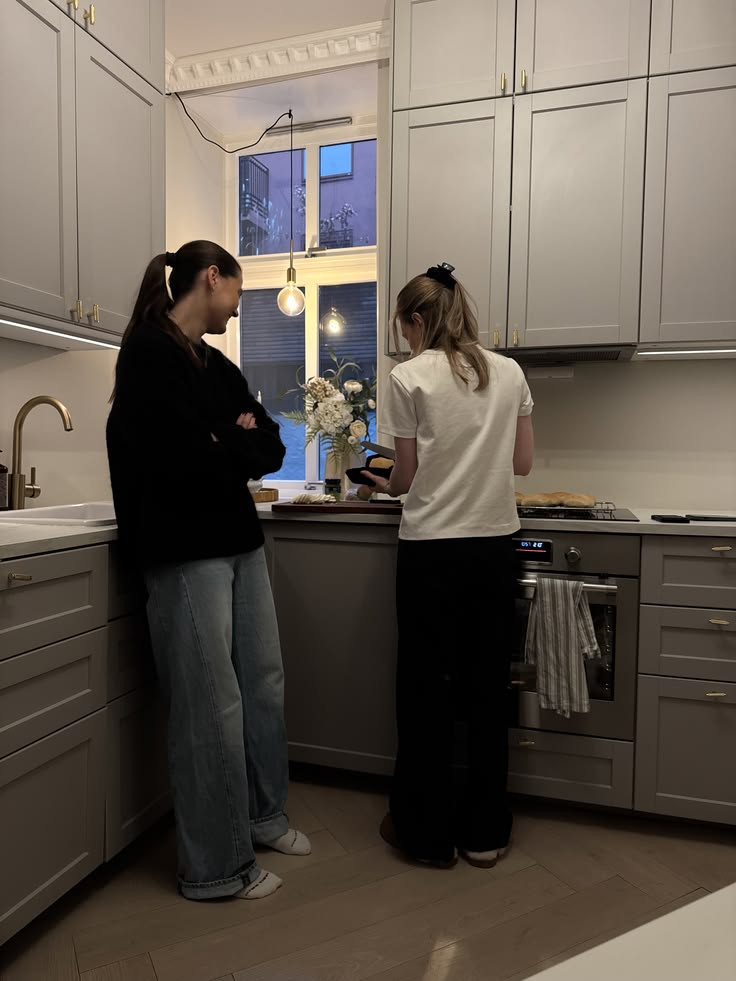
Make Shared Supplies Easy to Manage
Shared household supplies can disappear quickly when nobody knows who should replace them. Toilet paper, cleaning products, soap, bin bags, and other basics need simple management.
You can take turns buying these things or contribute money toward a shared household fund. Another easy option is keeping a shared shopping list.
The method matters less than having a clear agreement. Both people should know how replacement works when something runs out.
This is especially useful during busy weeks. You do not want to discover there are no bin bags because everyone assumed someone else bought them.
Simple systems can prevent surprisingly annoying household problems. Once the routine becomes normal, neither person needs to think about it constantly.

Make the First Week a Fresh Start
If you are moving into a new apartment with a roommate, use the first week to establish good habits. You do not need to create strict rules before you have experienced the space together.
Spend some time noticing how you both naturally use the apartment. You may discover that certain arrangements work perfectly without needing much discussion.
Your first week can also reveal areas that need clearer agreements. Perhaps the kitchen gets messy quickly, or someone needs quieter evenings for work.
Talk about those things while they are still small. It is much easier to adjust a routine than repair a relationship after months of frustration.
If you are preparing for the actual move, What to Expect During Your First Apartment Move-In can help you think through those early practical details.

Be Flexible When Life Changes
Your roommate’s schedule may change after several months. They might start working different hours, studying more, traveling frequently, or dealing with other responsibilities.
Your own routine can change too. A system that worked perfectly during the first month may eventually stop making sense.
That does not mean the original arrangement failed. It simply means your household needs to adjust to new circumstances.
Talk about changes instead of expecting the other person to automatically understand. You may need to swap responsibilities temporarily or change how certain costs are shared.
Flexibility can make roommate relationships much easier. You are both living real lives, and those lives will not stay exactly the same.

Keep Communication Simple and Regular
You do not need weekly roommate meetings unless that works for you. Sometimes a short conversation while preparing dinner can solve an issue before it grows.
The important thing is keeping communication open. If something bothers you, try mentioning it while it is still manageable.
Do not wait until you have collected ten different complaints. Bringing everything up at once can make your roommate feel attacked and overwhelmed.
Instead, speak clearly about one problem and suggest a practical solution. This keeps the conversation focused and gives both people something useful to work with.
Good communication is not about avoiding every disagreement. It is about learning how to handle disagreements without making the home uncomfortable.

Know When to Revisit the Arrangement
After living together for a while, ask yourself how the arrangement feels. You may discover that some responsibilities are working well while others need adjustment.
Perhaps one person has taken on too many household tasks. Maybe the grocery system is confusing, or the cleaning schedule no longer fits your routines.
Do not be afraid to change the arrangement. Your goal is not keeping the original system forever.
A quick conversation can help you update responsibilities before frustration becomes serious. You can also agree to check in occasionally and make changes when necessary.
Shared living becomes easier when both people understand that fairness is something you maintain. It is not simply an agreement you make once and forget.

Remember That Fair Does Not Always Mean Equal
One of the most important things to understand about shared responsibilities is that equal and fair are not always identical.
You might both contribute different amounts of time because your schedules and abilities are different. What matters is creating an arrangement that both people consider reasonable.
For example, one person might have more free time for cleaning while the other handles more shopping or administrative tasks. Another person might prefer doing certain household jobs because they find them easier.
Talk openly about those differences instead of assuming everything must be divided perfectly down the middle. The best arrangement usually reflects your actual lives.
At the same time, fairness should still feel mutual. Neither person should consistently feel like the unpaid manager of the entire household.

Final Thoughts
Sharing an apartment with a roommate can be one of the biggest learning experiences of independent living. You learn how to communicate, compromise, manage money, and care for a shared home.
The most important thing is discussing responsibilities before small problems become serious. Talk about cleaning, groceries, bills, rubbish, guests, personal space, and shared areas early.
Remember that your roommate may have completely different household habits from yours. That does not mean you cannot live together comfortably.
Create simple systems that both people understand, then adjust those systems when life changes. You do not need complicated schedules or strict rules to keep your home running smoothly.
Most importantly, communicate with respect. A simple conversation about dishes, rubbish, or groceries can feel awkward initially, but avoiding the conversation can create bigger problems.
Your shared apartment should feel like a home for both of you, not a place where one person constantly manages everything. With clear expectations, flexible routines, and honest communication, roommate life can become much easier.
Give yourselves room to learn, make adjustments, and find what works. Independent living does not mean doing everything perfectly, because it means learning how to build a home that works for real life.
Leave a Reply