Starting your career can feel like finally entering the life you have been preparing for. You get your first real job, receive your first paycheck, and suddenly have responsibilities that actually matter.
At first, you may focus mostly on learning your tasks and impressing everyone around you. You may arrive early, stay late, answer every message, and try to prove you deserve the opportunity.
But somewhere between trying your best and surviving each workday, unhealthy habits can quietly begin. Before long, work starts taking more from you than you ever expected.
The truth is, your career habits begin forming much earlier than you might realize. The way you manage your time, energy, mistakes, and responsibilities can follow you for years.
That is why learning How to Stay Organized When You Start a New Job is helpful when building a healthier work routine.
Healthy work habits are not about becoming the perfect employee every single day. They are about creating routines that help you work well without constantly exhausting yourself.
You are still learning, growing, and figuring things out at this stage. So, you do not need to have everything perfectly together right now.
But the habits you build today can make your career journey easier tomorrow. Let us talk about how to build healthy work habits early in your career.

How to Build Healthy Work Habits Early in Your Career
Understand That Good Work Does Not Mean Constant Work
Many young professionals believe being busy means they are doing well. So, they fill every moment with tasks, messages, meetings, and extra responsibilities.
They feel proud when their schedules look completely packed from morning until evening. But being constantly busy does not always mean you are productive.
Sometimes, being busy simply means you have not created enough space to work properly. Good work requires focus, rest, planning, and enough time to think clearly.
When you constantly rush from one task into another, mistakes can happen more easily. You may also begin feeling tired before the day is even over.
A healthy work habit starts with understanding that you do not need constant activity. Of course, some days will naturally become busier than others.
There will be deadlines, urgent requests, and unexpected situations demanding your attention. But those busy periods should not become your normal way of working.
Try to focus on doing important work properly instead of doing everything at once. Ask yourself which tasks actually need your attention first.
Then, give those tasks enough time and energy. This can also help you avoid mistakes caused by rushing through important work.
Learning How to Handle Workplace Mistakes Professionally can also help when things do not go according to plan.
Remember, being productive is not about looking busy for other people. It is about completing meaningful work while protecting your energy and focus.

Start Your Day With a Clear Plan
Walking into work without a plan can quickly make your entire day feel confusing. You may open your laptop and immediately feel overwhelmed by everything waiting for attention.
There are emails, unfinished tasks, deadlines, and people constantly asking questions throughout the day. Starting with a simple plan can help you feel more focused and in control.
You do not need complicated apps, colorful spreadsheets, or an advanced productivity system. Sometimes, a short list of your most important tasks is completely enough.
Take a few minutes to review what needs your attention before starting work. Choose your most important tasks before getting distracted by smaller responsibilities that can wait.
You can also check upcoming deadlines to avoid unexpected pressure later. A clear plan gives you something helpful to return to during distractions.
Unexpected tasks may still appear and change your original schedule completely. However, your plan reminds you what matters most when everything feels overwhelming.

Learn How to Prioritize Before Everything Feels Urgent
Many young professionals develop the unhealthy habit of treating every task as equally important. An email arrives, and suddenly you stop everything to respond immediately.
A coworker asks for something small, and your important project gets pushed aside. This can leave you constantly reacting instead of working with clear purpose.
Not everything needs to be completed immediately, even when it feels urgent. Consider which tasks have the biggest impact and the closest deadlines.
If you feel unsure, asking your manager about priorities is completely okay. This is better than guessing and spending hours on something less important.
Asking questions early can also prevent avoidable mistakes and unnecessary stress later.
That is one reason How to Ask for Help at a New Job Without Feeling Embarrassed is an important skill for new professionals.
The goal is not finishing everything but making steady progress on what matters most.
Create Boundaries Around Your Workday
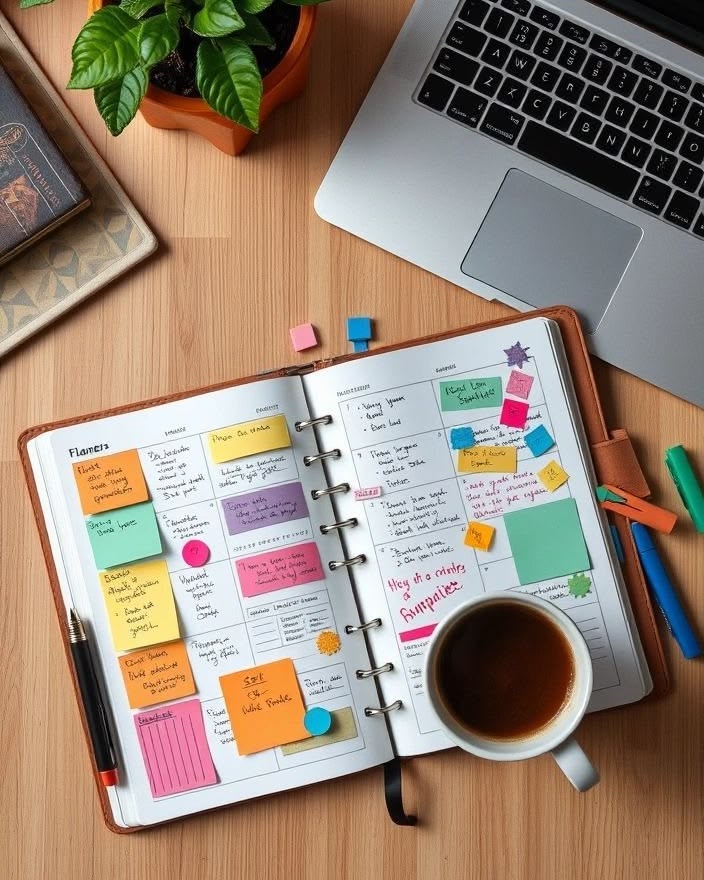
When you are new at work, boundaries can feel scary. You may worry people will think you are lazy or uncommitted.
So, you keep working long after your normal hours. You answer messages during dinner and check emails before sleeping.
You may even feel guilty when you are not working. But constantly being available can slowly become an unhealthy expectation.
People may begin assuming you will always respond immediately. Then, changing that pattern later can become more difficult.
Creating boundaries does not mean refusing to help your team. It simply means recognizing that you also need time away from work.
Your brain needs time to rest and recharge after demanding days. Your personal life also deserves attention outside your job responsibilities.
Start with simple boundaries that feel realistic for your situation. For example, try avoiding work emails after your normal working hours.
You can also stop checking work messages during meals or family time. If your workplace expects occasional late work, understand what those expectations actually are.
Do not automatically assume you must always stay later than everyone else. Sometimes, young professionals copy unhealthy habits because experienced workers do them.
But just because something is common does not mean it is healthy. Building confidence can make boundaries easier because you stop constantly seeking approval.
You can learn more about that through How to Build Confidence in the Workplace.
Healthy boundaries help you bring better energy back into your workday. They can also prevent your job from becoming your entire identity.
You are an employee, but you are also a person outside work. Both parts of your life deserve care and attention.

Protect Your Energy, Not Just Your Time
Most career advice talks about managing your time better. But managing your energy can be just as important.
You may technically have eight working hours available every day. Still, your energy will not feel exactly the same throughout those hours.
Some tasks require deep focus and more mental energy. Other tasks are simple and can be completed when tired.
Pay attention to the times you feel most alert. Try scheduling demanding work during those periods whenever possible.
You can save simpler tasks for times when your energy drops. For example, answering basic emails may require less concentration.
Planning an important project may require your strongest focus. This small change can make your work feel more manageable.
Protecting your energy also means noticing what drains you unnecessarily. Maybe constant notifications interrupt your concentration throughout the entire day.
Perhaps too many meetings leave you struggling to finish actual work. You cannot control everything, but you can control some habits.
Try turning off unnecessary notifications while completing focused tasks. You can also group similar tasks together when appropriate.
This may help you avoid constantly switching between unrelated responsibilities. Another important part of protecting your energy is learning when to ask.
Trying to solve everything alone can become mentally exhausting. If you have been stuck for too long, speak up.
Asking for guidance does not mean you are incapable or weak. In fact, it can help you learn faster and work better.
This connects closely with How to Ask for Help at a New Job Without Feeling Embarrassed.
You do not need to carry every problem by yourself.

Stop Trying to Impress Everyone All the Time
Starting a new career can make you feel constantly watched. You may believe every manager, coworker, and supervisor is judging you.
So, you try to impress everyone with every decision. But constantly performing for approval can become exhausting.
You cannot build healthy work habits while always feeling pressured. Your job is not to impress everyone every single day.
Your job is to learn, contribute, improve, and work responsibly. Some days, you will do excellent work and feel proud.
Other days, you may need more guidance and support. Both experiences are normal during the beginning of your career.
A young employee named Daniel struggled with this during his first job. He wanted his manager to see him as hardworking and independent.
So, he never asked questions, even when he felt confused. One afternoon, Daniel spent hours completing a report incorrectly.
He had misunderstood a simple instruction at the beginning. His manager was not angry that Daniel asked too late.
Instead, she wished he had asked before wasting his time. That experience changed how Daniel approached his work.
He started focusing less on appearing perfect and more on learning. His confidence slowly improved because he stopped pretending constantly.
Making a great impression matters, especially when starting somewhere new. But a good impression also comes from being honest and willing.
You can learn more through How to Make a Great First Impression During Your First Week at Work.
Trying to impress everyone can create pressure you never needed. Focus on doing your work well and growing steadily.
That will take you much further than constantly chasing approval.

Develop the Habit of Asking for Feedback
Feedback can feel uncomfortable, especially when you are still new. You may worry people will point out everything you are doing wrong.
But helpful feedback can make your growth much faster. You do not always need to wait for a formal review.
Sometimes, asking a simple question can give you useful direction. You might ask your manager how you handled a recent project.
You could also ask what you should improve next time. These questions show that you care about learning and growing.
They also help you understand expectations more clearly. Try not to see every suggestion as proof that you failed.
Nobody begins a career already knowing everything. Feedback is often information that helps you improve your next step.
Of course, not all feedback will feel easy to hear. Sometimes, you may disagree or feel disappointed initially.
Give yourself a moment before reacting emotionally to the comments. Listen carefully and think about what could help you improve.
You can always ask questions when something feels unclear. Building this habit early can also prepare you for bigger conversations.
For example, performance reviews may feel less intimidating with regular feedback.
You can read How to Prepare for Your First Performance Review to feel more prepared for those meetings.
Regular feedback can help you understand your progress throughout the year. It also stops you from wondering how everyone sees your work.
You begin having clearer conversations instead of making assumptions. That can help you grow with more confidence and direction.

Keep Learning Without Burning Yourself Out
The beginning of your career can make you hungry to learn. You may want to take courses, attend events, and learn everything.
You might also feel pressure to gain new skills constantly. Learning is valuable, but you do not need everything immediately.
Trying to learn ten things at once can become overwhelming. You may start many courses but finish almost none.
Instead, choose skills that connect with your current goals. Think about what could genuinely help you perform better.
You can also pay attention to skills your workplace values. Maybe you need stronger communication or better technical knowledge.
Perhaps improving your organization would make your daily work easier. Start with one area and give yourself enough time.
You do not need to become an expert within one month. Little progress can still make a meaningful difference over time.
Learning should feel challenging sometimes, but not constantly overwhelming. Give yourself permission to learn at a reasonable pace.
Also, remember that some of your best learning happens at work. Your first job interview probably taught you something about preparation.
If you are still building those early career skills, revisit How to Prepare for Your First Job Interview.
Every stage of your career can teach you something useful. The goal is to remain open without putting yourself under constant pressure.

Keep Your Workspace and Digital Files Under Control
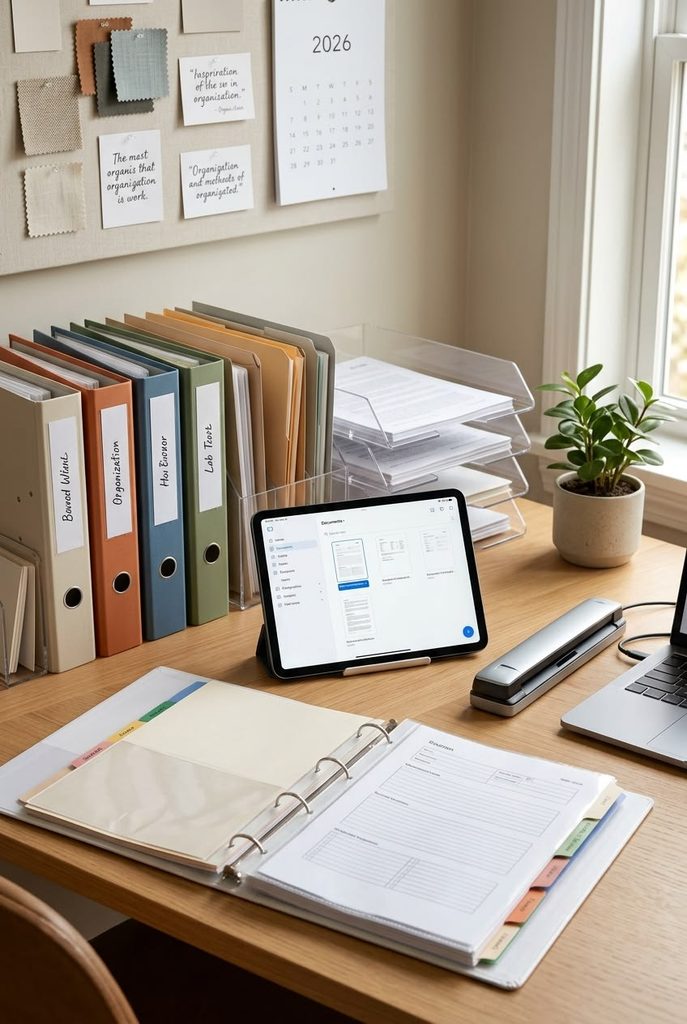
A messy workspace can sometimes make your mind feel messy too. You may spend unnecessary time searching for documents and information.
You might forget important details because everything feels scattered. Creating simple systems can save you from daily frustration.
Start with your physical workspace if you have one. Keep important materials where you can easily find them.
You do not need a perfect desk that looks professionally styled. You simply need a space that helps you work comfortably.
Your digital workspace also deserves regular attention and organization. Create folders that make sense for your projects and responsibilities.
Give documents clear names so you can find them later. Try not to save everything randomly on your desktop.
You may understand where things are today but forget tomorrow. A few minutes of organization can save hours later.
The same applies to your email inbox and work messages. You do not need every message sitting in one overwhelming place.
Find a simple system that helps you track important conversations.You can also use notes or task lists for reminders.
The goal is to create fewer opportunities to forget important things. Good organization can also reduce the stress of busy workdays.
When you know where things are, you feel more prepared. This can make you appear more reliable without working extra hours.
Learn to Leave Perfection Behind
Perfectionism can look like dedication from the outside. But inside, it can create fear, stress, and endless overthinking.
You may spend too long rewriting a simple email. Then you may avoid submitting work because it never feels ready.
You might keep checking small details after completing everything important. Caring about your work is a good thing.
But expecting perfection from yourself every day is exhausting. You are human, and mistakes will happen sometimes.
Your coworkers and managers are human too. A healthy work habit is learning when something is good enough.
This does not mean becoming careless or doing poor work. It means understanding when additional effort no longer adds real value.
Sometimes, a task needs your absolute best attention. Other times, completing it properly and moving forward is enough. Learning this difference can save you a lot of energy.
Perfectionism can also make workplace mistakes feel much bigger. You may feel embarrassed because you believe good employees never fail.
But mistakes are part of learning and working with others. What matters is how you respond after something goes wrong.
Take responsibility, learn from the situation, and move forward.
How to Handle Workplace Mistakes Professionally can help you approach those moments with more confidence.
Do not let one imperfect moment define your abilities. You are allowed to learn through experience without constant self-criticism. Your career is a long journey, not one perfect performance.

Build Strong Communication Habits From the Beginning
Healthy work habits involve more than schedules, productivity, and completing tasks efficiently. The way you communicate can shape your entire experience and relationships at work.
Poor communication can create confusion, missed deadlines, and unnecessary tension between coworkers. Good communication makes working with others easier and prevents many avoidable misunderstandings.
Start by making your emails and messages clear and easy to understand. Read important messages before sending them and ensure your main point remains clear.
If you need more time, communicate that clearly instead of leaving others wondering. Listening carefully during conversations can also prevent misunderstandings and unnecessary workplace problems.
Professional communication does not mean sounding overly formal, complicated, or unnatural. You can still sound warm, respectful, clear, and professional in everyday conversations.
If writing messages at work still feels confusing, read How to Write Professional Emails at Work. Good communication improves through regular practice and experience over time.

Pay Attention to How You Talk to Yourself
Your work habits are closely connected to the thoughts you have about yourself. Constantly telling yourself that you are failing can make everyday work feel heavier.
Even small problems may start feeling like proof that you are incapable. However, negative self-talk can gradually damage your confidence and mental energy.
Pay attention to the words you regularly use inside your own mind. Instead of saying you are terrible, remember that you may still be learning.
One mistake or difficult skill does not mean you are bad at your job. Try speaking to yourself the way you would encourage a struggling friend.
Confidence grows through practice, but it also requires self-trust and patience. You need to believe that you can learn and handle uncomfortable situations.
How to Build Confidence in the Workplace explores more ways to strengthen that part of your career.
The way you treat yourself matters, especially during difficult working days.

Your Healthy Work Habits Can Grow With Your Career
The habits you need during your first job may naturally change as your career develops. Your responsibilities may grow, and you could eventually manage bigger projects and more people.
You might even become responsible for guiding and supporting other employees in the future. However, the strong foundation you build now can continue supporting your growth later.
Learning to manage your time and communicate clearly will always remain valuable. Knowing when to ask for help can also strengthen your professional relationships.
Taking responsibility for mistakes can gradually help you build trust with others. Healthy work habits provide a stronger foundation for future opportunities and challenges.
They can help you build a career that feels more sustainable and manageable. Your career is not a short race but a journey that may last years.
Start paying attention to the small choices you make throughout each working day. Those choices may be shaping your professional future more than you currently realize.

Final Thoughts
Starting your career can be exciting, confusing, stressful, and rewarding at the same time. You are learning new responsibilities while also learning about yourself.
Every job can teach you something about how you work best. But healthy work habits can make that learning process easier.
Start with small habits that support your focus and energy. Plan your day before distractions take over your attention.
Take breaks before exhaustion becomes your normal working condition. Ask for help when you genuinely need guidance.
Keep learning, but do not pressure yourself to master everything immediately. Create boundaries that protect your life outside work.
Pay attention to your energy and stop treating constant exhaustion normally. Give yourself permission to make mistakes and learn from them.
Communicate clearly and keep your work systems reasonably organized. Most importantly, stop believing your career requires you to be perfect.
You are allowed to learn slowly and grow through experience. The healthiest work habit you can build is consistency with yourself.
Keep choosing habits that make your work life more sustainable. Your career may change many times, but healthy habits can grow alongside you.
Start with one small change today and build from there. Years from now, you may be grateful you started early.
Leave a Reply