Signing your first apartment lease can feel exciting, especially when you finally know you have somewhere to live. But once you receive several pages filled with unfamiliar terms, the excitement can quickly turn into confusion.
When I first started learning about renting, I thought a lease was simply a document showing how much rent I needed to pay. I later realized that it could explain much more about living in the apartment and handling responsibilities.
Your lease can tell you when rent is due, what you can do inside the apartment, and what your landlord expects from you. It can also explain rules about guests, repairs, pets, moving out, and other parts of your rental experience.
That is why reading your lease carefully before signing matters so much. You do not need to understand every legal phrase immediately, but you should understand the parts affecting your everyday life.
If you are still preparing your apartment, How to Set Up Your First Apartment Without Feeling Overwhelmed can help you handle the practical side.
The goal is not to become a legal expert before signing your first lease. Instead, you want to know what you are agreeing to and recognize anything that needs clarification.
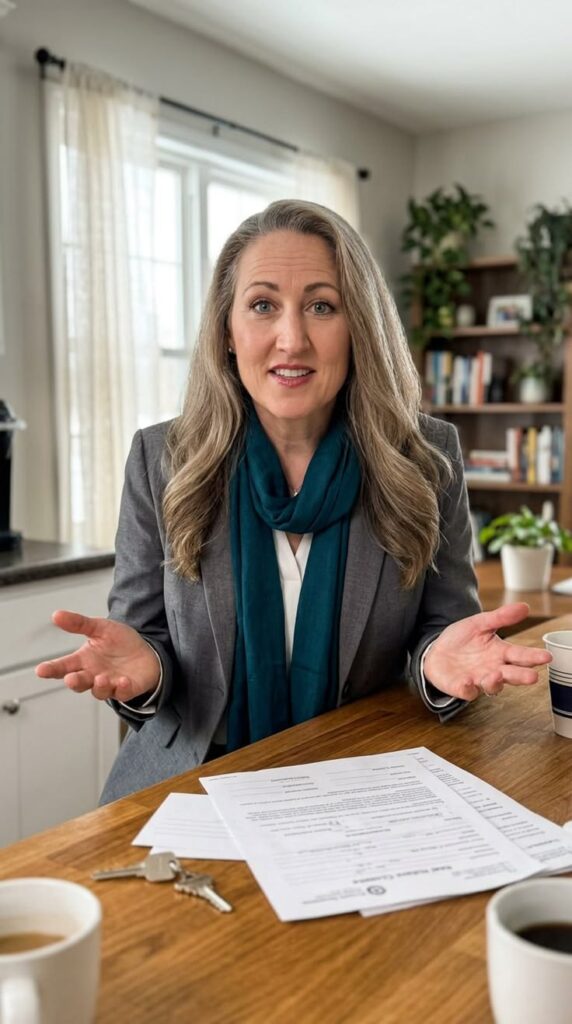
How to Read and Understand Your First Lease Agreement
Start by Reading the Whole Agreement
When you receive your lease, it can be tempting to search immediately for the monthly rent. That information is important, but your lease contains many other details that can affect your experience.
Start by reading through the entire agreement from beginning to end. You might not understand every sentence during your first reading, and that is completely normal.
Your first reading is mainly about becoming familiar with the document. Notice how it is organized and pay attention to sections that seem important or confusing.
Keep a notebook or phone note nearby while reading. Write down questions instead of stopping every few seconds to search for answers.
You may also notice information that connects with things you already discussed with your landlord. If something looks different from what you were told, make a note and ask about it.
Do not feel pressured to rush simply because you are excited about getting the apartment. Taking extra time now can help you avoid confusion after moving in.

Check the Names and Apartment Details
Before focusing on the rules, make sure the basic information in your lease is correct. Check your full name and the landlord’s or property manager’s details carefully.
Look at the apartment address and confirm that the unit number matches the place you are renting. You should also check the stated move-in date and the length of the lease.
These details might seem obvious, but mistakes can happen when documents are prepared quickly. It is much easier to correct incorrect information before signing than after moving in.
Also check if anyone else is listed as a tenant on the agreement. If you are sharing the apartment, make sure the correct people are included where required.
Your lease should clearly connect you to the specific apartment you are agreeing to rent. If something does not match your understanding, pause and ask for clarification.
This is also why keeping your important rental documents organized during your first week can be helpful. What to Do During Your First Week in a New Apartment covers other useful things to handle after moving.

Understand the Rent and Payment Details
The rent amount is probably one of the first things you will look for in your lease. Still, knowing the amount alone is not enough because payment details matter too.
Check how much rent you are expected to pay each month. Then look for the date when payment is due and the accepted payment methods.
Your lease may also explain what happens when rent is paid late. Read those details carefully so you understand possible fees or other consequences.
Also check if there are other regular charges connected to your tenancy. Some apartments may have separate fees for parking, services, maintenance, or shared facilities.
Do not assume that every amount you pay will be included in the basic rent. The agreement should give you a clearer picture of your regular housing costs.
If something is unclear, ask before signing instead of trying to figure it out after moving. Knowing your payment responsibilities early makes budgeting for independent living much easier.

Understand How Long the Lease Lasts
Your lease should clearly state how long you are agreeing to rent the apartment. This is usually shown through a starting date and an ending date.
Read those dates carefully because they affect how long you can stay under the agreement. They can also affect your plans if you expect to move somewhere else later.
Look for information about what happens when the lease reaches its ending date. Some agreements explain renewal options, while others may require you to make arrangements before leaving.
You should also look for information about ending the lease early. Life can change unexpectedly, so knowing the rules beforehand can help you understand your options.
Do not assume you can simply leave whenever you want without consequences. Your lease may explain notice periods, fees, or other conditions connected with ending the agreement.
Understanding these details early can save you from unpleasant surprises later. It also helps you plan your next move with enough time.

Look Closely at the Security Deposit
The security deposit is another important part of your lease. Check the amount you are expected to pay and understand how the deposit is handled.
Your lease may explain when the deposit is due and the conditions connected with getting it back. Pay attention to information about damage, cleaning, unpaid rent, or other possible deductions.
Keep in mind that normal wear can be treated differently from damage, depending on the rental rules where you live. Your lease should give you some information about the condition expected when you leave.
This is another reason taking pictures when you move in can be helpful. Those pictures can document the apartment’s condition before you begin living there.
During my first rental experience, I quickly learned that taking pictures was not something to ignore. A few minutes spent documenting the space gave me peace of mind later.
Keep your move-in photos somewhere safe and easy to access. You can also keep receipts or records showing when you paid your deposit.
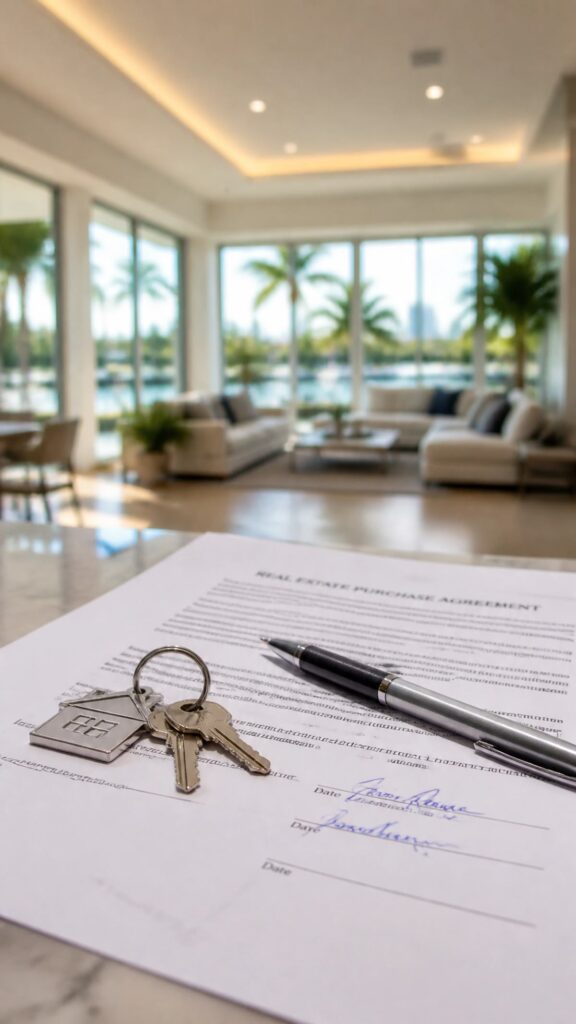
Find Out Who Handles Repairs
One section you should never skip is the information about repairs and maintenance. You need to know what happens when something inside the apartment stops working.
Your lease may explain how maintenance requests should be submitted. It could require an email, phone call, online form, or another specific method.
Look for information about your responsibilities as a renter too. Some small tasks may be your responsibility, while larger repairs may fall under the landlord’s responsibilities.
Do not assume you should fix everything yourself because you live there. Making unauthorized repairs could sometimes create additional problems.
Instead, understand the proper process before something goes wrong. Save the maintenance contact information somewhere easy to find.
You can also learn more about handling practical apartment issues through How to Build Simple Home Habits That Save Time Every Week, especially when creating routines around household responsibilities.

Check the Rules About Guests
Your lease may contain rules about having guests inside your apartment. These rules can vary greatly between rental agreements, so do not rely on what happened in another home.
Look for information about overnight guests, long-term visitors, and how many people can stay with you. Some agreements may have specific limits or requirements.
This matters because having a friend visit for an evening is different from allowing someone to live with you. Your lease may treat those situations differently.
If you regularly expect family members or friends to stay over, make sure you understand the relevant rules. Ask your landlord for clarification if the wording seems unclear.
Knowing the guest policy can also prevent uncomfortable conversations later. It is much easier to understand expectations before inviting someone to stay.
Check the Rules About Pets
If you have a pet or plan to get one, pay close attention to the pet section. Never assume that every apartment allows pets simply because you have seen other tenants with animals.
Your lease may explain which pets are allowed and if there are restrictions. It might also include information about additional deposits, fees, size limits, or building rules.
Some properties may have separate pet policies alongside the main lease. If that happens, read those documents too before agreeing to anything.
If you already have a pet, make sure you are honest about it during the rental process. Hiding a pet can create serious problems if the agreement does not allow it.
Understanding the rules early helps you make responsible decisions. It also prevents you from accidentally violating your rental agreement.

Understand the Rules About Noise
Noise rules can seem simple until you start living around other people. Your lease may include quiet hours or rules about activities that could disturb neighbors.
Read those sections carefully, especially if you enjoy music, entertainment, exercise, or having friends over. You do not need to live completely silently, but you should understand the building’s expectations.
Some apartments have specific quiet periods during nighttime hours. Others may have broader rules about disturbing neighbors at any time.
Think about how your normal lifestyle fits with those rules. If you work unusual hours or regularly host people, you may need to pay extra attention.
Being considerate also makes apartment living more comfortable for everyone. A little awareness can prevent many unnecessary disagreements with neighbors.

Look at the Rules for Making Changes
Your lease may also explain what you can and cannot change inside the apartment. This matters if you want to paint, install shelves, change fixtures, or make other improvements.
Some rentals allow small changes with permission, while others have stricter rules. Never assume that something is allowed simply because the change seems harmless.
For example, drilling several holes into a wall could create an issue when you move out. The same applies to painting walls or changing permanent fixtures without permission.
If you want to make your rental feel personal, there are still many simple options. How to Make a Rental Feel Like Home Without Permanent Changes shares renter-friendly ways to create a comfortable space.
Always check your agreement before making permanent changes. Asking first can save you from repair costs or disagreements later.

Understand the Rules Around Cleaning
Your lease may contain information about keeping the apartment clean and returning it in an acceptable condition. Pay attention to these requirements from the beginning.
You do not need to spend every weekend deep-cleaning your apartment. Still, regular cleaning helps you maintain the space and avoid unnecessary problems.
Look for any specific requirements about the condition of the apartment when you move out. Some agreements may mention professional cleaning or particular areas that need attention.
Creating a realistic routine can make those responsibilities much easier. If you want help building one, How to Create a Cleaning Routine You’ll Actually Stick To can give you a simple starting point.
The important thing is understanding what your lease expects from you. Then, you can create household habits that help you meet those expectations without feeling overwhelmed.

Check the Rules About Parking and Storage
If your apartment includes parking or storage space, look for the relevant details in your agreement. Check if a specific parking space belongs to your unit or if parking works differently.
Your lease may also explain rules about visitors, parking permits, storage areas, or items that cannot be kept in certain places.
These details can become important quickly, especially when you have a car or limited storage space. Knowing the rules prevents you from accidentally using someone else’s assigned area.
If your apartment does not have much storage, organization becomes even more important. How to Organize a Small Apartment for Everyday Living can help you make better use of the space you have.

Understand Your Responsibilities as a Renter
A lease is not only about what your landlord must do. It also explains what you are expected to handle during your tenancy.
Your responsibilities may include paying rent on time, keeping the apartment reasonably clean, reporting problems, and following building rules.
You may also be responsible for preventing damage caused by carelessness or neglect. The exact responsibilities depend on your agreement and local rental rules.
Read these sections carefully because they can affect your everyday choices. Something that seems like a small household decision could sometimes have consequences for your tenancy.
For example, leaving a leak unreported could allow damage to become worse. Reporting problems early is usually better than waiting until they become difficult to manage.

Understand What Your Landlord Is Responsible For
Just as you need to understand your responsibilities, you should know what your landlord or property manager handles. This can include certain repairs, building systems, safety matters, or shared areas.
The exact responsibilities will depend on your lease and local rental rules. Your agreement should give you useful information about how these responsibilities are divided.
Knowing this difference can stop you from taking on tasks that are not yours. It can also help you contact the right person when something needs attention.
If you notice a serious problem, follow the reporting process described in your agreement. Keep records of important requests, especially when the issue requires repeated attention.
Good communication can make renting much easier. It also gives you a clearer record of what happened if questions come up later.

Look for Extra Fees and Charges
Your rent may not be the only money you need to plan for. Your lease can contain additional charges that you should understand before signing.
Look for fees connected with parking, pets, shared services, late payments, maintenance, or other apartment features. Not every rental will have these charges, so read your own agreement carefully.
Also check how and when those fees are paid. A small monthly charge can become significant when added to your regular housing expenses.
Understanding the full cost of your apartment helps you create a more realistic budget. This is especially important when you are managing household expenses independently for the first time.
If you are still figuring out your apartment’s essential services, How to Set Up Utilities in Your First Apartment can help you understand another part of your monthly housing costs.

Pay Attention to the Move-Out Requirements
You might be excited about moving into your first apartment, so thinking about moving out may feel unnecessary. Still, the lease can explain what you must do when your tenancy ends.
Look for information about giving notice, returning keys, cleaning the apartment, and handling your belongings. These details can affect your final costs and the return of your security deposit.
Notice periods are especially important because missing a deadline could create problems. Mark important dates somewhere you will remember them when the time comes.
You should also understand how the apartment needs to be left. This can help you maintain the space properly throughout your tenancy instead of rushing everything at the end.
Knowing the move-out requirements from the beginning gives you useful information. It also helps you make better decisions about the apartment while you are living there.

Ask Questions Before You Sign
One of the most important things you can do is ask questions. You do not need to pretend you understand something simply because everyone else seems comfortable with it.
If a sentence confuses you, ask what it means in simple terms. If something you discussed is missing from the agreement, ask why it is not included.
You can also ask about rules that affect your personal situation. For example, you might need clarification about guests, pets, parking, or making changes inside the apartment.
Write down your questions before speaking with the landlord or property manager. This makes it easier to remember everything you wanted to discuss.
If a change needs to be made to the agreement, make sure the final version reflects the agreed terms. Do not rely only on a casual conversation or verbal promise.

Keep a Copy of Your Signed Lease
Once you have signed the lease, keep your copy somewhere safe. You should be able to access it without searching through dozens of unrelated documents.
A digital copy stored securely on your phone or computer can be useful. You can also keep a physical copy with your other important household paperwork.
Do not assume you will never need to read it again. You may need to check payment dates, notice periods, maintenance rules, or other details later.
Keeping the agreement accessible makes those moments much easier. It also helps you stay aware of the responsibilities you agreed to when you moved in.
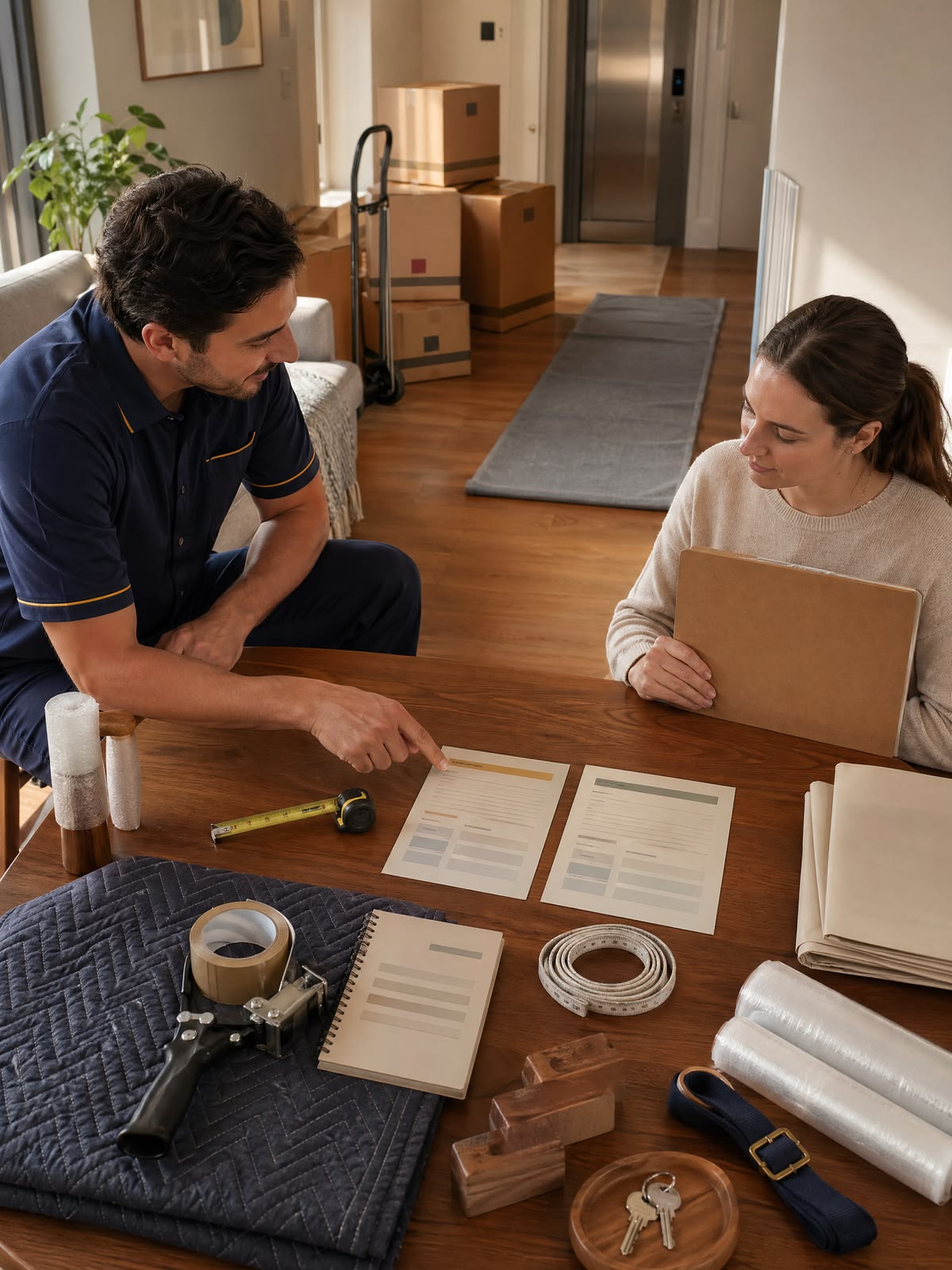
Remember That You Can Ask for Clarification
Reading your first lease can feel intimidating because some agreements use formal language. You might read the same paragraph several times and still feel unsure about its meaning.
That does not mean you are bad at understanding documents. Rental agreements are important documents, and taking time to understand them is a smart thing to do.
Ask your landlord, property manager, or another appropriate professional about anything you cannot understand. If the issue involves local rental rights or legal questions, consider getting advice from a qualified local professional.
You do not need to rush through important decisions simply because you want the apartment. Taking a little extra time can help you feel more confident about what you are signing.
Your first lease is also part of learning independent living. The more comfortable you become reading important household documents, the easier future decisions can feel.

Final Thoughts
Your first lease can look complicated at first, but you do not need to understand everything in one sitting. Start by reading the entire agreement, then return to the sections that affect your everyday life.
Pay close attention to rent, deposits, lease dates, repairs, guests, pets, noise, changes, cleaning, and move-out requirements. These details can shape your experience inside the apartment.
Do not be afraid to ask questions when something feels unclear. Understanding your agreement before signing is much easier than discovering an important rule after a problem appears.
Keep your signed lease somewhere safe and make sure you can access it whenever needed. It is one of the most important documents connected to your first apartment.
Most importantly, remember that renting is also a learning process. You are learning how to manage your home, understand responsibilities, communicate clearly, and make confident decisions.
Take your time, read carefully, and never feel embarrassed about asking questions. A little understanding at the beginning can make your first rental experience much easier.
Leave a Reply