Setting up a new apartment can be really overwhelming, especially when everything suddenly becomes your responsibility. You have boxes everywhere, empty rooms, and probably a long list of things you need to handle.
At the same time, you may feel excited because you finally have a place of your own. You might already be imagining where your furniture will go and how you want everything arranged.
But when you actually walk through the door, things can feel very different from those plans. Your apartment may look nothing like the beautiful pictures you saved before moving.
There could be unopened boxes, empty walls, missing furniture, and things still sitting inside your car. You may also realize that you forgot a few basic items that suddenly seem very important.
That can make your first apartment feel more stressful than exciting during those first few days.But here is something important to remember before you start worrying about everything.
Your apartment does not need to look finished immediately, and your home does not need perfection. You are allowed to take your time, handle the important things first, and slowly create a space you enjoy.
Your first apartment is also about learning how to live independently and manage your own space. You are learning how to shop, clean, organize, pay bills, and make household decisions.
That can feel like a lot initially, but the process becomes easier once you create simple systems. If you want to understand the moving stage itself, What to Expect During Your First Apartment Move-In is a helpful place to start.
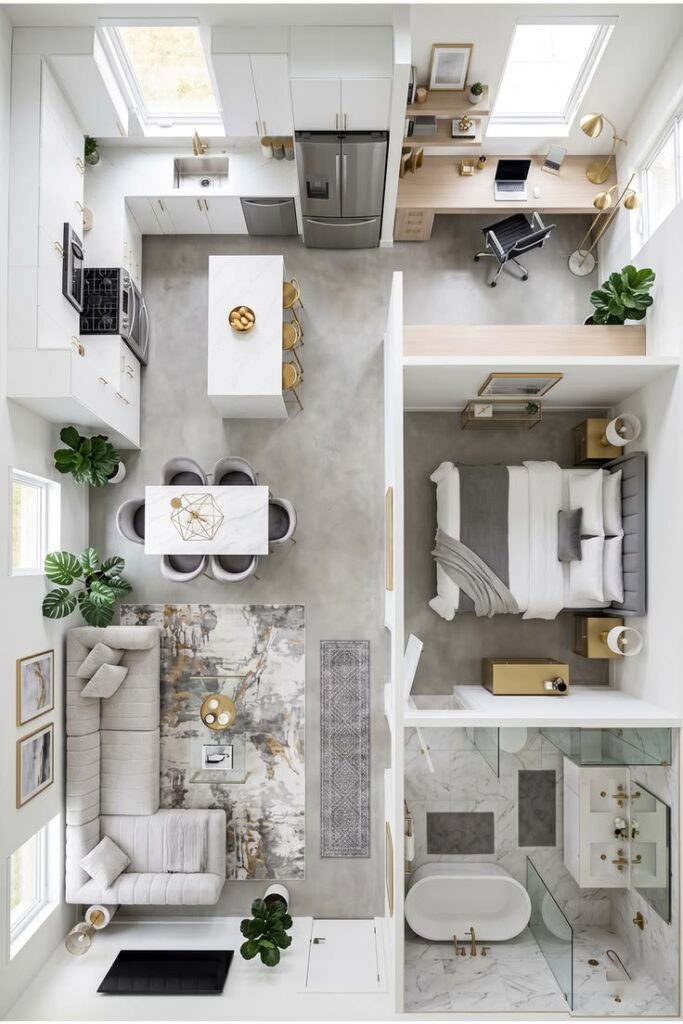
How to Set Up Your First Apartment Without Feeling Overwhelmed
Start by Taking a Breath
Before opening every box, give yourself a few minutes to look around your new apartment. You have probably spent days thinking about moving, so finally arriving can feel strange.
Everything may look unfamiliar, even though you have already seen the apartment before. That feeling usually passes once you start using the space and creating your own routines.
Try not to look at the entire apartment as one huge project that needs finishing. Instead, look at one room and ask yourself what would make it useful today.
Your bedroom might need bedding, while your bathroom might need basic toiletries and towels. Your kitchen might only need enough supplies for one simple meal initially.
This approach makes the apartment feel less overwhelming because you are focusing on one need. You are also giving your brain a clear task instead of creating twenty different problems.
Once one area feels comfortable, you can move naturally toward another area without rushing yourself.Your first few days are not a test that you need to pass perfectly. They are simply the beginning of learning how your new home works.
Give yourself permission to have unfinished rooms and unopened boxes sitting around. A home becomes comfortable through everyday use, not through one perfect weekend.
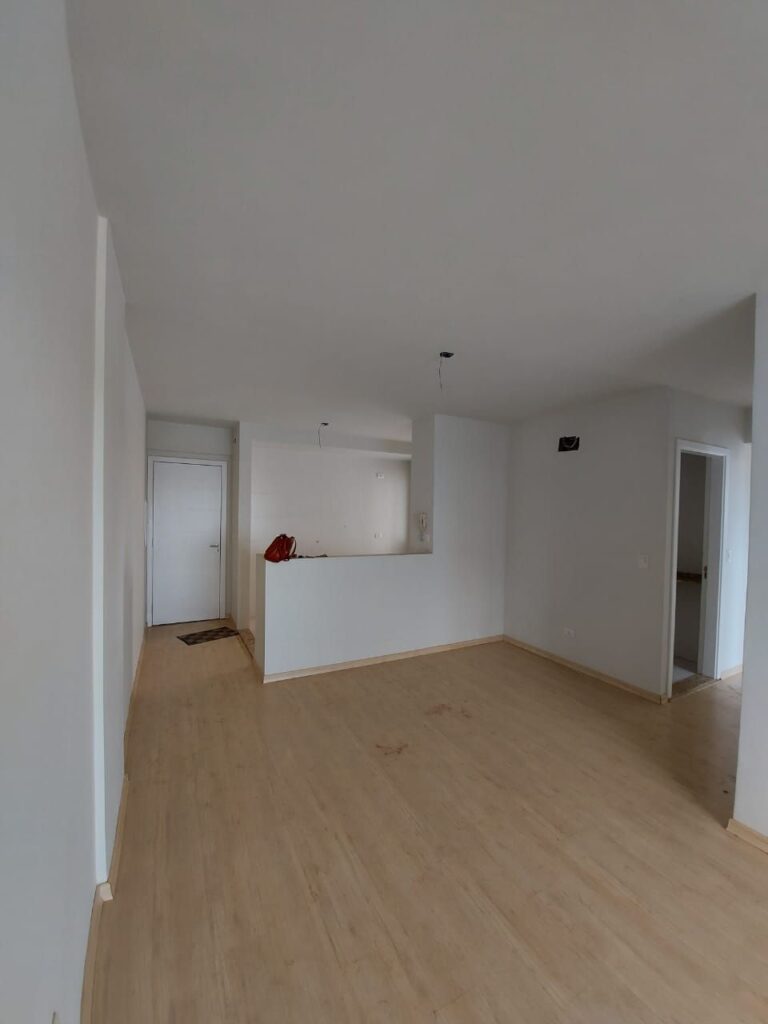
Make a Simple First-Apartment Plan
One of the easiest ways to become overwhelmed is trying to remember every task without writing anything down. Your mind may jump between furniture, groceries, bills, cleaning, storage, and other household responsibilities.
Soon, everything starts feeling urgent, even when many things can actually wait. Instead, create one simple first-apartment plan before shopping or unpacking everything.
Divide your needs into three groups based on how quickly you actually need them. This helps you spend your time and money on things that make the biggest difference first.
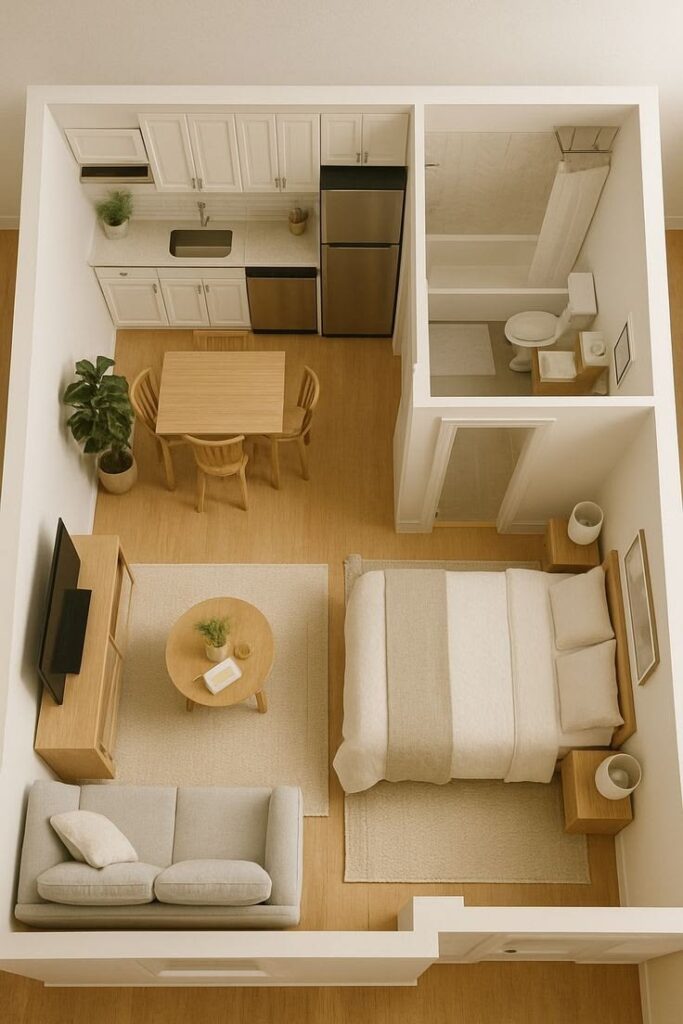
Start With Your Immediate Needs
Your immediate needs are the things that help you live comfortably during your first few days. These usually include bedding, towels, toiletries, toilet paper, basic food, and cleaning supplies.
You may also need basic kitchen items if you plan to prepare meals at home.Think about what you would need if every shop suddenly closed tomorrow morning. That question can help you separate genuine needs from things that simply look nice.
You will probably discover that your immediate shopping list is shorter than expected.Your bedroom should have enough bedding for comfortable sleep after a tiring moving day.
Your bathroom should have the supplies you need for normal morning and evening routines. Your kitchen should have enough basic items for simple meals and drinks.
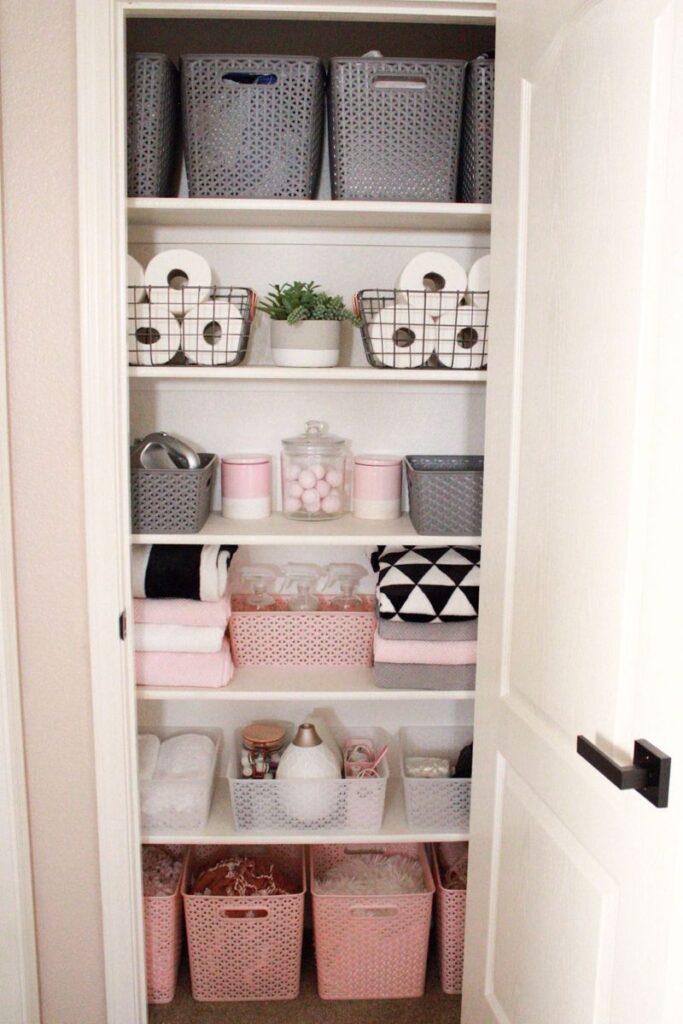
Leave Decorative Items for Later
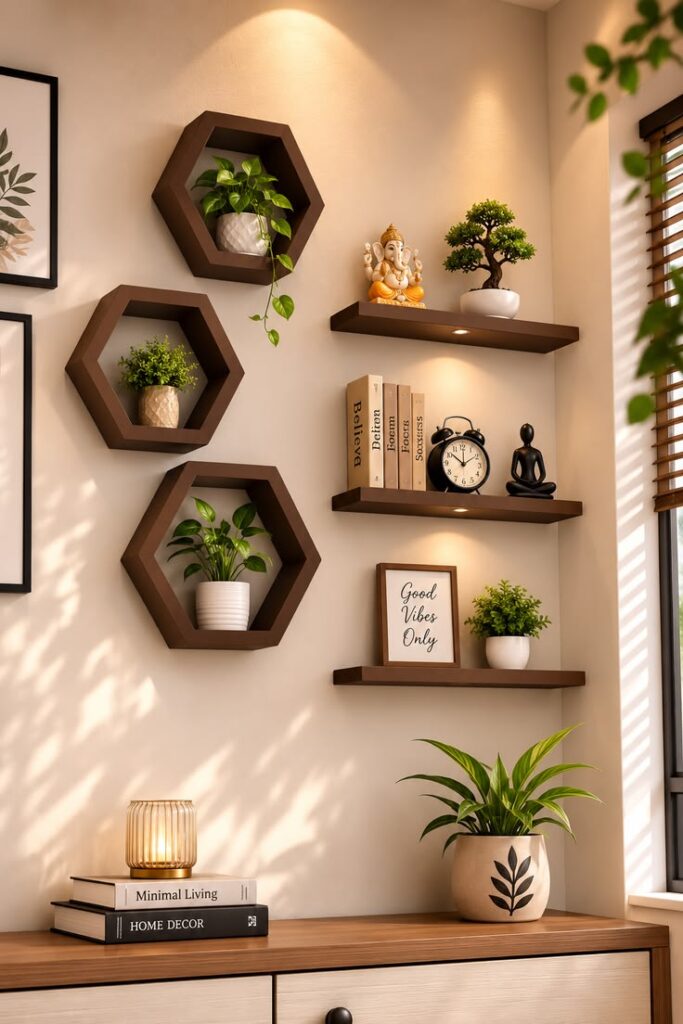
Decorations are fun, but they do not need to be your first priority. You might want plants, artwork, mirrors, cushions, rugs, lamps, or decorative pieces for your shelves. Those purchases can happen slowly as you discover your personal style.
There is also something nice about allowing your home to develop gradually. Every new item can have a reason for being there instead of simply filling an empty corner.
That usually creates a home that feels more personal and less like a showroom.
If you have limited space, How to Organize a Small Apartment for Everyday Living can help you think about storage before buying furniture. Good organization starts with understanding your available space and daily needs.
Set Up Your Bedroom First
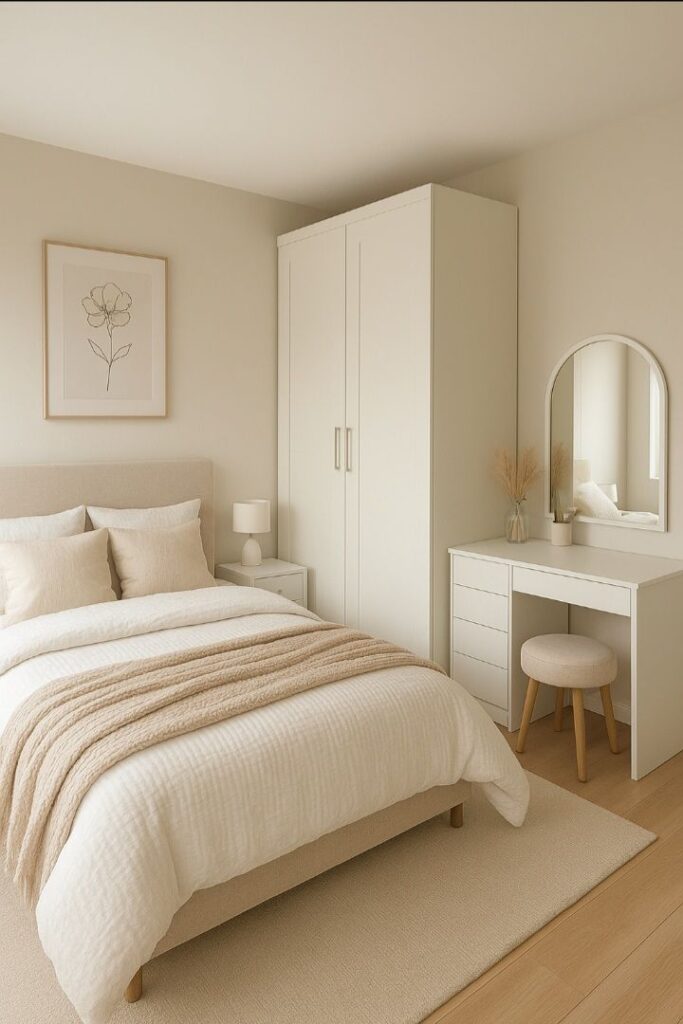
After moving into your apartment, your bedroom deserves attention before many other areas. You will probably feel tired after carrying bags, arranging furniture, and dealing with everything else.
Having a comfortable place to sleep can make the entire apartment feel more manageable.Start by setting up your bed before worrying about decorations or perfect furniture placement.
Put your mattress, bedsheets, pillows, and blanket where you can easily use them. You can adjust the position later if you discover a better arrangement.Next, create a small area for things you use before sleeping and after waking.
Your phone charger, water bottle, glasses, book, or other essentials should remain easy to reach. You do not need an expensive bedside table for this setup to work well.
Think about privacy too, especially if your windows face another building or busy area. Curtains can make the room feel more private while also making the space feel finished.
If you cannot buy curtains immediately, focus on a temporary solution until you find something suitable.
Your bedroom should feel like your place to rest, not another storage area. Try keeping boxes away from the bed so the room feels easier to breathe inside. You can return to the remaining boxes after getting enough sleep and energy.
Make Your Bathroom Functional
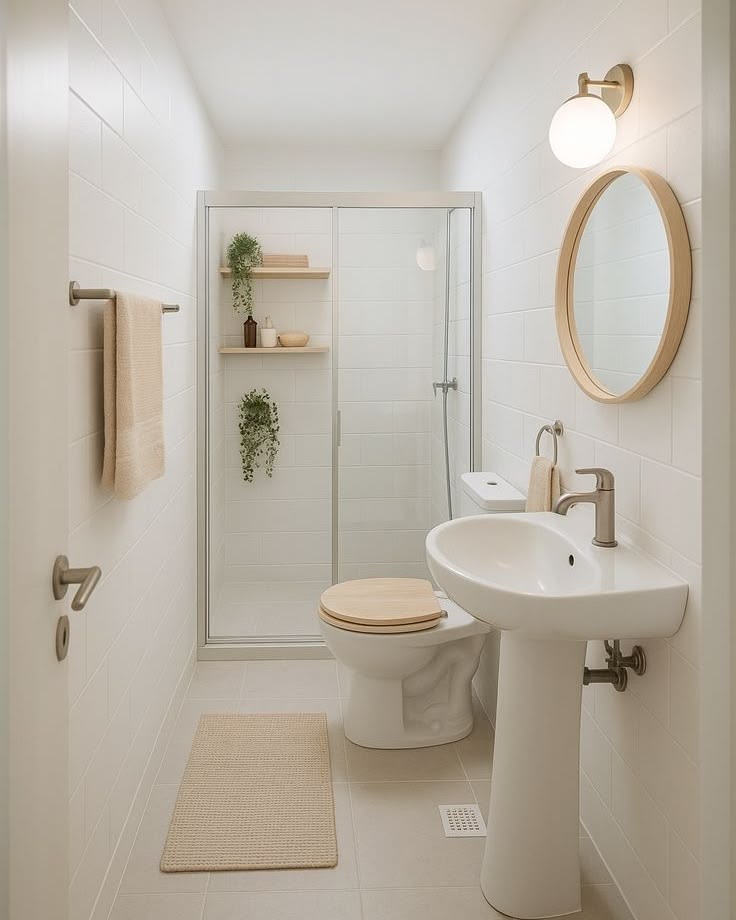
Once your bedroom is ready, your bathroom should become your next priority. A clean and functional bathroom can make a new apartment feel comfortable very quickly.
You do not need expensive organizers or matching accessories to achieve that feeling.
Start by cleaning the toilet, sink, shower, bathtub, and bathroom floor carefully. Even if someone cleaned the apartment before you arrived, you may prefer doing it yourself.
Knowing everything is freshly cleaned can make you feel more comfortable using the space.After cleaning, unpack your daily bathroom supplies and put them somewhere convenient.
Your toothbrush, toothpaste, soap, towel, toilet paper, and other essentials should stay easy to reach. You can create a detailed storage system after living there for several days.
Take a few minutes to check the bathroom fixtures before settling completely. Turn on the taps, test the shower, and look around the sink for anything unusual. Check underneath cabinets for signs of leaks, dampness, or water damage.
If you notice a problem, take clear pictures and report it to the appropriate person. Do not automatically assume every apartment problem becomes your personal responsibility.
Reporting issues early can also help you avoid confusion later about when damage first appeared.
Set Up a Basic Kitchen Before Decorating
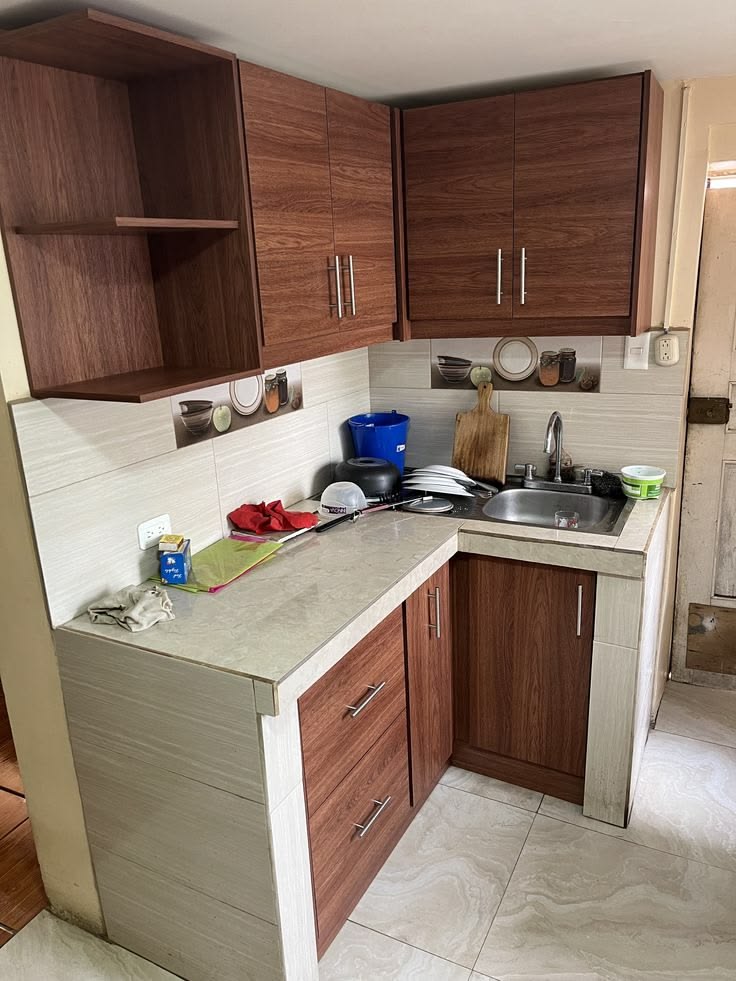
Your kitchen does not need to be completely stocked before you start living normally. You mainly need enough supplies to prepare simple meals and clean afterward.
Starting small can also help you understand what kind of kitchen setup suits your lifestyle. Think about the meals you normally prepare during a regular week at home.
If you cook often, you may need more pots, pans, utensils, and food containers. If you rarely cook, buying a huge collection of kitchen equipment may waste space and money.
Start with basic plates, bowls, cups, spoons, forks, knives, and cooking utensils. You can also add one useful pot, a frying pan, a cutting board, and one reliable kitchen knife.
These items can cover many simple meals without making your kitchen feel crowded. Try not to buy every kitchen gadget simply because it looks useful inside the shop.
Your first apartment can make ordinary shopping feel unusually exciting and tempting. Before buying something, think about how often you will realistically use it.
You may eventually want an air fryer, coffee machine, blender, or another appliance. That is completely fine, but you can add those things when your routine justifies them.
Your kitchen should grow around your actual habits instead of imagined habits.
Create a Landing Spot Near Your Door
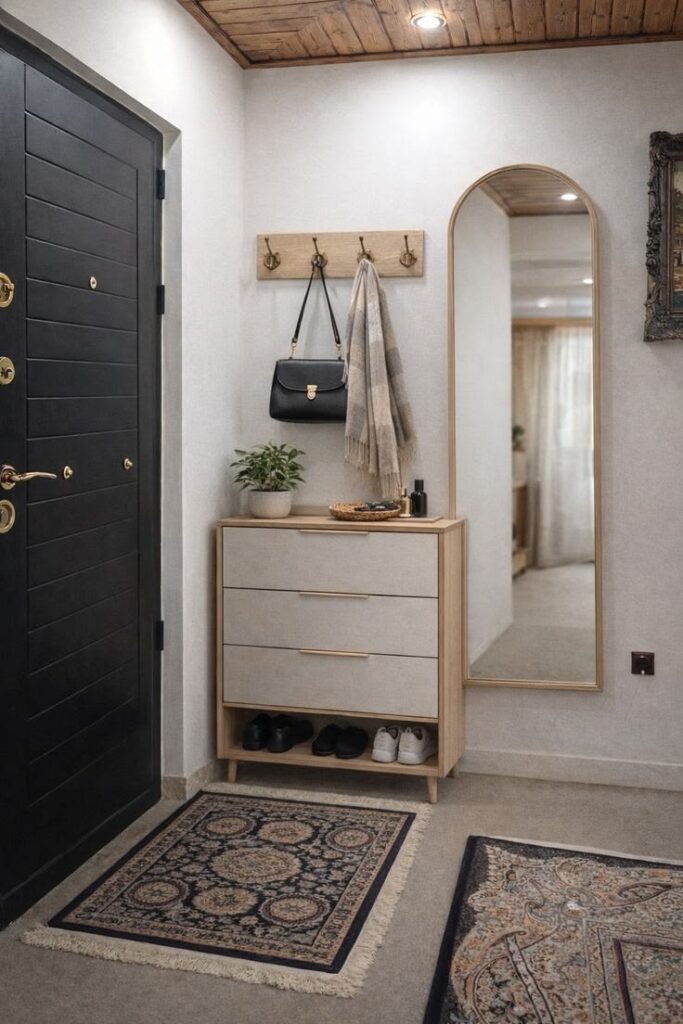
A simple landing spot near your entrance can make everyday life much easier. This is where you can place your keys, bag, shoes, sunglasses, and other things you carry outside.
Having one regular location keeps these items from spreading throughout your apartment.You do not need a large entryway or expensive furniture to create this system. A small tray, basket, shelf, hook, or narrow table can work perfectly.
The important thing is choosing a location that feels convenient enough to use consistently.Think about what happens when you arrive home after work or school. You probably want to drop your things quickly and move into your evening routine.
A landing spot gives those belongings somewhere to go immediately.This tiny habit can also save time when you are leaving the apartment. You will know where your keys and everyday bag are before rushing outside.
That idea connects naturally with How to Build Simple Home Habits That Save Time Every Week.
Set Up Your Utilities Early
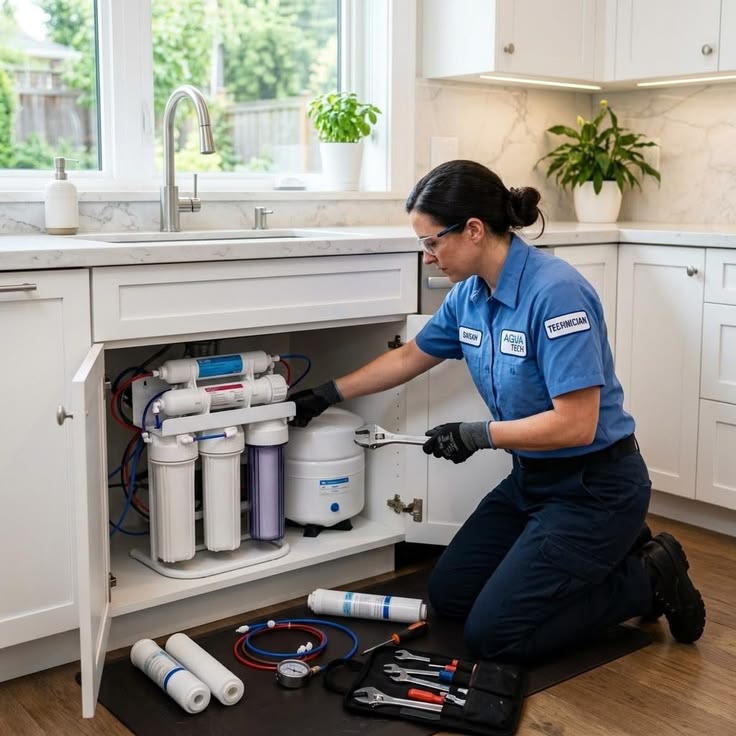
Utilities may not feel exciting, but they can quickly become important after moving. Depending on your rental arrangement, you may need electricity, water, internet, gas, or other services.
Understanding your responsibilities early can prevent stressful surprises later. First, find out which utilities are already active inside the apartment. Then confirm which services you need to arrange and which ones your landlord handles.
If something is unclear, ask instead of making assumptions about who should pay. Keep your account details, payment dates, customer service numbers, and other information somewhere accessible.
You can use a household folder, phone note, email folder, or another simple system. The important thing is being able to find the information when needed.
Getting your utilities sorted early can help you settle into your normal routine. You will have fewer unfinished tasks sitting in the back of your mind. For a detailed guide, How to Set Up Utilities in Your First Apartment covers this part separately.
Think About Your Daily Routine
One of the best ways to organize your apartment is thinking about your normal day. Instead of asking where everything looks attractive, ask where everything makes sense.
Your home should make everyday tasks easier rather than create extra work.Think about what happens from waking up until bedtime each day.
Where do you get dressed, prepare food, work, study, relax, and keep everyday belongings? These answers can help you decide where your most-used items should live.
For example, your everyday cookware should stay somewhere easy to reach if you cook regularly. Your work supplies should remain close to your workspace if you work from home.
Your exercise equipment should also be accessible if you want to use it consistently. The same idea applies to cleaning and laundry supplies. If something is difficult to reach, you may avoid putting it away properly.
When useful items are easy to access, maintaining your apartment becomes much less tiring. This is why organization should always begin with your actual lifestyle.
A storage idea can look beautiful online but become frustrating inside your particular apartment. Your home needs to work for you, not simply look good in pictures.

Avoid Buying Everything at Once
Moving into your first apartment can make shopping feel almost impossible to resist. Suddenly, you need curtains, furniture, lamps, towels, storage, dishes, decorations, and countless household items.
Looking at that list can make you feel like everything needs to happen immediately.But buying everything at once can create two problems for first-time renters.
You can spend far more money than planned, and you can fill your apartment with unnecessary things. Both problems become frustrating when you are still learning how your new space works.
Instead, buy the basics and live with them for a little while. Pay attention to what feels inconvenient during your normal morning and evening routines. Those small frustrations will tell you what your apartment genuinely needs.
Maybe you discover that your living room needs better lighting after sunset. Perhaps your bathroom needs another storage shelf because your toiletries have nowhere comfortable to go.
You might also realize that the large table you planned to buy would make the room feel crowded.Living inside the apartment gives you information that an empty room cannot provide.
That information can help you make better purchases and protect your budget. It can also help you create a space that feels personal without making unnecessary permanent changes.
For more renter-friendly ideas, How to Make a Rental Feel Like Home Without Permanent Changes can help you decorate without rushing into expensive changes.
Create a Cleaning Routine That Fits Your Life
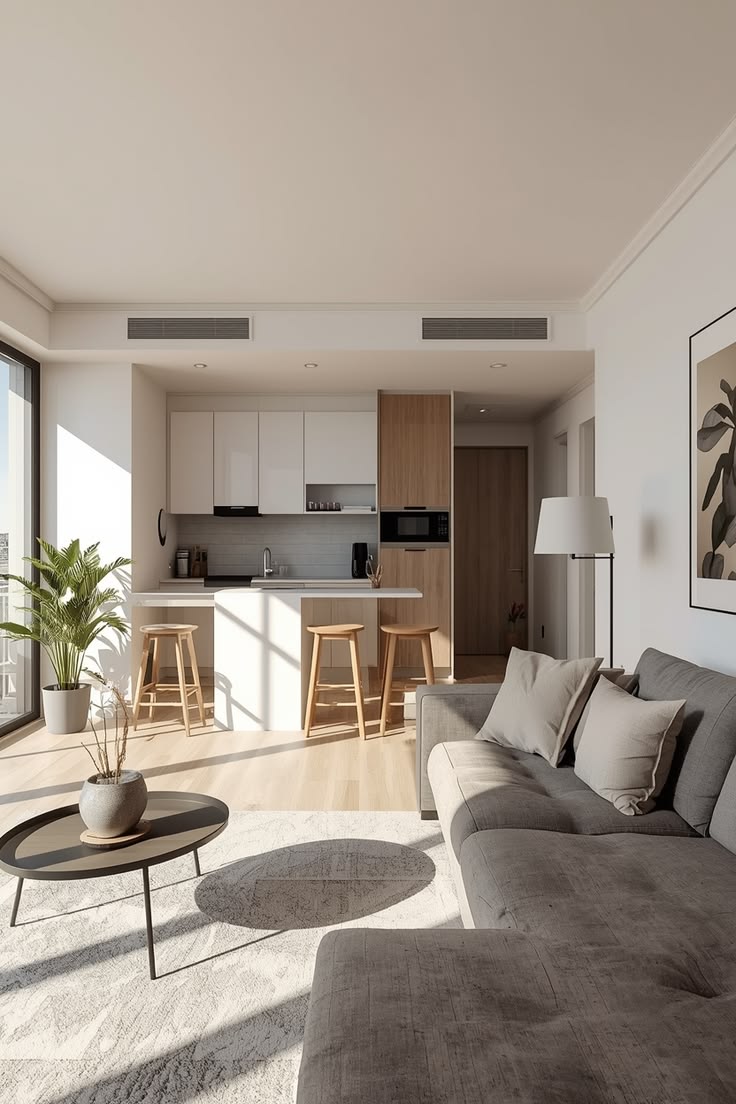
Cleaning becomes much easier when you stop treating it like one enormous weekend project. You do not need to spend several hours cleaning your entire apartment every day.
Small regular actions can keep your home manageable between deeper cleaning sessions.Start by handling small messes before they become bigger problems.
Wash dishes after meals, wipe kitchen surfaces, put clothes away, and remove rubbish regularly. These tasks may seem simple, but they prevent your apartment from becoming difficult to clean later.
You can then choose a regular time for deeper household cleaning. That might include vacuuming, mopping, changing bedsheets, cleaning the bathroom, and dusting surfaces.
The best schedule is one that fits your actual week instead of making your life harder. Do not create a cleaning routine that looks impressive but feels impossible to maintain.
You may follow it perfectly for three days before becoming exhausted and abandoning it. A simple routine that you can repeat is much more useful than an ambitious plan you dislike.
For a practical routine you can maintain, How to Create a Cleaning Routine You’ll Actually Stick To will help you build something around your real lifestyle.
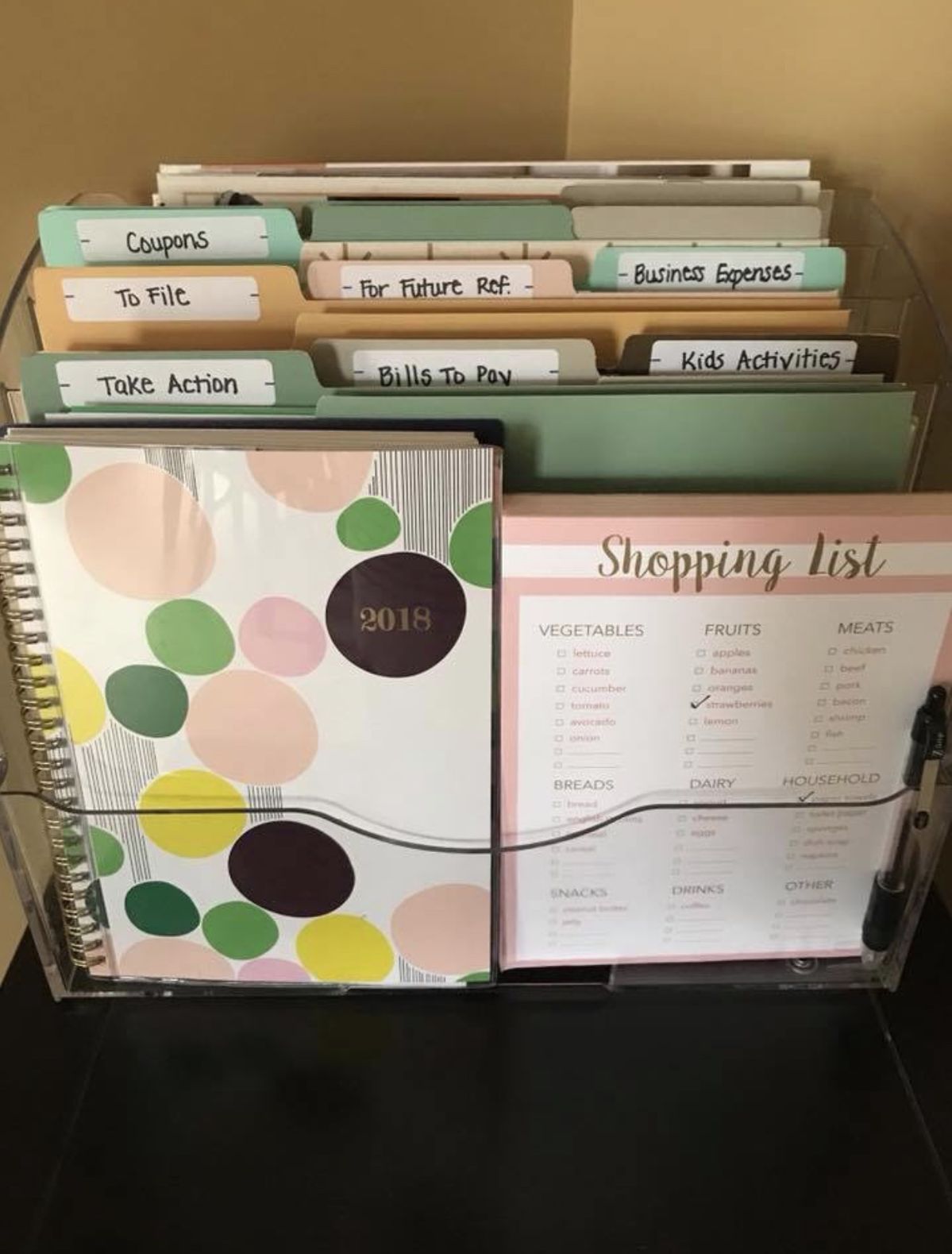
Give Important Documents Their Own Home
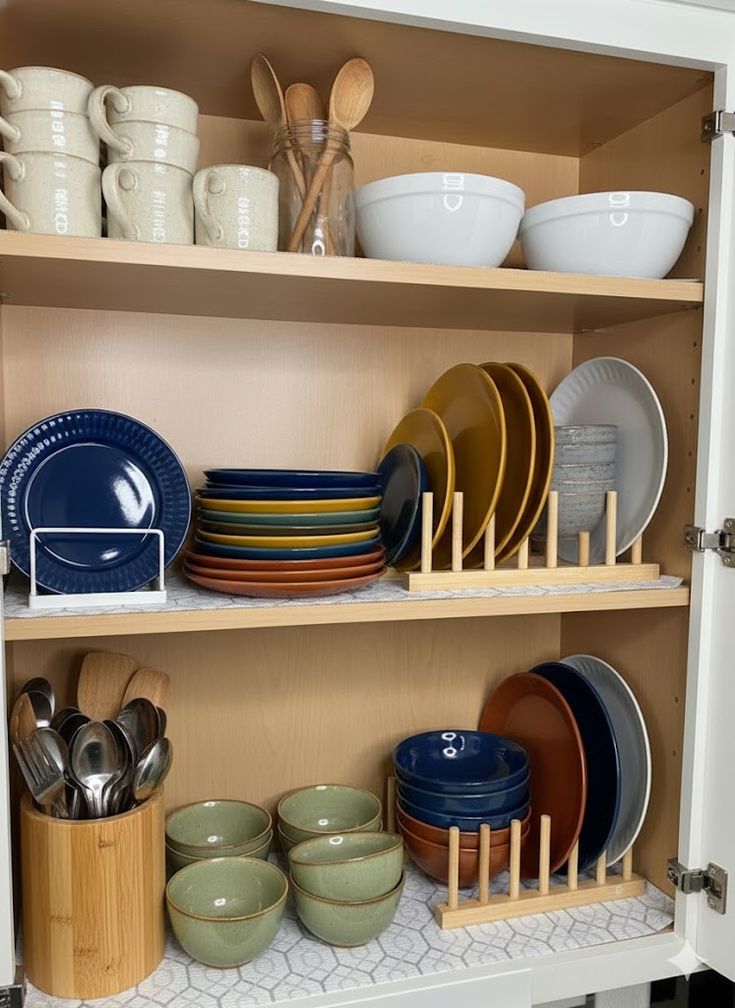
Your first apartment will probably come with more paperwork than you expect. You may have a lease, receipts, inspection records, utility information, payment records, and other household documents.
Keeping these papers together can save you from unnecessary stress later. Choose one safe place for your important apartment documents from the beginning. You can use a physical folder, small file box, or organized digital folder.
The system does not need to be fancy, but it should be easy for you to maintain.Your lease deserves special attention because it contains important information about your rental responsibilities.
It may cover payments, repairs, restrictions, notice requirements, property rules, and other details. Taking time to understand those details can help you avoid misunderstandings later.
Do not simply sign documents and forget about them afterward. Read through anything important and make notes about information you may need regularly.
If something does not make sense, ask the landlord or another appropriate person for clarification. For more help with rental paperwork, How to Read and Understand Your First Lease Agreement is a natural next step.
Understanding your lease can help you manage your responsibilities with greater confidence.
Talk About Responsibilities With Your Roommate
If you share your first apartment with a roommate, discuss household responsibilities early. Do not wait until someone becomes frustrated because they feel they are doing everything.
A simple conversation can prevent many small disagreements from becoming bigger problems. Talk about cleaning, groceries, bills, rubbish, shared supplies, visitors, and quiet times.
You can also discuss how you will handle purchases that everyone uses. The goal is making expectations clear before misunderstandings begin. Remember that people can have very different ideas about cleanliness and household routines.
What feels normal to you may feel messy or excessive to someone else. Talking openly gives both people a chance to explain their expectations. You do not need complicated rules for every little household task.
A simple agreement about who handles what can be enough for many shared homes. If you need practical ideas, How to Split Household Responsibilities With a Roommate goes deeper into creating a fair system.

Handle One Problem at a Time
Sometimes several parts of your apartment will need attention at once. The bedroom might need curtains, the kitchen might need storage, and the living room might need better lighting.
Looking at everything together can make you feel like nothing will ever be finished. Instead, choose the problem that would improve your everyday life the most. Handle that one first, then move toward the next issue when you have enough time.
This keeps your apartment setup moving without making the process feel exhausting. For example, if you cannot sleep comfortably because your bedroom lacks privacy, handle that first.
If your kitchen has nowhere to store basic food, solve that before purchasing artwork. Focus on what improves your actual daily experience.
This method also helps you spend money more carefully. You are solving real problems instead of shopping because an empty space makes you uncomfortable. Over time, your apartment becomes more functional without draining your budget.

Keep a Small List of Future Improvements
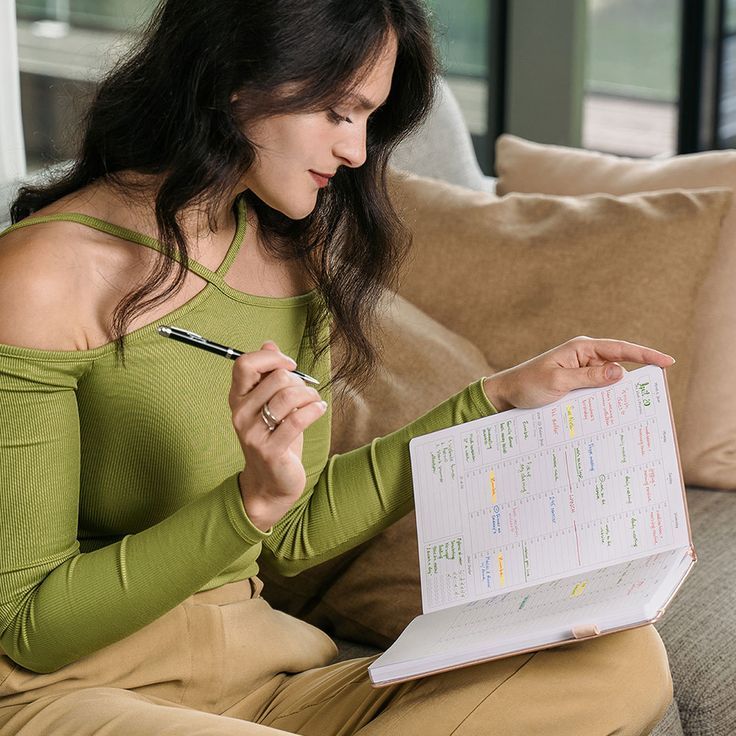
After your basic setup is finished, keep a simple list of things you may improve later. This list can include small purchases, organization ideas, decoration plans, or repairs needing attention.
Writing them down prevents you from feeling like everything must happen immediately. You might notice that your bathroom needs another towel hook after using it for several weeks.
Perhaps your kitchen needs a better storage solution after you begin cooking regularly. Maybe your bedroom needs another lamp because you prefer reading before sleeping.
Write those ideas down and handle them gradually. This approach can make decorating more enjoyable because every purchase has a purpose. You are no longer buying random things simply because the apartment feels empty.
Instead, you are improving your home based on things you have actually learned. After several months, you may look back and realize how many small changes improved your home.
Those changes can feel much more satisfying than rushing everything during your first weekend.
Give Yourself Time to Feel Settled
You may not feel completely at home during your first few days, and that is normal. A new apartment can feel unfamiliar simply because your routines have not developed there yet.
You need time to learn the space and create new memories inside it. Eventually, small things will start becoming familiar without you noticing.
You will know where your keys belong, where your favorite mug sits, and where you keep everyday shoes. You will also know which cupboard holds your cleaning supplies and which drawer contains important items.
Those little details are what make a place begin feeling like home. They develop naturally through repeated routines rather than forced decoration. One day, you may realize that you no longer feel like someone who just moved in.
You may walk through the door after work and immediately know where everything belongs.
Maybe prepare dinner without searching through unfamiliar cupboards. You may sit on your sofa and realize that the space finally feels like yours.That feeling usually comes slowly, so do not rush it.

Final Thoughts
Setting up your first apartment does not need to happen all at once. You do not need perfect furniture, beautiful decorations, or completely organized cupboards immediately.
Your first goal is simply creating a comfortable space that supports your everyday life. Start with the essentials, then organize your belongings according to how often you use them.
Give yourself time to understand your apartment before spending heavily on furniture or decorations. An empty corner does not always mean something is missing, so allow your home to develop naturally.
Focus on comfort before appearance and function before decoration. Your home should make it easier to rest, work, cook, clean, organize, and enjoy your personal time.
It does not need to look like anyone else’s home because your lifestyle, budget, space, and needs are different.
Some days may feel exciting, while other days may feel tiring or frustrating. That is completely normal when you are learning how to manage your own home.
Take one task at a time, make adjustments when needed, and give yourself room to learn. Your first apartment will probably change as you discover what works best for you.
Furniture may move, storage systems may change, and some purchases may eventually leave. That is not failure because your home is allowed to grow with you.
The goal is not creating a perfect apartment in one weekend. The goal is creating a practical, organized, comfortable space that supports your independent life. Start small, stay patient, and let your home become yours one simple decision at a time.
Leave a Reply