Living on your own can feel exciting because you finally have your own space and more control over your daily life. But it can also feel overwhelming when you realize how many expenses come with being responsible for a home.
Rent is only one part of the picture, and many smaller costs can quickly add up throughout the month. You may have to pay for electricity, groceries, transportation, internet, household supplies, and personal needs.
Some expenses happen every month, while others appear only a few times each year. This is why planning ahead can make living independently much easier.
Before you move into your own place, it helps to understand what your money may need to cover. A clear list can help you avoid forgetting important costs when creating your budget.
It can also show you how much income you may need before taking on your own household. If you are still learning how to manage money, 35 Money Habits to Start in Your 20s can help you build better habits before you take this step.
The good news is that you do not need to figure everything out perfectly from day one. You simply need to know what expenses to expect and give each one a place in your plan.
Some costs will depend on where you live, your lifestyle, and the kind of home you choose. Others will depend on how often you travel, eat out, shop, or use certain services.
The goal is not to make your life feel restricted. It is to help you enjoy your independence without constantly wondering where your money went.
Here are 45 expenses to budget for when you live on your own.

45 Expenses to Budget for When You Live on Your Own
1. Rent
Rent will probably be one of your largest monthly expenses when you live alone. Before moving, make sure the rent fits comfortably within your regular income.
Do not only think about the advertised rent when calculating your housing cost. You also need to consider the other expenses that come with maintaining your home.
A rent payment that looks affordable alone can become stressful after adding utilities and transportation. Try to leave enough room in your budget for savings and unexpected expenses.
Your home should give you stability without taking almost your entire paycheck.

2. Security Deposit
A security deposit is another cost to prepare for before moving into your new place. Depending on your rental agreement, you may need to pay a large amount upfront.
This money is usually separate from your regular monthly rent. Start saving for it before you begin seriously searching for an apartment.
That way, you are not forced to borrow money just to secure a place. Also, read your rental agreement carefully so you understand the deposit conditions.
Planning for this expense can make moving into your first place much less stressful.

3. Electricity
Electricity can become a major household expense when you live independently. Your monthly bill may change depending on your appliances, weather, and daily habits.
Things like air conditioning, heating, cooking, and frequent appliance use can affect your bill. Do not build your budget around your cheapest electricity bill.
Instead, use a realistic average and leave some extra room for higher months. You can also reduce your bill by switching off appliances when they are not needed. Small changes can make a noticeable difference when you repeat them consistently.

4. Water
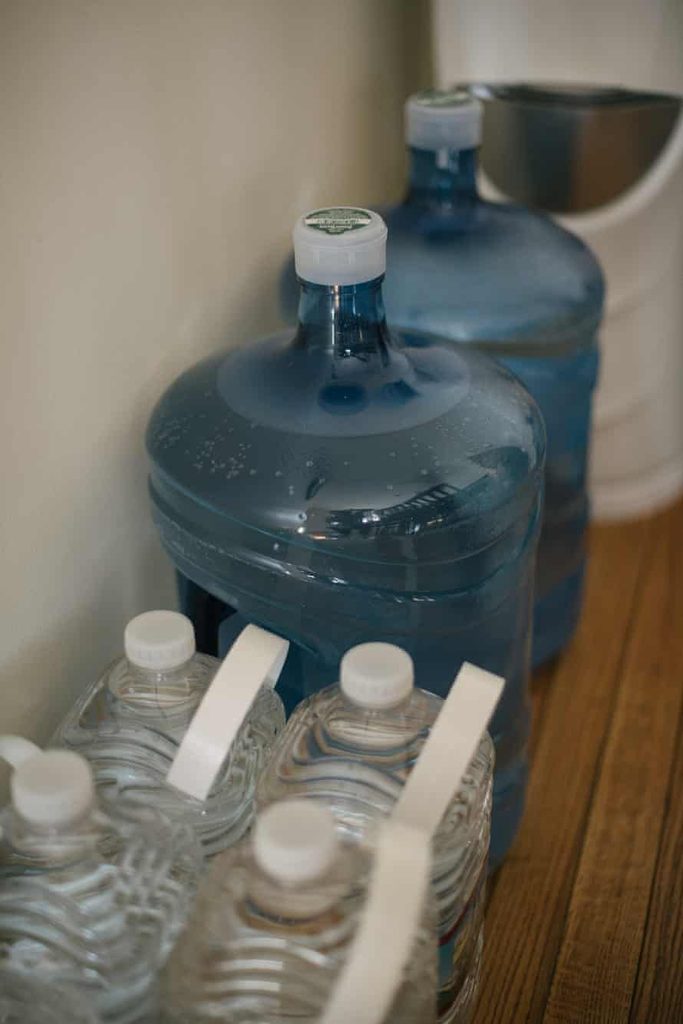
Water is another household expense that belongs in your monthly budget. Some rentals include water in the rent, while others charge it separately.
Before moving, ask exactly what your landlord expects you to pay. If you pay for water yourself, check previous bills when possible.
This gives you a better idea of what to expect each month. Water usage can also increase when you live alone without paying attention. Simple habits like shorter showers can help keep your household costs under control.
5. Gas
Gas can be another important expense, especially if you use it for cooking. Some homes may use gas cylinders, while others may have another cooking setup.
Include the cost of refilling or replacing your gas supply when planning your budget. Do not wait until the gas finishes before thinking about the next refill.
Instead, keep a small amount available for this expense. That way, an empty cylinder does not suddenly take money from another important category.

6. Internet
Internet can be essential if you work, study, create content, or run a business from home. Your monthly internet cost should have a clear place in your budget.
Look at the plan you actually need instead of automatically choosing the most expensive option. You may also need to budget for installation, equipment, or occasional data purchases.
Compare available plans before committing to one provider. A cheaper plan can work well if it still gives you enough speed and data.

7. Phone Bill
Your phone is another regular expense that can easily become part of your routine. Include your monthly phone plan, calls, texts, and mobile data in your budget.
If you use mobile data heavily, track your normal usage for a few months. This can help you choose a plan that fits your actual needs.
Avoid paying for more data than you regularly use. Your phone bill may seem small, but reducing it can free money throughout the year.

8. Groceries
Groceries are one of the most important expenses to plan when living alone. You need food regularly, so this category should never be treated as an afterthought.
Start by creating a realistic monthly grocery amount based on your eating habits. Plan simple meals and make a shopping list before visiting the store.
Buying only what you need can also reduce food waste. If you are working with a smaller income, 35 Ways to Save Money on an Entry-Level Salary can help you stretch your grocery money.

9. Eating Out
Eating out can quickly become expensive when you live alone. It can feel easier to order food after a long day instead of preparing something yourself.
The problem is that frequent small orders can become a large monthly expense. Give yourself a realistic eating-out limit instead of removing it completely.
You can still enjoy restaurants and takeout while keeping your overall spending under control. Planning a few meals at home can also reduce the temptation to order food constantly.

10. Transportation
Transportation costs should be included before you move into a new apartment. Think about how you will get to work, school, appointments, shops, and other regular places.
Your costs may include buses, trains, fuel, taxis, ride-hailing services, or parking. Estimate your normal transportation costs based on your actual routine.
Also leave some room for unexpected trips during the month. If transportation is expensive, the cheapest apartment may not always be the cheapest overall choice.

11. Fuel
If you own a car, fuel deserves its own budget category. Your fuel costs will depend on how often you drive and how far you travel.
Track your fuel spending for a few weeks to get a realistic estimate. Avoid guessing based on one unusually cheap or expensive month.
You should also consider how fuel prices may affect your overall transportation budget. Keeping your home reasonably close to important places can help reduce this expense.

12. Car Maintenance
Owning a car involves more than buying fuel. You may need oil changes, tire replacements, servicing, repairs, or other maintenance.
These expenses may not happen every month, but they can become expensive quickly. Set aside a small amount regularly for future car maintenance.
That way, a repair does not completely destroy your monthly budget. A maintenance fund can also help you take care of problems before they become more expensive.

13. Parking
Parking can become a regular expense if you live in a busy area. Your apartment may charge separately for parking or require a monthly parking permit.
You may also pay for parking at work, school, or other places you visit. Check these costs before deciding where to live.
A small monthly parking fee can become significant when added to your other transportation expenses. If parking is free and convenient, include that information when comparing housing options.

14. Household Cleaning Products
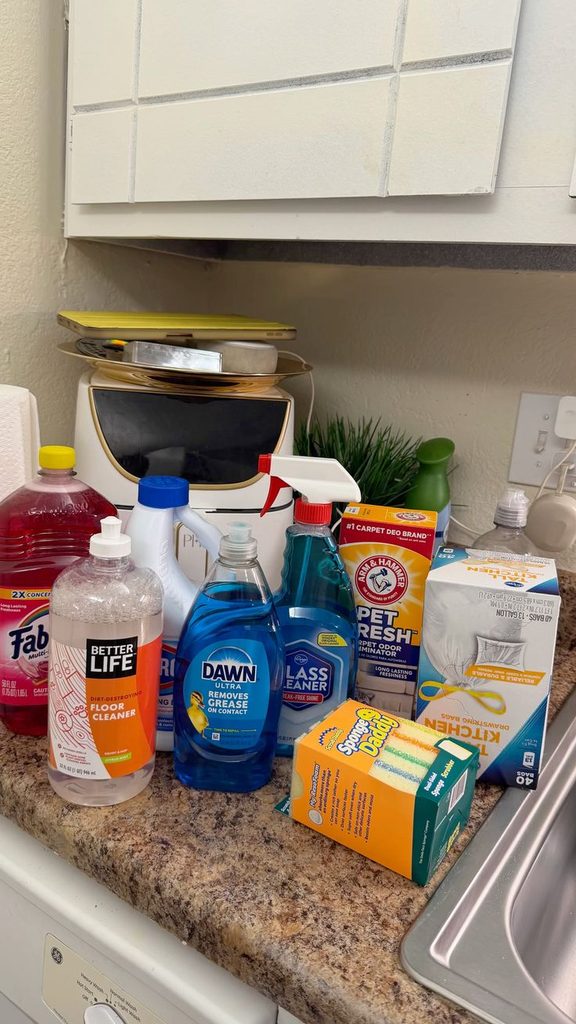
Cleaning products are easy to forget when you first create a budget. You may need detergent, disinfectant, sponges, trash bags, toilet cleaner, and other supplies.
These items may not need replacing every week. Still, several products can run out around the same time.
Create a small household category so these purchases do not surprise you. You can also compare prices and buy practical quantities when you find good deals.
15. Laundry
Laundry can become a regular expense depending on your living arrangement. You may pay for washing machines, dryers, laundromats, detergent, or other laundry services.
If you have your own machines, electricity and water will also contribute to the cost. Estimate your normal laundry spending based on how often you wash clothes.
Buying detergent in sensible quantities can sometimes reduce the cost over time. Just avoid buying large amounts that you will struggle to store or use.

16. Toiletries
Toiletries are basic personal expenses that you will need to replace regularly. This category can include toothpaste, soap, shampoo, deodorant, toilet paper, and other everyday products.
Some products will last longer than one month. Still, setting aside money monthly helps you prepare for replacements.
You can also keep a simple list of products you regularly use. That makes it easier to avoid buying things you already have at home.

17. Haircare
Haircare can be an important personal expense, especially if you regularly visit a salon or barber. Your costs may include haircuts, styling, products, treatments, or other services.
These expenses may happen weekly, monthly, or every few months. Estimate your average cost instead of pretending the expense does not exist.
You can also decide which services are essential and which ones you can reduce. Planning ahead makes personal care easier to manage without guilt.

18. Skincare
Skincare products can become another regular expense when you live independently. Think about the products you actually use instead of budgeting for every new product you see.
Basic skincare can include cleansers, moisturizers, sunscreen, or other personal products. Set a reasonable monthly amount based on your normal spending.
Avoid replacing products simply because something new has become popular online. Your budget should support your needs instead of every passing trend.

19. Clothing
Clothing may not require money every month, but you should still plan for it. You may need work clothes, shoes, underwear, seasonal clothing, or replacement items.
Instead of waiting until you urgently need something, set aside a small amount regularly. This gives you money available when an important clothing expense appears.
It also reduces the temptation to use credit for ordinary purchases.

20. Medical Expenses
Medical costs can appear unexpectedly, even when you generally feel healthy. You may need medication, doctor visits, tests, dental care, or other services.
Some costs may be covered by insurance, but others may come directly from your pocket. Create a small health category based on your situation.
If you do not use the money, allow it to build for future medical needs. Having something available can make unexpected health expenses easier to handle.

21. Health Insurance
If you are responsible for your own health insurance, include the payment in your budget. Do not assume this expense will somehow fit into your budget later.
Find out exactly what you pay and when the payment is due. You should also understand what your plan covers before depending on it.
Insurance costs can vary greatly, so use your actual premium when creating your budget. This keeps your financial plan closer to your real monthly situation.

22. Renters or Home Insurance
Depending on your location and rental agreement, you may need renters insurance. This type of coverage can help protect certain belongings and provide other forms of protection.
Check your rental agreement to understand what is required. Then include the cost in your monthly or annual budget.
If you pay annually, divide the cost across the year. That way, the renewal does not feel like an unexpected financial emergency.

23. Emergency Fund Contributions
Living alone makes an emergency fund even more important.You no longer have someone else automatically sharing your unexpected expenses.
Set aside a specific amount every month for emergencies. Even a small contribution can help you build a useful financial cushion.
Keep this money separate from your normal spending account when possible. If you are starting from zero, 25 Ways to Build an Emergency Fund From Scratch can help you create a practical plan.

24. General Savings
Your emergency fund is not the only reason to save money. You may also want savings for future purchases, moving costs, education, travel, or other personal goals.
Give general savings its own place in your budget. Even a small amount can help you build financial stability over time. The important thing is making saving a regular part of your monthly routine.

25. Debt Payments
If you have loans, debt payments must be part of your monthly expenses. Write down each debt, its minimum payment, interest rate, and due date.
This helps you understand exactly how much of your income is already committed. Try to make payments on time and avoid adding unnecessary new debt.
If your debt is becoming difficult to manage, review your spending before taking on another payment. A clear plan can make your debt feel much more manageable.

26. Credit Card Payments
Credit card payments can become a major expense when balances are carried from month to month. Remember that using your card does not make purchases free.
Budget for the amount you plan to repay every month. If you already carry a balance, account for interest charges as well. Avoid spending up to your credit limit simply because the money appears available.
If you are preparing for your first card, 35 Things to Know Before Getting Your First Credit Card can help you understand the responsibility involved.

27. Subscriptions
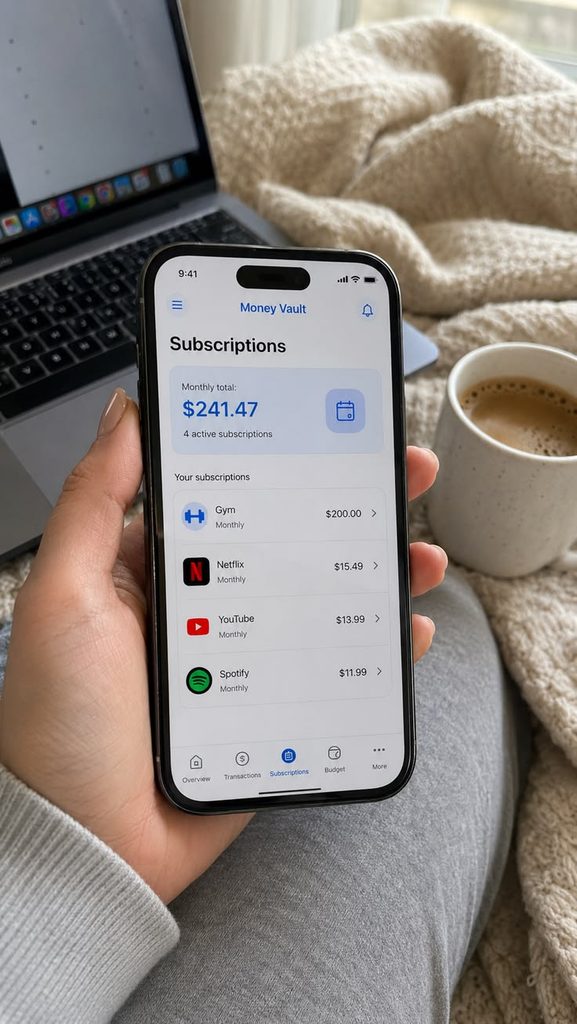
Subscriptions can quietly take money from your account every month. You may have streaming services, music apps, cloud storage, fitness memberships, or software subscriptions.
List every recurring payment connected to your account. Then check how often you actually use each service. Cancel subscriptions that no longer provide enough value for their cost.
Even saving $10 monthly gives you another $120 to use elsewhere each year.
28. Entertainment
Living alone does not mean you have to stop enjoying yourself. Budget for movies, hobbies, outings, games, events, or other activities you genuinely enjoy.
The key is giving entertainment a limit. Without a limit, fun spending can easily compete with important bills and savings. A reasonable entertainment budget allows you to enjoy your money without losing control.
This also makes your financial plan feel more realistic and easier to maintain.

29. Gifts
Birthdays, weddings, holidays, and other celebrations can create regular financial pressure. You may have several important people to buy gifts for throughout the year.
Instead of waiting until each event arrives, create a small gift fund. Save a little each month and use the money when needed.
This approach can help you avoid using your credit card for planned celebrations. It also allows you to enjoy giving without damaging your monthly budget.

30. Family Support
Some young adults help their parents, siblings, or other family members financially. If this applies to you, include it honestly in your budget.
Do not hide regular family support under miscellaneous spending. Knowing the amount helps you understand how much money remains for your own needs.
You can also set a reasonable limit that protects your financial stability. Helping others is easier when you are not constantly putting your own finances under pressure.

31. Work-Related Expenses
Your job can come with expenses that are easy to overlook. These may include transportation, work clothes, meals, equipment, internet, or other supplies.
Think about what you regularly spend because of your job. Some costs may be reimbursed, but do not assume every expense will be covered.
Adding these costs to your budget gives you a clearer picture of your actual take-home income. It can also help you identify expenses that may be reduced.

32. Education and Learning
You may want to spend money on courses, books, certifications, workshops, or other learning opportunities. These expenses can support your career and future income.
Still, they should have a place in your budget before you pay for them. Set aside money for learning instead of buying courses impulsively.
Choose resources that solve a real problem or help you develop a useful skill. Your education budget should support your goals without creating unnecessary financial pressure.

33. Pet Expenses
If you have a pet, remember that living alone means you are responsible for its everyday costs. Pet expenses can include food, grooming, medication, supplies, vaccinations, and veterinary visits.
Some of these expenses happen regularly, while others appear unexpectedly. Create separate space for normal pet costs and occasional medical needs.
A small pet emergency fund can also be helpful. This prevents an unexpected veterinary bill from completely disrupting your household budget. Save this guide: 35 Ways to Save Money on an Entry-Level Salary

34. Home Repairs
Even renters may sometimes need to pay for small household repairs or replacements. You might need to replace a light bulb, curtain, lock, appliance part, or other household item.
Some repairs will be the landlord’s responsibility, but not every small cost will be covered. Check your rental agreement before paying for major repairs yourself.
Still, keeping a small household cushion can help you handle minor problems without stress.

35. Furniture and Home Items
Moving into your first place often comes with more purchases than expected. You may need curtains, bedsheets, kitchen items, storage, furniture, towels, or basic decorations.
Do not feel pressured to buy everything immediately. Start with what you genuinely need to live comfortably.
Then slowly add other items as your budget allows. If you are preparing for your first apartment, 25 Things to Include in Your First Monthly Budget can also help you organize these costs.

36. Moving Expenses
Moving itself can cost money before you even settle into your new home. You may pay for transportation, movers, boxes, packing materials, storage, or temporary accommodation.
These costs can add up quickly when you are moving many belongings. Create a separate moving budget before the actual moving day.
Getting several estimates can also help you avoid paying more than necessary. Planning this expense early gives you more control over the entire moving process. Read this next: 25 Money Mistakes to Avoid When You First Start Living Alone

photo credit
37. Annual Fees
Some expenses arrive only once a year, but they still belong in your budget. Examples can include memberships, licenses, insurance renewals, software plans, or professional fees.
Write down these payments when you first move into your place. Then divide the yearly cost across twelve months.
Saving gradually makes these payments easier to handle. This is especially useful when several annual expenses happen around the same period.
38. Travel
Travel can become expensive when you visit family, attend events, or take vacations. If travel is part of your normal life, include it in your financial plan.
You can create a small travel fund and contribute to it each month. This gives you money available for planned trips without taking from your emergency savings.
Planning ahead can also give you more time to find cheaper transportation and accommodation.

39. Bank Fees
Bank fees can quietly reduce your money without providing much value. You may face account fees, ATM charges, transfer fees, or other service charges.
Check your bank statements for recurring or unnecessary fees. If your bank offers a cheaper account option, compare the terms carefully.
You should know what you are paying your bank for basic services. Reducing avoidable fees gives you more money without requiring a major lifestyle change.
40. Replacement Fund
Things eventually break, wear out, or need replacing. Your phone may stop working, your shoes may wear out, or an appliance may suddenly fail.
Instead of treating every replacement as an emergency, create a small replacement fund. You can add money monthly and use it when necessary.
This fund does not need to be large at the beginning. The goal is simply to give yourself another layer of financial breathing room.

41. Personal Fun Money
A budget should leave some room for spending that is simply for you. You might enjoy coffee, books, hobbies, dates, beauty products, or small shopping trips.
Give yourself an amount you can spend without feeling guilty. Once that amount is finished, wait until the next budget period.
This creates a clear boundary while still allowing you to enjoy your income. A budget that leaves no room for enjoyment can become difficult to maintain. Keep this nearby: 35 Things to Know Before Getting Your First Credit Card

42. Future Goals
Living alone should not mean focusing only on today’s bills. Your budget should also support things you want to achieve in the future.
You might want to buy a car, move to a better home, start a business, or continue your education. Give important goals their own savings categories.
Then decide how much you can realistically contribute each month. If moving toward independence is your main goal, 25 Financial Goals to Set Before Living on Your Own can help you plan ahead.

43. Miscellaneous Expenses
There will always be small expenses that do not fit neatly into another category. You might need batteries, postage, small repairs, extra transportation, or an unexpected household item.
That is why having a miscellaneous category can make your budget more flexible. Give it a reasonable limit based on your income.
Try not to use this category as an excuse for careless spending. Instead, use it for genuine expenses that you could not easily predict. Also useful: 25 Ways to Build an Emergency Fund From Scratch

44. Extra Debt Payments
If your budget allows it, you may want to put extra money toward your debt. Extra payments can help reduce your balance faster and may reduce the interest you pay.
Do not sacrifice your basic needs or emergency savings just to make extra payments. Start with an amount that fits comfortably into your monthly plan.
As your income increases, you can consider increasing your extra payment. If you are trying to become more financially stable, this can become an important long-term habit. For your paycheck: 45 Things You Should Know About Your First Paycheck

45. A Monthly Financial Buffer
Finally, leave some money unassigned in your budget for unexpected changes. Your electricity bill may be higher than expected.
Your transportation costs may increase, or you may suddenly need something for your home. A small buffer gives you room to handle these situations without immediately using credit.
Your budget will become more accurate as you learn your real spending patterns.
For more ideas about managing your everyday costs, 35 Simple Ways to Lower Your Monthly Expenses can help you find areas where you can cut back.

Final Thoughts
Living on your own can feel exciting, but it also comes with many financial responsibilities. The biggest mistake is assuming that rent is the only major expense you need to prepare for.
Your home comes with electricity, water, food, transportation, cleaning supplies, personal care, and many smaller costs. Some expenses happen every month, while others appear only once or twice each year.
That is why creating a complete budget can make independent living much easier. You do not need to know the exact amount for every category immediately.
Start with your regular bills and use your best realistic estimates for the rest. Then track your spending for the first few months after moving.
You will quickly learn which expenses are higher than expected and which ones cost less. That information can help you improve your budget without feeling like you have failed.
Remember that your first budget is a starting point, not a permanent rule. Your income may change, your rent may increase, and your lifestyle may change over time.
Your financial plan should change with those things too. The important part is staying aware of where your money goes. If your income is still small, you can still build a workable budget around what you earn.
35 Money Habits to Start in Your 20s can also help you build the everyday habits that support this kind of financial planning. You can start by tracking your expenses and separating your needs from your wants.
Then build your emergency fund, control your subscriptions, and plan for irregular expenses. Small choices can make living alone feel much more manageable over time.
You do not need to become perfect with money before becoming financially responsible. You simply need to understand your expenses and make decisions that fit your real situation.
If your first apartment feels expensive, that does not mean you made the wrong decision. It may simply mean you are learning how much independent living really costs.
Give yourself time to learn, adjust, and improve. And most importantly, do not forget to budget for the life you actually want to live.
A good budget should cover your responsibilities while still leaving room for enjoyment and future goals. Start with what you have, plan carefully, and keep improving as you go.
Leave a Reply