Imagine getting your first steady paycheck and feeling like you can finally breathe financially. Then, before you know it, rent, groceries, transportation, subscriptions, and other bills have taken a large part of your money.
Managing your money in your 20s can be really overwhelming, especially when you’re still figuring out how to make your income work for you. You may have your first steady income, your first apartment, and more bills than you expected.
Suddenly, your money has several places to go, and it can be difficult to know what should come first. That is where a monthly budget can help.
A budget is not meant to stop you from enjoying your money. It simply helps you decide where your money should go before you start spending it.
When you know what needs to be paid, saved, and spent, you can make better choices with less stress.
Your first budget does not have to be perfect. You can start with the basics, learn from your spending, and adjust your plan as your financial situation changes.
If you are also building better financial habits, 35 Money Habits to Start in Your 20s can help you create a stronger routine. Here are 25 important things to include in your first monthly budget.
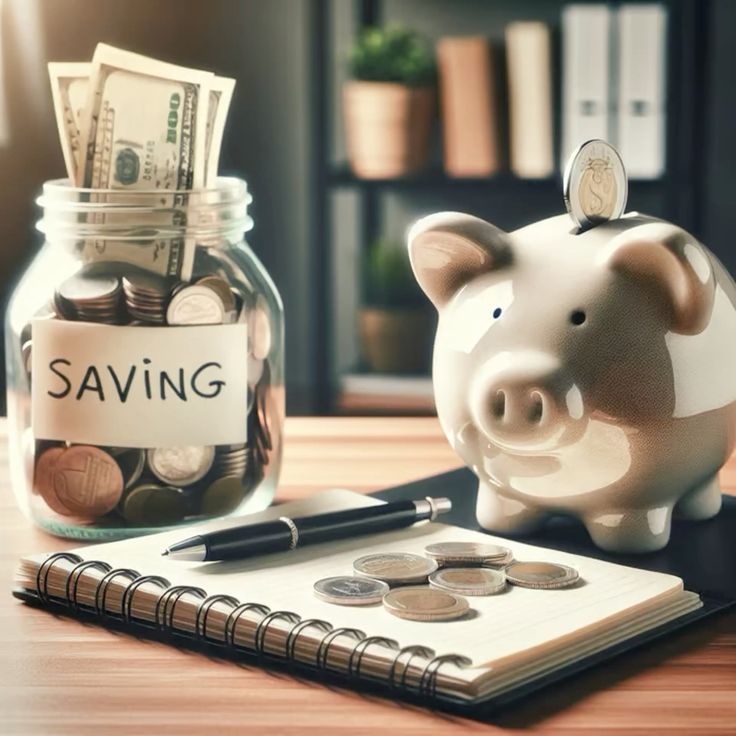
25 Things to Include in Your First Monthly Budget
1. Your Take-Home Income
The first thing to include in your budget is your actual monthly income. This is the money that reaches your account after taxes and other deductions. If you have a regular salary, check your payslip and use your take-home amount.
Do not build your budget around your gross salary. You cannot spend money that never reaches your account. If you earn money from different sources, add those amounts separately.
This could include freelance work, side jobs, or other regular income. Knowing your real income gives your budget a realistic starting point. It also helps you avoid planning expenses around money you do not actually have.
If your income changes from month to month, use a realistic average. You can also build your budget around your lowest expected income when earnings are unpredictable. This gives you more breathing room during slower months.
Your income should always come before your expenses. Once you know what comes in, you can decide what should go out.
If you are still learning how your salary works, 45 Things You Should Know About Your First Paycheck can help you understand the details.

2. Rent or Housing Costs
Housing will usually be one of the biggest expenses in your monthly budget. Include your rent, mortgage payment, or regular housing contribution. Do not forget other housing costs that come with your living arrangement.
These may include service charges, maintenance fees, or other regular payments.
If you are living alone for the first time, housing costs can feel surprisingly high. Give yourself enough room for these expenses before planning your fun spending. Your home needs to remain affordable even when other expenses come up.
It is also helpful to think beyond your monthly rent. You may have costs connected to moving, repairs, basic furniture, or household setup. Some of these expenses may happen before you even settle into your new place.
Planning your housing costs early can help you avoid putting too much pressure on the rest of your budget. If your rent takes most of your income, you may struggle with food, savings, transportation, and other needs.
If you are preparing to live independently, 45 Expenses to Budget for When You Live on Your Own can help you think through the costs you may face.

3. Electricity and Other Utility Bills
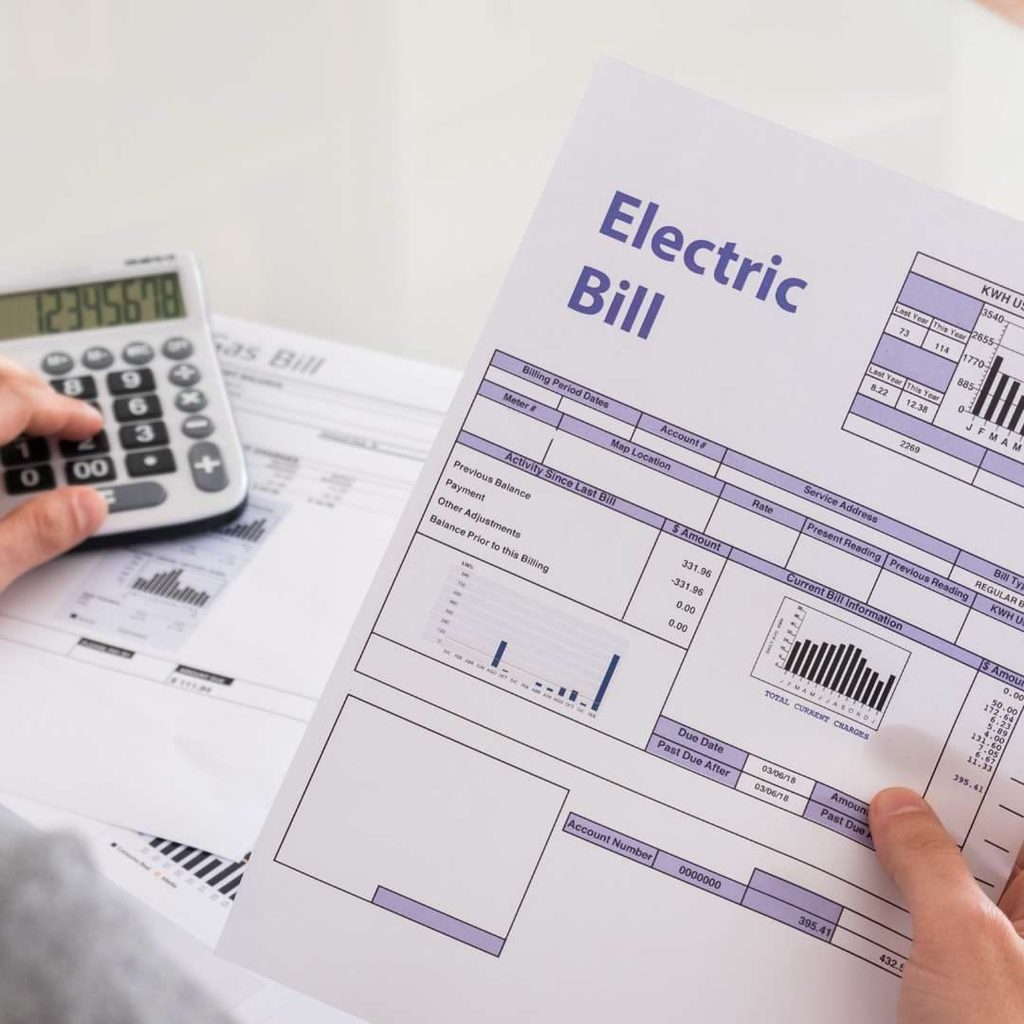
Utilities are another important part of your first monthly budget. Depending on where you live, this may include electricity, water, gas, heating, or other household services.
Some utility bills may change from month to month. That means you should avoid budgeting only for your cheapest bill. Look at your previous bills if you already have them. You can then choose a realistic average for your budget.
It is also helpful to leave a little room for months when your usage is higher. You may use more electricity during hotter months because of fans or air conditioning.
Your water usage may also increase when you have more people living in the home.
If you have not lived alone before, these costs may be difficult to estimate. Give yourself time to learn your normal monthly usage. After a few months, your budget should become more accurate.
Planning for utilities early can stop these bills from catching you off guard. It also makes it easier to decide how much money is actually available for other categories.

4. Internet and Phone Bills
Your phone and internet may be essential parts of your everyday life. You may need them for work, school, communication, banking, entertainment, or running a side business.
Include your monthly phone plan and internet payment in your budget. Check the amount you actually pay rather than relying on what you remember.
If you have expensive plans, compare them with cheaper options that still meet your needs. You do not always need the fastest internet plan or the most expensive phone package.
Also check if you are paying for features you rarely use. You might be able to change your plan without affecting the things you actually need.
If your phone or internet bill changes regularly, use an average amount in your budget. You can then adjust it when you receive the actual bill.
Keeping these bills reasonable can give you more money for other priorities. Small monthly savings can also become meaningful when you keep them for a full year.
5. Groceries
Food deserves its own category in your monthly budget. Start by estimating how much you normally spend on groceries each month.
If you are not sure, track your food purchases for a few weeks first. This gives you a better idea of your actual spending. Create a simple grocery list before shopping. You can also plan a few meals around ingredients you already have at home.
Try not to shop when you are hungry or without a plan. It becomes easier to buy things you did not originally need. You can also check what is already in your kitchen before creating your shopping list.
If you live alone, pay attention to food waste too. Buying large quantities may seem cheaper, but it is not helpful if most of the food expires.
Your grocery budget should be realistic enough to cover your normal meals. It should also leave room for small price changes during the month.
If food spending is taking too much of your income, 35 Ways to Save Money on an Entry-Level Salary can give you practical ways to stretch your money.

6. Eating Out and Takeout
Groceries are not the only food expense you should consider. If you regularly order food, eat at restaurants, buy lunch at work, or grab coffee outside, include those expenses too.
This category is easy to ignore because each purchase may seem small. But several small food purchases can quickly become a large monthly expense.
You do not have to remove eating out from your budget completely. Instead, decide how much you can comfortably spend and stay within that amount.
For example, you might decide on one restaurant meal each week. You could also give yourself a monthly amount for takeout and coffee.
The goal is not to make your budget boring. The goal is to know exactly how much these choices are costing you.
If you spend more than planned, do not simply ignore it. Look at the reason and adjust your next week’s spending.
A realistic budget should allow you to enjoy some meals outside without letting them take over your finances.

7. Transportation
Transportation is another expense you should plan for before the month begins. Your costs may include public transportation, fuel, ride-hailing services, parking, or other regular travel expenses.
Think about how often you travel to work, school, appointments, or other places. Then estimate your normal transportation cost.
If your transportation expenses change often, use an average from previous months. You should also leave some room for unexpected trips.
If you drive, remember that transportation is more than fuel. You may also have maintenance, repairs, parking, registration, or other vehicle-related costs.
If you use public transportation, think about your weekly travel pattern. A monthly pass may sometimes make more sense than paying for every trip separately.
Having transportation money set aside can prevent you from taking money meant for another bill. It also makes your daily routine easier to manage.

8. Insurance
Insurance is easy to forget when you are creating your first budget. Depending on your situation, you may have health, car, renters, life, or other insurance payments.
Some insurance costs may be paid monthly, while others may be paid yearly. If you pay yearly, divide the expected amount across the months and save toward it.
This makes a large payment easier to handle when it becomes due. You will not need to find the entire amount at the last minute.
Review your insurance costs regularly and make sure you understand what you are paying for. It is important to know what your policy actually covers.
You may also find opportunities to reduce unnecessary coverage or compare available plans. Just make sure you understand the difference before changing anything.
The main goal is to make insurance part of your normal financial plan. That way, the payment does not feel like a surprise when it arrives.

9. Debt Payments
If you have debt, your monthly budget needs a clear place for those payments. This could include student loans, personal loans, car payments, or other debts.
Write down the minimum payment for each debt. Also note the interest rate and payment due date.
Knowing these details can help you create a realistic repayment plan. Try not to treat debt payments as optional spending.
They are financial commitments that should be planned alongside your other essential bills. Missing payments can also create additional costs and make your financial situation harder.
If you have several debts, list them separately. This helps you see exactly how much you owe each month.
You can then decide how much extra money you want to put toward repayment. Even small extra payments can help you make progress over time.
If debt is already putting pressure on your budget, 25 Money Mistakes to Avoid When You First Start Living Alone may help you avoid adding more unnecessary financial stress.

10. Credit Card Payments
Credit card spending should have its own place in your budget. If you use a credit card, remember that the money still needs to be paid back.
Include the amount you plan to pay toward your card each month. If you carry a balance, also consider the interest you may be charged.
Do not treat your available credit as extra income. Your budget should help you spend only what you can realistically afford to repay.
If possible, plan your credit card spending before using the card. This can help you avoid spending simply because the credit is available.
Keep track of your purchases throughout the month. You should know how much you have charged before your statement arrives.
Credit can be useful, but it needs to fit into your larger financial plan. If you are preparing to get your first credit card, 35 Things to Know Before Getting Your First Credit Card is another useful guide to keep nearby.
11. Savings
Savings should not only be money left over at the end of the month. Give savings a specific place in your budget.
Even if you can only start with a small amount, make it consistent. You might choose a fixed amount or a percentage of your income.
The goal is to make saving part of your normal financial routine. As your income grows, you can gradually increase the amount.
You can have different savings goals depending on your situation. You may save for a future apartment, education, travel, a car, or another important goal.
Try to give your savings a purpose. It can be easier to stay motivated when you know what you are working toward.
Putting savings into your budget early also makes it easier to avoid spending everything you earn. Instead of waiting to see what remains, you make saving part of the plan from the beginning.

12. Emergency Fund
Your emergency fund deserves a separate category from your normal savings. This money is meant for unexpected situations rather than everyday goals.
You might need it for a sudden repair, medical expense, job loss, or urgent household problem. Start with an amount that feels realistic for your current income.
You do not need to build a huge emergency fund immediately. Even small monthly contributions can move you closer to having a financial cushion.
Try to keep this money separate from your everyday spending account. This can make it easier to avoid using the money for things that are not emergencies.
As your income improves, you can increase your contributions. The goal is to slowly create a financial safety net that gives you more breathing room.
If you are starting from zero, 25 Ways to Build an Emergency Fund From Scratch can give you practical ideas for getting started.

13. Personal Care
Personal care expenses can easily get forgotten when you first create a budget. Think about things like haircuts, hair products, skincare, toiletries, grooming, and other personal needs.
You may not spend the same amount every month. For example, you might get a haircut every few weeks or buy certain products only when they run out.
Estimate your average monthly cost instead of ignoring the expense completely. You can also separate basic personal care from optional beauty spending.
This makes it easier to know which expenses are essential and which ones can wait. It also prevents personal care purchases from suddenly taking money from another category.
If you know that some personal care expenses happen every few months, save a little toward them each month. That way, you are prepared when the expense comes around.
Your budget should make room for taking care of yourself. You simply want those expenses to fit comfortably within your income.

14. Household Supplies
Living independently means buying things you may not have thought about before. Household supplies can include cleaning products, laundry detergent, paper products, light bulbs, and other basic items.
These purchases may not happen every week. Still, they can add up when several household items need replacing at once.
Give them a small monthly category in your budget. If you do not use the full amount every month, leave the extra money available for future household purchases.
You can also keep a simple list of supplies that are running low. This helps you avoid buying things you already have.
Compare prices when buying regularly used products. You may also find that certain brands work just as well at a lower cost.
Planning for household supplies helps you see the real cost of living independently. These small expenses are easier to handle when you expect them.

15. Subscriptions
Subscriptions can quietly take money from your account every month. Think about streaming services, music apps, cloud storage, fitness memberships, software, and other recurring payments.
Write down every subscription you currently pay for. Then ask yourself how often you actually use each one.
Cancel anything that no longer adds enough value to justify the cost. If you keep several subscriptions, include their total amount in your monthly budget.
You may be surprised by how much these small payments cost when you add them together. A few small subscriptions can easily become a larger yearly expense.
Set aside a few minutes every few months to review them. You may discover that your needs have changed since you first subscribed.
You can always subscribe again later if you genuinely need something. For now, your budget should reflect the services that actually matter to you.
16. Entertainment
Your budget should include some money for entertainment. This could cover movies, outings, hobbies, games, events, or other activities you enjoy.
You do not need to remove fun from your financial plan to become responsible with money. Instead, give yourself a reasonable limit.
The amount will depend on your income and other financial responsibilities. Having a set amount can help you enjoy yourself without constantly wondering if you can afford something.
You might choose a weekly or monthly amount. A monthly limit may work better if your entertainment spending changes throughout the month.
Try to spend from this category instead of taking money from your savings. This keeps your fun spending connected to your actual budget.
It also makes it easier to say no when an activity is outside your planned spending. You can still enjoy your life while staying aware of your financial limits.

17. Clothing
Clothing may not be a major expense every month, but it still deserves some attention. You may need work clothes, casual clothes, shoes, underwear, or other basic items.
Instead of buying clothes whenever you feel like shopping, plan for them. You can set aside a small amount each month for future clothing needs.
This is especially helpful when you know you will need something expensive later. Planning ahead means you do not have to take money from your emergency fund for a new pair of work shoes.
You can also check your wardrobe before shopping. Sometimes you already have something that can work with a little creativity.
Try to separate necessary clothing purchases from shopping simply because something looks attractive. This can help you keep your spending under control.
A clothing category gives you room for necessary purchases without making them feel like unexpected expenses.

18. Medical and Health Expenses
Health expenses should have a place in your budget even when you feel healthy. You may have prescriptions, appointments, dental care, medical supplies, or other health-related costs.
Some expenses may be covered by insurance, while others may come directly from your pocket. Look at your previous health expenses if you have them.
Then create a realistic amount for your budget. If you rarely use this category, you can still keep a small amount available.
It is better to have money prepared than to scramble when an unexpected health expense appears. You can also allow unused money to build up for future health needs.
Your health should not always depend on what happens to be left in your account. Giving health expenses a place in your budget can make unexpected costs easier to handle.

19. Gifts and Special Occasions
Birthdays, weddings, holidays, and other celebrations can create unexpected spending. Instead of waiting until these occasions arrive, include them in your budget.
Make a list of important events you already know about. Estimate how much you may spend on gifts, travel, food, or celebrations.
Then save a small amount each month. For example, saving $25 each month gives you $300 over a year.
That can make holiday and birthday spending feel much less stressful. You will not have to find the entire amount from one month’s income.
You can also set a spending limit for individual occasions. This helps you enjoy celebrations without feeling pressured to spend more than you can afford.
Giving gifts should not leave you struggling with your own bills. Plan ahead so generosity can fit comfortably into your financial life. Save this idea: 35 Ways to Save Money on an Entry-Level Salary

20. Irregular Expenses
Not every bill arrives every month. You may have annual memberships, car maintenance, insurance payments, school costs, travel, or other occasional expenses.
These costs should still have a place in your budget. Make a list of expenses that happen once or a few times each year.
Estimate the total amount you will need. Then divide that amount by the number of months you have to prepare.
This turns a large future expense into smaller monthly savings. For example, you may need $600 for an annual expense.
Instead of finding $600 at once, you could save $50 each month. This makes the expense easier to manage.
Irregular expenses are one reason a budget can fail when they are ignored. Planning for them gives your budget a more realistic picture of your actual life. Read this next: 25 Money Mistakes to Avoid When You First Start Living Alone

21. Fun Money
Fun money gives you permission to spend without feeling guilty. You can use it for coffee, small shopping trips, snacks, dates, hobbies, or anything else you enjoy.
The important thing is keeping the amount within your budget. For example, you could decide that $50 is your monthly fun allowance.
Once you spend it, you know you need to wait until the next month. This creates a healthy balance between financial responsibility and enjoying your life.
You do not need to feel guilty every time you buy something enjoyable. If the money was already planned for that purpose, you are simply following your budget.
Having fun money can also make your budget easier to maintain. A plan that leaves no room for enjoyment may become difficult to follow.
Your first budget should help you live better, not make you feel punished. You’ll want to come back to this: 45 Expenses to Budget for When You Live on Your Own

22. Personal Goals
Your budget should also make room for the things you are working toward. Maybe you want to move into your own apartment, buy a car, travel, start a business, or return to school.
Give those goals their own category. Write down the amount you need and the time you want to achieve it.
Then decide how much you can put toward the goal each month. This makes your budget feel connected to your future instead of only focused on bills.
You can also have more than one goal. However, try to prioritize them instead of putting small amounts toward everything.
For example, you might focus on your emergency fund first. Once that is growing steadily, you can put more money toward another personal goal.
If independent living is part of your plan, 25 Financial Goals to Set Before Living on Your Own can help you decide what your money should support.

photo credit
23. Investing
If your basic financial needs are covered, consider including investing in your long-term plan. You do not need to start with a large amount.
The important thing is understanding what you are investing in before putting your money there. Learn the basics of different investment options and the risks involved.
Start with an amount you can afford without neglecting essential expenses. Investing should support your long-term goals rather than compete with your rent or emergency fund.
Do not invest money that you may need for an immediate bill. Your short-term financial needs should remain protected.
Your 20s can be a good time to learn about investing and build the habit gradually. You can start by learning before you start putting money into investments.
The more you understand, the more confidently you can make decisions later. Keep investing connected to your larger financial goals rather than treating it as a quick way to make money.
Keep this guide nearby: 35 Things to Know Before Getting Your First Credit Card

24. Extra Money for Unexpected Costs
Even a carefully planned budget can have surprises. You might need to replace something at home or pay for an unexpected trip.
That is why having a small miscellaneous category can help. This money does not need a specific purpose at the beginning of the month.
It simply gives you a little breathing room when something unusual happens. If you do not use it, you can move the money toward savings or another goal.
Think of this category as a small safety cushion. It can help you handle minor surprises without immediately using your credit card.
The amount does not have to be large. Even a small amount can make your budget feel less restrictive.
Over time, you may learn which unexpected expenses happen most often. You can then create specific categories for those costs.

photo credit
25. A Buffer for the Month
Finally, leave some space in your budget for mistakes and changes. Your first budget will probably not be perfect.
You may underestimate groceries, forget a bill, or spend more on transportation than expected. That does not mean the budget failed.
It simply means you are learning what your real expenses look like. A small buffer can help you handle these changes without immediately reaching for your credit card.
After each month, review what happened and adjust your numbers. Look at the categories where you spent more than expected.
Then decide what needs to change for the next month. You may need to increase one category while reducing another.
With time, your budget will become more accurate and much easier to manage. If you are preparing for independent living, 25 Financial Goals to Set Before Living on Your Own can also help you decide what your budget should support.

Final Thoughts
Creating your first monthly budget can feel like a lot at first. There are bills to remember, savings goals to consider, and everyday expenses that can easily slip through the cracks.
But you do not need to figure everything out perfectly in one day. Start with your income and your most important expenses.
Then add savings, debt payments, personal spending, and future goals. After your first month, look at what actually happened.
Maybe your grocery budget was too low, or perhaps you spent less on transportation than expected. That information is useful because your first budget is really a learning tool.
You can adjust the numbers until they match your real life. The goal is not to create a beautiful spreadsheet that you never use.
The goal is to create a simple plan that helps you know where your money should go. A budget should make your financial life clearer, not more complicated.
As you become more comfortable with budgeting, you can start looking for other ways to make your income stretch further. 35 Simple Ways to Lower Your Monthly Expenses can help you find areas where you may be able to cut back without making your life miserable.
And if your income is still small, remember that a budget can work with a small paycheck too. You do not need to earn a huge salary before you start managing your money properly.
You simply need to know what comes in, what goes out, and what matters most to you. Start with what you have.
Give every part of your money a purpose. Review your plan regularly.
Keep adjusting as your life changes. With time, budgeting can become less stressful and more like a normal part of taking care of yourself.
The goal is not to control every little thing you buy. It is to make sure your money supports the life you are trying to build.
Start small, stay honest about your spending, and give yourself time to learn. Your first budget is not supposed to be perfect.
It is simply your first step toward becoming more confident with your money.
Leave a Reply