Managing your money in your 20s can be really overwhelming, especially when you’re still figuring out how to make your income work for you.
You may have just started earning your own money and suddenly have many bills to handle. Rent, food, transportation, subscriptions, savings, and personal needs can quickly compete for the same paycheck.
At first, it can feel like your money disappears before you understand where it went. But your 20s are also a great time to build money habits that can help you later.
You don’t need a huge salary to start managing your money better. You simply need a plan that fits your income and your everyday life.
The goal isn’t to become perfect with money overnight. It’s about making small choices consistently until managing your money becomes part of your normal routine.
In this post, we’ll look at 35 money habits to start in your 20s. These habits can help you spend wisely, save more, avoid unnecessary stress, and build a stronger financial foundation.
If you’re also learning how to plan your money each month, you may want to keep 25 Things to Include in Your First Monthly Budget handy.

35 Money Habits to Start in Your 20s
1. Know Exactly How Much You Earn
One of the first money habits to build is knowing your actual income. Don’t plan your spending around the salary figure written on your employment offer.
Look at the amount that actually reaches your account after taxes and other deductions. That is the money you can realistically plan around each month.
For example, you might earn $2,500 before deductions but receive $2,050. Your budget should work with the $2,050 you actually receive.
Knowing your real income makes your financial decisions much more realistic. It also helps you stop making plans based on money you never actually receive.
Your take-home pay should become the starting point for your financial decisions. If your income changes, update your budget instead of continuing with old numbers.
This simple habit can help you understand what you can comfortably afford. It can also prevent you from committing to expenses that stretch your income too far.
Read this next: 25 Things to Include in Your First Monthly Budget
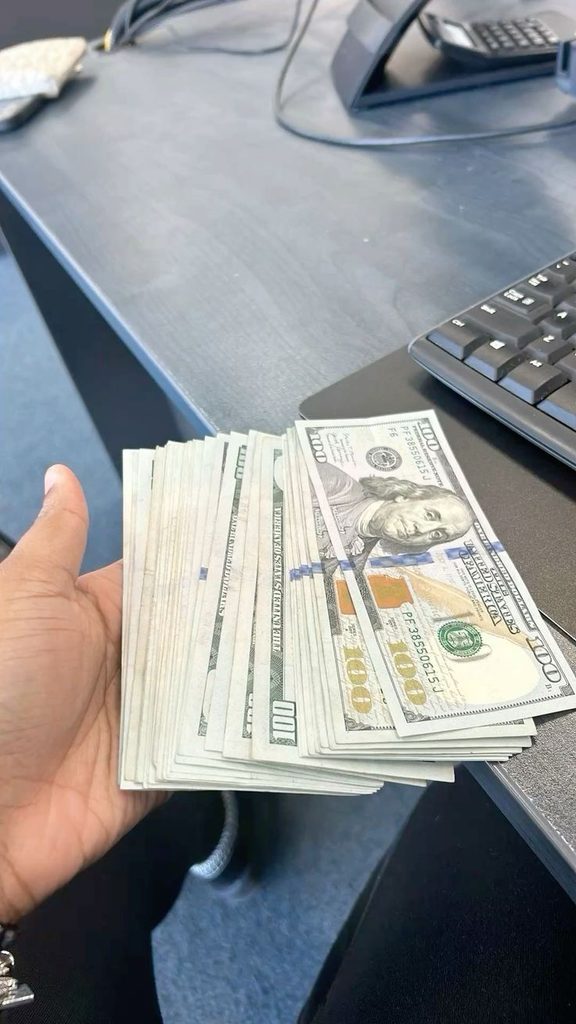
2. Track Where Your Money Goes
You can’t manage money well if you don’t know where it’s going. Start paying attention to your spending, even when the amounts seem small.
That $5 coffee may not seem important by itself. But several small purchases can quietly become a large monthly expense.
You don’t need complicated software to begin tracking your money. Your banking app, notes app, or a simple spreadsheet can work.
Write down your spending for at least one month. You’ll probably notice patterns that you didn’t realize were affecting your finances.
Maybe you spend more on food than expected. Maybe small online purchases are taking more money than you realized.
Tracking helps you see those patterns without guessing. Once you know where your money goes, you can decide what needs changing.

3. Create a Monthly Budget
A monthly budget gives your money a job before you start spending it. It helps you decide how much should go toward bills, savings, food, transportation, and fun.
Your budget doesn’t need to be complicated. Start with your income and list your regular expenses.
Then decide how much you want to save and how much you can spend freely. Remember, your budget should reflect your actual life.
A plan that leaves you miserable will probably be difficult to maintain. Your budget should give you direction without making every purchase feel stressful.
You can adjust it when your income, bills, or priorities change. The important thing is knowing where your money should go before spending begins.
If you’re starting from zero, 25 Things to Include in Your First Monthly Budget can help you build your first plan.
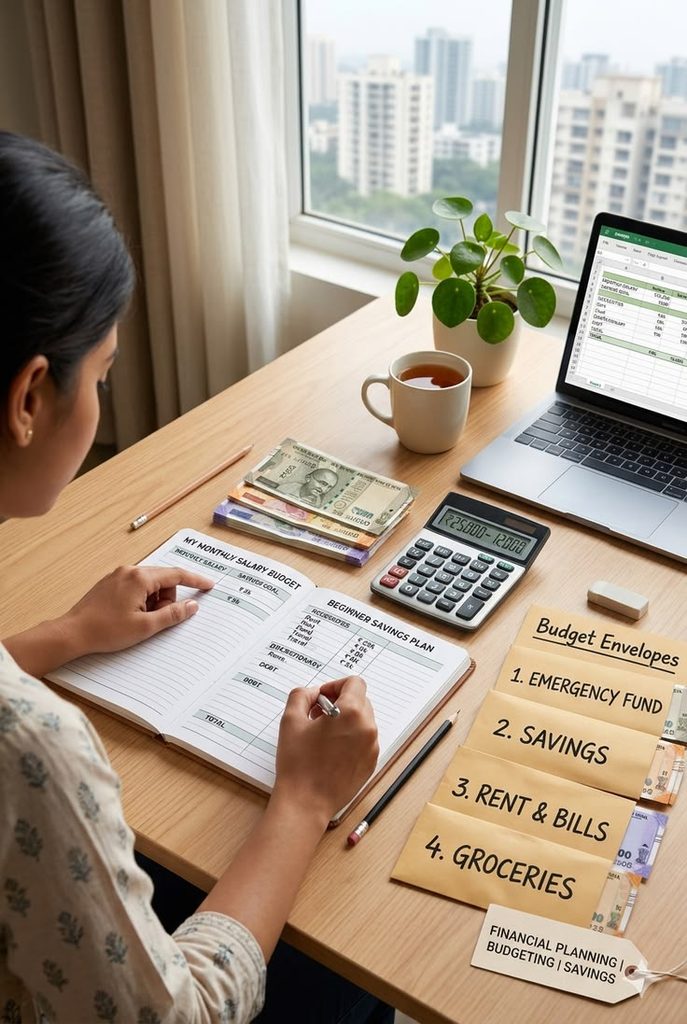
4. Save Before You Start Spending
A simple habit that can change your finances is saving when your paycheck arrives. Don’t wait until the end of the month to see what remains.
Money often disappears when you follow that approach. Instead, decide on a savings amount before you start spending.
Even $20 or $50 can be a useful starting point. The amount matters less than building the habit. As your income grows, you can slowly increase the amount you’re saving.
You can make this easier by moving your savings immediately after getting paid. That way, you’re less likely to spend money that you planned to save.
Saving first also gives you a sense of progress before the month becomes busy. Over time, this small habit can become one of your strongest financial routines.

5. Build an Emergency Fund
Life can surprise you with expenses you didn’t plan for. Your phone can break, your car can need repairs, or you could suddenly face an unexpected bill.
An emergency fund gives you money to handle those situations. Start small if you need to. Your first goal could be $500 or $1,000.
After that, work toward saving enough to cover several months of basic expenses. The money should be easy enough to access during genuine emergencies.
At the same time, try not to use it for normal shopping or entertainment. The purpose is to give you breathing room when something unexpected happens. Building this fund slowly is still progress, even when your income feels limited.
If you’re starting with nothing, 25 Ways to Build an Emergency Fund From Scratch can give you more ideas.

6. Separate Needs From Wants
Not everything you want needs to become an immediate purchase. Learning the difference between needs and wants can protect your budget.
Needs include things like housing, basic food, transportation, and essential bills. Wants include things like extra clothes, expensive meals, entertainment, and impulse purchases.
Wants aren’t bad, you simply need to make sure they fit comfortably into your financial plan. Before buying something, ask yourself what role the purchase plays.
You may discover that some things can wait until your finances are stronger. This doesn’t mean you should never spend money on yourself.

7. Stop Spending Money Just Because You Have It
Getting paid can create a strong feeling that you can finally buy everything you want. That feeling can be dangerous when you’re still building your finances.
Having money in your account doesn’t mean you need to spend it. Give yourself time before making unnecessary purchases. Ask yourself if the purchase fits your current priorities. You may discover that you don’t actually need the item.
Sometimes, keeping the money feels better than buying something you forget about later. This habit becomes especially important after receiving a raise or unexpected money.
Instead of asking what you can buy, ask what the money can help you build. You could use extra money toward savings, debt, or another important goal.
Save this for later: 35 Ways to Save Money on an Entry-Level Salary

8. Give Yourself a Spending Limit
A spending limit can help you enjoy life without destroying your budget.Choose an amount you can comfortably spend on non-essential things each week or month.
This could cover eating out, entertainment, shopping, or small treats.Once you’ve reached the limit, pause until your next budget period.
This doesn’t mean you can’t have fun. It simply gives your fun spending a boundary. A limit can also make you more intentional about the things you choose to buy.
For example, you might have $100 available for personal spending each month. Knowing that limit can help you choose what matters most. You can still enjoy yourself without wondering where your money went afterward.

9. Review Your Bank Account Regularly
Make checking your bank account part of your normal routine. You don’t need to check it every few minutes. A few minutes several times each week can be enough.
Look at recent transactions and check your available balance. This can help you spot unusual charges and prevent accidental overspending. It also keeps you aware of your financial situation. Knowing your numbers can make money feel less scary.
You may also notice forgotten subscriptions or charges that deserve your attention. Regular checks make it easier to correct mistakes before they become bigger problems.
It can also help you feel more confident about your everyday financial decisions.
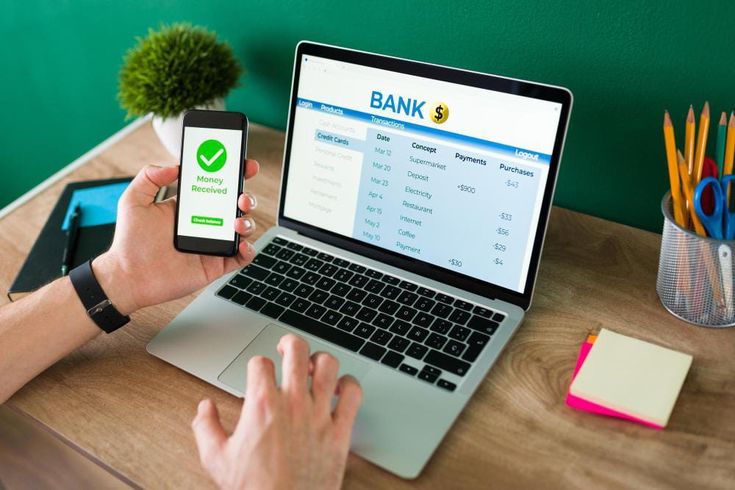
10. Avoid Lifestyle Creep
Lifestyle creep happens when your spending increases every time your income increases. You get a raise, then suddenly want a better apartment, nicer clothes, and more expensive meals.
There’s nothing wrong with enjoying a higher income. The problem starts when every extra dollar immediately becomes another expense.
When your income increases, consider saving part of the difference. You can still upgrade your lifestyle without spending every extra dollar.
Try giving every raise a job before increasing your regular expenses. You could send some toward savings while using the rest for things you genuinely value.
This keeps your lifestyle from growing faster than your financial security. The habit can help your finances grow alongside your career.

11. Learn to Live Below Your Means
Living below your means simply means spending less than you earn. It sounds basic, but it can be difficult when everyone around you appears to be spending more. You don’t need to copy another person’s lifestyle.
Your coworker may afford expensive restaurants, but their financial situation may be completely different. Focus on what works for your income.
The goal is to have some money left after your important expenses. That leftover money gives you room to save and prepare for the future.
Living below your means doesn’t mean living without comfort or enjoyment. It simply means your spending stays below what your income can comfortably support. That difference can give you more freedom when unexpected expenses appear.

12. Pay Your Bills on Time
Late payments can create unnecessary stress and extra costs. Make a habit of knowing when your bills are due. You can use calendar reminders or automatic payments for regular bills.
Just make sure your account has enough money before automatic payments are processed. Paying bills on time also helps you stay organized.
You won’t need to constantly worry about which payment you forgot. A simple reminder can save you from avoidable problems.
Create a list of your regular bills and their payment dates. Keep that list somewhere you can easily check throughout the month. Knowing your upcoming payments can also make budgeting much easier.
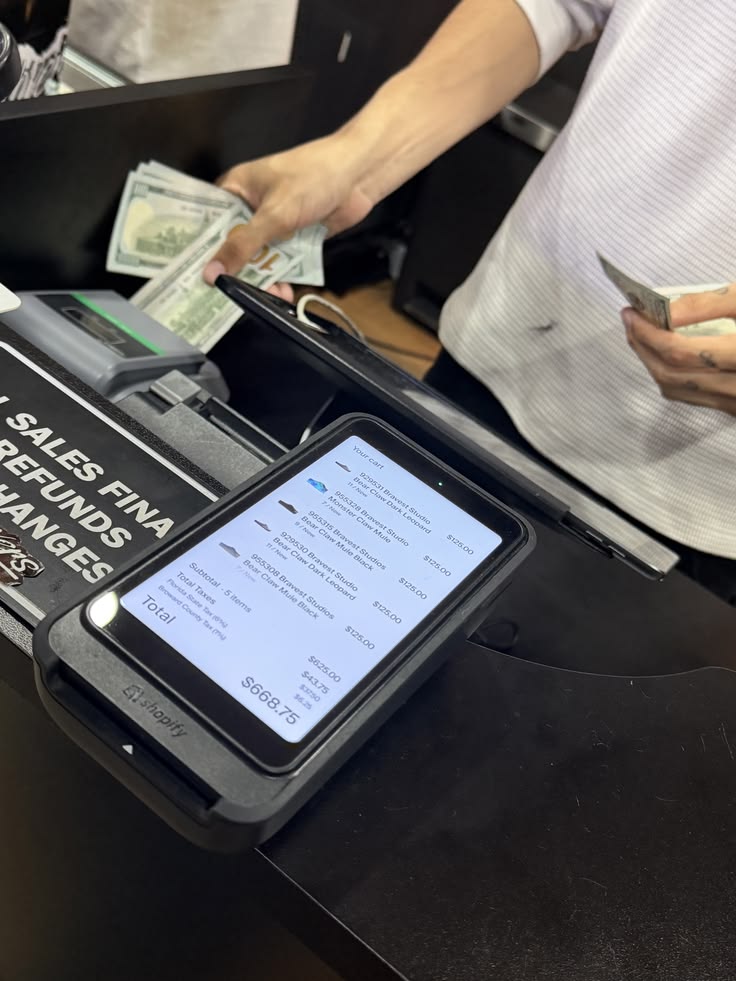
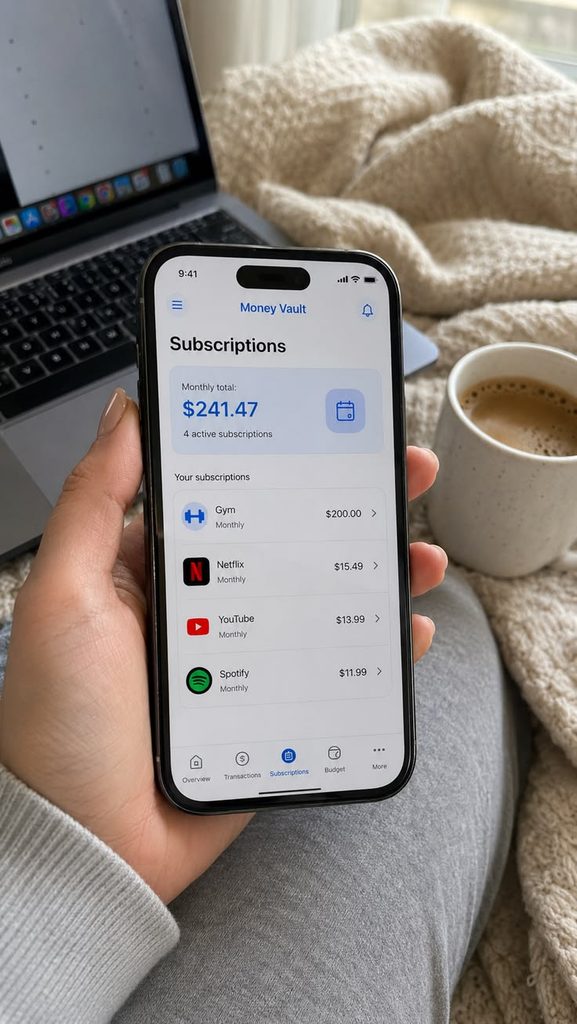
13. Cancel Subscriptions You Don’t Use
Subscriptions can quietly drain your money every month. You may have signed up for a streaming service, app, gym, or membership months ago.
But if you’re barely using it, the monthly payment may not be worth keeping. Go through your bank statements and list your recurring charges.
Cancel services you don’t need or rarely use. You can always subscribe again later if something becomes useful.
This is one of the easiest ways to free up money without changing your whole lifestyle. You might find several small subscriptions that no longer serve you.
Even small monthly charges can become meaningful amounts after twelve months. Use that extra money for savings, debt, or something you genuinely need.
14. Compare Prices Before Big Purchases
Don’t automatically buy the first option you find. For expensive purchases, take a little time to compare prices. Check different stores and look at the total cost.
Sometimes a cheaper item may have poor quality and cost you more later. Other times, you may discover that the expensive option isn’t necessary.
Comparing prices doesn’t mean chasing the cheapest thing every time. It means making sure your money is buying good value.
Look at quality, warranty, delivery costs, and other charges before deciding. You can also check reviews from people who have already bought the item. Taking extra time before a major purchase can help you avoid unnecessary regret.

15. Build a Grocery Budget
Food can become one of the biggest flexible expenses in your budget. That’s especially true when you eat out often or shop without a plan.
Create a grocery budget that fits your income. Make a simple meal plan before shopping. Then create your shopping list based on what you actually need.
Try to use ingredients you already have before buying more. This can reduce waste and help your grocery money last longer. You can also compare prices between different stores before buying regularly.
Buying larger quantities only makes sense when you’ll actually use them. A simple grocery routine can make food spending easier to control.
Bookmark this post: 45 Expenses to Budget for When You Live on Your Own

16. Cook at Home More Often
You don’t have to stop eating out completely. But cooking at home more often can help you save money.
A meal prepared at home can cost much less than ordering the same type of food. Start with simple meals you already enjoy.
You don’t need to become an expert cook. Learn five or ten easy meals that you can prepare without much stress. Those meals can become your reliable options when you’re trying to avoid unnecessary spending.
Cooking at home can also help you control portions and use ingredients before they expire. You can still plan occasional meals outside without making them your everyday routine.
The goal is finding a balance that works for your lifestyle and budget.

17. Have a Weekly Money Check-In
Choose one day each week for a quick money check-in. It could take only fifteen minutes. Look at your spending, upcoming bills, savings, and remaining budget.
Ask yourself what went well and what needs adjusting. This habit keeps small problems from becoming bigger financial problems.
It also helps you make changes before the month gets away from you. Think of it as giving your money a little weekly attention.
You might notice that you spent more than planned in one category. You can then adjust another category before the month ends. This routine keeps your budget active instead of leaving it forgotten.
18. Set Specific Savings Goals
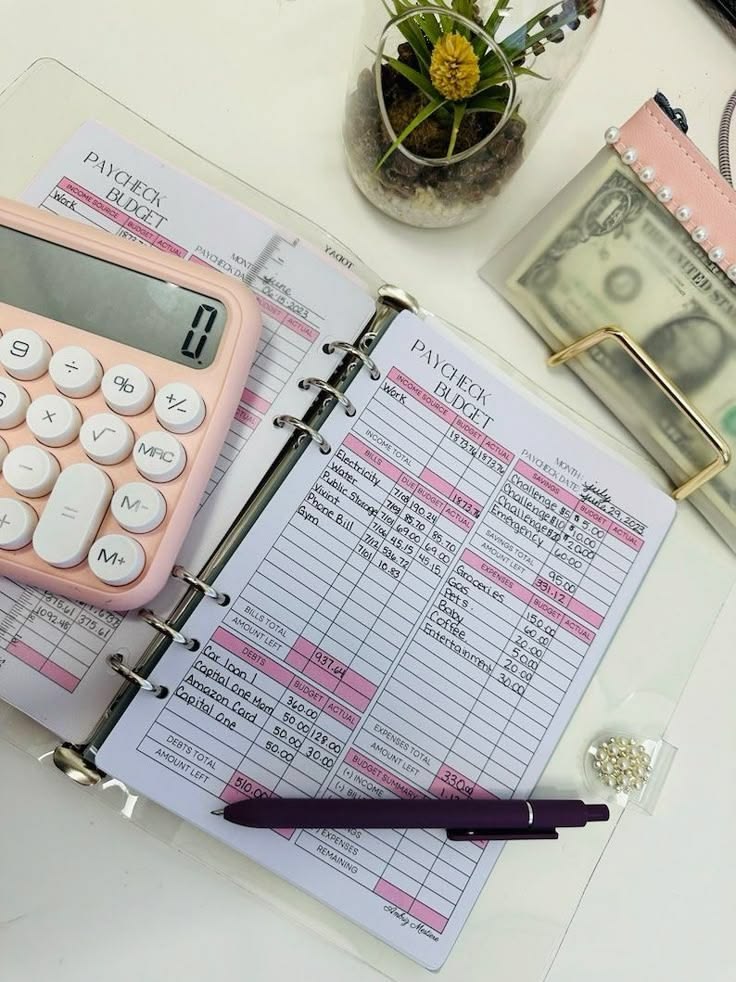
Saving without a reason can become difficult after a while. Instead, give your savings a clear purpose. You could save for a laptop, apartment deposit, vacation, emergency fund, or future car.
Write down the goal and the amount you need. Then decide how much you need to save each month. A specific goal can make skipping an unnecessary purchase feel more worthwhile.
You can see exactly what your money is helping you achieve. Try giving each major savings goal its own name. Seeing your progress toward something specific can make saving feel more rewarding. It also gives you a clear reason to stay consistent.

19. Keep Your Savings Separate
Keeping all your money in one account can make saving harder. You may see the balance and assume you have more spending money than you actually do.
A separate savings account can create a useful mental boundary. Your everyday account can handle normal spending.
Your savings account can hold money for goals and emergencies. The separation can make it easier to leave your savings alone.
Just make sure the account fits your needs and doesn’t create unnecessary fees. You can also label savings accounts according to their purpose.
That makes it easier to remember what the money is meant for. A separate place for savings can reduce the temptation to spend it casually.

20. Learn What Is Coming Out of Your Paycheck
Your paycheck may include several deductions before the money reaches your account. These could include taxes, insurance, retirement contributions, or other deductions.
Don’t ignore those numbers. Take time to understand what each deduction means. This can help you understand your actual compensation.
It can also prevent confusion when your paycheck changes. Your gross pay and take-home pay may be very different amounts.
Understanding the difference helps you create a realistic spending plan. It also makes it easier to notice unexpected changes in your paycheck.
If you’re receiving your first full-time paycheck, 45 Things You Should Know About Your First Paycheck is worth keeping nearby.

21. Be Careful With Credit Cards
A credit card can be useful when handled responsibly. But it can also become expensive when you spend more than you can repay.
Don’t treat your credit limit as extra income. Only charge purchases you can realistically afford to pay back. Pay attention to your due date, interest rate, and fees.
Also, understand how your card works before using it heavily. Try to pay your balance on time and avoid unnecessary interest charges.
Keep track of your purchases instead of relying only on your available credit. A credit card should support your financial plan, not replace one.
Before getting your first card, 35 Things to Know Before Getting Your First Credit Card can help you prepare.

22. Avoid Impulse Purchases
Impulse spending often happens when emotions take control of your wallet. You may buy something because you’re bored, stressed, excited, or influenced by social media.
Give yourself a waiting period for non-essential purchases. For small items, wait a day. For expensive items, give yourself several days or longer.
If you still want the item and it fits your budget, you can reconsider it. That pause can prevent many purchases you’ll later regret.
You can also remove saved payment details from shopping websites. Making purchases slightly less convenient can give you more time to think. This simple pause can protect your money from emotional spending.

23. Learn Basic Personal Finance
You don’t need to become a financial expert. But understanding basic money concepts can make adult life easier. Learn about budgeting, saving, debt, credit scores, interest, taxes, insurance, and investing.
Use reliable books, websites, podcasts, and educational resources. Spend a little time learning each week. The more you understand, the easier it becomes to make informed decisions. You can start with one topic instead of trying to learn everything.
For example, spend one week understanding credit and another learning about savings. Over time, those small lessons can improve your financial confidence. Your financial knowledge can grow alongside your income.

24. Don’t Compare Your Finances With Social Media
Social media can make other people’s lives look perfect. You may see vacations, new cars, designer clothes, and expensive restaurants. But you don’t know the full story behind those purchases.
Some people may be saving for those things. Others may be using debt. You simply don’t have enough information to compare your finances with theirs. Focus on your goals instead.
Your financial progress doesn’t need to look impressive online to be meaningful. Someone else’s financial timeline does not determine your own financial progress.
You may have different responsibilities, income, debts, or family commitments. Focus on becoming more financially stable than you were yesterday.

25. Create a Debt Repayment Plan
If you already have debt, don’t ignore it. List what you owe, the interest rates, and the minimum payments. Then create a repayment plan that works with your income.
You can choose a method that helps you stay motivated. The important thing is making regular progress. Avoid taking on new debt unnecessarily while you’re working on existing balances.
Getting organized can make debt feel more manageable. Knowing the exact amounts can also stop debt from feeling like one huge problem.
Choose a repayment amount that fits your budget consistently. Then review your progress regularly and adjust your plan when your income changes.
Keep this handy: 25 Money Mistakes to Avoid When You First Start Living Alone
26. Build a Habit of Checking Prices Before Renewals
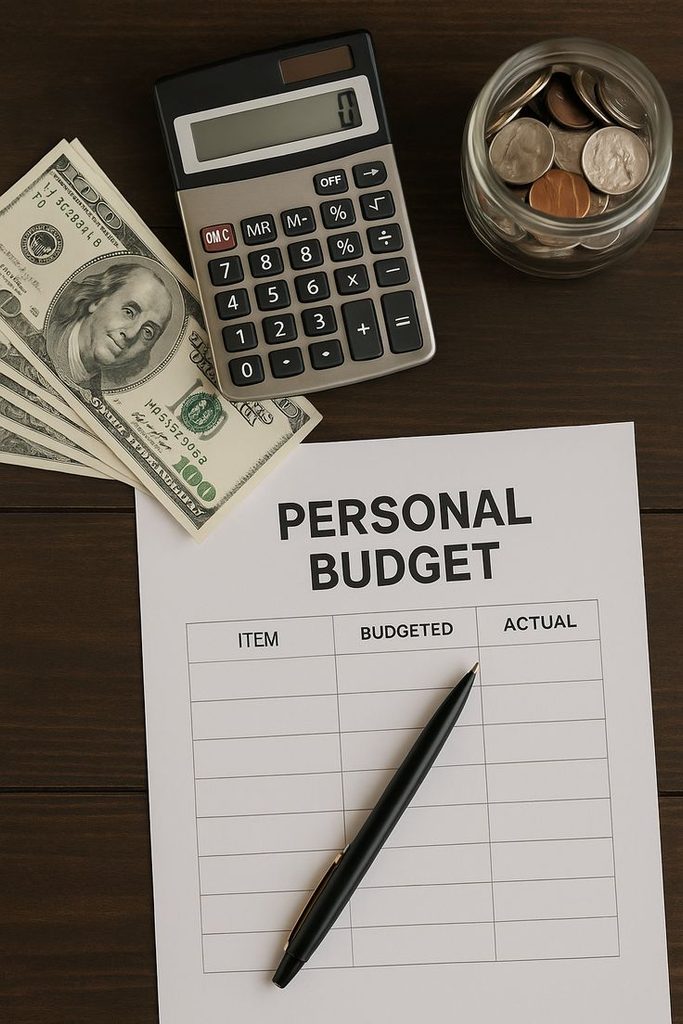
Some bills and services can become more expensive after an introductory period. You might not notice the increase if the payment happens automatically.
Before yearly renewals, review what you’re paying. Check if the service is still useful. Look for cheaper plans if available. You can also decide to cancel services you no longer need.
This small review can keep old expenses from quietly growing. Set a reminder before important annual subscriptions renew. That gives you enough time to compare alternatives or cancel the service.
A few minutes of checking can prevent another year of unnecessary payments.

27. Keep a Small Fun Budget
Being responsible with money doesn’t mean removing every enjoyable thing. Give yourself room for small treats and entertainment.
A fun budget can make your financial plan easier to maintain. You might set aside $30, $50, or another amount that fits your income.
Once the money is gone, wait until your next budget period. This gives you freedom while still keeping your spending controlled.
A realistic budget should have space for living, not just surviving. Without some room for enjoyment, you may eventually feel restricted by your budget.
That can make it harder to stay consistent with your financial plan. Give yourself permission to enjoy money within limits you can afford.
Save this idea: 35 Ways to Save Money on an Entry-Level Salary
28. Save Extra Money Instead of Spending It Immediately
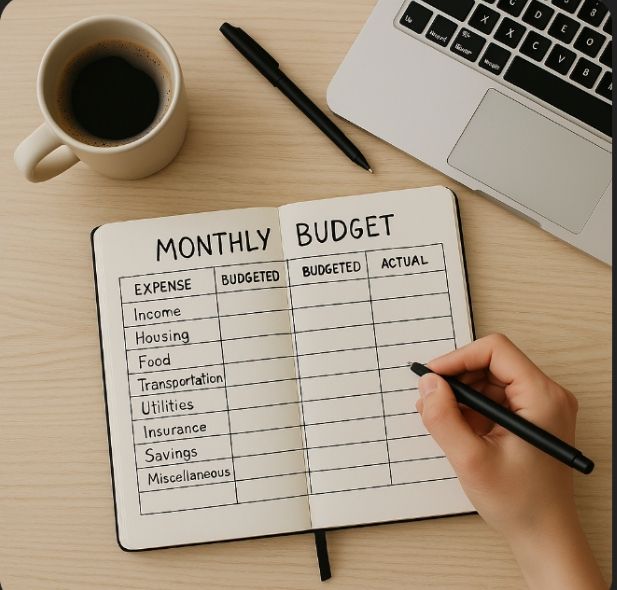
Sometimes you receive money you weren’t expecting. It could be a bonus, gift, refund, side-income payment, or cash from selling something.
You don’t have to spend all of it. Consider putting part of the money toward savings or debt. You can still use some of it for yourself.
The point is to avoid treating every unexpected dollar like free spending money. Extra money can help you move toward your goals faster.
For example, you could split unexpected money between savings and personal spending. That gives you something enjoyable while still protecting your financial progress.
The habit becomes especially useful when you receive larger unexpected amounts.
29. Start Planning for Irregular Expenses
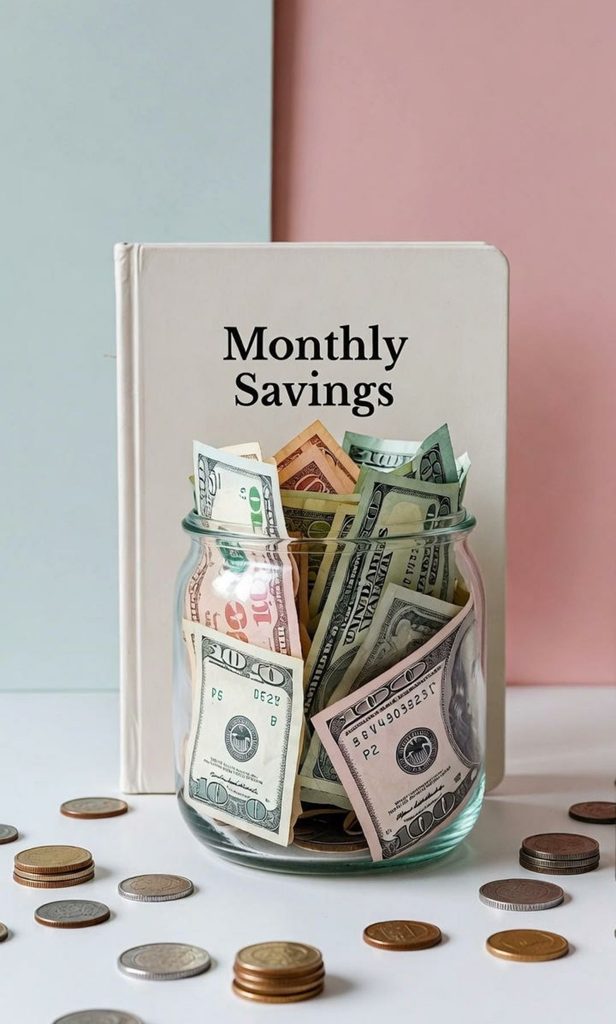
Not every expense happens every month. You may have yearly insurance payments, birthdays, travel, repairs, or holiday expenses.
If you only budget for monthly bills, these expenses can catch you off guard. Make a list of costs that happen occasionally. Estimate how much you’ll need throughout the year.
Then save a small amount toward those expenses each month. This makes large yearly costs feel much more manageable. For example, a $600 yearly expense could require $50 monthly.

30. Build a Simple Financial Routine
Money becomes easier to manage when you create a routine. You could check your account every Monday. You could review your budget every Sunday.
You could transfer savings every payday. The exact routine isn’t important. What matters is creating a system you can repeat. You don’t want to make every financial decision from scratch each month.
A simple routine can make good money habits feel automatic. You can create reminders for important financial tasks on your phone.

31. Find Ways to Lower Your Regular Expenses
Don’t only focus on earning more money. Look for ways to reduce expenses you already have. You could negotiate certain bills, switch plans, reduce subscriptions, or use cheaper alternatives.
Even a $10 monthly saving becomes $120 over a year. Small savings can add up when they happen consistently.
Review your regular expenses every few months. You may discover services or plans that no longer make sense for your current situation. You can then redirect the money toward savings, debt, or another priority.
If your monthly expenses feel too high, 35 Simple Ways to Lower Your Monthly Expenses can give you more practical ideas.

32. Be Careful About Lifestyle Upgrades
A higher salary can make you feel ready to upgrade everything. Maybe you want a bigger apartment, newer phone, better car, and more expensive wardrobe.
You don’t have to upgrade everything at once. Choose the changes that actually improve your life. Keep some of your income available for savings and future goals.
Your future self will probably appreciate having that financial breathing room. Before increasing an expense, ask if it is truly improving your everyday life.
Some upgrades are worth paying for because they solve real problems.
You’ll want to come back to this: 45 Expenses to Budget for When You Live on Your Own

33. Set Financial Goals for Your Next Few Years
Your 20s can move quickly. It’s easy to focus only on this month’s bills. But you should also think about what you want your money to accomplish.
Maybe you want to move out, buy a car, start a business, travel, or build savings. Write down your goals and give them rough timelines.
You don’t need to have your entire life figured out. You simply need a direction. Break bigger goals into smaller monthly or yearly targets.
That makes them easier to understand and track. If independence is one of your goals, 25 Financial Goals to Set Before Living on Your Own can help you think ahead.

34. Think Before Taking on New Monthly Payments
Monthly payments can make expensive things feel affordable. But several small payments can quickly become a large financial commitment.
Before agreeing to a new payment, look at your full budget. Ask yourself how it will affect your savings and other goals.
Also consider what happens if your income changes. A payment that feels comfortable today may become stressful later.
Give yourself enough space to handle unexpected expenses. Don’t judge affordability by the monthly payment alone.
Read this next: 25 Money Mistakes to Avoid When You First Start Living Alone
35. Make Financial Progress Your Own
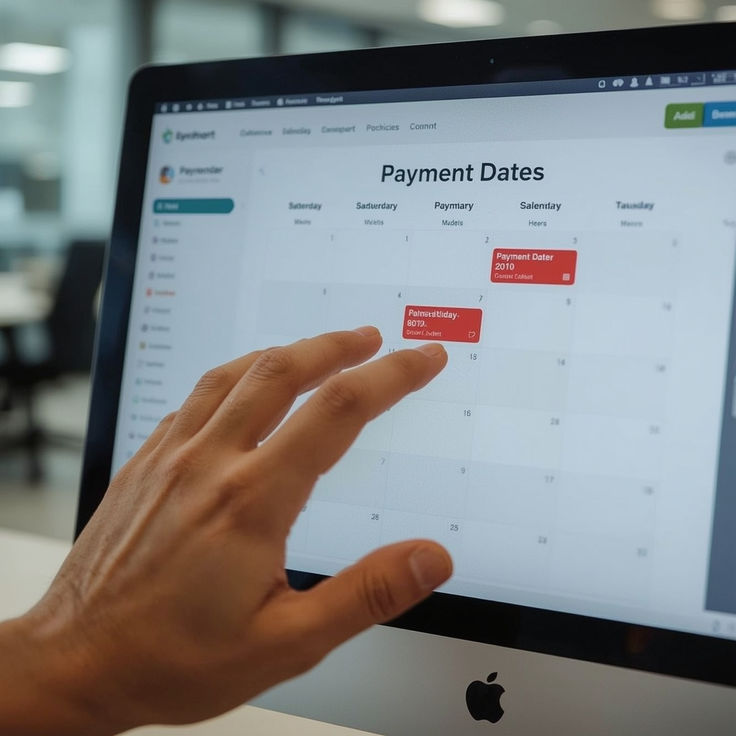
Your final money habit is learning to measure your progress against yourself. Maybe your friend already has thousands saved. Maybe someone your age owns a house.
That doesn’t mean you’re behind. Everyone starts from a different place and has different responsibilities. Focus on building better habits than you had last year.
Save a little more. Spend a little more intentionally. Learn something new. Pay down some debt. Those small improvements can create a much stronger financial life over time.
You may not notice huge changes immediately, but consistency can slowly change your situation. Your goal isn’t to compete with someone else’s financial journey.
Keep this guide nearby: 35 Things to Know Before Getting Your First Credit Card

Final Thoughts
Your 20s don’t need to be the years when you get everything financially perfect. They can simply be the years when you learn to handle money with more confidence.
You’ll make mistakes, overspend sometimes, or forget a bill. That’s okay. What matters is learning from those moments and adjusting your habits.
You don’t need to start all 35 habits at once. Choose two or three that fit your current situation, such as tracking your spending, saving on payday, or building an emergency fund. Once they become normal, gradually add more.
Your income and living situation may change throughout your 20s, but strong money habits can give you stability through those changes.
So start where you are, use your money wisely, keep learning, and remember that financial stability is built through many small decisions—not one huge move.
Leave a Reply