Your first apartment can feel like freedom until one small mistake starts costing you money. At first, everything feels exciting because you finally have a space that belongs to your daily life.
You start imagining your furniture, decorating your bedroom, stocking the kitchen, and inviting people over. Then reality arrives, and you discover that having your own place involves many little responsibilities.
Some mistakes are harmless, like buying curtains that do not match your room. Others can cost you money, create unnecessary stress, or make everyday living much harder.
The tricky part is that many first-apartment mistakes seem completely reasonable when you are making them. You might think buying everything immediately will save you time, but it can quickly empty your budget.
You might also think skipping small checks will not matter because the apartment looks fine. Then you notice a leaking tap, broken socket, missing document, or furniture problem after moving in.
I remember during my first apartment experience, I underestimated how many small decisions moving would involve. Nothing dramatic happened, but several little mistakes made those first weeks harder than they needed to be.
That experience taught me something simple: preparing properly can save you from fixing avoidable problems later. You do not need to become a perfect renter before getting your first apartment.
You simply need to know which mistakes deserve your attention before they become expensive lessons.
If you are still preparing your apartment, keep 35 First Apartment Essentials You’ll Actually Use nearby for practical ideas.
Now, let’s look at the first-apartment mistakes worth avoiding before they become part of your story.
35 First Apartment Mistakes You’ll Want to Avoid
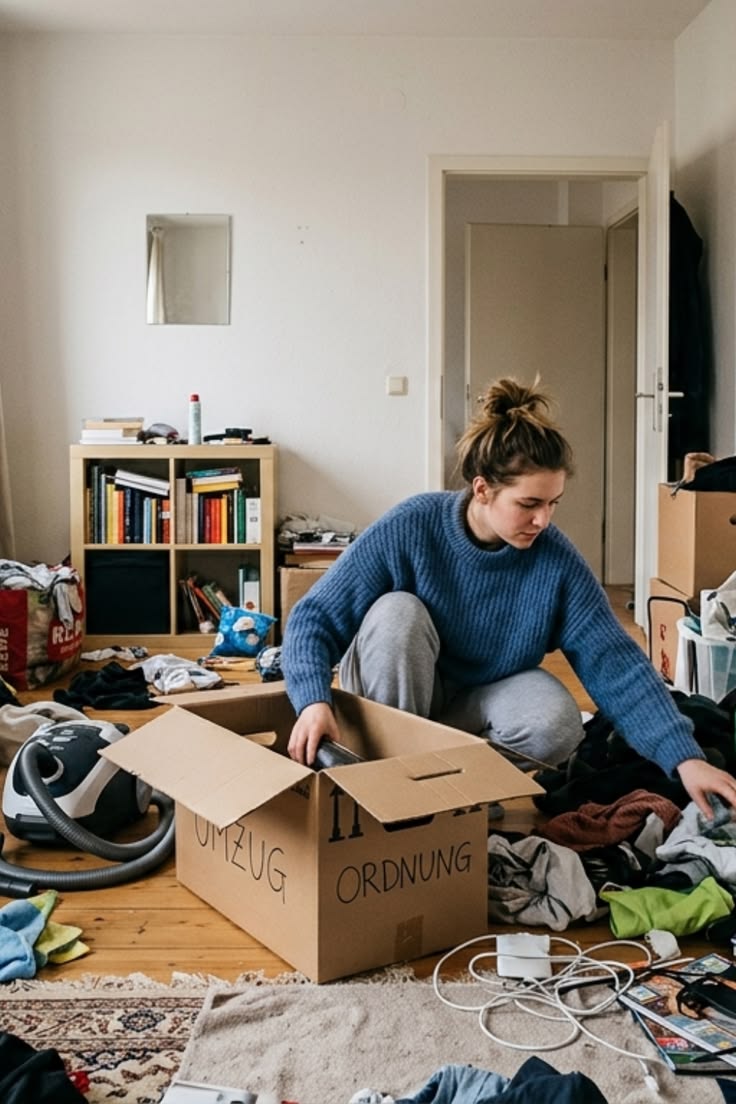
1. Buying Everything at Once
One of the easiest mistakes is trying to make your apartment look finished immediately. An empty apartment can make you feel like you need to fill every corner.
Suddenly, you are buying furniture, decorations, kitchenware, storage baskets, rugs, and things you barely need. The problem is that your first shopping excitement can quickly become expensive.
You also may not understand how you use the space until you have lived there. Start with the things you genuinely need for sleeping, eating, cleaning, bathing, and everyday routines.
Then give yourself time to notice what is missing. Some purchases will become obvious after a few weeks, while others may never become necessary.
You can also compare prices instead of buying the first option you see. A slower approach gives you more control over your money and your apartment.
2. Ignoring Your Budget
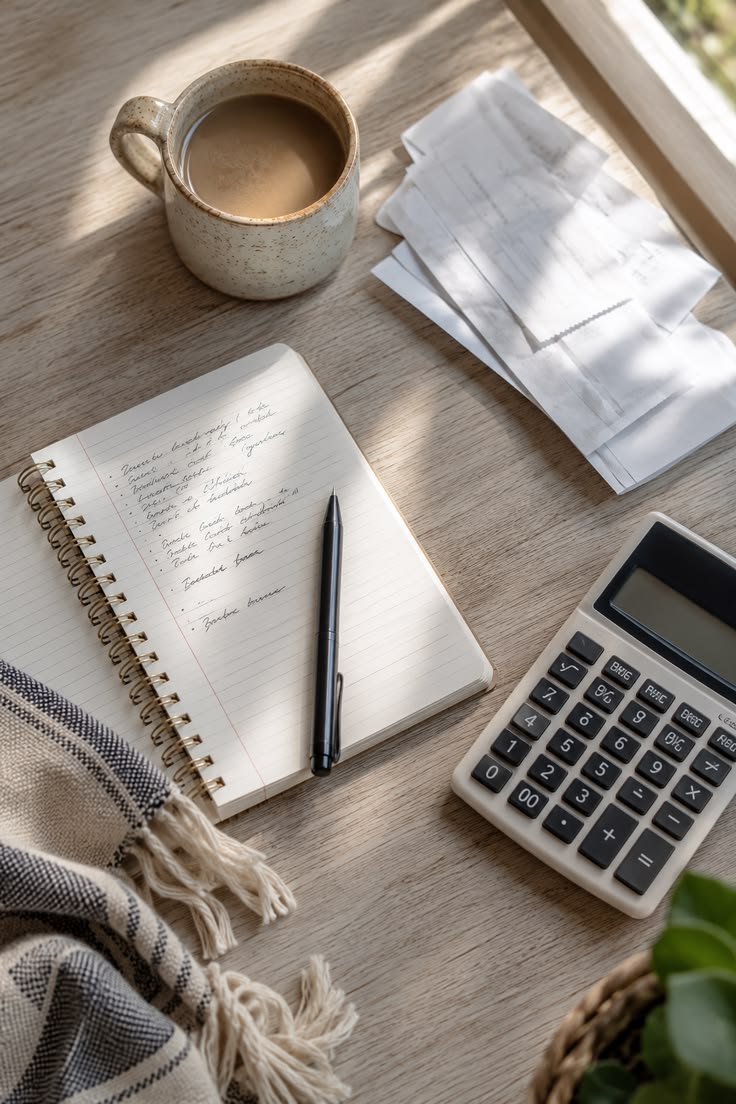
Having enough money for rent does not automatically mean you can afford the apartment comfortably. You also need to think about utilities, groceries, transportation, cleaning supplies, repairs, and everyday household costs.
New renters sometimes focus heavily on monthly rent and forget the expenses surrounding it. That can make the first month feel much tighter than expected.
Before moving, write down your regular income and the expenses you already know. Then think about costs that may change from month to month.
Leave some breathing room instead of planning every amount down to the last coin. Your budget should help you live comfortably rather than simply survive each month.
If your apartment leaves you with no money for unexpected needs, something may need adjusting. A little financial planning before moving can save you from difficult decisions afterward.
Save this for later: 45 Things to Buy for Your First Apartment
3. Choosing Furniture Before Measuring
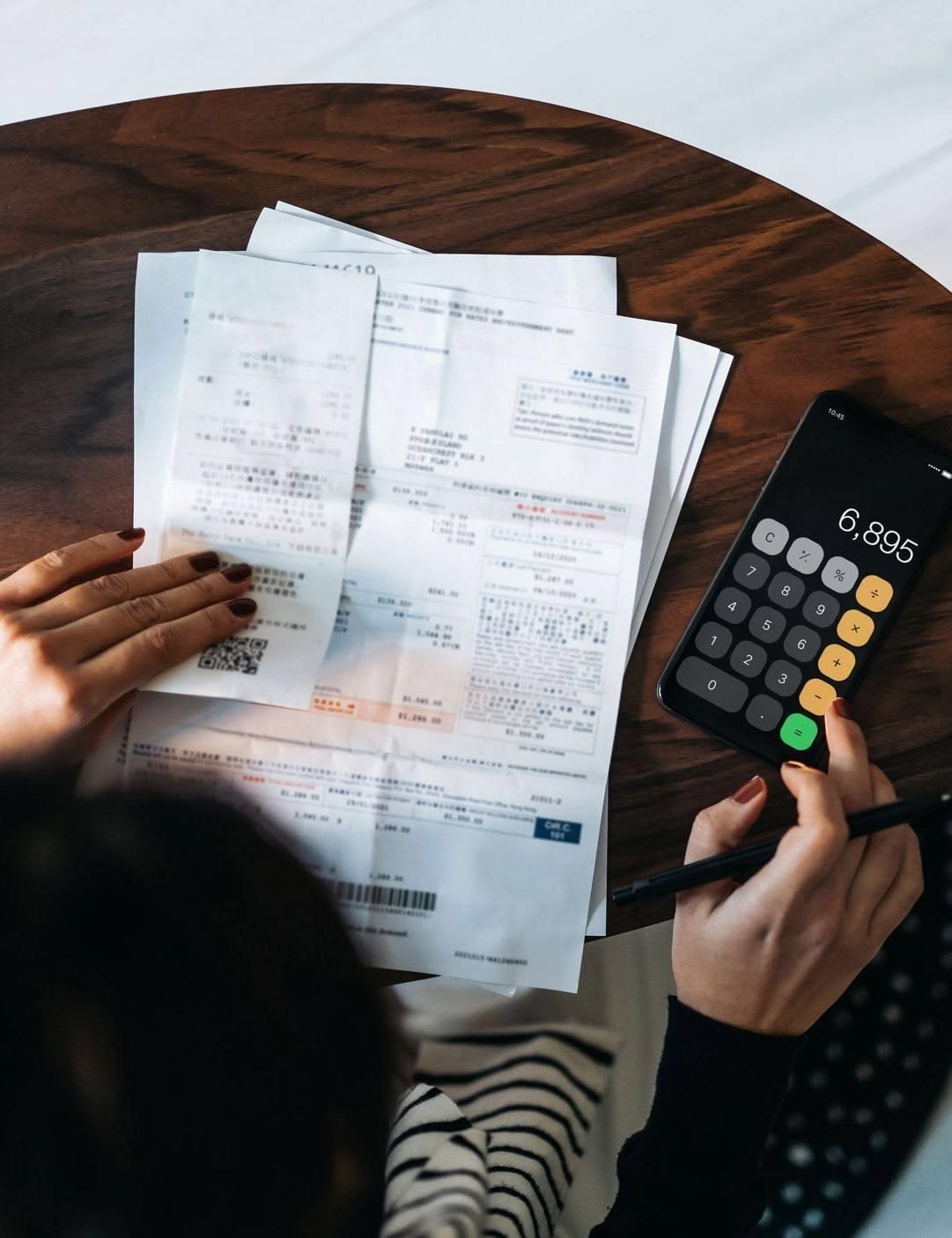
A beautiful sofa is not useful if you cannot get it through your doorway. Many first-time renters measure only the room and forget the route furniture must travel.
You need to consider doors, hallways, stairways, elevators, corners, and narrow entrances. Also measure the actual space where the furniture will sit.
Think about walking space too, especially if your apartment is small. A large sofa can make a living room feel crowded even when it technically fits.
The same problem can happen with beds, wardrobes, dining tables, and large desks. Keep your measurements on your phone while shopping so you can check them quickly.
This small habit can prevent expensive returns and unnecessary frustration.
4. Skipping the Apartment Inspection
Never assume an apartment is perfect simply because it looked good during your viewing. Look carefully at walls, floors, windows, doors, cabinets, appliances, plumbing, and visible fixtures.
Check for stains, cracks, damaged surfaces, loose handles, leaks, and other noticeable problems. You should also test important things when you are allowed to do so.
A beautiful room can hide small problems that become much more obvious after moving in. During my first move, I was so excited about arranging my belongings that I almost overlooked several small issues.
I learned that excitement should never replace careful checking. Take photos and videos before your belongings cover the floors and walls.
Keep those records somewhere safe so you can refer back to them later.
5. Forgetting to Document Existing Damage
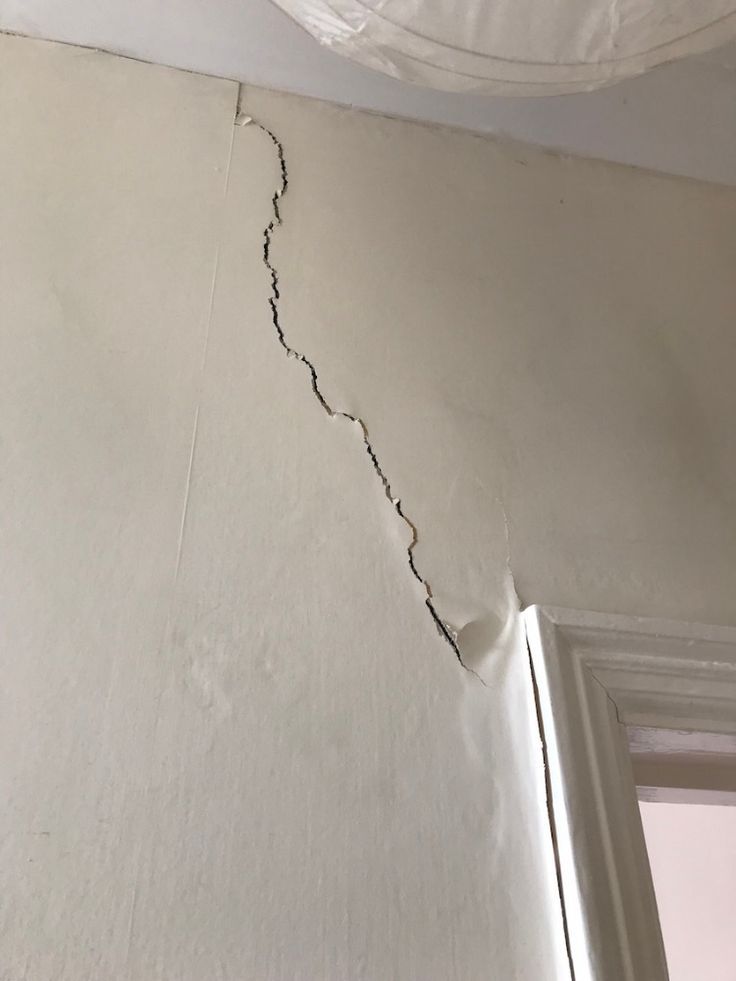
Finding damage is one thing, but documenting it properly is another. A small mark on the wall may seem unimportant when you first notice it.
Still, you should have a record showing that the damage existed before you moved in. Take clear photos from different angles when something needs documenting.
Include larger areas around the damage when possible, so the location remains obvious. Save the photos with the date and keep them with your rental documents.
You can also make written notes about serious issues that need attention. Send necessary reports through the method your landlord or property manager uses.
That creates a clearer record than relying on a conversation you may later forget. Keep this habit from the beginning because good records can become useful later.
6. Not Reading Your Lease Carefully
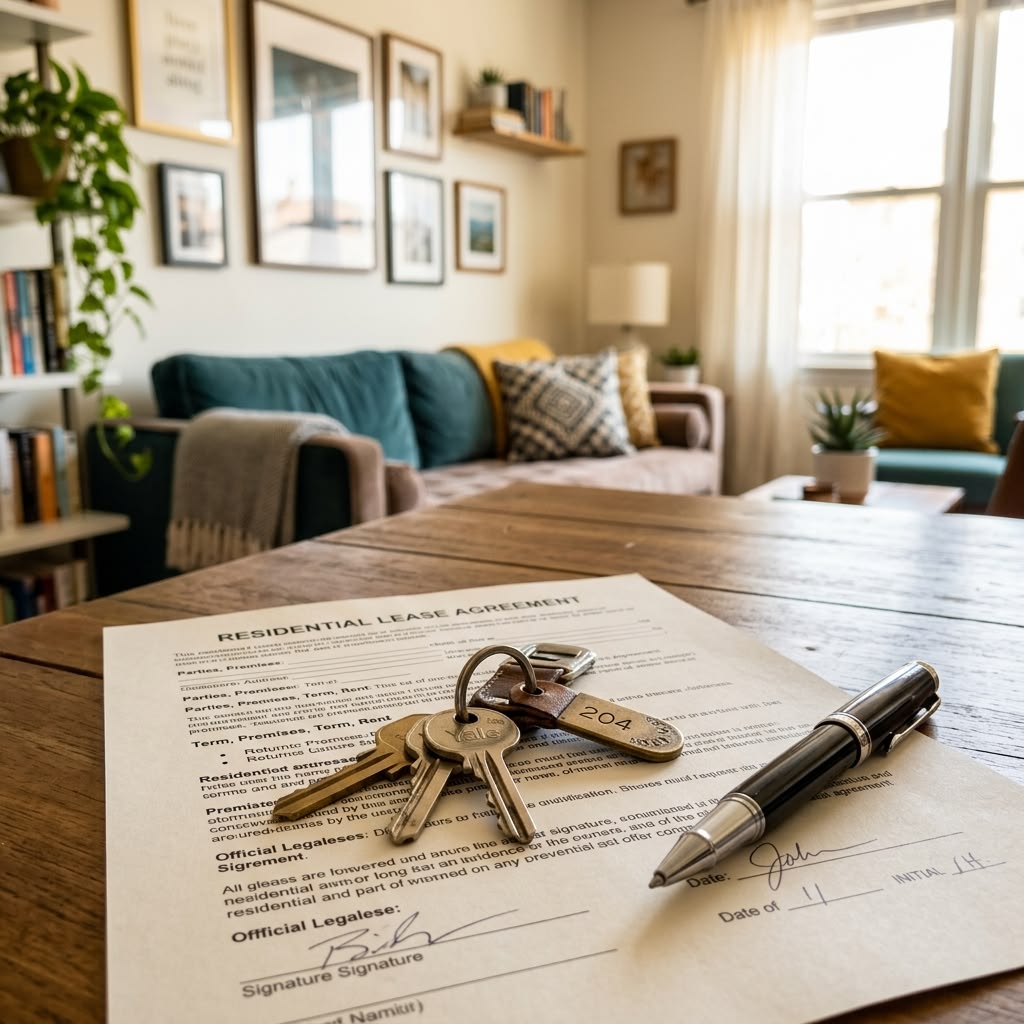
Your lease is not something you should read once and forget. It contains rules and responsibilities that can affect your everyday life.
Pay attention to rent dates, utility responsibilities, guests, pets, repairs, parking, noise, and move-out requirements. Also look for rules about decorating, wall damage, subletting, and other changes.
If something is unclear, ask the landlord or property manager before making assumptions. Do not rely only on what another renter told you about their apartment.
Your agreement may have completely different terms. Keeping a digital copy can also make important information easier to find.
Before moving, take another careful look at anything that affects your daily responsibilities.
Keep this handy: 25 Things to Check Before Signing an Apartment Lease
7. Leaving Utilities Until the Last Minute
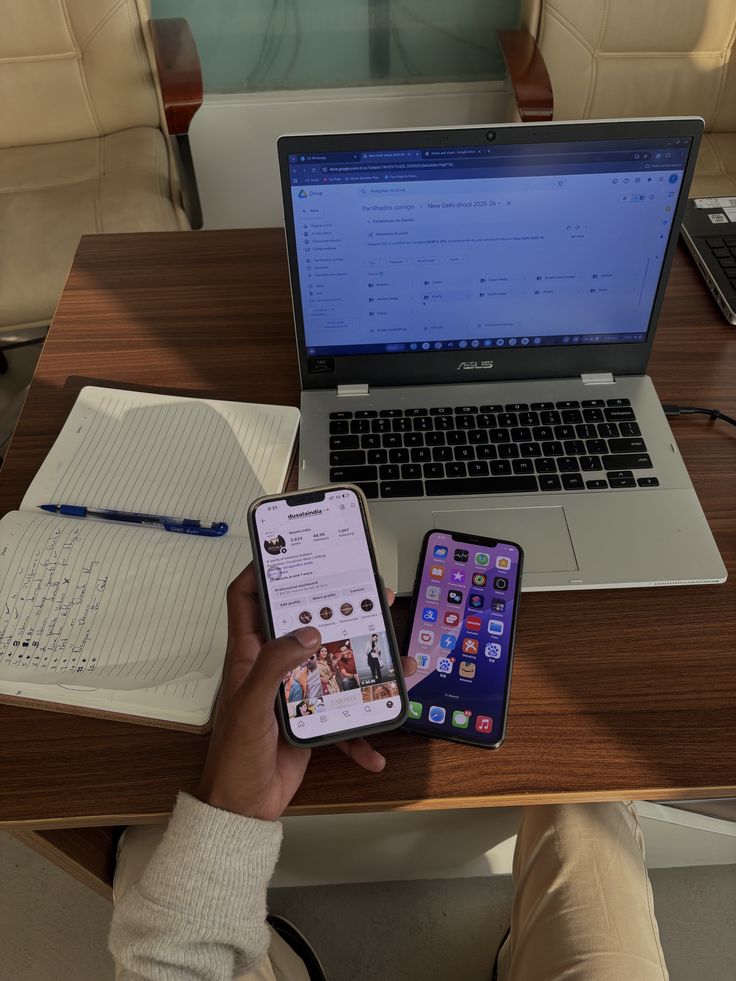
Utilities are easy to forget when you are focused on packing boxes. You may assume electricity, water, internet, or other services will simply be ready.
That assumption can create an unpleasant first day in your new home. Find out which services you need to arrange and who handles each one.
Contact providers early enough to allow time for appointments or account setup. Write down confirmation details so you can find them quickly if needed.
If a service is included with rent, confirm that clearly instead of guessing. You should also understand how payments are handled for services you manage yourself.
Getting these details sorted early can make moving day much smoother.
8. Spending Your Whole Budget on Decor
Decorating is one of the most exciting parts of having your own apartment. But buying decorations before handling practical needs can create financial pressure.
You may want candles, artwork, cushions, mirrors, rugs, plants, and beautiful storage pieces. Those things can wait if your basic household needs are not covered.
Your first priority should be creating a safe and functional home. Make sure you have basic bedding, bathroom supplies, cleaning products, food, and essential kitchen items.
Then decorate slowly as your budget allows. Your apartment will probably look different after you have lived there for several months.
That is normal because your preferences often become clearer with experience. A comfortable home does not need to look completely finished on the first weekend.
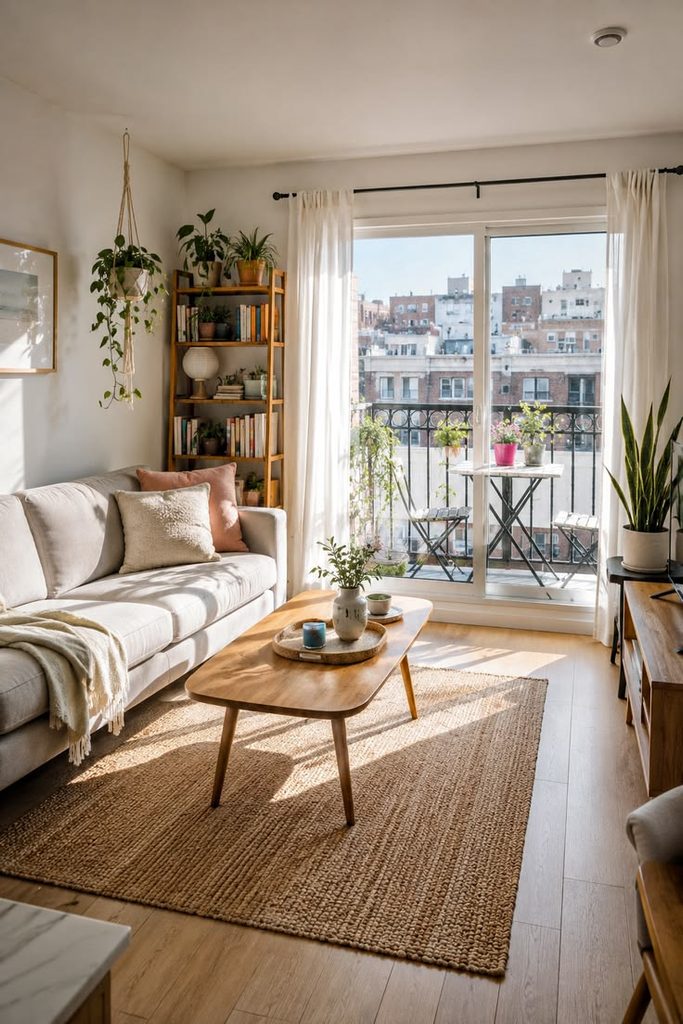
9. Buying Cheap Items That You Will Replace Quickly
Saving money is important, but the cheapest option is not always the most useful. Some household items may break quickly or become uncomfortable after regular use.
This can leave you buying the same thing again and spending more overall. Think about how often you will use an item before choosing the cheapest option.
Everyday products like basic cookware, bedding, cleaning tools, and frequently used furniture deserve attention. You do not need to buy expensive versions of everything.
Instead, look for items that offer reasonable quality for your actual budget. Read reviews when shopping online and compare different options before buying.
The goal is not luxury. The goal is avoiding purchases that disappoint you almost immediately.

10. Packing Without Labeling Boxes
A box full of random belongings might seem convenient while packing. It becomes much less convenient when you arrive with twenty boxes and need one specific item.
Label each box with the room and a simple description of its contents. You can write “kitchen plates” instead of simply writing “kitchen.”
For fragile items, add a clear note so they receive extra care during transportation. You can also keep important items in a separate box or bag.
Avoid making boxes unnecessarily heavy because they become difficult and unsafe to carry. Good labels can save you hours during the unpacking process.
You will thank yourself when you find your bathroom supplies without opening half the apartment.
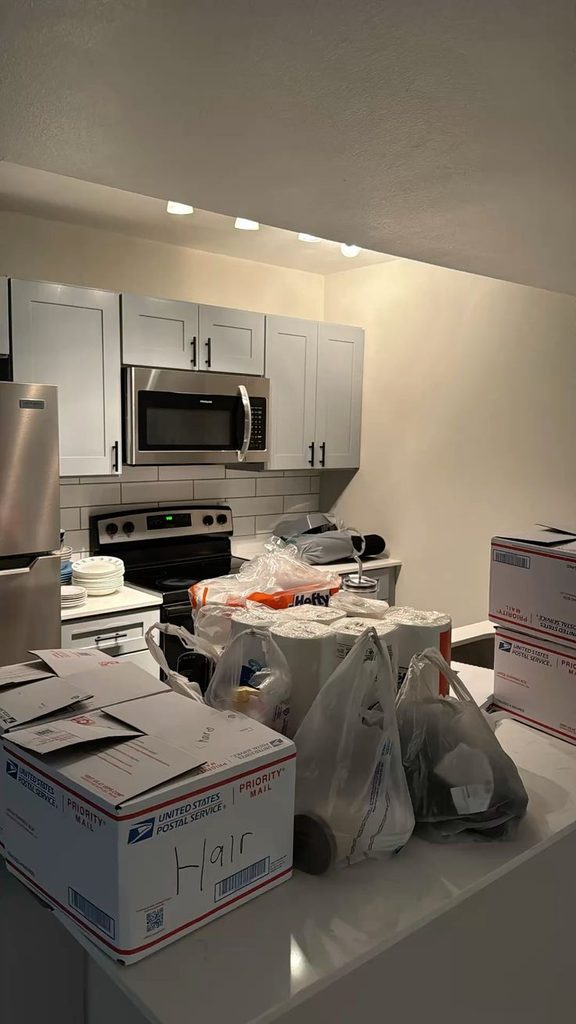
11. Forgetting a First-Night Bag
Moving day can leave you exhausted before you even unpack your first box. That is why you should prepare a separate bag for your first night.
Include toiletries, clothes, chargers, towels, toilet paper, basic food, and anything else you need immediately. Keep important documents and essential personal items within easy reach too.
Do not place this bag inside the moving truck underneath everything else. You want to reach it without unpacking the entire apartment.
A first-night bag gives you a small sense of order during an otherwise messy day. It also means you can shower, change, eat, and rest without searching everywhere.
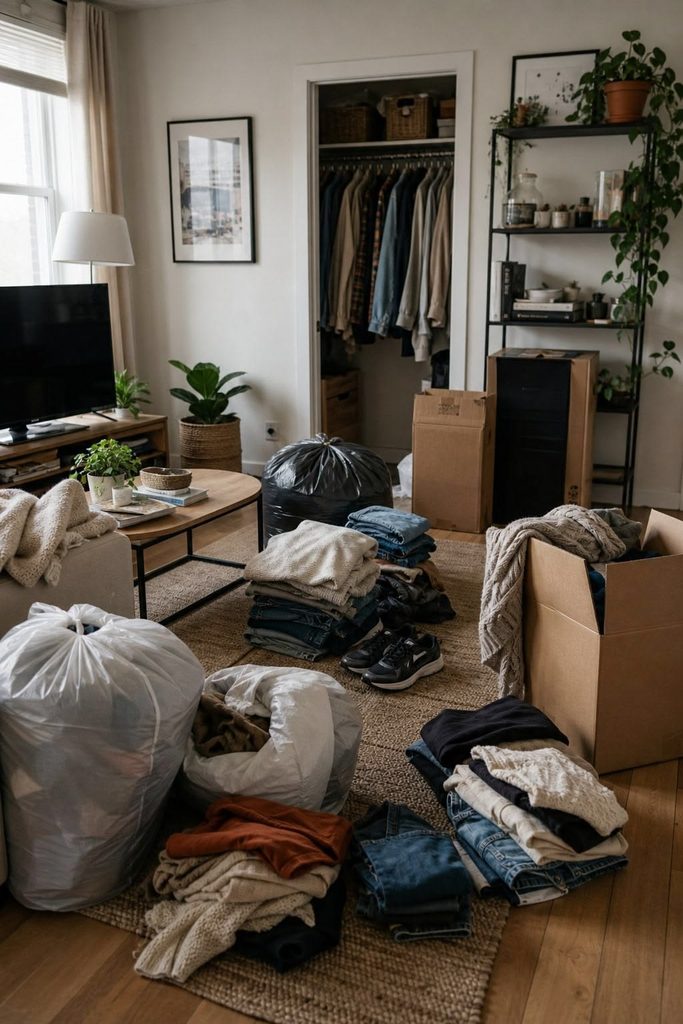
12. Buying Furniture Before Knowing Your Lifestyle
Furniture should support the way you actually live. A huge dining table may look beautiful, but it may not make sense for someone who rarely eats at home.
A large desk may be useful for one person and completely unnecessary for another. Think about your routines before choosing major furniture.
Consider how you work, relax, eat, sleep, entertain, and store belongings. Your apartment should match your real habits rather than an imaginary lifestyle.
During my first apartment setup, I realized that some things looked useful until I understood how little space they consumed.
That taught me to choose function before appearance. Give yourself time to learn how you naturally use each room.
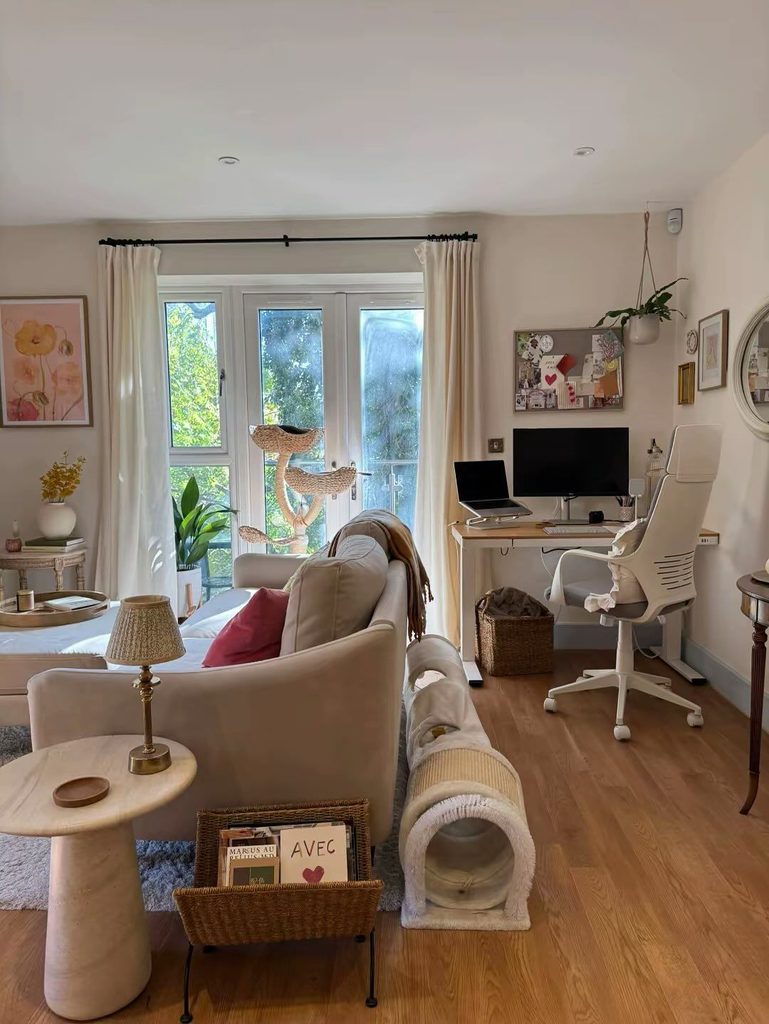
13. Ignoring Storage Space
Storage can become a serious problem when you underestimate your belongings. You need places for clothes, shoes, cleaning supplies, kitchen items, toiletries, paperwork, and everyday objects.
Before buying storage products, look at the space you already have. Use cabinets, drawers, shelves, closets, and other available areas efficiently.
Then identify the things that still need a home. Avoid buying dozens of storage containers without measuring first.
A basket that looks perfect online may not fit inside your cabinet. Think about accessibility too because frequently used items should remain easy to reach.
Good storage makes your apartment easier to maintain every single day.
You might also love this: 35 Small Apartment Organization Ideas That Make Everyday Life Easier
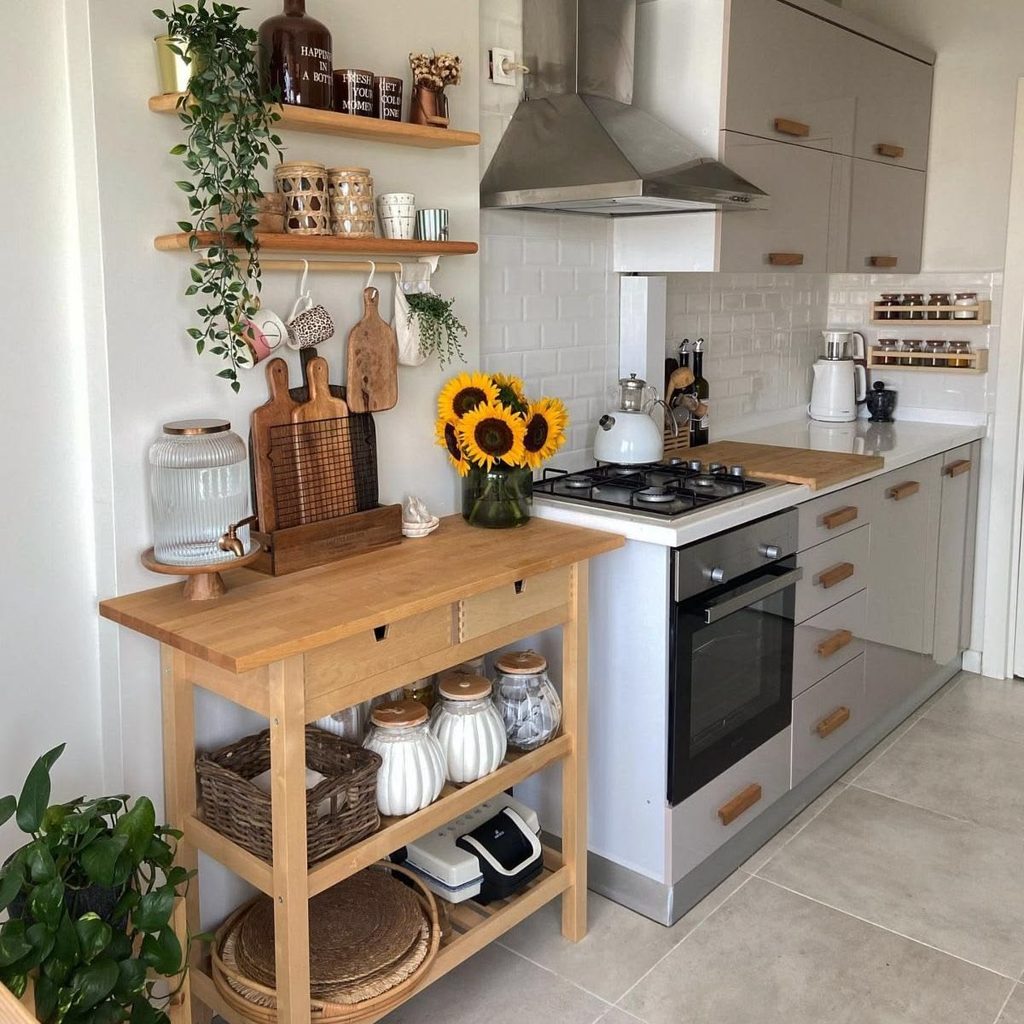
14. Trying to Decorate Every Room Immediately
Your first apartment does not need a finished look in every room. Trying to decorate everything at once can make the process expensive and overwhelming.
Start with the spaces you use most often. Your bedroom, bathroom, and living area may deserve attention before less-used corners.
Live with your current arrangement for a while and notice what feels missing. You may discover that you prefer more open space than expected.
You might also realize that certain colors or furniture styles do not work well together. Decorating slowly allows your home to develop naturally.
There is nothing wrong with having one unfinished corner while you figure out the rest.
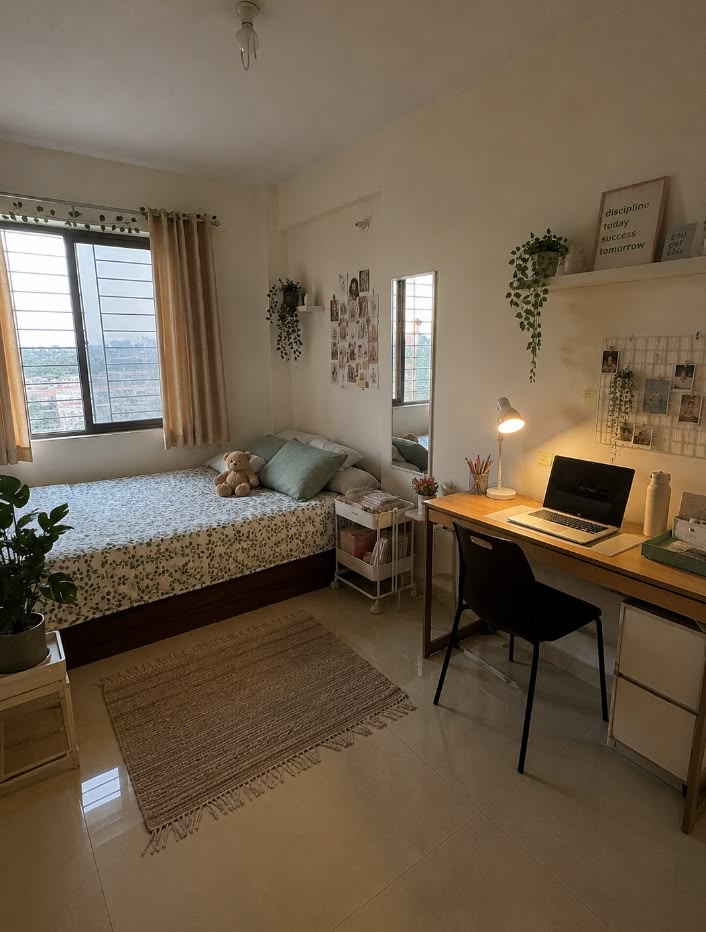
15. Forgetting to Plan Your Cleaning Routine
Cleaning becomes harder when you only clean after everything looks terrible. Your first apartment needs regular attention to stay comfortable.
Start with simple routines that match your schedule and lifestyle. You can handle small tasks regularly instead of waiting for a huge cleaning day.
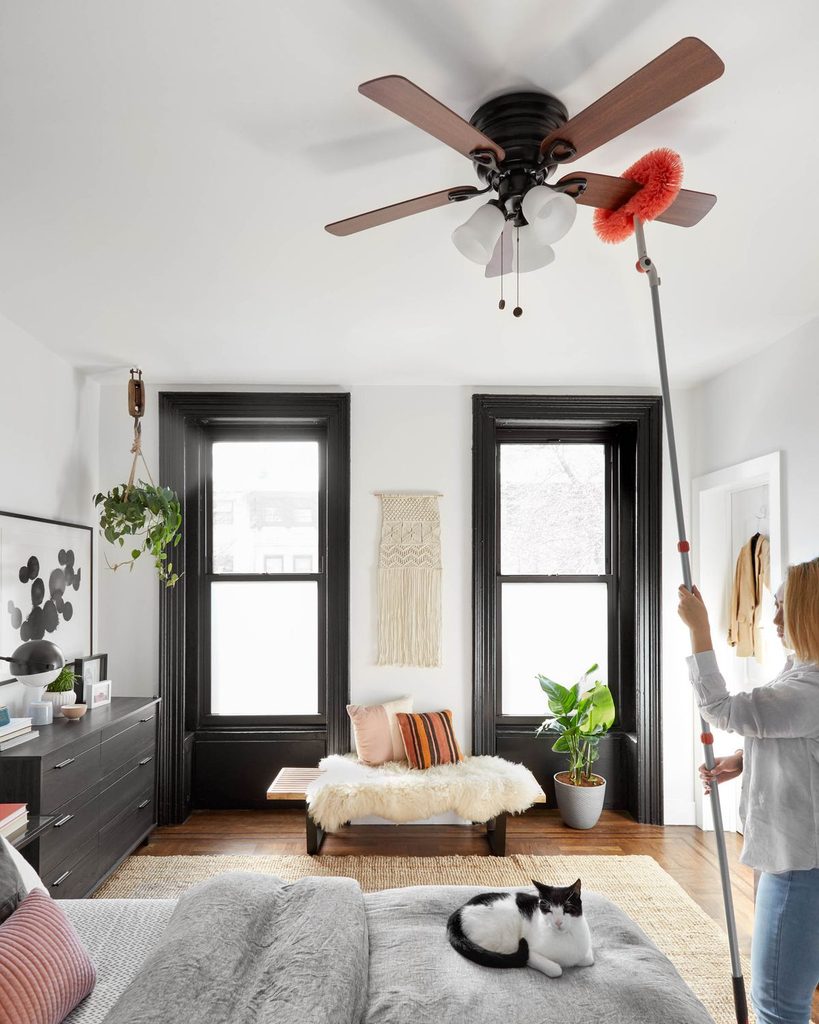
Think about floors, bathrooms, kitchen surfaces, bedding, rubbish, appliances, and dusty areas.
Some things need attention more often than others. Create a simple routine that you can realistically maintain.
Do not copy a complicated cleaning schedule from someone online if it does not fit your life. A routine you actually follow is more useful than a perfect routine you constantly ignore.
Keep this guide nearby: 45 Things to Clean in Your Apartment and How Often to Clean Them
16. Not Learning How to Handle Basic Household Problems
Living independently means small problems will eventually appear. A loose handle, blocked drain, flat battery, or minor household issue can happen at any time.
You do not need to become a professional repair person. But learning a few basic household skills can make everyday life easier.
Know where your basic tools are and understand when you should contact maintenance. Do not attempt complicated repairs simply because you want to save money.
Some problems can become worse when handled incorrectly. Learn the difference between a simple task and something that needs professional attention.
That confidence can make independent living feel much less intimidating.

17. Ignoring Safety Features
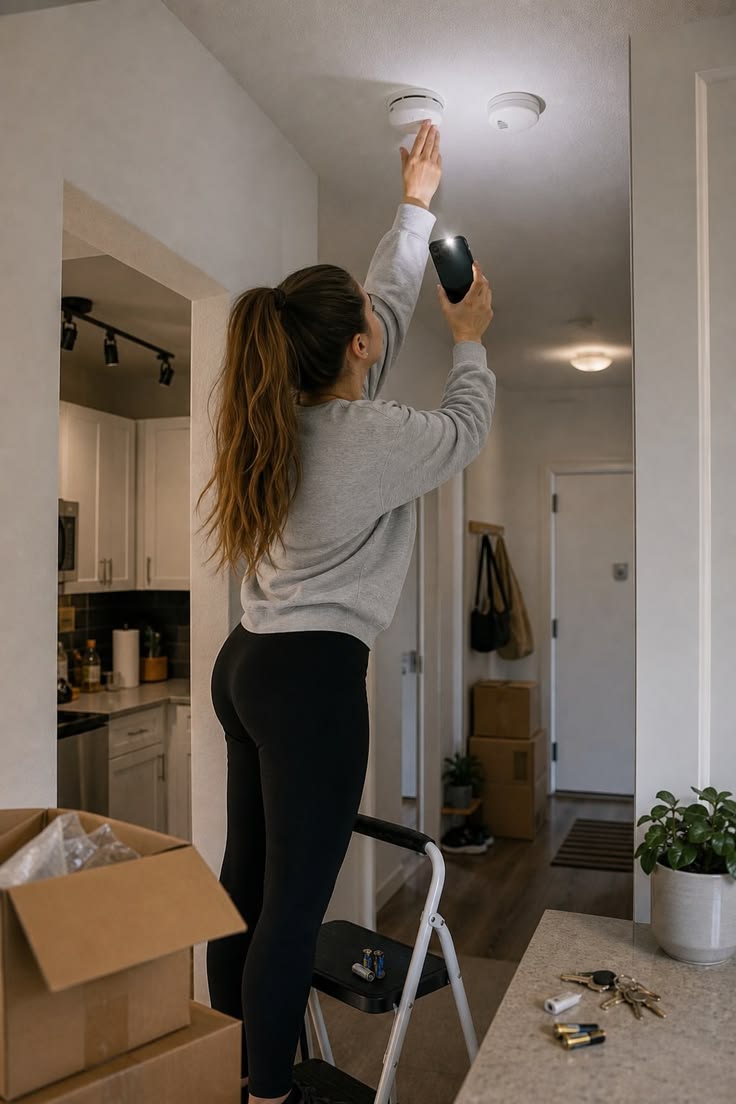
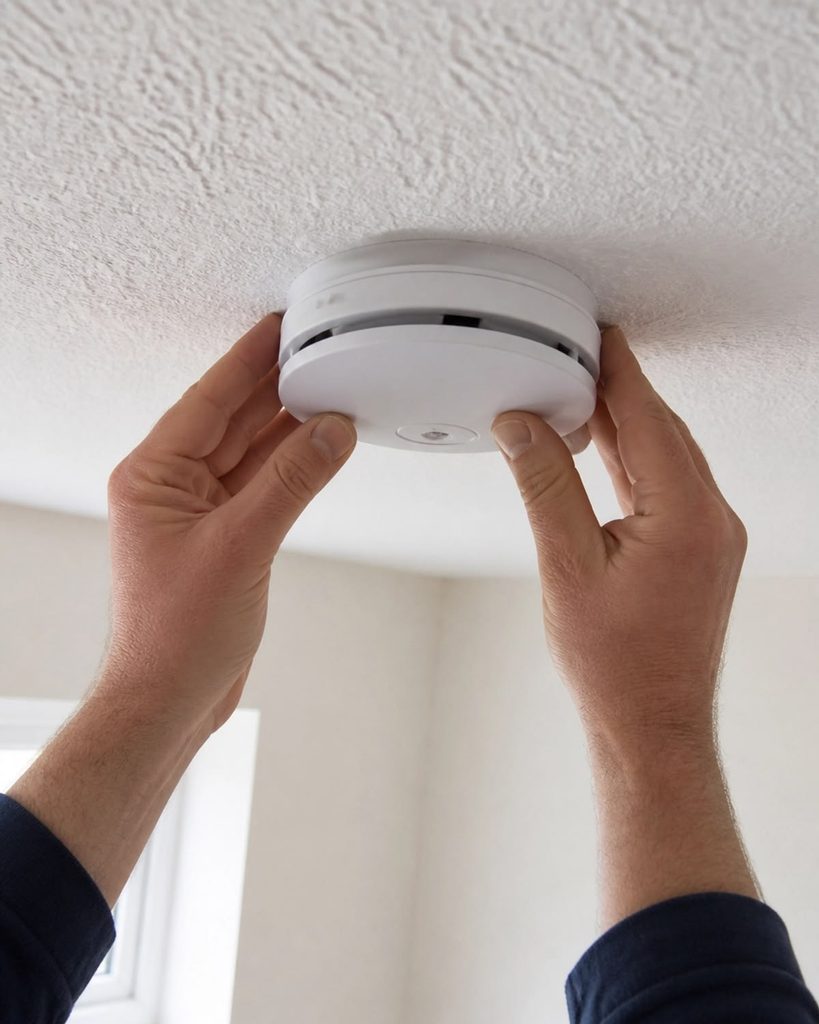
Safety should never become something you think about only after an emergency. Learn where smoke alarms, fire extinguishers, exits, and other safety equipment are located.
Check that important safety equipment appears to be working properly. If something looks damaged or missing, report it through the correct channel.
Keep exits and important pathways clear of boxes and furniture. You should also know how to reach help if something serious happens.
These details may seem boring when everything is peaceful. Still, knowing what to do beforehand can help you respond more calmly during unexpected situations.
18. Not Checking Your Internet and Work Setup
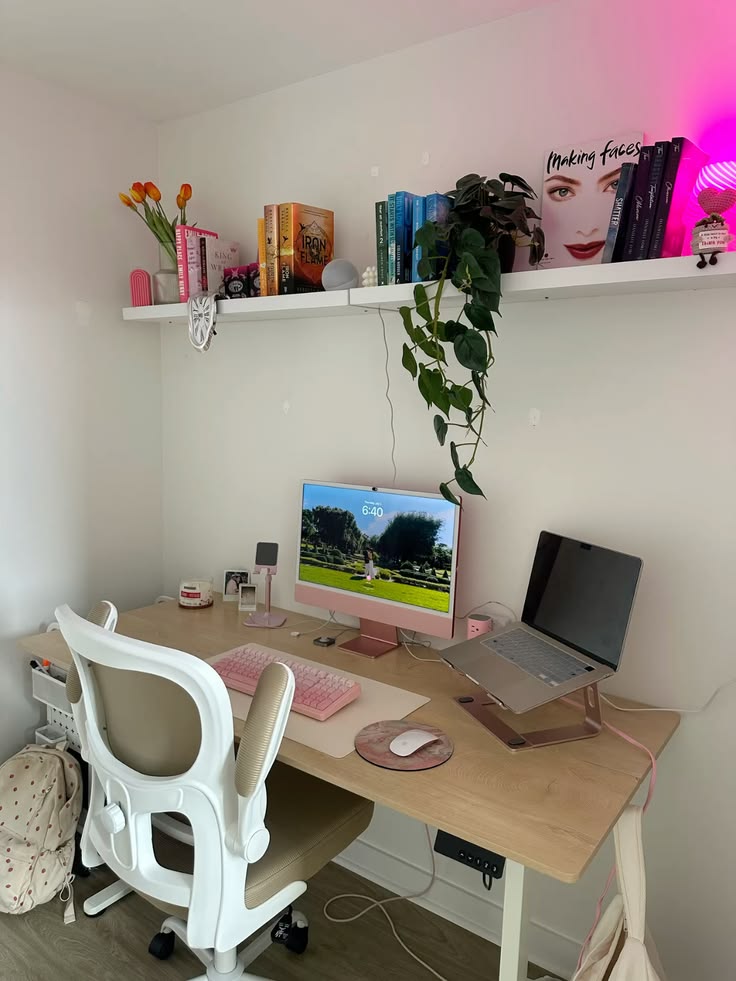
If you work or study from home, your setup deserves attention before moving. You need a comfortable place for your computer, chargers, desk, and other equipment.
Think about lighting, power outlets, internet access, and the amount of available space. Do not choose a desk location simply because it looks good in photographs.
Make sure you can actually sit there comfortably and move around without creating clutter. If internet installation is required, arrange it early.
You do not want to discover that your work setup is unusable after your first busy morning. A simple functional workspace can make independent living much easier.
19. Moving Everything You Own
Your first apartment should not become a storage room for your entire past. Moving is a good opportunity to decide what still belongs in your life.
Look through clothes, books, old papers, kitchenware, decorations, and unused electronics. If something has been untouched for years, think carefully before giving it valuable space.
The more belongings you bring, the more you must organize and maintain. This can become especially frustrating in a small apartment.
Donate, sell, recycle, or discard things that no longer serve a useful purpose. You will probably appreciate the extra space once you begin unpacking.

20. Forgetting to Plan for Your First Grocery Shop
It is easy to think about furniture and forget about food. Then moving day arrives, you are exhausted, and there is nothing simple to eat.
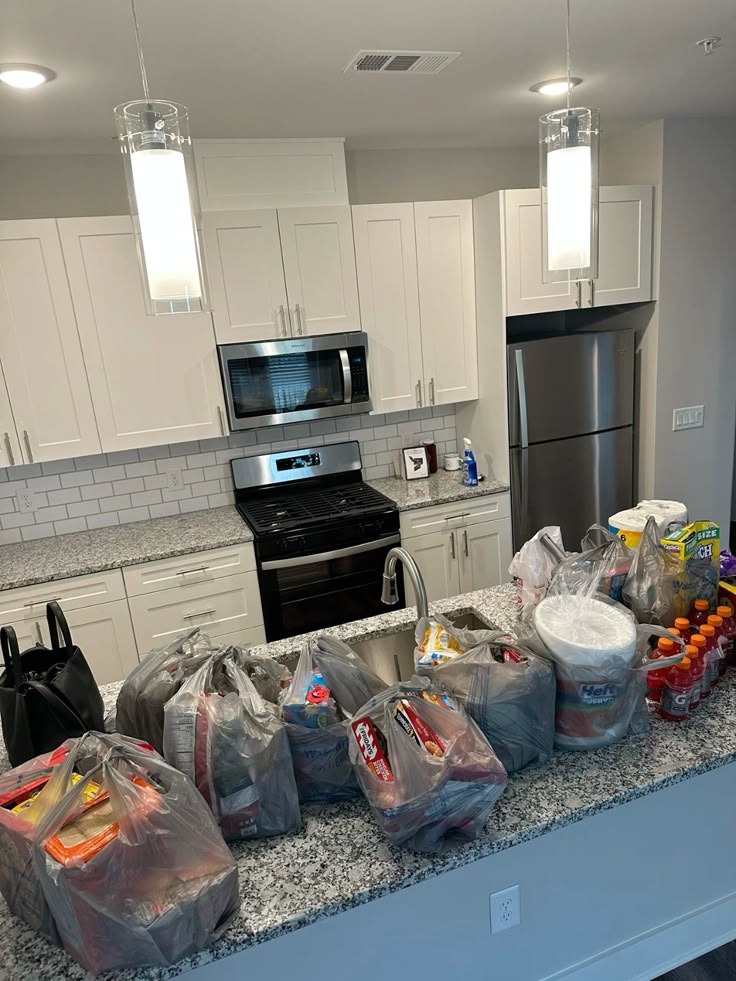
Plan a small first grocery shop around foods you genuinely enjoy. Choose easy breakfast items, quick meals, snacks, drinks, and basic cooking ingredients.
Do not buy a huge amount before understanding your new routine. You may discover that you cook less often than expected or prefer different meals.
A small starting shop can also protect your budget during an expensive moving period. Keep some food available for moving day because you may not have energy to cook.
21. Ignoring Your Mail and Delivery Setup
Your new address affects more than just where you sleep. Important documents, bank letters, packages, bills, and other items may still arrive after you move.
Find out how your building handles regular mail and deliveries. Some apartments have individual mailboxes, while others use shared spaces or delivery areas.
Update your address with important services and accounts over time. Make a list so you do not forget places that regularly send you information.
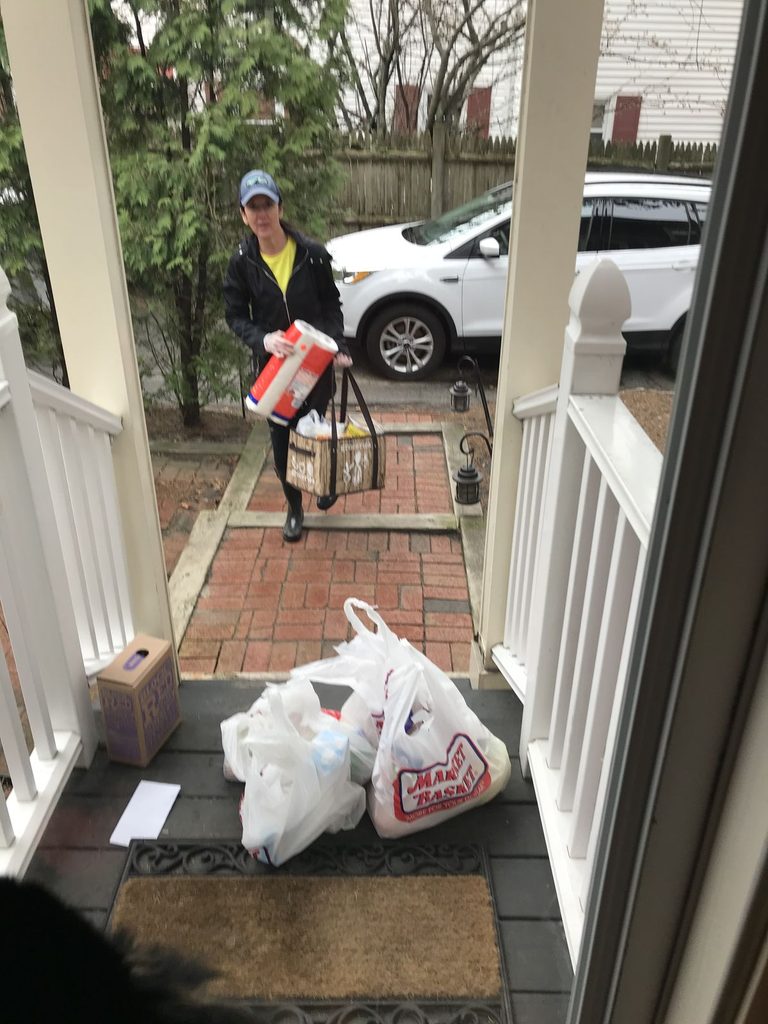
Also, learn where packages are left and what happens when you are not home. Knowing the system can prevent missed deliveries and unnecessary confusion.
22. Forgetting About Trash and Recycling
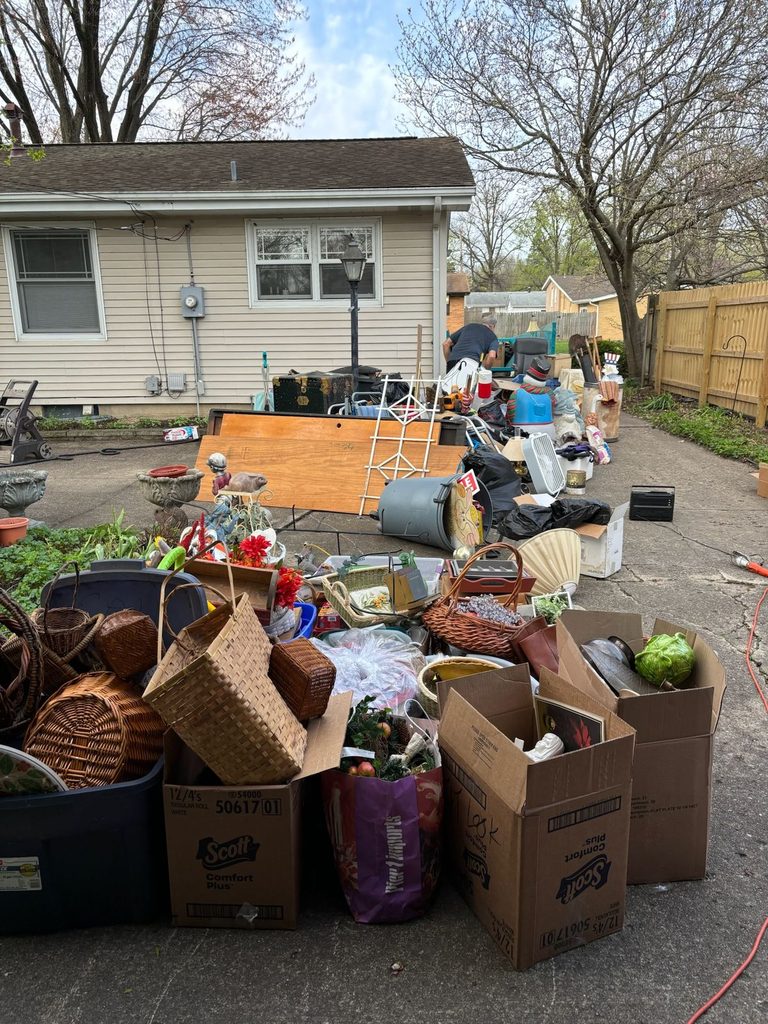
Moving creates an unbelievable amount of packaging. Boxes, plastic wrapping, paper, bottles, and unwanted items can quickly cover your apartment.
Find out where your building keeps its rubbish and recycling areas. Learn what can be placed into each bin before moving day.
Break down cardboard boxes as you unpack instead of leaving them everywhere. If your building has special collection rules, learn those too.
A simple waste system keeps your new home from becoming cluttered immediately. This is one small detail that can make your first apartment feel organized from the beginning.
23. Not Planning Your Furniture Placement
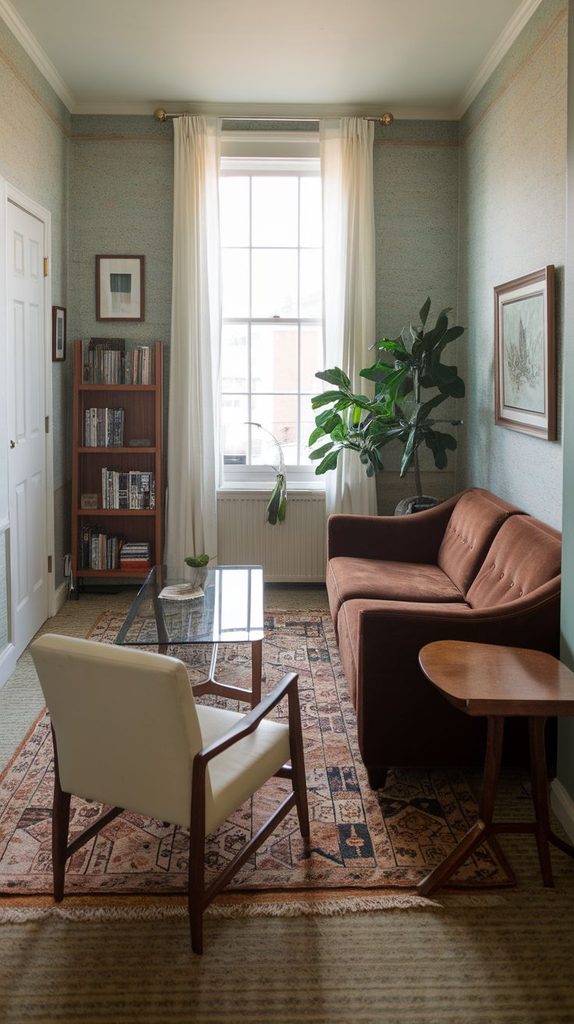
Moving furniture around after everything is unpacked can become exhausting. Before moving day, think about where your larger pieces should go.
Measure important areas and sketch a simple layout if necessary. Consider doors, windows, walking paths, outlets, and natural light.
Do not block important access points simply because the furniture looks good there. You can always change the arrangement later after living in the space. The first layout only needs to be practical enough to help you settle in.
24. Spending Money Just Because You Are Excited
Moving into your own apartment can create a serious shopping rush. You suddenly want matching plates, fancy organizers, new bedding, decorative lights, plants, and everything else.
Excitement can make unnecessary purchases feel completely reasonable. Before buying something, ask yourself where it will go and how often you will use it.
If you cannot answer either question, consider waiting. Your apartment does not need to look like a showroom immediately.
Give yourself time to understand your needs before spending money on extras. This habit can leave you with more money for things that genuinely improve your daily life.

25. Comparing Your Apartment to Social Media Homes
Social media can make everyone else’s apartment look perfectly finished. You may see beautiful bedrooms, organized kitchens, expensive furniture, and spotless living rooms.
It is easy to feel like your own apartment is somehow behind. Remember that online spaces often show selected moments rather than ordinary daily life.
Your first apartment does not need to match someone else’s budget or lifestyle. Focus on comfort, cleanliness, safety, and functionality first.
You can improve your home gradually as your needs and budget change. Your apartment should work for you, not compete with pictures on your phone.
26. Forgetting to Keep Important Information Accessible
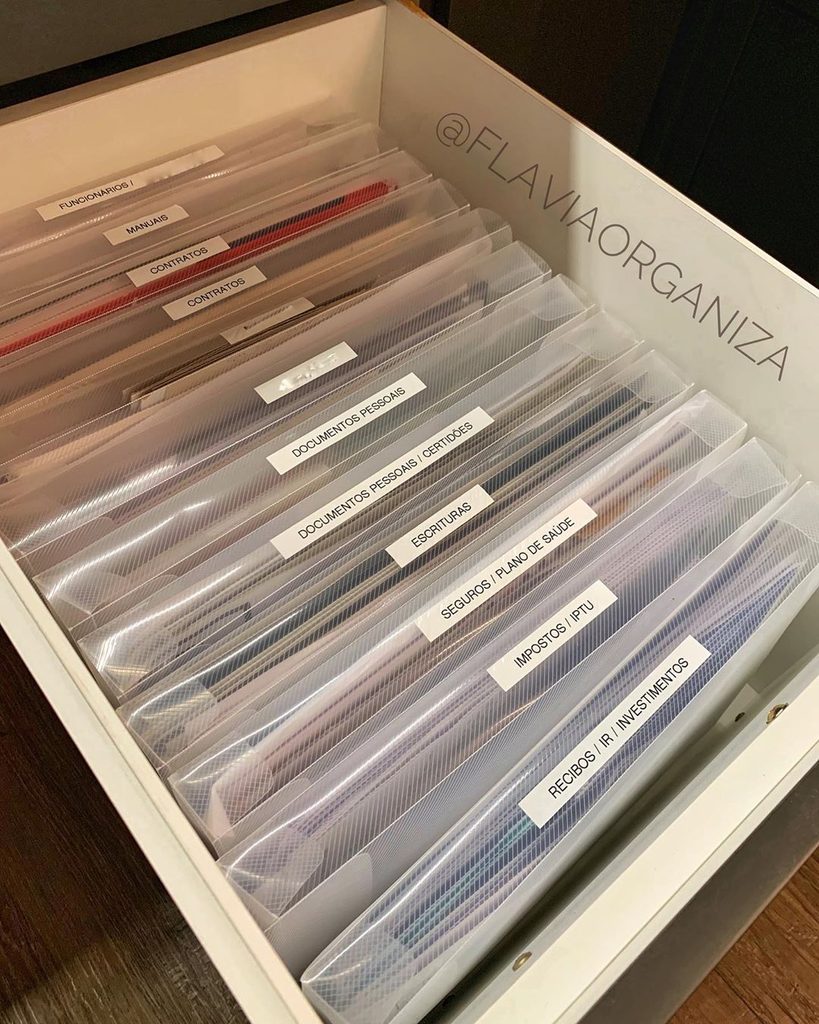
Important information is not useful if you cannot find it when you need it.
Keep your lease, landlord contact details, utility information, insurance documents, receipts, and maintenance details together.
You can use a physical folder or organized digital storage. Make sure your phone contains important numbers you may need quickly.
Do not leave everything inside a moving box that could remain unopened for weeks. A simple organization system can save you from searching through papers during stressful moments.
It also makes your home management feel more organized from the beginning.
27. Assuming You Can Fix Everything Yourself
Independent living does not mean handling every problem alone. Some renters avoid contacting their landlord because they think asking for help looks irresponsible.
That can make small maintenance issues become bigger problems. Learn which issues you are expected to handle and which belong to the landlord.
If something needs professional attention, report it through the proper process. Do not take apart an appliance or plumbing fixture without knowing what you are doing.
Saving a small repair fee is not worth creating a larger problem. Knowing when to ask for help is part of learning how to manage a home.
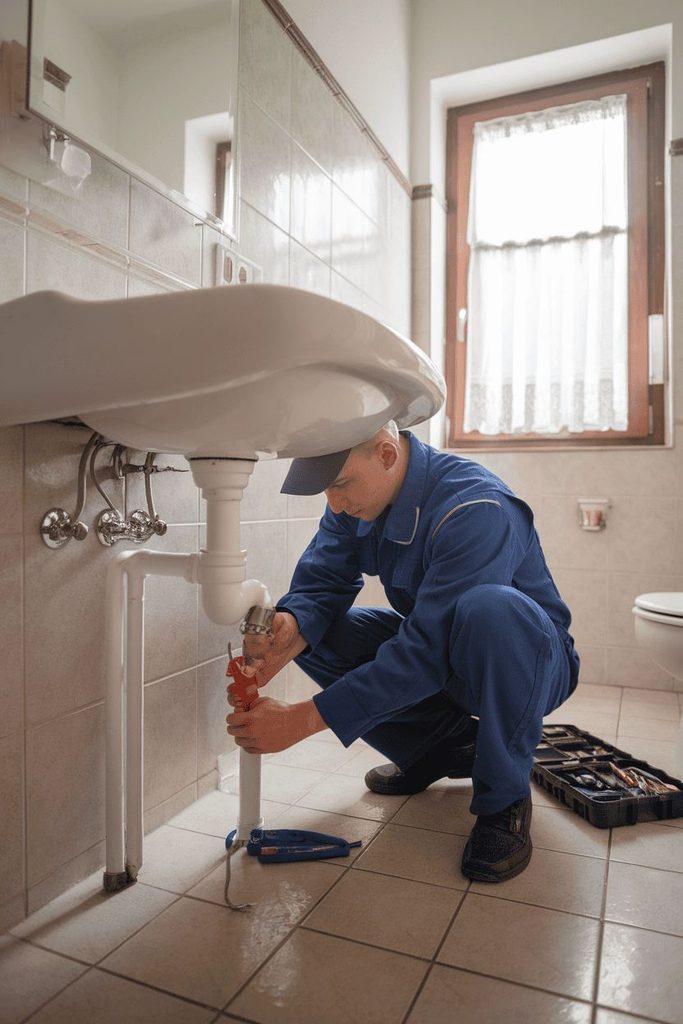
photo credit
28. Forgetting to Prepare for Your First Week
Moving day is not the only part that needs planning. Your first week can also feel surprisingly busy because you are still learning your new routine.
You may need groceries, cleaning supplies, household items, work equipment, and time to unpack. Give yourself enough breathing room instead of filling every evening with plans.
Start with the rooms and belongings you need most. Then gradually work through everything else as your energy allows. You might find that your first week feels easier when you focus on settling rather than perfection.
Read this next: 25 Things to Do During Your First Week in a New Apartment
29. Buying Items Without Checking What You Already Own
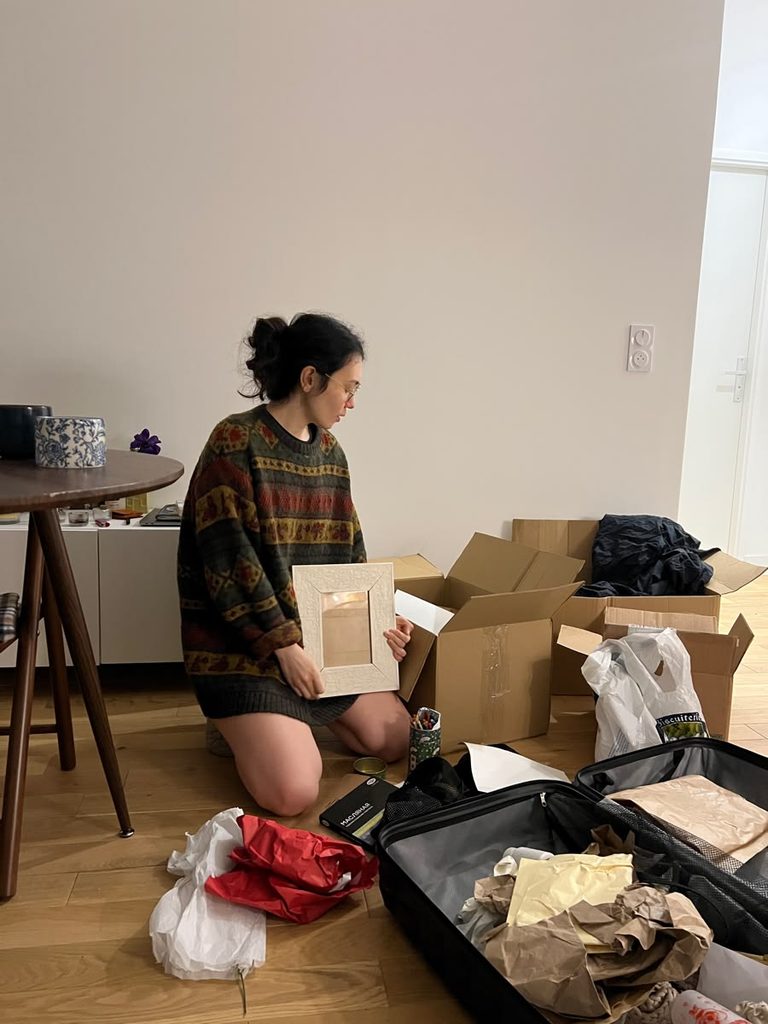
Duplicate purchases are common during a first move. You may buy another frying pan while three are already sitting inside a moving box.
The same thing can happen with towels, mugs, extension cords, cleaning products, and storage containers. Before shopping, check your existing belongings carefully.
Keep a simple inventory on your phone if that makes things easier. This can help you separate what you need from what you simply want.
You will save money and avoid filling your apartment with unnecessary duplicates. Shopping becomes much easier when you know exactly what is already available.
30. Ignoring Your Apartment’s Actual Size
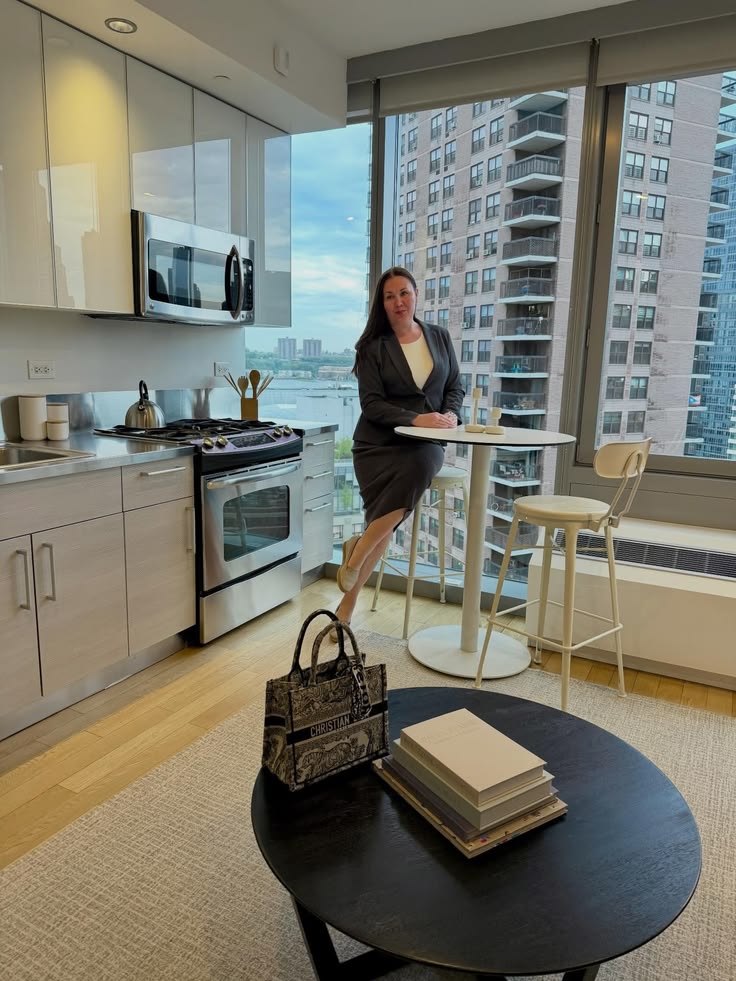
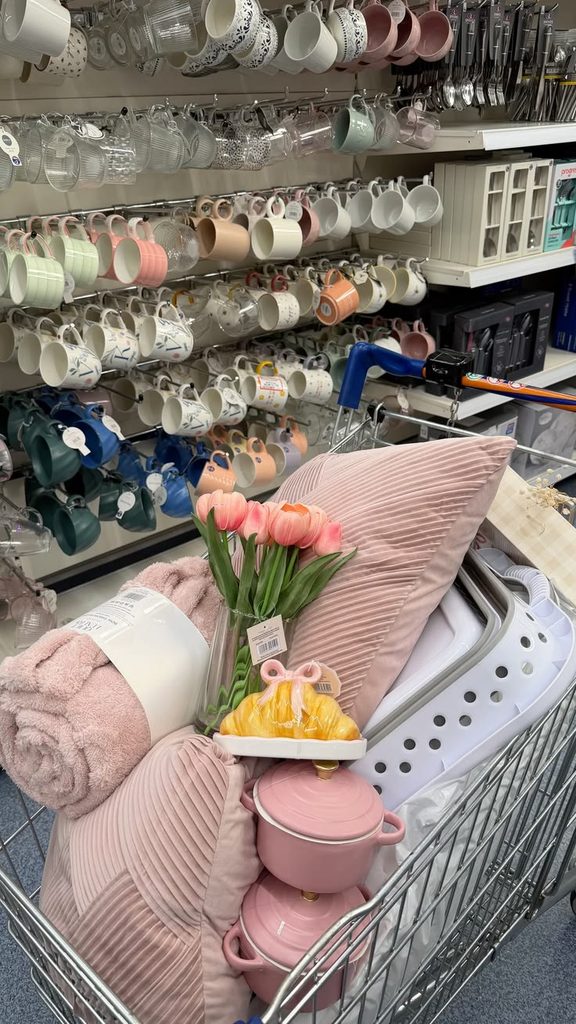
A small apartment can feel comfortable when everything has enough breathing room. It can also become frustrating when too many large items compete for the same space.
Pay attention to the size of each room before buying anything substantial. Think about how many people normally use the space and what activities happen there.
You may not need a large dining table if you usually eat alone. You may also prefer a smaller sofa that leaves more room for movement.
Your goal should be comfortable use rather than filling every empty area. Less furniture can sometimes make a small apartment feel much bigger.

31. Forgetting to Plan for Unexpected Expenses
Even with a careful budget, something unexpected can happen. You might need an urgent household item, replacement key, repair, transport, or other unplanned expense.
That is why your moving budget should include some breathing room. Do not spend every available amount before moving into the apartment.
Keep some money aside for situations you cannot predict. This does not mean expecting something terrible to happen.
It simply means giving yourself more flexibility during a major life transition. A little financial space can make unexpected problems easier to handle.
32. Trying to Finish Everything in One Day
There is something satisfying about imagining yourself unpacking every box in one afternoon. But real moving days are often slower and messier than expected.
Furniture takes time to position, boxes need sorting, and your body eventually needs a break. You do not have to finish the entire apartment before bedtime.
Start with your bedroom, bathroom, basic kitchen items, and essential work or school supplies. Then take things one room at a time.
During another move, I once rushed to finish everything because I wanted the apartment to look complete immediately. By the end, I was exhausted and barely enjoyed the space I had worked so hard to create.
Give yourself permission to stop when you need rest.
33. Inviting Too Many People Over Immediately
Your first apartment may make you want to celebrate right away. Having friends over can be fun, but your home may not be ready for a large gathering.
You may still have boxes everywhere and important tasks waiting. Give yourself time to settle before planning something big.
You also need to understand your building’s guest rules and noise expectations. A smaller visit can be much easier during those first few days.
Once your apartment feels comfortable, you can enjoy hosting people without adding unnecessary pressure. Your first celebration does not have to happen before you have unpacked your toothbrush.
34. Forgetting That Your First Apartment Will Evolve
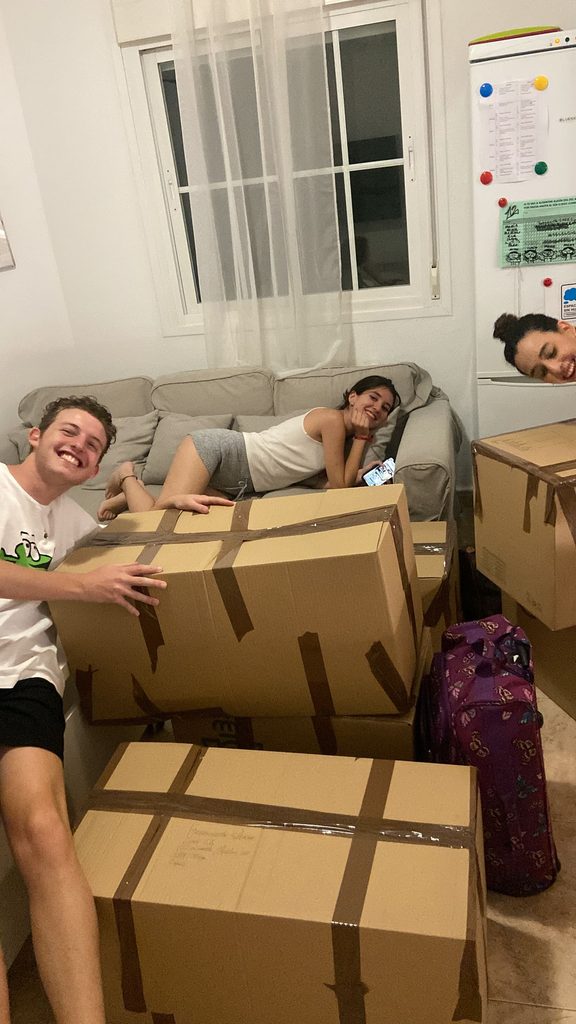
One of the biggest mistakes is expecting your first setup to be permanent. Your routines will change as you learn more about yourself and your home.
You may discover that your original furniture arrangement wastes space. You might realize you need different storage or fewer decorations.
Some purchases may turn out to be unnecessary, while something you ignored may become essential. That is all part of learning to manage your own home.
Do not judge yourself because the apartment does not look perfect after one month. Give yourself room to adjust, improve, and change your mind.
35. Treating Moving Like a Race
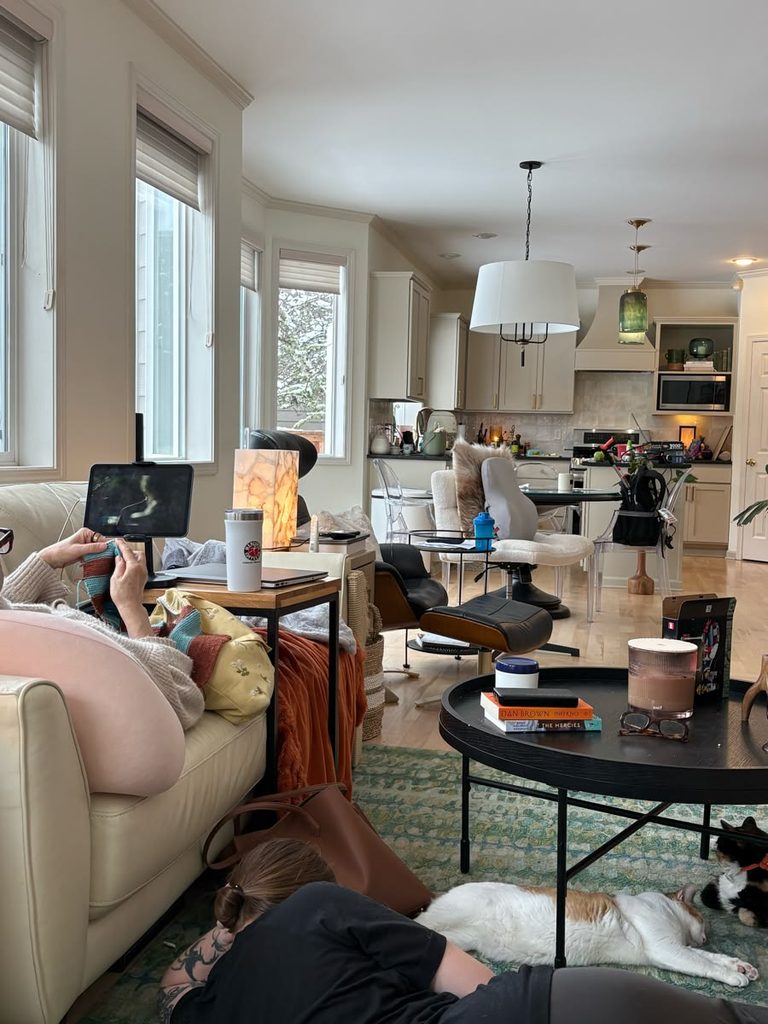
The final mistake is rushing through the entire experience. Moving into your first apartment is a major step, and you deserve time to enjoy it.
You do not need to have every box unpacked, every wall decorated, and every routine perfected immediately. Take care of the important responsibilities first.
Then let the rest develop naturally as you live in the space. During my first apartment experience, I eventually realized that the quiet moments mattered just as much.
Sitting down after a long moving day made the apartment feel real in a way unpacking never could. Your first home is not supposed to become perfect overnight.
It is supposed to become yours slowly, through ordinary days, small routines, and decisions that fit your life. Before you start buying more items, make sure you know what you genuinely need.
You’ll use this again: 25 Apartment Items Worth Buying Before You Move In

Final Thoughts
Your first apartment will teach you things that no checklist can completely explain. You will learn how quickly rubbish piles up, how often groceries disappear, and how easily clutter returns.
You will discover which household items deserve your money and which purchases were simply exciting. You may also make mistakes along the way, and that is completely normal.
The goal is not to become a perfect renter from your first day. The goal is to notice what goes wrong, learn from it, and make better choices next time.
Avoid spending everything immediately. Measure before buying furniture and document the apartment before unpacking. Read your lease carefully, prepare your utilities, organize your documents, and keep some money available.
Most importantly, give yourself time to learn how your home actually works. Your first apartment may not look like the homes you see online.
It may have empty corners, mismatched furniture, and a few boxes waiting to be unpacked. That does not mean you are doing anything wrong.
You are building a home while learning how to manage your own life. Take it one decision at a time, and allow your apartment to grow with you. The mistakes you avoid today can save you money, time, and stress tomorrow.
Leave a Reply