Finding your first apartment can feel exciting until someone says, “The viewing is tomorrow.” Suddenly, your excitement turns into questions you never expected to ask.
What exactly should you look for inside the apartment? How do you know if the place is actually worth renting?
What if everything looks perfect during your short visit? And what if you forget to check something important?
Your first apartment viewing is more than simply walking around empty rooms. It is your opportunity to understand what daily life could look like there.
You are not just checking the paint, windows, or bedroom size. You are trying to picture yourself living comfortably in that space.
The truth is, beautiful pictures can make almost any apartment look amazing. But pictures cannot show strange smells, poor water pressure, or noisy neighbors.
That is why preparing before your viewing can save you unnecessary stress later.
If you are already dreaming about your move, What to Expect When You Move Out for the First Time can help you understand what comes next.
You do not need to become an apartment expert before attending your first viewing. Still, going in prepared can help you notice things others easily miss.
A little preparation can also help you ask better questions confidently. So, before you fall in love with the first beautiful apartment, pause.
Take your time, look around carefully, and trust yourself to investigate. Here is how to prepare for your first apartment viewing without feeling overwhelmed.

How to Prepare for Your First Apartment Viewing
Start by Understanding What You Actually Need
Before attending any apartment viewing, spend time thinking about your daily needs. It is easy to become distracted by beautiful kitchens and stylish bedrooms.
But a beautiful apartment may still create problems for your lifestyle. Start by thinking about where you work, study, or spend most days.
Consider how long your daily commute would realistically take. Think about nearby transportation, grocery stores, pharmacies, and other important places.
You should also consider how much space you genuinely need. A large apartment might look appealing but cost more every month.
On the other hand, a very small space could become uncomfortable quickly. Think about your furniture, belongings, and the lifestyle you want.
Do you need a quiet place for working from home? Would you prefer having enough kitchen space for regular cooking?
Do you need extra storage for clothes and household belongings? These questions can help you avoid becoming distracted during viewings.
Try creating a simple picture of your ideal living situation. Then separate your needs from things that would simply feel nice.
For example, safety and reliable water might be important needs. A balcony with an amazing view may simply be a bonus.
Knowing your priorities helps you compare apartments more realistically. It also makes difficult decisions easier when several options look appealing.
Your first apartment does not need to have absolutely everything. But it should meet the needs that matter most daily.
As you think about those needs, consider How to Manage the Responsibilities of Living on Your Own too.
The right apartment should support your daily responsibilities instead of complicating them.

Know Your Budget Before You Start Falling in Love
One of the easiest mistakes during apartment hunting involves ignoring your budget. You may walk into a beautiful apartment and immediately imagine living there.
The bedroom looks perfect, the kitchen feels spacious, and everything seems peaceful. Then you discover that the monthly rent stretches your finances too far.
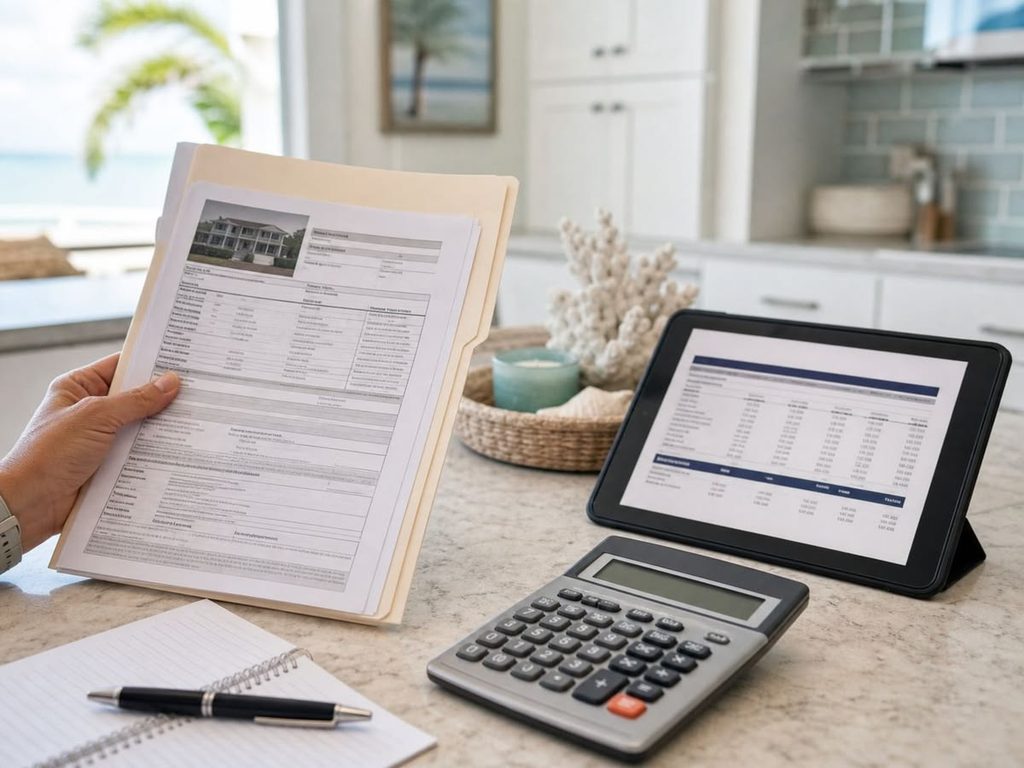
That disappointment can be avoided by understanding your financial limits beforehand. Before attending your viewing, know the maximum amount you can comfortably afford.
Try including more than just the advertised monthly rent. You may also need money for utilities, transportation, groceries, and household supplies.
Some apartments require additional payments before you can move inside. You might need deposits, application fees, or other moving expenses.
That is why the advertised rent should never become your only consideration. Try calculating how much money remains after paying for housing.
Then think honestly about your other regular monthly responsibilities. Can you still afford food, transportation, and basic personal needs?
Would unexpected expenses immediately create serious financial problems for you? These questions are important before becoming emotionally attached to any apartment.
During one early apartment search, I loved a place almost immediately. The rooms looked beautiful, and I started imagining where everything would go.
But after checking the full costs, the apartment simply exceeded my budget. Walking away felt disappointing, but it saved me from financial pressure later.
That experience taught me that liking an apartment is not enough. You also need to comfortably manage the life that comes with it.
Before viewing different options, take time to read How to Prepare Financially Before Living on Your Own. Understanding your finances can help you make smarter apartment decisions confidently.
Research the Area Before Leaving Your Home
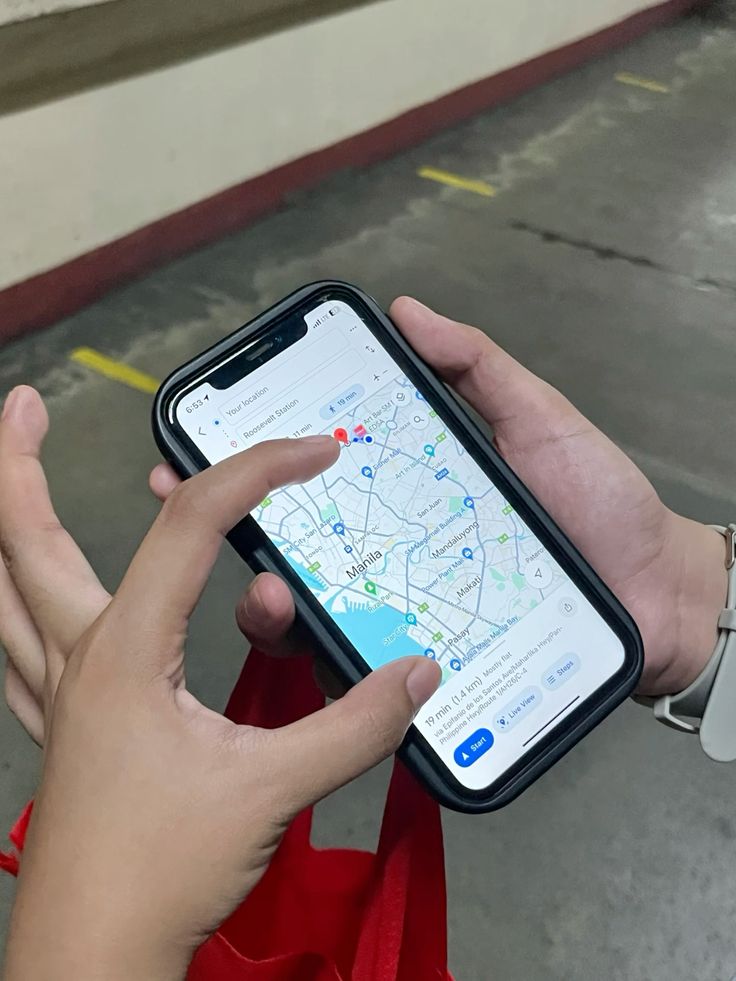
The apartment itself matters, but the surrounding area matters too. You might love the building but struggle with the location daily.
Before attending your viewing, spend some time researching the neighborhood. Look at nearby roads, transportation options, and essential local services.
Think about where you would buy groceries after moving there. Consider how far you would travel for work or school.
You may also want nearby pharmacies, banks, and medical services. Try checking what the area looks like during different times.
Some neighborhoods feel completely different during evenings and weekends. An area may seem quiet during your afternoon apartment viewing.
But traffic, noise, or activity could increase later at night. If possible, arrive earlier and walk around before your appointment.
Pay attention to how comfortable and convenient the surroundings feel. Look at the condition of nearby buildings and public spaces.
Notice if basic stores and services seem easy to reach. You can also ask people familiar with the area about daily life.
They may mention things that apartment advertisements never explain. For example, transportation may be difficult during busy mornings.
Or perhaps the nearest grocery store requires a longer journey. These details can become important after you move in permanently.
Your apartment does not exist separately from the neighborhood around it. The area will become part of your everyday experience too.
So, do not spend your entire viewing focused only on rooms. Think about the complete lifestyle the location could offer you.
Keep this guide nearby: How to Prepare for Your First Grocery Shopping Trip
Pay Close Attention to the Kitchen
The kitchen may not seem important until you start living independently. But you will probably spend more time there than expected.
Even simple meals require a space that feels functional. During your viewing, look beyond attractive cabinets and countertops.
Think about how you would actually prepare food there. Is there enough room for basic cooking and food storage?
Does the kitchen have enough space for your regular groceries? Look at the cupboards and consider how much they can hold.
Think about plates, pots, food containers, and other kitchen essentials. You may also want enough refrigerator space for weekly groceries.
If appliances are included, ask about their condition and maintenance. Find out what happens if an appliance suddenly stops working.
You should also check sinks and taps carefully. Turn on the water and notice the pressure if possible.
Look underneath the sink for visible leaks or damage. Pay attention to how clean and well-maintained the kitchen feels.
A beautiful kitchen can still become frustrating if basic things fail. Try imagining yourself preparing an ordinary weekday dinner there.
Would the space make that task easier or more difficult? Think about where you would keep food and cooking supplies.
These small details can affect your comfort every single day. You do not need a luxury kitchen for independent living.
But you need one that works properly for your lifestyle. Planning your food routine early can also make moving easier.
That is why How to Prepare for Your First Grocery Shopping Trip becomes useful after finding your apartment.
Your kitchen needs will become much clearer once you understand your shopping habits.

Check the Bathroom More Carefully Than You Think
The bathroom is another area worth checking very carefully. Do not simply glance around and assume everything works properly.
Look at the shower, toilet, sink, and visible plumbing. If possible, turn on the taps and check water pressure.
Notice how long the water takes to drain afterward. Slow drainage could indicate problems that become frustrating later.
Look carefully around the sink and toilet for leaks. Check walls and ceilings for visible signs of water damage.
Pay attention to unpleasant smells that seem difficult to explain. A strong smell may disappear temporarily during your short visit.
But it could become more noticeable after living there daily. Look at the shower area and consider its overall condition.
Would you feel comfortable using the space every morning? Is there enough room for your basic toiletries and towels?
You should also check ventilation inside the bathroom. Poor ventilation can create moisture and unpleasant conditions over time.
Ask questions if anything looks damaged or poorly maintained. Do not assume that every problem will automatically be fixed later.
If repairs are promised, ask when they will happen exactly. You may also want confirmation before making any financial commitment.
Bathrooms may not be the most exciting part of apartment hunting. But problems there can affect your daily comfort significantly. A few extra minutes checking the bathroom can save future stress.
Don’t miss this: How to Prepare for Your First Utility Bills

Test What You Can During the Viewing
Looking at something and testing something can reveal different problems. That is why you should interact with the apartment when allowed.
Open cupboards instead of assuming they work properly. Try doors and notice if they stick or close poorly.
Turn taps on and pay attention to the water flow. Flush the toilet if the situation allows you comfortably.
Switch lights on and check how well rooms are illuminated. Look at electrical outlets and ask if everything works properly.
You can also test locks on doors and windows. Reliable locks are important for both comfort and personal security.
Notice if windows close properly without unusual gaps. Look around for signs that insects or pests might be present.
Check corners, cupboards, and hidden areas where problems may appear. You do not need to search the apartment aggressively or suspiciously.
But you should feel comfortable checking your potential future home. Try doing these things calmly and respectfully during your viewing.
A good landlord or agent should understand reasonable questions. After all, you are considering a significant financial commitment.
You may also notice maintenance issues that photographs never revealed. A loose handle may seem minor but reveal poor maintenance.
Several small problems together can tell you something important. Pay attention to the overall condition instead of isolated appearances.
Ask yourself if the apartment feels cared for consistently. Regular maintenance often affects how comfortable living there becomes.
Small details can sometimes reveal bigger issues underneath. So, take your time and avoid rushing through the rooms. Your future self may appreciate the questions you ask today.

Ask Who Handles Repairs and Maintenance Problems
Apartment problems can happen even inside well-maintained buildings. A tap can leak, an appliance can fail, or electricity can disappear.
Before renting, ask how maintenance problems are normally handled. Find out who you should contact when something stops working.
Ask how quickly urgent repairs are usually addressed. You may also want to know who pays for different repairs.
Some responsibilities belong to landlords while others may become yours. Understanding this before moving can prevent arguments and confusion.
Ask about previous maintenance if something looks recently repaired. For example, visible stains could indicate an earlier water problem.
You can politely ask what happened and how it was fixed. Pay attention to how openly the landlord answers questions.
Clear answers can help you feel more comfortable with the arrangement. Vague answers may suggest that you need additional information.
You should also ask about emergencies outside normal working hours. What happens if something important breaks during the night?
Who should you contact if water suddenly starts leaking? These situations may seem unlikely during your apartment viewing.
But knowing the answers can provide useful peace of mind. Independent living involves handling problems without waiting for others.
That is one reason preparation becomes important before moving. You will eventually learn more about How to Manage the Responsibilities of Living on Your Own through daily experience.
Still, understanding maintenance responsibilities early can make your transition smoother.

Think About Safety Without Becoming Overly Fearful
Feeling safe inside your apartment should always matter. During your viewing, look at the building’s general security.
Check how people enter the property and common areas. Notice if doors, gates, and entrances appear properly maintained.
Look at locks on your apartment’s main door carefully. Ask if you can change locks after moving in.
You may also want to know who has access. Think about lighting around entrances and nearby walking areas.
Poor lighting can make returning home uncomfortable during evenings. Look at stairways, hallways, and shared building spaces too.
Do they feel reasonably clean and maintained? Try noticing how comfortable you feel while walking around.
Your instincts can sometimes highlight things you cannot immediately explain. Still, avoid making decisions based only on nervous feelings.
Combine your personal observations with useful questions and research. Ask about building access and emergency procedures if necessary.
Find out how packages and visitors are normally handled. You can also research the general area before deciding.
Safety does not require becoming suspicious of everything around you. It simply means paying attention to your future environment.
You deserve to feel comfortable coming home after long days. Your first apartment should become a place where you can rest.
That feeling becomes especially important during your early independent months.
As you settle into your new space, What to Expect During Your First Week Living Alone can help you prepare emotionally. Moving into a new environment often involves more than practical adjustments alone.

Do Not Feel Pressured to Decide Immediately
Some apartment opportunities move very quickly, and that can feel stressful. You may hear that other people are interested already.
An agent might encourage you to make a decision immediately. Sometimes, quick decisions are genuinely necessary in competitive areas.
But pressure should never stop you from understanding important details. Try separating genuine urgency from unnecessary sales pressure.
You can still ask questions while making a timely decision. Do not ignore concerns simply because someone wants an answer.
Take a moment to review your notes and priorities. Think about your budget and expected monthly responsibilities.
Ask yourself if the apartment solves your actual needs. Does the location make daily life easier or harder?
Can you realistically afford everything involved with living there? Are you comfortable with the building and surrounding environment?
If you need advice, speak with someone you trust. Another perspective can sometimes highlight things you missed.
But remember that the final living experience will belong to you. You need to feel comfortable with your own decision.
Try not to choose an apartment simply because everyone likes it. Your needs may be completely different from theirs.
The same applies to apartments that appear popular online. Popularity does not automatically mean suitability for your lifestyle.
Take the information you gathered and think carefully. Then make the best decision available with what you know. Confidence can grow when you trust your preparation and observations.
Read this next: How to Build Confidence During Your First Year of Adult Life

Understand What Comes After the Apartment Viewing
Finding an apartment you like is only one part of moving. After the viewing, you may need to make several decisions.
You might need to submit documents or complete an application. There could also be payments required before securing the apartment.
Before doing anything, review the information you received carefully. Make sure you understand what the next steps involve.
Do not feel embarrassed asking someone to explain unclear instructions. It is better to ask now than guess incorrectly later.
You should also avoid rushing into agreements without understanding them. Finding a beautiful apartment should not make you ignore important details.
The excitement of moving can sometimes affect your judgment. You may start imagining your furniture before checking paperwork properly.
Try enjoying the excitement while remaining practical at the same time. Your apartment viewing should give you useful information.
The next stage involves making sure the agreement makes sense. You need to understand what you are committing yourself to.
That includes your financial and personal responsibilities as a tenant. Before making your final commitment, read What to Do Before Signing Your First Lease.
That preparation can help you avoid overlooking important parts of your agreement. Your first apartment is exciting, but the paperwork matters too.
Take each stage seriously without making the entire process frightening. You are simply learning how important adult decisions work.

Imagine Your First Ordinary Day Inside the Apartment
During a viewing, everything can feel slightly unusual and temporary. You are walking through rooms without your normal belongings around.
That makes it difficult to imagine what everyday life could feel like. Try picturing your first ordinary weekday inside the apartment.
Imagine waking up and getting ready for the day. Where would you keep your clothes and personal belongings?
Would the bathroom feel comfortable during busy mornings? Think about making breakfast before leaving your home.
Would the kitchen support your usual food routine? Imagine returning home tired after work or school.
Would the location make that journey exhausting every day? Think about carrying groceries inside after shopping. Consider where you would store cleaning supplies and household items.
Picture yourself doing laundry and handling weekly responsibilities. Would those tasks feel manageable inside the apartment?
You can also imagine spending a quiet evening there. Where would you relax after a stressful day?
Would the apartment feel comfortable when you are alone? This simple exercise can reveal things you overlooked earlier.
A place may look attractive without supporting your daily lifestyle. Another apartment may look simple but feel much more practical.
That is why ordinary life should guide your apartment decisions. Your first home does not need to impress every visitor.
It needs to support the person living inside it every day. That perspective can help you choose more carefully.

Prepare Yourself Emotionally for the Experience
Apartment hunting can involve more emotions than people often expect. You may feel excited about one place and disappointed afterward.
Another apartment might seem perfect but become unavailable suddenly. You may also become frustrated after visiting several unsuitable places.
These feelings are normal when you are making important life changes. Try not to let one disappointing viewing ruin your motivation.
Every viewing can teach you something about what you need. Maybe one apartment reveals that location matters more than expected.
Another might show you how important storage really is. You may discover that natural light affects your comfort significantly.
These experiences can help you improve your apartment search. Try remaining flexible while protecting your most important needs.
You may not find every feature on your original list. That does not mean you should accept serious problems either.
Finding a good balance can take time and patience. Your first apartment search may also make adulthood feel suddenly real.
You are choosing a space and preparing for greater responsibility. That can feel exciting, but it may also feel intimidating.
Try reminding yourself that you do not need perfection. You only need enough information to make a thoughtful decision.
You will continue learning after moving into your new home. Your first apartment does not need to become your final apartment.
It is simply one important step in learning independent living. The experience itself can teach you valuable lessons about adulthood.
You’ll want to come back to this: How to Navigate Your First Month of Independent Living

Final Thoughts
Your first apartment viewing can feel like an important adult milestone. You are no longer simply imagining your future independent life.
You are walking through spaces and considering real possibilities. That excitement can make it tempting to overlook important details.
But taking your time can protect you from unnecessary regrets. Know your budget before becoming attached to any apartment.
Research the neighborhood and think about your everyday routine. Check important areas instead of focusing only on attractive decorations.
Ask questions about rent, utilities, repairs, and maintenance responsibilities. Pay attention to safety, noise, storage, and overall comfort.
Imagine yourself living an ordinary day inside the apartment. Think about cooking, cleaning, resting, and managing daily responsibilities there.
Take notes so you can compare your options later. Most importantly, do not let anyone rush your important decision.
The right apartment should make sense for your life and finances. It should support your independence without creating unnecessary pressure.
You may not find your perfect apartment immediately. Still, every viewing can teach you something valuable.
The more you learn, the easier future decisions can become. Your first apartment viewing is not a test you must pass.
It is simply an opportunity to gather information and learn. You are allowed to ask questions and take your time.
You are allowed to notice problems and walk away. And you are allowed to choose practicality over appearance.
Finding your first home is exciting, but preparation matters greatly. So, walk into your viewing with curiosity and confidence.
Look carefully, ask questions, and think beyond the beautiful pictures. The apartment you choose could become your first real independent home. That is why giving the process your attention is always worthwhile.
Leave a Reply