Signing your first lease can feel like finally getting the keys to adulthood. You may have found an apartment, imagined your furniture, and pictured your new routine.
Then someone places a long document in front of you. Suddenly, the excitement becomes mixed with confusion and nervousness.
You may feel tempted to sign quickly and deal with details later. After all, you have already spent time searching for apartments.
But a lease is not just another form you complete. It is an agreement that can affect your money and daily life.
It can also shape how comfortable your new home feels. That is why taking your time before signing matters.
You do not need to understand everything about renting overnight. Still, you should know what you are agreeing to first.
If moving out still feels exciting and overwhelming, What to Expect When You Move Out for the First Time can help you prepare for the bigger changes ahead.
Before signing anything, pause and give yourself time to look carefully. The apartment may feel perfect, but the agreement deserves equal attention.

What to Do Before Signing Your First Lease
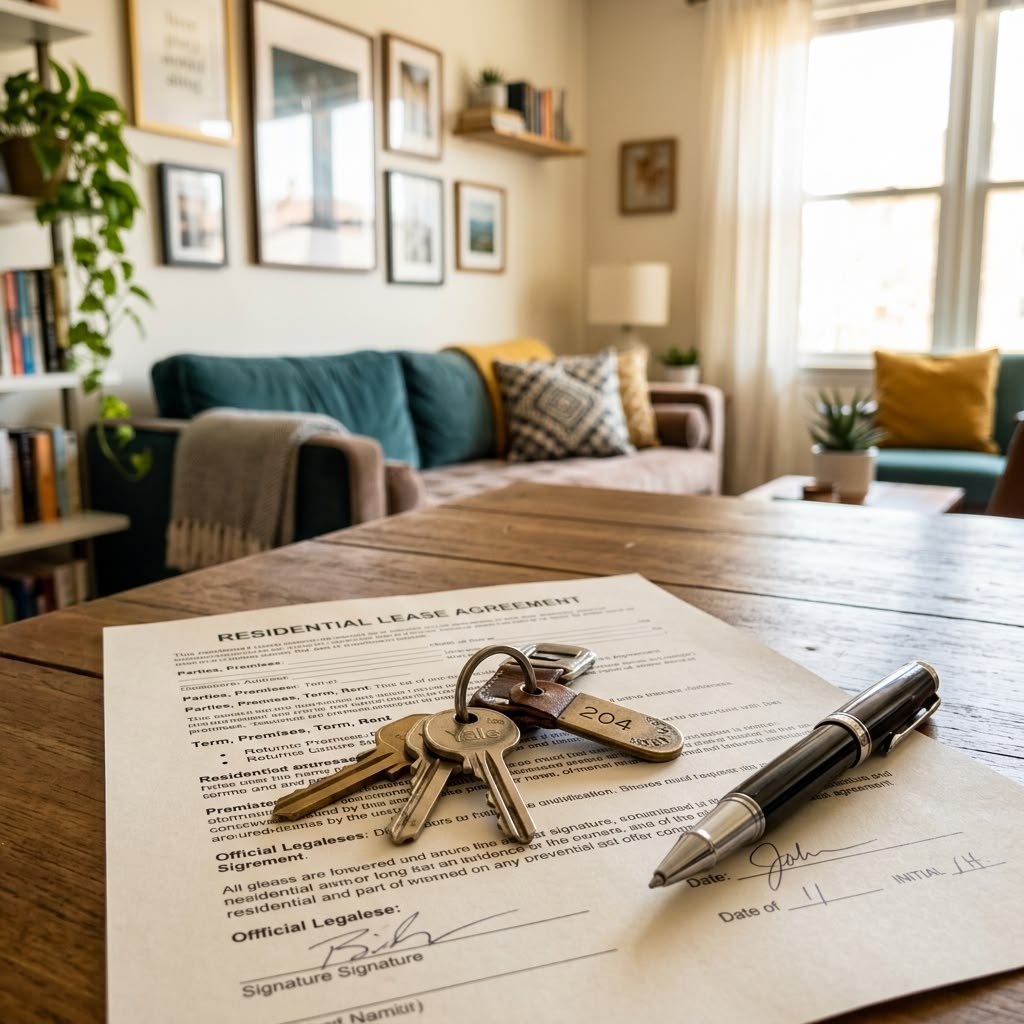
Read the Entire Lease Before Signing
The lease may look long, boring, and difficult to understand initially. That can make you want to skip directly to the signature page.
But every part of that document can contain important information. Try reading slowly instead of rushing through every section.
Pay attention to names, dates, addresses, and payment amounts listed. Make sure the apartment address matches the place you actually viewed.
Also, check the lease starting and ending dates carefully. You should understand exactly when your rental responsibilities officially begin.
Some leases automatically continue unless you provide proper notice beforehand. Others require you to leave or sign another agreement.
Write down anything that sounds confusing or unclear to you. Then ask the landlord or property manager for an explanation.
A lease is too important to sign while guessing its meaning. Taking your time now can prevent bigger problems later.
Want a checklist to read the lease with? I put together a full lease review checklist in The First Apartment & Moving-Out Planner. It covers rent, deposits, renewal terms, and the questions to ask before you sign. See the planner
Check the Monthly Rent and Every Other Payment
The monthly rent is usually the first number people notice. However, rent may not be the only payment connected to your apartment.
Some places charge additional fees for parking or building services. You may also pay separate amounts for utilities or maintenance services.
Ask for a clear breakdown before agreeing to anything important. Make sure you understand how much money leaves your account monthly.
Look for information about late payment fees and deadlines too. Knowing this early can help you prepare your finances properly.
This is also connected to How to Prepare Financially Before Living on Your Own because housing costs affect your entire budget.
Do not focus only on finding an apartment with affordable rent. Think about every regular cost connected to living there.
A cheaper apartment can still become expensive because of additional fees. Calculate the full monthly cost before making your final decision.

Understand How Long You Are Committing to the Apartment
Before signing, take another careful look at the lease length. Some rental agreements last for several months or one year.
Others may offer shorter arrangements with different conditions and requirements. The length of your lease affects how flexible your future plans remain.
Your job, school, or personal situation could change unexpectedly later. Understanding your commitment helps you make more realistic decisions now.
Check exactly when your lease officially begins and ends. Ask what happens if you need to leave earlier.
Some agreements require additional fees for ending your lease early. Others may require you to find someone who replaces you.
Do not assume every apartment follows exactly the same process. Knowing your lease length also helps with future financial planning.
As your new chapter begins, How to Navigate Your First Month of Independent Living can help you handle those early adjustments gradually.
Moving into an apartment is exciting, but planning ahead still matters.
Ask About the Security Deposit and Getting It Back
A security deposit can feel like another large expense before moving. That money may be required before receiving your apartment keys.
Ask exactly how much you need to pay before moving. You should also understand what the deposit is intended to cover.
Ask what conditions could affect getting your deposit returned later. Find out how the property condition will be documented before moving.
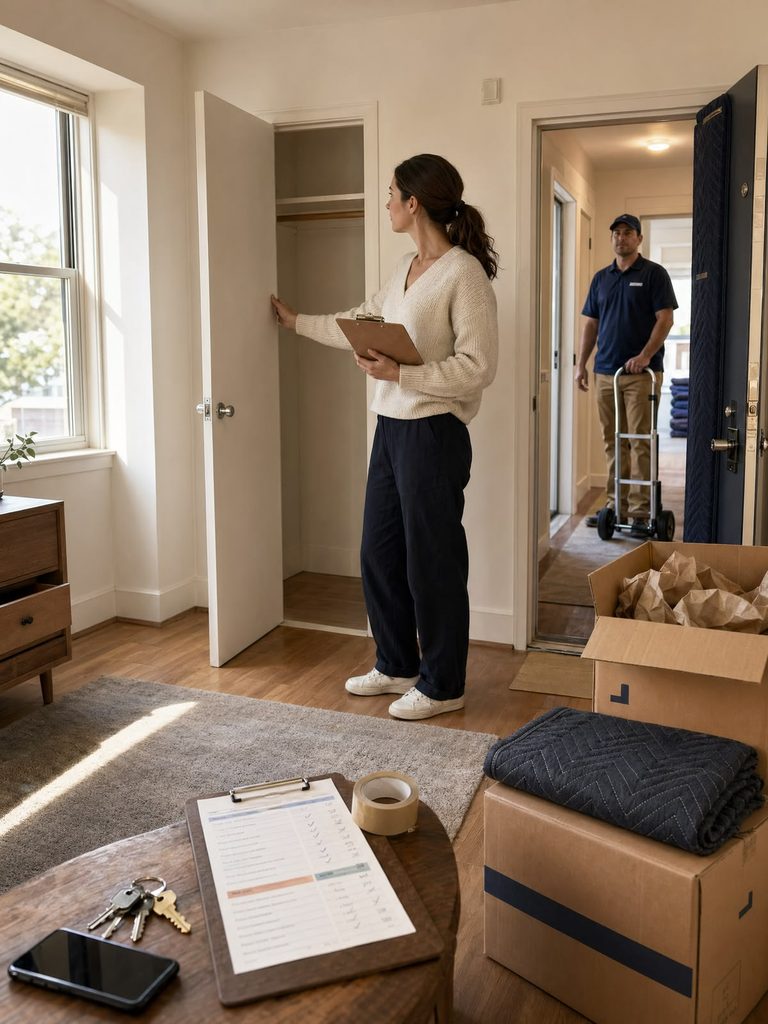
Take pictures before moving your belongings inside the apartment. Photograph walls, floors, appliances, and anything already damaged beforehand.
Keep those pictures somewhere safe after moving into your apartment. They can help you remember the property’s original condition later.
Also, ask about cleaning expectations when you eventually move out. Some landlords have specific requirements before returning the apartment.
Your deposit is still your money, so treat it seriously. Keep payment records and important communication about your deposit safely.
Find Out Exactly What Utilities You Need to Pay
Utilities can easily be forgotten during apartment excitement and planning. You may focus on rent while overlooking regular household bills.
Ask which utilities are included with your monthly rent. Then find out which ones you must arrange independently.
Your apartment may require separate payments for electricity or water. Internet, gas, and other services may also cost extra.
The exact arrangement depends on the property and location. Ask who is responsible for opening utility accounts.
You should also ask when those bills normally become due. This information helps you avoid arriving unprepared financially.
Your first few months can feel stressful when several bills appear. But knowing what to expect makes planning much easier.
You can also estimate your regular household expenses more accurately.
How to Prepare for Your First Utility Bills can help you understand these costs before they arrive unexpectedly.
Do not wait until after signing to ask these questions. Utility responsibilities should be clear before you commit financially. They are part of the real cost of living independently.
Look Carefully at Rules About Repairs and Maintenance
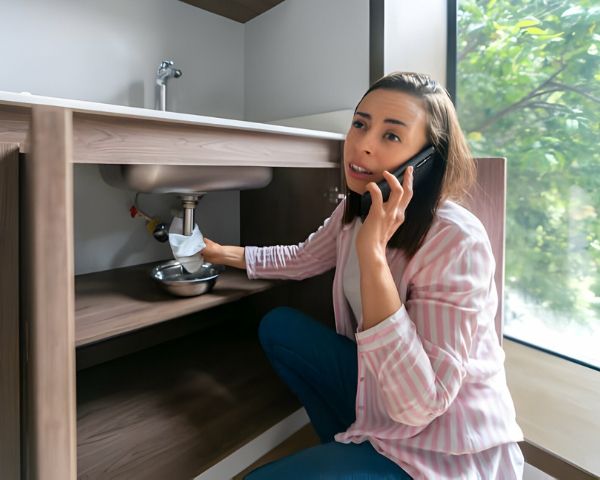
Every apartment eventually needs something repaired or replaced. A light may stop working, or an appliance may develop problems.
Sometimes, the issue may be small and easy to manage. Other times, you may need help from the landlord quickly.
Your lease should explain who handles different maintenance problems. Read that section carefully before agreeing to the rental terms.
Find out how you should report problems inside the apartment. Some properties have online systems for maintenance requests.
Others require you to contact a landlord directly. You should also understand what happens during emergencies.
For example, a serious water problem may require immediate attention. Ask if there is an emergency contact outside regular hours.
Also, look for rules about damage caused by tenants. You may be responsible for some repairs depending on the situation.
Knowing these details can prevent confusion after moving in. You do not want to discover maintenance rules during a stressful problem.
Clear expectations make it easier to know what steps to take. Living independently already comes with enough new responsibilities.
Understanding maintenance expectations helps you prepare for everyday situations.
Check the Rules About Guests and Other People
Your apartment may feel like your personal space after moving. But your lease may still include rules about visitors.
Some rental agreements have limits regarding overnight guests. Others explain when another person must be added officially.
Read these rules carefully if friends or family visit regularly. You should also understand rules about roommates and additional occupants.
Do not assume someone can move in without any changes. Your landlord may require approval before another person stays permanently.
This can affect rent, utilities, and other responsibilities too. It is better to understand these rules before a problem appears.
You may also find rules about noise and quiet hours. Apartment living often means sharing walls with other people.
Being aware of these expectations can make daily life smoother. You do not need to become afraid of inviting anyone over.
You simply need to understand the agreement you are signing. Your lease should clearly explain what is considered acceptable.
Ask questions if a rule sounds confusing or unusually strict. Knowing the boundaries can help you enjoy your apartment peacefully.
This is also part of learning How to Manage the Responsibilities of Living on Your Own while respecting your new environment.
Independent living includes freedom, but it also involves shared responsibilities.

Understand the Rules About Pets Before Bringing One Home
If you have a pet, this part needs careful attention. Even if you do not currently have one, future plans can change.
Some apartments allow pets without many additional requirements. Others have restrictions involving size, type, or breed.
Your lease may also require extra payments for keeping pets. These payments might include deposits or regular monthly fees.
Ask about every pet-related rule before signing the agreement. Do not rely only on what someone casually mentioned earlier.
Try getting important information included clearly in writing. You should also think about your personal lifestyle before committing.
A pet can bring comfort and companionship while living alone. But it also adds expenses, routines, and daily responsibilities.
Your apartment rules should support the life you plan living. It can be frustrating to discover restrictions after moving inside.
You may also need to consider nearby outdoor spaces. Think about how easily your pet can fit your routine.
Independent living already requires adjustment during those early months.Adding a pet can become another major responsibility.
Take your time and think through the decision carefully.

Ask What Happens When You Want to Renew
Your first lease may eventually come to an end. That can feel far away when you are signing today.
But knowing your options early can help future planning. Ask how lease renewals normally work at the property.
Find out when you need to give your decision. Some landlords contact tenants before the lease expiration date.
Others expect tenants to ask about renewal themselves. You should also ask if rent can change during renewal.
A comfortable rent today may not remain the same later. Understanding this possibility can help your financial planning.
You may decide you love the apartment after one year. Then knowing the renewal process can make things easier.
On the other hand, you may decide another apartment suits you better. Your lease should explain how much notice you must provide.
Missing a notice deadline can sometimes create unnecessary problems. Keep important dates somewhere you can find them easily.
Your phone calendar can be helpful for lease reminders. Future planning may seem unnecessary during your first apartment search. But adulthood often becomes easier when you remember important dates.
How to Build Confidence During Your First Year of Adult Life can also help you trust yourself while learning these responsibilities.
Confidence often grows when you understand what requires your attention.

Visit the Apartment Again If Something Feels Unclear
You may have loved the apartment during your first viewing. Still, one visit may not answer every important question.
If possible, consider visiting again before signing your lease. A second visit can help you notice different details.
You may pay more attention to storage during another visit. Perhaps you will notice noise you missed previously.
You might also look more carefully at appliances and fixtures. This time, try imagining your normal daily routine inside.
Where will you keep groceries and household supplies? Is there enough space for your clothes and belongings?
Does the kitchen feel practical for your cooking habits? You can also think about your commute and nearby services.
These details matter after the excitement of apartment hunting fades. A second visit can also help you ask forgotten questions.
You may want to bring a trusted person with you. Another person may notice something you overlooked initially.
This does not mean you need everyone’s approval before choosing. But a second perspective can sometimes be useful.
How to Prepare for Your First Apartment Viewing can help you remember important things worth checking before deciding.
Your apartment should work for everyday life, not just photographs.
Check the Apartment Condition Before You Agree
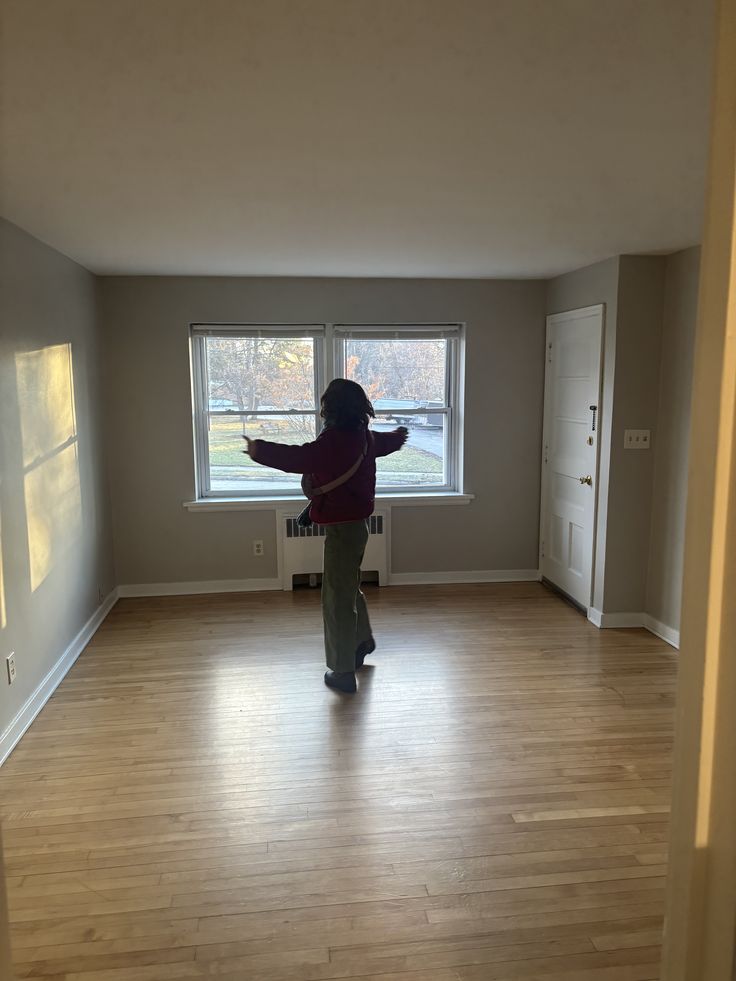
Take time to look carefully at the apartment itself. Do not assume everything works because the space looks attractive.
Turn on lights and check visible switches where possible. Look at faucets and notice any signs of leaking.
Open cabinets and doors to see how they function. Check appliances that come with the apartment if possible.
Pay attention to walls, floors, windows, and visible damage. You do not need to search obsessively for tiny imperfections.
But obvious problems should be discussed before signing anything. Ask if repairs will happen before your move-in date.
If someone promises to fix something, request confirmation in writing. That can prevent confusion about what was originally discussed.
You should also ask about the apartment’s cleanliness expectations. Find out how the space will be prepared before moving.
The condition of your apartment affects your first days there. You want to begin your new chapter comfortably.
What to Expect During Your First Week Living Alone can help you prepare for those first days after receiving your keys.
Checking the apartment now can make that adjustment smoother later.
Know the Rules About Changing or Decorating Your Space
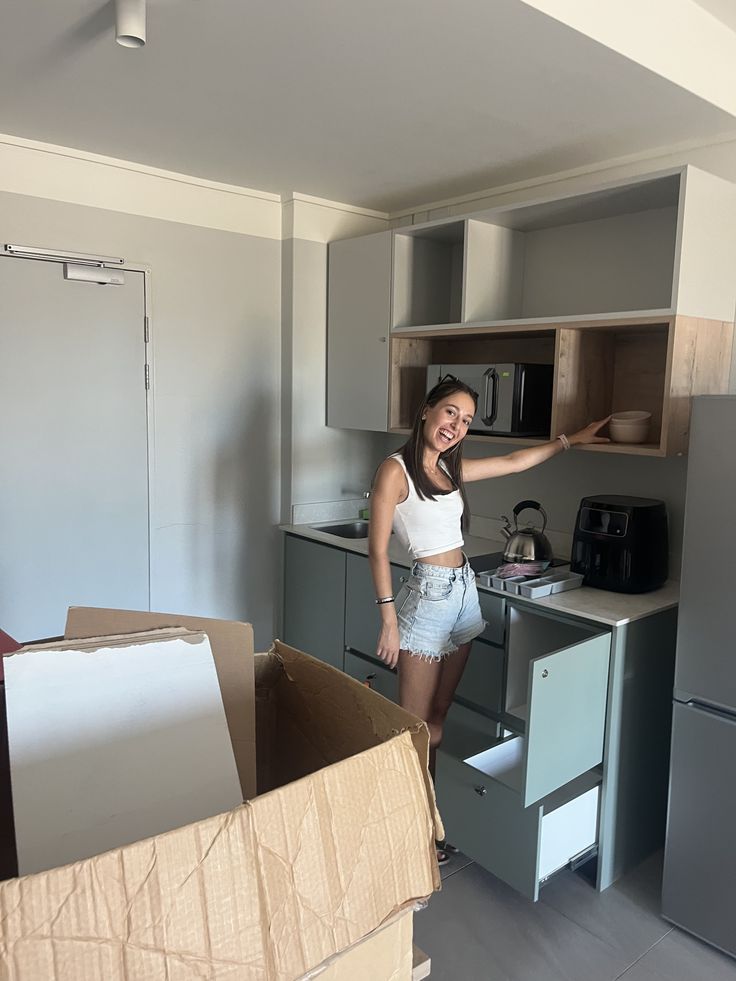
Moving into your own apartment can make you excited decorating. You may already have ideas for paint, shelves, and pictures.
But your lease may include rules about making changes. Some landlords allow small changes with certain conditions.
Others require permission before changing anything permanently. Check the rules before painting walls or installing fixtures.
You may also need approval for hanging heavier items. Ask about nails, wall hooks, and other decorating methods.
Some apartments require you to restore changes before moving out. That can involve extra work and additional expenses later.
You do not need to avoid making your apartment feel personal. Instead, understand what changes are allowed before starting.
Simple decorations can make a new space feel comfortable quickly. Think about removable options when permanent changes are restricted.
Your home can still reflect your personality without causing problems. This is especially helpful during your first independent living experience.
You are learning how to balance personal freedom with agreements. That balance becomes part of becoming comfortable with adulthood.
Take your time before making expensive decorating decisions. Living inside the space first can reveal what you actually need.
Ask About Parking, Security, and Building Access
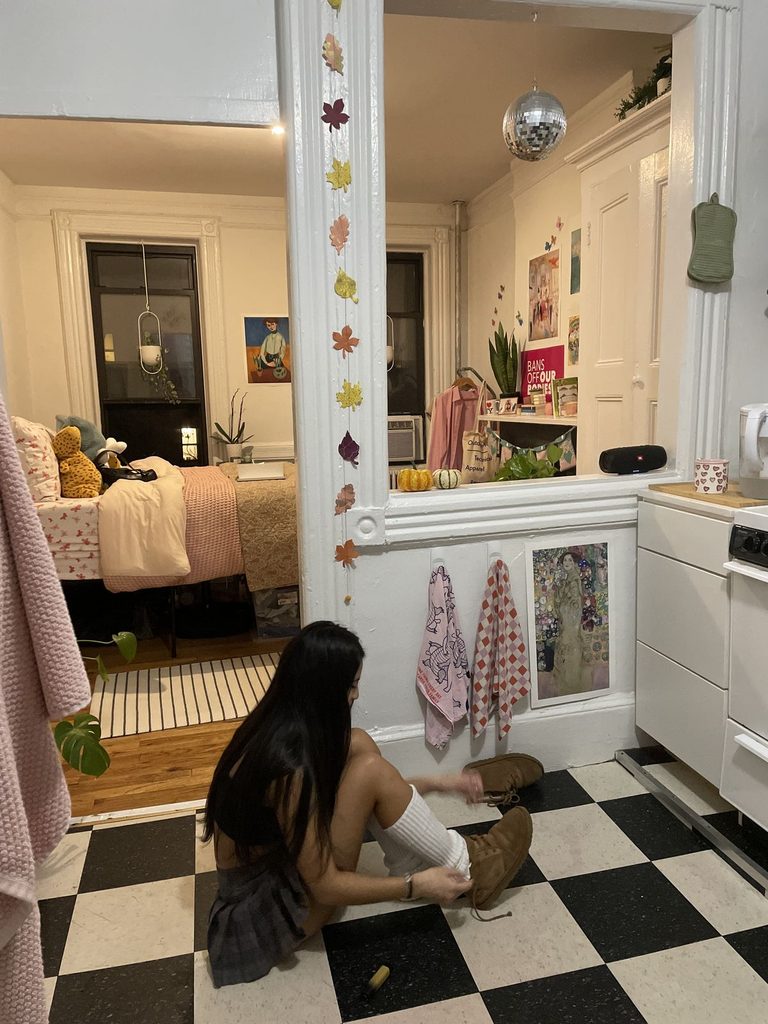
Some apartment details may seem small before moving in. But they can affect your comfort every single day.
Ask about parking if you own or regularly use a vehicle. Find out where guests can park when they visit.
You should also understand any parking fees or restrictions. Building access is another detail worth discussing before signing.
Ask how residents enter the property and common areas. Some places use keys, cards, codes, or other systems.
Find out what happens if you lose your access item. You may also want to ask about general building security.
Look at outdoor lighting and shared entrance areas during visits. Think about how comfortable you feel entering at different times.
You should also ask about package deliveries and mail. These everyday details can become important after moving inside.
Your apartment is not just the room you rent. The surrounding environment affects your daily experience too.
Take time to understand how the entire property works. Small questions now can save you frustration later.
Do Not Sign Because You Feel Pressured
Apartment hunting can sometimes make you feel rushed. You may worry that someone else will take the apartment.
A landlord may also expect an answer quickly. But feeling pressure does not mean you should ignore concerns.
Take a moment if something inside the lease feels unclear. Ask questions before signing instead of hoping things work out.
A good decision should still make sense after the excitement fades. You may lose an apartment that you really liked.
But signing a confusing agreement can create longer problems. Try separating urgency from actual necessity whenever possible.
Sometimes, you simply need more information before deciding. That is a reasonable request when making a major commitment.
You are agreeing to pay money and follow specific rules. You deserve enough time to understand those responsibilities.
During my first major independent decision, I thought quick decisions looked more mature. Later, I learned that asking questions can actually show greater responsibility.
You do not become an adult by pretending to know everything. You grow by recognizing when you need more information. Take your time, read carefully, and trust your preparation.

Make Sure You Can Actually Afford the Full Move
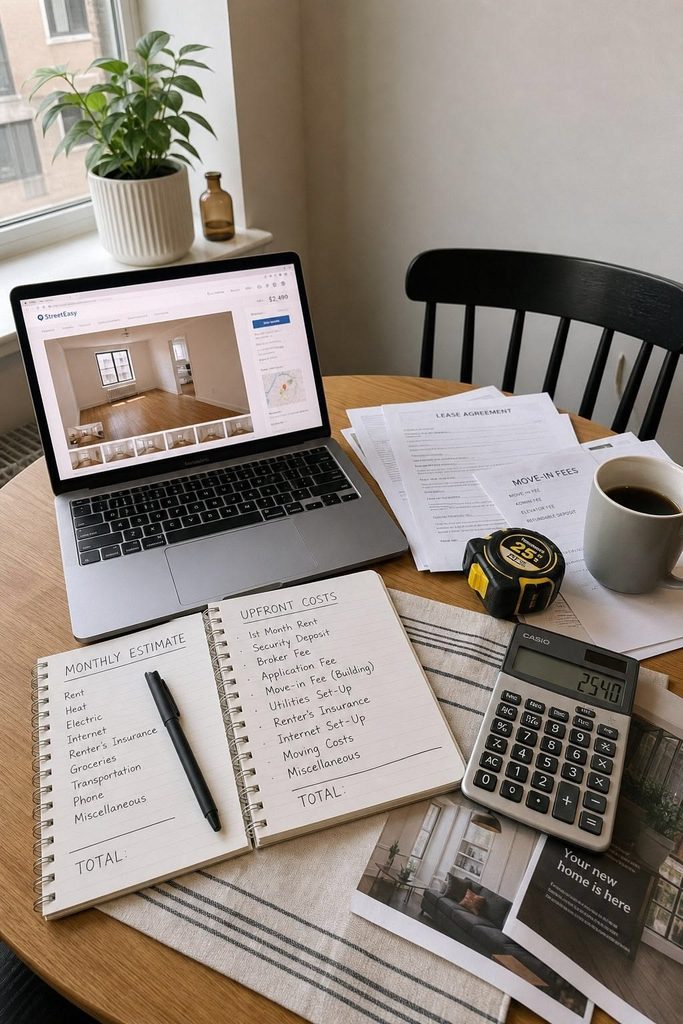
Before signing your lease, look beyond the first rent payment. Moving into an apartment usually involves several costs together.
You may need a security deposit and other upfront fees. Then you might need groceries, household supplies, and transportation money.
You may also need furniture or basic items for your space. These expenses can arrive within a short period.
That is why preparing your finances before signing is important. Try calculating what you need before and after moving day.
Do not leave yourself with almost nothing after receiving the keys. Having some financial breathing room can reduce early stress.
You do not need to buy everything for your apartment immediately. Start with basic needs and add things gradually.
Your first grocery trip is another cost worth planning.
How to Prepare for Your First Grocery Shopping Trip can help you avoid overspending while stocking your new kitchen.
Think about the first month as a whole. Rent is important, but everyday expenses continue after moving. Food, transportation, utilities, and household supplies still need attention.
A realistic financial plan can make your transition feel smoother.
Keep Copies of Everything You Sign and Pay
Once you sign your lease, keep a copy somewhere safe. You may need to check the agreement again later.
Do not depend completely on memory for important rental details. Save a digital copy and keep another accessible version.
You should also keep receipts for important apartment-related payments. This includes deposits, rent, and other fees you pay.
Try organizing important documents in one simple location. You can use a folder, file, or secure digital system.
Also, keep records of important conversations whenever possible. For example, save messages about promised repairs or changes.
Focus on information connected to money and responsibilities. Good organization can make stressful situations easier to handle.Simple records can protect both your time and money later.
The planner also has a page for your lease dates, payment details, and where you saved your documents, so everything stays in one place.

Think About Your Daily Life Before Making the Final Decision
A beautiful apartment is not always a practical apartment. Before signing, imagine yourself living there every day.
Think about your morning routine and normal daily commute. Imagine carrying groceries from the store to your apartment.
Consider cooking, cleaning, laundry, and relaxing after busy days. These ordinary moments reveal things photographs cannot always show.
Your apartment should support your actual lifestyle comfortably. A trendy location may feel different after several months.
Try thinking about convenience alongside appearance and excitement. You also want enough comfort to build a stable routine.
How to Manage the Responsibilities of Living on Your Own can help you understand how daily routines work together.
Your apartment becomes part of how you manage everyday responsibilities.
Choose a space that realistically works for your current life.
Trust Yourself, But Ask for Help When Needed
Signing your first lease can feel like a huge adult moment. You may believe you should understand everything completely by yourself.
But asking for help does not make you less independent. A trusted family member or experienced friend can offer helpful perspective.
You can ask them to review confusing parts with you. You may also need professional advice for more serious concerns.
The important thing is understanding before making important commitments. Do not sign something simply because another person approves it.
The lease affects your money and your daily life. Independent living does not mean doing everything completely alone.
It means learning how to handle your responsibilities wisely. Sometimes, handling something wisely includes asking for support. Preparation and good questions can help you make better decisions.

Final Thoughts
Signing your first lease can feel like opening the door to adulthood. You may feel excited about having your own apartment and space.
But excitement should never replace careful preparation and understanding. Read every part of the lease before writing your name.
Check your rent, deposits, fees, and utility responsibilities carefully. Understand exactly how long you are committing to the apartment.
Take pictures and keep records of important conversations. Think about your full budget, not only monthly rent.
You still need money for food and other essentials. Give yourself time when something feels confusing or rushed.
Your first apartment does not require you to know everything. You are learning through preparation, questions, and everyday experience.
Take each step carefully, because preparation builds confidence for what comes next.
Take the checklist with you.
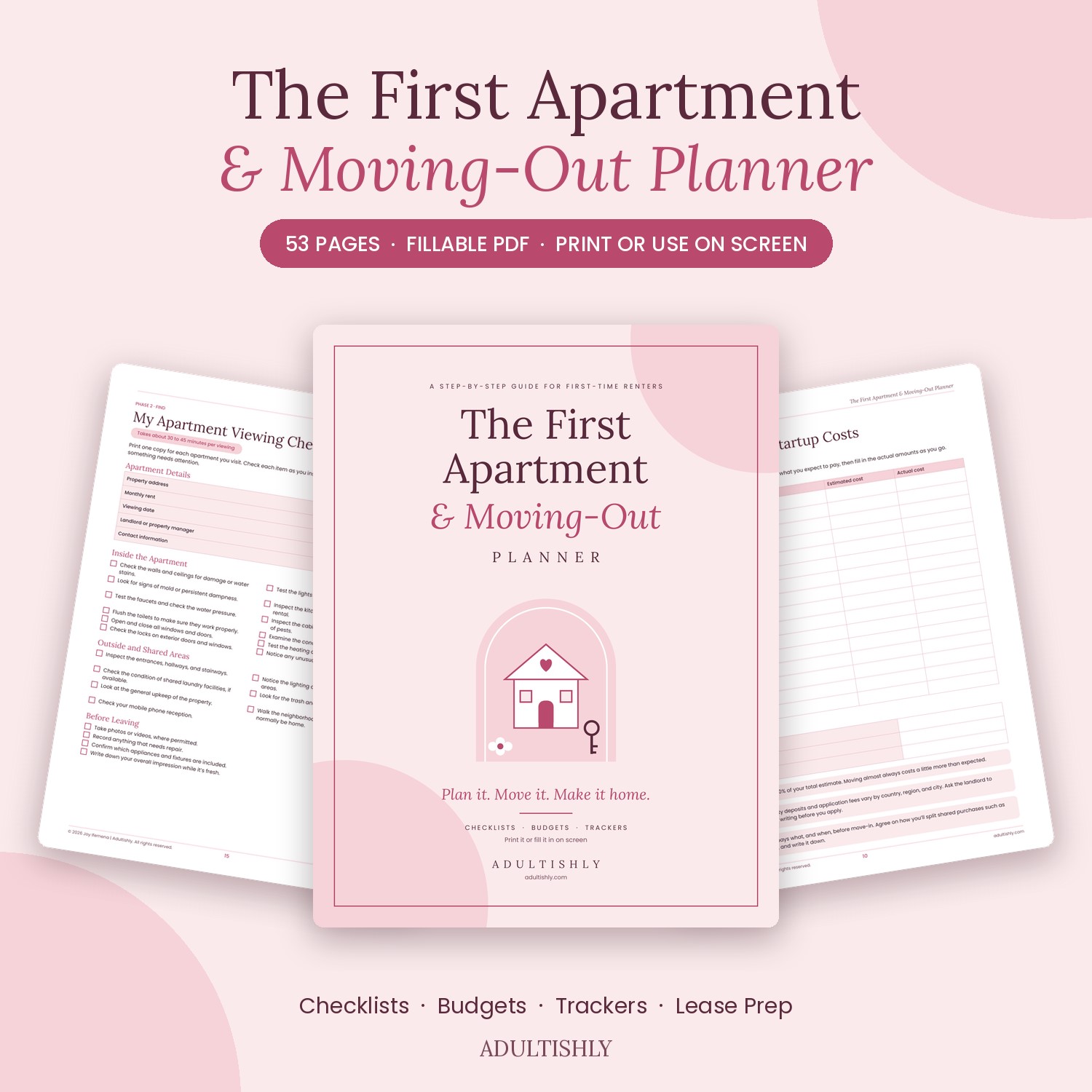
The First Apartment & Moving-Out Planner is a 53-page fillable PDF for your whole move. It has budget worksheets, a lease review checklist, apartment viewing pages, moving-day checklists, and a first-month plan. Print it or fill it in on your phone or computer.
[Get the Planner]
Leave a Reply