Your first grocery shopping trip can feel surprisingly serious when you live alone. You may enter the store feeling confident, excited, and completely prepared.
Then suddenly, every shelf seems filled with things you might need. You start placing items inside your cart because they look useful.
A few minutes later, your cart is full, but dinner remains unclear. You may have snacks, drinks, and several things you never planned buying.
Meanwhile, you completely forgot cooking oil, rice, or other basic essentials. That is when grocery shopping starts feeling like a real adult responsibility.
Shopping for yourself is different from casually buying something you want. You are now thinking about meals, money, storage, and food lasting longer.
Your choices can affect how comfortably you eat throughout the week. But you do not need to become an expert shopper immediately. You simply need a little preparation before walking through those aisles.
If you are still adjusting to independent life, What to Expect When You Move Out for the First Time can help you understand the bigger changes ahead.
Your first shopping trip will probably teach you several useful lessons. You may buy too much, forget something important, or spend unexpectedly.
Still, every shopping trip can help you understand your needs better. With time, grocery shopping becomes easier, faster, and much less stressful.
Here is how to prepare for your first grocery shopping trip confidently.
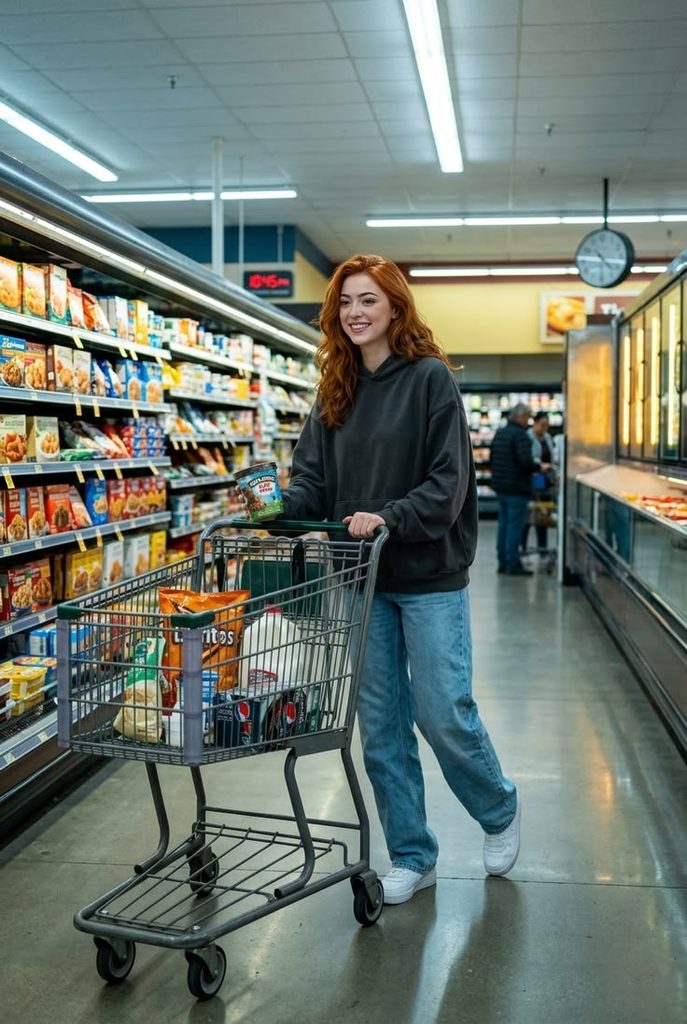
How to Prepare for Your First Grocery Shopping Trip
Start by Looking at What You Already Have
Before writing a grocery list, take a look around your kitchen. You may already have items that can be used for meals.
Check cupboards, drawers, your refrigerator, and other storage spaces. Look for rice, pasta, spices, canned foods, and other basic ingredients.
You might also have food that needs using before buying more. This simple step can prevent you from spending unnecessarily at stores.
It can also help you avoid buying duplicate items accidentally. During my first independent grocery shopping experience, I skipped this step.
I bought several things that were already sitting inside my kitchen. When I returned home, I realized some items would remain unused.
That mistake showed me why checking first can save money. You do not need to memorize everything inside your kitchen.
Simply take a few minutes before creating your shopping list. Write down what you have and what you genuinely need.
You can also check items that are almost finished. Maybe your cooking oil will not last through another week.
Perhaps you have enough food but need more fresh ingredients. This gives you a clearer idea of what belongs on your list.
It also helps you shop with a purpose instead of guessing. As you begin building your own household routines, organization becomes important. Small habits like checking your kitchen can make daily life easier.
This is also part of learning How to Manage the Responsibilities of Living on Your Own without feeling overwhelmed.
You are not trying to become perfect with groceries immediately. You are simply learning how to stay aware of your needs.

Make a Simple Grocery List Before Going Anywhere
A grocery list can save you more stress than you might expect. Without one, it becomes easy to buy whatever catches your attention.
Important items can also disappear from your memory after visiting several aisles. That is why writing things down before leaving home can help.
Your list does not need to look detailed or perfectly organized. Simply write the foods and household supplies you actually need.
Start with items required for meals you plan preparing during the week. Then add breakfast foods, snacks, and other regular essentials you enjoy.
You can also include tissue, detergent, or other supplies needing replacement. Your list should reflect your actual lifestyle, schedule, and eating habits.
Choose things you know you will realistically use and enjoy regularly. A simple list can also help you avoid unnecessary spending.
This is one reason How to Navigate Your First Month of Independent Living can help you build useful habits gradually.
Your grocery list simply helps you remember what your home actually needs.
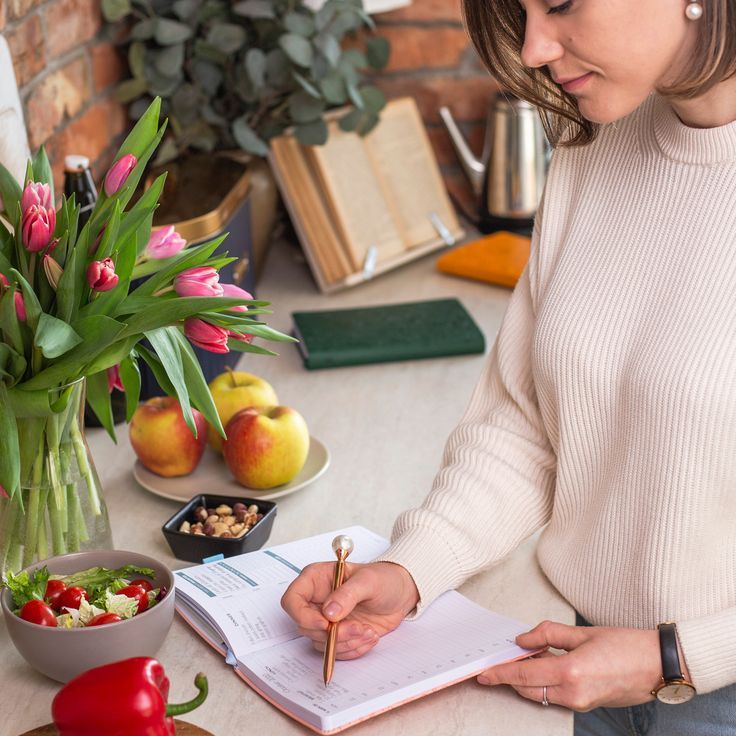
Plan Simple Meals Instead of Buying Random Ingredients
Shopping without meal ideas can easily lead to wasted groceries and unnecessary spending. You may buy ingredients that sound useful but never create actual meals.
Planning a few simple meals can prevent that frustrating situation. Think about meals you genuinely enjoy eating during busy everyday schedules.
You do not need complicated recipes for your first grocery shopping trip. Choose meals with ingredients you already know how to prepare comfortably.
Try choosing ingredients that can be used repeatedly in different meals. This can reduce waste and help you save money over time.
Planning meals also helps you understand how much food you actually need. You only need enough groceries for your own realistic routine.
Consider your work, school, and social schedule before buying everything. Avoid creating an ambitious cooking plan that you cannot realistically maintain.
As you prepare for your new lifestyle, What to Expect During Your First Week Living Alone can also help you understand those early adjustments.
Your food routine will probably change as you become comfortable living alone.
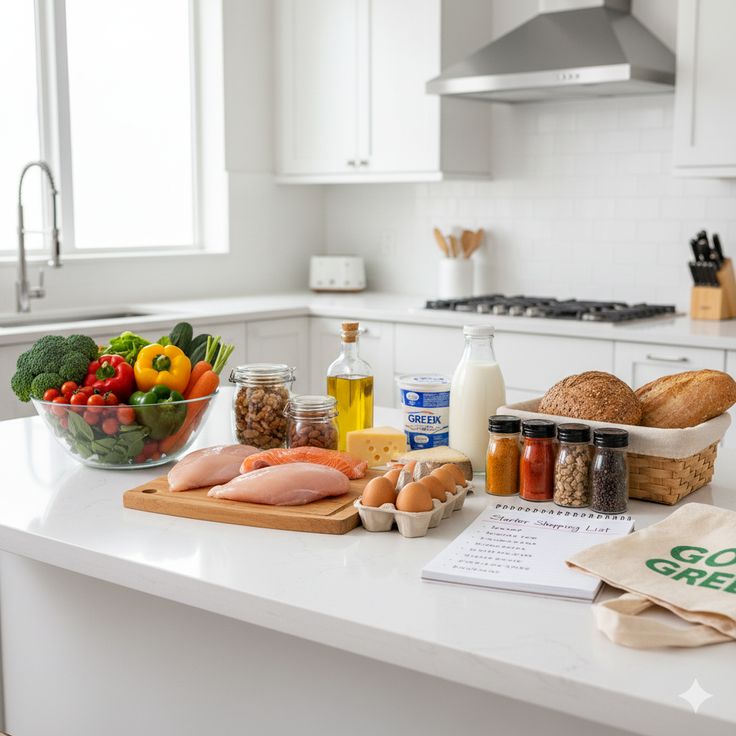
Set a Realistic Budget Before Entering the Store
Your grocery budget matters before you even pick up your shopping cart. Without a spending limit, several small purchases can quickly add up.
Before leaving home, decide how much you can comfortably spend. Consider your income and other important monthly financial responsibilities first.
Your grocery money should fit comfortably within your overall financial situation. You may still need money for transportation, bills, and household supplies.
This does not mean you should always buy the cheapest food available. Instead, make choices that genuinely work with your personal budget.
Compare prices when similar products are available inside the store. Avoid buying large quantities unless you know you will use them.
Setting simple limits can help you become more intentional with purchases.
Learning how to budget for groceries also supports How to Prepare Financially Before Living on Your Own.
Your food spending is only one part of your independent financial life.
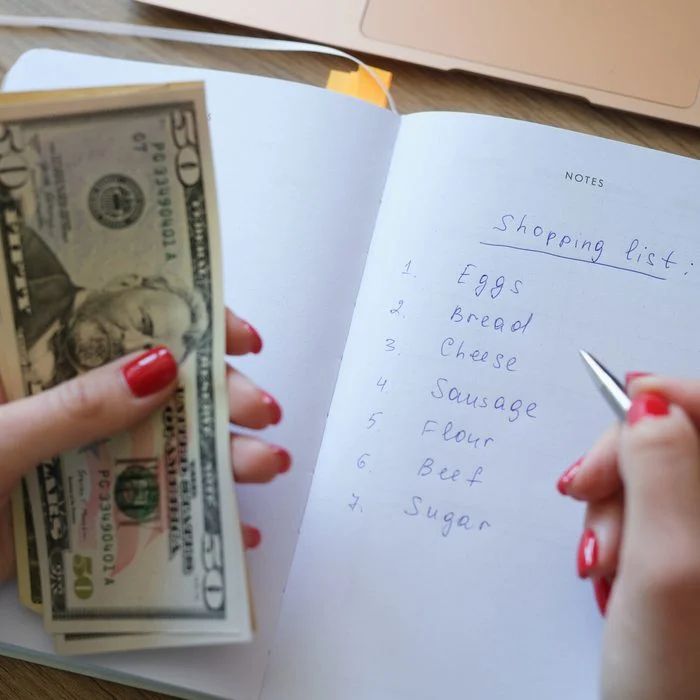
Do Not Shop When You Are Extremely Hungry
Shopping while extremely hungry can affect the decisions you make inside stores. Suddenly, every snack and ready-made meal may look incredibly necessary.
You may place more food inside your cart than originally planned. Later, those purchases may seem unnecessary after your hunger disappears.
Try eating a small meal or snack before grocery shopping. You do not need to arrive completely full or uncomfortable beforehand.
However, avoiding extreme hunger can help you think more clearly.
You may find it easier to follow your original grocery list. This can help you make better decisions about quantities and extras.
You may also want to avoid shopping when feeling extremely tired. Fatigue can make planning and comparing products feel unnecessarily frustrating.
Your ideal shopping routine may take time to discover naturally. That is completely normal during your first months of independence.

Learn the Difference Between Needs and Extras
Grocery stores can make many things look more necessary than they actually are. You may enter for bread and leave wanting several expensive snacks.
Learning to separate needs from extras can protect your grocery budget. Start with ingredients required for your planned meals and regular staples. Then consider household supplies that genuinely need replacing at home.
After covering those basics, look at your remaining available budget. You may still have room for snacks or something enjoyable.
Extras should not regularly replace important food or household needs. Ask yourself whether you will realistically use something before it becomes wasted.
That simple question can help you make better shopping decisions quickly. The goal is understanding where your money goes, not becoming overly strict.
As your expenses grow, How to Prepare for Your First Utility Bills can help you understand another important part of independent living.
Your grocery habits and bill payments both require simple financial awareness.

Think About How Long Your Food Will Last
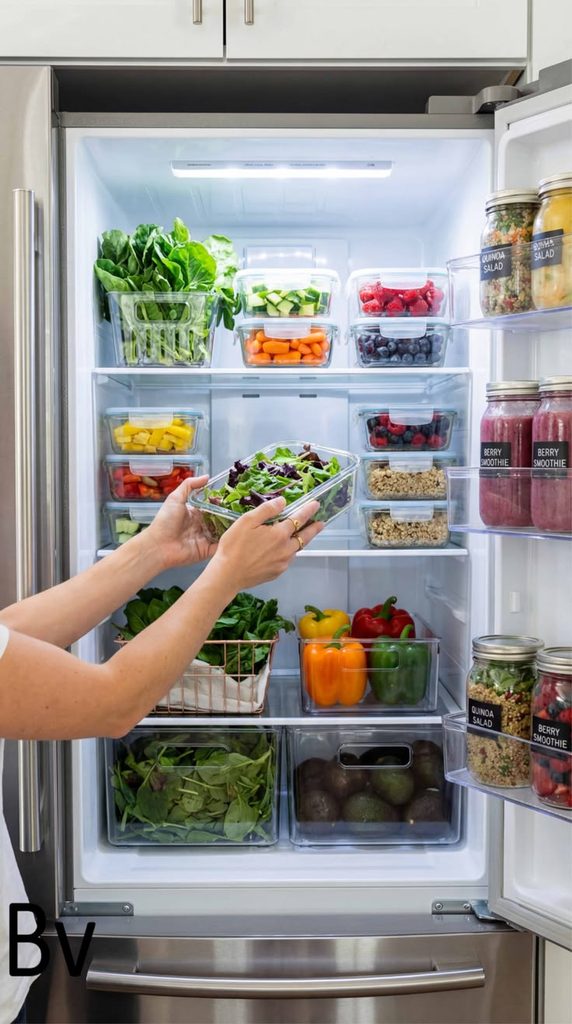
Buying groceries is not only about choosing foods you enjoy eating. You also need to consider how long different items remain fresh.
Some foods last for weeks, while others spoil within several days. Buying too much at once can create unnecessary food waste.
This is especially common when living alone for the first time. One person may need much smaller quantities than an entire household.
Try starting with realistic amounts during your first shopping trips. You can always return for more food when necessary.
Consider your schedule before buying highly perishable foods and ingredients. Will you actually have enough time to prepare them?
Pay attention to expiration dates and storage instructions before purchasing groceries. Over time, you will learn which foods last longest inside your home. You will also discover which groceries you usually finish quickly.
Check Prices Instead of Automatically Choosing Familiar Brands
Many people automatically choose brands they already recognize from previous shopping trips. Familiar packaging can feel easier, but it may not always fit your budget.
Try taking a few seconds to compare similar products before deciding. Look at prices, package sizes, and the amount you actually receive.
Sometimes, another option provides similar quality for less money. This does not mean you must always choose the cheapest product available.
Instead, try finding a balance between price, quality, and usefulness. You can experiment with different brands gradually during future shopping trips.
Your groceries should work for your meals, lifestyle, and personal budget. Price comparisons can also help when buying household supplies regularly.
Focus on items you purchase often or spend more money buying. Small savings can gradually support your bigger financial goals.

Remember Household Supplies During Your Shopping Trip
Your first grocery shopping trip may involve much more than food. You may also need supplies for keeping your new home clean.
Living independently means noticing household items before they completely run out. You might need detergent, dishwashing liquid, tissue, or cleaning products.
Trash bags and basic toiletries can also become necessary unexpectedly. These things are easy to forget when focusing only on meals.
Keeping one simple list for household supplies can make shopping easier. Check your current supplies before leaving home whenever possible.
Over time, you will learn which items need replacing regularly. You may even create a regular list for monthly household supplies.
That can make future shopping trips feel easier and less stressful.
If you are still preparing for your first home, How to Prepare for Your First Apartment Viewing can help before these routines begin.
Finding the right apartment comes before learning how to maintain it.
Avoid Buying Too Much Food During Your First Trip
Your first independent grocery trip can create both excitement and uncertainty. You may worry about unexpectedly running out of food at home.
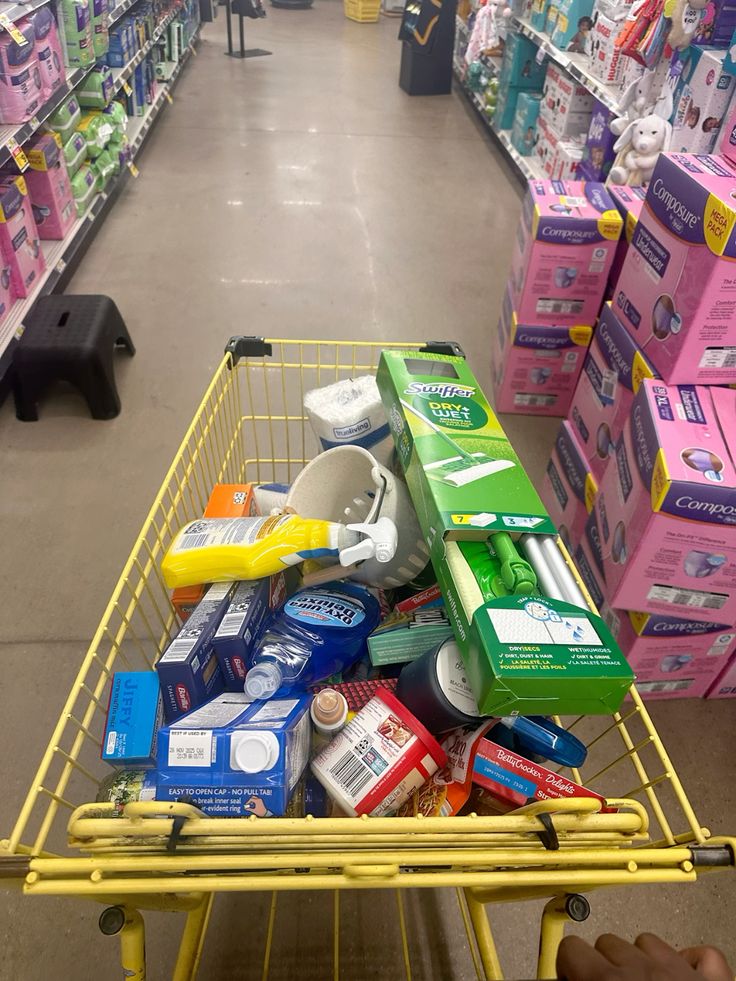
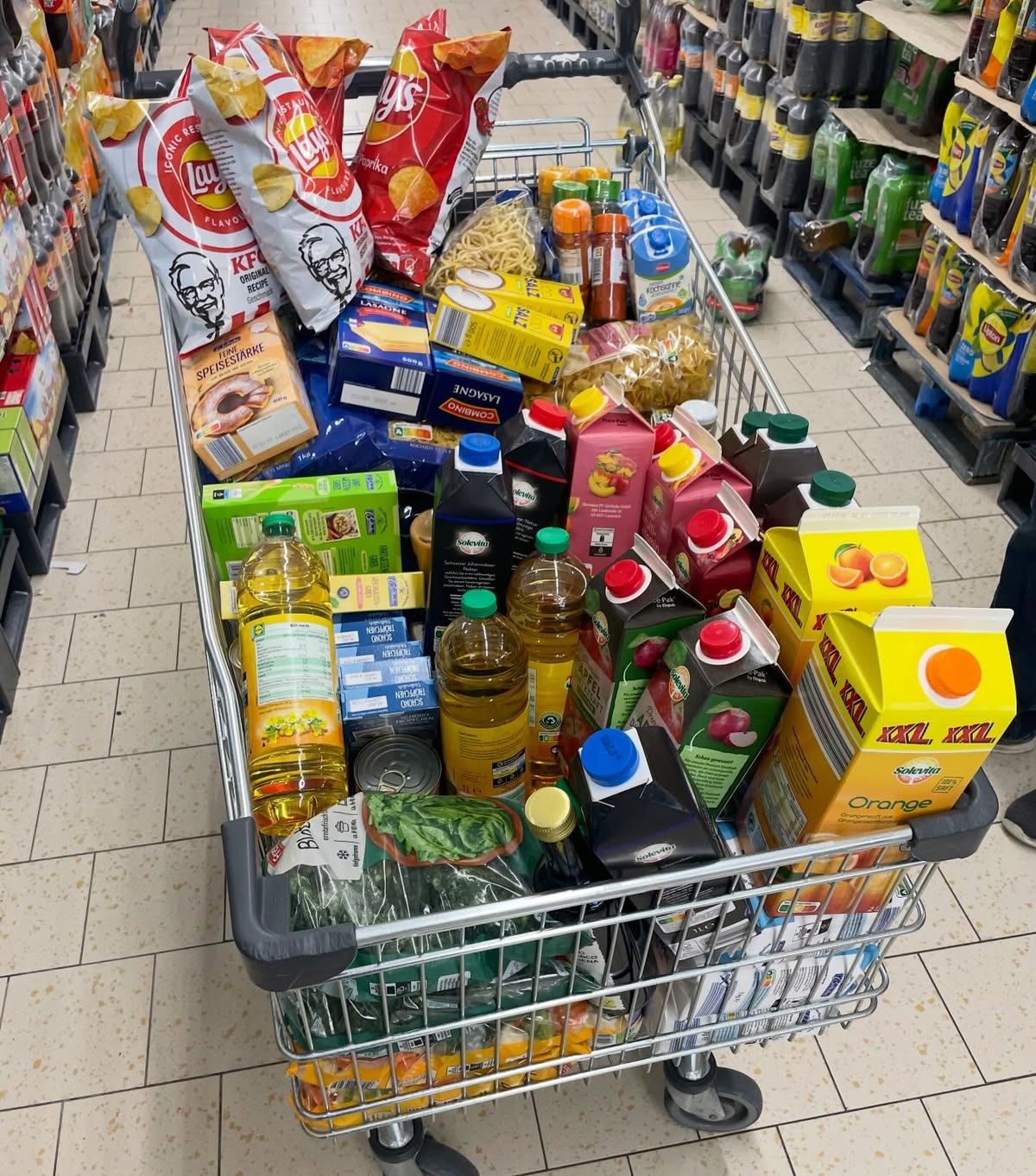
That fear can lead to buying far more than necessary. Buying too much can create unnecessary spending and food waste.
Start with enough food for several realistic meals during the week. You can return later after understanding your eating habits better.
Your first few weeks will provide useful information about quantities. Maybe you eat breakfast at home but buy lunch elsewhere regularly.
These patterns can affect how much food you actually need. It is normal to make small adjustments after every shopping trip.
Eventually, you will find a balance that feels comfortable. Consider your storage space before buying too many products.
Smaller quantities may sometimes make more sense when living alone. You can always increase quantities when your routine becomes clearer.
Choose Foods You Can Actually Prepare
Your grocery cart should match your current cooking skills and lifestyle. It is easy to buy ingredients for meals that seem exciting.
But complicated recipes can feel unrealistic after a long working day. Try buying foods you already know how to prepare comfortably.
Start with familiar meals that make your daily routine easier. You can gradually learn new recipes when you have enough time.
Keep simple ingredients available for busy or exhausting days. Eggs, rice, pasta, and other basics can provide useful flexibility.
You do not need to cook something complicated every evening. Your meals should make independent living easier instead of adding pressure.
You can also prepare extra portions for another busy day. Do not compare your cooking habits with people you see online.
Start where you are and improve through everyday cooking experience. There is no deadline for becoming an excellent home cook.

Consider Transportation Before Buying Heavy Items
Transportation can affect what you should buy during each grocery shopping trip. Think about how you will get your groceries home afterward.
Will you walk, drive, use public transportation, or receive help? Heavy bags can become difficult when you buy too much.
Large bottles and household supplies can add weight surprisingly quickly. Think about stairs and walking distances before filling your cart completely.
It can be helpful to buy heavy items gradually. A nearby store may allow smaller and more frequent shopping trips.
A distant store may require more careful planning beforehand. Think about storage space before purchasing large quantities of products.
How to Prepare for Your First Apartment Viewing can help you consider nearby stores before choosing your home.
A convenient location can make many independent responsibilities easier later.
Create a Routine Instead of Starting From Scratch Every Time
Grocery shopping becomes easier when you develop a regular routine. After several trips, useful patterns will begin appearing naturally.
You will notice foods and supplies that always need replacing. Try keeping a running grocery list inside your phone.
Add items whenever you notice something beginning to run low. That way, you will not need to depend on memory later.
You can also choose a regular shopping day each week. The exact day matters less than finding consistency that works.
A routine can reduce the mental effort of planning groceries. You can also prepare your budget before shopping day arrives.
Your routine may change as your lifestyle and responsibilities change. Do not become attached to routines that stop working properly.
Instead, adjust them whenever your life requires something different. Your grocery routine should support your life, not control it.

Give Yourself a Little Room for Enjoyment
Responsible grocery shopping does not mean buying only basic necessities every time. Your grocery trip can still include small things you genuinely enjoy.
Maybe you love a particular snack after a long working day. Perhaps your favorite drink makes weekends feel more relaxing and enjoyable.
These purchases can become part of a balanced grocery plan. The key is making room for enjoyable items intentionally.
Try including small treats within your planned grocery budget. That way, you can enjoy them without unexpected financial surprises.
Living independently should not feel like constant restriction or deprivation. Small routines can also make your apartment feel more like home.
Your home should support both your responsibilities and personal enjoyment.
As you settle into your space, What to Expect During Your First Week Living Alone can help you prepare for those emotional adjustments.
Creating enjoyable routines can make quiet moments feel more comfortable.

Learn From Every Grocery Shopping Mistake
You will probably make mistakes during your first few grocery shopping trips. You may forget something important or spend too much unexpectedly.
Sometimes, fresh food may spoil before you have time using it. These mistakes can feel frustrating, but they teach useful lessons.
Try noticing what caused each problem after your shopping trip. Perhaps you shopped without planning meals or checking your budget.
Maybe you bought quantities meant for several people instead. Understanding the reason can help you change your approach next time.
You do not need to criticize yourself over simple shopping mistakes. Everyone learns independent routines through real experiences and repeated practice.
Your next grocery trip gives you another opportunity to improve. You may create a better list or buy smaller quantities.
Over time, grocery shopping becomes much easier and less complicated. That confidence usually comes from doing the task repeatedly.

Connect Grocery Shopping With Your Bigger Financial Plans
Groceries may seem separate from your bigger financial goals at first. However, regular food spending can affect your monthly budget significantly.
Small shopping decisions can gradually add up throughout several weeks. Try reviewing your grocery spending occasionally and noticing your regular patterns.
Look at what you regularly buy and actually use completely. You may discover things you spend money on but rarely finish.
Perhaps expensive convenience foods regularly affect your budget unnecessarily. The goal is not removing everything you genuinely enjoy buying.
Instead, find a balance that supports your financial situation. You can redirect unnecessary spending toward savings or emergency funds.
Learning your food spending early can make financial planning easier.
How to Prepare Financially Before Living on Your Own can help you understand how groceries fit your bigger budget.
Understanding regular expenses can reduce stress when unexpected costs eventually appear.

Remember That Grocery Shopping Is Part of Independent Living
Your first grocery trip may seem like a small but meaningful adult milestone. It represents more than simply filling your refrigerator with food.
You are learning how to provide for your everyday needs independently. You are making choices about money, food, planning, and personal routines.
At first, this responsibility may feel unfamiliar or slightly stressful. However, repetition slowly makes these everyday tasks feel completely normal.
You will eventually know which foods work best for your schedule. You will also recognize what your home needs regularly and consistently.
These small skills can build confidence in many other areas too. One day, you may remember how confusing your first grocery trip felt.
Then, you may realize grocery shopping barely requires much thought anymore. Confidence often grows through ordinary responsibilities that become easier with practice.
How to Build Confidence During Your First Year of Adult Life explores how small experiences can shape that confidence.
Sometimes, confidence starts simply by learning how to shop for yourself.

Think About Your First Few Weeks, Not Every Month
Your first grocery trip does not need to solve every future problem. You are still learning how your new routine actually works.
Your appetite and schedule may change after moving into your home. That is why starting small can make adjustment much easier.
Try shopping for several days or one week initially. Then pay attention to what worked well inside your home.
Did you have enough food for your planned meals? Did anything spoil before you had enough time using it?
Were you missing important household supplies during the week? These questions can guide your next grocery shopping trip.
Your first weeks are for learning and adjusting gradually through experience. You may discover better habits through simple trial and error.
How to Navigate Your First Month of Independent Living can help you manage those adjustments without unnecessary pressure.
Give yourself permission to learn before expecting complete organization immediately.

Final Thoughts
Your first grocery shopping trip may feel more confusing than expected. You may suddenly realize how many choices exist inside the store.
However, grocery shopping does not need to become stressful or complicated. Start by creating a simple list based on meals you enjoy.
Set a realistic budget before entering the grocery store. Think about quantities, food storage, and your weekly schedule.
Choose foods you can actually prepare comfortably and enjoy eating. Remember household supplies alongside your regular food and groceries.
Try not to buy everything during your first shopping trip. You can always adjust after learning your personal habits better.
You may forget ingredients or occasionally buy too much food. That is simply part of learning how independent living works.
Every grocery trip can teach you something useful about yourself. You will slowly understand what your kitchen and budget need.
Your shopping routine will become easier with practice and experience. You start uncertain, keep learning, and become more confident gradually.
Leave a Reply