A small apartment does not have to feel small or crowded every single day. Sometimes, everything simply finds a random place instead of having a useful home.
That is when your clean apartment can somehow become messy again overnight. The good news is that you do not need expensive furniture or fancy storage systems.
You simply need practical ideas that make your everyday routines easier and more organized. During my first small-space setup, I kept moving things around without solving anything.
I eventually realized organization meant keeping frequently used things easy to reach.
If you are preparing your first home, 35 First Apartment Essentials You’ll Actually Use can help you choose useful basics.
The best organization ideas work quietly, making cleaning easier and your apartment feel calmer. You notice them when mornings become easier and you stop searching for things.
So, let’s look at simple ways to organize your small apartment without making life complicated.
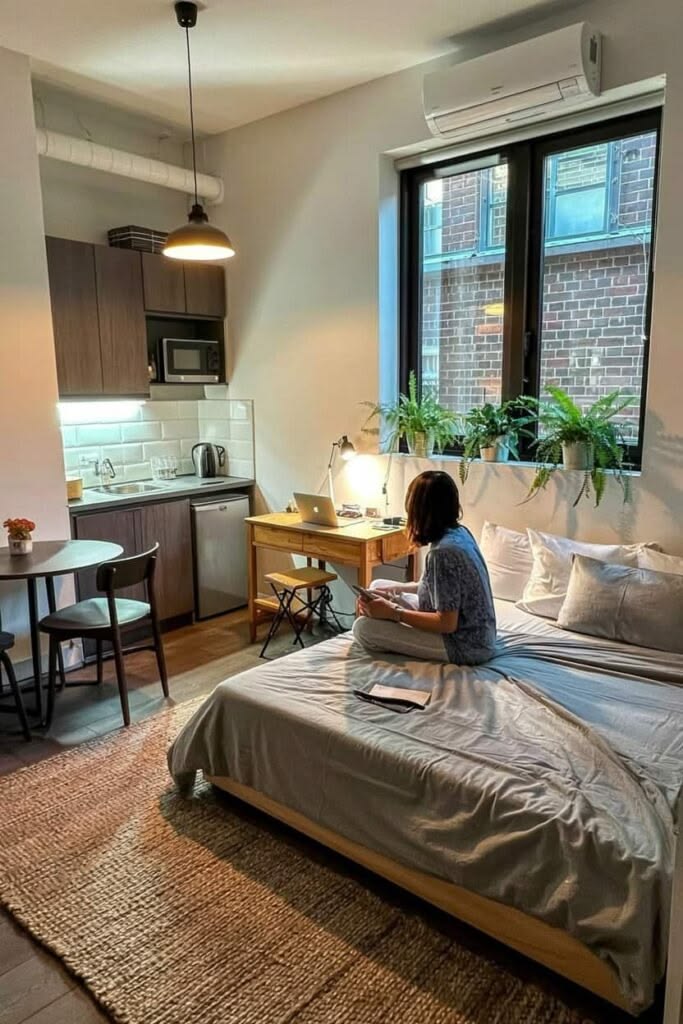
35 Small Apartment Organization Ideas That Make Everyday Life Easier
1. Give Everything a Regular Home
One of the easiest ways to organize a small apartment is giving everything a specific home. If something has no home, it will eventually end up somewhere random.
That random place is usually the dining table, sofa, kitchen counter, or bedroom floor. Choose each spot based on how often you use the item.
Things you use every day should stay somewhere easy to reach. Things you rarely use can stay higher up or farther away.
For example, keep your keys near the entrance instead of dropping them anywhere. Keep cleaning supplies together instead of scattering them around different rooms.
Even a small basket, drawer, shelf, or tray can become a useful home. The important thing is returning everything to its place consistently. When everything has a home, your apartment becomes easier to manage and maintain.
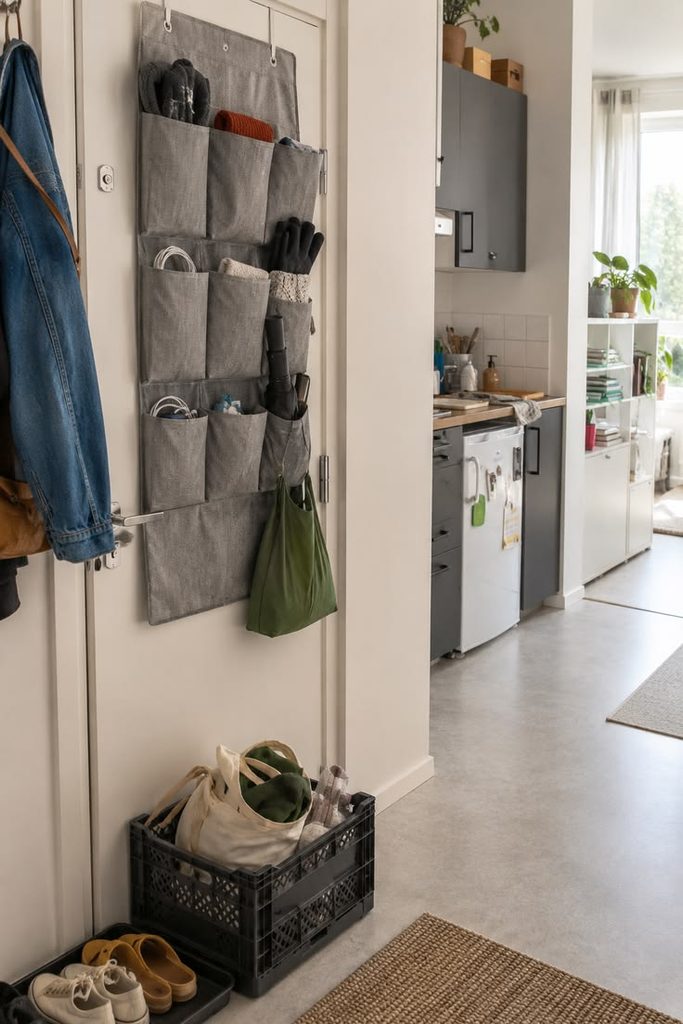
2. Use the Space Behind Your Doors
The space behind doors is often ignored when organizing a small apartment. Yet, it can provide useful storage without taking valuable floor space.
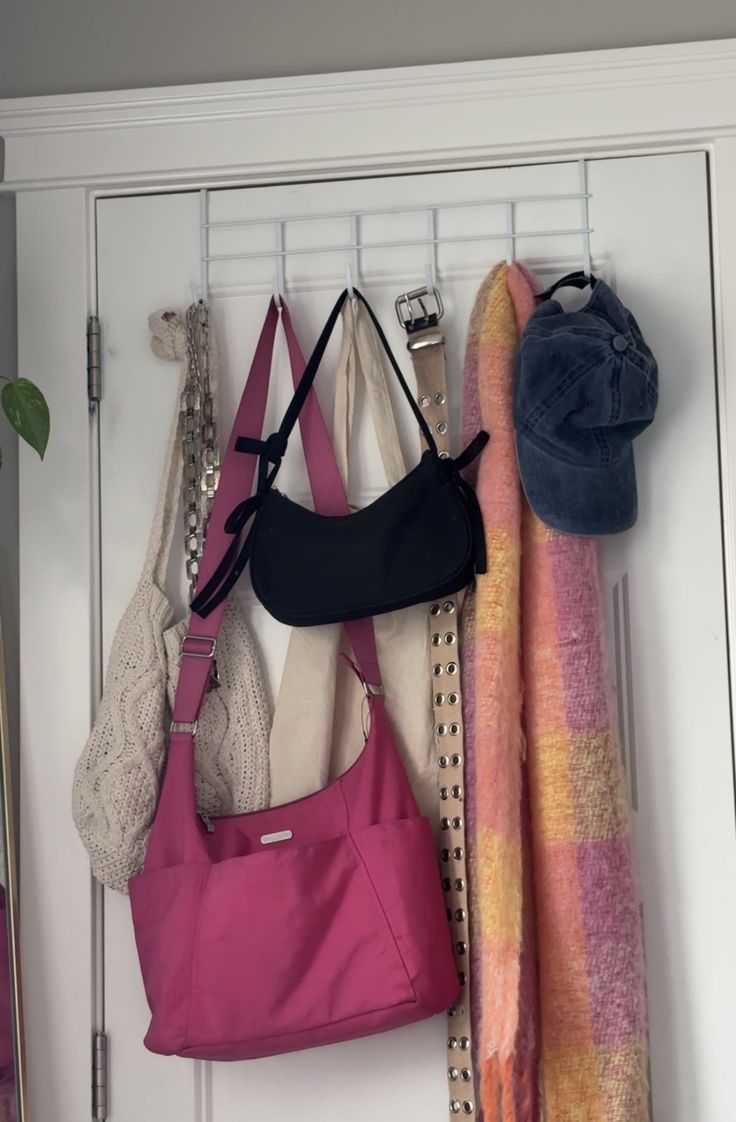
Use over-the-door organizers for shoes, cleaning supplies, accessories, or household items. Simple hooks can hold bags, scarves, robes, or frequently used clothing.
Bathroom doors can hold towels, while bedroom doors can hold bags or accessories. Make sure anything added allows the door to close properly without problems.
Check your lease before making permanent changes to doors or walls.
For useful purchases, 45 Things to Buy for Your First Apartment can help you choose wisely.
You do not need to cover every door with storage to stay organized. Instead, use this forgotten space for small things that normally create clutter.
That extra storage can make your small apartment feel noticeably more organized.
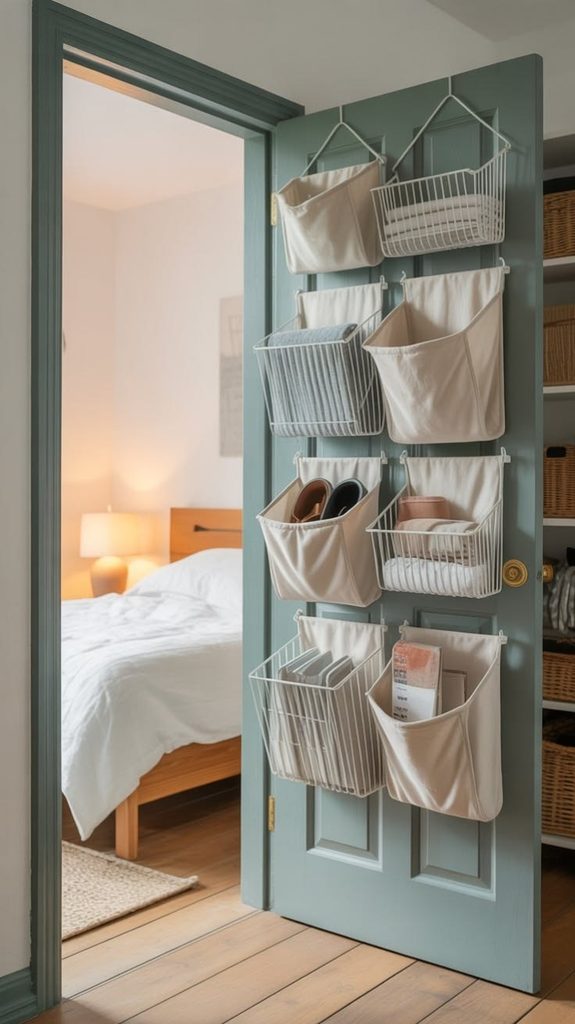
3. Keep Your Entryway Simple
Your entrance is the first place clutter tends to collect. Shoes arrive there, bags land there, keys disappear there, and random items pile up.
A small entryway needs a simple system that works every day. Start with a small basket, tray, or wall organizer for everyday items.
Give your keys one specific place. Keep frequently worn shoes together instead of spreading them across the doorway.
If you have room, add a small bench with hidden storage. A few hooks can also hold bags, jackets, hats, or umbrellas.
Avoid putting too many decorative pieces near the entrance. They can make a small area feel crowded very quickly.
Your entryway should make leaving and returning home easier. You should be able to grab your essentials without searching through several places.
Keep the system simple enough that you will actually use it.
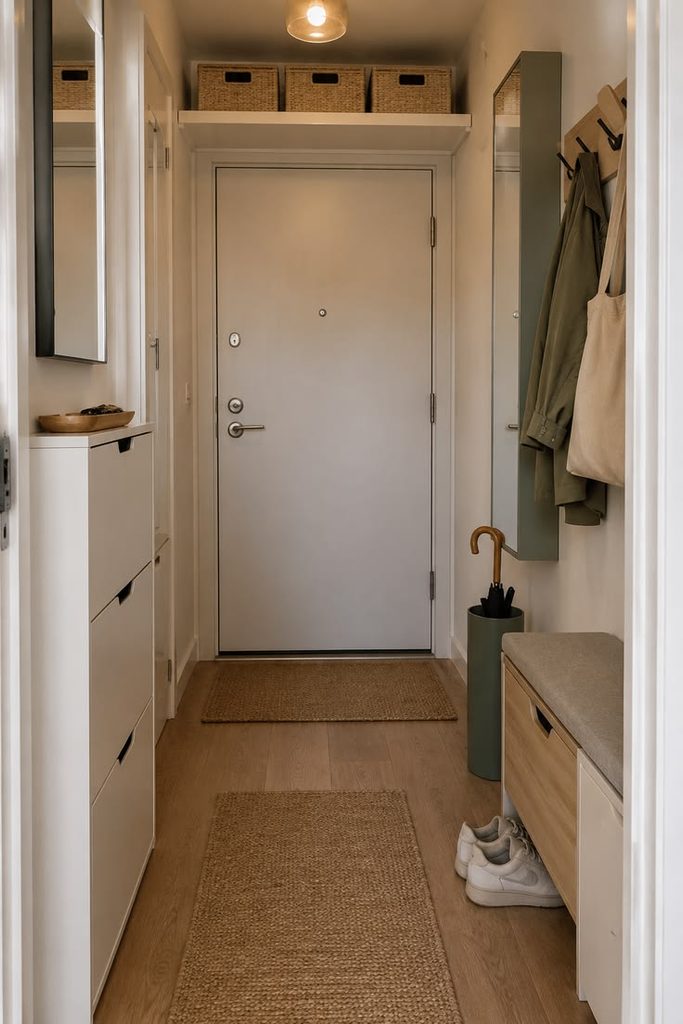
4. Use Baskets to Control Small Clutter
Small items can make an apartment look messy surprisingly quickly. Baskets give those little things one place to stay.
You can use baskets for cables, magazines, toiletries, cleaning cloths, or extra blankets. A basket can also hide everyday items without making them difficult to access.
Choose sizes that match the amount of stuff you actually own. Do not buy ten baskets just because they look beautiful in a store.
Too many containers can create another organization problem. Start with the areas that become messy most often.
If your sofa constantly collects chargers and remotes, use one basket nearby. If your bathroom counter fills with products, choose a small container for them.
The best basket is one that makes your routine easier. It should help you put things away instead of creating another task.
5. Make Your Kitchen Counters Work Harder
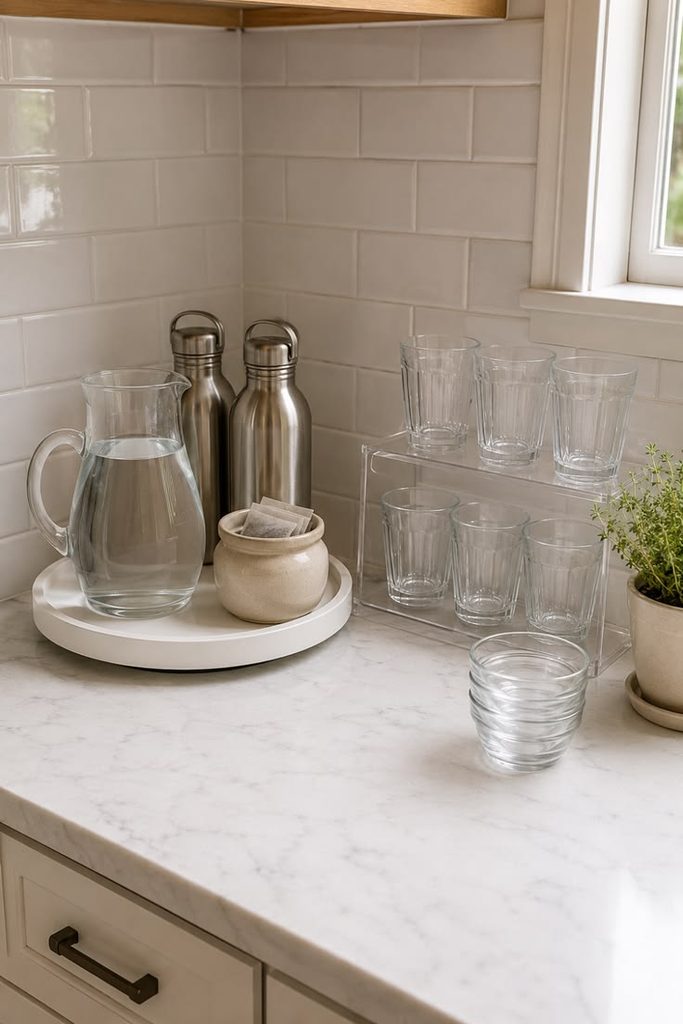
Kitchen counters can disappear quickly when you have limited space in your apartment. Start by keeping only frequently used appliances on the counter.
Everything else can stay inside cabinets or another suitable storage area. Use a small tray to group items you reach for every morning.
For example, keep tea, coffee, sugar, and a spoon together for convenience. This keeps your counter organized while making your daily routine easier.
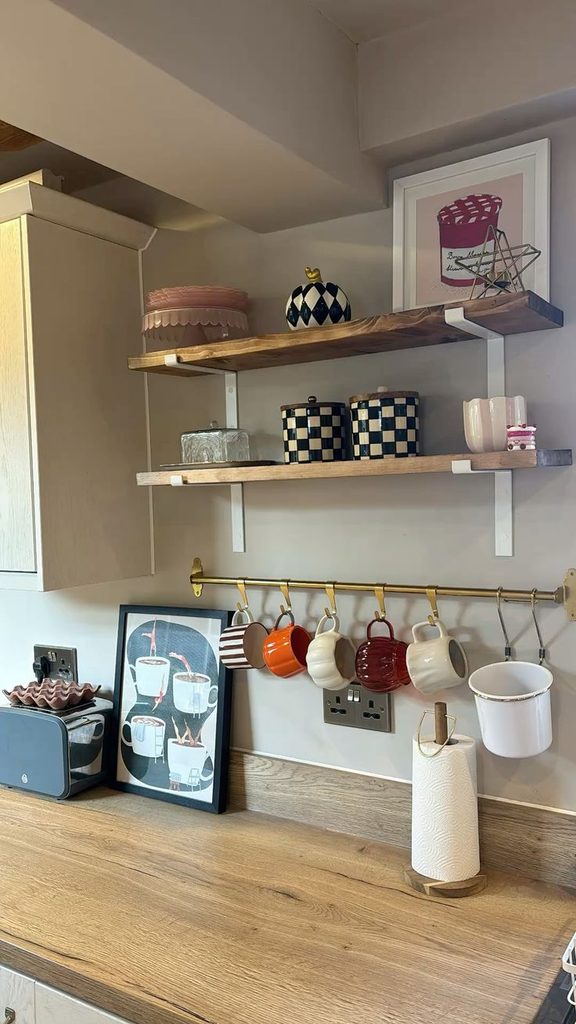
You can also use wall space for certain kitchen items when appropriate. Hooks can hold utensils, mugs, or lightweight tools without using counter space.
Avoid overcrowding the walls because too many items can make your kitchen feel busy. If your kitchen is especially small, think vertically and use available wall space wisely.
6. Use Drawer Organizers for Small Items
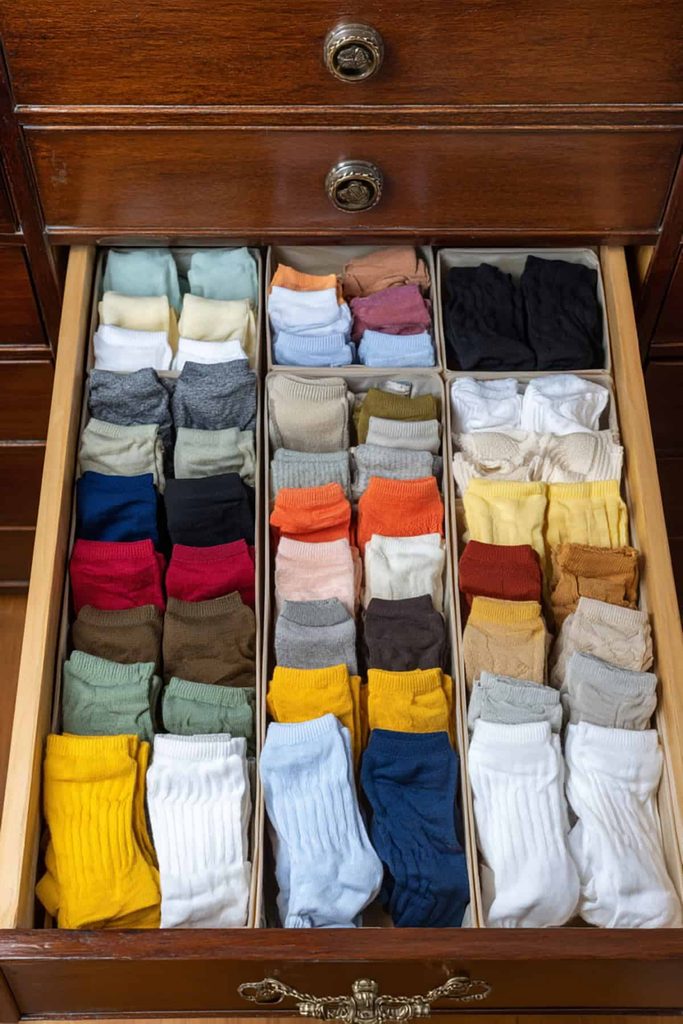
Drawers can become messy quickly, even when the rest of your apartment looks organized. Small items can slide around and eventually become difficult to find when needed.
Drawer organizers divide one large space into smaller sections for easier organization. You can use them for underwear, socks, accessories, kitchen tools, stationery, or toiletries.
The trick is choosing an organizer that actually fits your drawer properly. Measure the available space before buying anything to avoid wasting money.
Keep similar things together so you can find them quickly when needed. For example, place cooking utensils together instead of mixing them with cleaning supplies.
The same idea works in your bedroom for separating everyday items from rarely used ones. A well-organized drawer should save you time instead of making you search through everything.
7. Store Things Vertically
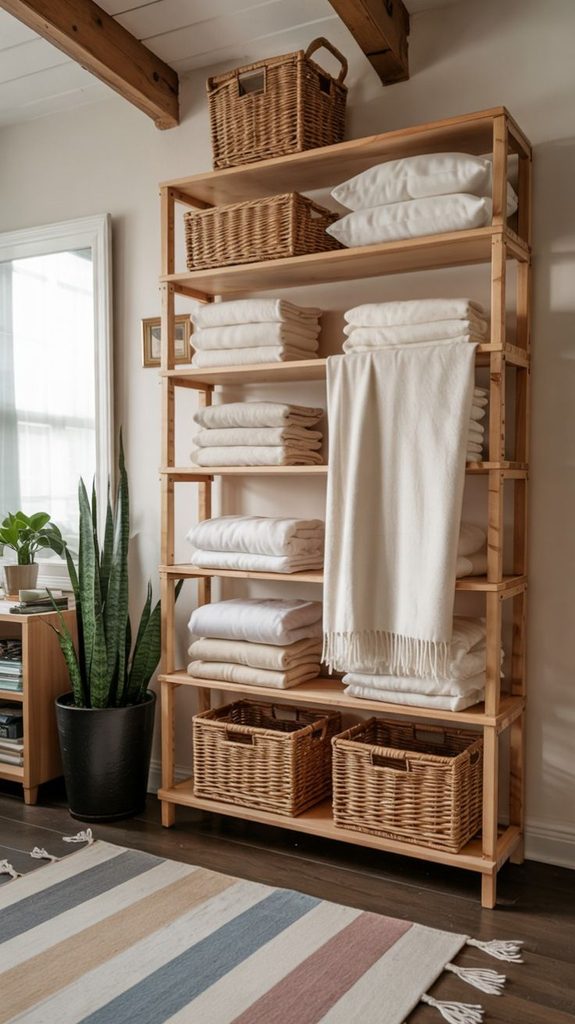
Small apartments often have more available wall height than useful floor space. Use that height whenever it makes sense for your home.
Tall shelves can hold books, baskets, towels, kitchen items, or decorative pieces. Stackable containers can also create better levels inside cabinets and storage areas.
Shelf risers can make kitchen cabinets and bathroom storage more useful. Hooks are another simple way to use vertical space without adding bulky furniture.
Keep frequently used items within comfortable reach and store rarely used things higher. Always secure shelves properly where necessary to keep your home safe.
Vertical organization creates more storage without making your apartment physically bigger. That is exactly what you want when working with limited space.
8. Create a Small Cleaning Station
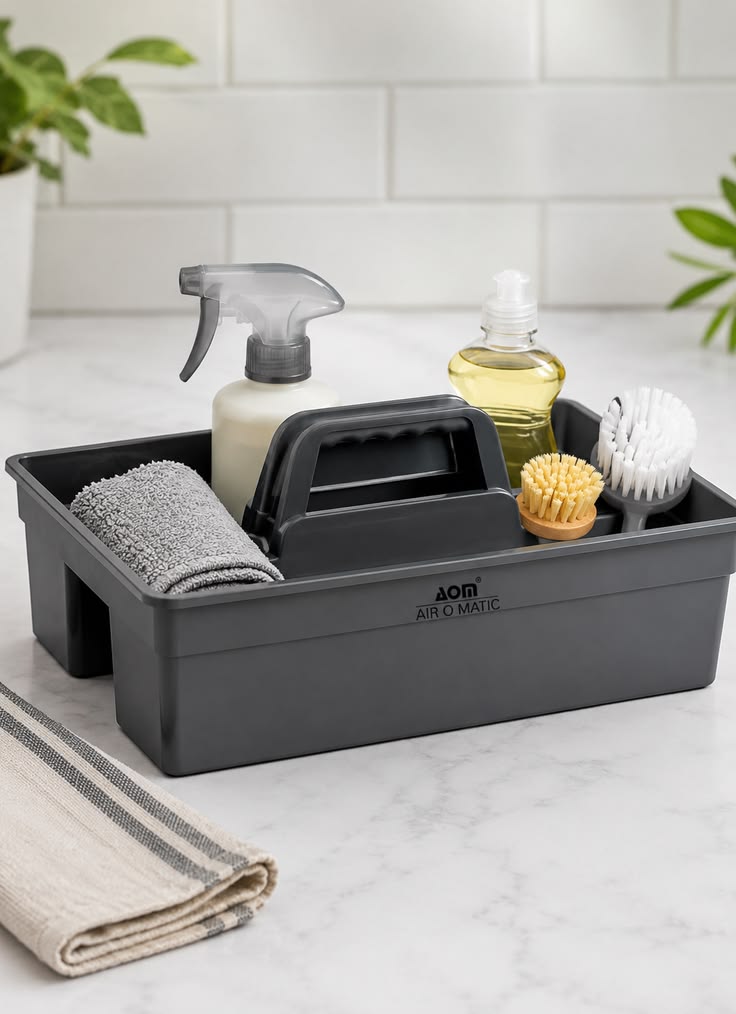
Cleaning supplies have a habit of appearing in random corners around your apartment. Create one main cleaning station for the supplies you use regularly.
A small caddy can hold sprays, cloths, gloves, and sponges together. You can carry the caddy between rooms instead of walking back and forth.
Keep dangerous cleaning products away from children and pets at all times. Never mix cleaning chemicals unless product instructions specifically say they are safe together.
A simple cleaning station can make regular cleaning feel much less annoying.
If you need a cleaning routine, 45 Things to Clean in Your Apartment and How Often to Clean Them can help you stay organized. Organization works best when it supports the cleaning habits you already need.
9. Use the Space Under Your Bed
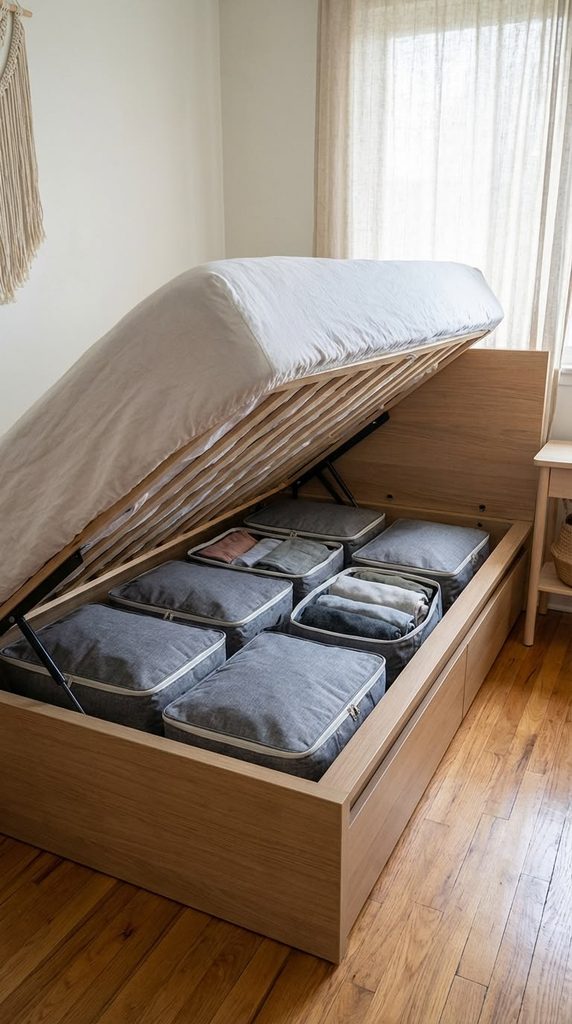
The space underneath your bed can become valuable storage. It is especially useful for items you do not need every day.
You can store seasonal clothing, extra bedding, luggage, or rarely used household items. Use flat storage boxes that slide underneath easily.
Label each container so you do not forget what is inside. Avoid throwing loose bags and random boxes underneath the bed.
That only creates hidden clutter that becomes difficult to manage later. If your bed has no built-in storage, simple containers can still create useful space.
Keep everyday items somewhere easier to reach. The space underneath your bed should hold things you need occasionally. That way, you are using hidden space without creating daily frustration.
10. Organize Your Wardrobe by How You Dress
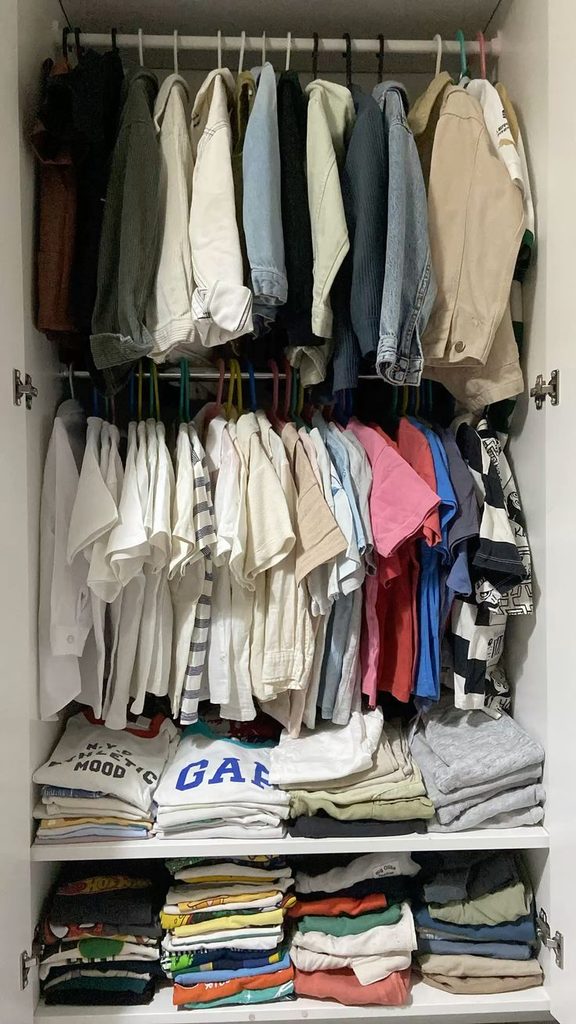
Your wardrobe should match your real lifestyle and the clothes you actually wear. Keep frequently worn pieces somewhere easy to reach when getting dressed.
Group clothing by type, season, color, or whatever feels easiest for you. Keep special occasion clothing separate from everyday pieces to simplify your mornings.
Slim hangers can help when your closet feels crowded or limited. Fold bulky clothing when hanging it would waste valuable wardrobe space.
Most importantly, remove clothes you rarely or never wear anymore. Your closet should support your lifestyle instead of storing unnecessary things.
You’ll want to come back to this: 25 Things to Do During Your First Week in a New Apartment
11. Use Matching Storage Containers
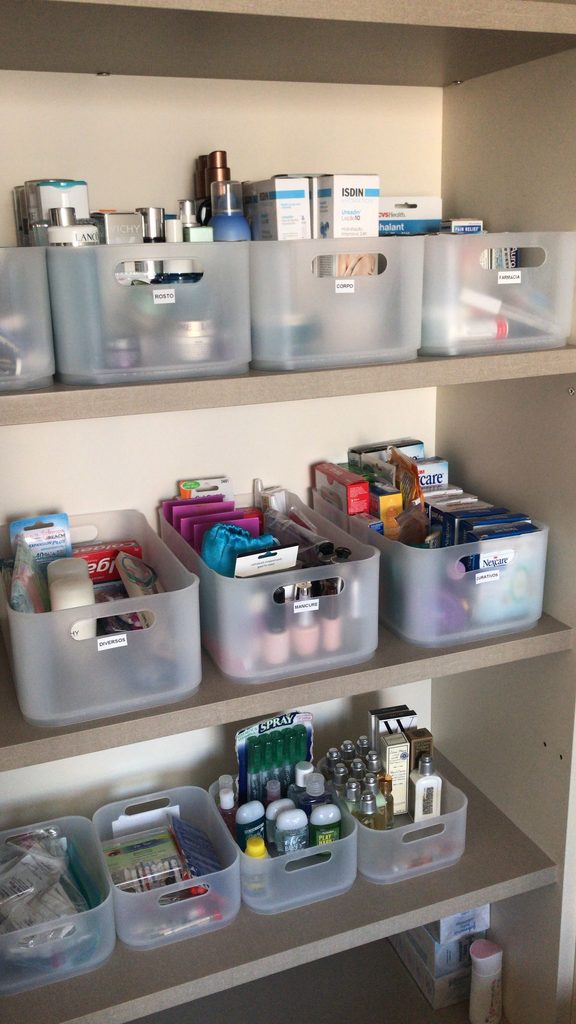
Matching containers can make open shelves look calmer and easier to manage. They also help you group similar items together in one place.
You can use them for bathroom supplies, pantry items, cleaning products, or accessories. Clear containers work well when you need to see contents quickly.
Labeled containers can help when the contents are less obvious. Start with areas that already feel difficult to manage and organize.
Choose practical sizes instead of buying containers simply because they look attractive. Storage should solve a problem, not become another collection needing organization.
For common mistakes, 35 First Apartment Mistakes You’ll Want to Avoid is another useful guide.
12. Create a Paperwork Spot
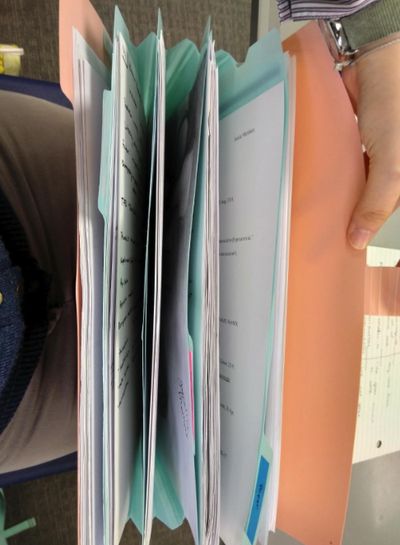
Important papers can quickly disappear in a small apartment. Bills, lease documents, receipts, warranties, and other papers need a reliable home.
Choose one drawer, folder, box, or file organizer for important documents. Keep your lease and housing documents somewhere safe and easy to access.
Separate papers that need action from documents you only need to keep. For example, unpaid bills should not disappear inside a large document folder.
You can also create a small digital folder for scanned copies. This gives you another backup when appropriate.
Do not allow paperwork to spread across your dining table. Once papers have a home, return them there after using them. That simple habit can prevent a lot of unnecessary searching.
You can also use 25 Things to Do Before Moving Into Your First Apartment to prepare before moving day arrives.
13. Give Your Bathroom Counter a Limit
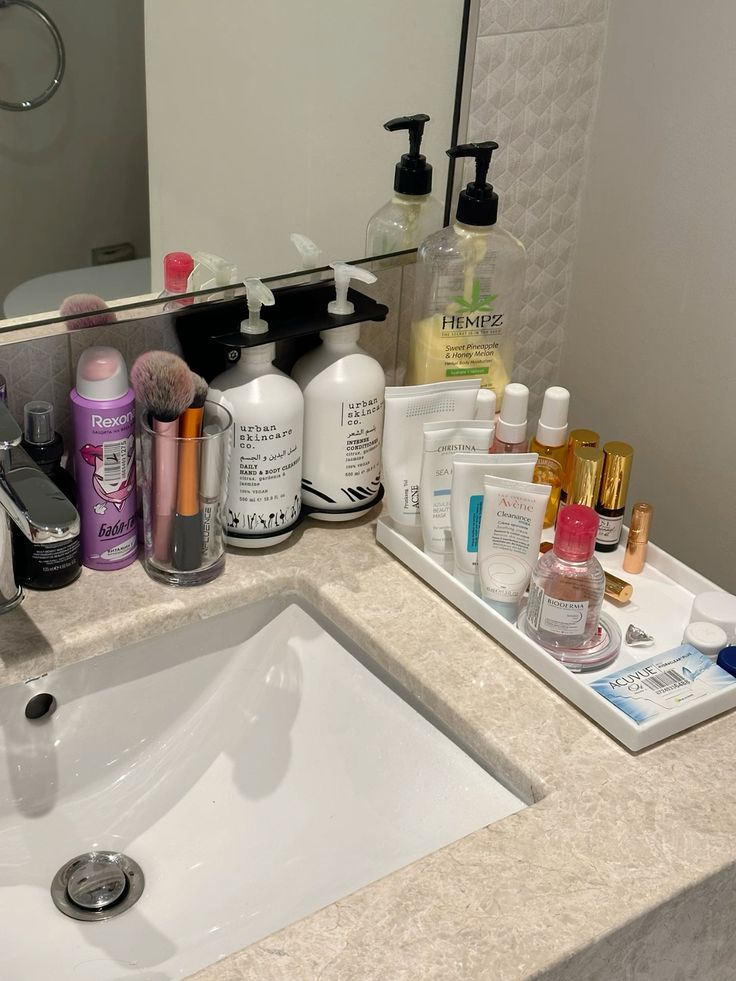
A small bathroom counter can become crowded very quickly. To keep it manageable, decide how many everyday products can stay outside.
Everything else should have a home inside a cabinet, drawer, or basket. Keep the products you use every morning within easy reach.
Store occasional products somewhere less visible. You can also use a small tray to keep everyday items together.
This makes cleaning the counter much easier. Instead of moving ten separate bottles, you can move one tray.
Try not to store every beauty or grooming product you own on the counter. Your bathroom will feel calmer when the surface has some breathing room. A clear counter also makes the room easier to clean.
14. Use Hooks Instead of More Furniture
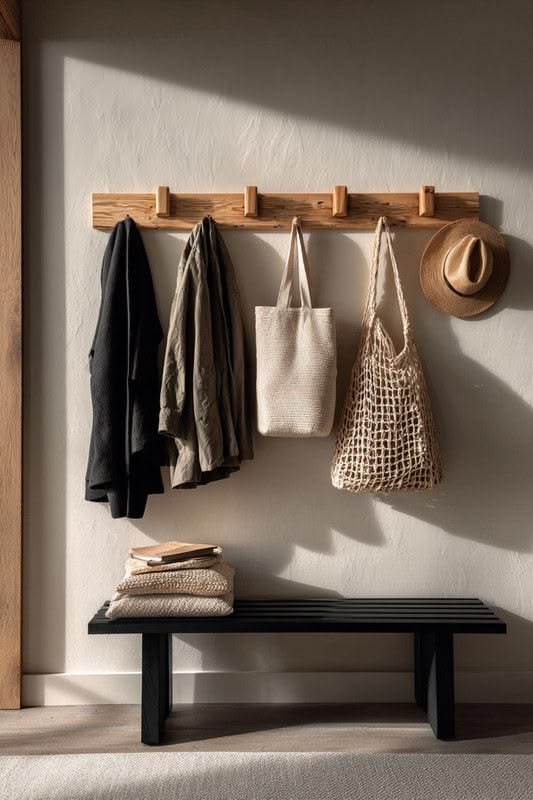
Small apartments do not always have enough floor space for extra furniture. Hooks can provide storage without taking up valuable floor area.
Use them for towels, bags, coats, kitchen tools, or cleaning items. Adhesive hooks can be useful when permanent installation is not allowed.
Still, check the weight limit before hanging anything heavy. You should also check your lease before drilling into walls.
Place hooks where you naturally use the items. A towel hook belongs near the bathroom routine.
A bag hook works better near the entrance. Organization becomes easier when storage follows your daily movement.
15. Create a Charging Station
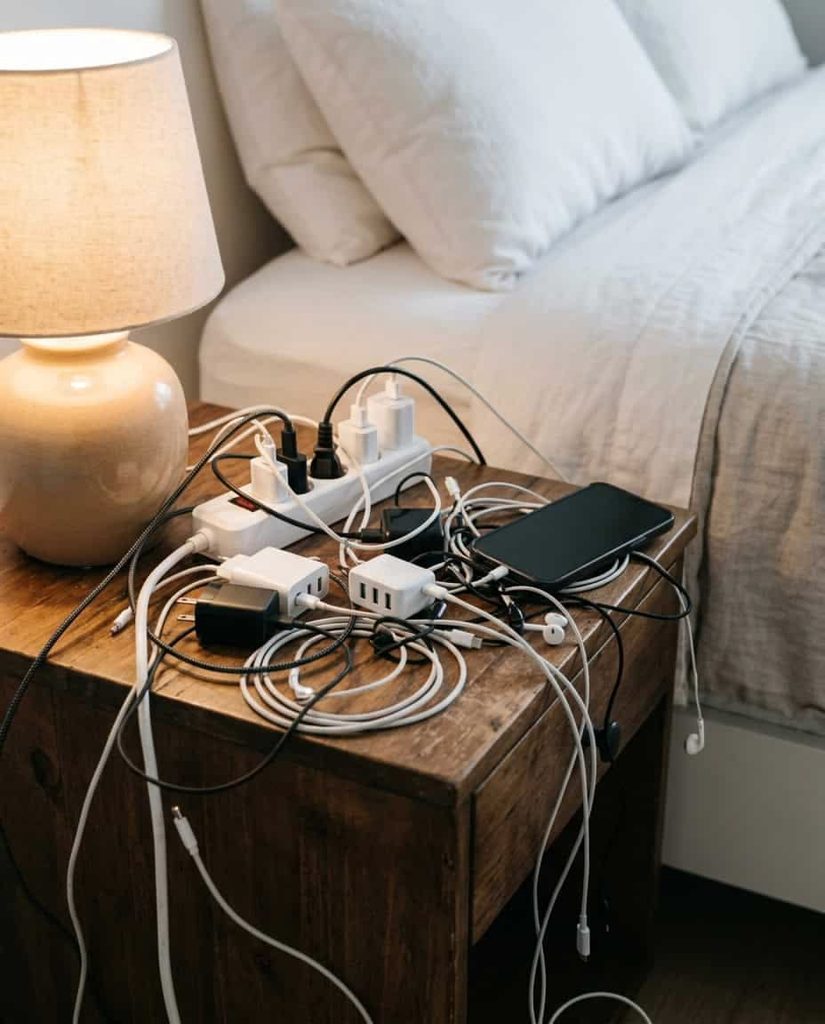
Loose charging cables can make a small apartment look messy. They also seem to disappear whenever you need them.
Choose one location where your everyday devices can charge. It could be a bedside table, desk, shelf, or small corner near an outlet.
Use a small cable organizer to keep wires separated. Labeling chargers can also help if several cables look similar.
Keep the station close to where you normally use your devices. Do not create a charging station across the room just because it looks neat.
Convenience matters if you want the habit to last. A tidy charging area can remove one surprisingly annoying source of daily clutter.
If you are preparing your move, 25 Things to Check Before Signing an Apartment Lease can help you prepare properly.
16. Keep Frequently Used Items at Eye Level
Storage works better when the things you use most are easy to reach. Place everyday items around eye level whenever possible.
Less-used items can go higher or farther back. This works especially well in kitchens, bathrooms, and wardrobes.
You should not need to move five things just to reach one product. Keep your most-used dishes somewhere accessible.
Store occasional serving pieces higher up. The same approach works with toiletries and cleaning products.
When storage follows your habits, your apartment becomes easier to maintain. You also spend less time searching and rearranging. That is one of the main reasons good organization feels so effortless.
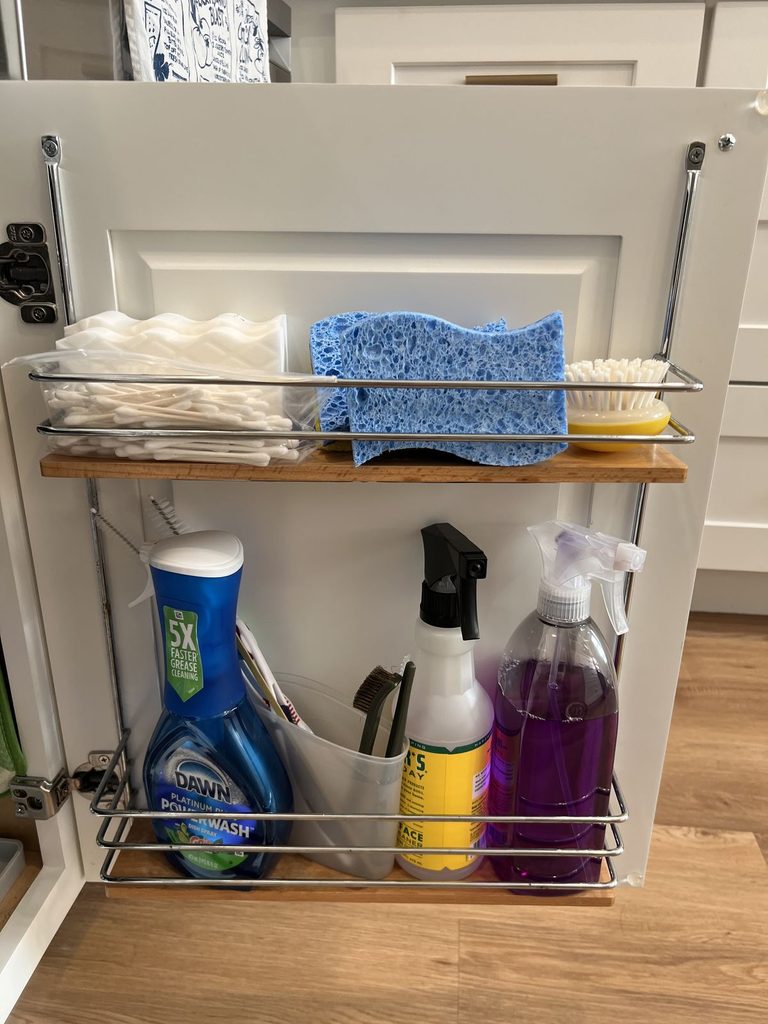
17. Use the Inside of Cabinet Doors
Cabinet doors can provide hidden storage in several rooms. A small organizer can hold measuring spoons, cleaning cloths, or lightweight bathroom supplies.
You can also use hooks for small kitchen tools. This keeps useful items accessible without filling the main shelf.
Before attaching anything, check the door clearance. You do not want an organizer preventing the cabinet from closing.
Also avoid making the door too heavy. Use this trick for small items rather than large or heavy objects. It is another simple way to create storage from space you already have.
Most popular this week: 35 Roommate Rules That Can Make Living Together Easier
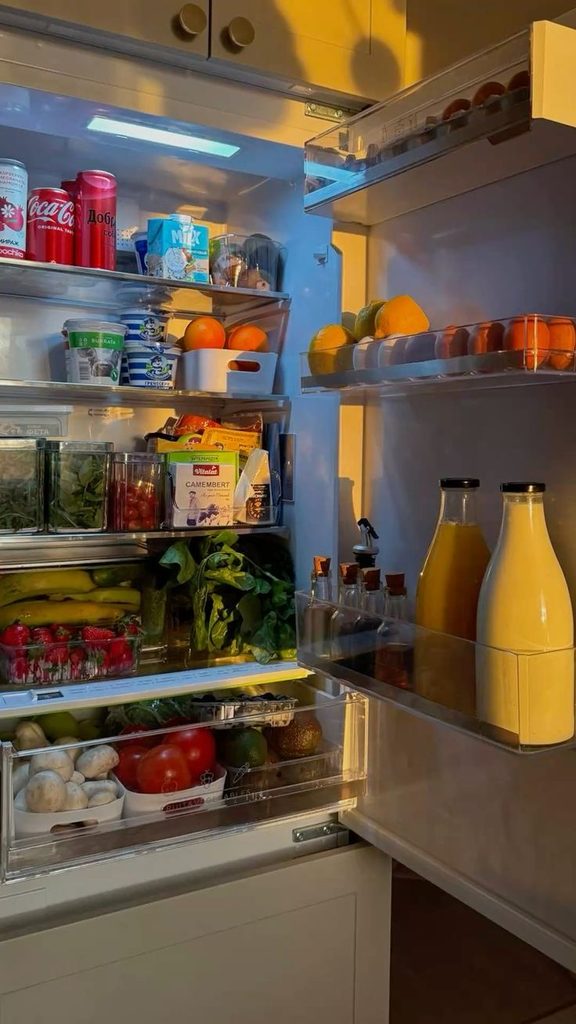
18. Keep Your Fridge Easy to See
A messy fridge can waste food and money. When everything gets pushed toward the back, you forget what you already bought.
Group similar foods together so you can see what you have. Keep frequently used items within easy reach.
Use small containers when they genuinely make the space easier to manage. You can also create one area for food that needs to be eaten soon.
This helps you notice items before they spoil. Avoid filling the fridge so tightly that nothing can move.
A little empty space makes it easier to see everything. During my first small kitchen setup, I used to buy groceries without checking the fridge properly.
I eventually started keeping similar foods together, and shopping became much easier. The organization was simple, but it changed how I used the kitchen.
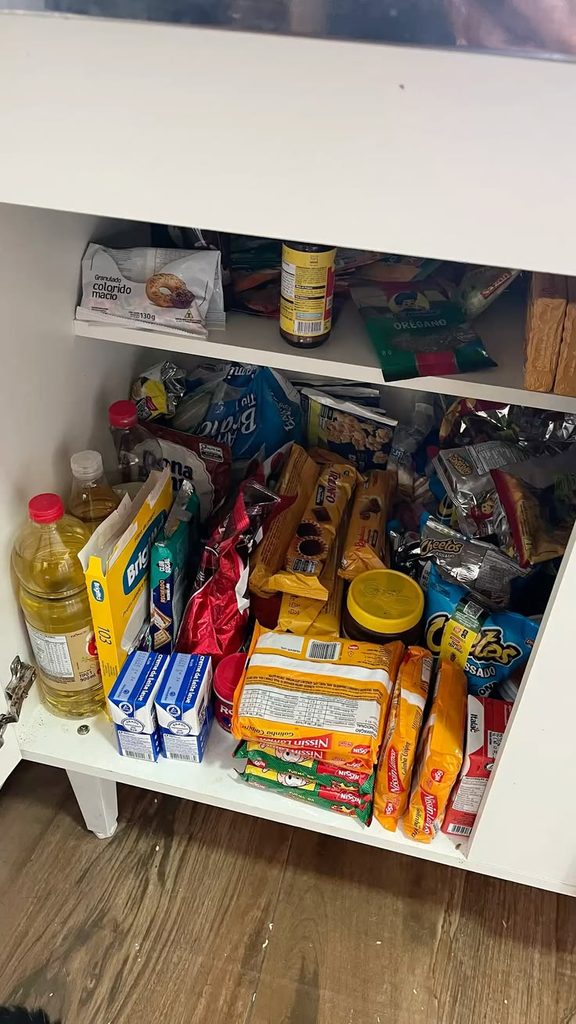
19. Create a Small Pantry System
You do not need a huge pantry to keep food organized. A small cabinet or shelf can work perfectly well.
Group similar items together so you can find them quickly. Keep breakfast items together and cooking ingredients in another area.
You can also keep snacks in one basket instead of spreading them across shelves. Check expiration dates regularly.
Place older items toward the front so you remember to use them first. Do not overfill your shelves just because you have storage space.
A crowded pantry makes it harder to know what you already own. Your goal should be easy visibility and easy access.
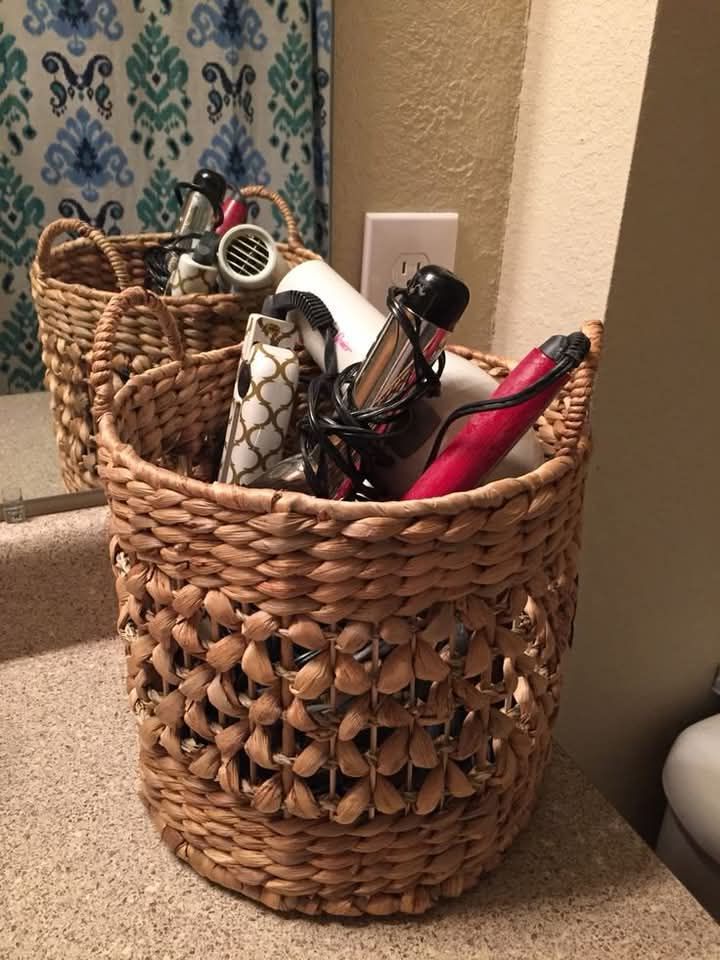
20. Use One Basket for Random Items
Every home has things that do not seem to belong anywhere. You find a receipt, loose battery, hair tie, screwdriver, charger, and random key.
Instead of spreading these items around your apartment, use one temporary basket. When you have time, go through the basket and return everything to its proper home.
This keeps random clutter from taking over your surfaces. Do not let the basket become permanent storage.
Its purpose is to create a temporary holding place. You can empty it once a day or several times each week.
The system works best when the basket stays small. If it becomes overflowing, it is time to put things away.
21. Make Your Nightstand Useful
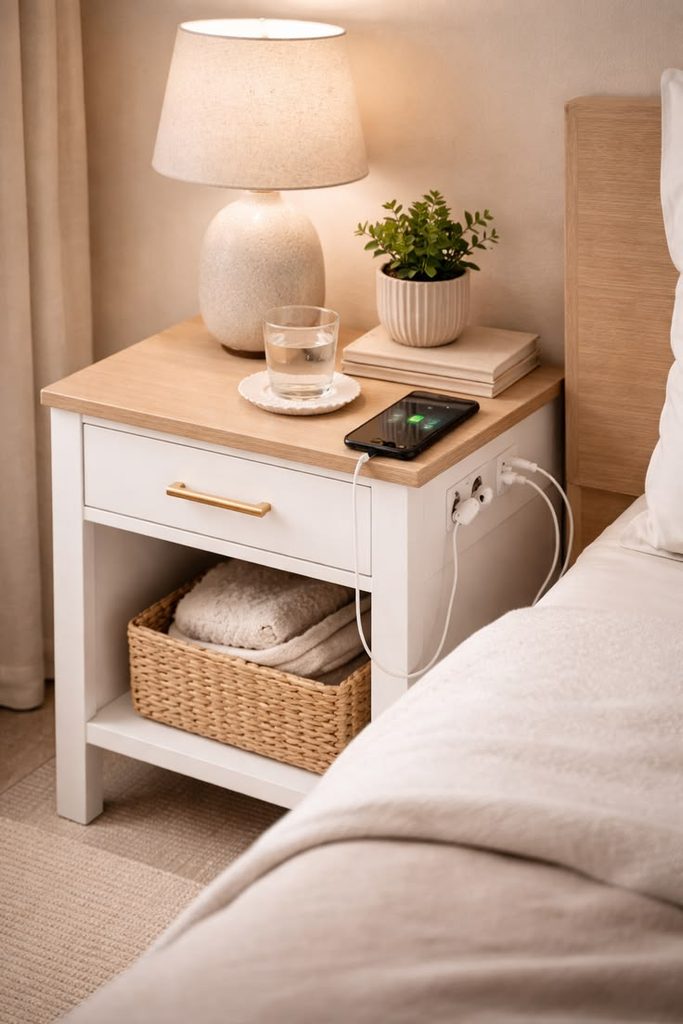
Your nightstand does not need to hold everything you might need someday. Keep only the things that support your bedtime routine.
A lamp, book, water bottle, or small personal item may be enough. Use the drawer for small things that would otherwise sit on top.
Keep chargers organized instead of allowing cables to tangle around everything. If you have limited space, choose a small table with storage underneath.
You want enough room to place what you actually use. An overloaded nightstand can make your bedroom feel messy before the day even begins.
Keep this area calm and simple. Your bedroom should feel like a place where your mind can slow down.
22. Create a Dedicated Shoe Area
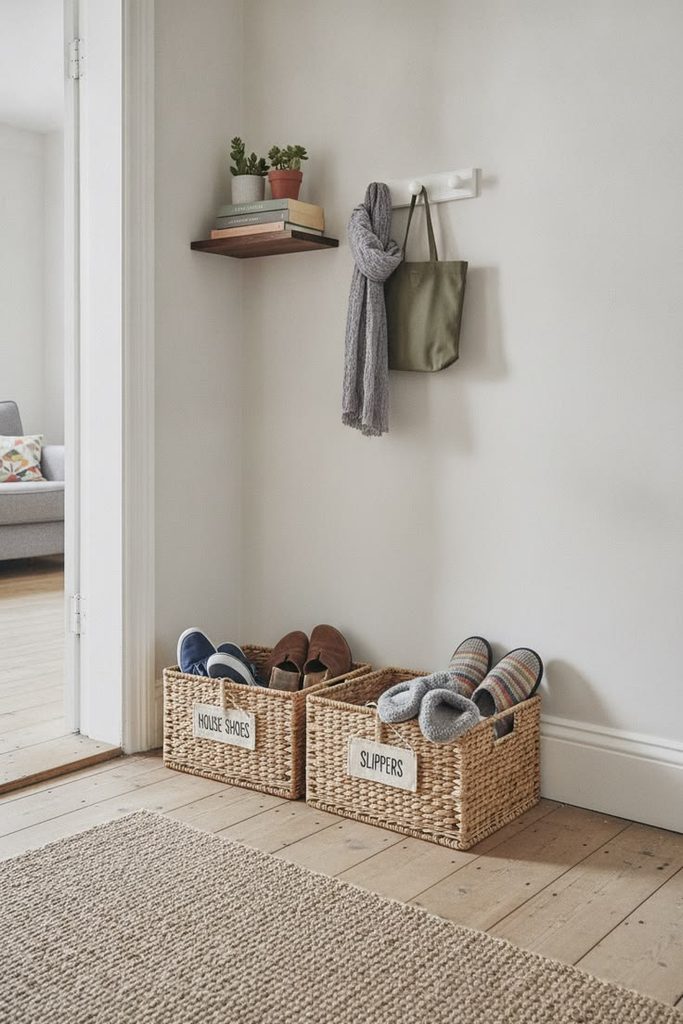
Shoes scattered around a small apartment can quickly become a trip hazard. Choose one place for everyday footwear.
A small rack, basket, bench, or shelf can keep them together. Store the shoes you wear most often where they are easy to reach.
Less-used pairs can go inside your wardrobe or another storage area. Do not keep every pair near the entrance.
That makes the space feel crowded and harder to clean. You can also rotate seasonal shoes when necessary. A simple shoe system keeps the entrance looking cleaner without requiring much space.
23. Use Furniture With Hidden Storage
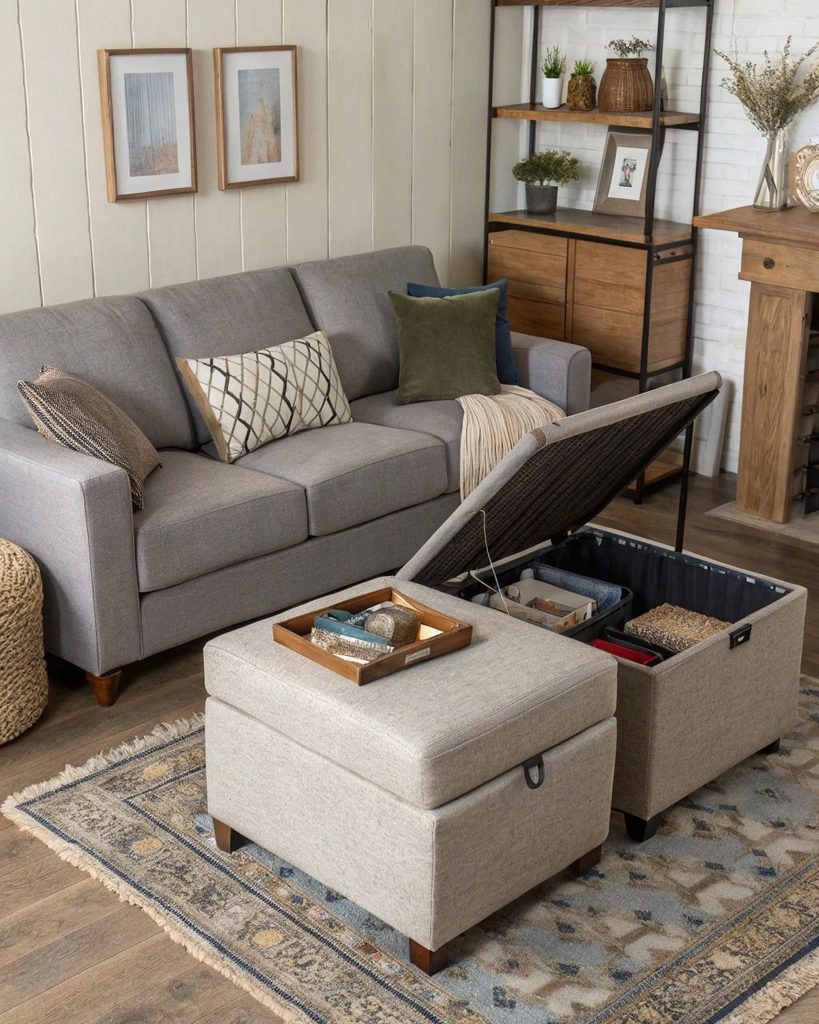
When you need furniture, look for pieces that can serve two purposes. A storage ottoman can provide seating and hidden storage.
A bed with drawers can store clothing or bedding. A coffee table with shelves can hold books or baskets.
A bench can provide seating while hiding shoes underneath. This does not mean every piece of furniture needs storage.
Too much storage furniture can still make a small apartment feel crowded. Choose pieces that solve an actual problem.
Think about what you already struggle to store. Then look for furniture that helps solve that specific issue.
If you are still planning your first purchases, 25 Apartment Items Worth Buying Before You Move In can help you think carefully before adding more furniture.
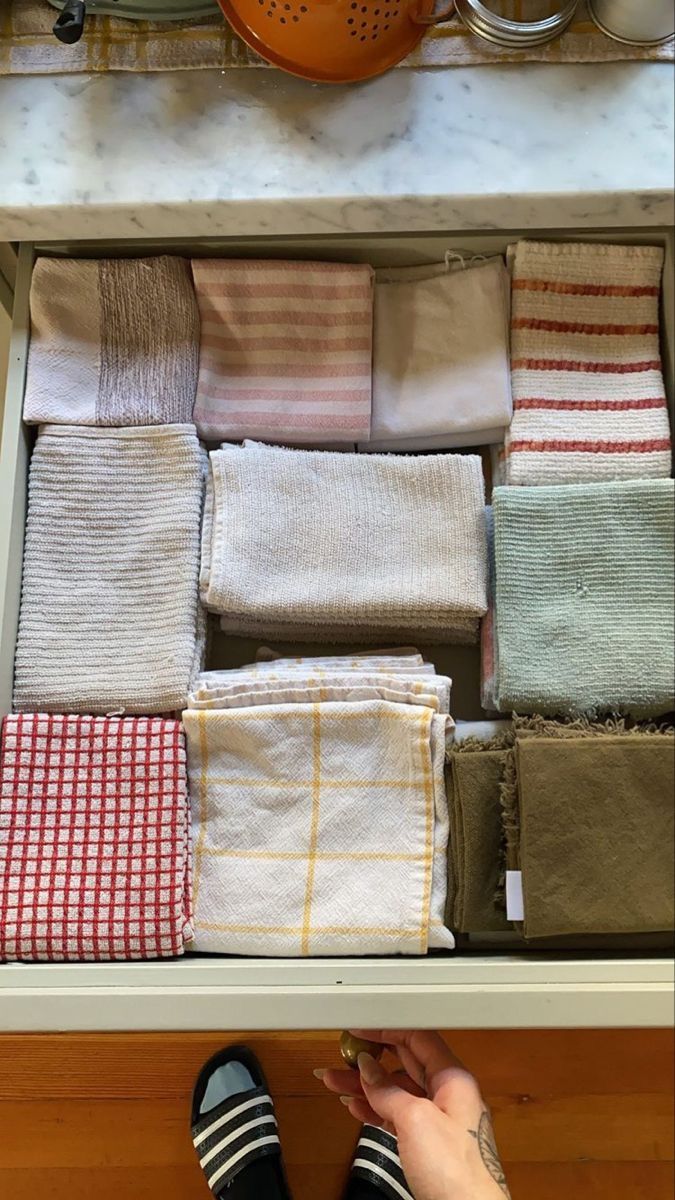
24. Keep Cleaning Cloths Together
Cleaning cloths seem small, but they can end up everywhere. Keep them in one basket, drawer, or cabinet.
Separate clean cloths from used ones. You can also keep different types together if you use them for different tasks.
For example, kitchen cloths can stay separate from bathroom cleaning cloths. This helps prevent confusion and makes cleaning faster.
Wash reusable cloths regularly so they remain fresh. If you use disposable cleaning products, store them in one easy-to-reach place.
A simple system keeps cleaning supplies from spreading throughout the apartment. It also makes restocking easier when something runs out.
25. Create a Small Mail Station
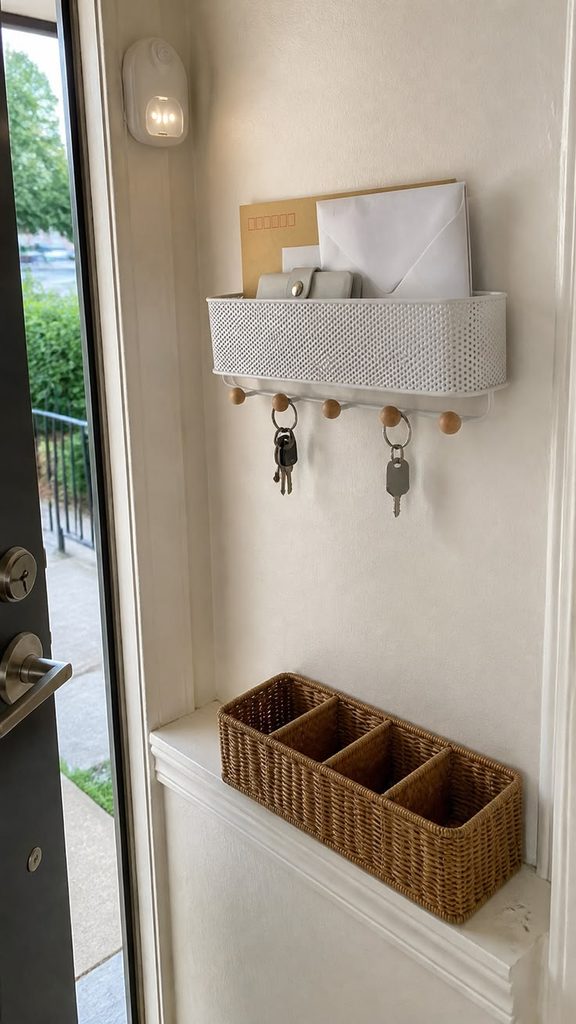
Mail can become clutter surprisingly fast. Instead of leaving envelopes on the kitchen counter, create one small mail spot.
Use a tray, wall holder, or small box. Keep unopened mail separate from documents that need action.
Once you open something, deal with it instead of creating another pile. Important documents can move into your main paperwork system.
Recycling can go directly into the appropriate place. This keeps paper from taking over your limited surfaces.
A tiny mail station can save you from seeing the same pile every day. It also makes important letters easier to find.
26. Organize Your Cables
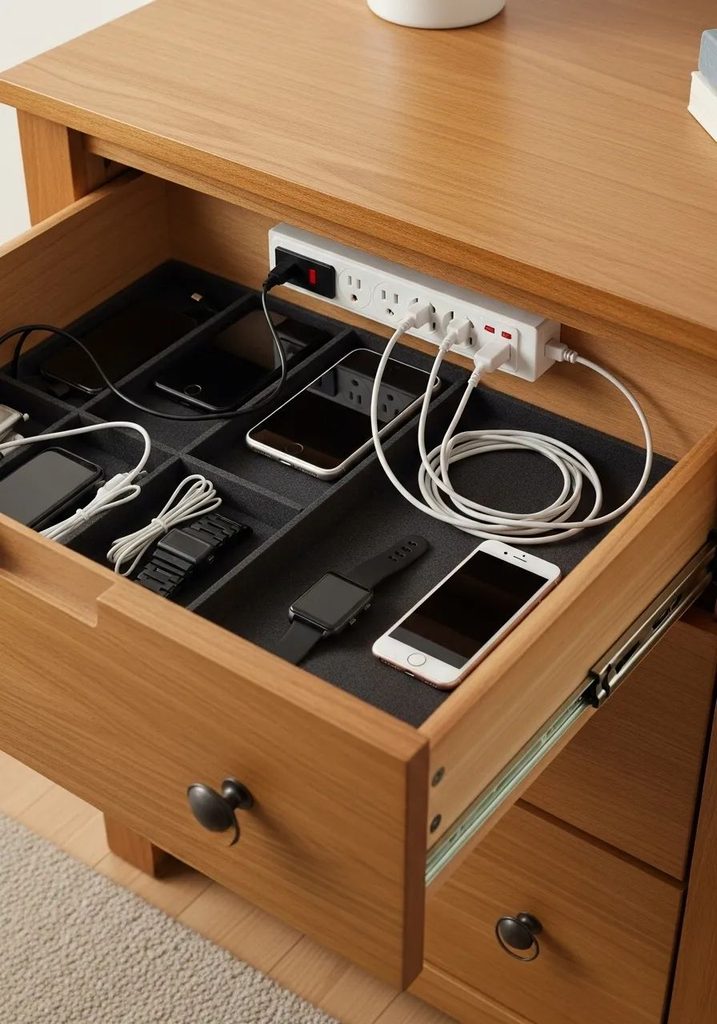
Cables are one of those things that make an organized room look messy. Start by gathering every loose cable in the area.
Remove cables you no longer use. Then group the remaining ones based on their purpose. Cable ties, clips, or small organizers can keep them together.
Labeling chargers can also prevent confusion. Keep frequently used cables accessible and occasional ones stored away.
Do not keep every old cable simply because you might need it someday. If you no longer know what something belongs to, it may deserve a second look. A small cable system can make your desk, bedroom, and entertainment area much cleaner.
27. Use One Basket for Extra Blankets
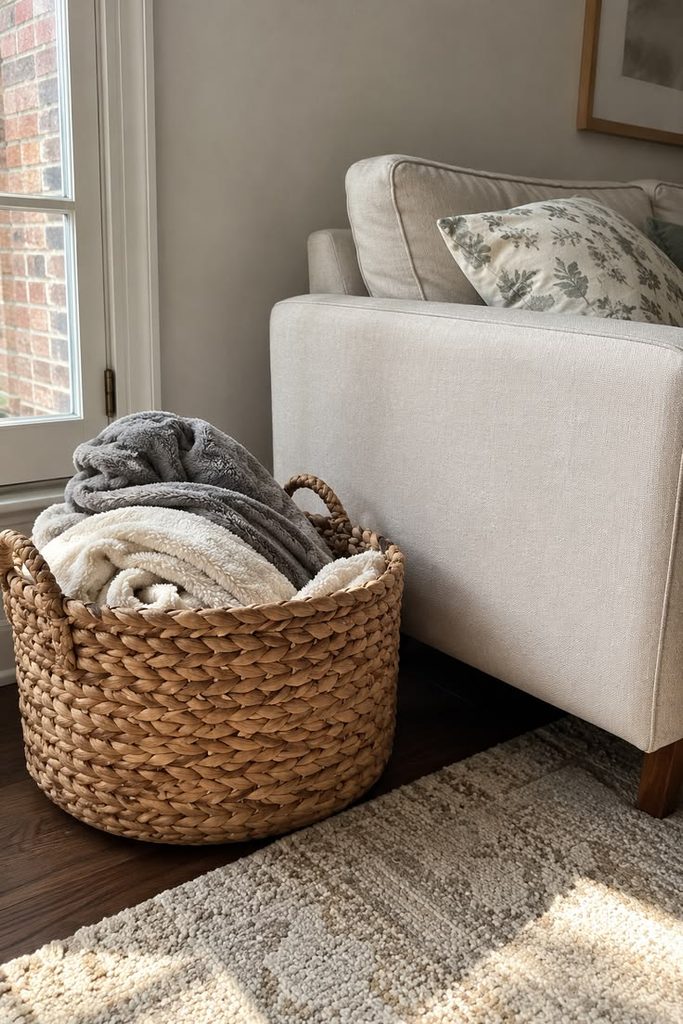
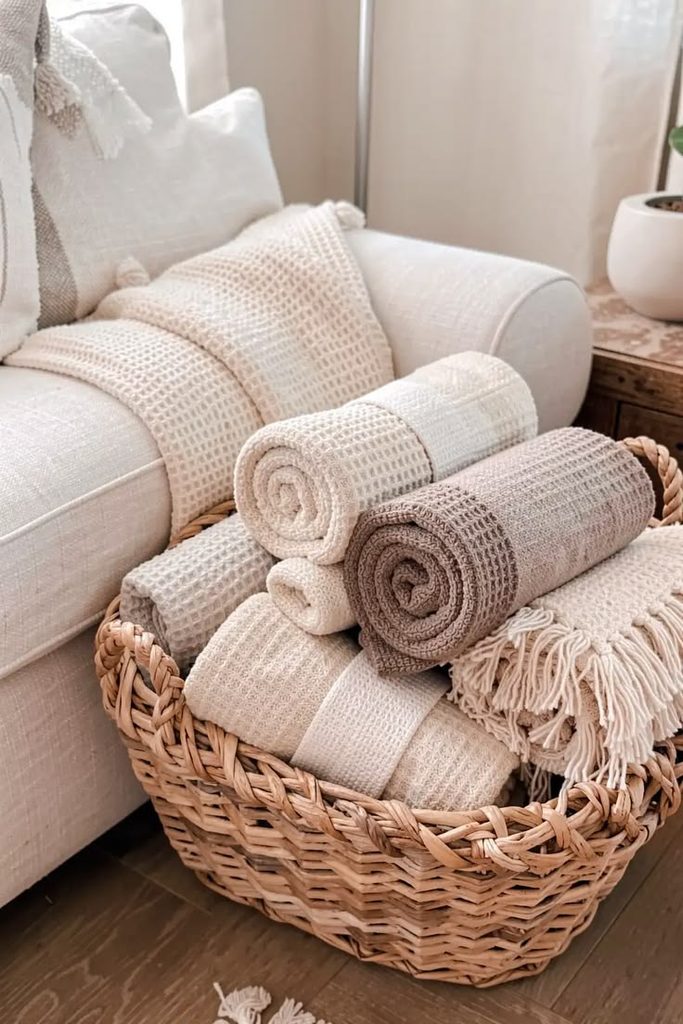
Blankets can make a sofa look cluttered when they are left everywhere. A large basket beside the sofa gives them one clear home.
Fold blankets before putting them inside. Choose a basket that fits the amount you actually use.
Do not make it so large that it becomes another piece of bulky furniture. You can also use the basket for seasonal throws when they are not needed.
This simple habit keeps your living room looking more put together. It also makes cleaning around the sofa much easier.
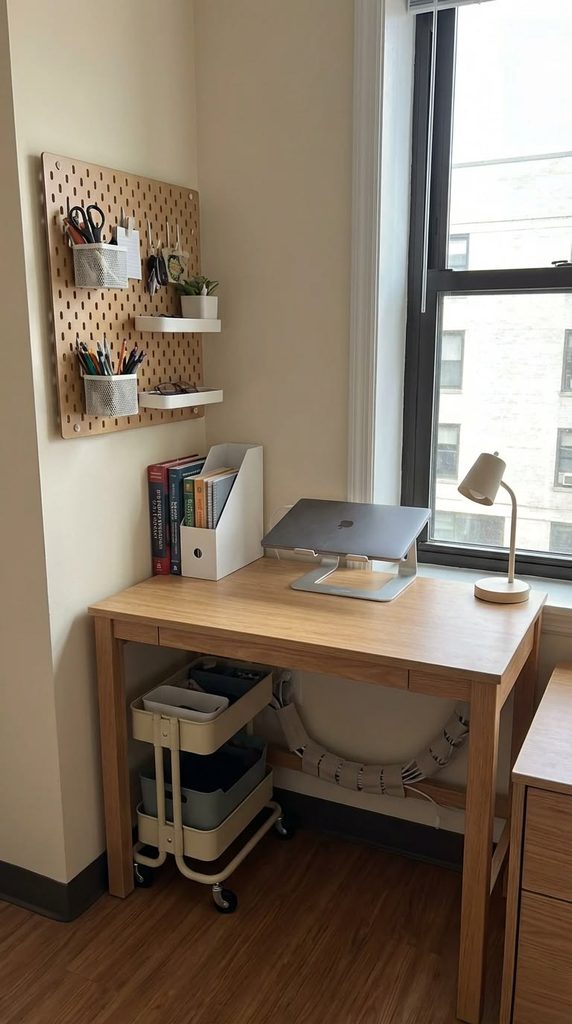
28. Keep Your Desk Surface Mostly Clear
If you work or study at home, your desk can become cluttered quickly. Receipts, notebooks, chargers, pens, cups, and random items can take over.
Keep only the things you use regularly on the surface. Use one small container for pens and similar supplies.
Keep important papers in a dedicated folder instead of stacking them beside your laptop. At the end of the day, return items to their proper places.
A clear desk can make it easier to begin work the next morning. You do not need a perfect workspace. You simply need enough clear space to focus comfortably.
29. Organize Before Buying More Storage
This might be one of the most important organization rules for a small apartment. When things look messy, your first instinct may be buying another storage box.
But more containers will not solve a problem caused by too many belongings. Start by looking at what you already own.
Remove things you no longer use. Then group similar items together.
Only after that should you decide what storage you actually need. This keeps your apartment from becoming a collection of containers. Good organization begins with having less unnecessary stuff to organize.

30. Use Labels Where They Actually Help
Labels can make storage easier, especially when several containers look similar. Use them for items stored in boxes, baskets, cabinets, or less visible areas.
You do not need labels on everything in your apartment. Over-labeling can make simple storage feel like another chore.
Focus on places where you regularly forget what is inside. Seasonal clothing, documents, decorations, and rarely used supplies are good examples.
Clear labels can also help roommates find shared items quickly. Choose simple words that you will understand immediately.
The purpose is saving time, not creating a beautiful label collection.
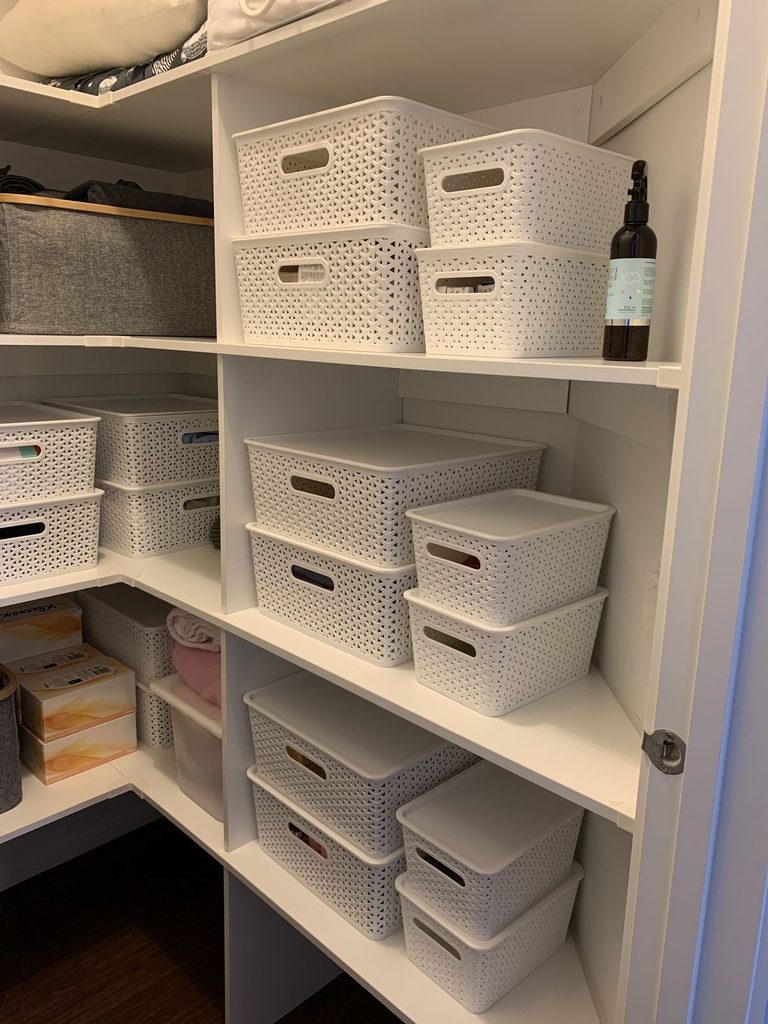
31. Create a Donation Bag
A small apartment needs a regular way to remove things you no longer use. Keep one reusable bag or box somewhere convenient.
Whenever you find something you no longer need, place it inside. Do not wait until your apartment becomes completely crowded.
Once the bag is full, decide where those items should go. You can donate, sell, recycle, or properly dispose of them when appropriate.
This creates a simple exit system for unwanted belongings. It also stops your apartment from slowly filling with things you have stopped using.
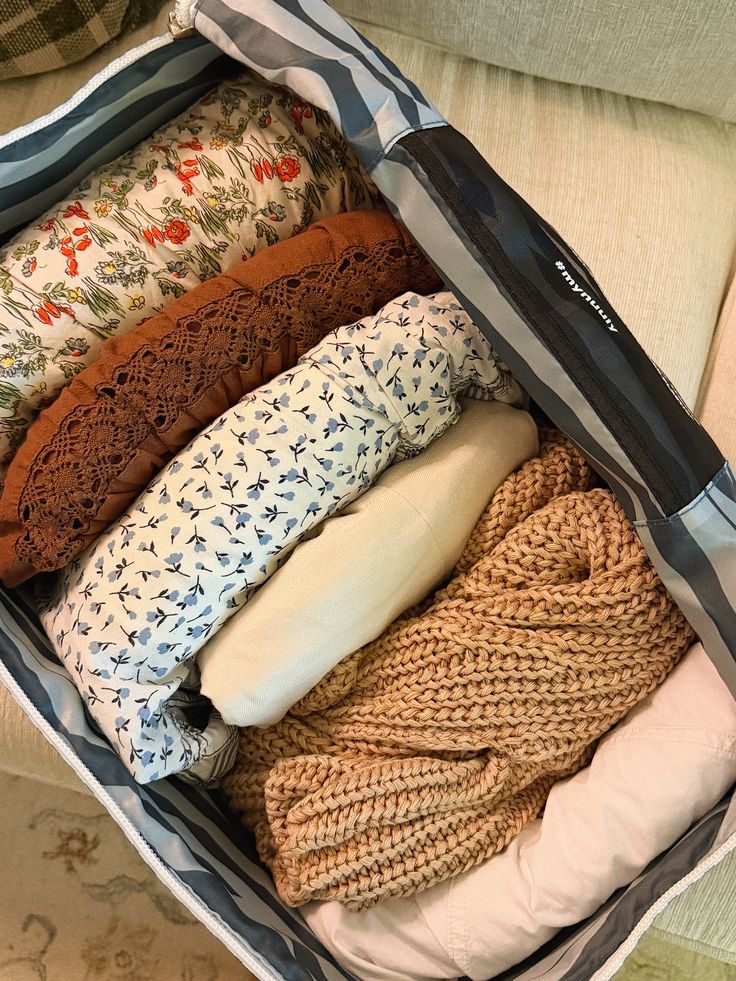
32. Keep Seasonal Items Out of Daily Spaces
You do not need winter blankets, holiday decorations, or special occasion items every day. Store seasonal belongings in less convenient areas.
The top shelf of a wardrobe can work well. Under-bed containers can also hold seasonal items.
Label the containers so you know what is inside. When the season changes, bring those items forward and move the current ones away.
This simple rotation keeps your everyday storage useful. It also stops occasional belongings from taking over your main living areas.
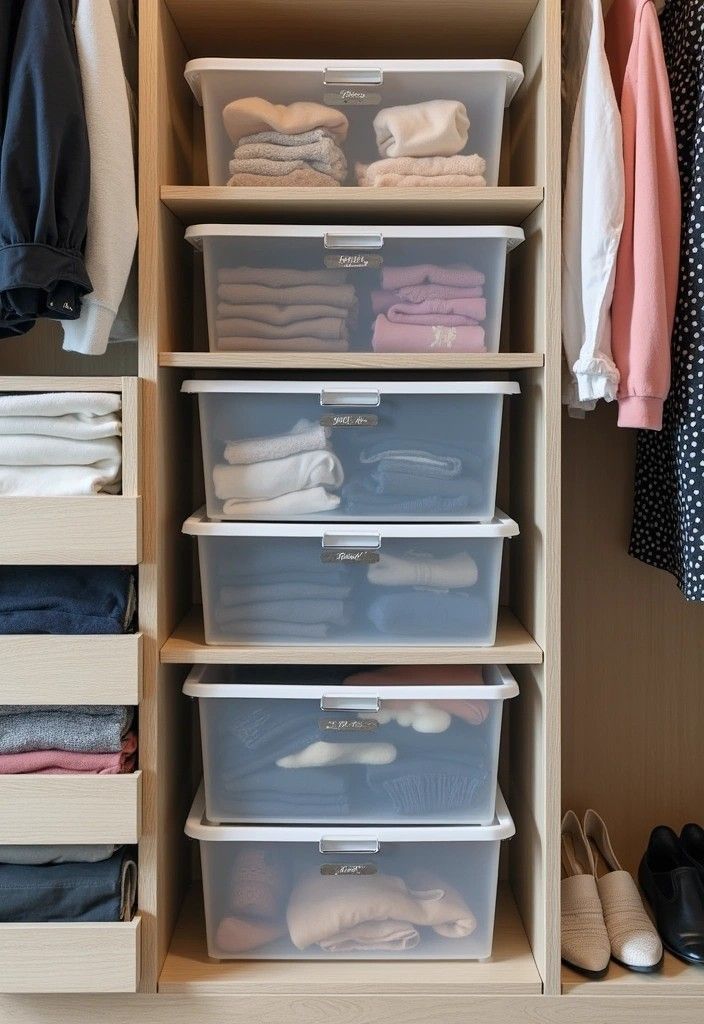
33. Give Your Cleaning Routine a Reset Day
Organization becomes much easier when you regularly reset your apartment. Choose one day each week for a quick home reset.
Return misplaced items to their proper homes. Clear counters, tidy the entrance, check the fridge, and empty small clutter baskets.
You do not need to deep-clean everything during this reset. The goal is simply returning your apartment to a comfortable baseline.
A reset day can prevent small messes from becoming overwhelming. It also gives you a chance to notice organization problems early.
If something keeps ending up in the wrong place, the system may need changing. A good home system should adapt to the way you actually live.
34. Make Your Organization Match Your Routine
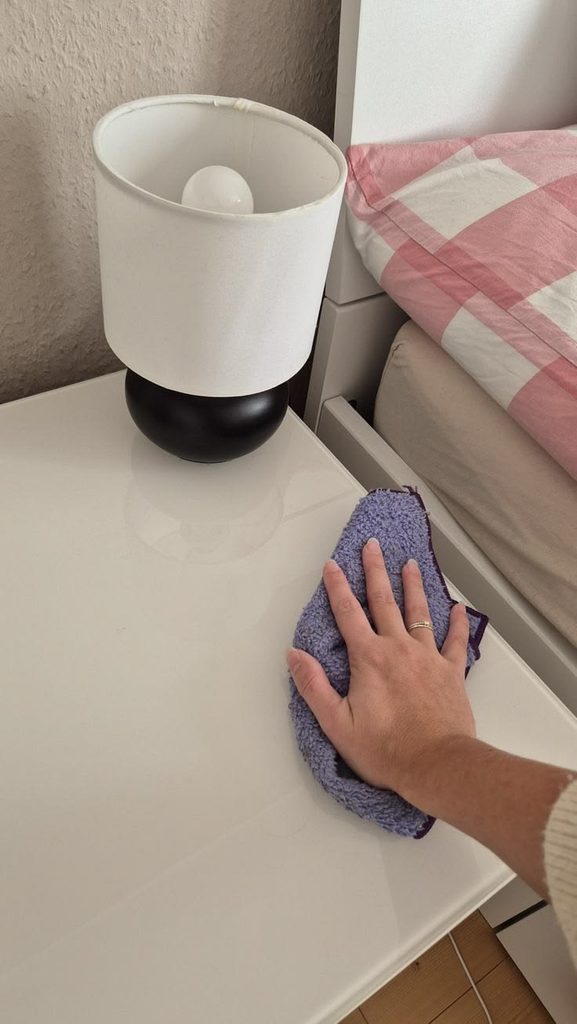
The most beautiful organization system will fail if it does not match your habits. Think about what you naturally do every morning and evening.
If you drop your bag near the sofa, create a bag spot nearby. Then, you always remove shoes at the door, keep shoe storage there.
If you drink water beside your bed, keep a bottle nearby. Do not force yourself to walk across the apartment for everything.
Organization should make your normal routine smoother. During another small-space setup, I moved a storage basket closer to the entrance.
That tiny adjustment stopped bags from piling up beside the sofa. The basket itself was not special.
Its location was what made the system work. Your apartment should be organized around real life, not an imaginary perfect routine.
35. Leave Some Empty Space
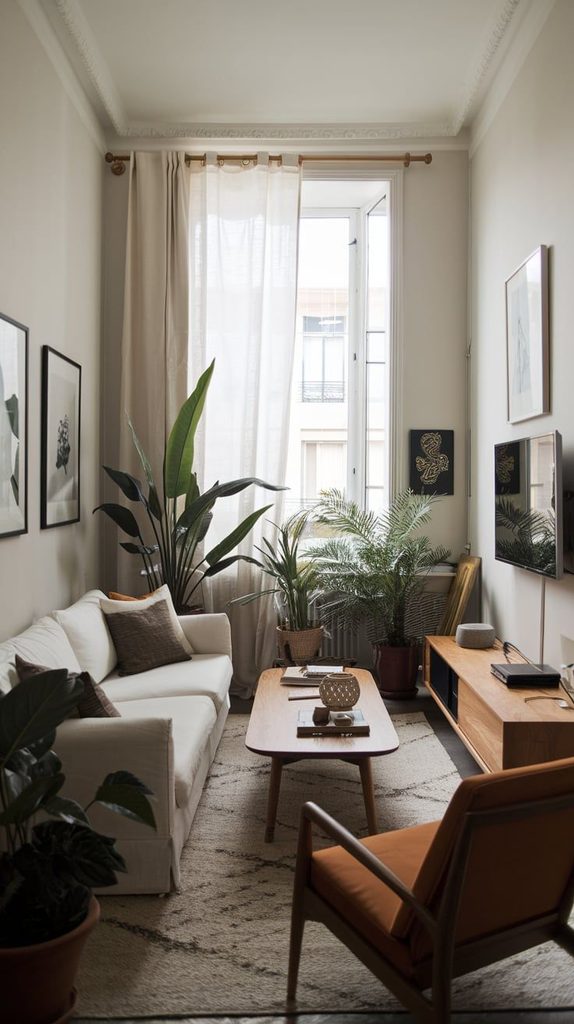
This final idea may feel strange when your apartment already feels too small. But empty space is part of good organization.
You do not need to fill every shelf, wall, cabinet, or corner. Leaving some space makes it easier to put things away.
It also gives you room when you buy something necessary later. An apartment can feel cluttered even when everything technically has a place.
Sometimes, the answer is simply owning fewer things. Look around and ask yourself what you truly use.
Keep the items that support your everyday life. Let go of things that only take up valuable space.
Your goal is not creating an apartment that looks like a showroom. It is creating a home that feels easy to live in.
Final Thoughts
Organizing a small apartment is not about making everything look perfect every single day. It is about creating simple systems that make your everyday life feel easier.
When your keys have a home, mornings become less stressful and more organized. You do not need expensive shelves or matching containers to keep things organized.
Start with one messy area, give everything a home, and remove unnecessary items.
Remember, your home does not need perfect organization to feel comfortable and functional. Your routines will change, so adjust your systems whenever something stops working well.
Start small, keep what you use, and give everything a home that makes sense. With time, your apartment can become a space that naturally works for you.
Leave a Reply