Moving into your first apartment sounds exciting until you realize you suddenly need toilet paper, a can opener, cleaning supplies, towels, and about fifty other things you never thought about.
That is the funny part about getting your own place. You can spend weeks thinking about your sofa and bedroom, then discover on your first night that you have nothing to wipe the kitchen counter with.
Your first apartment does not need to look perfect from day one. It needs to work for your real life, your routine, and your budget.
The goal is not to fill every corner with things. Instead, you want useful items that make cooking, cleaning, sleeping, washing, organizing, and everyday living easier.
I learned this during my first experience setting up a home. I thought I needed many decorative pieces, but the things I reached for every day were much simpler.
That is exactly what this list is about. These are first apartment essentials you are likely to use often, not random items that simply make your shopping cart longer.
Before you start buying everything you see, it also helps to know what you actually need for your space. You can use this guide alongside 45 Things to Buy for Your First Apartment as you build your shopping list.
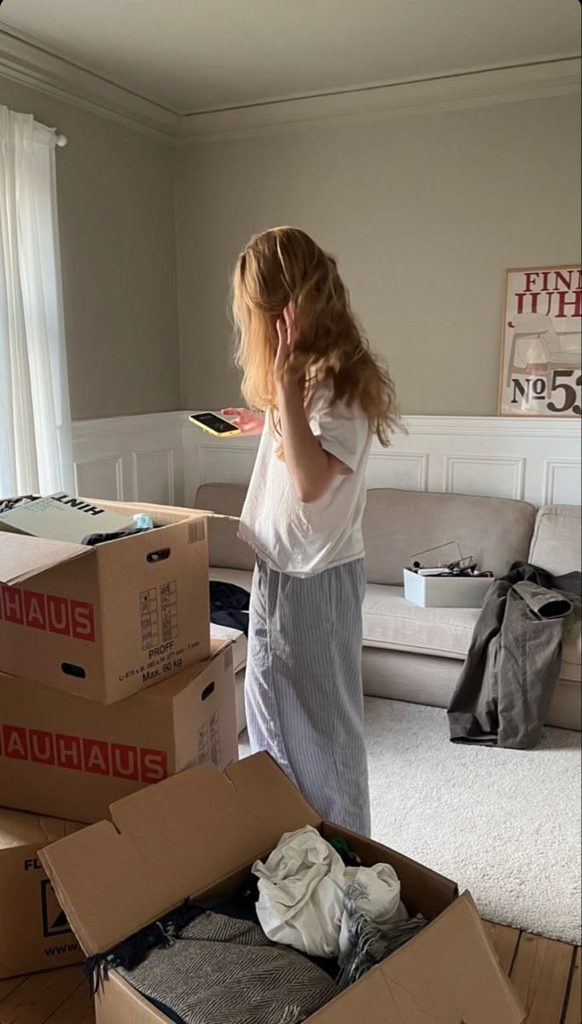
35 First Apartment Essentials You’ll Actually Use
1. A Comfortable Mattress
A good mattress is one of the first things worth taking seriously in your new apartment. You can survive without matching furniture, but poor sleep becomes difficult very quickly.
Your mattress does not need to be expensive or luxurious. It simply needs to give you enough support and comfort for your normal sleeping position.
If money is tight, prioritize the mattress before decorative bedding or an expensive bed frame. You can improve the appearance of your bedroom later.
Also, check the mattress size before buying sheets, protectors, or a frame. A mismatch can turn a simple shopping trip into an unnecessary headache.
Think about your sleep habits too. If you move around a lot during sleep, choose something that gives you enough space to rest comfortably.
Your first apartment should feel like somewhere you can recover after a long day. A decent mattress helps make that possible from the beginning.

2. Two or Three Sets of Bed Sheets
You do not need ten sets of bed sheets when you first move in. Two or three good sets can cover your normal washing routine without filling your closet.
Having an extra set matters because laundry does not always happen exactly when you plan it. Sometimes you need clean sheets while another set is still waiting to be washed.
Choose sheets that feel comfortable against your skin and fit your mattress properly. Check the mattress depth before ordering fitted sheets.
Simple colors can also make your bedroom easier to manage. You can change the look later with pillows, blankets, curtains, or other small touches.
This is one of those purchases that feels ordinary until you need it. Then you quickly realize how useful an extra clean set can be.

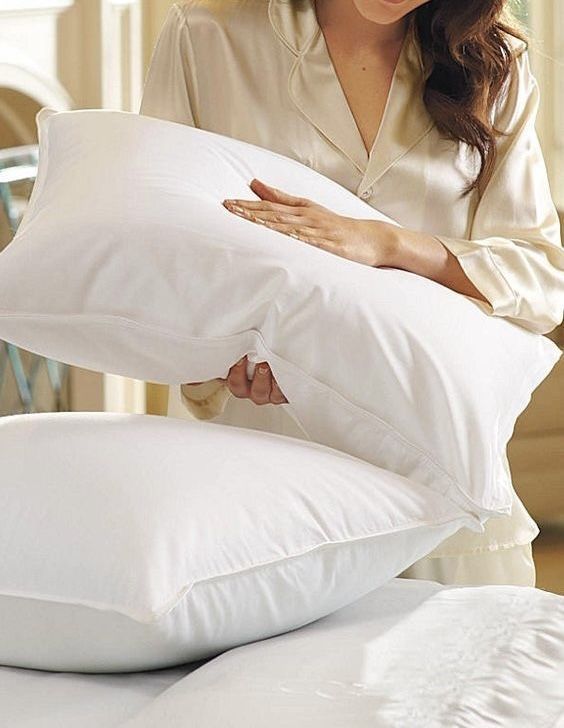
3. Pillows You Actually Like
A pillow can affect your sleep more than you expect, especially after a long day at work or school. Choose one based on comfort rather than appearance.
Some people prefer firm pillows, while others sleep better with something softer. Your sleeping position can also affect what feels comfortable.
You may need two sleeping pillows, but you do not need a mountain of decorative pillows. Keep the bedroom practical until you understand what you genuinely use.
Washable pillow covers are also worth having because pillows can collect sweat, dust, and everyday dirt over time.
A small pillow purchase can make your first bedroom feel comfortable without requiring much money.
4. A Blanket or Comforter
Even if your apartment feels warm during the day, nights can feel different. Keep a blanket or comforter that works with your room temperature.
You can choose a lightweight option if your apartment is usually warm. If your area gets cooler at night, a thicker comforter may make more sense.
Do not buy several blankets simply because they look nice online. Start with one dependable option and add another later if you need it.
A simple blanket also works when you are sitting on the sofa, watching television, or relaxing after work.

5. Bath Towels
Bath towels are easy to forget when you are focused on furniture. Then you take your first shower and realize you have nothing clean to dry yourself with.
Start with at least two or three bath towels if your budget allows. This gives you enough flexibility when one towel is being washed.
Choose towels that dry reasonably quickly and feel comfortable. Extremely thick towels can feel luxurious, but they may take longer to dry.
You can also keep separate smaller towels for your face and hands. This makes everyday bathroom routines easier and keeps things cleaner.

6. Hand Towels and Washcloths
Small towels have more uses than you might expect in your first apartment. You can keep them in the bathroom, kitchen, bedroom, or cleaning area.
A hand towel near the bathroom sink makes drying your hands convenient. Washcloths can also help with bathing, wiping surfaces, or quick cleaning jobs.
Keep a few clean ones available rather than buying a huge pack. You can always add more after you understand your routine.
During my first apartment setup, I underestimated small towels because they looked unimportant. I quickly changed my mind after constantly needing one.

7. Toilet Paper
This sounds obvious, but toilet paper deserves a place near the top of your moving list. It is one of those basic items you notice immediately when it is missing.
Buy enough for your first few days before moving in. You do not need to buy a warehouse-sized supply if storage space is limited.
Store extra rolls somewhere dry and easy to reach. A simple basket, cabinet, or shelf can keep them organized without taking much space.
It is also smart to check the bathroom before deciding how much storage you actually have.

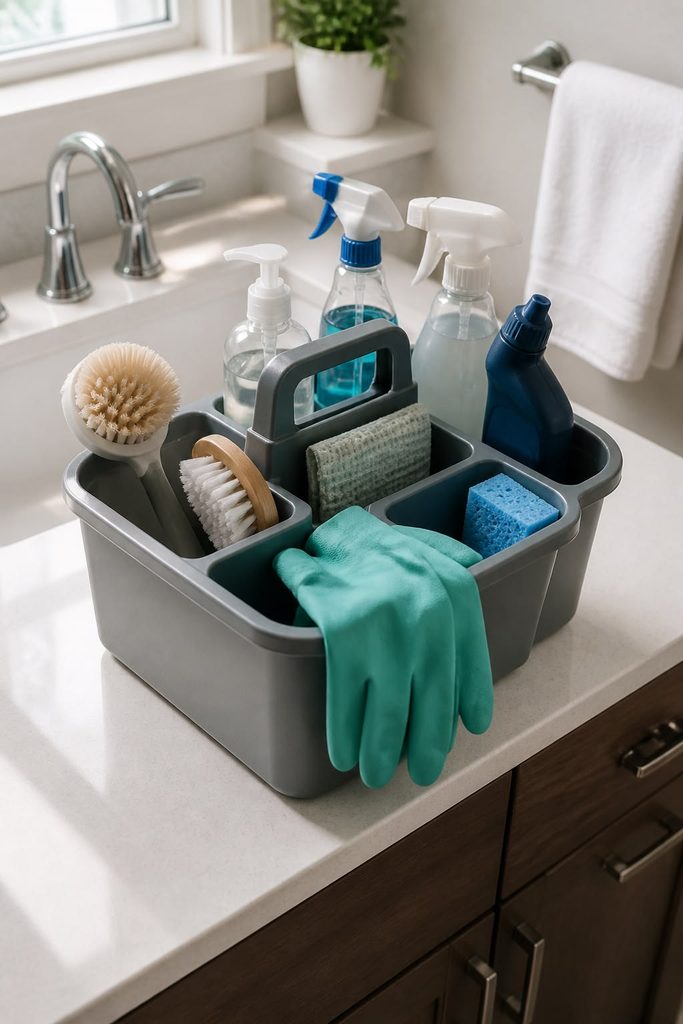
8. Toilet Brush and Toilet Cleaner
Your bathroom needs basic cleaning tools from the beginning. A toilet brush and suitable toilet cleaner can help you handle routine bathroom cleaning without waiting for problems to build up.
You do not need a complicated cleaning system. You need a few dependable products that you can reach easily when the bathroom needs attention.
Keep cleaning products safely stored away from children and pets. Follow the instructions on each product and avoid mixing different cleaning chemicals.
For a broader cleaning routine, you can later use 45 Things to Clean in Your Apartment and How Often to Clean Them to organize your schedule.
9. Plunger
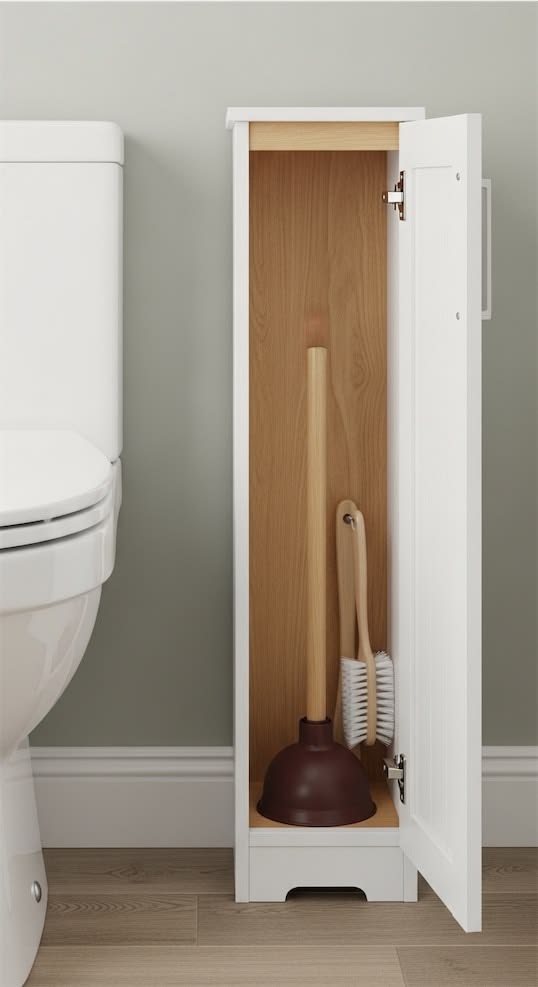
Nobody wants to buy a plunger, but almost every home should have one. Waiting until a toilet is blocked before buying one can create an unnecessary emergency.
Choose a proper toilet plunger rather than assuming any basic plunger will work. Keep it somewhere accessible but discreet.
You may never need it for months. Still, having one available can save you a stressful trip to the store at the worst possible time.
This is a perfect example of an item that feels unnecessary until suddenly it is the most important thing in your bathroom.
10. Shower Curtain or Door Essentials
If your bathroom uses a shower curtain, make sure you have the curtain, liner, hooks, or rings needed to use it properly.
Do not assume these pieces automatically come with your apartment. Some rentals provide them, while others leave you responsible for buying them.
Check the shower setup before shopping. Measure the space if necessary so the curtain fits properly and helps keep water inside the shower area.
A small bathroom detail like this can prevent water from spreading across the floor every time you shower.

11. Laundry Basket
A laundry basket gives dirty clothes a proper home instead of letting them collect on your bedroom floor.
Choose a size that matches your available space. A huge basket may look useful, but it becomes annoying if your bedroom is small.
Handles can also make carrying clothes easier when laundry day arrives. If you use a shared laundry room, portability becomes even more useful.
Keep the basket somewhere you naturally change clothes. The easier it is to use, the less likely clothes will end up scattered around the room.

12. Hangers
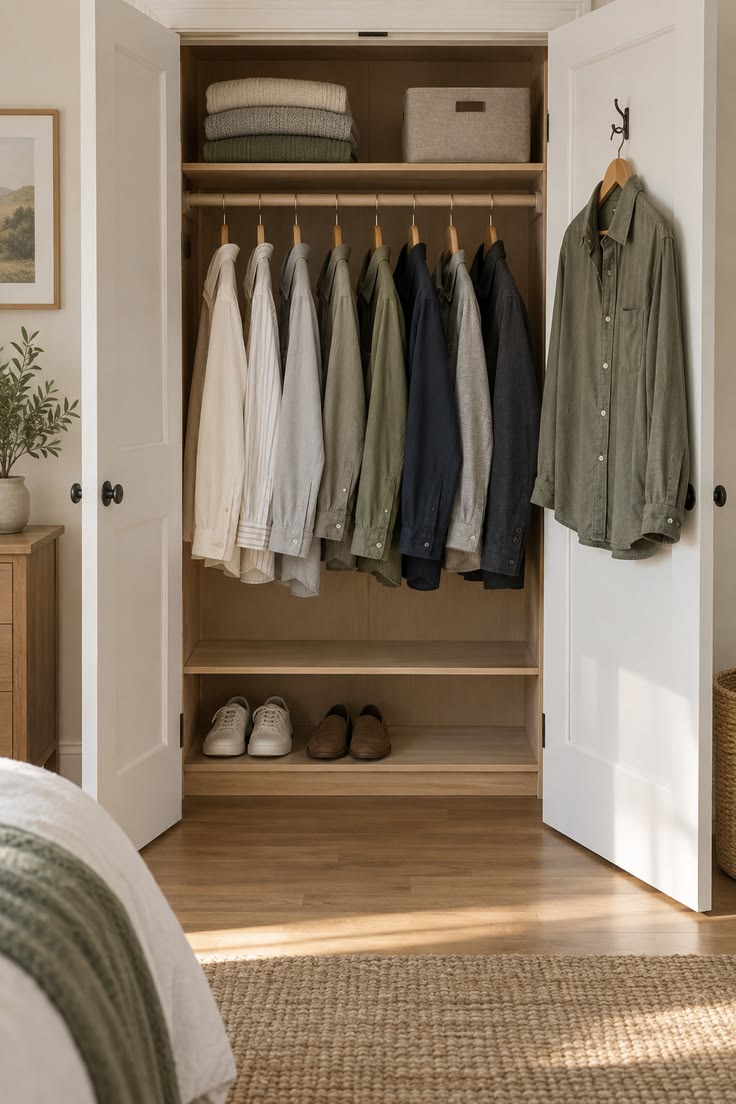
Hangers are another small essential that becomes important quickly. Your clothes need somewhere to go after unpacking.
Start with enough hangers for your regular wardrobe. You can buy more later instead of purchasing a large pack immediately.
Slim hangers can save closet space, especially in smaller apartments. But simple plastic or wooden hangers can work perfectly well if they suit your needs.
Do not forget stronger hangers for coats, jackets, or heavier clothing. Lightweight hangers can bend or break under extra weight.
13. Laundry Detergent
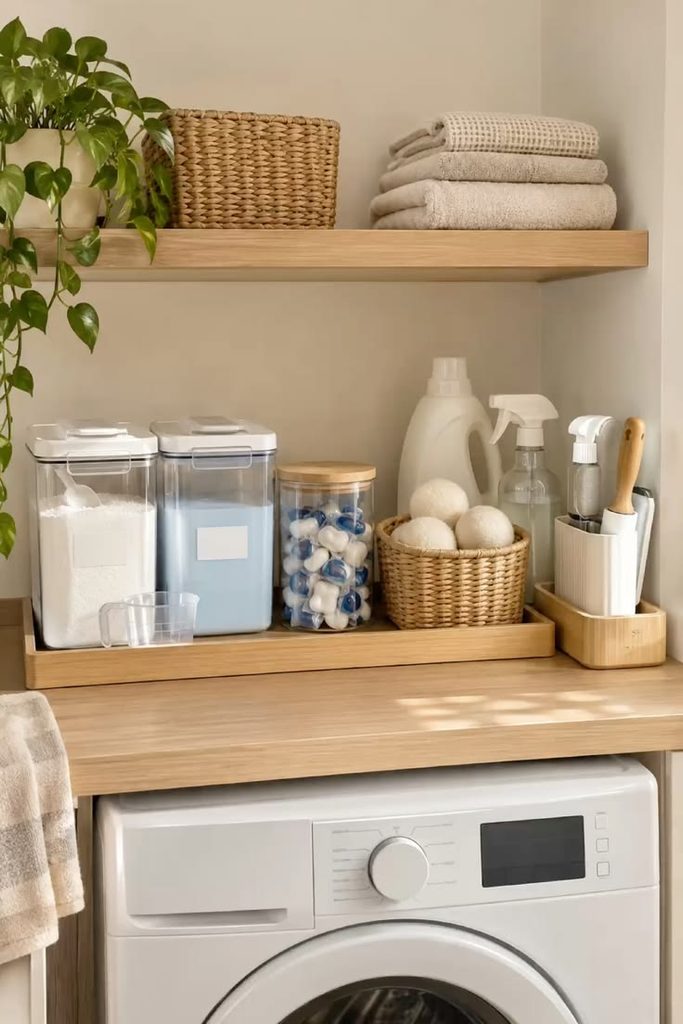
Your first apartment means you are responsible for keeping your clothes clean. Laundry detergent should be part of your moving-day supplies.
Check the washing machine instructions before choosing detergent. Some machines require specific types or smaller amounts than you might expect.
Avoid pouring extra detergent because you think more will make clothes cleaner. Using too much can leave residue and may cause problems over time.
A simple detergent that works with your normal clothes is enough to start. You can explore other options after you settle into your routine.
14. Dish Soap and a Sponge
Even if you plan to use a dishwasher, dish soap still deserves space in your kitchen. You will probably have items that need quick hand washing.
A sponge, dish brush, or scrubber can help with plates, cups, pans, and other kitchen items.
Keep your cleaning tools in one easy-to-reach area near the sink. This makes cleaning up after meals less of a chore.
Replace worn-out sponges regularly. A sponge that smells bad or looks dirty is not helping you keep the kitchen fresh.

15. Plates and Bowls
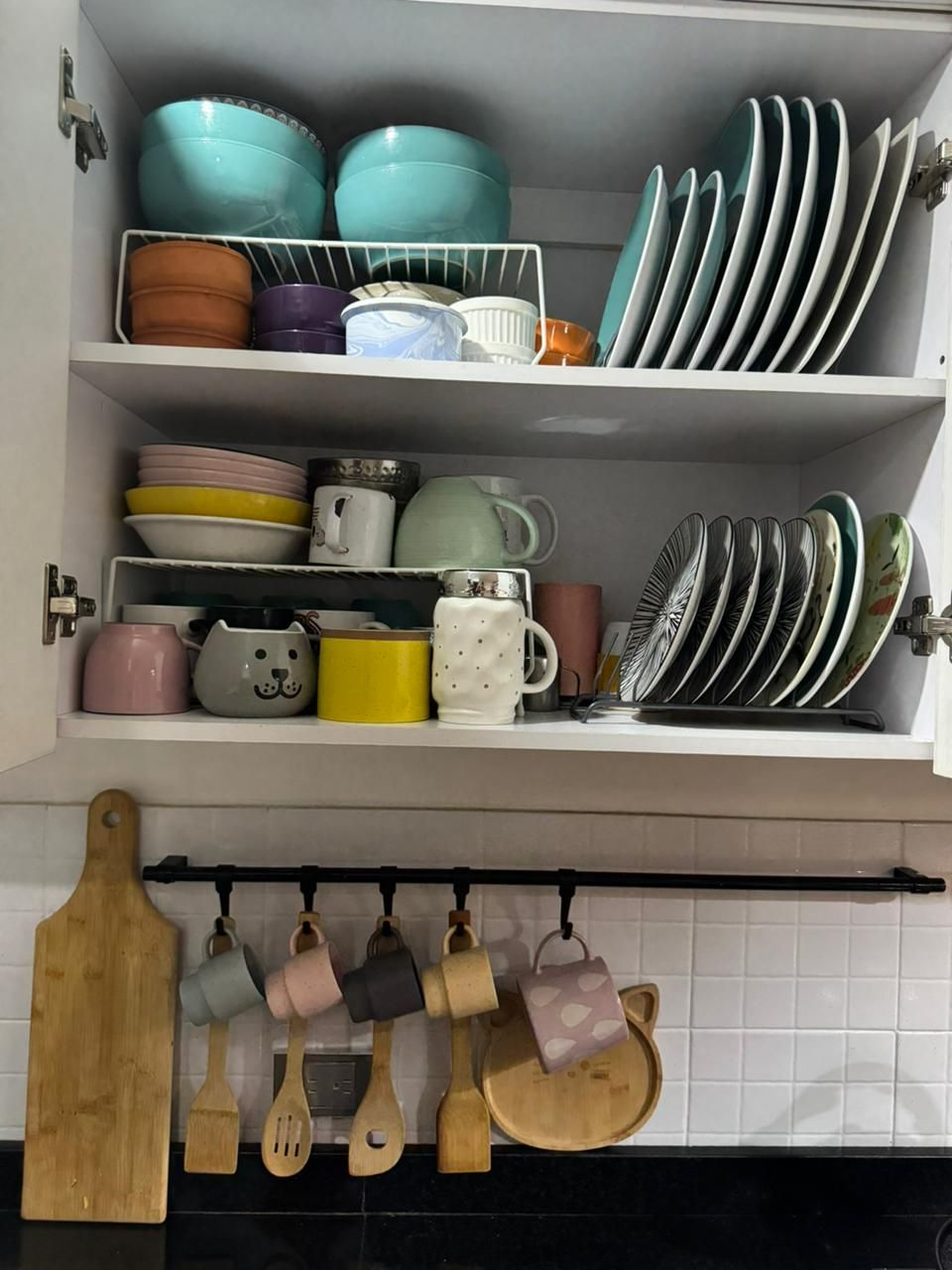
You do not need a complete dinnerware collection for your first apartment. A few plates and bowls can handle most everyday meals.
Start with enough for your normal routine and add more when needed. If you live alone, four or six of each may be more practical than twelve.
Choose pieces that are easy to wash and store. Heavy dishes may look nice but can become inconvenient in a small kitchen.
If you often eat simple meals, basic plates and bowls will probably serve you well.
16. Drinking Glasses or Reusable Cups
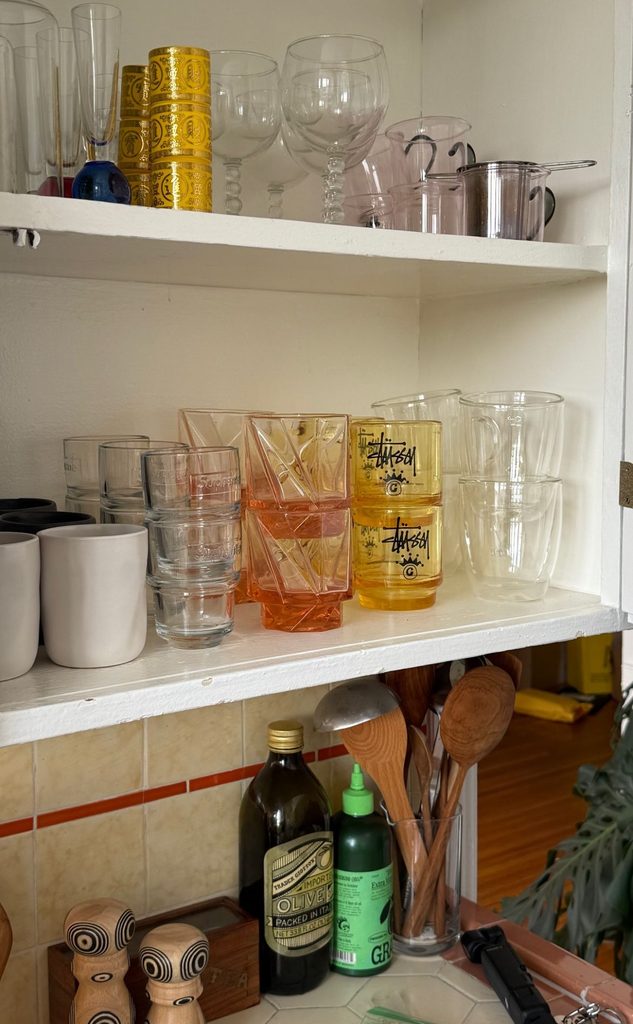
A few drinking glasses or reusable cups can cover water, juice, tea, and other everyday drinks.
Reusable cups can also be useful when you leave home. They reduce the need to keep buying disposable bottles or cups during busy days.
You do not need matching glassware at the beginning. Choose practical pieces that fit your kitchen cabinets and lifestyle.
If you have limited cabinet space, stackable options can make storage easier.
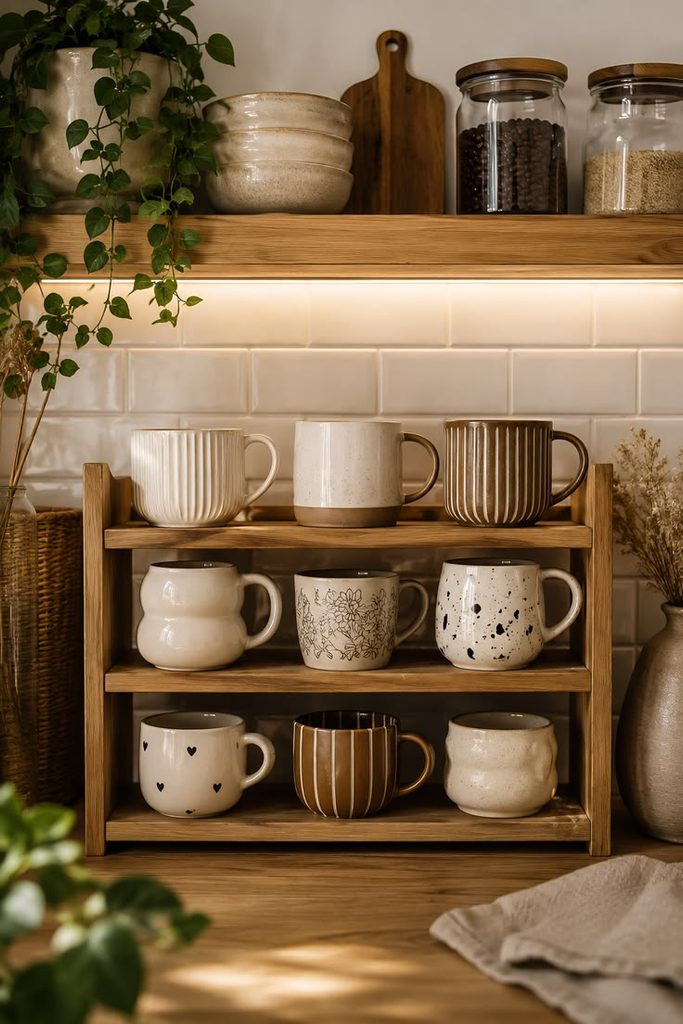
17. Mugs
One or two mugs are enough to begin if you drink coffee, tea, hot chocolate, or other warm drinks.
You might eventually collect mugs without realizing it, especially if people give them to you. But your first apartment does not need a crowded mug cabinet.
Choose mugs that feel comfortable in your hand and fit under your kitchen shelves.
Small details like these can make your kitchen feel more personal without spending much money.
18. Forks, Spoons, and Knives
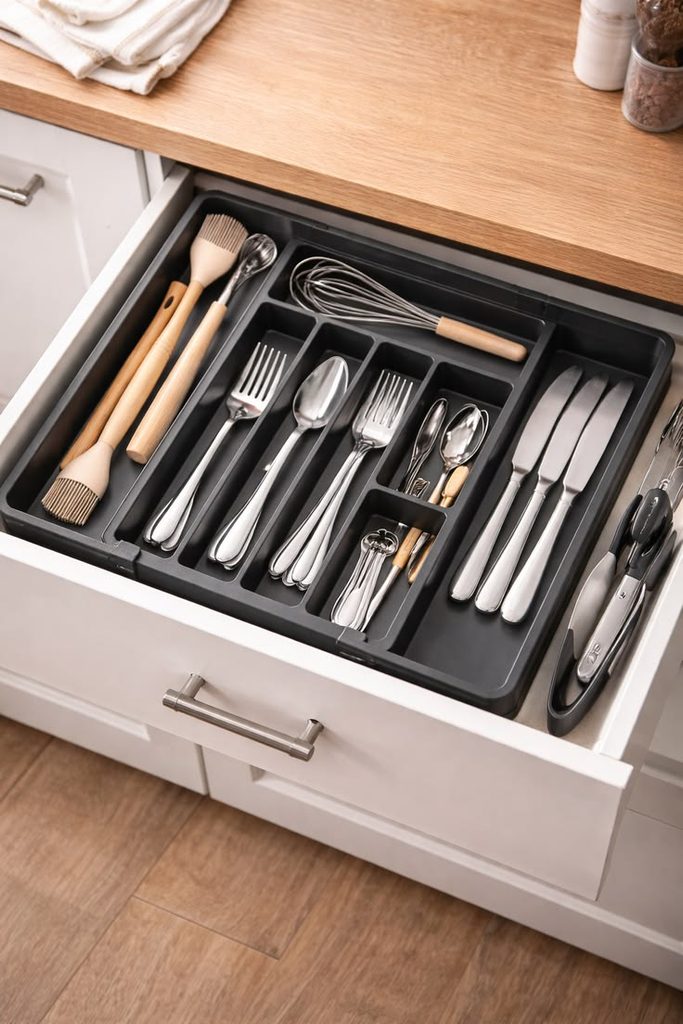
Basic cutlery is essential because eating every meal with disposable utensils gets expensive and inconvenient.
A simple set of forks, spoons, and table knives can handle your everyday meals. You do not need fancy designs to make them useful.
If you cook often, remember that table knives are different from kitchen knives. You will need proper cooking tools separately.
Keep your cutlery in a drawer organizer if possible. It makes finding what you need faster and keeps the drawer from becoming messy.
19. A Good Chef’s Knife
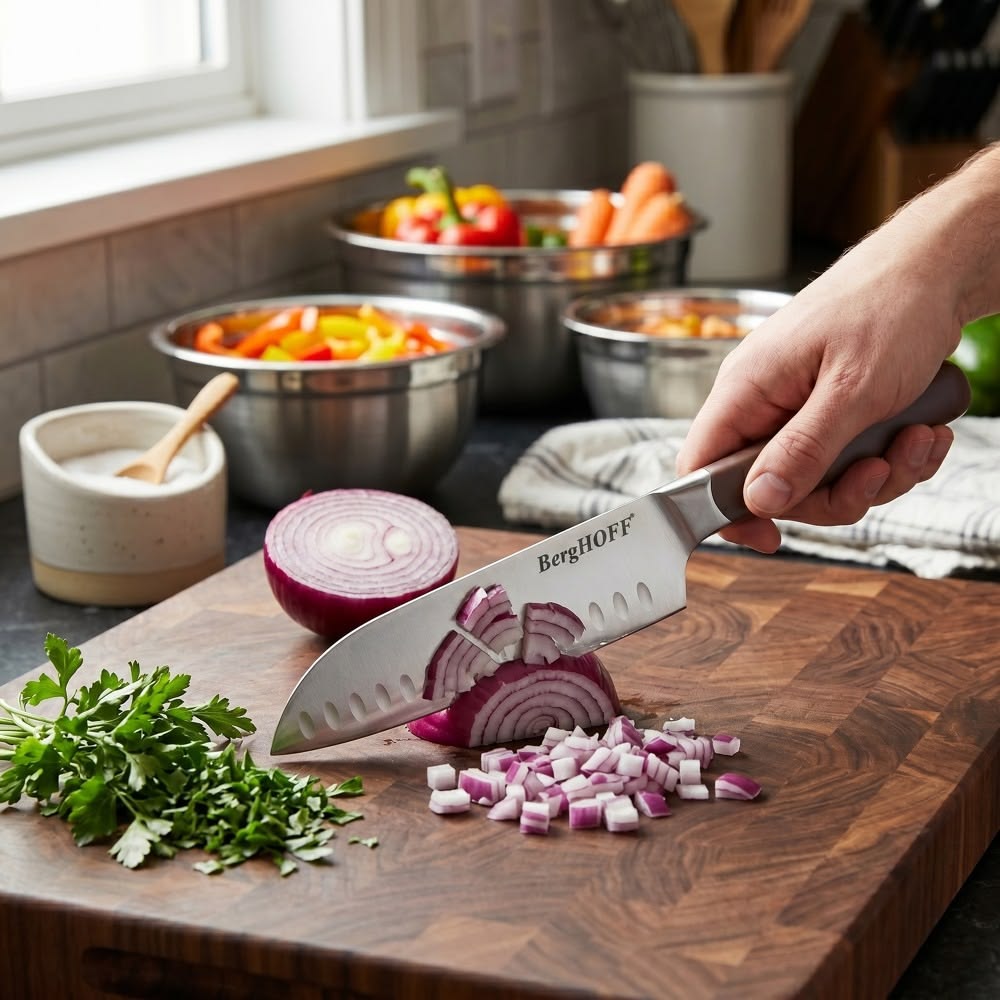
A dependable kitchen knife can make food preparation much easier. You do not need a huge knife collection to start cooking at home.
One good chef’s knife can handle many basic tasks. You can add a smaller knife later if your cooking habits require it.
Keep the knife clean, dry, and safely stored. Avoid leaving sharp knives loose inside crowded drawers.
A good knife also makes simple meals feel less frustrating. Chopping vegetables becomes much easier when your knife is actually sharp.
20. Cutting Board
A cutting board gives you a clean surface for preparing vegetables, fruit, meat, bread, and other ingredients.
Choose a size that fits your counter without making the kitchen feel crowded. A board that is too small can become frustrating when preparing larger meals.
Wash it properly after use and let it dry completely. If you prepare raw meat, follow safe food-handling practices and clean the surface carefully afterward.
You can start with one board and add another later if your cooking routine calls for separate surfaces.

21. One or Two Cooking Pots
You do not need a ten-piece cookware set just because you moved into your first apartment.
One medium pot and one larger pot can handle many basic meals. Think about the food you actually cook instead of buying every size available.
If you make rice, pasta, soups, noodles, or simple stews, choose pots that match those meals.
Good cookware can last for years when treated properly. That makes practical pieces more valuable than buying a large set you rarely use.

22. One Frying Pan
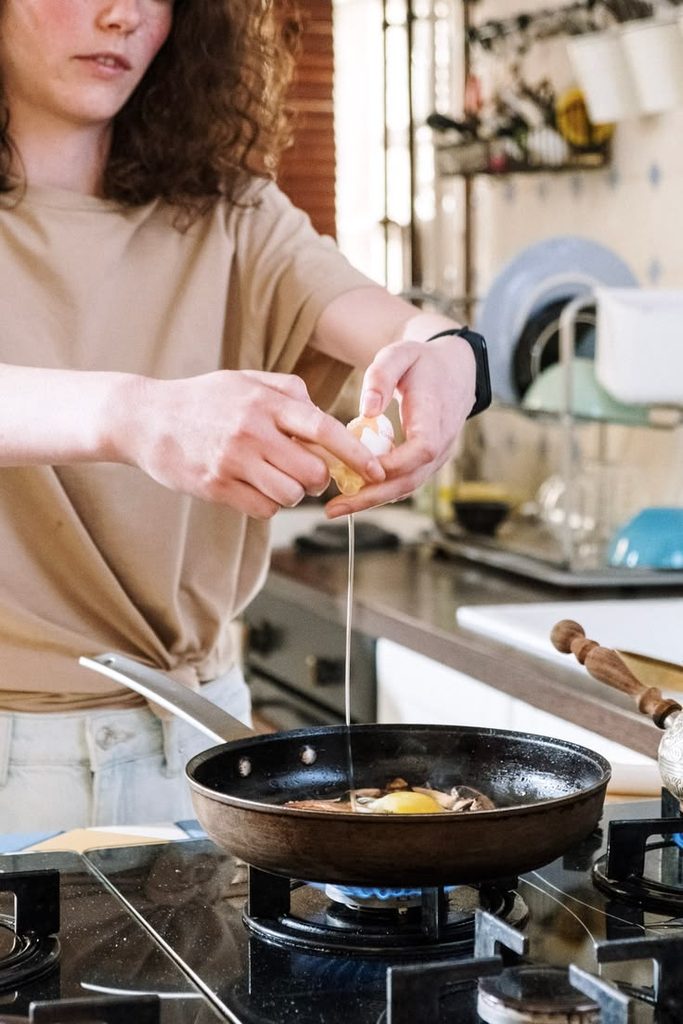
A frying pan can handle eggs, vegetables, chicken, pancakes, grilled sandwiches, and many other simple meals.
Choose one that fits your stove and feels comfortable to handle. A pan with a sturdy handle can make cooking safer and easier.
You do not need several frying pans immediately. Start with one dependable pan and learn what your kitchen routine actually requires.
If you cook often, you can slowly build your cookware collection around real needs.
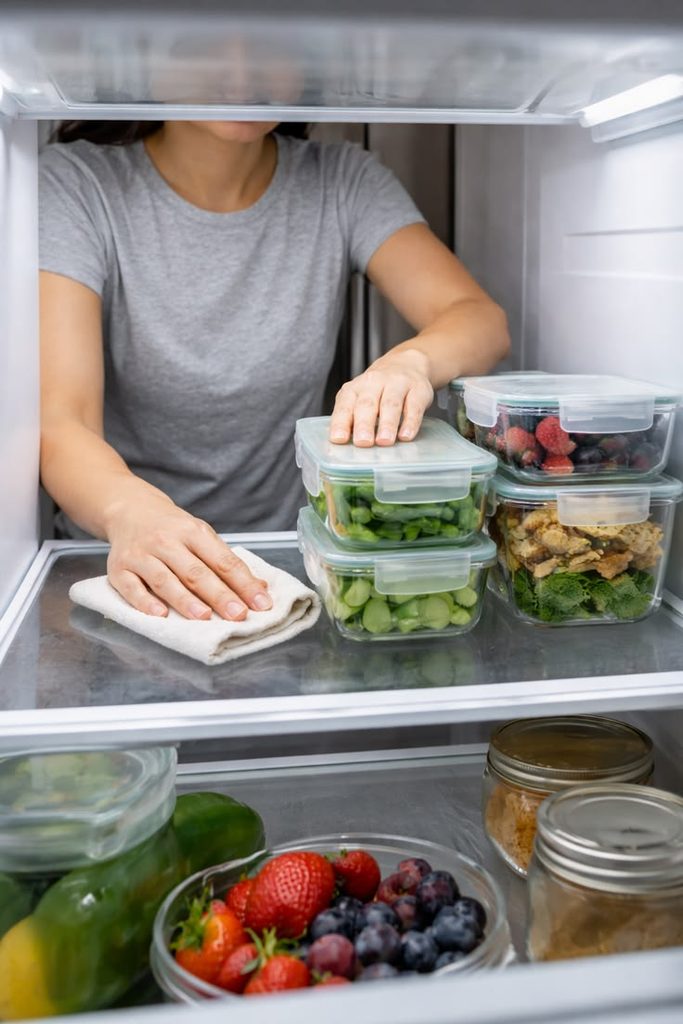
23. Food Storage Containers
Food storage containers can help you save leftovers and reduce unnecessary food waste. They are especially useful when you cook more food than you can eat at once.
Choose containers that stack easily and have secure lids. Matching sets can make your refrigerator and cupboards easier to organize.
Clear containers are also helpful because you can see what is inside without opening every lid.
Do not buy dozens before you know your habits. Start with a few different sizes and build your collection slowly.
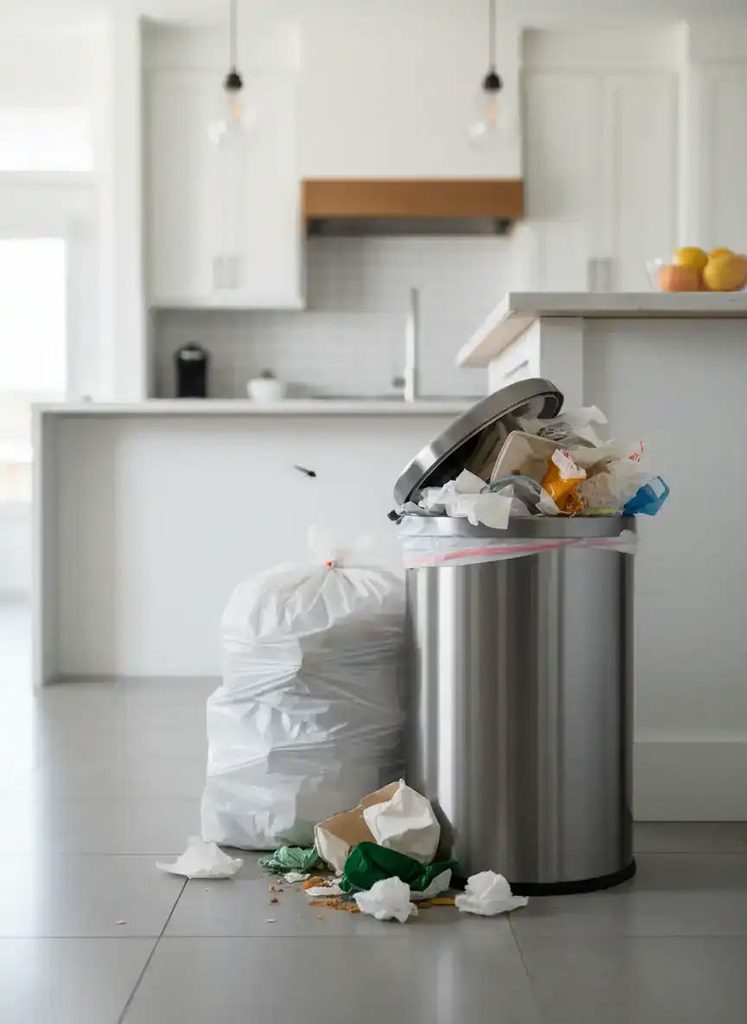
24. Trash Can and Trash Bags
Your apartment needs a proper place for everyday rubbish. A small kitchen trash can is usually enough for one person or a small household.
Choose a size that fits the kitchen without taking over valuable floor space. A lid can also help contain smells and keep rubbish out of sight.
Buy compatible trash bags at the same time. It is frustrating to have a full bin and discover that the bags you bought are too small.
Keep a few extra bags near the trash can so replacing one does not become a whole project.
25. Broom and Dustpan
A broom and dustpan can handle crumbs, dirt, dust, and small messes without requiring a vacuum every time.
They are especially useful for quick cleaning. You can sweep the kitchen after cooking or clean a small spill without bringing out several tools.
Choose a broom that fits comfortably in your hand. Storage also matters, especially if your apartment has limited closet space.
A simple wall hook can keep the broom and dustpan off the floor and ready for use.

26. Mop
Your floors need more than sweeping. A mop helps remove dirt that a broom cannot handle properly.
Choose a mop that matches your flooring. Some floor types require gentler cleaning methods, so check the care instructions before using strong products.
You do not need an expensive mop with many attachments. A simple option that is easy to wash and store can work well.
Keep a bucket if your mop requires one. If you choose a spray mop, make sure replacement pads are easy to find.

27. All-Purpose Cleaner
One dependable all-purpose cleaner can handle many everyday surfaces around your home.
You can use it for suitable counters, tables, shelves, and other surfaces according to the product instructions. Always check the label before using it on delicate materials.
You do not need a separate cleaner for every surface in your apartment. Start simple and add specialized products only when your home actually needs them.
Keep cleaning products together in a safe storage area. This makes cleaning faster because you are not searching through different rooms.

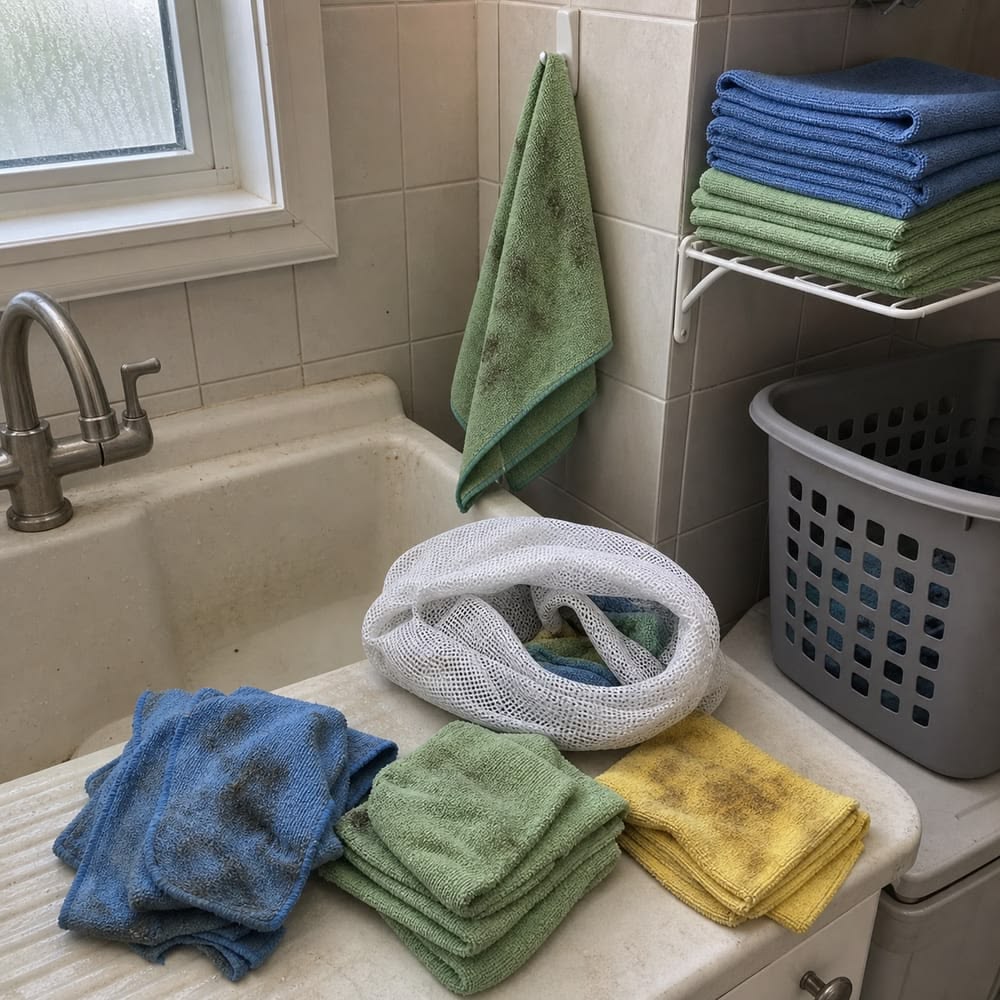
28. Microfiber Cloths
Microfiber cloths are useful for wiping counters, mirrors, shelves, tables, and many other surfaces.
Keep several available so you can use clean cloths for different jobs. Washing them regularly also helps you avoid spreading dirt around your home.
They take up little storage space and can be washed and reused. That makes them a practical choice for someone setting up a home on a budget.
A few good cloths can replace a surprising amount of disposable cleaning material.
Before you go, check this out: 45 Things to Clean in Your Apartment and How Often to Clean Them
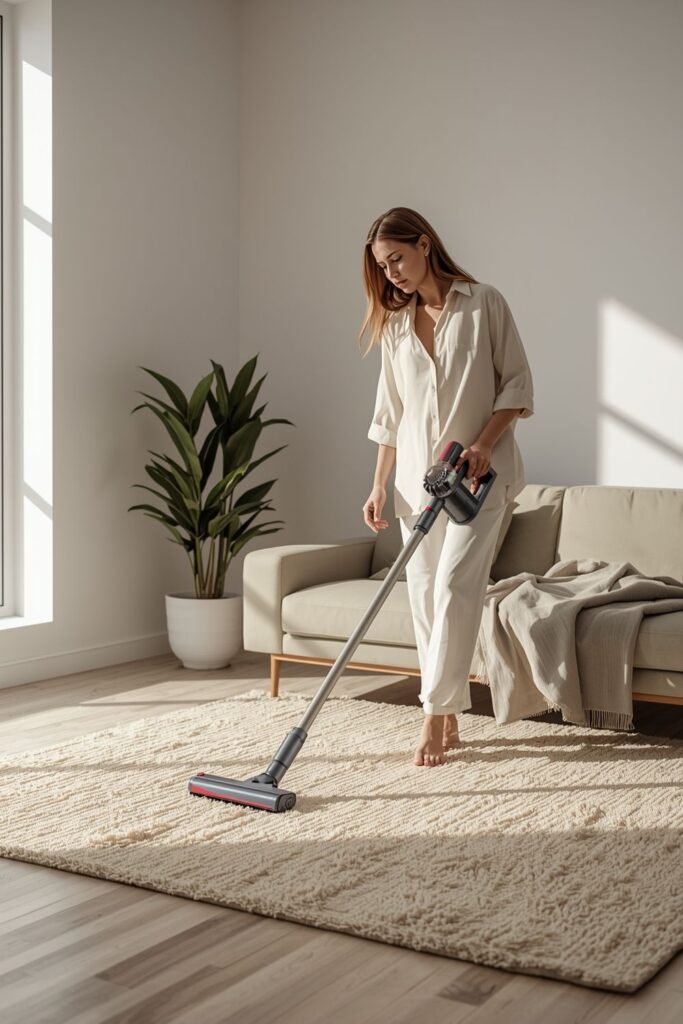
29. Vacuum Cleaner
A vacuum cleaner is useful if your apartment has carpets, rugs, upholstery, or areas where a broom cannot do the job properly.
You do not necessarily need a large expensive vacuum. Choose something that matches your flooring, storage space, and cleaning routine.
If your apartment is small, a lightweight vacuum may be easier to store and carry around.
Before buying one, check what attachments come with it. A useful attachment can make cleaning furniture, corners, and tight spaces much easier.
You’ll thank me later: 35 First Apartment Mistakes You’ll Want to Avoid
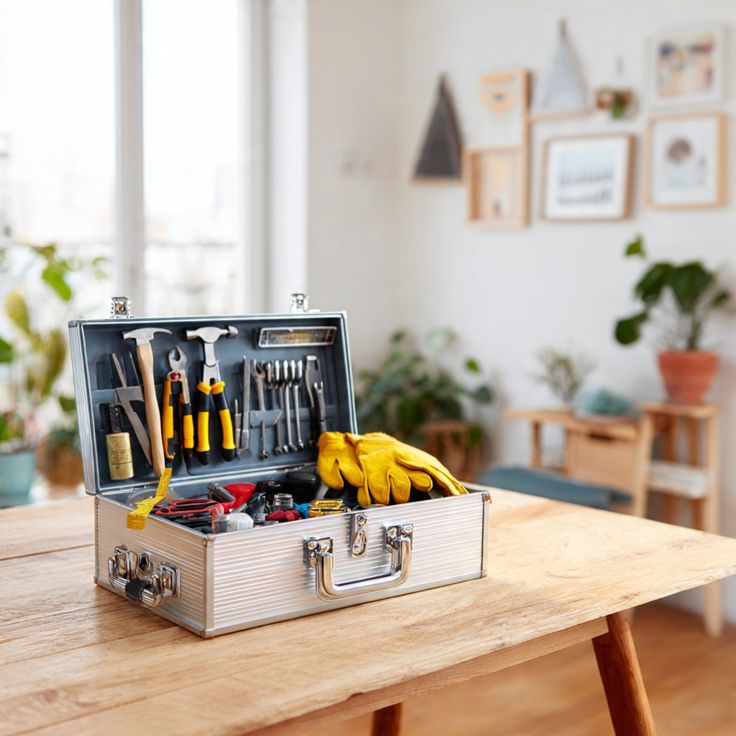
30. Basic Tool Kit
A small tool kit can save you from borrowing tools every time something needs tightening or adjusting.
Start with basics like a screwdriver set, measuring tape, small hammer, pliers, and a few common screws.
You do not need professional equipment for everyday apartment tasks. Your goal is to handle simple jobs safely and know when a repair needs your landlord or a professional.
During my first apartment setup, I needed a screwdriver almost immediately after unpacking. That small experience taught me not to treat basic tools as optional.
Keep the tools together in one small box. You will thank yourself when something suddenly needs fixing.
Keep this handy: 25 Things to Do During Your First Week in a New Apartment
31. Extension Cord or Power Strip
A power strip can help when several devices need power near one area. This is especially useful around desks, entertainment spaces, and bedside tables.
Choose a quality product with appropriate safety features. Avoid overloading outlets or using damaged cords.
Think about where your devices normally sit before buying several power strips. You may only need one or two.
Also, do not run cords across walking paths in ways that could cause trips. A tidy setup is safer and easier to live with. You’ll want to come back to this: 25 Things to Do Before Moving Into Your First Apartment

photo credit
32. Basic First-Aid Kit
A small first-aid kit is useful for everyday minor problems. Keep basic supplies such as bandages, antiseptic items, gauze, and other suitable household first-aid products.
You do not need a giant medical box for your apartment. A compact kit can handle simple situations while you decide what else your household needs.
Store it somewhere easy to reach but away from children if necessary. Check supplies occasionally and replace anything expired or used.
Having it ready is much better than searching for bandages after a small accident.
Don’t lose this list: 25 Things to Check Before Signing an Apartment Lease
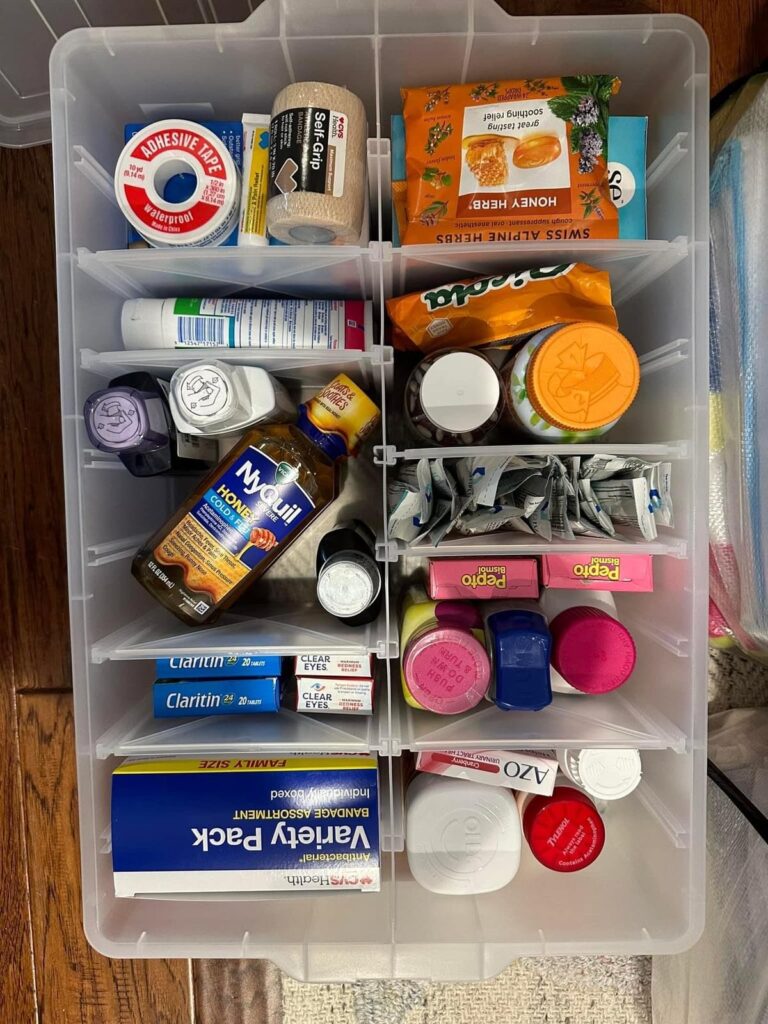
photo credit
33. Flashlight and Spare Batteries
Power interruptions can happen, even when you are not expecting them. A flashlight gives you a simple way to move around safely when the lights go out.
Keep it somewhere you can find easily in the dark. Do not hide it inside a box that you cannot remember later.
If the flashlight uses batteries, keep suitable spares nearby. Check them occasionally so you know they still work.
You can also use a rechargeable light if that fits your budget and routine. The main goal is having reliable light when you need it.
Read this next: 25 Apartment Items Worth Buying Before You Move In
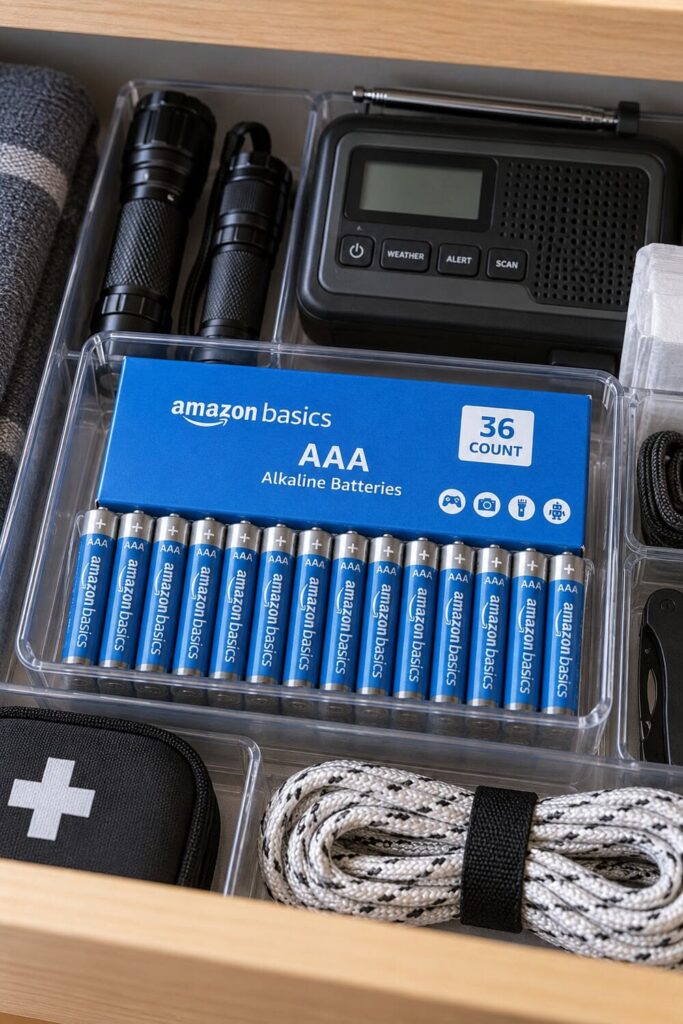
photo credit
34. Basic Storage Baskets
Storage baskets can help control small items that otherwise end up scattered across your apartment.
Use them for cleaning supplies, toiletries, cables, extra towels, or other everyday items. The best baskets are the ones that match what you actually need to store.
Do not buy baskets first and search for things to put inside them later. That can waste both money and storage space.
Instead, notice where clutter naturally builds up. Then choose storage that solves that specific problem.
If your apartment is small, organization becomes even more important. 35 Small Apartment Organization Ideas That Make Everyday Life Easier can help you make better use of limited space.

photo credit
35. A Simple Command Center for Everyday Life
Your final essential does not have to be an expensive object. It can be a small area where you keep the things you use before leaving home.
This could include your keys, wallet, bag, mail, sunglasses, chargers, and other daily items.
A small tray near the door can work perfectly. You can also use a wall hook, basket, shelf, or narrow table if your apartment allows it.
The idea is simple: give frequently used things a regular home. That small habit can prevent daily searching and reduce clutter.
When you live alone, tiny systems make a bigger difference than you might expect. You are responsible for remembering where everything belongs, so simple routines can save time.
If you share your apartment with someone, this becomes even more important. Clear systems can reduce confusion and make shared spaces easier to manage.
Save this idea: 35 Roommate Rules That Can Make Living Together Easier

photo credit
Final Thoughts
Your first apartment can feel like freedom and responsibility arriving at the same time.
You finally have your own space, but now you are also responsible for keeping it clean, stocked, organized, and comfortable.
That sounds like a lot at first. But you do not have to master everything in one weekend.
Start with the essentials you will genuinely use. Buy the basics, learn your routine, and add other things as your needs become clearer.
The best first-apartment purchases are rarely the flashiest ones. They are the items that quietly make your everyday life easier.
A good towel matters. A working plunger matters. Clean sheets matter. A decent frying pan matters. Even a small basket for your keys can matter.
Those ordinary things are what make a home function.
And as you settle in, you will slowly create your own systems, routines, and little comforts.
That is the real beginning of independent living.
Leave a Reply