Getting the keys to your first apartment feels like the beginning of a completely different life. Then you open the door, look around, and realize there is plenty to do.
There are boxes everywhere, unfamiliar switches, empty cupboards, and a hundred little decisions. You suddenly remember that moving in is only one part of actually settling down.
The first week can easily become chaotic if you try doing everything at once. But it does not have to feel that way.
Your first week should help you understand your new home and create simple routines. You do not need to decorate every corner or unpack every box immediately.
Instead, focus on the things that make your apartment safe, comfortable, clean, and functional. During my first week in a new apartment, I wanted everything finished immediately.
I unpacked too quickly and ended up moving several things again later. That taught me something simple about settling in.
Your apartment does not need to be perfect during the first seven days. You just need to make it easier to live there each day.
If you are still gathering your basics, 35 First Apartment Essentials You’ll Actually Use can help you focus on useful items.
This first week is also your chance to notice things you missed before moving. You may discover a dripping tap, a strange switch, poor storage, or an inconvenient layout.
You may also discover small things you absolutely love about the space. So, instead of rushing through the week, use it to learn your new home.
Here are the things worth doing before your first week disappears.
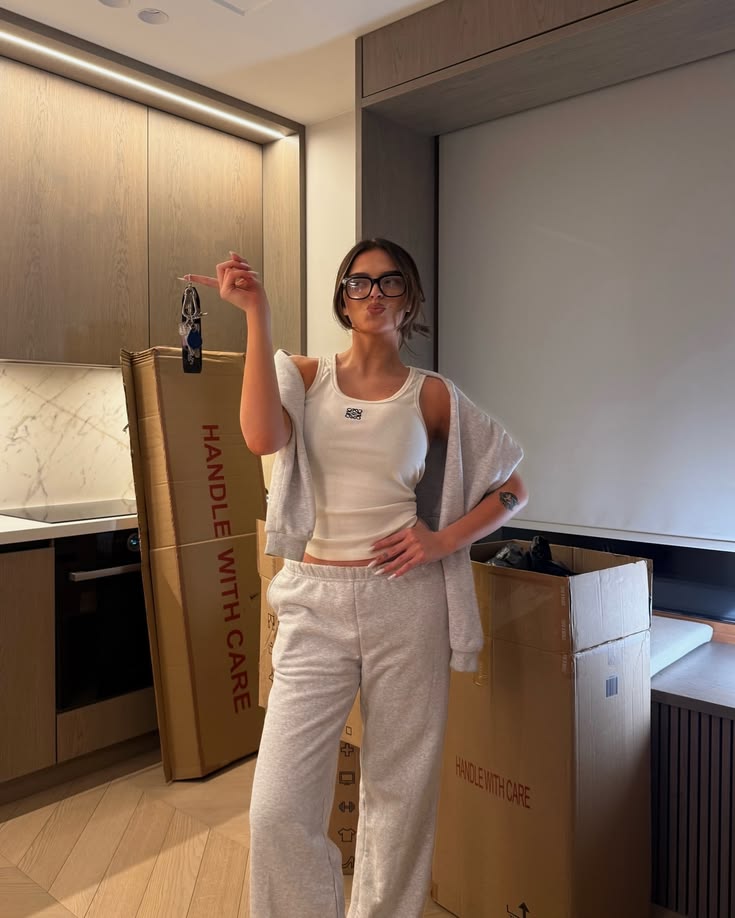
25 Things to Do During Your First Week in a New Apartment
1. Unpack the Things You Need First
You do not need to unpack every box on your first day. Start with the things you need for sleeping, bathing, eating, working, and getting dressed.
Your bedding should be easy to find before anything else. You should also have basic toiletries, towels, comfortable clothes, and essential kitchen items.
If you work from home, keep your work equipment accessible. Do not bury your laptop charger under five boxes of decorations.
Create one small area where your most important daily items can stay. This gives you a functional home even when several boxes remain unopened.
You can unpack the rest gradually as you understand the space better. A rushed unpacking session often creates new piles instead of creating order.
Take your time and focus on function first. You can always make everything prettier after your basic routines are working.
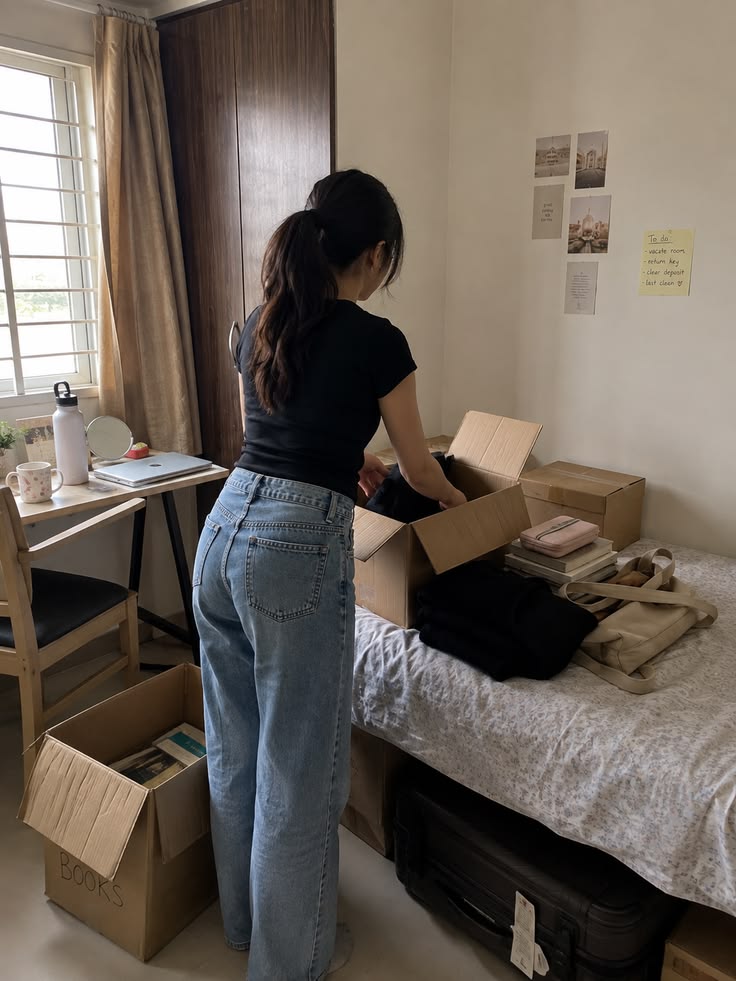
2. Check That Your Utilities Are Working
The first week is a good time to test every important utility. Check the electricity, water, heating, cooling, internet, and other services connected to your apartment.
Turn on different lights and test several switches around the home. Run taps briefly and check if the water flows normally.
Test your internet connection if the service has already been activated. If something does not work, report it as soon as possible.
Do not wait several weeks before mentioning a problem that started immediately. Keep records of maintenance requests, especially when the problem affects daily living.
You should also know how to contact your utility providers directly. This information becomes easier to manage when you organize it during your first week.
If you are still getting familiar with the apartment, 25 Things to Check Before Signing an Apartment Lease can remind you of important details worth reviewing.
Your first week should reveal problems early instead of allowing them to become normal.
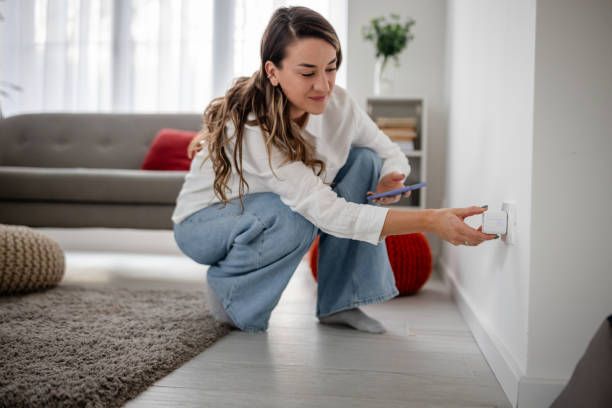
3. Deep Clean Before Everything Finds Its Place
Cleaning is much easier when the apartment is still mostly empty. You can reach corners, shelves, cabinets, and floors without moving dozens of belongings.
Start with areas that will hold your personal items. Wipe inside kitchen cabinets before putting plates, food, and cooking supplies inside.
Clean bathroom surfaces before arranging your toiletries. Vacuum or sweep floors before your furniture settles permanently into position.
Pay attention to handles, switches, shelves, windowsills, and other frequently touched surfaces. You do not need to deep clean every single thing on one afternoon.
Break the work into manageable areas so you do not become exhausted. During my first apartment week, I delayed cleaning until after unpacking everything.
That made the process much harder because furniture kept blocking the areas I needed. Now, cleaning early feels like one of the easiest ways to make moving smoother.
If you want a complete cleaning guide, 45 Things to Clean in Your Apartment and How Often to Clean Them is worth saving.
A clean starting point also makes the rest of your settling process feel calmer.
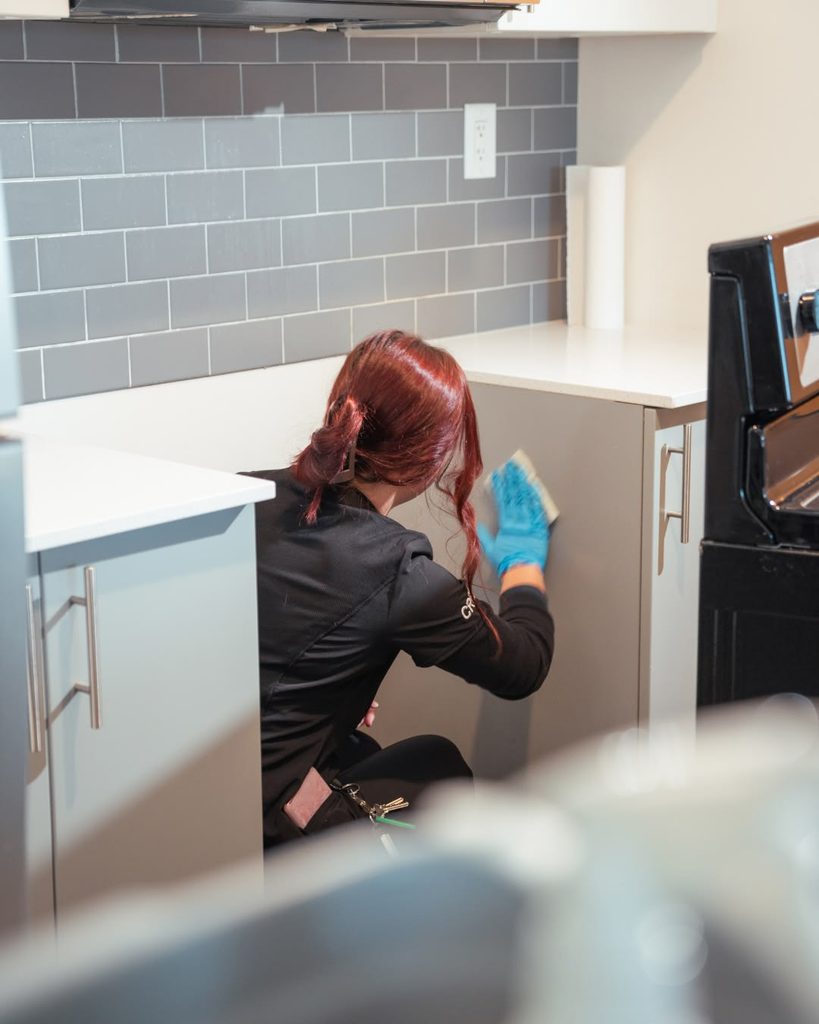
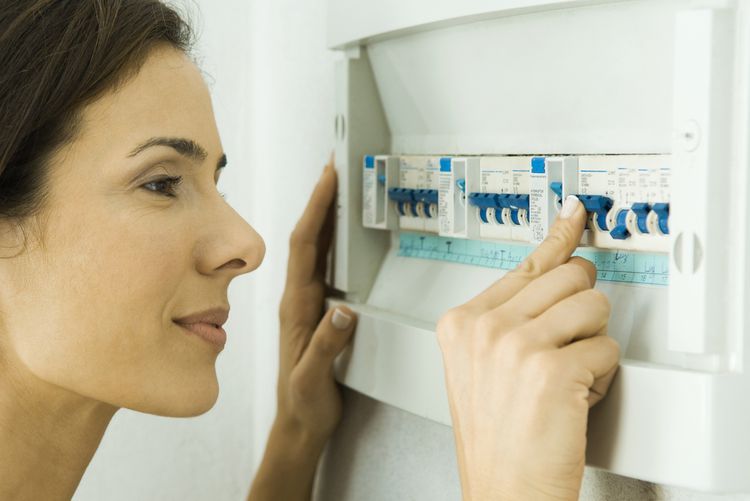
4. Find the Circuit Breaker and Main Shut-Offs
You should know where the important controls are before an emergency happens. Find the electrical panel and learn which switches control different parts of the apartment.
Locate the main water shut-off if your apartment has one you can access. If there are gas controls, learn where they are and how they work safely.
Ask the landlord or property manager if you are unsure about anything. Do not experiment with unfamiliar systems just to figure them out yourself.
You should also save emergency contact information somewhere easy to access. A power problem feels much less stressful when you know what to check first.
The same applies to a leaking tap or another urgent household problem. Take a quick photo of important panels if that helps you remember their locations.
This information may seem unnecessary now, but it can become valuable later.
5. Change Important Access Codes or Locks
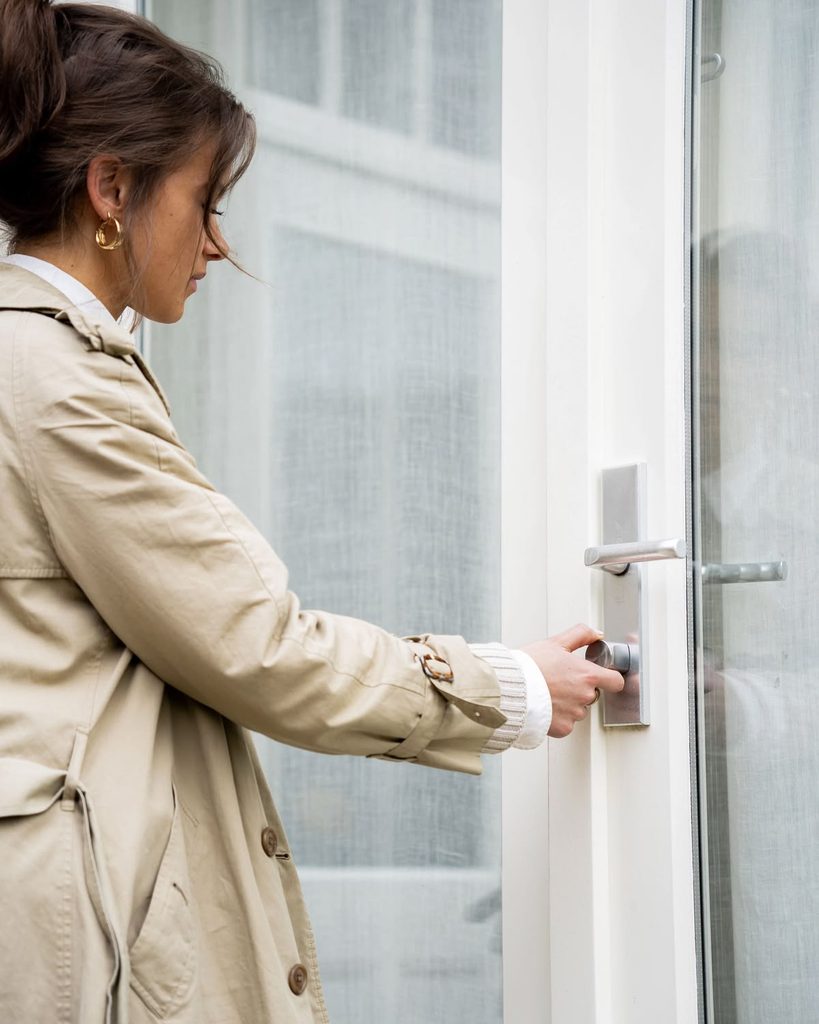
Your first week is a good time to review your apartment’s access arrangements. Ask about changing locks if the landlord or local rules allow it.
Some buildings use digital codes, key cards, or shared entry systems. Make sure you understand how each access method works.
If you received temporary codes, confirm when they expire. Avoid sharing your personal access information unnecessarily.
If your building has a security system, ask how residents use it. You should also understand what happens when you lose a key or access card.
Keep spare keys somewhere safe if your rental arrangement allows this. Do not leave spare keys in obvious outdoor hiding places.
A secure home starts with knowing exactly who can access it. Taking care of this during your first week gives you extra peace of mind.
6. Test the Doors and Windows
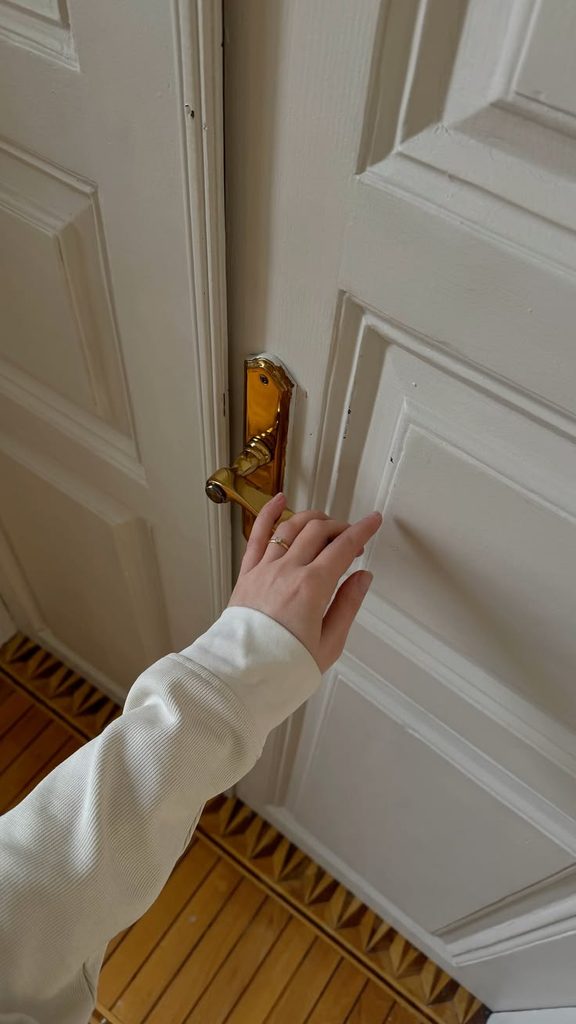
Walk through the apartment and test every door and accessible window. Make sure doors close properly and locks work as expected.
Check that windows open, close, and latch properly. Look for drafts, damaged screens, loose handles, or other obvious problems.
Do not force anything that appears stuck or damaged. Instead, report problems to the property manager.
You should also check balcony doors if your apartment has them. Make sure they close securely and understand any building rules around them.
This is also a good time to learn which windows should remain closed. Some buildings have safety restrictions for particular windows or higher floors.
A quick inspection can help you feel more familiar with your home. It also gives you another chance to document problems before settling completely.
7. Decide Where Your Everyday Things Will Live
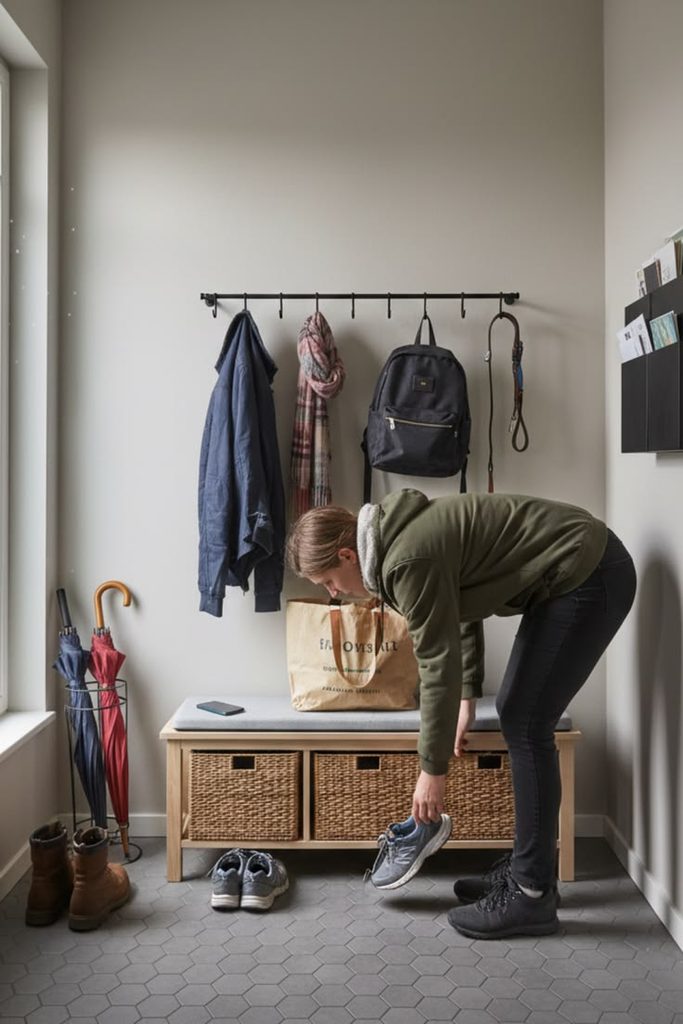
Your first week is the perfect time to create simple homes for everyday items. Think about where you naturally reach for your keys, shoes, bags, chargers, and toiletries.
Place those things near the areas where you actually use them. Do not copy an organization system simply because it looks beautiful online.
Your home needs to work around your real habits. If you always drop your bag beside the sofa, create a proper spot nearby.
If you remove shoes immediately, keep shoe storage near the entrance. This can prevent small habits from turning into daily clutter.
You can also create homes for frequently used kitchen and bathroom items. Once those places are established, putting things away becomes easier.
If your apartment is small, 35 Small Apartment Organization Ideas That Make Everyday Life Easier can give you practical ideas.
The goal is not perfect organization during your first week. It is creating a home that feels easier to use every morning and evening.
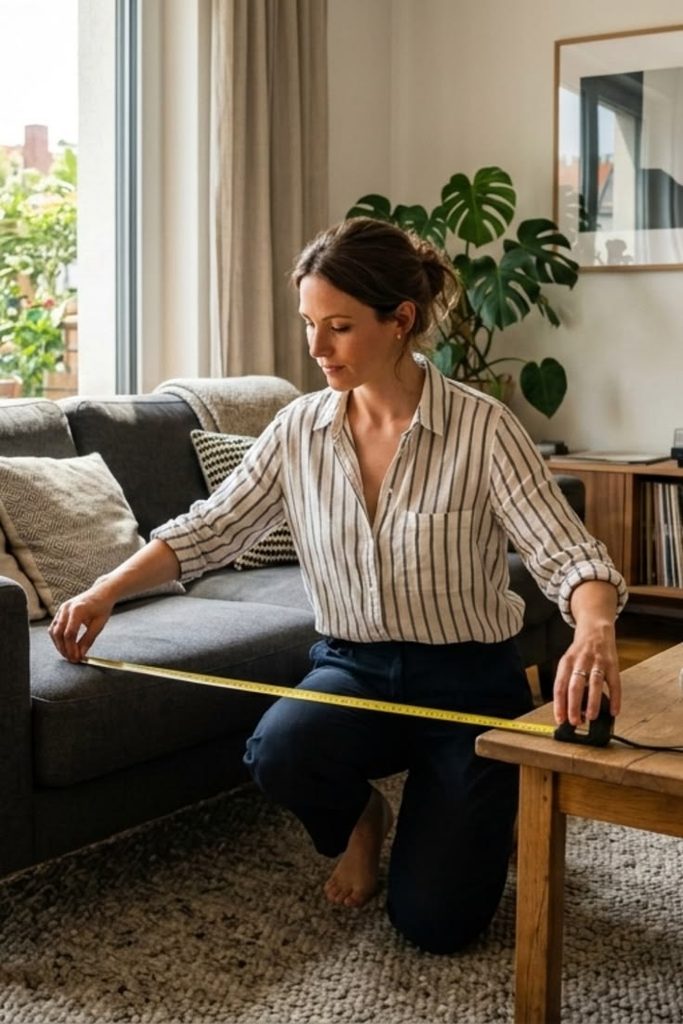
8. Measure Before Buying More Furniture
Moving into an apartment can make you want to buy everything immediately. But give yourself time before ordering more furniture.
Measure the rooms, doorways, hallways, and available spaces first. Check where large furniture can actually fit without blocking movement.
Think about how doors open and how people move through each room. A beautiful chair is not useful if it blocks the only walkway.
The same applies to shelves, tables, beds, and storage units. Use your first week to understand how the space feels with your current belongings.
You may discover that you need less furniture than you originally expected. You may also discover that one piece needs to move somewhere else.
If you are still shopping for your home, 45 Things to Buy for Your First Apartment can help you think through useful purchases.
Waiting before buying can save money and prevent unnecessary clutter.
9. Set Up Your Bedroom Properly
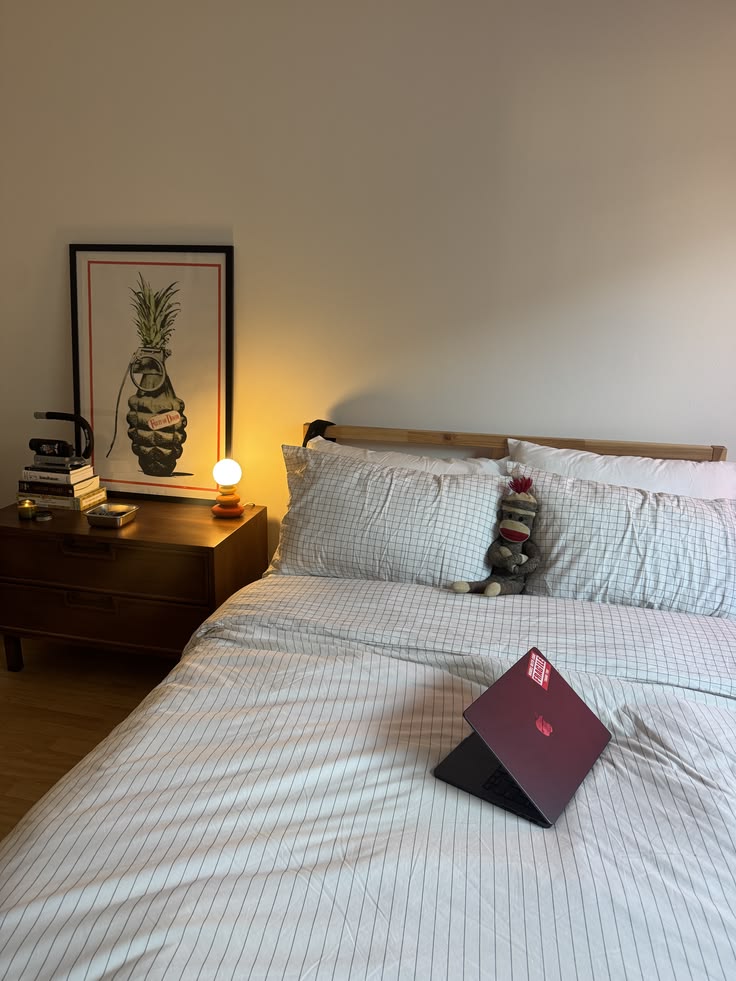
Your bedroom should become one of the first comfortable spaces in your apartment. You need somewhere peaceful to sleep after the stress of moving.
Set up your bed, bedding, curtains, and basic bedside items early. Make sure you can easily reach your phone charger and other nighttime essentials.
Keep your clothes organized enough for your normal morning routine. You do not need to unpack every item in your wardrobe immediately.
Start with the clothes you expect to wear during the first several days. This prevents you from opening every box just to find one outfit.
Also check the room’s lighting during both daytime and nighttime. You may discover that you need another lamp or better curtains.
Your bedroom should support rest instead of becoming another storage area. A calm bedroom can make the entire apartment feel more settled.
You’ll love this too: 35 Roommate Rules That Can Make Living Together Easier
10. Set Up Your Bathroom
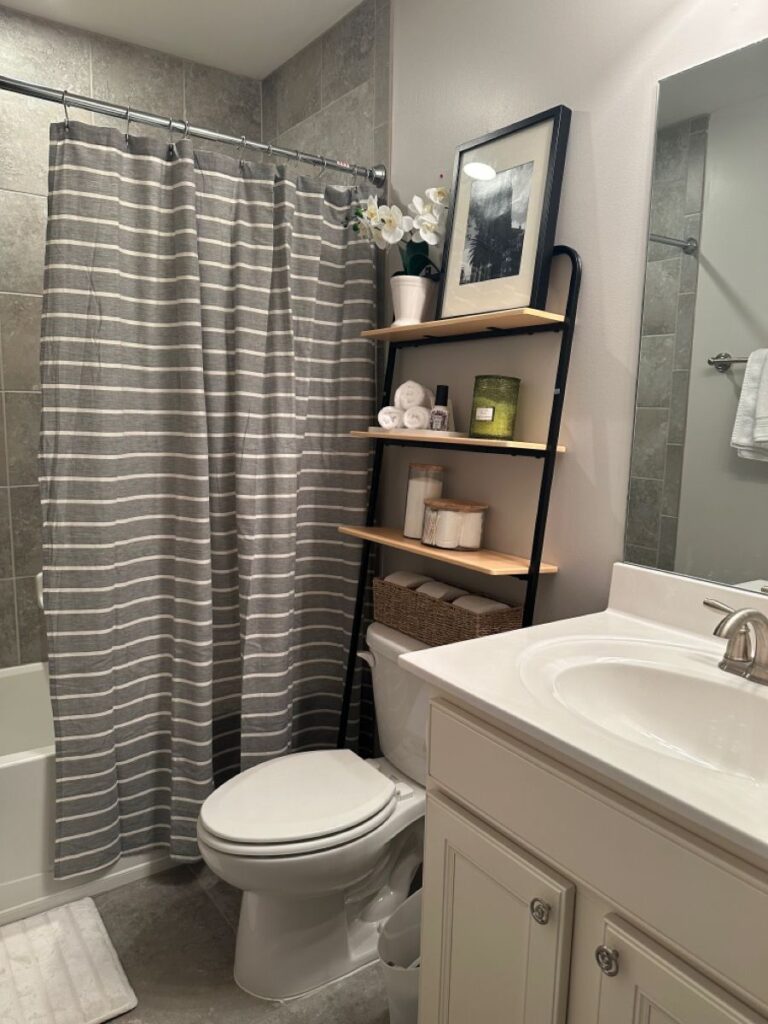
The bathroom should be functional from your first night. Place your towels, toiletries, toilet paper, soap, and basic cleaning supplies within reach.
Check that the shower, taps, toilet, and drains are working properly. Look for leaks around sinks, toilets, and visible pipe connections.
Report anything unusual instead of trying to ignore it. Keep frequently used toiletries together so your morning routine feels simple.
You can also create a small cleaning spot for bathroom supplies. Do not leave every product on the counter.
That will make the bathroom look crowded and make cleaning harder. A few minutes of organization can make the room feel much more comfortable.
Your bathroom does not need to look finished. It simply needs to support your everyday routine without unnecessary frustration.
11. Create a Simple Kitchen Setup
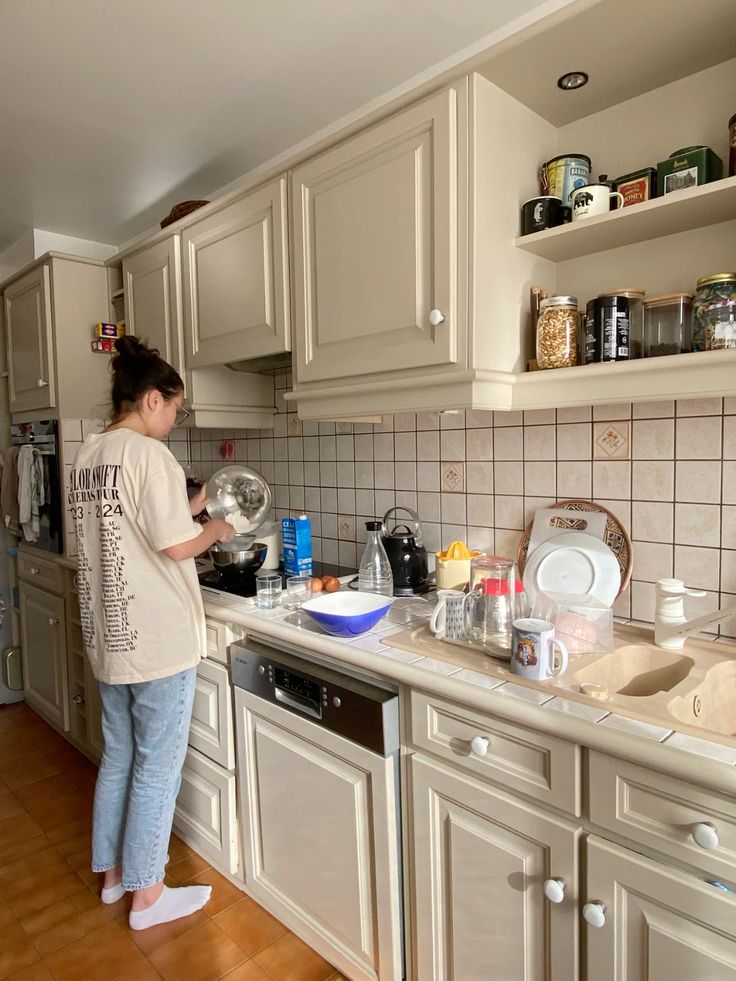
Your kitchen does not need to be completely unpacked during the first week. Start with the things you use for normal meals.
Put your most-used plates, cups, cutlery, pans, and cooking tools somewhere accessible. Keep everyday ingredients where you can easily see them.
Do not fill every cabinet immediately just because you have boxes waiting. Use the first week to understand how you move around the kitchen.
You may realize that one cabinet is better suited for certain items. You might also notice that an appliance takes up too much counter space.
Make small adjustments before permanently arranging everything. Your kitchen should support how you actually cook and eat.
If you rarely cook, you may need a completely different setup from someone who cooks daily. The important thing is building a kitchen around your real lifestyle.
12. Buy a Few Basic Groceries
Your first week is not the time to fill every cupboard with food. Start with groceries you know you will actually use.
Think about breakfast, simple meals, drinks, snacks, and basic cooking ingredients. Choose foods that fit your normal routine instead of copying someone else’s shopping list.
Check your refrigerator and cupboards before buying more items. You do not want to buy three bottles of something you already have.
Keep your first grocery trip practical and manageable. You can always add more food after understanding your schedule.
If your first week becomes busy, having easy meal options can help. You should also keep a little room in the fridge for future groceries.
A full fridge can become difficult to organize quickly. Simple shopping will help you settle into your kitchen without creating waste.
Find your favorite: 25 Things to Check Before Signing an Apartment Lease

13. Set Up Your Laundry Routine
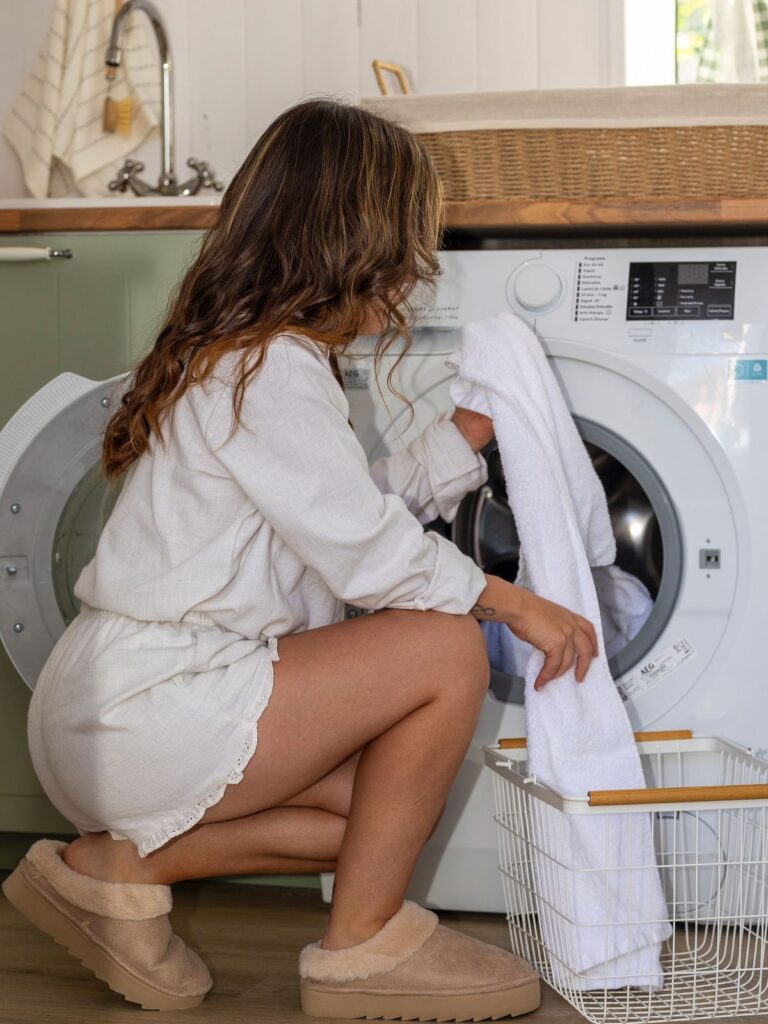
Find out how laundry will work in your new apartment. If you have a private machine, decide where laundry supplies will stay.
If you use shared facilities, learn the opening hours and payment process. Find out where you can dry clothes if there is no dryer.
Choose a laundry basket or hamper and give it a permanent location. Do not leave dirty clothes scattered around your bedroom.
Pick a day that usually works for doing laundry. You can change the routine later when you understand your schedule better.
The goal during your first week is simply knowing how the process works. A clear laundry system prevents clothes from becoming another source of clutter.
It also helps you avoid discovering problems when you urgently need clean clothes.
14. Learn the Building Rules
Your first week is a good time to read the building rules again. You may have received information about noise, parking, rubbish, guests, deliveries, or shared spaces.
Keep those details somewhere easy to find. If you live with roommates, make sure everyone knows the important rules.
Ask the property manager about anything that was unclear during move-in. Pay attention to rules that affect your everyday routine.
For example, some buildings may have specific rubbish collection times. Others may restrict moving furniture through certain entrances.
There could also be rules about using elevators, balconies, or shared facilities. Knowing these things early can prevent avoidable problems.
It is much easier to follow a rule when you know it exists. Your first week is about learning how your new building works.
15. Introduce Yourself to Important Neighbors
You do not need to become friends with everyone in your building. Still, knowing a few nearby neighbors can make apartment living feel less unfamiliar.
A simple greeting in the hallway is enough to start. You might meet someone who has lived there for several years.
They may know useful information about deliveries, rubbish, parking, or building routines. Keep conversations friendly without sharing too much personal information.
You also do not need to announce your entire schedule or travel plans. A little friendliness can make shared spaces feel more comfortable.
If you live alone, familiar faces around the building can also feel reassuring. Take things slowly and let relationships develop naturally.
The goal is simply becoming a respectful part of the community.

16. Create a First-Week Cleaning Routine
Your apartment will become messy quickly if cleaning has no place in your routine. You do not need to spend hours cleaning every day.
Start with small tasks that prevent mess from building. Wipe kitchen surfaces after cooking.
Clean the bathroom regularly and deal with rubbish before it piles up. Sweep or vacuum the areas that collect the most dirt.
Put things away instead of allowing them to sit around for days. Choose one day for a slightly deeper reset.
During another first-week move, I discovered that small daily cleaning tasks felt much easier. I stopped waiting for the apartment to become messy before doing something.
That change saved me from spending entire weekends catching up. Your first week is the perfect time to create habits that will serve you later.

17. Set Up Your Work or Study Area
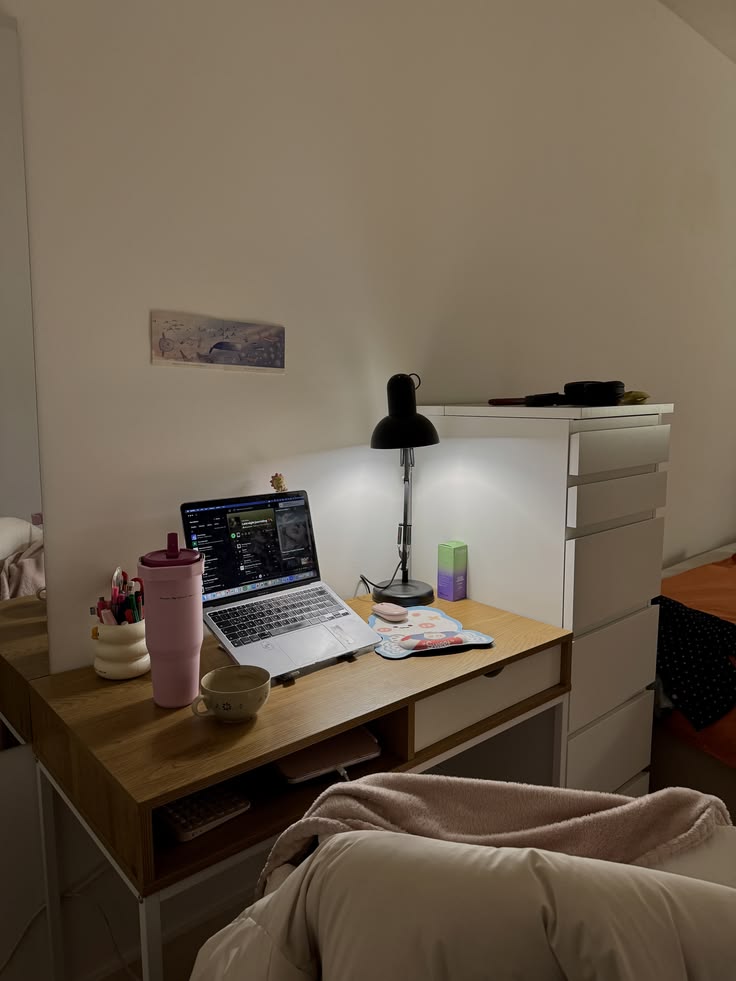
If you work or study at home, give that space attention early. You need somewhere comfortable enough to focus without constant distractions.
Set up your desk, chair, lighting, charger, and basic supplies. Keep the surface clear enough for the work you normally do.
Check your internet connection and power access. Make sure your chair and desk height feel comfortable.
Do not let unopened moving boxes permanently become part of your workspace. Even a small corner can become a useful work area.
If your apartment does not have a separate room, choose one consistent location. This helps your brain recognize when it is time to focus. It also makes it easier to pack away work when the day ends.
18. Check Your Mail and Delivery Arrangements
Make sure your new address is updated with the important places that need it. This might include your bank, employer, school, subscriptions, and other relevant services.
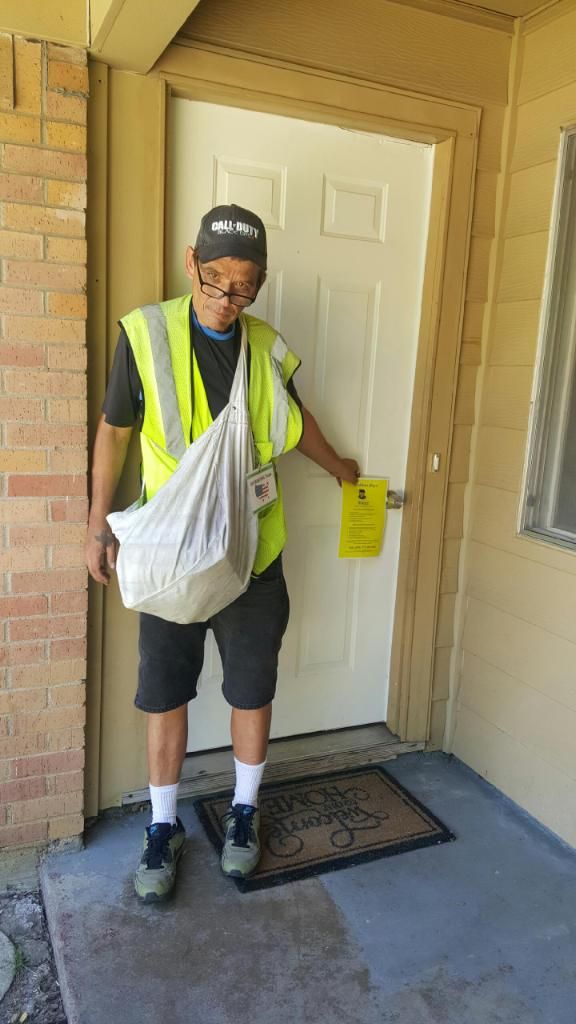
Check how mail is delivered to your building. Some apartments have individual mailboxes, while others use a central area.
Find out where packages are left when you are not home. Ask about building delivery rules if the process is unclear.
You should also check that your apartment number appears correctly on deliveries. A small address mistake can send an important package somewhere else.
During your first week, update the services that matter most. Then handle less urgent changes gradually. This prevents address changes from becoming an overwhelming task.
Want a list of who needs your new address? The First Apartment & Moving-Out Planner has an address change checklist covering mail, banks, work, ID, and subscriptions, with a tracker for the date you updated each one. See the planner
19. Find the Nearest Useful Places
Your new apartment is more than the four walls you rented. Spend some time learning what is around you.
Find the nearest grocery store, pharmacy, bank, fuel station, and other places you use regularly. Look for a nearby place to handle basic household needs.
You should also know where you can get urgent help if needed. Save important locations on your phone for easier access.
You do not need to explore the entire neighborhood immediately. Start with the places that will make normal life easier.
This can help the area feel familiar much faster. Your first week is a good time to learn the practical side of your new location.
Soon, you will stop feeling like you just arrived somewhere unfamiliar.
20. Review Your First-Week Spending
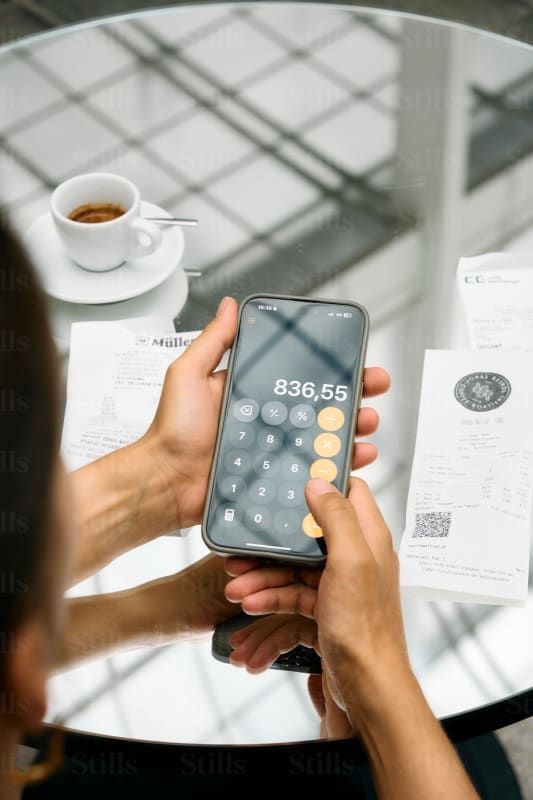
Moving can make money disappear surprisingly quickly. During the first week, keep track of what you spend.
Include groceries, transport, household supplies, small repairs, and unexpected purchases. Do not ignore small expenses because they seem insignificant.
Several small purchases can add up faster than expected. Look at what you bought and decide what was actually necessary.
You may discover that you purchased things simply because the apartment felt empty. That is common during a new move.
Give yourself permission to wait before buying more. Your apartment will still be there next week.
If you want to avoid unnecessary spending, 35 First Apartment Mistakes You’ll Want to Avoid can help you spot common problems early.
A simple spending review can help you protect the rest of your moving budget.
21. Deal With Boxes and Packaging
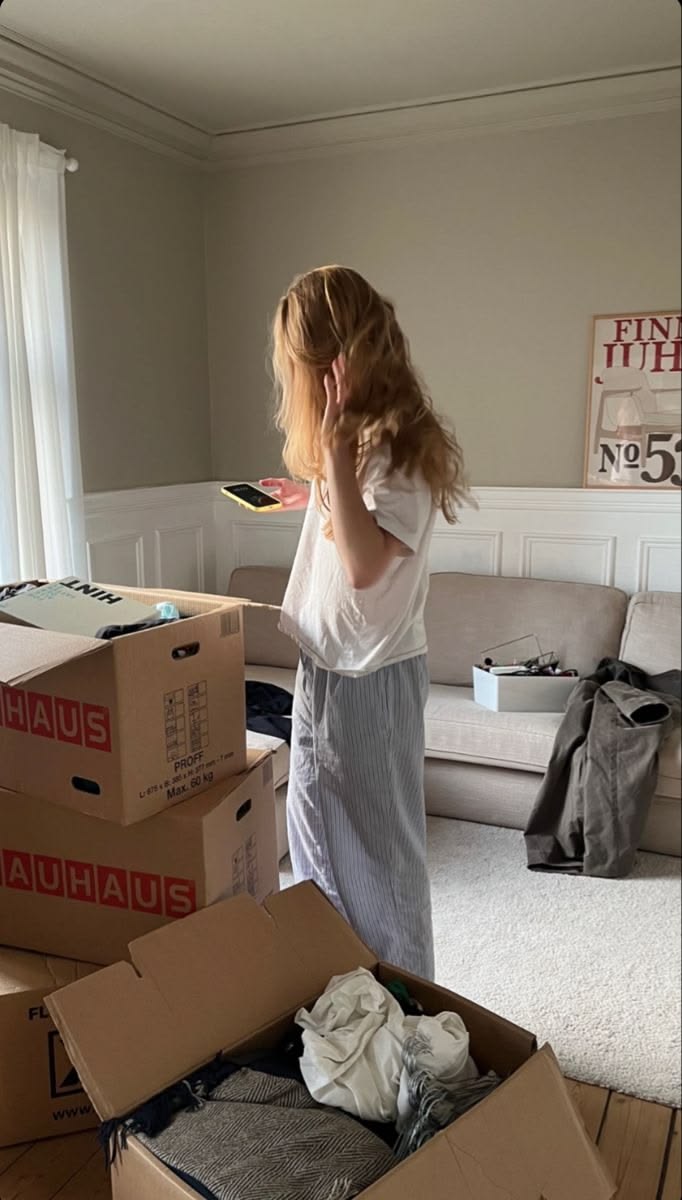
Empty boxes can make your new apartment feel unfinished. Break down cardboard as soon as you no longer need it.
Keep reusable boxes somewhere practical if you expect another move soon. Dispose of packaging according to your building’s rubbish or recycling rules.
Do not let empty boxes become permanent storage containers. You may also find that some packaging belongs with items you might return.
Keep receipts and important packaging until you are sure everything works properly. After that, clear away what you no longer need.
An apartment can feel much bigger once the moving materials disappear. You will also have more room to see how your furniture actually fits.
Clearing boxes gives you a better picture of your new home.
22. Adjust Your Organization After Living There
Your first organization system will probably not be perfect. That is completely normal.
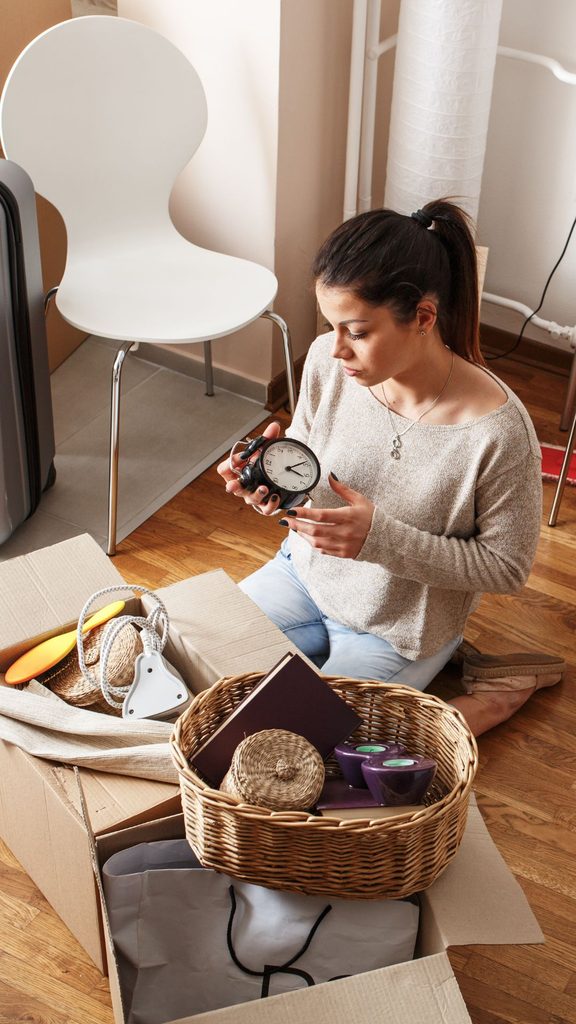
You may discover that certain items are too far from where you use them. A cupboard might work better for something else.
Your shoes might need a different location. Your cleaning supplies might be easier to reach somewhere closer.
Pay attention to these small frustrations during your first week. They are useful clues about what needs changing.
Do not force yourself to keep an arrangement simply because you created it on moving day. Your apartment should change as you understand your routines.
Good organization grows from real experience. Give yourself permission to move things around until the home feels natural.
23. Make a Small Maintenance List
During your first week, write down anything that needs attention. This could include a loose handle, dripping tap, damaged wall, faulty light, or other issue.
Do not depend on memory. Write the problem down and note when you reported it.
Keep photos when they help explain the issue. If the landlord or property manager gives you a reference number, save it.
Group minor problems together so you can follow up easily. Do not attempt repairs that you are not qualified or permitted to handle.
Some issues need professional attention. Your first week is the right time to establish a clear maintenance record.
This can make future communication much easier. It also prevents small problems from being forgotten until they become bigger.
I put a maintenance request log in my planner for exactly this. You write down the date, the issue, how you reported it, and the response, and tick it off when it’s fixed.
24. Give Yourself One Quiet Evening
Your first week can become exhausting if every evening involves another task. At least once, allow yourself to stop unpacking and simply enjoy the apartment.
Make something simple to eat. Take a shower, put on comfortable clothes, and sit somewhere you like.
You do not need to accomplish something every night. Moving is physically and mentally tiring, even when everything goes smoothly.
Your home should eventually become a place where you can rest. Give yourself permission to experience that feeling early.
You can listen to music, watch something, read, or simply sit quietly. The boxes can wait until tomorrow.
Your first week is about settling into your new life, not winning an unpacking competition.
And if you are planning future purchases, 25 Apartment Items Worth Buying Before You Move In can help you avoid buying random things.

25. Create a Simple Plan for the Following Weeks
By the end of your first week, you should have a better idea of what remains. Write down the tasks that still need attention.
Separate urgent things from tasks that can wait. You might still need to organize your wardrobe, decorate, buy storage, or arrange paperwork.
Choose a few tasks for the next week instead of trying to finish everything immediately. Your apartment will become more comfortable gradually.
There is no rule saying every room must be finished immediately. Once you understand your routines, your choices become much easier.
You will know what storage you need and what purchases were unnecessary. You will also understand which areas need more attention.
Your first week should give you a foundation rather than a finished apartment.

Turn this list into your first-week plan.
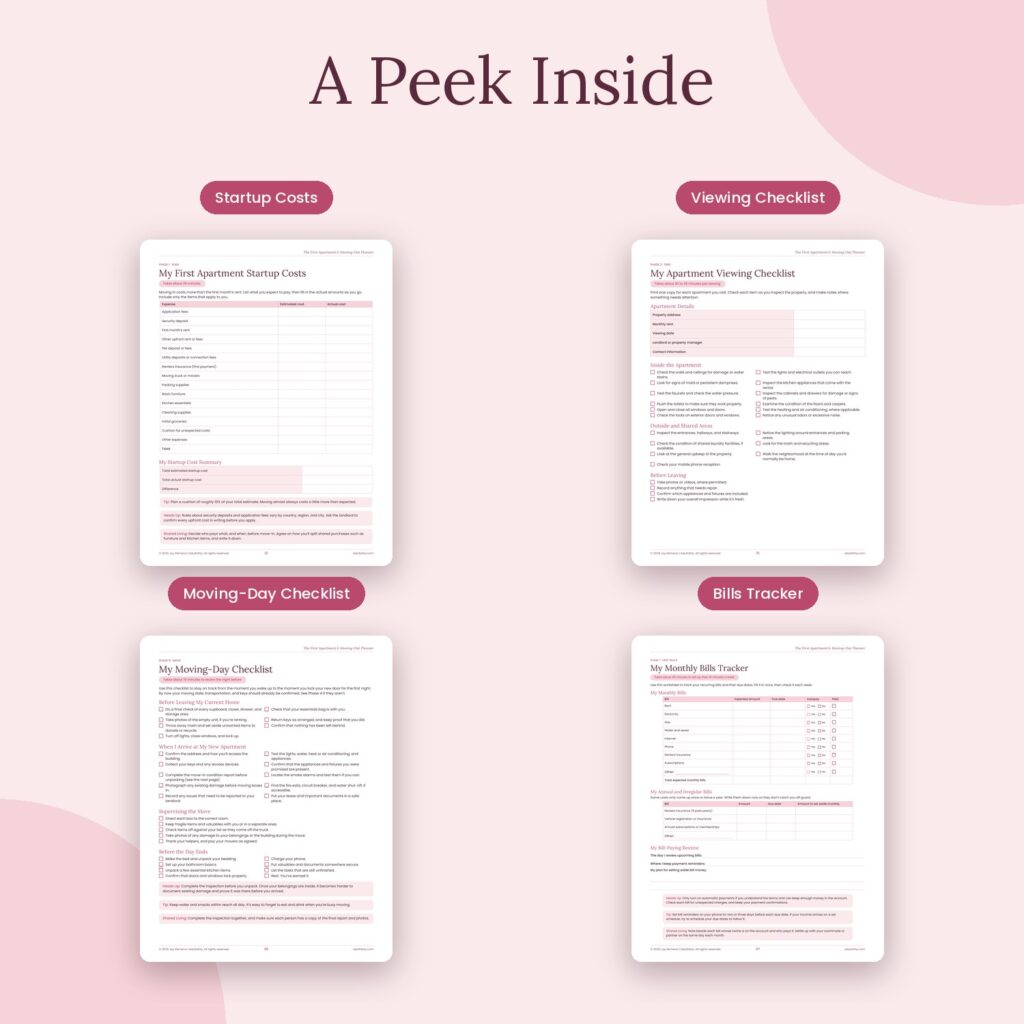
The First Apartment & Moving-Out Planner has a day-by-day first-week checklist, a maintenance log, a utility tracker, and a master task tracker for everything left unfinished. It’s a fillable PDF you can print or use on your phone.
[Get the Planner]
Final Thoughts
Your first week in a new apartment can feel exciting, exhausting, confusing, and strangely peaceful. Sometimes, you will feel completely settled in the morning and overwhelmed by evening.
That is normal when you are learning a new space. You are not only unpacking boxes.
You are building routines, learning your surroundings, and figuring out how your home works. Give yourself time to understand the apartment before changing everything.
Start with the things that affect safety, comfort, cleanliness, and everyday routines. Test your utilities and appliances.
Learn your building rules. Set up your bedroom, bathroom, kitchen, and work area.
Keep track of repairs and update important address information. Then give yourself room to breathe.
You do not need to buy everything immediately. You do not need to make the apartment look perfect for anyone else.
Your home should slowly become a reflection of how you actually live. Some things will work perfectly from the beginning.
Other things will need changing after you spend more time there. That is part of making a place truly yours.
The first week is simply your starting point. Take care of the important things, create a few useful routines, and let the rest happen gradually.
Before long, the unfamiliar rooms will start feeling normal. The boxes will disappear, your routines will settle, and your home will begin feeling like home.
And that is the part of moving nobody can fully explain until you experience it yourself.
Leave a Reply