Your apartment can look perfectly clean while hiding dirt in places you rarely remember. The kitchen counter may shine, yet your light switches could carry days of fingerprints.
Your bathroom might smell fresh, while the shower curtain quietly collects soap buildup. That is the funny thing about cleaning your home independently for the first time.
You quickly discover that keeping a home clean involves much more than sweeping floors. Some things need cleaning every day, while others only need attention every few weeks.
The trick is knowing what actually needs cleaning and how often it needs attention. You also do not need to spend your entire weekend scrubbing every corner.
A simple routine can keep your apartment fresh without making cleaning feel like punishment. During my first apartment setup, I focused heavily on visible surfaces and ignored smaller details.
I eventually realized those small details affected how fresh the entire apartment felt. That experience taught me something simple: cleaning gets easier when you know what matters.
If you are settling into your first apartment, this guide will help you stay ahead.
For more practical first-home basics, keep this nearby: 35 First Apartment Essentials You’ll Actually Use.
Here are 45 things worth cleaning, along with realistic schedules you can actually follow.
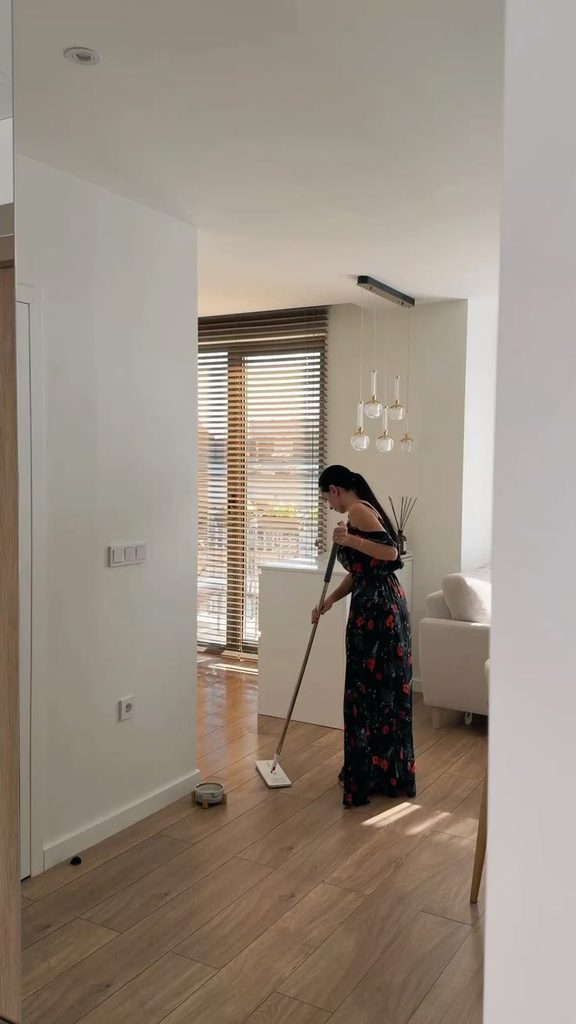
45 Things to Clean in Your Apartment and How Often to Clean Them
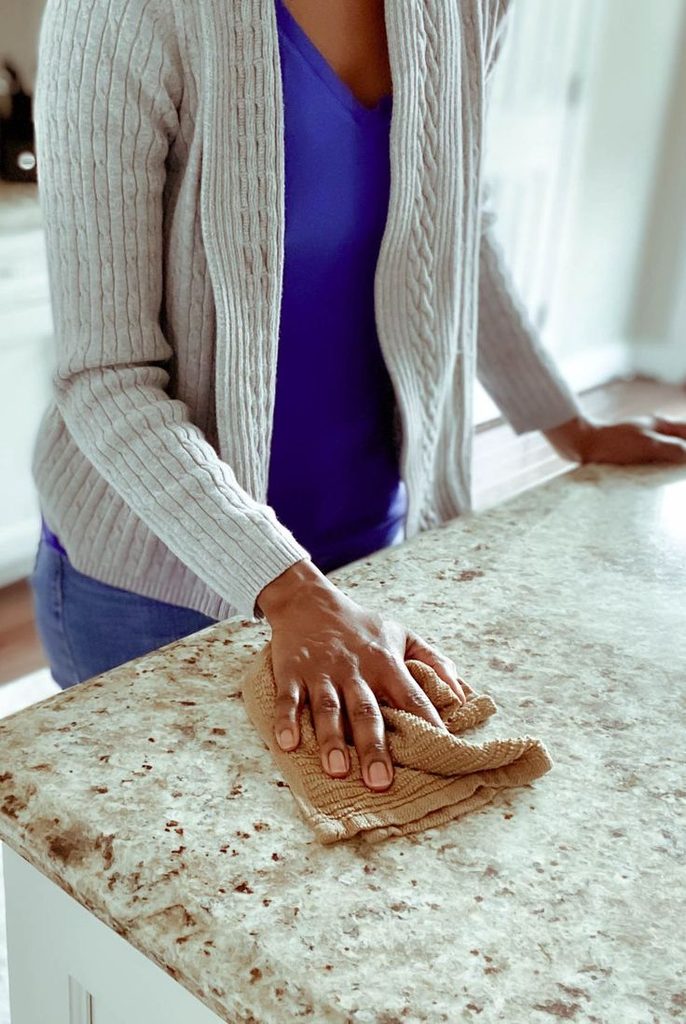
1.Kitchen Counters
Kitchen counters deserve frequent attention because they collect crumbs, spills, grease, and food residue. Wipe them down daily, especially after preparing meals or handling raw ingredients.
You do not need a complicated cleaner for everyday messes and light buildup. A clean cloth with suitable household cleaner usually handles most daily spills.
Pay extra attention around appliances where crumbs and small food particles often gather. If you cook frequently, give the entire counter a deeper clean once weekly.
Also clean the edges and corners because dirt can slowly build up there. This small habit makes your kitchen feel noticeably cleaner throughout the week.
2. Kitchen Sink
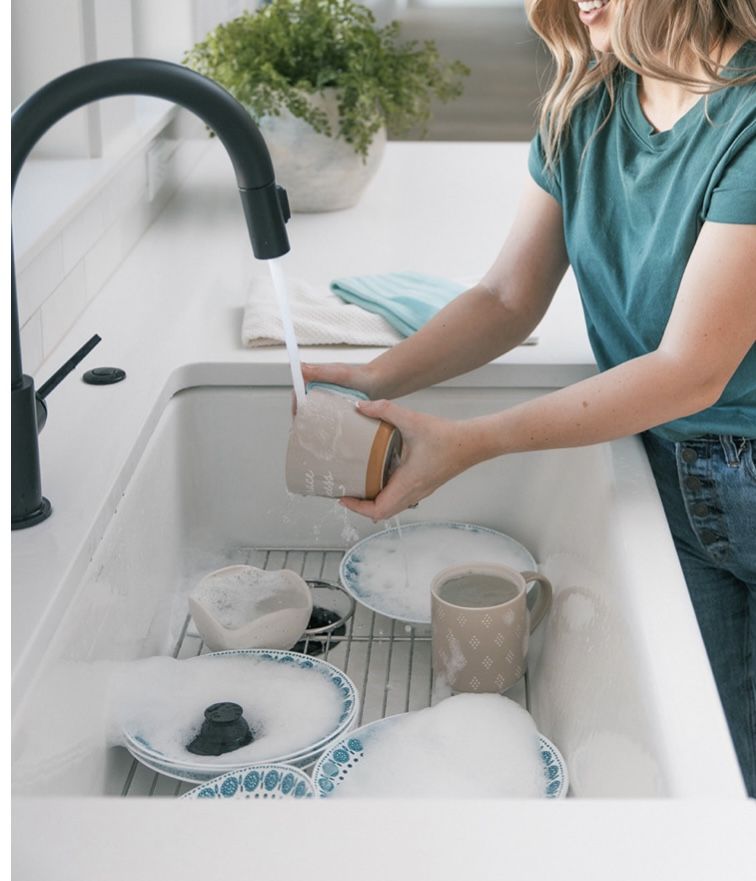
Your kitchen sink handles dirty dishes, food scraps, greasy pans, and plenty of water. Because of that, it can become unpleasant quickly when cleaning gets delayed.
Rinse the sink after each major use and remove leftover food particles. Give it a proper scrub several times each week, depending on your household routine.
Do not forget the drain area because unpleasant smells often begin there. You can also wipe the faucet and handles during your regular sink cleaning.
Keeping the sink clean makes the whole kitchen feel fresher and easier to maintain.
3. Stovetop
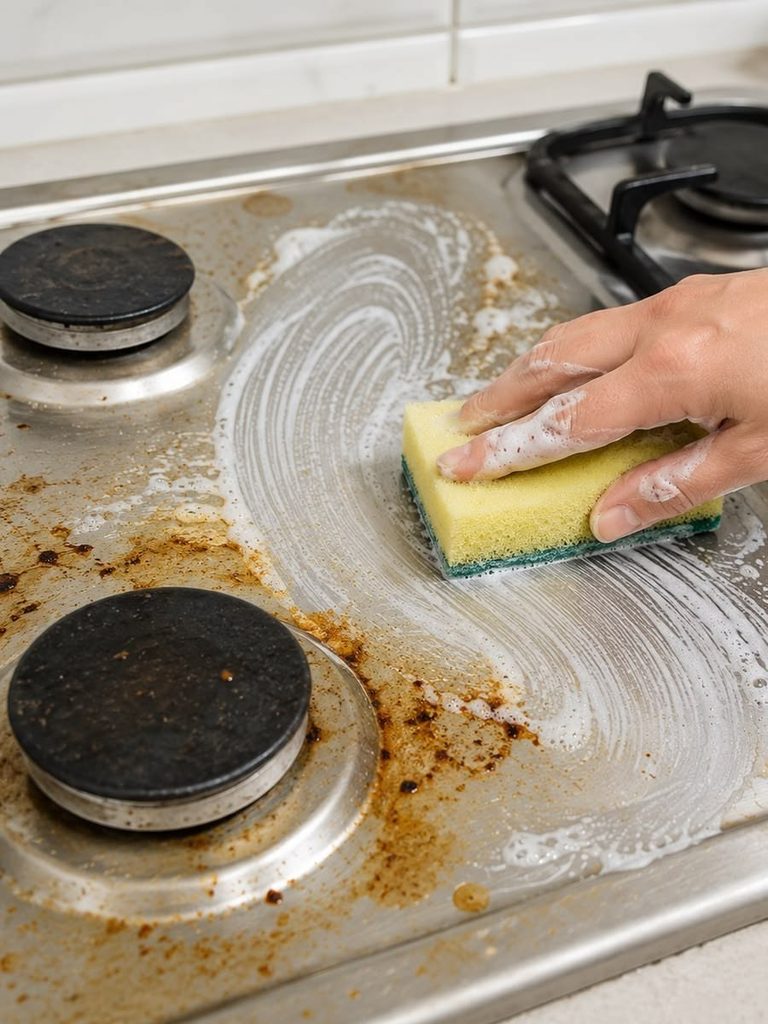
Your stovetop can collect grease even when spills are barely noticeable. Wipe it after cooking once the surface has cooled enough for safe cleaning.
Fresh spills usually require much less effort than dried cooking residue. Give the stovetop a deeper clean once every week.
Pay attention around burners, knobs, edges, and other areas where grease gathers. If you cook daily, you may need to clean it more frequently.
A few minutes after cooking can save you from a difficult scrubbing session later.
4.Microwave
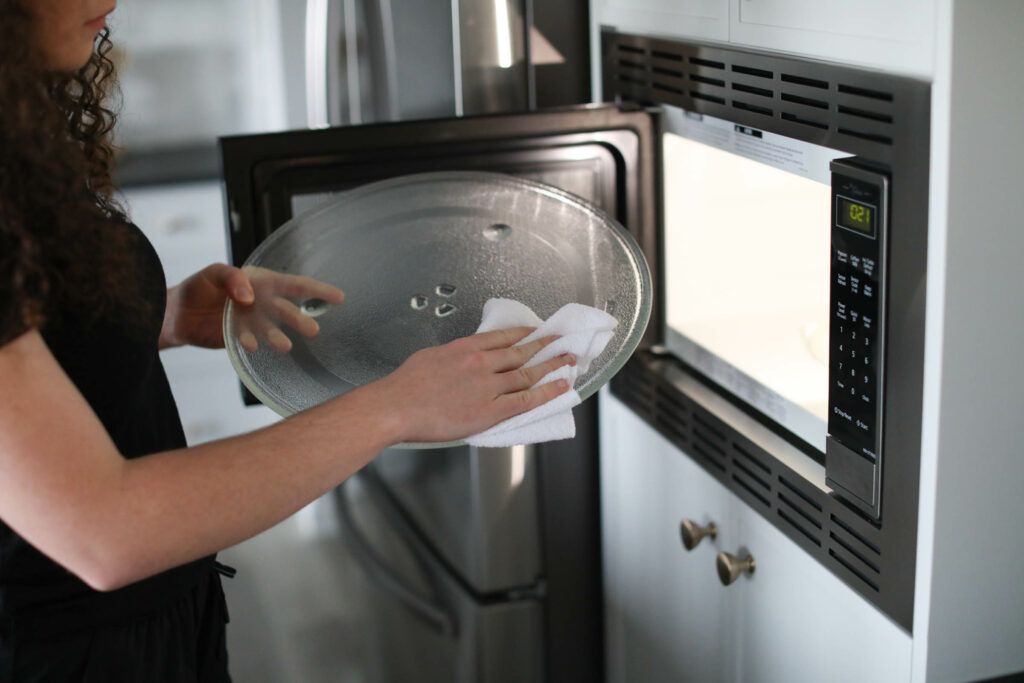
Microwaves often hide food splatters because the mess stays inside the appliance. Wipe the interior whenever you notice spills, splashes, or food residue.
For regular maintenance, clean the inside about once every week. Do not forget the turntable because sauces and crumbs can collect underneath it.
Wipe the outside and handle too, especially if several people use the appliance. Cleaning it regularly also prevents old food smells from lingering inside.
If something spills, clean it soon instead of letting it harden overnight.
5.Refrigerator Shelves
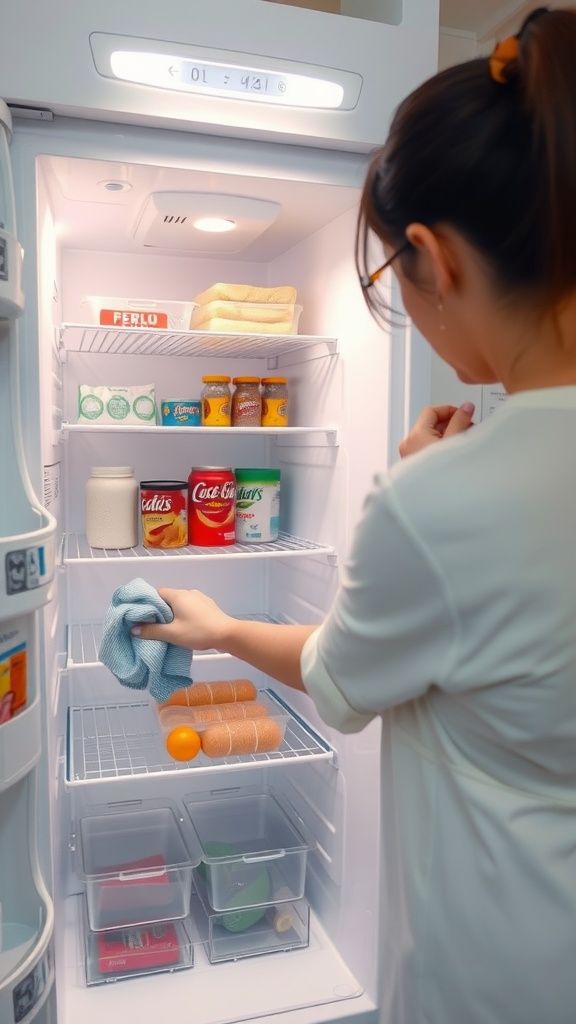
Your refrigerator can look organized while quietly collecting spills and forgotten food. Wipe small spills immediately because dried food becomes harder to remove later.
Give refrigerator shelves and drawers a deeper cleaning about once each month. Remove expired food before cleaning, then wipe the surfaces thoroughly.
Pay attention to corners because crumbs and sticky residue often settle there. You can also clean the refrigerator handle during your weekly kitchen routine.
A cleaner refrigerator makes it easier to notice food that needs using soon.
If you need help preparing your apartment before settling in, save this guide: 25 Things to Do Before Moving Into Your First Apartment.
6.Refrigerator Door Handles
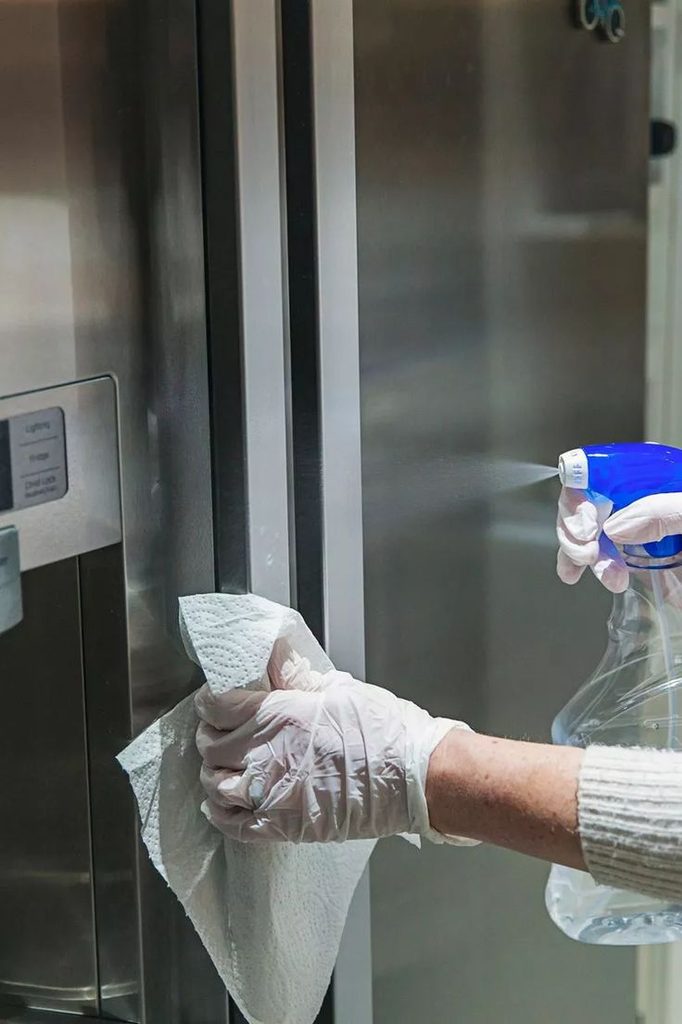
Refrigerator handles receive constant contact throughout the day. That makes them easy places for fingerprints, grease, and everyday grime to collect.
Wipe them several times each week, especially when preparing food frequently. If you share your apartment, cleaning them regularly becomes even more important.
Use a suitable cleaner for the handle material and wipe away residue afterward. This takes less than a minute but makes the kitchen feel noticeably fresher.
Small cleaning habits like this can make your regular routine much easier.
7.Kitchen Cabinets
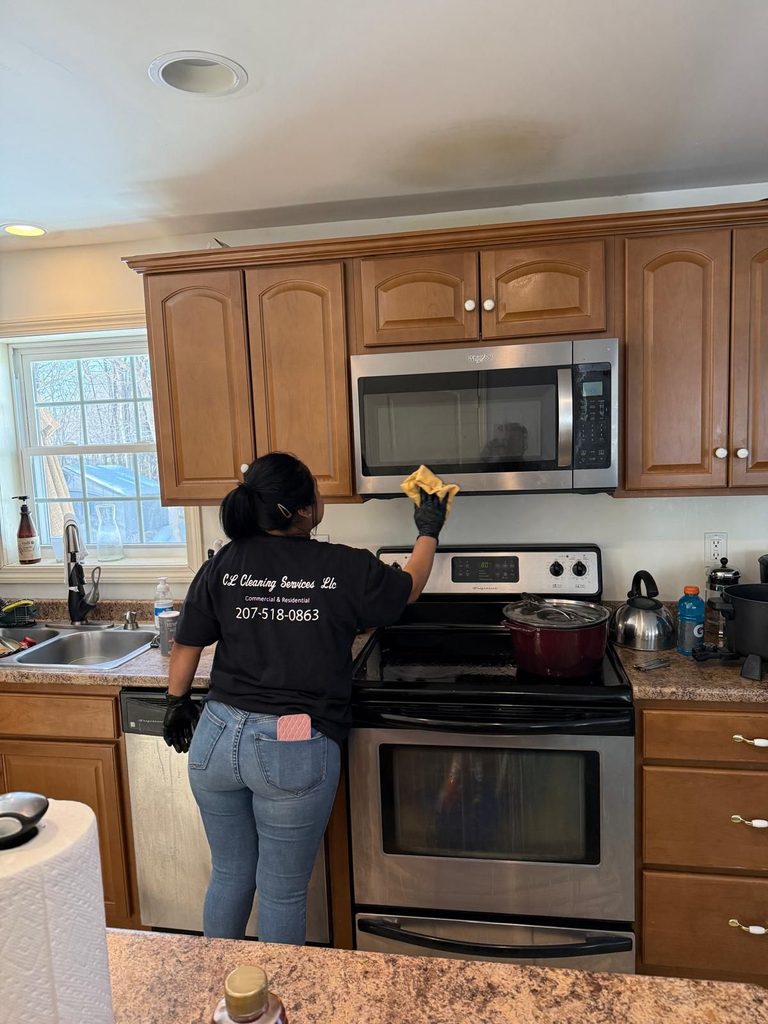
Kitchen cabinets do not need daily scrubbing, but they should not be forgotten. Wipe cabinet doors every one or two weeks, especially around handles.
Grease can slowly settle on cabinets near the stove and cooking areas. Give those sections extra attention because buildup can become sticky over time.
Once a month, wipe the cabinet edges and less noticeable surfaces. You do not need to empty every cabinet during every cleaning session.
Focus on visible dirt first, then handle deeper cleaning gradually. If your apartment has limited storage, clean cabinets while organizing them.
For ideas that make small spaces easier to manage, take a peek: 35 Small Apartment Organization Ideas That Make Everyday Life Easier.
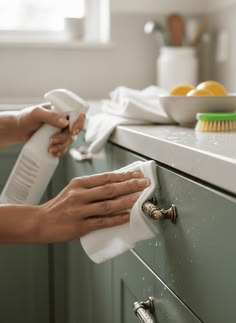
8. Kitchen Drawer Handles
Drawer handles receive more attention than the inside of most drawers. Hands touch them after cooking, washing dishes, handling groceries, and cleaning.
Wipe them weekly with a suitable cleaner that works for their material. Look closely at textured handles because dirt can settle into small grooves.
If the handles look clean, a quick wipe still keeps them fresh. This is one of those tiny jobs that takes almost no time. Adding it to your weekly routine prevents visible buildup later.
Check this out: 25 Things to Check Before Signing an Apartment Lease
9. Cutting Boards
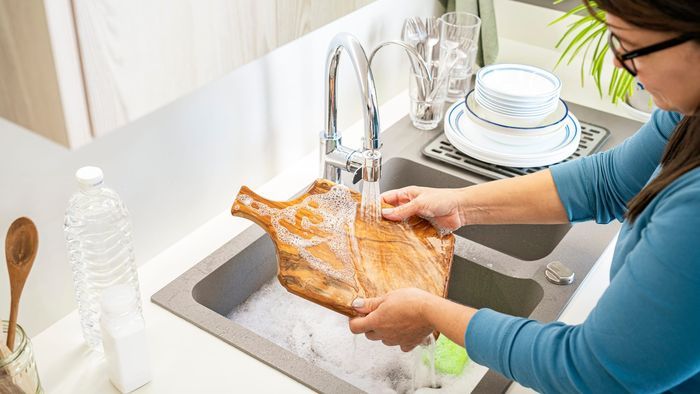
Cutting boards need careful cleaning because they come into direct contact with food. Wash them after every use using appropriate dish soap and warm water.
Boards used for raw meat need especially careful cleaning after each use. Allow them to dry completely instead of leaving them wet against another surface.
Inspect them regularly for deep grooves, cracks, or damage that makes cleaning difficult. Replace boards when they become difficult to clean properly.
Keeping separate boards for different food types can also simplify kitchen hygiene.
10. Dish Rack
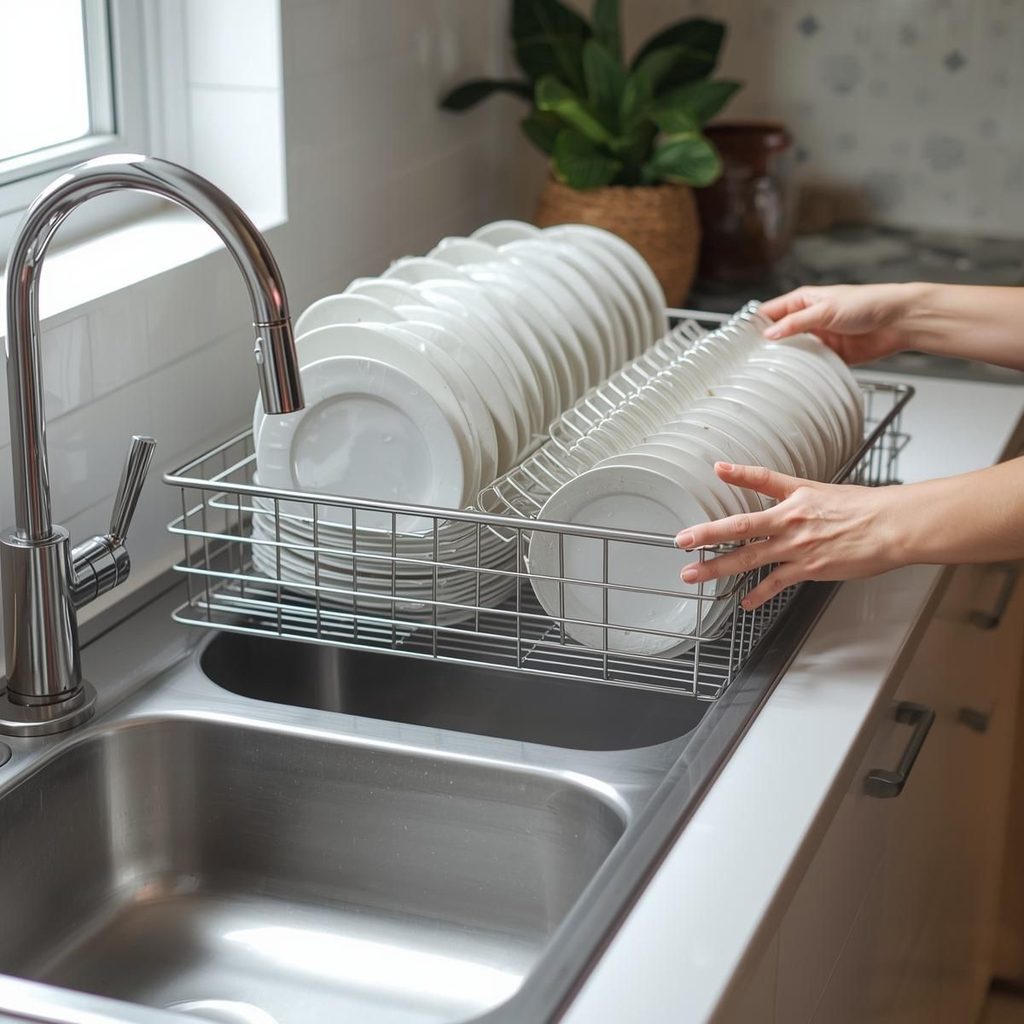
Your dish rack holds clean dishes, but the rack itself can become dirty. Water, food particles, and moisture may collect underneath plates and utensils.
Empty the rack regularly and wipe it down at least once weekly. Clean underneath removable trays because water often collects in those hidden spaces.
Allow the rack to dry properly before placing clean dishes inside again. If your rack stays wet constantly, mold and unpleasant smells can become problems.
A clean dish rack helps your freshly washed dishes stay in a cleaner environment.
Most popular this week: 35 First Apartment Mistakes You’ll Want to Avoid
11. Dining Table
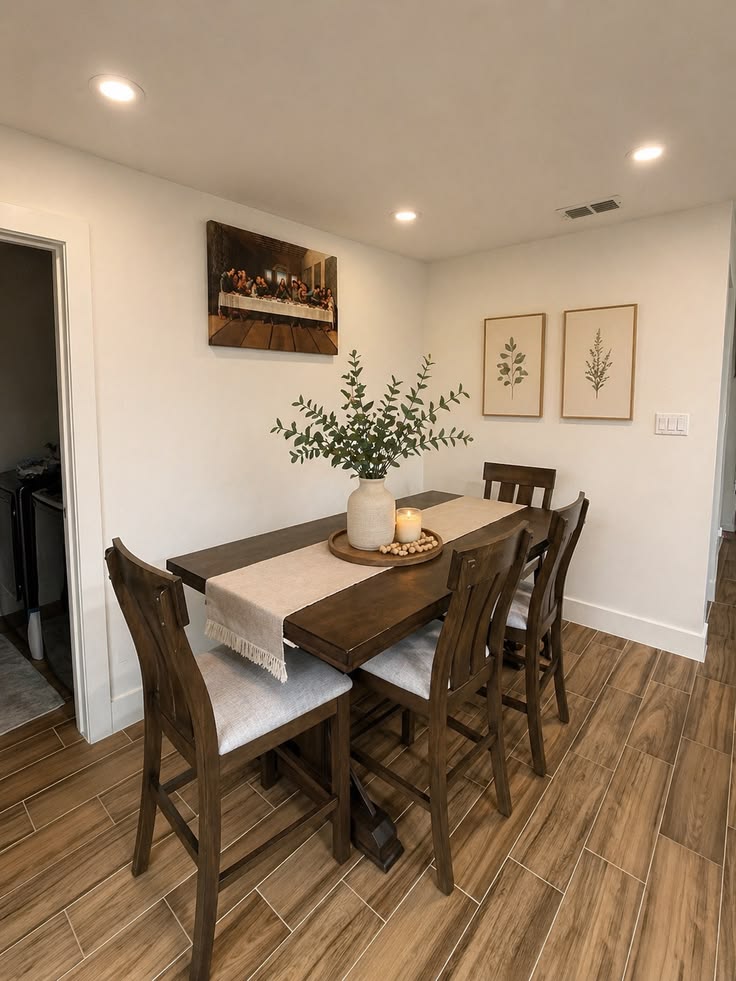
Your dining table deserves a quick wipe after meals and food preparation. Crumbs, spills, fingerprints, and drink rings can build up surprisingly quickly.
Wipe it daily when you use it regularly for meals. Give it a deeper cleaning weekly, paying attention to edges and underneath.
Use a suitable cleaner for the table material to avoid damaging its finish. Do not forget chairs because food particles can collect around seats and frames.
Keeping the dining area clean makes everyday meals feel more pleasant.
12. Bathroom Sink
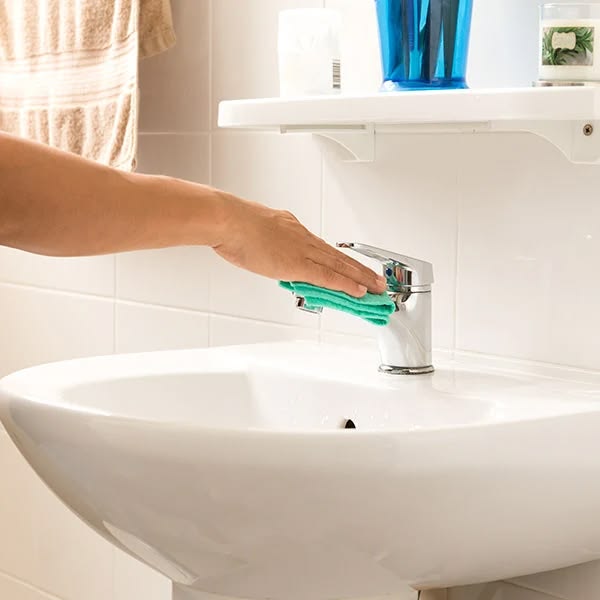
Bathroom sinks collect toothpaste, soap residue, hair, water spots, and other daily messes. Give the sink a quick wipe several times each week.
If several people share the bathroom, cleaning it more frequently makes sense. Scrub around the drain and faucet because buildup often appears there first.
Clean the handles too because they receive frequent contact throughout the day. Once weekly, give the entire sink area a more thorough cleaning.
A fresh bathroom sink can make the entire bathroom feel cleaner immediately.
13. Bathroom Mirror
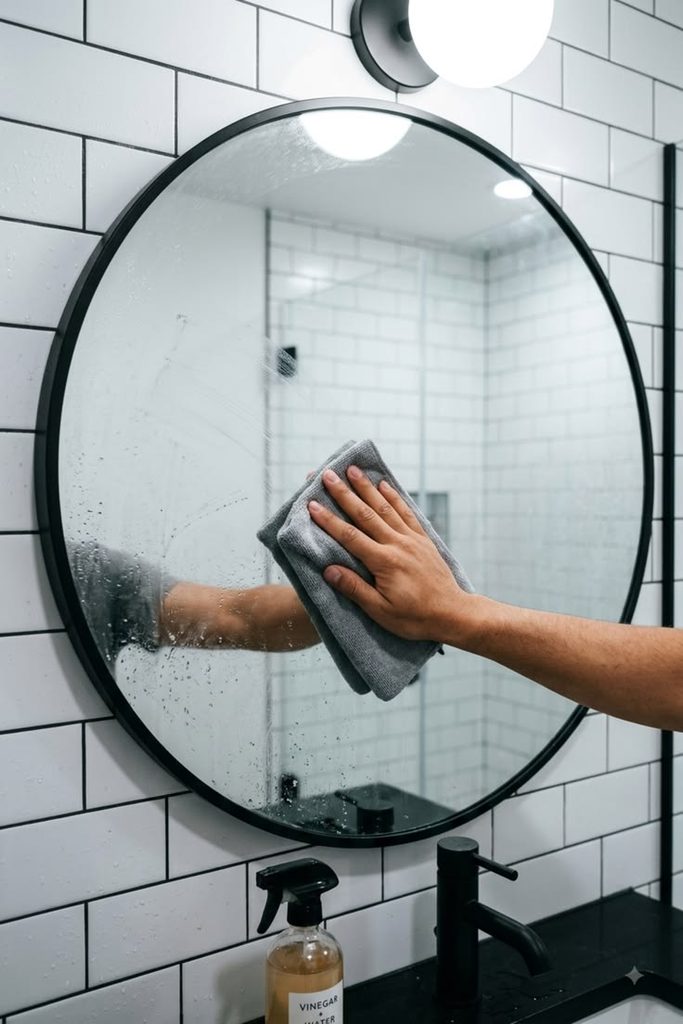
Your bathroom mirror shows every splash, fingerprint, and toothpaste mark. Wipe it whenever marks become noticeable, especially after busy mornings.
For most apartments, a proper mirror cleaning once each week works well. Use a suitable glass cleaner and a clean, lint-free cloth.
Avoid soaking the edges because excess moisture can damage some mirror surfaces. You can also wipe the mirror frame during your weekly bathroom routine. A clean mirror makes a small bathroom look brighter and more cared for.
Don’t be the last to see this: 25 Things to Do Before Moving Into Your First Apartment
14. Toilet
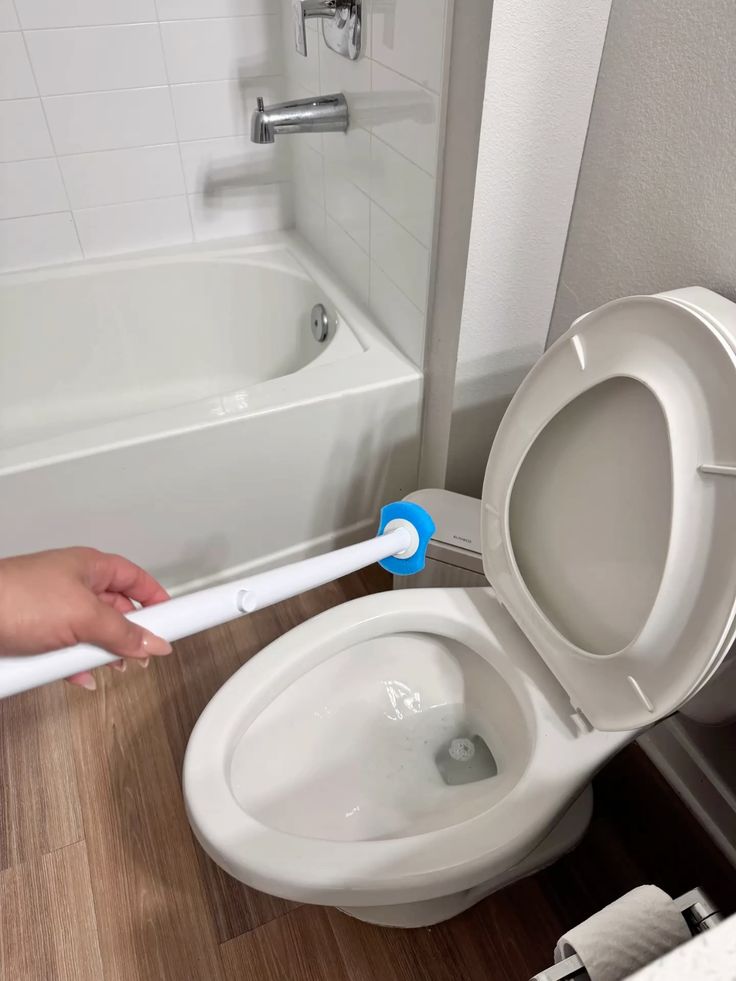
The toilet deserves regular cleaning because it is one of your home’s busiest fixtures. Clean the bowl at least once each week for regular household use.
Wipe the seat, lid, exterior, and surrounding areas during the same routine. If several people share the bathroom, increase cleaning frequency as needed.
Do not forget the floor around the toilet because dust gathers there easily. Keep suitable cleaning supplies nearby so the job never feels like a major project.
A few minutes each week can prevent unpleasant buildup from becoming difficult later.
15. Shower Walls
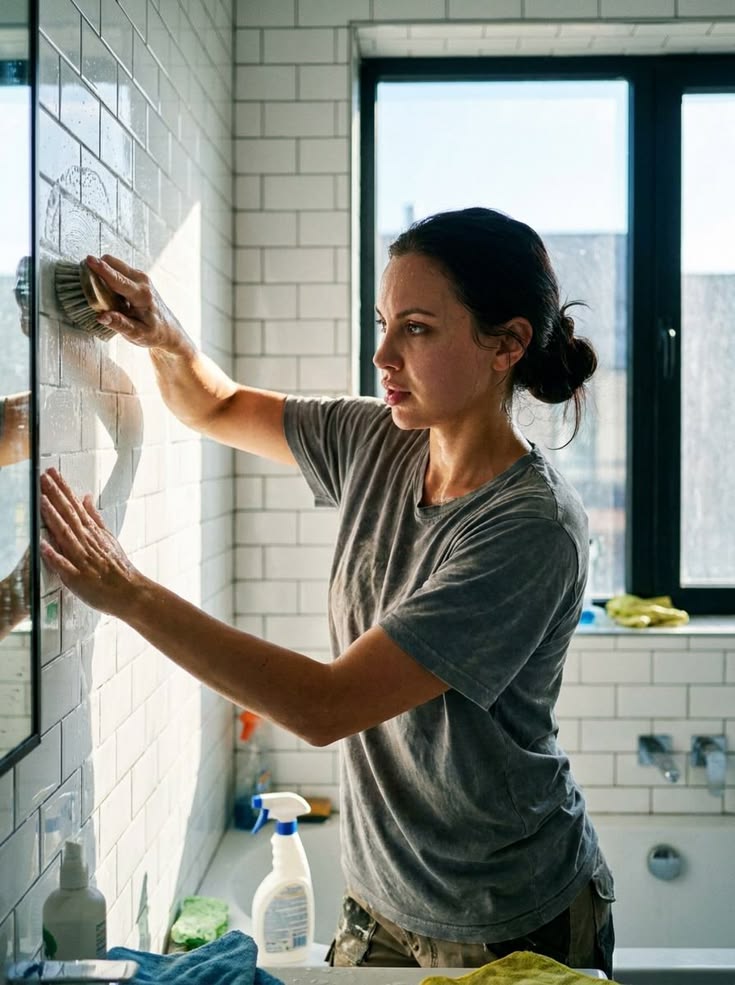
Shower walls collect soap residue, shampoo, body oils, and minerals from water. Wipe them regularly to prevent heavy buildup from forming.
A quick rinse after showering can reduce how much cleaning becomes necessary. Give the walls a deeper clean about once each week.
Pay extra attention to corners because moisture stays there longer. If your water leaves visible mineral marks, you may need more frequent cleaning.
Keeping shower walls clean also makes the bathroom feel fresher after every shower.
16. Shower Floor
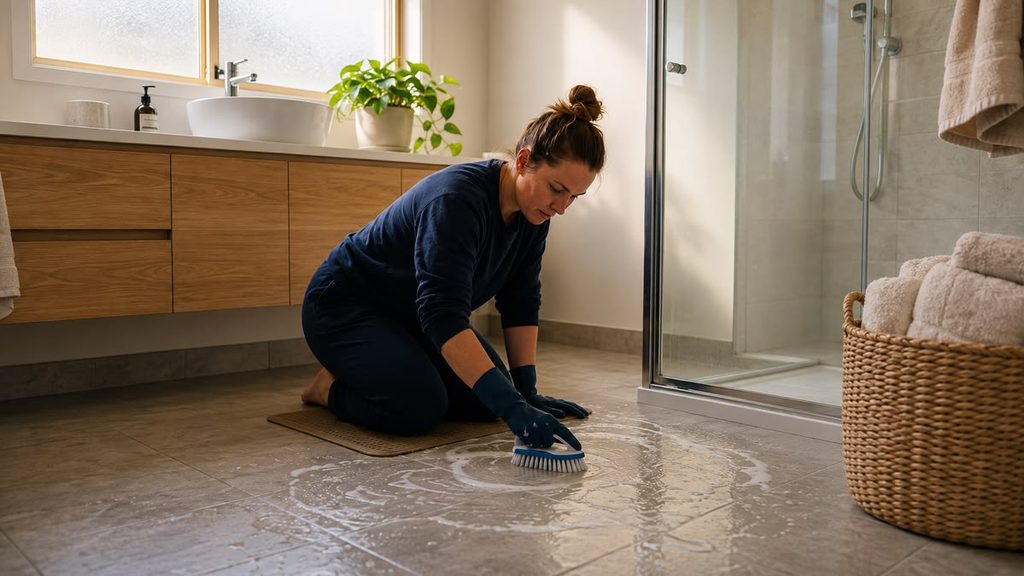
The shower floor deserves attention because soap and body products settle there quickly. Rinse it after showers when possible, especially after using heavy products.
Clean it properly once each week for regular household use. Scrub textured areas carefully because residue can hide inside small grooves.
Pay attention to corners and areas around the drain. During my first apartment week, I cleaned the bathroom but overlooked the shower floor.
I noticed the difference quickly once I started including it in my routine. That small change made my weekly bathroom cleaning much easier.
17. Shower Curtain
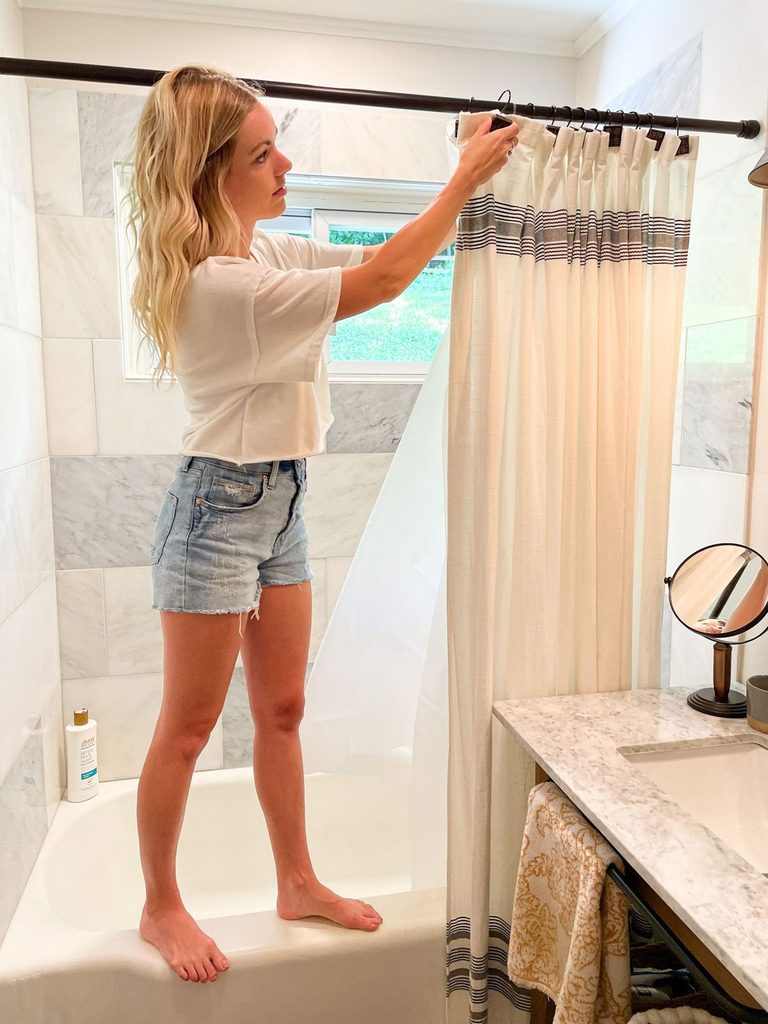
Shower curtains can hold moisture, soap residue, and mildew if they stay damp. Check the cleaning instructions because materials and washing methods differ.
Clean washable curtains about once each month or whenever buildup becomes noticeable. Plastic liners may need more frequent attention because moisture sits directly against them.
Allow the curtain to spread open after showers so it can dry properly. Replace liners when they remain stained, damaged, or difficult to clean.
A cleaner shower curtain can make the bathroom feel much fresher.
18. Bathtub
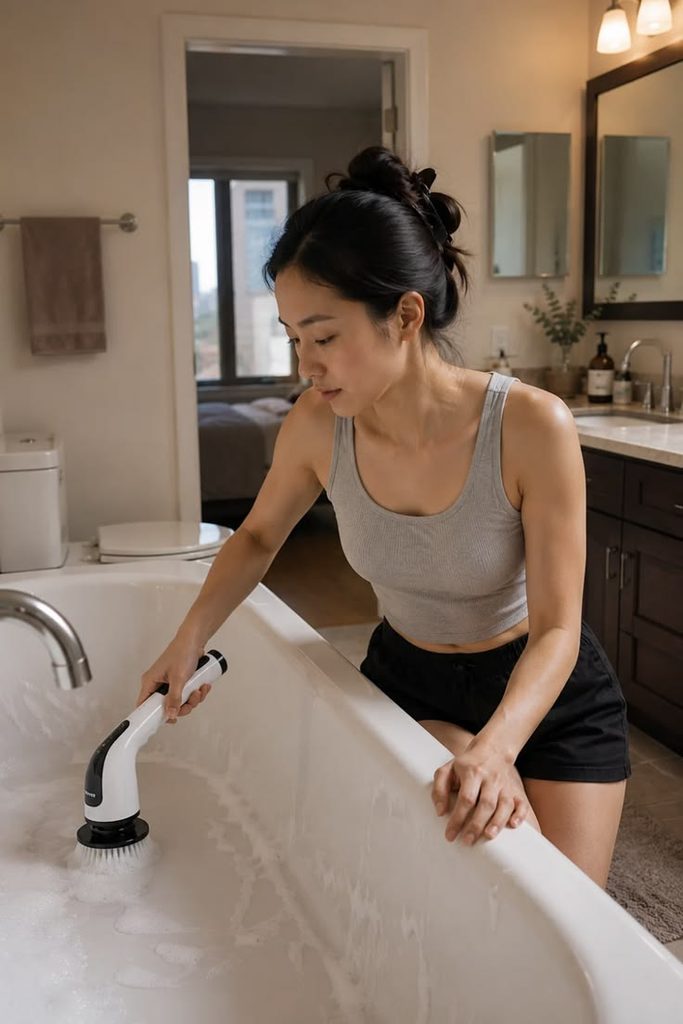
Bathtubs collect soap, body oils, hair, and residue from bath products. Give yours a thorough cleaning once each week if you use it regularly.
Rinse the surface after bathing to remove loose residue before it dries. Scrub around the drain because hair and soap can collect there.
Do not forget the sides and corners where water may sit. If you rarely use the bathtub, weekly cleaning may still help maintain freshness.
Adjust the routine based on actual use rather than following a rigid schedule.
19. Bathroom Floor
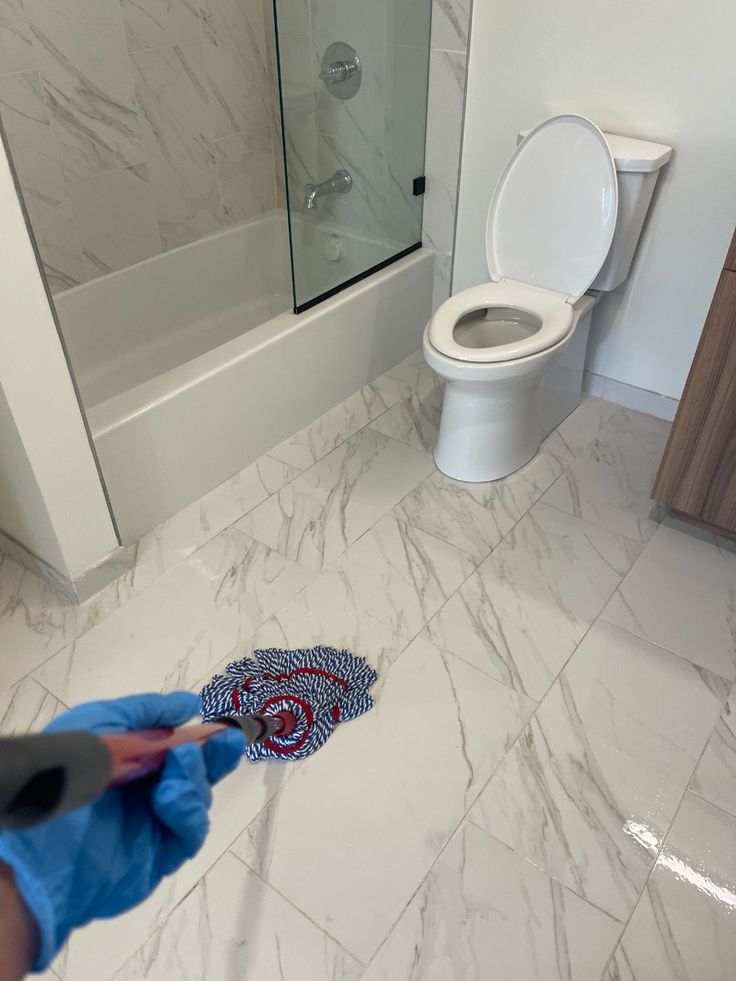
Bathroom floors collect hair, dust, water, and product residue every day. Sweep or vacuum them several times each week, depending on traffic.
Mop the floor at least once weekly for regular household use. Shared bathrooms may need more frequent mopping because more people create more traffic. Pay special attention around the toilet, sink, and shower.
These areas usually collect more moisture and debris than open floor space. A clean bathroom floor also reduces the feeling of general bathroom clutter.
20. Bathroom Exhaust Fan
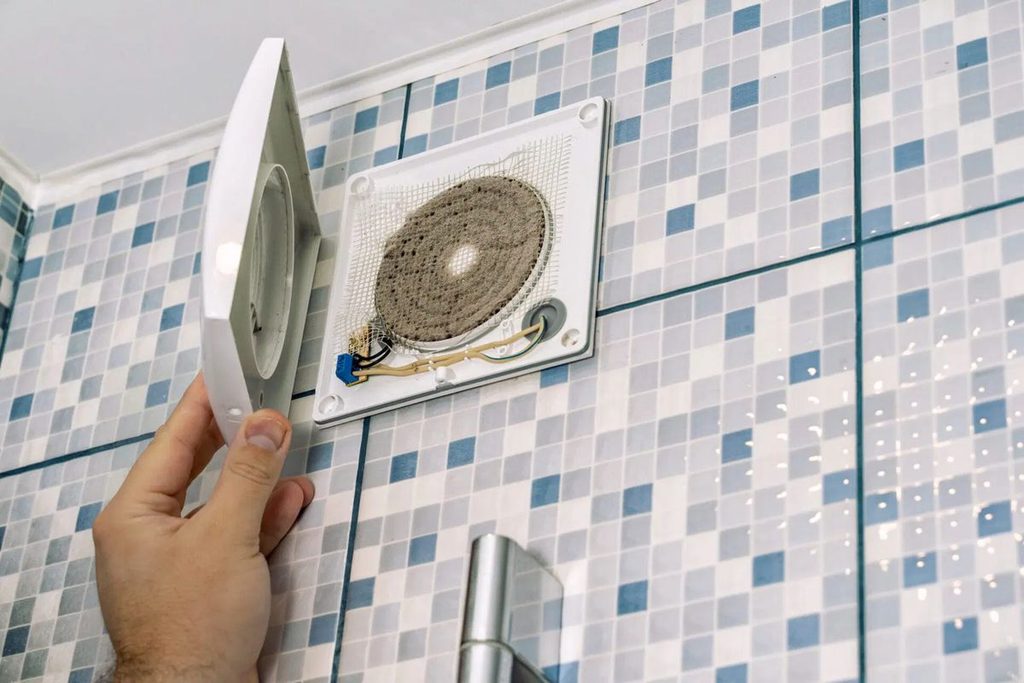
The bathroom exhaust fan often gets forgotten because it sits above eye level. Dust can collect on its cover and reduce how clean it looks.
Check and gently clean the cover every month. If the cover is removable, follow the manufacturer’s cleaning instructions carefully.
Avoid forcing parts apart when you are unsure how they detach. Keeping the cover clean helps your bathroom look maintained from top to bottom.
This is another small task that fits naturally into monthly cleaning.
21. Bedroom Floors
Bedroom floors collect dust, hair, clothing fibers, and everyday debris. Vacuum or sweep them at least once each week.
If you have pets or allergies, you may need to clean them more often. Move smaller items aside so you can reach forgotten corners.
Do not ignore the space underneath your bed because dust gathers there quickly. A cleaner bedroom floor can make your sleeping space feel much calmer.
You will also notice fewer dust particles around your furniture afterward.
22. Under the Bed
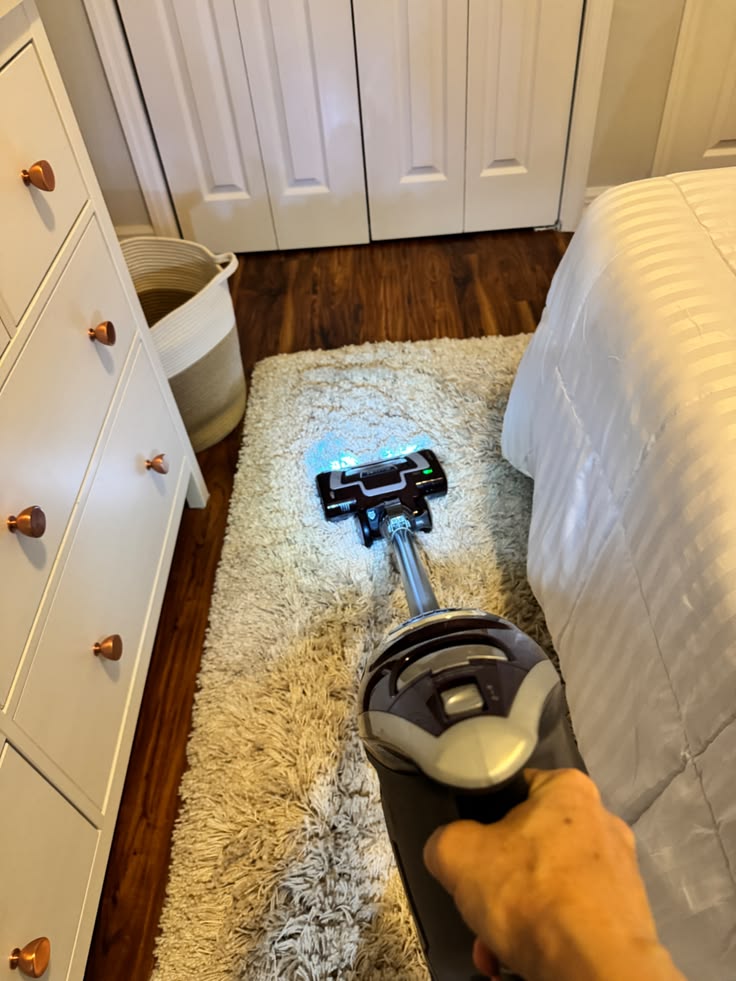
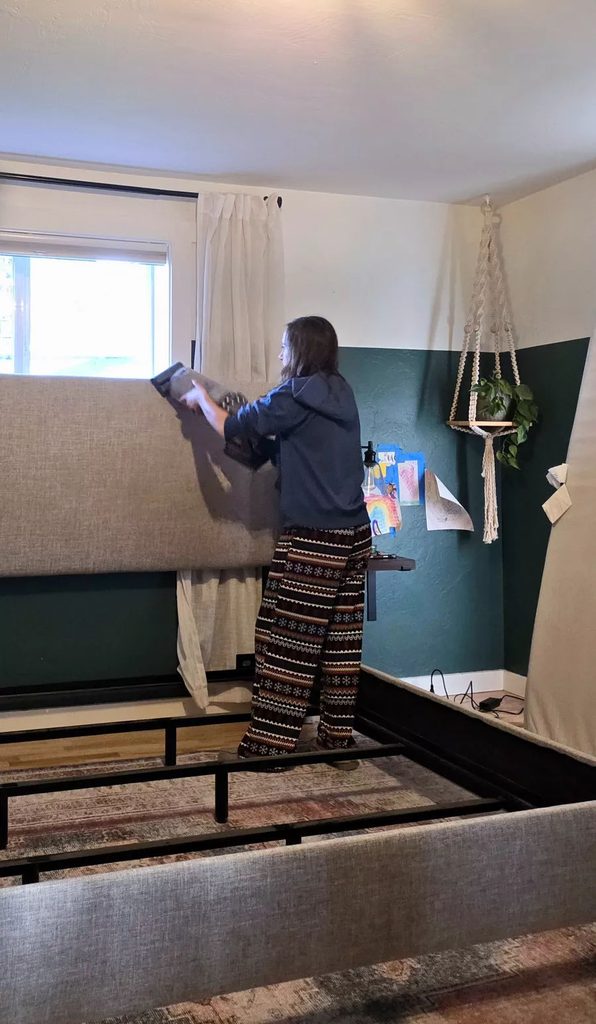
Under-bed spaces are easy to ignore because they stay mostly hidden. That hidden space can collect an impressive amount of dust over time.
Clean underneath your bed about once every two weeks. Move storage boxes carefully and wipe the floor beneath them.
If your bed sits low, use a vacuum attachment that reaches underneath. Cleaning this space regularly also gives you a chance to remove forgotten items.
It is much easier to maintain than dealing with months of accumulated dust.
23. Bed Sheets
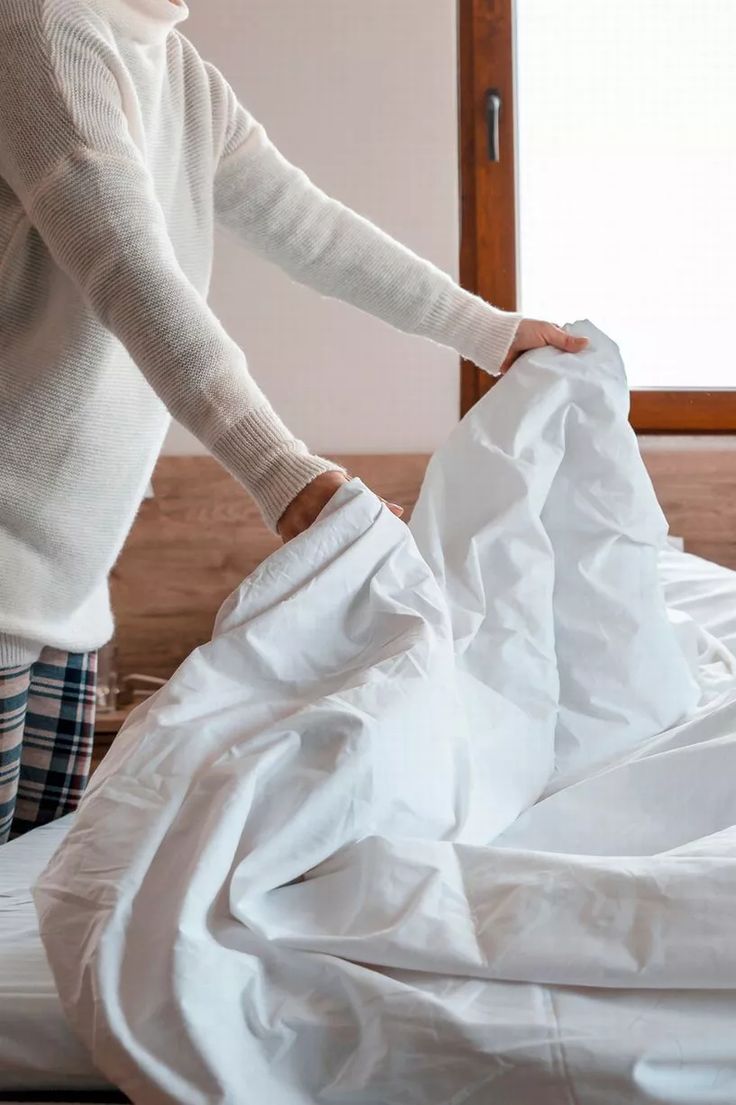
Your bed sheets come into direct contact with your skin every night. Wash them about once each week for a simple, fresh routine.
If you sweat heavily or have pets, washing them more frequently may help. Always follow the care instructions on your bedding before washing.
Allow sheets to dry completely before making the bed again. Fresh sheets can make your bedroom feel cleaner without changing anything else. They also give your evening routine a small sense of comfort.
24. Pillowcases
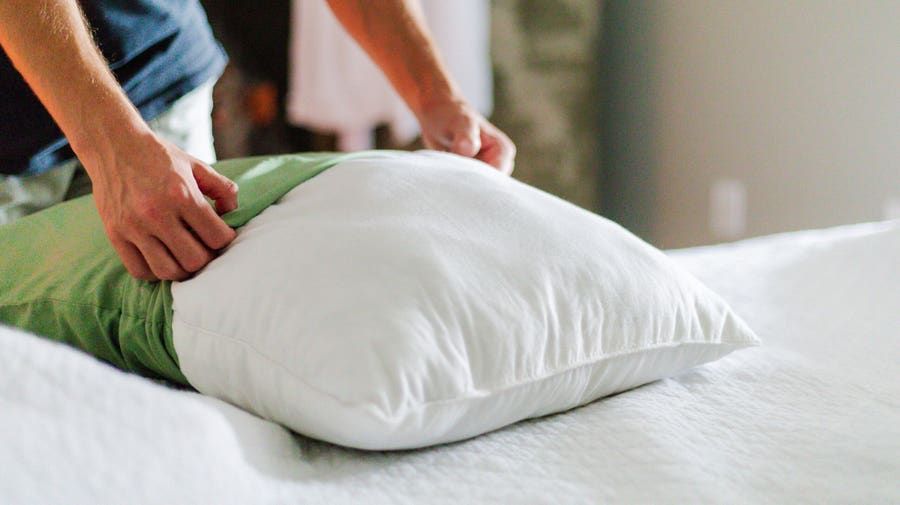
Pillowcases deserve regular washing because they collect skin oils, sweat, and hair products. Wash them weekly along with your sheets for an easy routine.
People who use heavy skincare or hair products may prefer more frequent washing. Check the fabric instructions before using strong detergents or hot water.
Replace worn pillowcases when they become thin, stained, or difficult to clean. Clean pillowcases are a simple way to keep your sleeping space feeling fresh.
25. Mattress
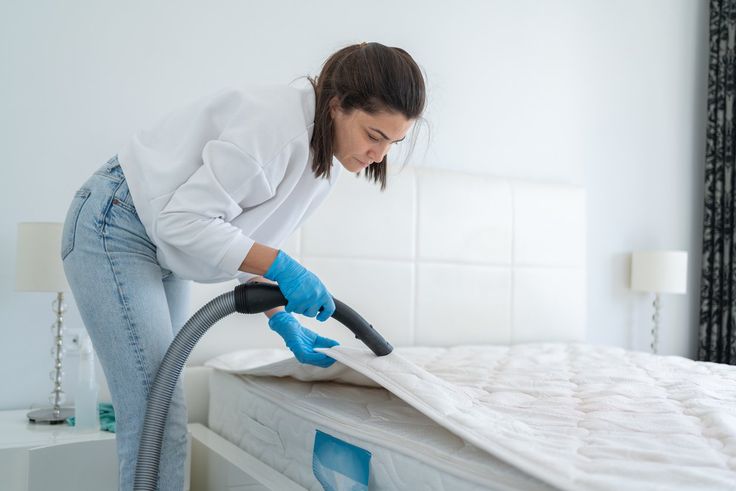
Your mattress does not need weekly washing, but it still needs attention. Vacuum the mattress surface every few months to remove dust and debris.
Check the manufacturer’s instructions before using any liquid cleaning method. Rotate or turn the mattress only when the manufacturer recommends doing so.
Use a washable mattress protector to reduce direct contact with spills and sweat. Wash the protector according to its care instructions, usually every few weeks.
Taking care of your mattress can also help it stay comfortable longer.
26. Bedroom Windows
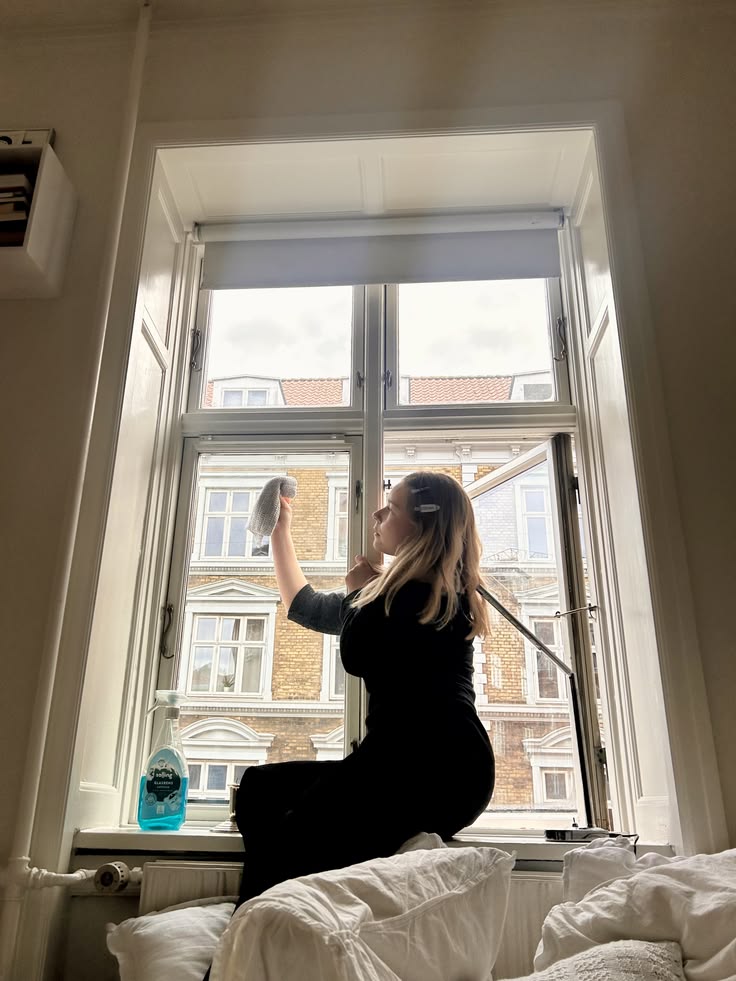
Windows collect dust even when they look clean from across the room. Clean the glass every one or two months for ordinary apartment living.
You may need more frequent cleaning if your windows face a busy road. Do not forget window frames because dust often gathers along their edges.
Wipe the sill too, especially if you keep plants or decorations nearby. Clean windows allow more natural light into your room.
That small difference can make your apartment feel brighter without buying anything.
27. Window Blinds
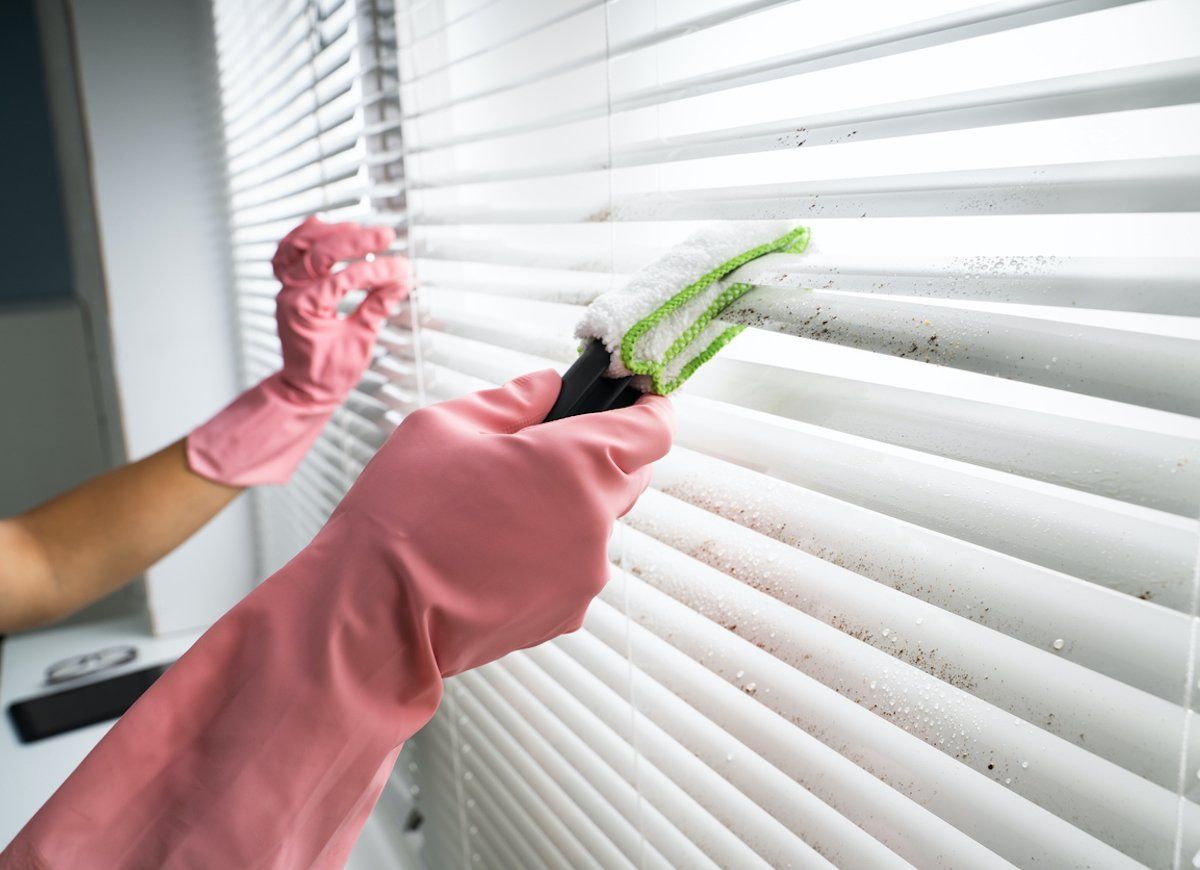
Blinds collect dust because they often remain untouched for long periods. Dust them every one or two weeks using an appropriate cloth or duster.
Clean them more carefully every few months when they develop visible buildup. Move slowly across each slat instead of rushing through the whole window.
If you have fabric blinds, follow their specific care instructions. Clean blinds can make a surprisingly noticeable difference in a small apartment.
They also help prevent dust from spreading whenever windows are opened.
28. Curtains
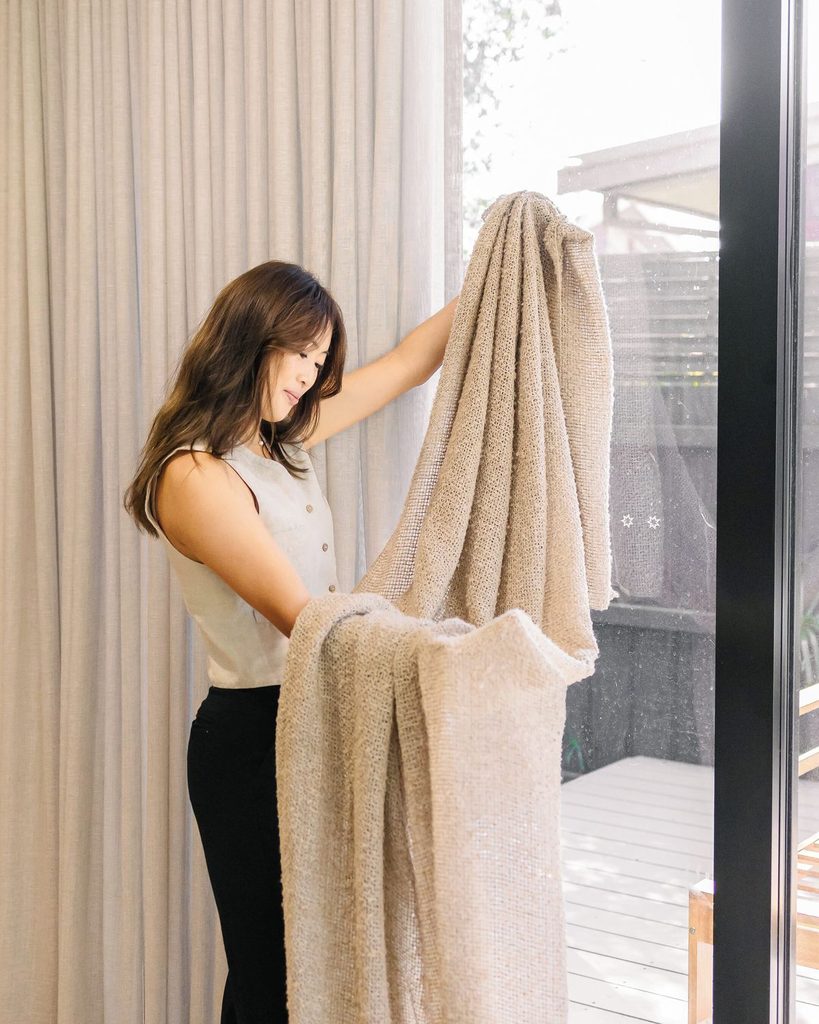
Curtains can hold dust, odors, and tiny particles from everyday apartment life. Check their care labels before washing or attempting any deep cleaning.
Many curtains benefit from cleaning every few months rather than every week. Curtains near kitchens may need attention sooner because cooking odors settle into fabric.
Lightly vacuuming them can help between deeper cleanings. Do not ignore curtain hems because dust often collects there. Clean curtains can make your living room feel fresher without changing the decor.
29. Sofa
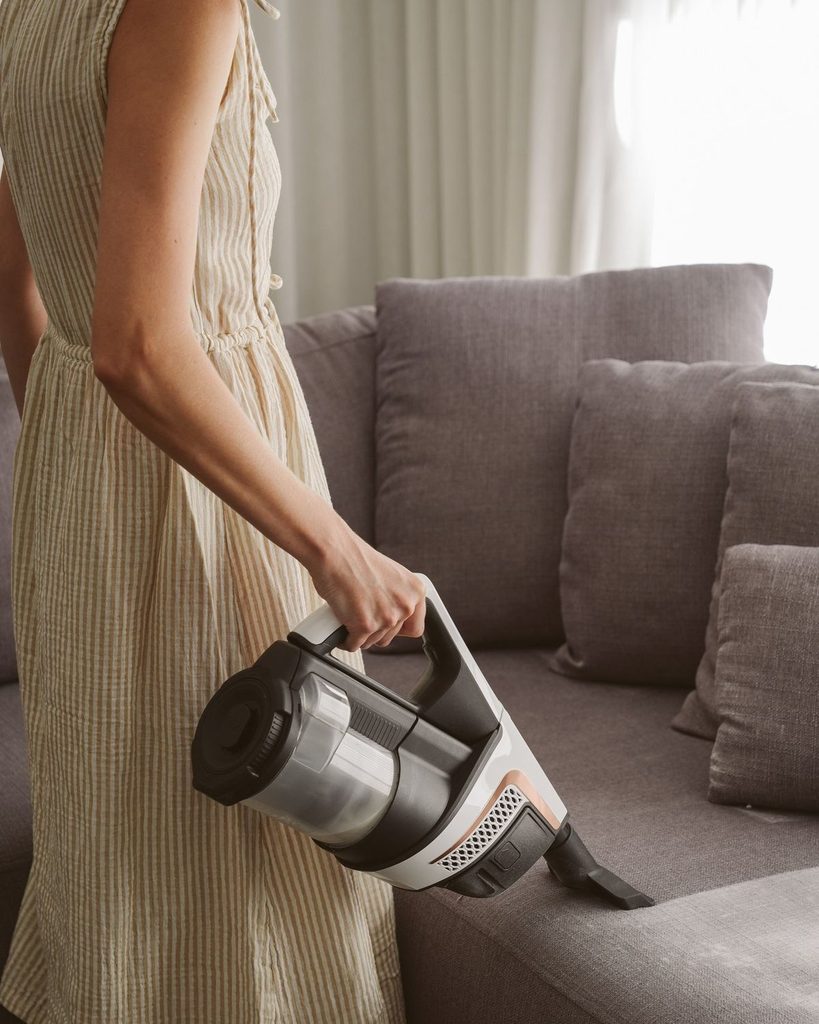
Your sofa gets plenty of use, even when it does not look dirty. Vacuum the cushions and surrounding areas about once each week.
Check underneath removable cushions because crumbs and small objects often hide there. Deep-clean the upholstery every few months, depending on the fabric and usage.
Always check the manufacturer’s instructions before using water or cleaning products. If you eat on the sofa, you may need more frequent cleaning.
During another first-home setup, I found several crumbs beneath my sofa cushions. It reminded me that hidden areas deserve attention just like visible surfaces.
30. Coffee Table
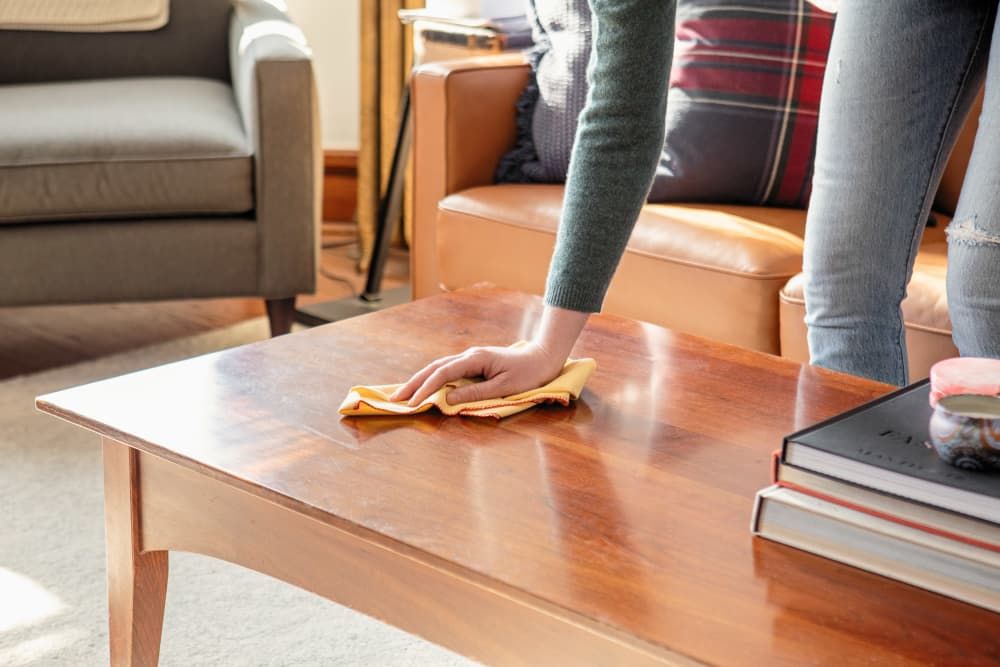
Coffee tables collect cups, crumbs, fingerprints, books, and random everyday items. Wipe the surface several times each week when it gets regular use.
Clean underneath decorative objects because dust can gather around their bases. Give the table a deeper clean weekly, including its legs and lower shelf.
Use a suitable product for the material, especially with wood or delicate finishes. Keeping the table clear also makes your living room feel more organized. A clean surface gives you one less area to worry about.
31. Light Switches
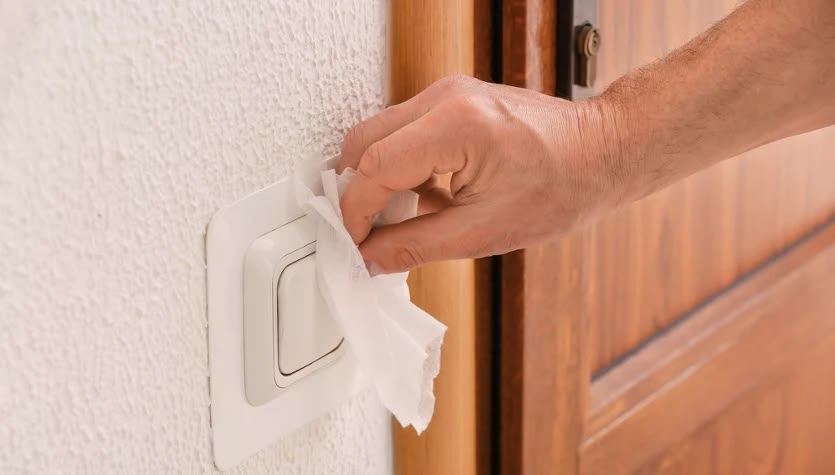
Light switches are touched constantly but rarely appear on cleaning lists. Wipe them gently once each week using a suitable slightly damp cloth.
Do not spray cleaner directly onto electrical switches or surrounding plates. Pay attention to switches near entrances because they receive frequent contact.
Clean the surrounding wall plate too when marks become visible. This takes seconds but removes fingerprints that can make walls look neglected. It is one of the easiest habits to add to your weekly routine.
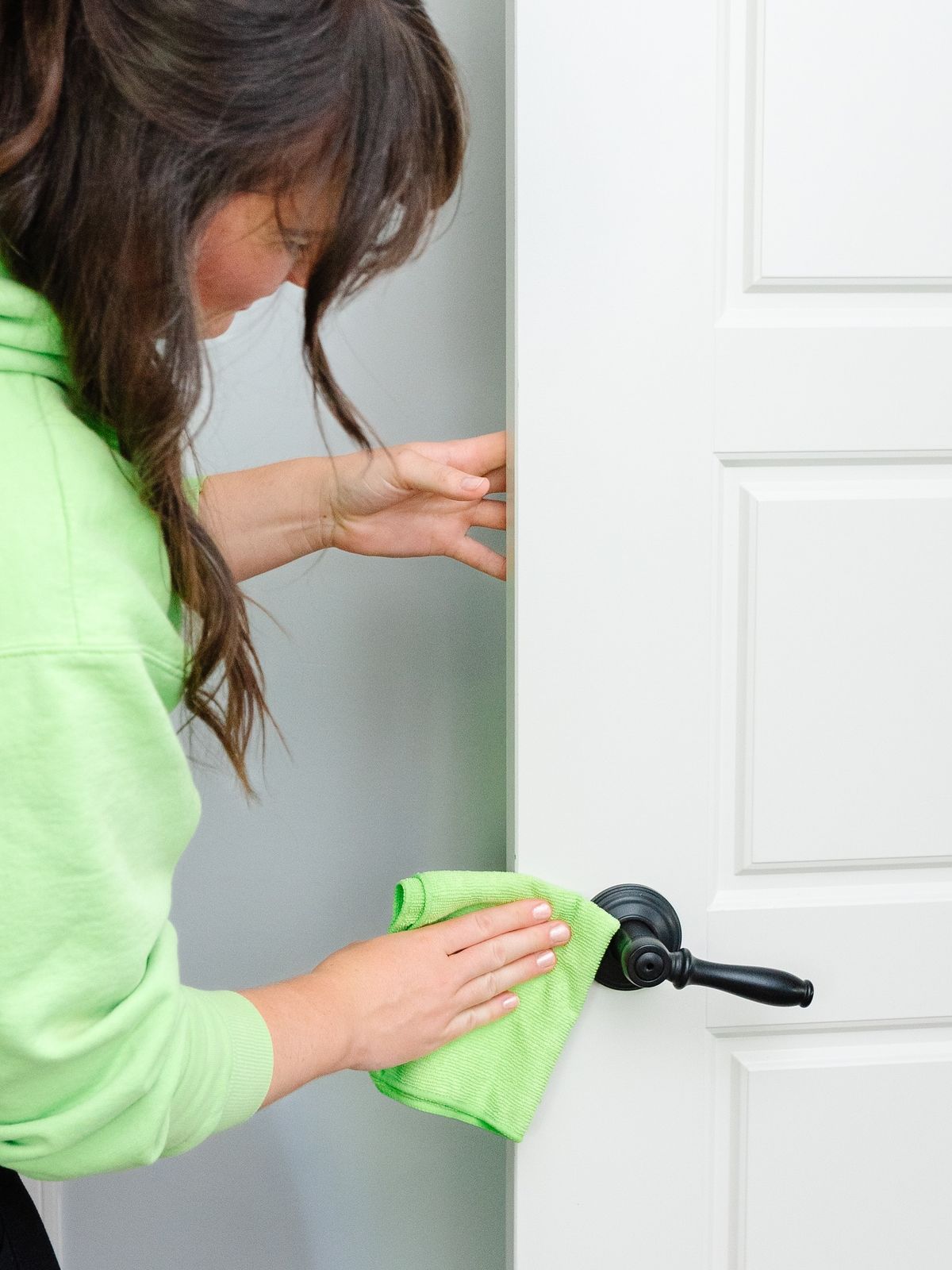
32. Door Handles
Door handles collect fingerprints, oils, and everyday grime through constant contact. Wipe interior door handles weekly, especially bedroom and bathroom handles.
Clean entry door handles more frequently because they receive constant outside contact. Use a cleaner suitable for the handle’s material and finish.
Do not soak the hardware because excess moisture can damage certain finishes. A quick weekly wipe keeps your apartment feeling fresher. It also helps maintain areas everyone touches without thinking about them.
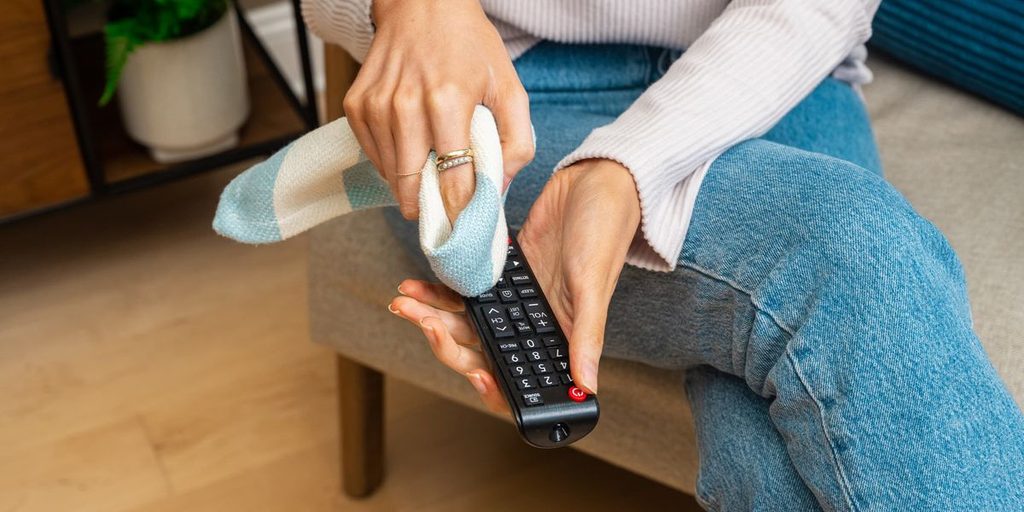
33. Remote Controls
Remote controls spend plenty of time in people’s hands but rarely get cleaned. Wipe them gently once each week with a suitable slightly damp cloth.
Avoid getting liquid inside buttons, seams, or openings. Pay extra attention to remotes used during meals or around children.
You can also remove batteries occasionally and check for leaks. Keeping remotes clean takes very little time and prevents unnecessary grime buildup.
This is especially useful when several people share the same living room.
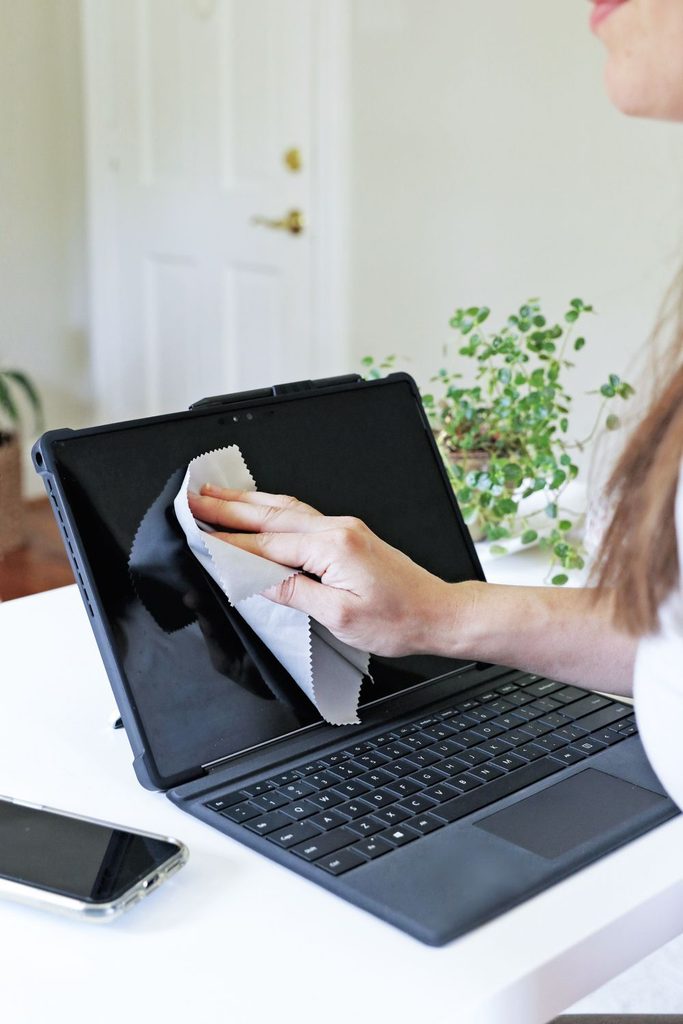
34. Electronics and Device Screens
Television screens, computer monitors, and other displays collect fingerprints and dust. Dust them gently every week or whenever marks become noticeable.
Always follow the manufacturer’s cleaning instructions for your specific screen. Never spray liquid directly onto an electronic display.
Use a suitable microfiber cloth and gentle movements instead. Clean screens look clearer and help your entertainment area feel more polished.
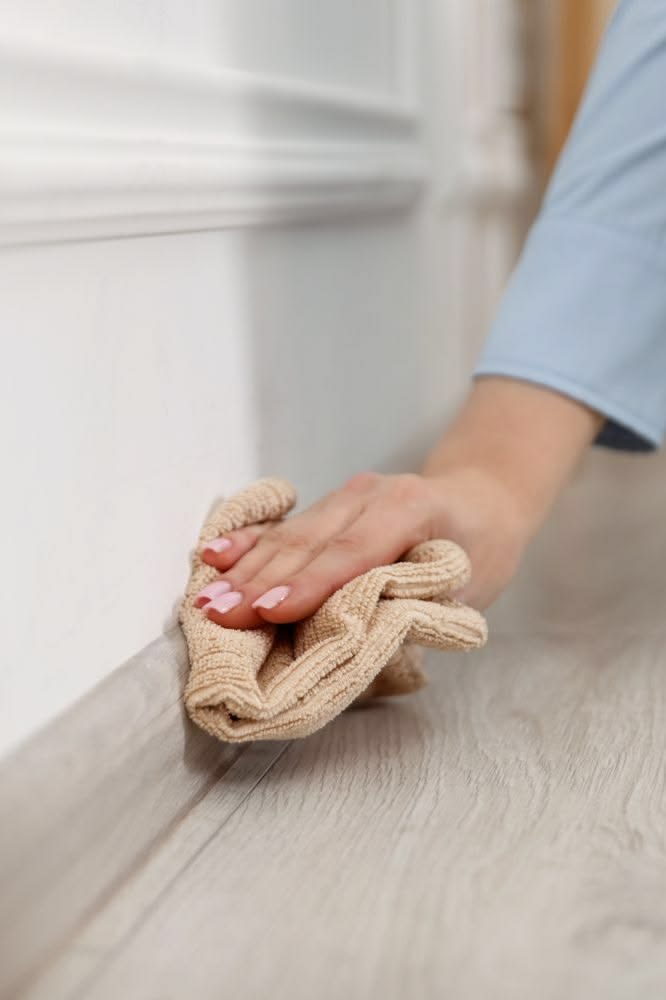
35. Baseboards
Baseboards collect dust because they sit close to the floor. Dust or vacuum them every few weeks, depending on how quickly dirt appears.
Give them a deeper wipe every month or two. Pay attention to corners because dust can gather there unnoticed.
You do not need to clean every baseboard during every floor-cleaning session. Instead, work through different rooms gradually during your regular routine.
This makes an otherwise annoying task much easier to manage.
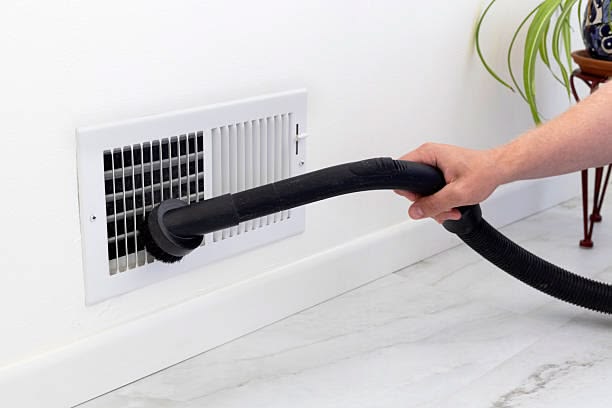
36. Air Vents
Air vents can collect dust that later spreads around your apartment. Check them every month and clean visible dust when necessary.
Use a suitable vacuum attachment or cleaning method for your vent type. Do not damage delicate vent covers while trying to remove buildup.
If your apartment has central heating or cooling, follow the system’s maintenance instructions. Keeping vents cleaner can reduce the amount of visible dust around nearby surfaces.
It also gives you one more reason to inspect neglected areas regularly.
37. Trash Can
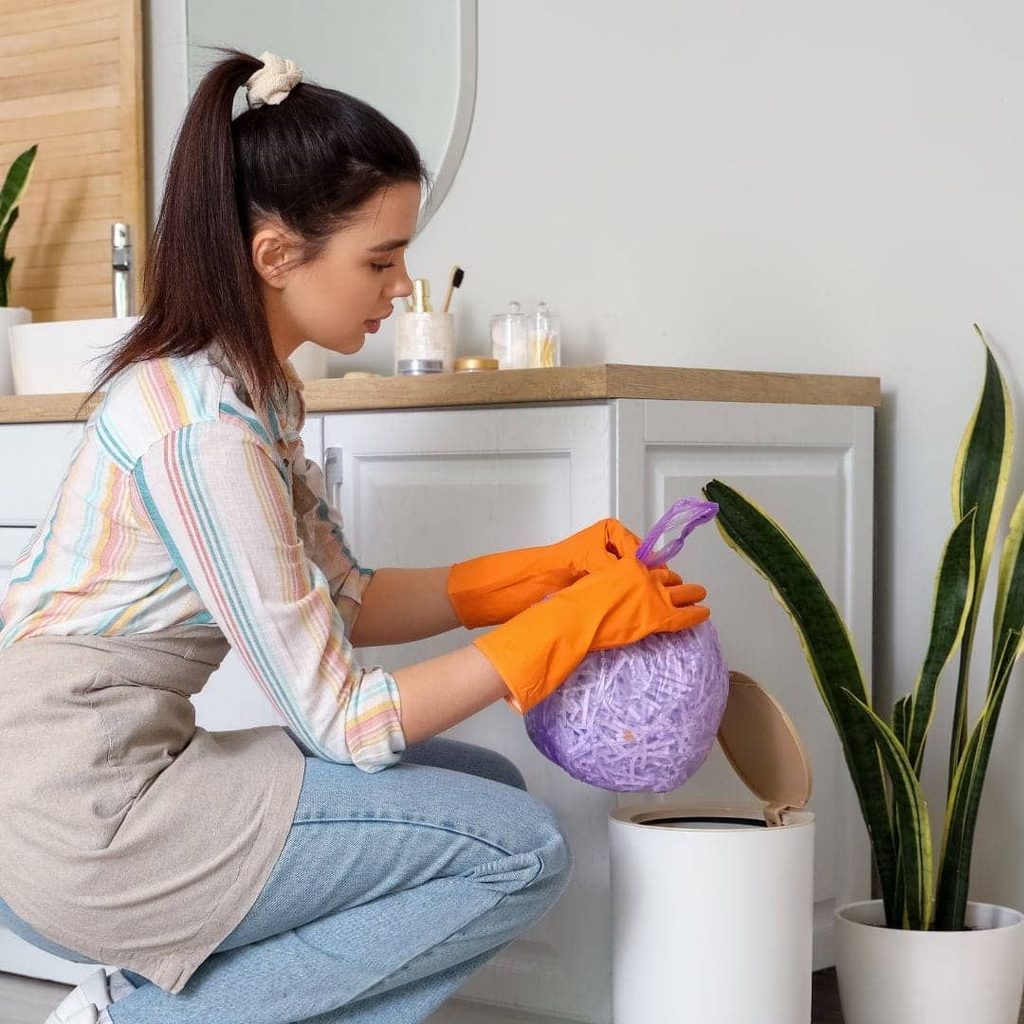
Your trash can may look clean from outside while hiding unpleasant residue inside. Empty it regularly and wipe the interior whenever spills occur.
Give the entire bin a proper wash about once each week. Allow it to dry completely before replacing the liner.
Do not forget the lid, handles, and areas around the opening. Kitchen trash cans usually need more attention because they hold food waste. A clean trash can keeps your kitchen smelling fresher.
38. Washing Machine
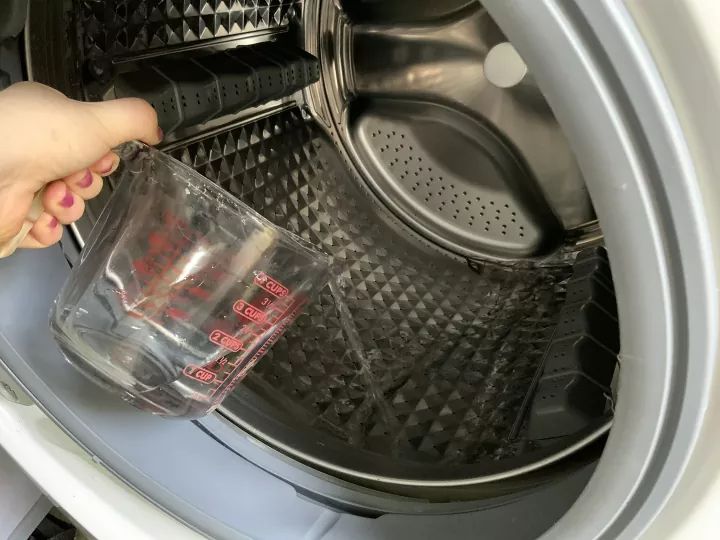
Your washing machine cleans your clothes, but the machine itself needs cleaning too. Wipe the exterior weekly, especially around buttons and handles.
Clean the detergent drawer regularly because residue can build up inside. Check the manufacturer’s instructions for cleaning the drum and other internal parts.
For many machines, a deeper cleaning cycle every month works well. Always follow the appliance instructions instead of guessing about cleaning products.
A cleaner machine helps prevent unpleasant smells from transferring to your laundry.
39. Washing Machine Door Seal
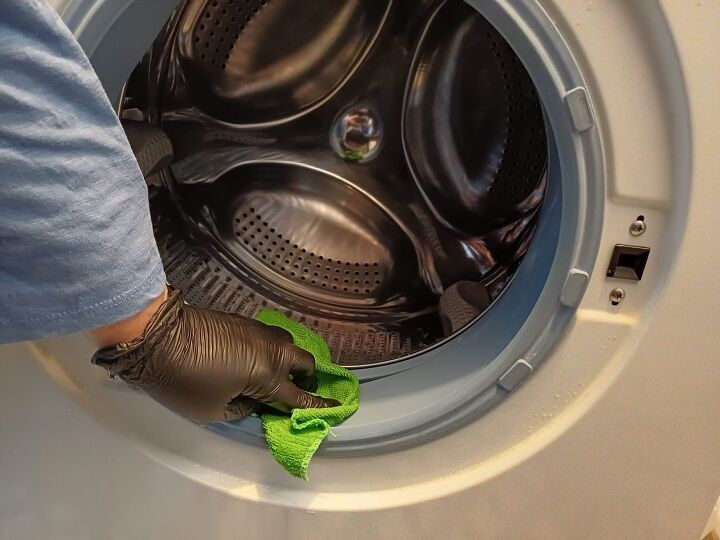
Front-loading washing machines often have a rubber seal around the door. Moisture, lint, hair, and detergent residue can collect inside that seal.
Check it after every few washes and wipe visible buildup away. Give the seal a proper cleaning at least once each month.
Leave the door open afterward when possible so the area can dry. Do not ignore small trapped items because they can contribute to unpleasant smells. This little area deserves attention because it stays damp frequently.
40. Vacuum Cleaner
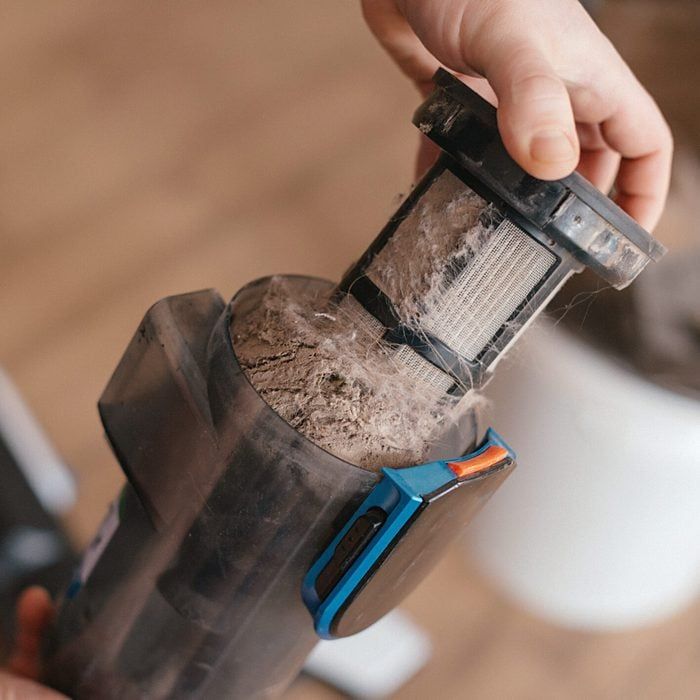
Your vacuum cleaner cannot work efficiently when its own parts are full. Empty the dust container after cleaning sessions when it becomes full.
Check the brush area regularly for hair, threads, and tangled debris. Clean filters according to the manufacturer’s recommended schedule.
Inspect the vacuum every month to make sure nothing blocks airflow. A well-maintained vacuum makes floor cleaning easier and usually takes less effort.
This is especially useful when you are trying to keep a small apartment dust-free. Don’t miss this: 35 Roommate Rules That Can Make Living Together Easier.
41. Cleaning Supplies
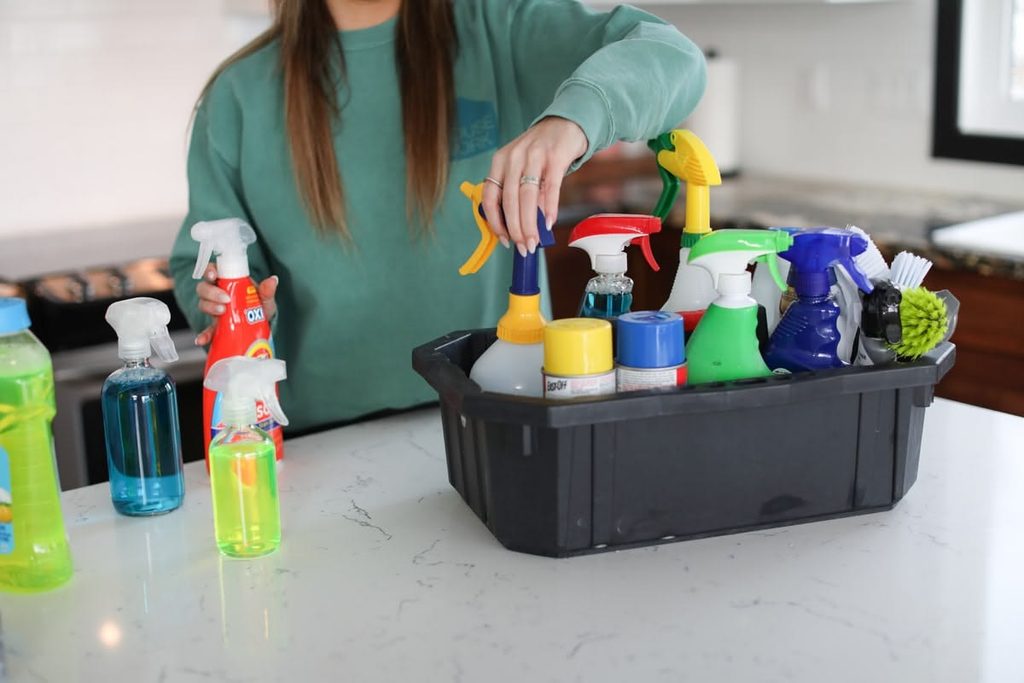
Cleaning supplies need attention because spills and residue can build up around them. Wipe bottles and containers whenever they become sticky or dusty.
Check your supplies once each month for expired or damaged products. Keep cleaning products securely stored away from children and pets.
Never combine cleaning chemicals unless the product instructions specifically allow it. A clean supply area also helps you notice when important products are running low.
This makes your cleaning routine more organized and less stressful.
42. Entryway Floor
Your entryway brings outside dirt directly into your apartment. Sweep or vacuum it several times each week, especially during rainy or dusty periods.
Mop it when footprints or visible dirt begin appearing. Clean the area around shoes because sand and outdoor debris collect there quickly.
A simple doormat can reduce how much dirt reaches the rest of your home. If you remove shoes at the entrance, cleaning the apartment becomes easier overall.
A clean entrance also gives you a better feeling whenever you come home.
43. Balcony or Patio Floor
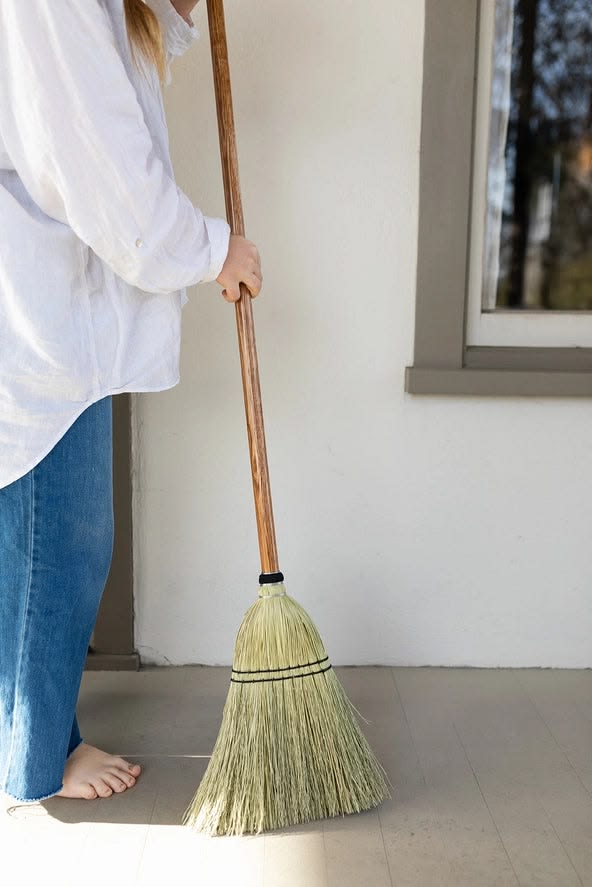
Outdoor apartment spaces still need regular cleaning, even when they are not living rooms. Sweep the floor every week or two depending on weather and surrounding conditions.
Remove leaves, dust, dirt, and anything carried in by wind. Check corners because outdoor debris often gathers there without being noticed.
If your balcony has drains, keep them clear of leaves and other debris. Do not pour anything into drains that could cause blockages or damage.
Keeping this space clean makes it easier to enjoy when you need fresh air. If you are preparing before your move, this can help: 25 Apartment Items Worth Buying Before You Move In.

44. Frequently Touched Walls
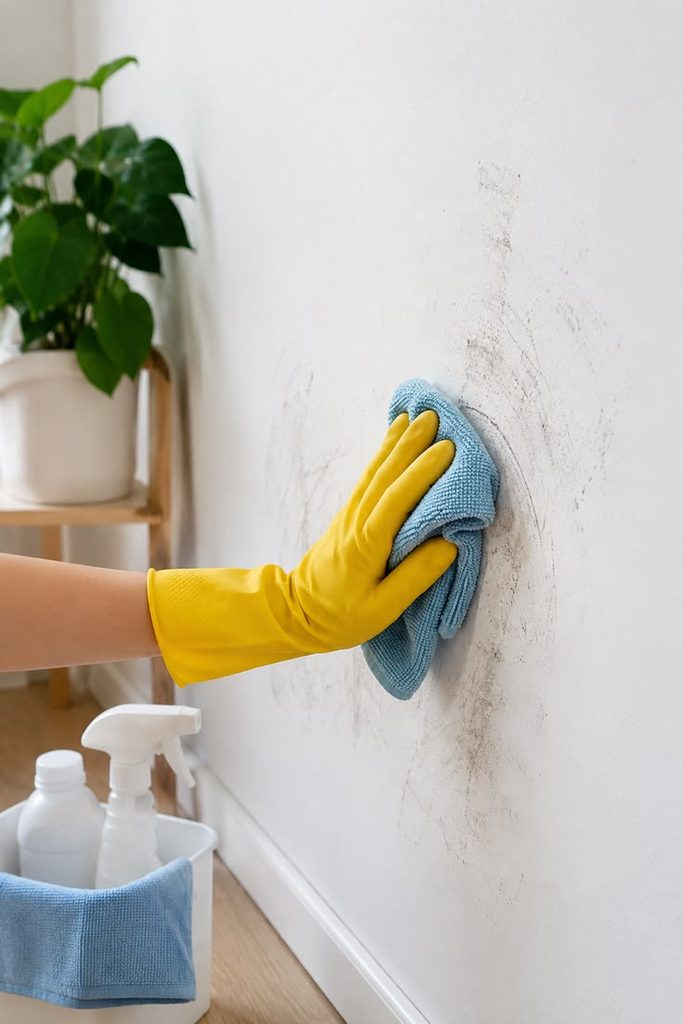
Walls near switches, doors, hallways, and furniture can collect marks surprisingly quickly. Inspect these areas every few weeks and clean visible marks when necessary.
Use a gentle method suitable for your wall’s paint or finish. Avoid aggressive scrubbing because it can remove paint or leave shiny patches.
Pay special attention near dining areas where food and drink can splash. You do not need to wash every wall in your apartment regularly.
Instead, focus on areas showing fingerprints, scuffs, stains, or visible dirt. Read this next: 25 Things to Do During Your First Week in a New Apartment.
45. Floors Throughout the Apartment
Your floors deserve regular attention because they collect almost everything brought indoors. Sweep or vacuum high-traffic areas several times each week to prevent buildup.
Clean the entire apartment floor weekly, adjusting the routine for pets or heavier traffic. Pay attention to corners, furniture edges, spaces underneath furniture, and areas behind doors.
During my first year managing a home, I learned that consistency beats marathon cleaning. Cleaning small areas regularly kept my weekends from becoming completely overwhelmed.
Keep this handy: 45 Things to Buy for Your First Apartment.
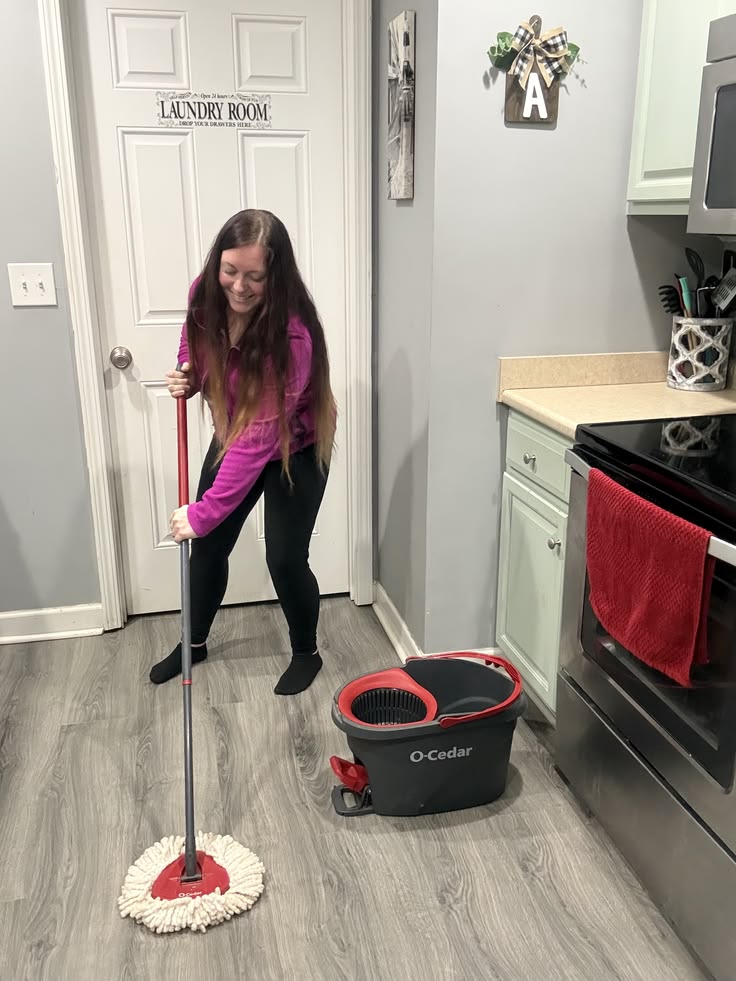
Your cleaning routine should match how you actually live and use your apartment. High-use areas deserve frequent attention, while less noticeable spaces can wait longer.
Your apartment does not need to look perfect every day to feel comfortable. Small, consistent habits can make cleaning easier and prevent dirt from becoming overwhelming.
Final Thoughts
A clean apartment is not created by one massive cleaning day every month. It comes from small habits that keep everyday messes from becoming overwhelming.
Start with the rooms and surfaces you use most frequently. Then slowly add less obvious areas into your weekly or monthly routine.
You do not need to clean everything every day to have a comfortable home. You simply need to know what deserves regular attention and what can wait.
That knowledge becomes especially valuable when you are living independently for the first time. Your apartment will get messy sometimes, and that is completely normal.
The goal is not perfection but a home that feels fresh, comfortable, and manageable. Once cleaning becomes part of your normal routine, it stops feeling like such a huge task.
And honestly, there is something satisfying about knowing you can take care of your own space.
Leave a Reply