Living with a roommate can feel exciting until two different lifestyles share one small kitchen. At first, everything may seem easy because everyone is trying to make a good impression.
Then somebody leaves dirty dishes overnight, uses your food, or forgets the electricity bill. Suddenly, the cute apartment arrangement starts feeling like a daily source of frustration.
The truth is that most roommate problems do not begin with huge disagreements. They usually begin with small things nobody discussed before moving into the apartment.
One person likes quiet mornings, while another starts playing music before breakfast. Someone thinks the bathroom needs cleaning weekly, while another person barely notices the mess.
These differences can become stressful when everyone assumes their own habits are normal. That is why good roommate rules matter from the beginning.
Rules do not have to make your apartment feel strict, cold, or uncomfortable. They simply create clear expectations before small annoyances become bigger arguments.
During my first shared living experience, I learned that silence does not solve roommate problems. I assumed people would naturally notice things that bothered me, but that rarely happened.
A simple conversation would have prevented several unnecessary misunderstandings. If you are preparing for shared living, start by creating a home everyone understands.
Your roommate experience can become much easier when responsibilities, privacy, money, and habits stay clear.
Before setting these rules, make sure your apartment itself works for your needs.
You can start with this guide: 25 Things to Check Before Signing an Apartment Lease.
Here are 35 practical roommate rules that can make everyday life much easier.
1. Talk About Expectations Before Moving In
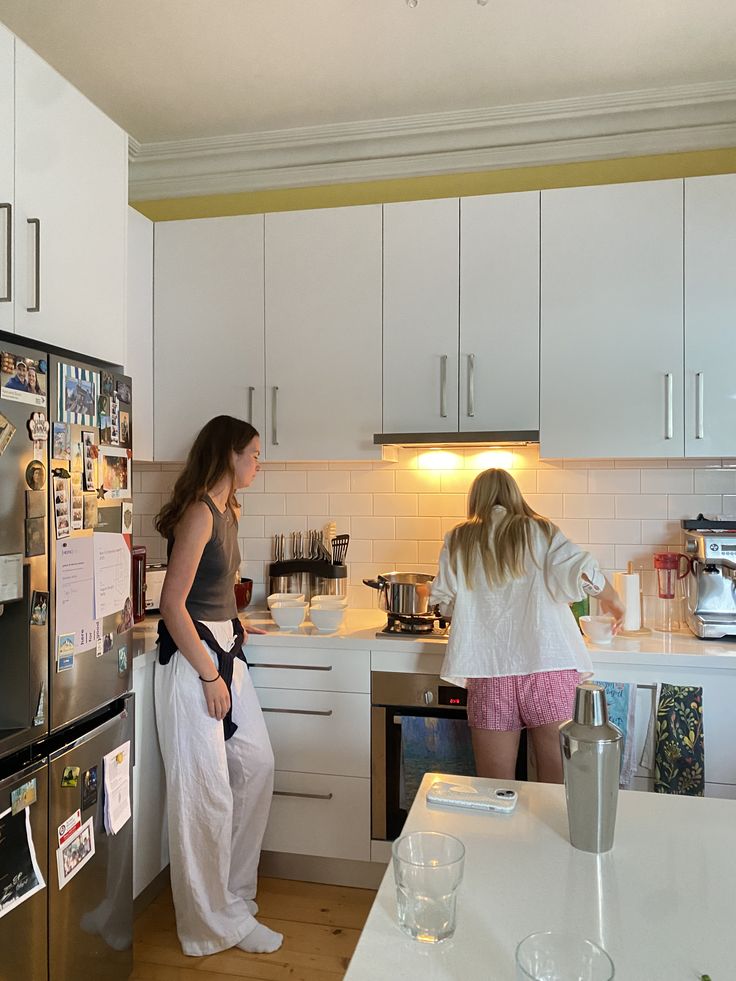
The best roommate rules begin before anyone carries boxes through the front door. Sit together and discuss what each person expects from the shared apartment.
Talk about cleaning, guests, food, bills, quiet hours, privacy, and shared purchases. You do not need to create a complicated contract for ordinary household habits.
A simple conversation can reveal differences that might otherwise cause problems later. Someone may expect a spotless kitchen, while another person prefers occasional cleaning.
Someone might enjoy having friends over frequently, while another values a quiet home. Knowing these differences early gives everyone a chance to find reasonable compromises.
It also prevents people from feeling surprised by habits they never discussed. If this is your first apartment, planning ahead can save you unnecessary stress.
You may also want to read 25 Things to Do Before Moving Into Your First Apartment before moving day.
2. Decide How You Will Split the Bills
Money can become one of the quickest sources of roommate tension. Do not assume everyone understands how shared expenses should be divided.
Discuss rent, electricity, water, internet, cleaning supplies, and other regular household expenses. Decide who pays each bill and when payments should reach the account.
If one person pays first, agree on how everyone will reimburse that person. Keep payment arrangements simple enough for everyone to understand without repeated explanations.
You can use a shared note, spreadsheet, or payment app for easier tracking. The important thing is keeping records clear and avoiding awkward money conversations later.
Also discuss unexpected expenses before they happen. A broken household item can create tension when nobody knows who should replace it.
Clear money rules make shared living feel more predictable for everyone.

3. Do Not Assume Food Is Automatically Shared
A shared kitchen does not mean every item inside belongs to everybody. Some roommates happily share groceries, while others prefer completely separate food arrangements.
Talk about this before someone opens the refrigerator looking for their favorite meal. Decide which foods are shared and which items belong to individual people.
You can keep personal groceries in separate sections if that makes things easier. Labeling certain items can also prevent accidental confusion.
If you finish something that belongs to your roommate, replace it promptly. Do not assume they will simply buy another one because you used it.
Food boundaries may seem small, but they can prevent repeated daily frustration. The same rule applies to drinks, snacks, cooking ingredients, and special treats.

4. Agree on Kitchen Cleaning
A shared kitchen becomes stressful quickly when everyone has different cleaning standards. Agree on what clean means before deciding who handles different responsibilities.
For example, dishes should not remain in the sink overnight without discussion. Counters can be wiped after cooking, while deeper cleaning happens weekly.
The stove should also be cleaned after messy meals instead of waiting for buildup. You do not need identical cleaning habits to maintain a comfortable shared kitchen.
You simply need enough agreement to keep the space usable for everyone. If one person cooks more often, discuss how that affects cleaning responsibilities.
Do not quietly keep score until resentment starts building. A quick conversation usually works better than passive-aggressive comments about dirty dishes.
5. Create a Simple Bathroom Routine
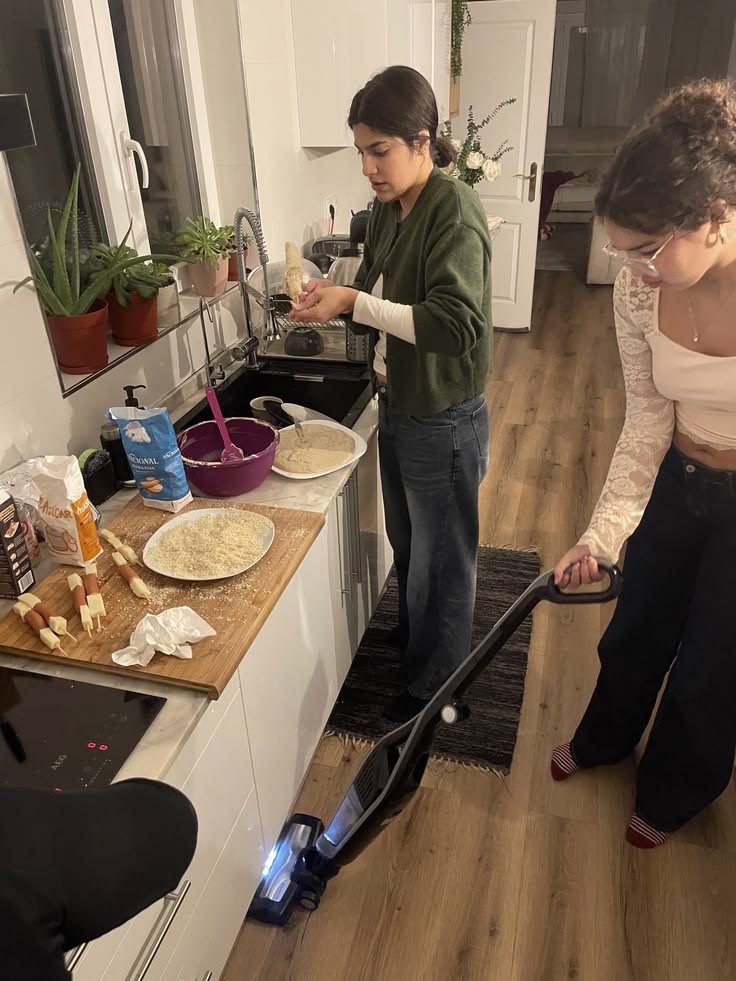
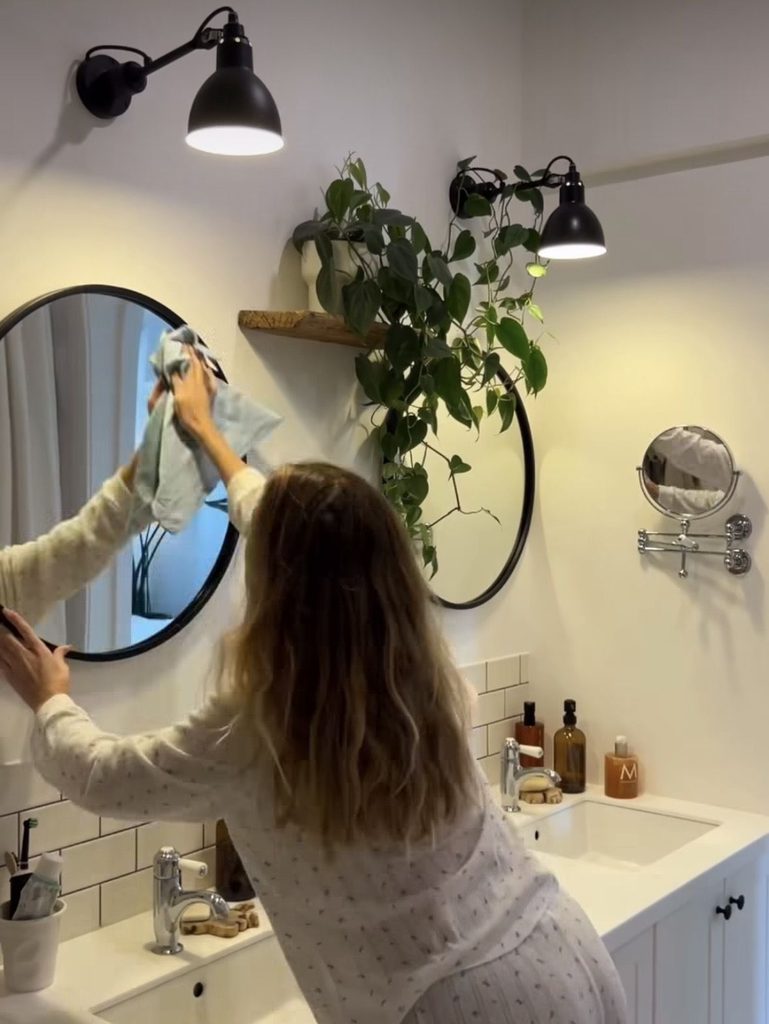
Bathrooms become awkward when roommates have completely different ideas about cleanliness. Agree on basic expectations for sinks, toilets, showers, mirrors, and bathroom floors.
You can create a simple weekly cleaning rotation if everyone uses the bathroom regularly. If the bathroom is shared, nobody should assume someone else will always clean it.
Take responsibility for personal messes immediately instead of leaving them for others. Hair around the sink or shower should be removed after you notice it.
Toiletries should also stay organized so everyone has enough usable space. A bathroom does not need constant cleaning, but it needs consistent care.
If you are building a cleaning routine, this guide can help: 45 Things to Clean in Your Apartment and How Often to Clean Them.
6. Respect Each Person’s Personal Space
Sharing an apartment does not mean sharing every personal space. Your roommate deserves areas that remain private and respected.
Do not enter their bedroom without permission, even when the door appears open. Do not borrow personal belongings simply because they are sitting somewhere accessible.
Ask before using clothing, electronics, toiletries, furniture, or anything else that belongs personally. Respecting small boundaries helps people feel comfortable inside their own home.
This matters especially when roommates have different ideas about privacy. Some people enjoy spending lots of time together, while others need quiet personal time.
Neither preference automatically makes someone difficult. Give each person enough room to enjoy the apartment without constant interaction.
7. Set Reasonable Quiet Hours
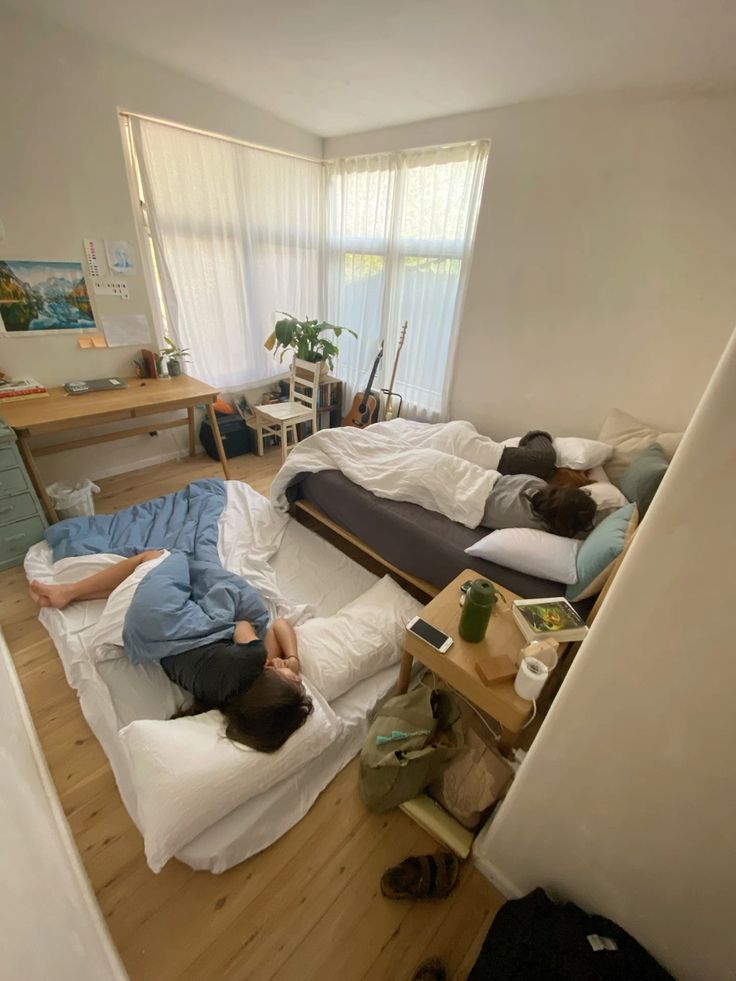
Noise can become one of the biggest problems in shared living. Agree on quiet hours that fit everyone’s schedules before conflicts begin.
This becomes especially important when roommates have different work or school routines. Someone working early mornings may need quiet long before another roommate goes to bed.
Talk about television volume, music, phone calls, gaming, and visitors during quiet hours. The goal is not making the apartment silent all day.
It is creating predictable periods when everyone can rest or concentrate. If someone occasionally needs extra quiet, they should communicate that clearly.
Roommates should also understand that normal living sounds cannot disappear completely. Reasonable expectations make the apartment comfortable without making anyone feel restricted.
8. Tell Your Roommate Before Bringing Guests Over
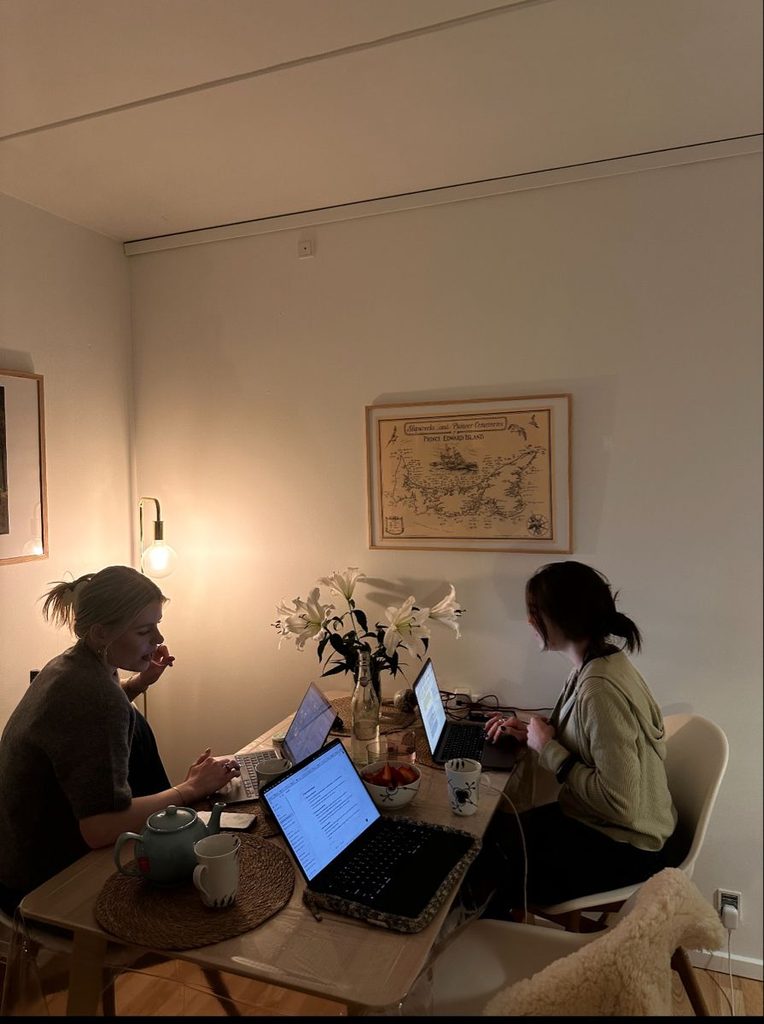
Guests can change the atmosphere of a shared apartment very quickly. That is why roommates should discuss guest expectations before visitors start arriving.
You do not necessarily need permission for every short visit. Still, giving your roommate a simple heads-up shows consideration.
Overnight guests need clearer communication because they use shared spaces longer. Talk about how often guests can stay and how long overnight visits can last.
You should also discuss parties because they affect everyone living in the apartment. A roommate should never discover a crowded gathering after returning from work.
Simple communication prevents many unnecessary arguments. If you want to entertain friends, make sure your plans respect the shared home.

9. Do Not Use Someone’s Belongings Without Asking
Borrowing something may seem harmless when you expect to return it quickly. But your roommate may need that item at the exact moment you take it.
Always ask before borrowing personal belongings, even when you are close friends. This includes clothes, kitchen equipment, electronics, toiletries, tools, and work supplies.
If your roommate says no, accept the answer without making it awkward. People have different comfort levels around sharing their belongings.
Returning something damaged creates an even bigger problem. If you accidentally damage an item, tell your roommate and offer a reasonable solution.
Honesty usually prevents small mistakes from becoming major trust issues.
10. Agree on Shared Household Supplies
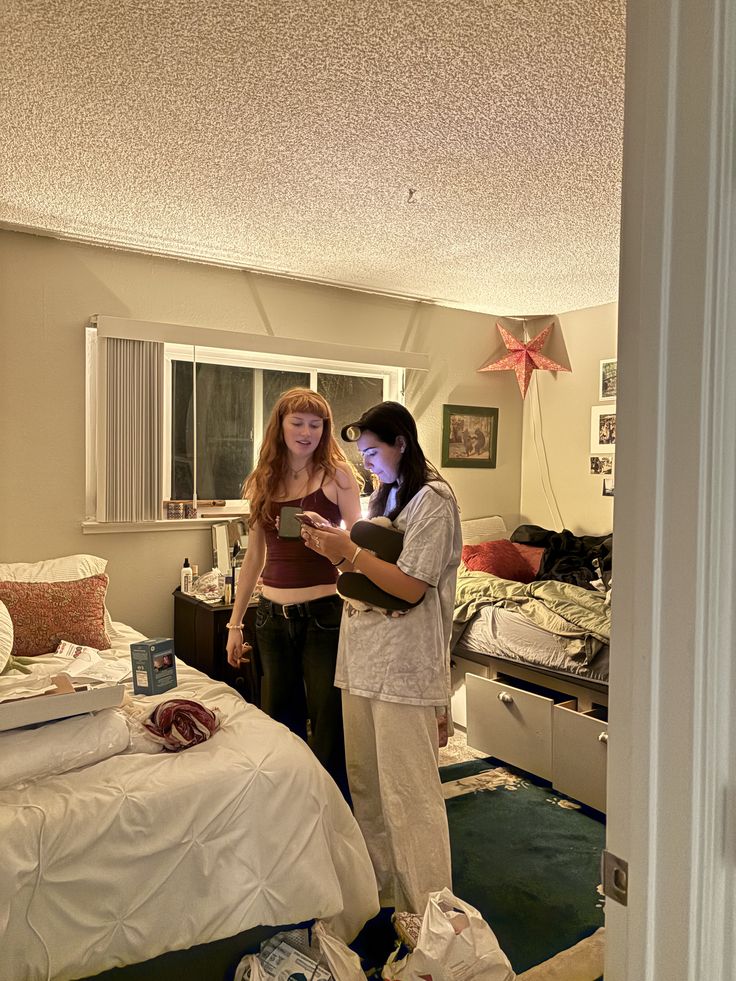
Some household items make sense to share because everyone uses them. Cleaning products, trash bags, toilet paper, and basic kitchen supplies often fall into this category.
Decide which items everyone contributes toward before supplies start running out. You can split the cost evenly or take turns buying certain products.
Keep the system simple enough that nobody feels responsible for tracking everything. If you notice a shared item is nearly finished, mention it early.
Do not wait until someone discovers an empty container when they need it. Shared supplies work best when everyone contributes consistently.
For useful first-apartment purchases, you may also like 35 First Apartment Essentials You’ll Actually Use.
11. Keep Common Areas Usable
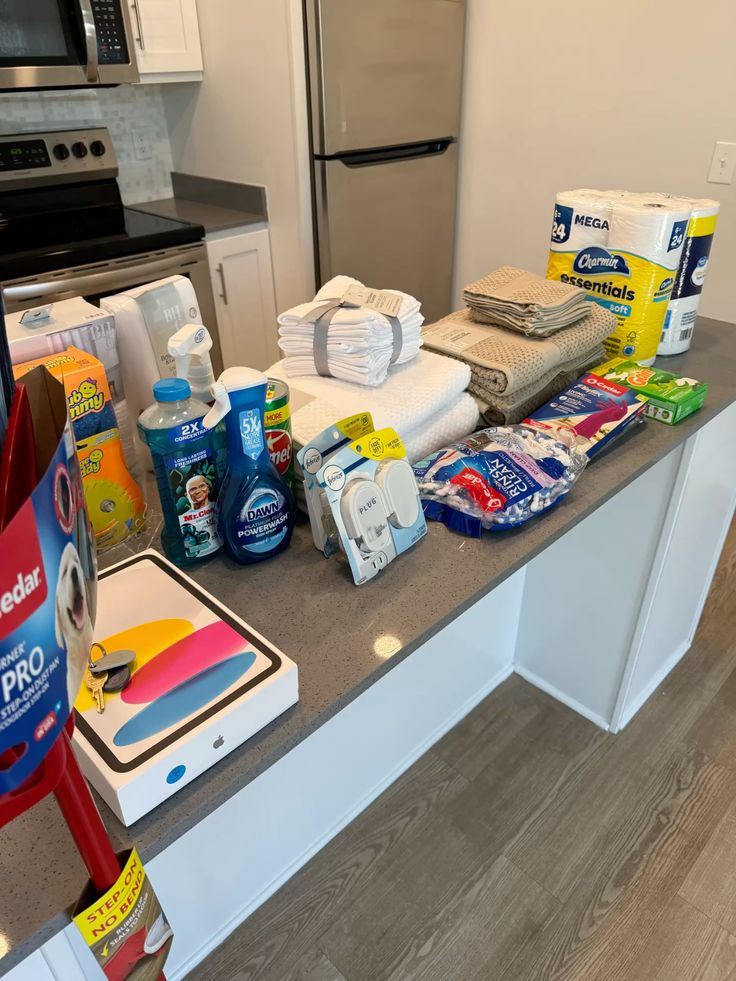
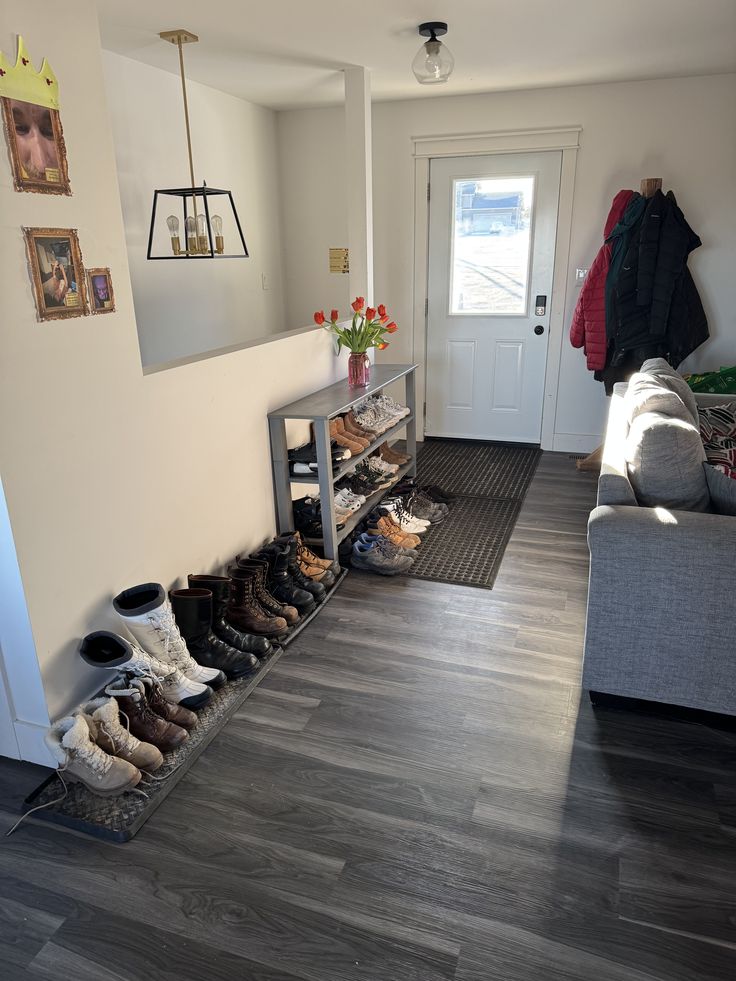
Shared spaces should remain comfortable for everyone who lives there. Do not treat the living room like personal storage when other people need the space.
Keep shoes, bags, clothes, boxes, and personal items organized. If you use the dining table for work, clear it when you finish.
The same applies to sofas, kitchen counters, and other shared surfaces. Everyone should have room to relax without constantly moving someone else’s belongings.
This becomes even more important in smaller apartments with limited storage. A little organization can prevent common spaces from becoming crowded.
If your apartment feels tight, these ideas may help: 35 Small Apartment Organization Ideas That Make Everyday Life Easier.
12. Clean Up After Yourself
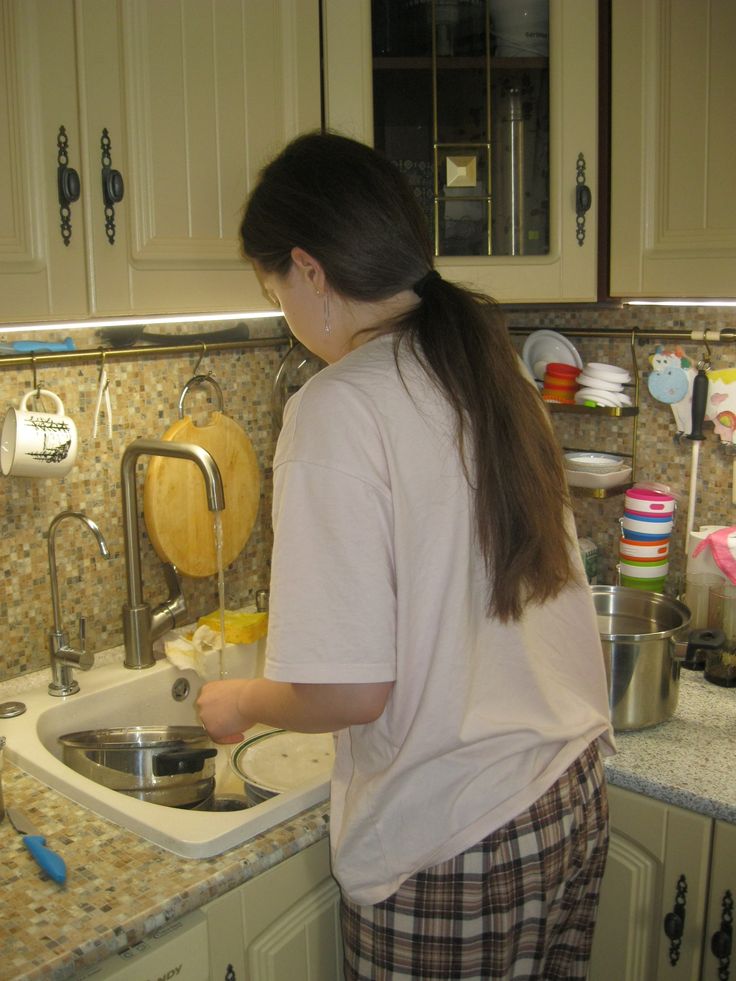
One of the simplest roommate rules is also one of the most important. If you make a mess, handle it instead of waiting for someone else.
Clean dishes after eating, wipe spills, and put items back after using them. This does not mean you must clean the entire apartment after every activity.
It means your personal mess should not automatically become another person’s responsibility. During my first shared apartment experience, I noticed how quickly small messes could spread.
One unwashed plate became several dishes, then an entire sink became difficult. That experience changed how quickly I handled my own messes afterward.
Cleaning immediately usually takes less effort than cleaning several days of accumulated mess.
13. Do Not Keep Score Over Every Tiny Chore
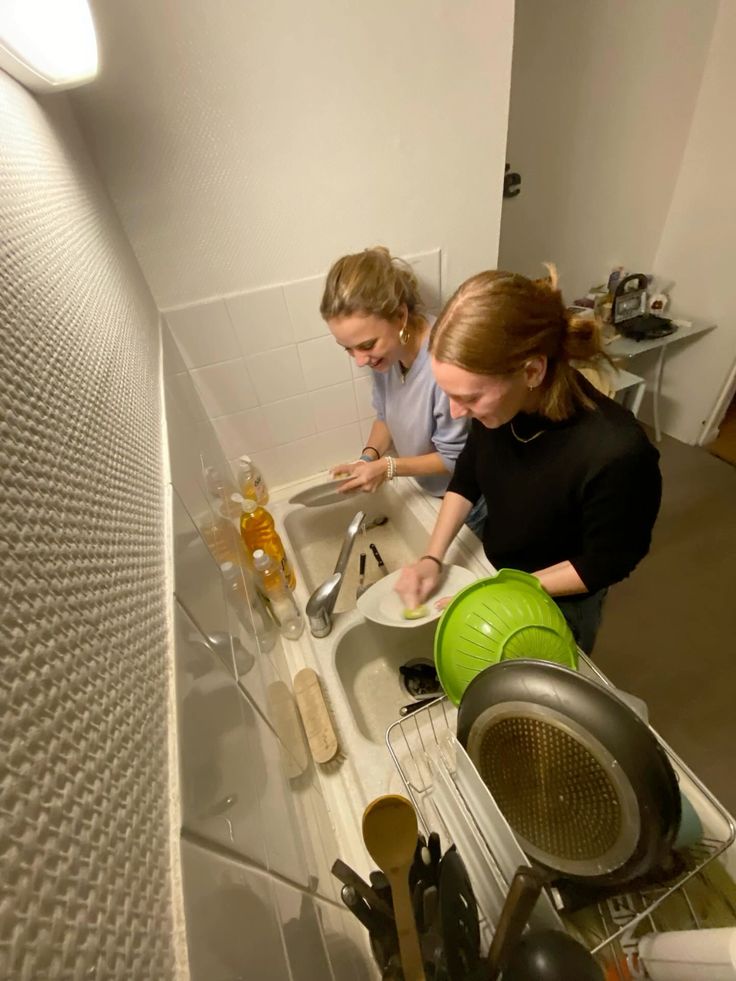
Roommate life should not become a competition about who cleaned more often. Some weeks one person may naturally do more household tasks than another.
Schedules change, work becomes stressful, and unexpected responsibilities can appear. Instead of counting every single chore, focus on reasonable overall contribution.
Still, this does not mean one person should carry the entire household indefinitely. If the imbalance continues, discuss it openly and adjust responsibilities.
Avoid bringing up old chores during every disagreement. A simple weekly conversation can be enough to keep things balanced.
Good roommate relationships require fairness without turning home life into a scoreboard.
14. Decide How Laundry Will Work
Laundry can become surprisingly annoying when roommates share machines or limited drying space. Agree on reasonable laundry times if everyone uses the same washing machine.
Do not leave clothes inside the machine for hours after your cycle finishes. Someone else may be waiting to wash their clothes.
If drying space is limited, remove your clothes promptly when they are dry.Keep personal laundry supplies organized instead of spreading them across shared areas.
If you use someone’s detergent, ask before assuming it is available. Small laundry habits can make shared routines much easier.

15. Respect Different Sleep Schedules
Roommates do not always wake up or sleep at the same time. One person may work nights, while another starts work before sunrise.
Talk about sleep schedules and identify situations that commonly create disturbance. Late-night cooking, loud conversations, television, and repeated door slamming can cause problems.
If you need to move around late, keep unnecessary noise low. If you wake early, avoid turning shared spaces into loud activity zones.
You do not need to move around like a ghost. Just remember that your roommate may be sleeping while you are awake.

16. Discuss How You Handle Temperature
Thermostat disagreements can become surprisingly personal in shared homes. One person may feel cold while another constantly feels warm.
Talk about reasonable temperature settings before everyone starts changing the thermostat secretly. Agree on a range that feels comfortable enough for the household.
If someone needs a personal adjustment, consider practical alternatives first. Extra clothing, a fan, or a blanket may solve smaller comfort differences.
Do not repeatedly change the setting without telling anyone. That behavior creates frustration because everyone feels ignored.
A little compromise can prevent the thermostat from becoming the apartment’s biggest argument.

17. Communicate Before Making Major Changes
Shared apartments should not have major changes made by one person alone. Do not rearrange common furniture without discussing the idea first.
The same applies to large decorations, storage systems, appliances, or shared purchases. Your roommate lives there too and deserves a say in shared spaces.
You may love a particular arrangement that your roommate finds uncomfortable. Talk first, then decide together when the change affects everyone.
Personal bedrooms are different because each person controls their own private space. Common areas require more cooperation because everyone uses them.
This simple distinction can prevent many unnecessary disagreements.

18. Handle Trash Consistently
Nobody wants to discover an overflowing trash bin after returning home. Agree on who takes trash outside and how often it should happen.
You can rotate the responsibility weekly or simply empty it when full. The important thing is making sure the task does not become one person’s permanent job.
Replace the bag after taking the trash out. Clean the bin occasionally if spills or strong odors develop.
If recycling is required in your building, discuss how recyclable items should be handled. A simple trash routine keeps the apartment cleaner with very little effort.

19. Talk About Food Storage
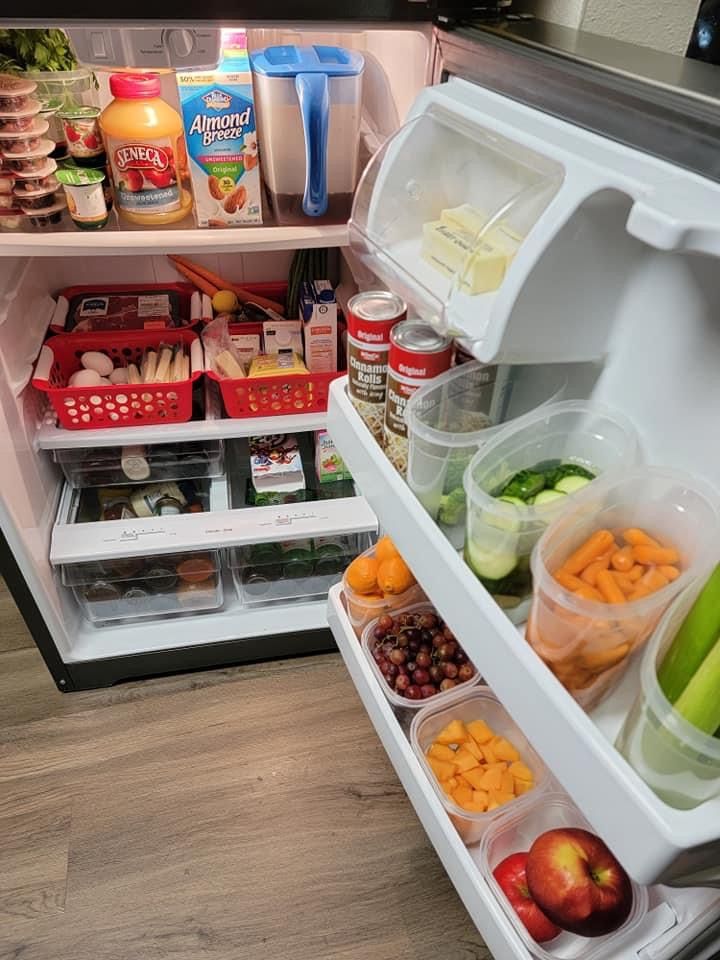
Shared refrigerators can become confusing when nobody knows what belongs to whom. Give each person a reasonable amount of refrigerator and freezer space.
Use containers when possible to prevent spills and unnecessary clutter. Label personal food when there is a genuine chance of confusion.
Avoid moving someone else’s groceries without asking. If something is expired, do not throw it away simply because you dislike seeing it.
Ask the owner first unless everyone has already agreed on a refrigerator rule. Clear food storage makes the kitchen easier for everyone to use.
20. Respect Work and Study Time
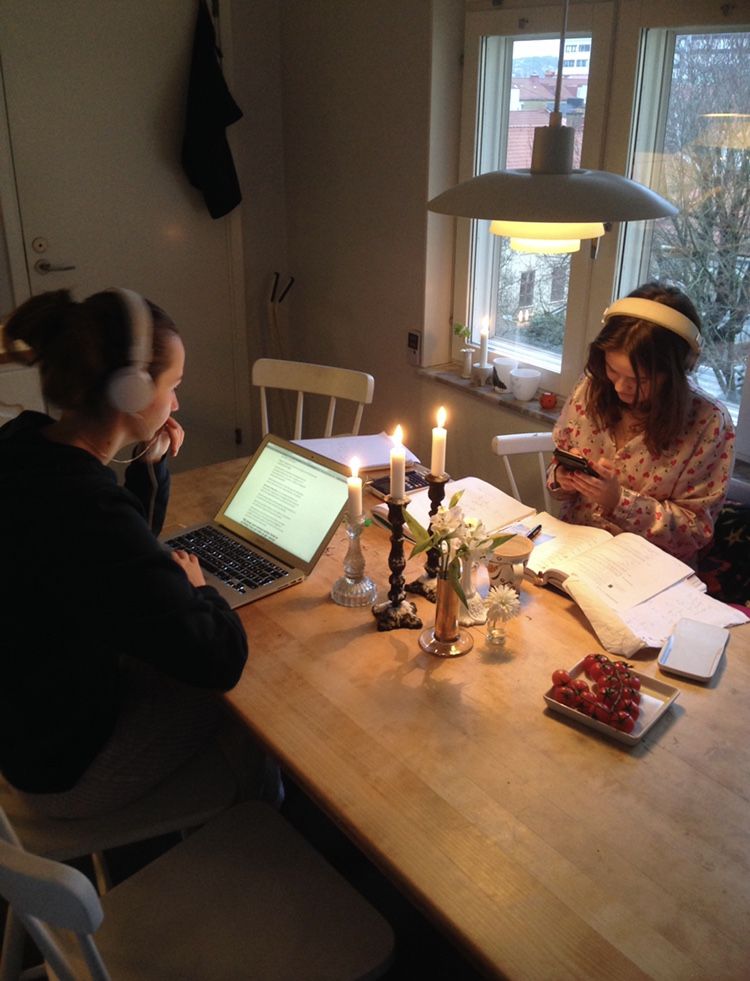
Your roommate may need quiet time for work, school, interviews, or important calls. Talk about schedules so everyone understands when concentration matters most.
This becomes especially important when someone works from home. Avoid unnecessary interruptions during meetings or focused work periods.
If you need to use a shared area, keep your activity reasonably quiet. Your roommate should also communicate when they need uninterrupted time.
A simple message can prevent awkward interruptions. Shared living becomes easier when everyone respects the fact that home can also be someone’s workplace.
21. Do Not Bring Relationship Problems Into the Apartment
Romantic relationships can affect roommate dynamics more than people expect. A partner who visits frequently can begin feeling like an unofficial third roommate.
That changes the use of shared spaces, utilities, privacy, and household routines. Talk honestly about how often partners can visit or stay overnight.
Your roommate should not feel like a guest inside their own apartment. At the same time, reasonable occasional visits should not become a major conflict.
The goal is finding boundaries that respect everyone’s comfort. Good communication matters more than trying to control someone’s personal relationships.

22. Keep Personal Arguments Private
Disagreements happen, even between roommates who usually get along. Avoid turning every disagreement into a public performance.
If you have an issue, discuss it privately and calmly. Do not complain about your roommate to every friend who visits.
Do not post indirect messages online about household problems either. Those actions can make a small disagreement much harder to repair.
Focus on the specific problem instead of attacking someone’s personality. Say what happened, explain how it affected you, and discuss a practical solution.
That approach keeps disagreements focused and easier to resolve.

23. Do Not Let Resentment Build
Ignoring small problems does not always make them disappear. Sometimes they quietly build until something minor triggers a much larger argument.
If a habit repeatedly bothers you, discuss it before frustration becomes overwhelming. Choose a calm moment instead of starting the conversation during an argument.
Use simple language and explain what you need changed. Avoid bringing up ten unrelated complaints during one conversation.
Focus on the current issue and agree on the next step. Your roommate may not realize something has been bothering you. Giving them a chance to understand can change the situation quickly.

24. Be Flexible When Life Gets Busy
Nobody has perfect weeks all the time. Your roommate may have exams, deadlines, family responsibilities, illness, or demanding work.
During those periods, some routines may temporarily become harder to maintain. Being flexible does not mean accepting permanent irresponsibility.
It means recognizing that everyone sometimes needs extra patience. If your roommate normally contributes but struggles for one week, offer reasonable understanding.
You may need the same understanding during your own difficult period. Healthy roommate relationships include flexibility alongside accountability.
25. Discuss How You Handle Emergencies
Every household should know what happens when something unexpected goes wrong. Discuss who should be contacted for plumbing problems, electrical issues, or building emergencies.
Keep important landlord, property manager, or maintenance information somewhere accessible. Everyone should know where emergency supplies and important household information are kept.
You can also agree on who communicates with building management when necessary. Do not assume your roommate knows what to do automatically.
Clear emergency plans can save valuable time during stressful situations. This is especially useful when everyone is new to independent apartment living.
If you are still preparing for your move, 25 Things to Do During Your First Week in a New Apartment can also help you organize those early responsibilities.

26. Respect Shared Property
Some apartment items belong to everyone, even when one person originally purchased them. Shared furniture and appliances should be treated carefully.
Do not move, damage, sell, or replace shared property without discussing it. If something breaks, communicate quickly instead of hiding the problem.
Decide together how replacement costs should be handled. Keep receipts for expensive shared purchases when possible.
Clear ownership prevents confusion when someone eventually moves out. It also protects friendships when money becomes involved.
27. Agree Before Buying Expensive Shared Items
A larger appliance may seem useful to you but unnecessary to your roommate. Talk before buying expensive items for shared spaces.
Consider the cost, storage space, maintenance, and eventual ownership. Ask where the item will stay and who will use it most.
If one person pays more, discuss ownership clearly before purchasing. Do not assume everyone wants the same upgrades.
A small apartment has limited space, so every large purchase matters. Good communication keeps excitement from becoming another household disagreement.

28. Keep Shared Spaces Safe
Safety should always matter more than convenience inside a shared apartment. Do not block hallways, exits, doors, or important apartment access points.
Store sharp objects and hazardous products responsibly. Avoid leaving cooking appliances unattended or overloaded electrical outlets.
If you notice something unsafe, tell your roommate instead of ignoring it. Safety problems affect everyone living inside the apartment.
This is especially important when guests, children, or pets regularly visit. A safe apartment gives everyone greater peace of mind.
29. Be Considerate With Smells
Strong smells can quickly travel through a small apartment. Cooking odors, candles, perfumes, cleaning products, and smoke can affect everyone.
Talk about smells that create problems before they become personal arguments. Use ventilation when cooking foods with strong aromas.
If you smoke, follow the building rules and avoid exposing roommates to smoke. Be mindful with heavily scented products in shared spaces.
Your favorite smell may be unpleasant or overwhelming to someone else. Consideration is usually enough to keep this issue manageable.

30. Agree on Decoration Boundaries
Decorating a shared apartment can be fun when everyone gets involved. It can also become frustrating when one person takes control of every common wall.
Discuss colors, artwork, furniture placement, and major decorative changes together. Each roommate should have some opportunity to make shared spaces feel comfortable.
You do not need identical tastes to create an attractive home. Find common ground instead of expecting everyone to love the same style.
Personal bedrooms can remain individual spaces for personal expression. Shared areas should reflect the people who live there together.

31. Respect Different Personal Habits
Roommates often discover unexpected differences after living together. One person may wake up early, while another stays awake late.
Someone may cook daily, while another prefers takeout most evenings. Some people need background noise, while others prefer complete quiet.
These differences do not automatically mean anyone is inconsiderate. Give yourselves time to understand each other’s normal routines.
At the same time, communicate when a habit affects shared living. You do not need to change everything about yourself to live peacefully.
You simply need enough awareness to avoid unnecessarily disturbing others.
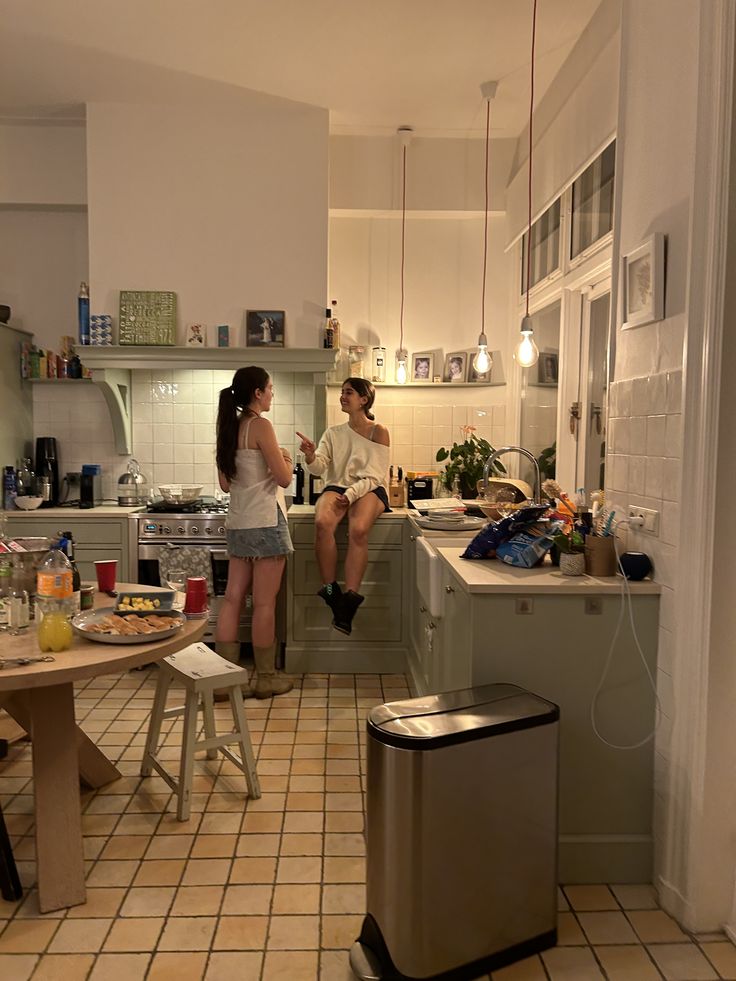
32. Have Regular Check-Ins
Roommate communication should not happen only after something goes wrong. A short check-in every few weeks can keep small problems manageable.
Ask if bills, cleaning, guests, noise, and shared spaces are working well. Keep the conversation casual rather than making it feel like a formal meeting.
Everyone should have a chance to mention something that needs adjustment. You can also use these conversations to appreciate what is working well.
During my first year living with roommates, I eventually learned that regular conversations saved time. Problems became much easier to solve before they had enough time to become personal.
That lesson changed how I approached shared living afterward.
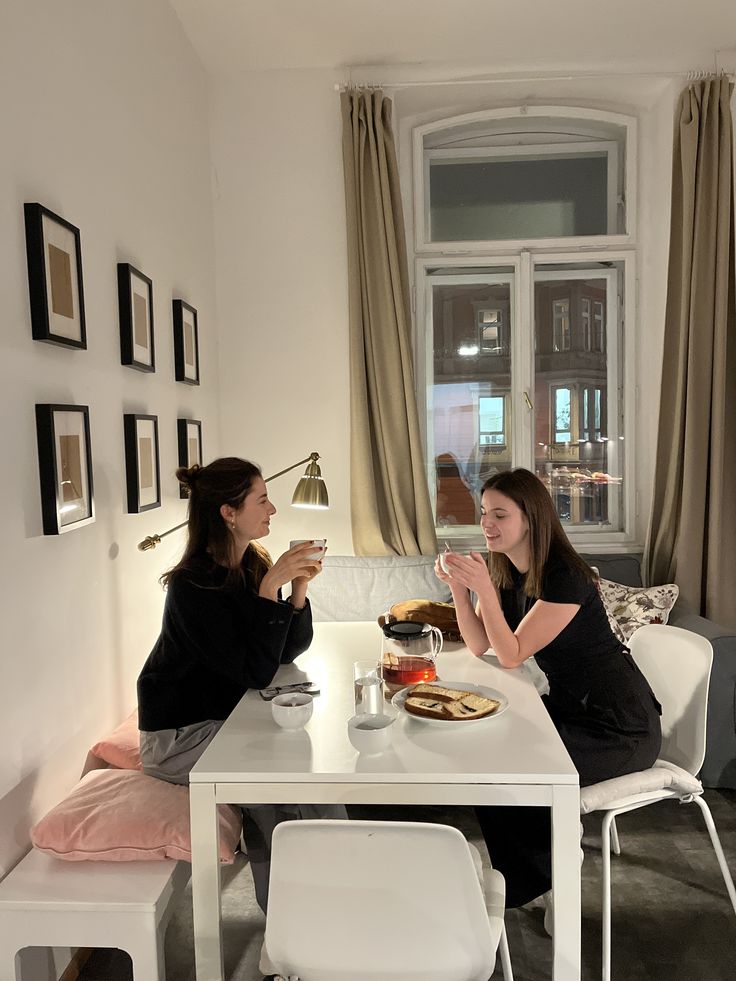
33. Agree on Moving-Out Responsibilities
Nobody plans to live with the same roommate forever. Discuss moving-out expectations before someone eventually decides to leave.
Talk about cleaning, shared purchases, deposits, keys, furniture, and utility payments. If someone bought an item together, decide how ownership will be handled.
Do not wait until moving day to start discussing money. Written agreements can help with expensive shared purchases or deposits.
The goal is making the final transition as peaceful as the beginning. Good roommate habits should continue until everyone has completely moved on.
Start here: 25 Apartment Items Worth Buying Before You Move In.

34. Keep Improving the Arrangement
Your original roommate rules may not work perfectly forever. Schedules change, jobs change, relationships change, and household needs change.
Review your arrangements when something important changes. You may need different quiet hours after starting a new job.
Your cleaning schedule may also change when someone’s workload increases. Being willing to adjust prevents old rules from becoming unnecessary sources of stress.
The goal is not creating perfect rules once. The goal is maintaining a living arrangement that works for everyone. Good roommates learn and adjust instead of stubbornly following outdated routines.
You’ll use this again: 45 Things to Buy for Your First Apartment.
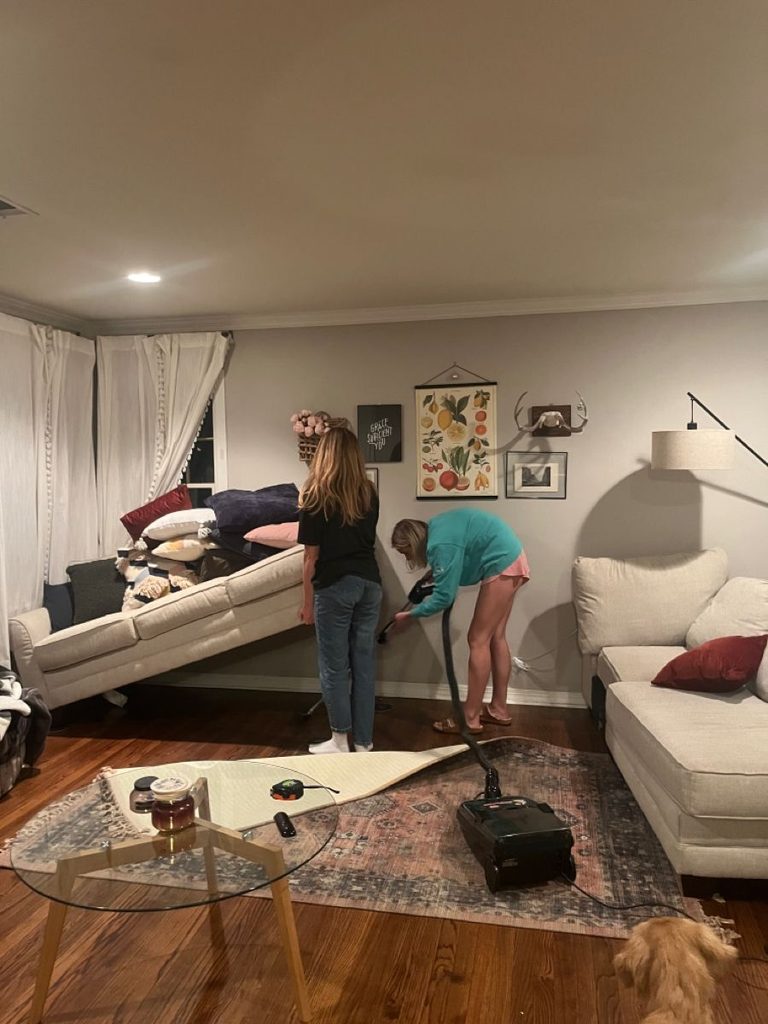
35. Know When to Have a Bigger Conversation
Sometimes a small roommate issue needs more than a quick reminder or casual conversation. Repeated unpaid bills, disrespect, damaged property, or serious boundary problems need proper attention.
Choose a calm time and explain the specific problem honestly without attacking your roommate. Bring possible solutions and give your roommate an opportunity to explain their side.
You may discover a misunderstanding that can be corrected before becoming something bigger. Other situations may require firmer boundaries or help from the property manager.
If you want to avoid common first-apartment problems, read 35 First Apartment Mistakes You’ll Want to Avoid.
Remember that roommates can have different schedules, habits, personalities, and cleanliness preferences. Clear communication helps everyone understand responsibilities, personal boundaries, shared spaces, and household expectations.
Everyone should contribute to cleaning, bills, communication, and maintaining a comfortable shared home. You cannot control another person’s personality, but you can communicate your own boundaries clearly.
When problems happen, address the issue instead of attacking the person. That simple approach can reduce tension, protect friendships, and make shared living more comfortable.

Final Thoughts
Living with a roommate can teach you plenty about communication and independence. You learn quickly that sharing a home requires more than splitting rent.
It requires patience, consideration, honesty, flexibility, and basic respect. You will probably have disagreements because no two people live exactly alike.
That does not mean your roommate arrangement has failed. What matters is how you handle those disagreements when they happen.
Talk early, respect boundaries, keep shared responsibilities clear, and avoid unnecessary assumptions. Give people space to have different routines without allowing those differences to create chaos.
Also remember that your apartment should feel like home for everyone living there. Nobody should constantly feel uncomfortable, ignored, or responsible for everyone else’s mess.
When expectations stay clear, shared living can become much easier and more enjoyable. The goal is not having perfect roommates or creating perfect household rules.
The goal is building a home where everyone can live comfortably and respectfully. And sometimes, the simplest roommate rule is remembering that consideration goes both ways.
Leave a Reply