Moving into your first apartment can make you want to buy absolutely everything. Suddenly, every cute storage basket, kitchen gadget, lamp, and decorative piece feels completely necessary.
Then you check your bank account and realize your apartment is not the only thing needing money. The truth is, you do not need a perfectly decorated home on moving day.
You need a home that works for your everyday life without draining your budget. Some items will make your first few weeks easier, cleaner, safer, and much more comfortable.
Others may look useful in the store but spend months sitting untouched somewhere. That is why knowing what to buy before moving in can save you money.
You want things that solve real problems instead of simply filling empty spaces. During my first apartment setup, I learned that an empty room can look surprisingly expensive.
I bought a few things too quickly because I wanted everything to feel finished. Later, I realized that some purchases were useful, while others simply looked nice.
That experience taught me to think about daily needs before buying anything for home. Your first apartment does not need to look perfect immediately.
It needs to support the way you actually cook, clean, sleep, work, and relax. Some items can also wait until you understand the apartment better.
You may discover that you already have something similar or need something completely different. If you are still deciding what belongs in your first home, start with the basics.
You might also want to revisit 35 First Apartment Essentials You’ll Actually Use for a broader starting point. Here are 25 apartment items worth considering before you move into your new place.

1. A Comfortable Mattress
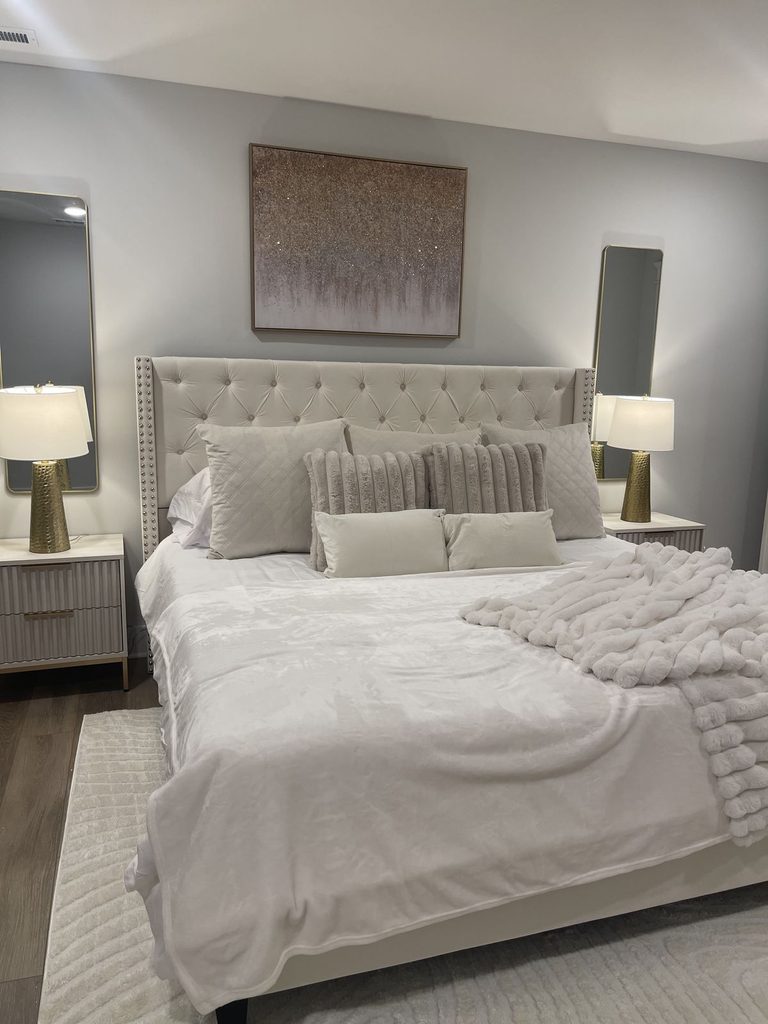
A comfortable mattress is one of the first things worth prioritizing in your apartment. You can survive without matching furniture, expensive decorations, or perfect curtains.
Sleeping well becomes much harder when your mattress is uncomfortable every night. Your bed also affects how your bedroom feels during your first few weeks.
If you already own a good mattress, you may not need another one. But if you need to buy one, spend time comparing comfort, size, support, and durability.
Do not choose a mattress simply because it looks attractive in a showroom. Think about how you normally sleep and what feels comfortable for your body.
Also measure your bedroom before buying a larger mattress. You need enough space for the bed without making the entire room difficult to move through.
A good mattress can be a bigger priority than decorative bedroom pieces. It gives you something important from the beginning. Your new apartment should give you a comfortable place to rest after busy days.
2. Quality Bed Pillows
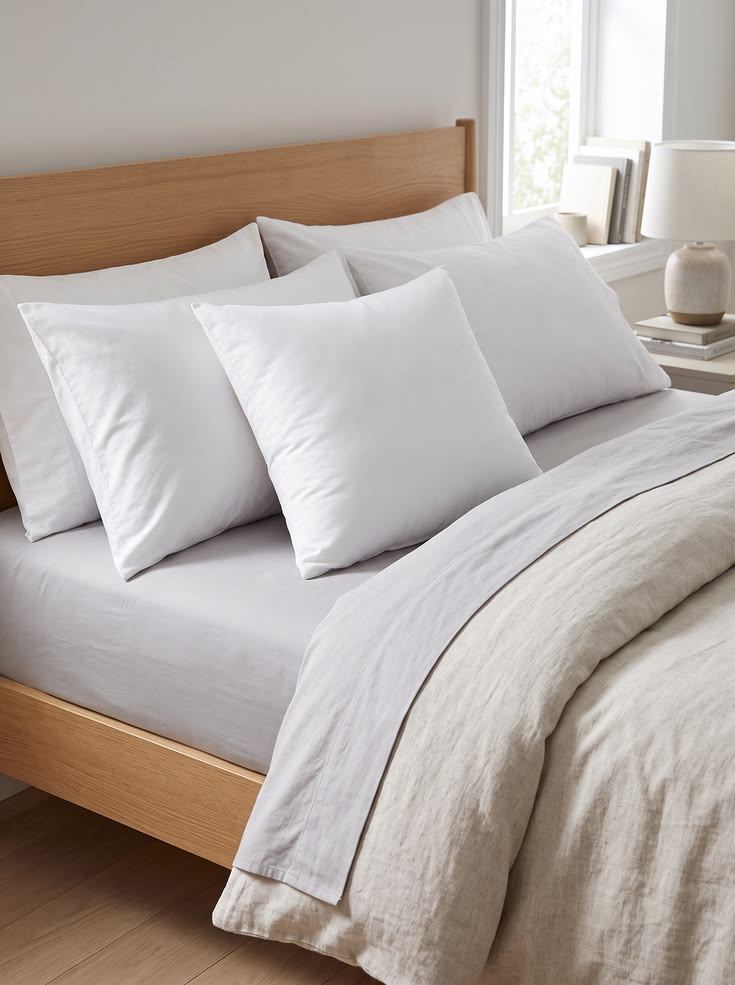
Good pillows can make your first nights in a new apartment much more comfortable. You do not need ten decorative pillows that spend most of their lives untouched.
Start with pillows that actually support how you sleep. Some people prefer softer pillows, while others need something firmer.
Think about your comfort instead of buying whatever looks attractive on the shelf. You should also consider having at least one spare pillow available.
A spare becomes useful when someone visits or when your regular pillow needs cleaning. Pillow covers are equally important because they protect your pillows from everyday dirt.
You can gradually add decorative pillows later when your budget allows. The main goal is creating a comfortable sleeping space first. Your apartment will still look beautiful without a pile of decorative cushions.
3. A Basic Sheet and Bedding Set
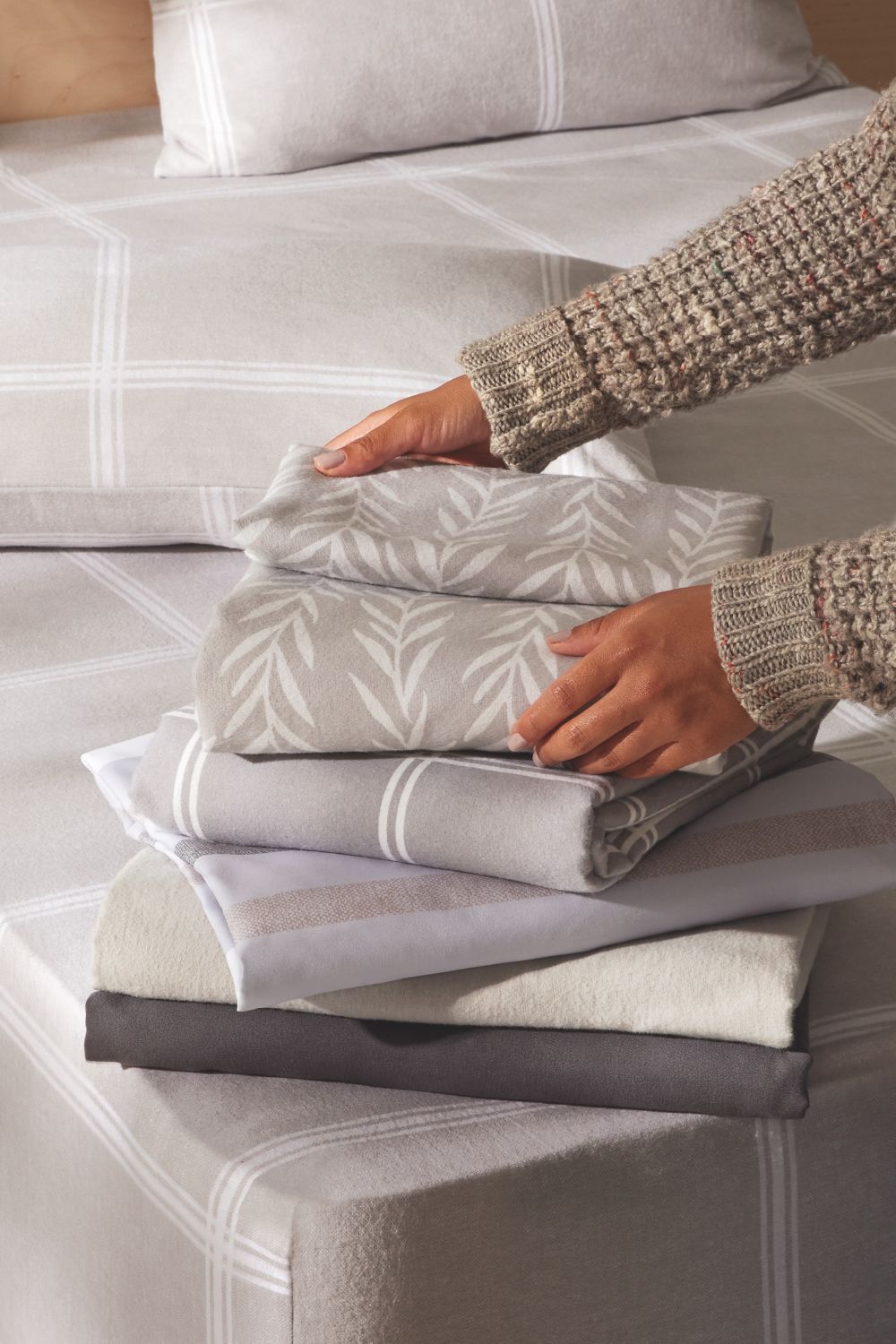
A good bedding set makes your bedroom feel ready from the first night. At minimum, you need fitted sheets, a flat sheet, and suitable blankets.
Choose bedding that works with your usual sleeping temperature and washing routine. You may also want a second sheet set for laundry days.
That small extra purchase can make cleaning your bedding much less stressful. During my first move, I underestimated how useful a spare sheet set could be.
I ended up washing bedding and waiting longer than necessary before making the bed again. That taught me to keep one clean set available whenever possible.
Choose simple colors if you want bedding that works with different decorations. You can always change the look later with blankets, cushions, or curtains. For now, focus on comfort, cleanliness, and something easy to maintain.
4. A Reliable Set of Towels
Towels are easy to forget when you are thinking about furniture and kitchen supplies. Then you take your first shower and realize you have nothing clean to dry yourself.
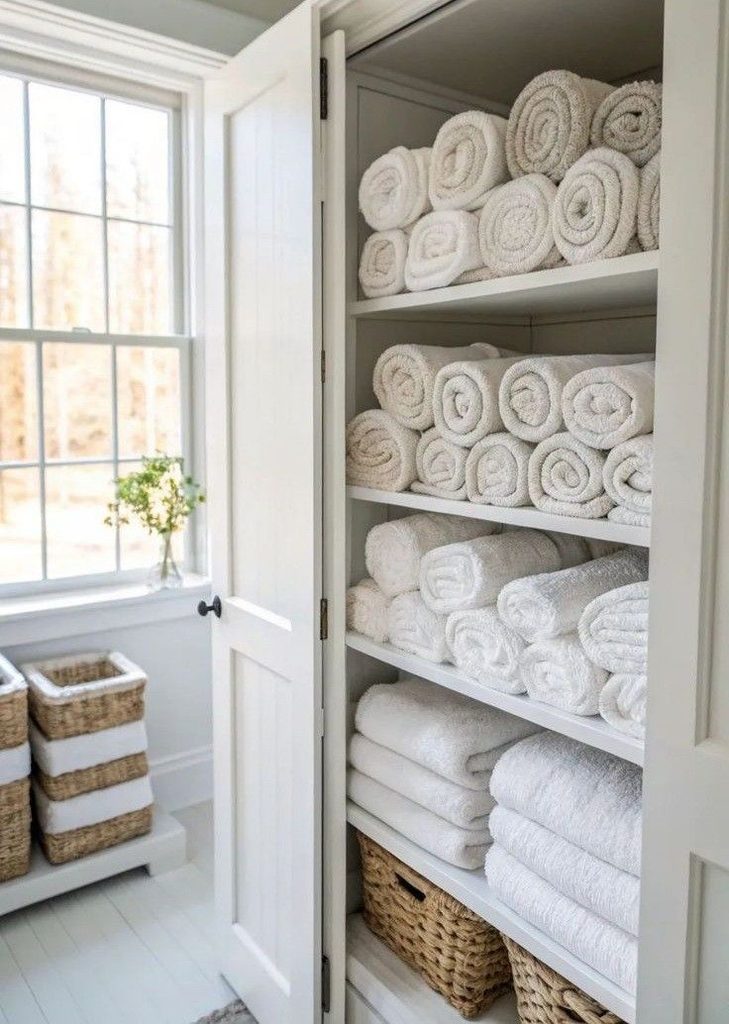
Buy enough towels for regular use before moving day. A basic set can include bath towels, hand towels, and smaller face towels.
You should also have at least one spare towel available. Choose towels that wash easily and feel comfortable against your skin.
You do not need expensive hotel-style towels to make your bathroom useful. Good everyday towels can work perfectly well when they are cared for properly.
Also consider where you will store them before buying too many. A small bathroom may not have enough space for several large towel sets. Buy enough for your routine instead of buying a huge collection immediately.
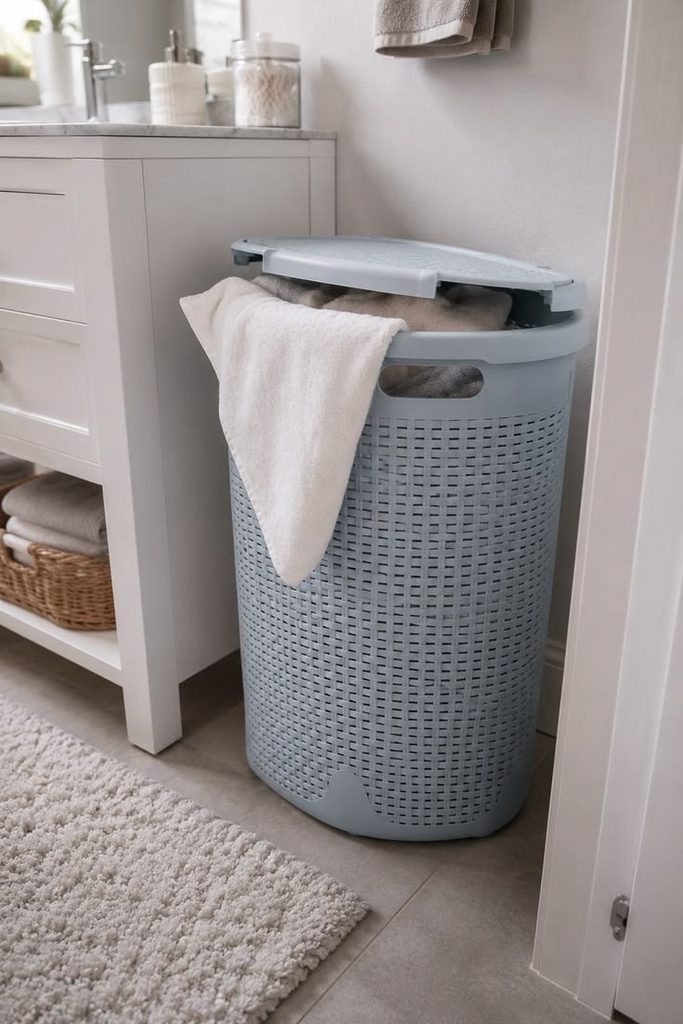
5. A Laundry Basket
A laundry basket can make your bedroom or bathroom much easier to manage. Without one, dirty clothes can quickly end up on chairs, floors, or random corners.
Choose a basket that fits the space you actually have available. If your bedroom is small, avoid buying an oversized basket that takes up useful floor space.
A basket with handles can also make carrying laundry easier. Some people prefer baskets with lids, while others prefer open designs. The choice depends on your space and how often you wash clothes.
You may also want a second smaller basket for specific laundry items. But one reliable basket is enough to get started. It gives dirty clothes a clear home instead of letting them spread around the apartment.
6. Basic Cleaning Supplies
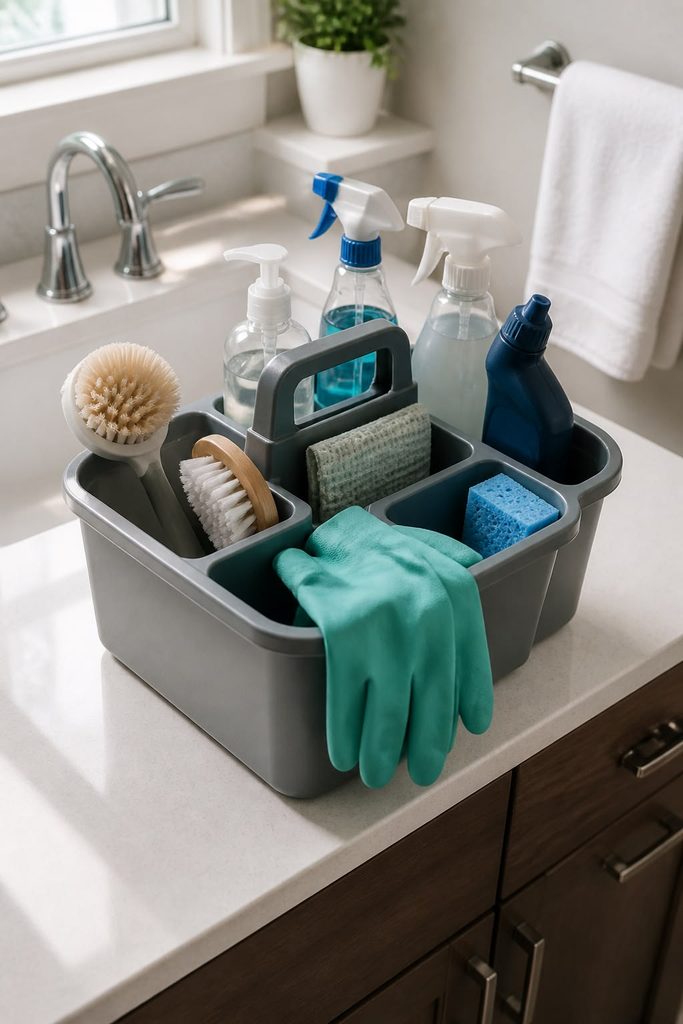
Your apartment will need cleaning supplies from the very beginning. Do not wait until something spills before thinking about what you need.
A basic collection can include an all-purpose cleaner, disinfectant, sponges, cloths, and gloves. You should also have something suitable for cleaning your floors.
The exact products depend on your flooring, counters, bathroom surfaces, and personal preferences. Avoid buying ten different cleaners before understanding what your apartment actually needs.
A few useful products can handle many everyday cleaning jobs. This also keeps your first shopping trip from becoming unnecessarily expensive.
Cleaning supplies are among the purchases you will use repeatedly. Your apartment will always need some level of cleaning, no matter how carefully you live.
If you want a complete cleaning guide later, keep 45 Things to Clean in Your Apartment and How Often to Clean Them nearby.
7. A Good Broom or Vacuum
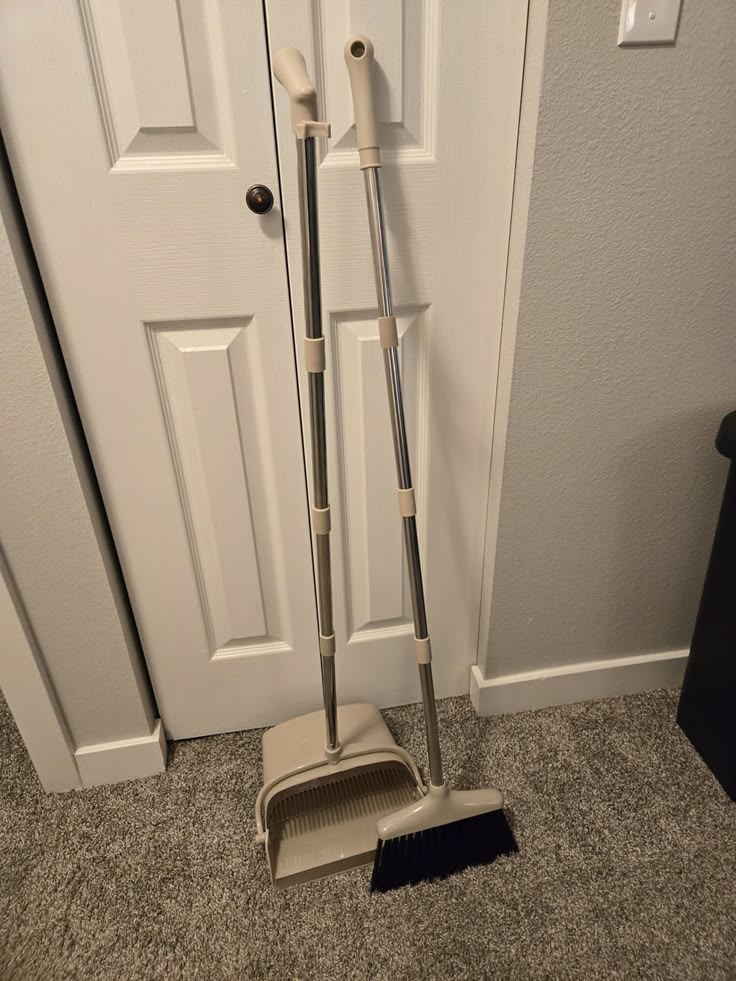
You need a reliable way to remove dust, crumbs, hair, and everyday dirt. The best choice depends on your flooring, apartment size, and budget.
A broom may be enough for a small apartment with hard floors. A vacuum can be useful when you have carpets, rugs, pets, or lots of dust. You do not need the most expensive vacuum available.
Look for something practical that you can easily store and use regularly. A cleaning tool becomes useless when it is too difficult to bring out. Think about storage before choosing a large appliance.
You may also need a dustpan, mop, or smaller cleaning brush. These simple tools help keep your floors manageable between deeper cleaning sessions. A clean floor can immediately make an apartment feel more comfortable.
Trust me, you’ll want to read this: 45 Things to Buy for Your First Apartment
8. A Mop and Bucket
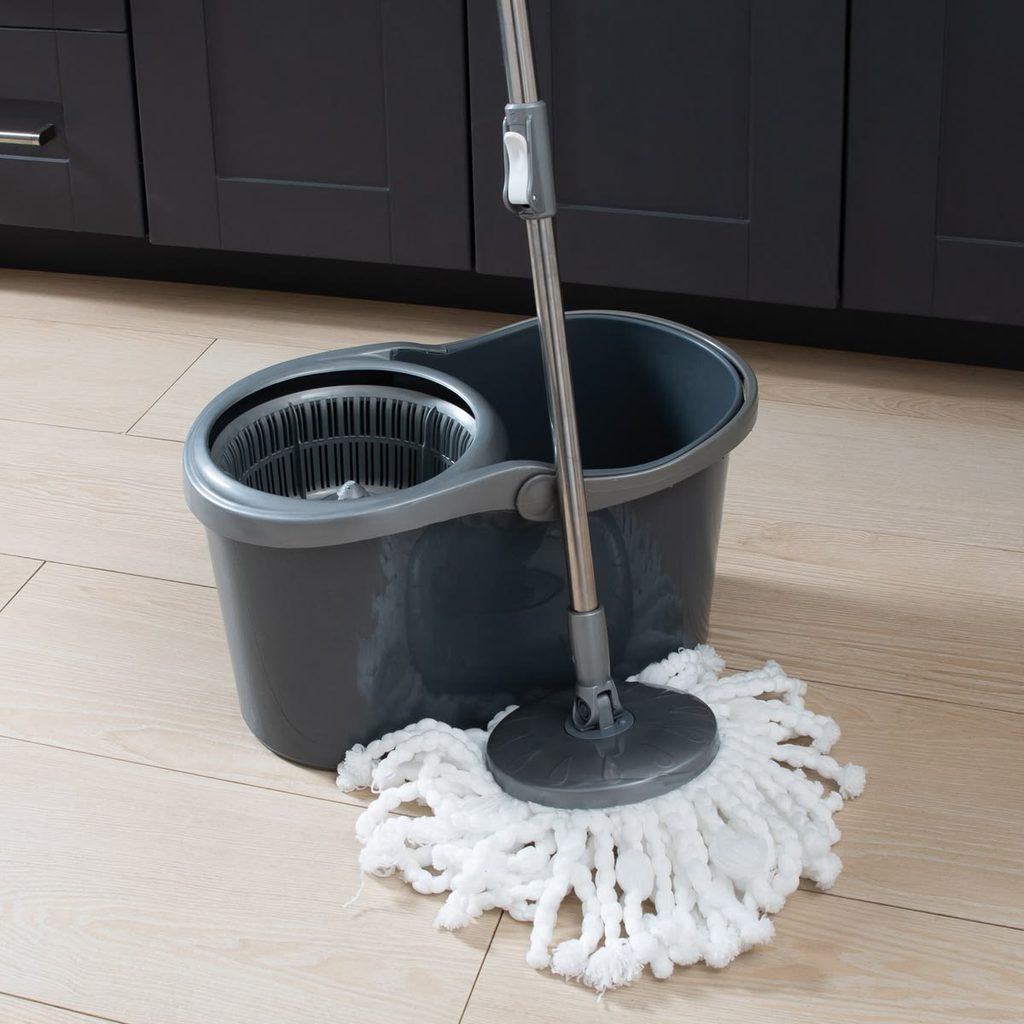
A broom or vacuum handles loose dirt, but floors often need deeper cleaning. A mop and bucket can help you deal with spills, stains, and everyday grime.
Choose a mop that works with your flooring. Some floors need less water, while others can handle more thorough mopping. Read the care instructions for your flooring before using strong cleaners.
You do not want to damage a new floor while trying to keep it clean. A compact mop can be especially useful in a smaller apartment.
You should also think about where the bucket will live between cleaning days. Storage matters because bulky cleaning equipment can quickly become annoying. A simple setup is usually enough for regular floor care.
9. A Small Tool Kit
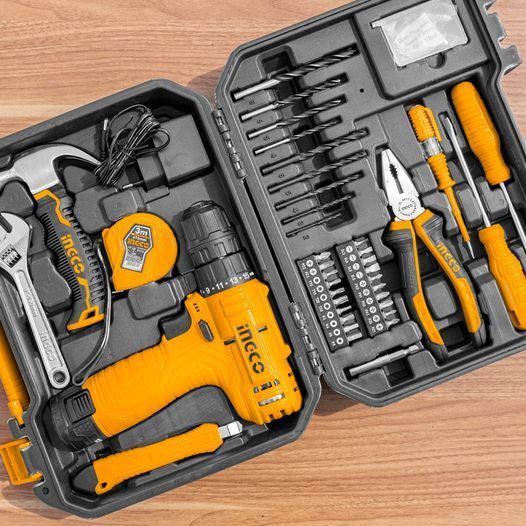
A small tool kit can save you from calling someone for every tiny household problem. You do not need a professional collection of tools for your first apartment.
Start with basics such as a screwdriver, measuring tape, pliers, hammer, and adjustable wrench. A few useful screws, wall hooks, and basic fasteners can also help.
You may need tools when assembling furniture or making small adjustments around your apartment. Always check your lease before drilling holes or making permanent changes.
Some buildings have specific rules about walls and fixtures. A tool kit is less about fixing everything yourself and more about handling simple tasks.
You can gradually add tools as you learn what your home requires. This is one purchase that can quietly become useful many times.
10. A First-Aid Kit
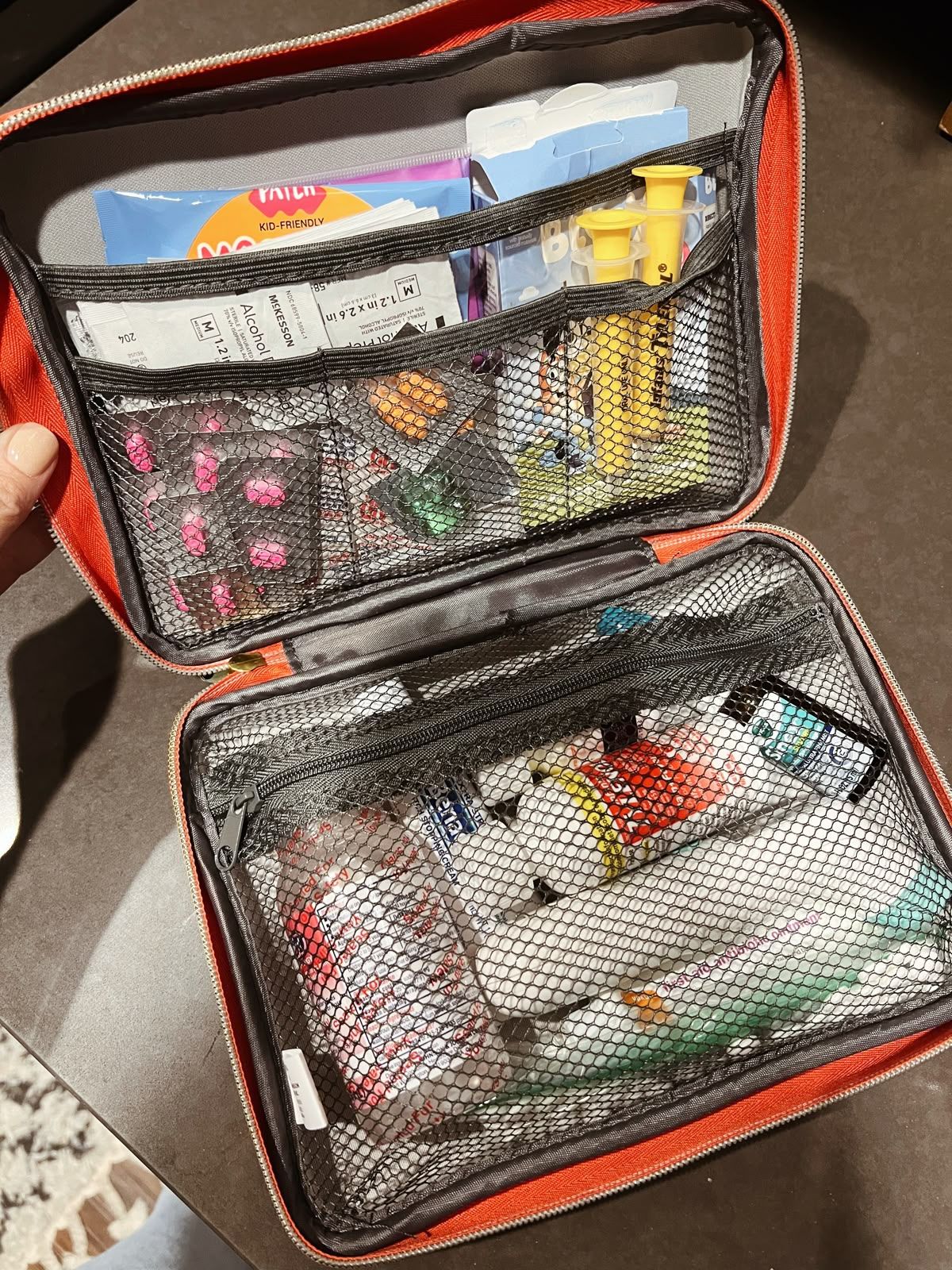
A basic first-aid kit is one of those items you hope rarely needs attention. Still, having one available can make small accidents easier to handle.
You can keep basic bandages, antiseptic supplies, gauze, and other simple first-aid items together. Choose a container that is easy to find when something happens.
Do not hide it behind boxes or inside an inaccessible storage area. Everyone living in the apartment should know where it is kept. Check the contents occasionally and replace anything that has been used.
Also check expiration dates on products that require them. A first-aid kit does not need to be large or complicated. It simply needs to contain useful basics and remain easy to reach.
11. A Fire Extinguisher
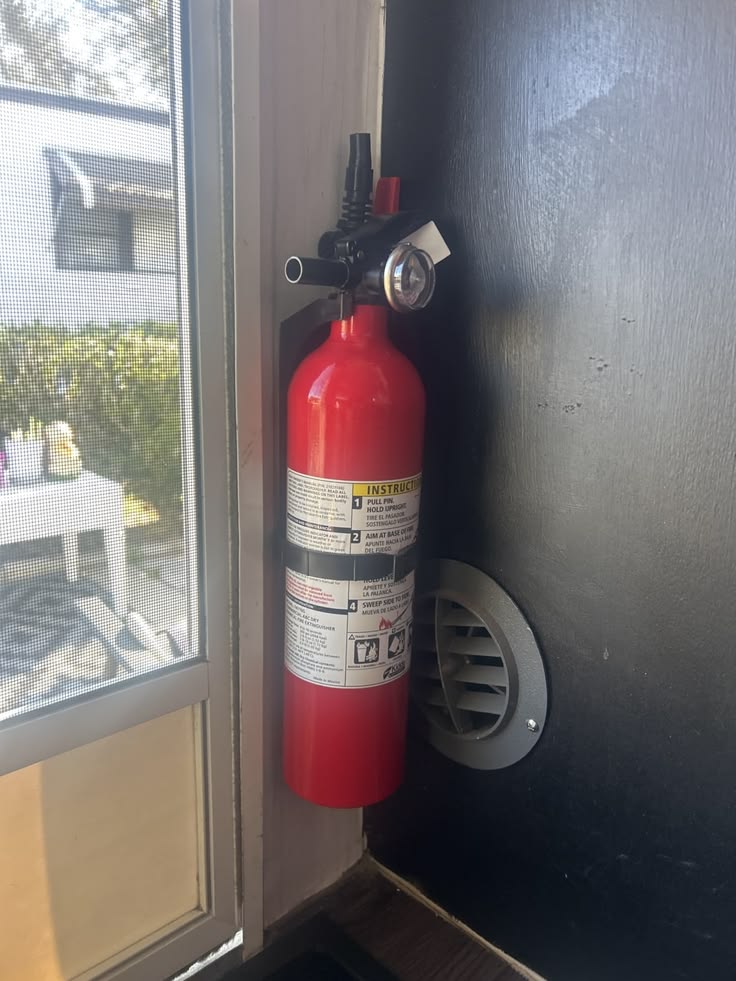
A fire extinguisher is another practical apartment purchase worth considering. Cooking accidents can happen even when you are careful in the kitchen.
Your building may already provide fire safety equipment, so check before buying another one. If you need your own, choose an appropriate household model.
Make sure you understand where it should be stored and how it works. Never buy safety equipment and then forget about it completely. Everyone in the apartment should know where emergency equipment is located.
You should also understand your building’s emergency procedures and exit routes. A fire extinguisher is not exciting, but safety purchases rarely need to be exciting. They simply need to be available when something goes wrong.
I made a home information hub in my planner for this. It has a table for where your fire extinguisher, alarms, exits, and shut-offs are. See the planner
12. A Set of Food Storage Containers
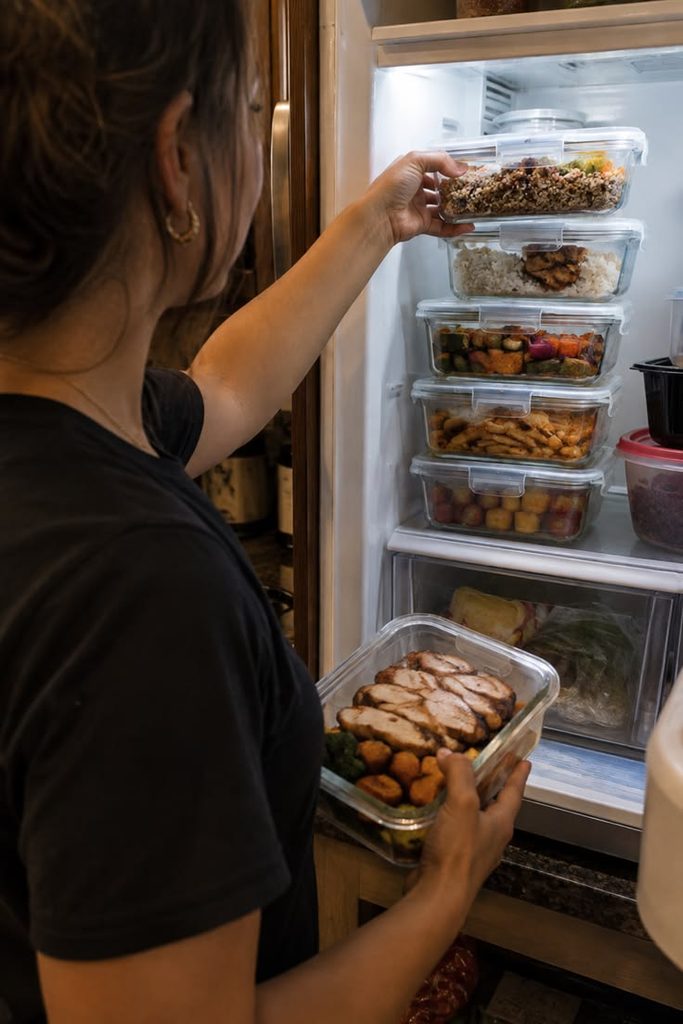
Food storage containers can make your kitchen cleaner and reduce unnecessary food waste. They are useful for leftovers, packed lunches, opened ingredients, and meal preparation.
Choose containers that stack easily because cabinet space can disappear quickly. Clear containers can also help you see what you already have.
You do not need twenty different sizes when you are just starting. Begin with a practical collection that fits your usual meals and storage needs.
Check if the containers are suitable for your preferred storage and reheating methods. Keeping food properly stored can also make the refrigerator easier to organize.
This becomes especially useful when you share kitchen space with another person. If you are planning a shared home, 35 Roommate Rules That Can Make Living Together Easier can help with food and kitchen boundaries.
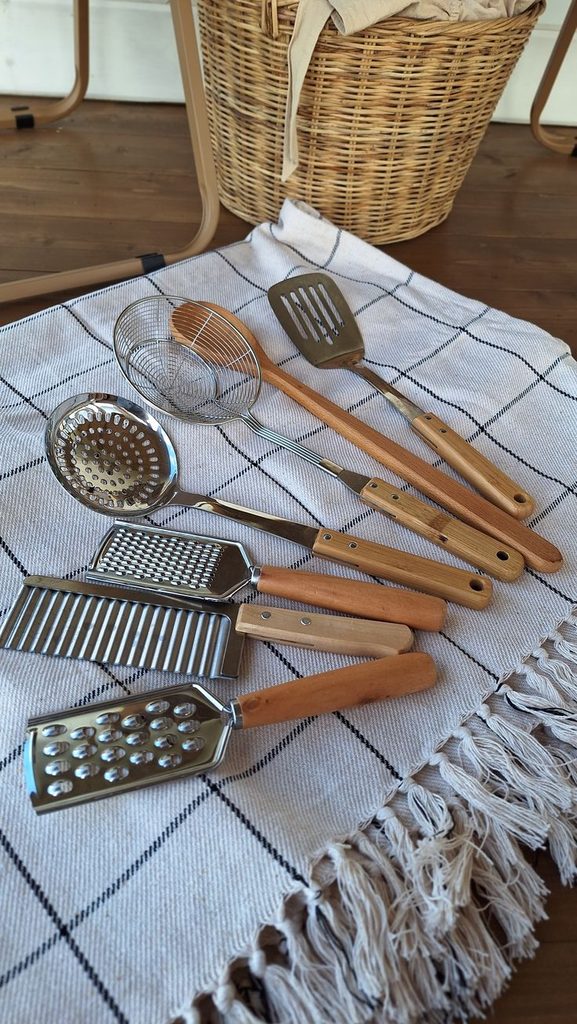
13. A Basic Set of Kitchen Utensils
Your first kitchen does not need every gadget advertised online. You need utensils that help you prepare the meals you actually cook.
Start with basics such as a spatula, wooden spoon, serving spoon, tongs, and can opener. You may also need a vegetable peeler, whisk, and simple kitchen knife.
Think about your cooking habits before buying specialty tools. A person who rarely bakes does not need a cupboard full of baking equipment.
Someone who cooks often may benefit from investing in stronger everyday utensils. The goal is building a kitchen that supports your routine.
You can add specialty items later when you know you will use them. This approach keeps your kitchen useful without filling every drawer immediately.
14. A Reliable Cooking Pot and Pan
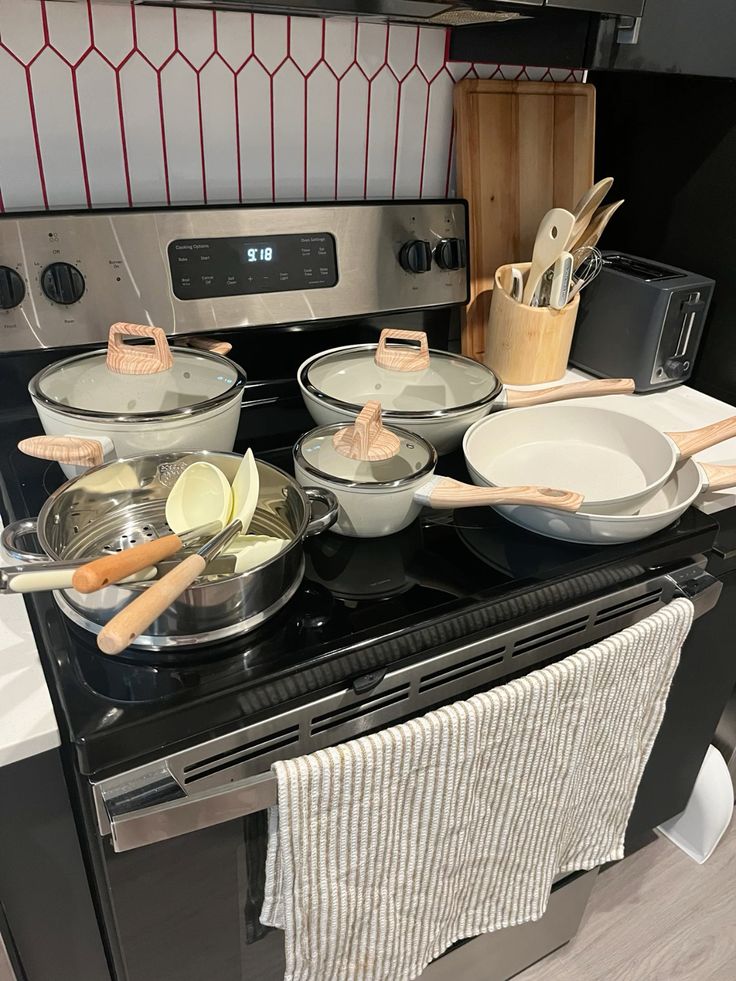
A good pot and pan can handle many meals during your first months. You do not need an entire cookware collection before moving into your apartment.
Start with sizes that match the meals you normally prepare. A medium pot can handle many everyday meals without taking too much storage space.
A reliable frying pan can also become one of your most-used kitchen items. Choose cookware that is comfortable to handle and suitable for your cooking surface.
Quality matters more than having a large number of pieces. Cheap cookware may seem like a bargain until it becomes difficult to use.
Still, you do not need the most expensive brand available. Look for practical pieces that can handle your everyday cooking without unnecessary complications.
15. A Simple Dinnerware Set
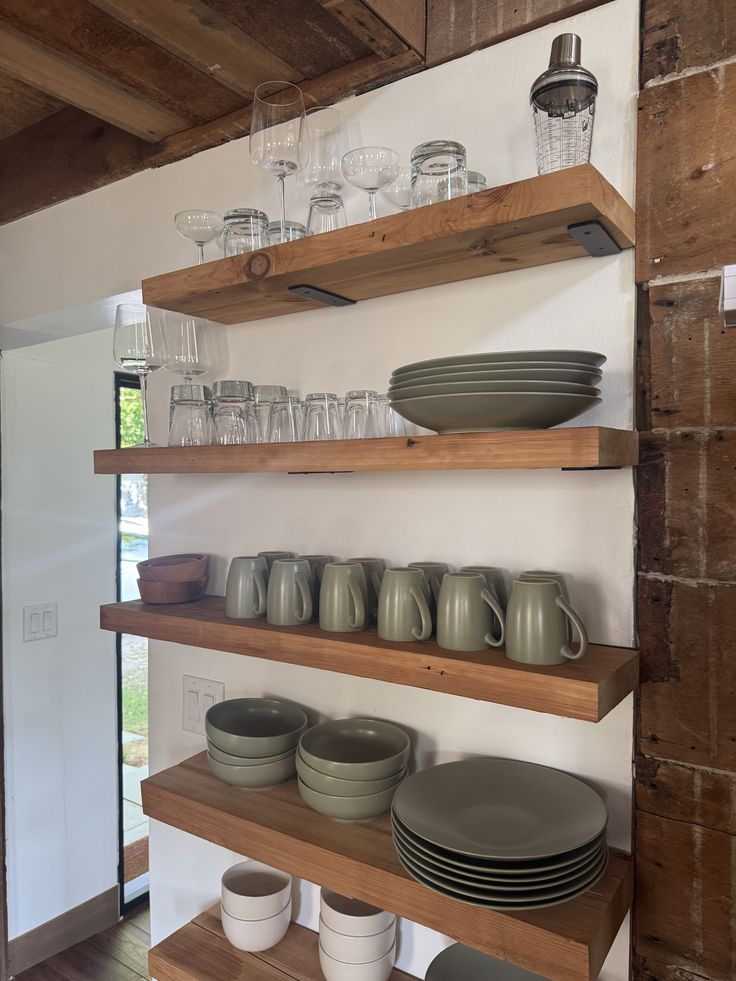
A basic dinnerware set makes everyday meals much easier. You will need plates, bowls, cups, and glasses for normal use. Choose a number that fits your household rather than buying for an imaginary crowd.
If you live alone, four plates may be more useful than twelve. A small set also takes less cabinet space and creates fewer dishes.
Choose something durable enough for everyday use. You can always add special dinnerware when you begin hosting more often. During my first apartment setup, I bought too many matching kitchen pieces.
I later realized they occupied valuable cabinet space without making daily meals easier. Now I prefer practical pieces that earn their space through regular use.
16. A Dish Drying Rack
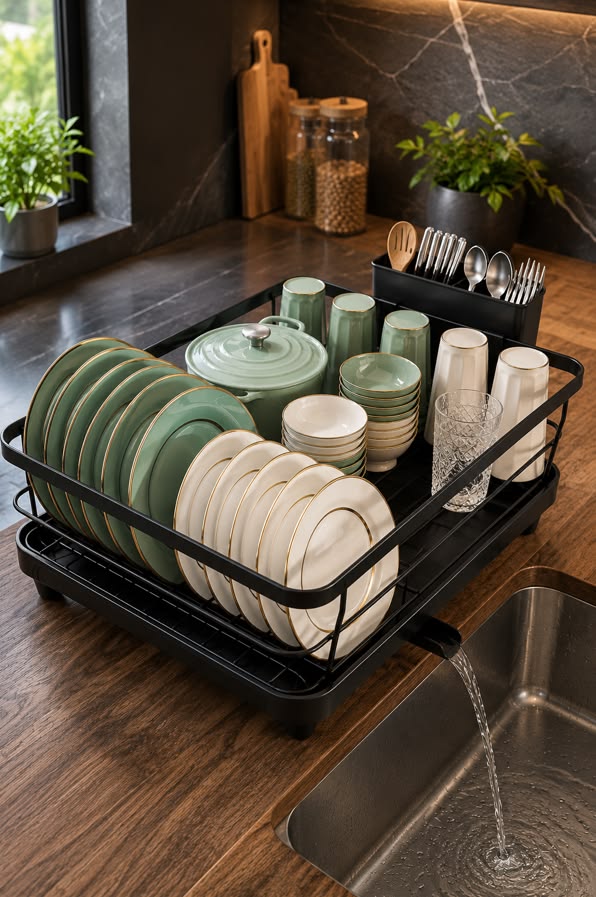
A dish drying rack can be helpful when you do not have a dishwasher. It gives washed dishes a clear place to dry instead of spreading across counters.
Choose one that fits your sink and counter space. Measure the available area before buying because kitchen counters can become crowded quickly.
A compact rack may work better than a large model. You should also clean the rack regularly because water can collect underneath it.
If you already have a dishwasher, you may not need one. Think about how you actually wash dishes before spending money on this item. A useful drying rack should make kitchen cleanup easier, not create another cleaning problem.
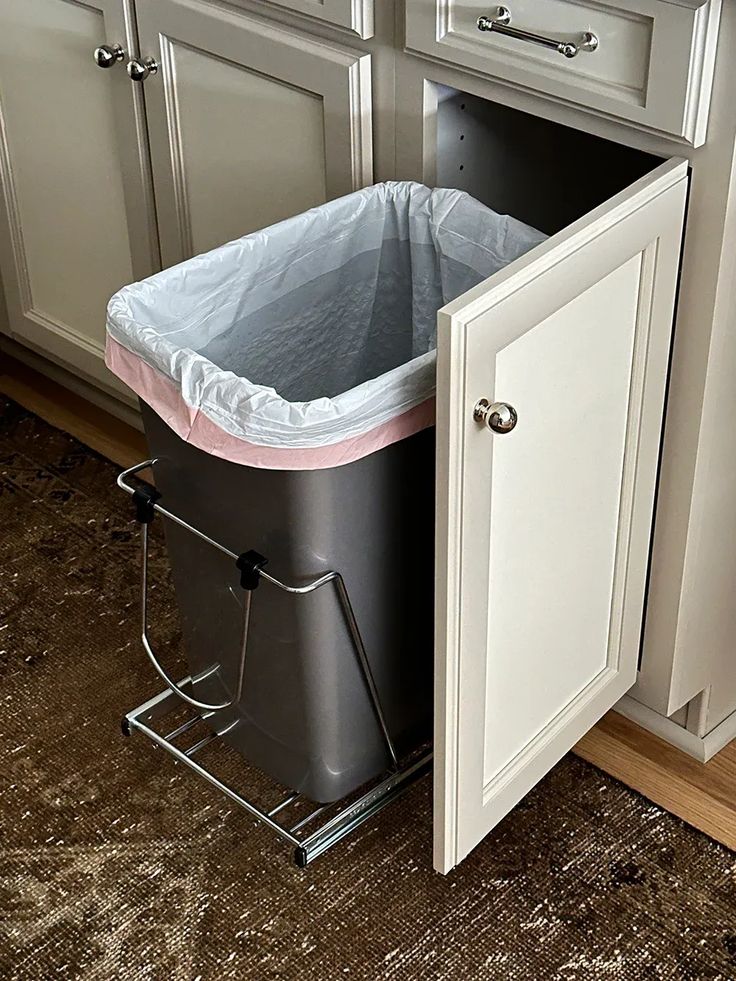
17. A Trash Bin and Extra Trash Bags
Every apartment needs a reliable place for everyday waste. Choose a trash bin that fits your kitchen and household size. A bin with a lid can help control odors and keep waste contained.
Make sure you also buy the correct size trash bags. Having extra bags available prevents the annoying situation of running out unexpectedly.
You may eventually want smaller bins for the bathroom and bedroom. But start with the areas that produce the most daily waste. The right trash setup keeps the kitchen cleaner and makes taking rubbish outside easier.
You should also learn your building’s rules for trash and recycling. Simple systems make everyday chores much less annoying.
18. Basic Bathroom Storage
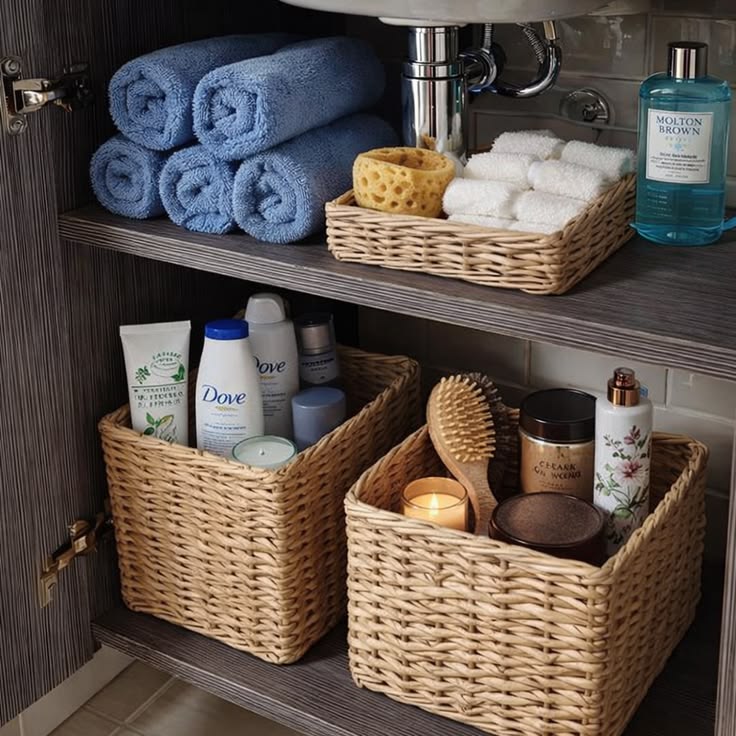
Bathroom storage becomes important quickly when you have limited counter space. A small organizer can hold toiletries, skincare products, hair items, or cleaning supplies.
Choose storage based on the bathroom you actually have. Do not buy large organizers before measuring cabinets, shelves, or available floor space.
Overcrowding a small bathroom can make it feel even smaller. Simple baskets or small containers can be enough. You can also use vertical storage when your bathroom has limited floor space.
The goal is to keep frequently used items easy to reach without covering every surface. If you are organizing a small apartment, you may also enjoy 35 Small Apartment Organization Ideas That Make Everyday Life Easier.
19. Curtains or Window Coverings
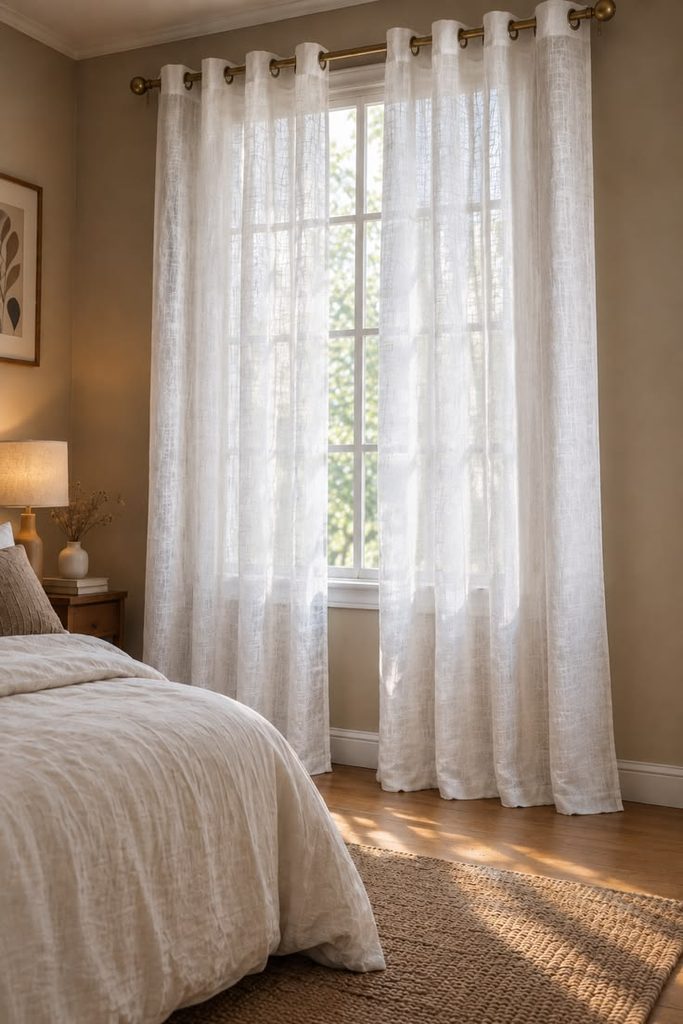
Window coverings can make an apartment feel private and comfortable. They can also reduce bright sunlight when you need to sleep or work.
Before buying curtains, measure your windows carefully. Check the lease before installing rods or anything requiring permanent wall changes.
Some apartments may already have blinds or other coverings. If they work well, you may not need additional curtains immediately. Choose a simple style that works with your furniture and available light.
You can always upgrade the look later. For now, focus on privacy, comfort, and practical light control. A good window covering can make an empty room feel more settled.
20. A Few Reliable Storage Bins
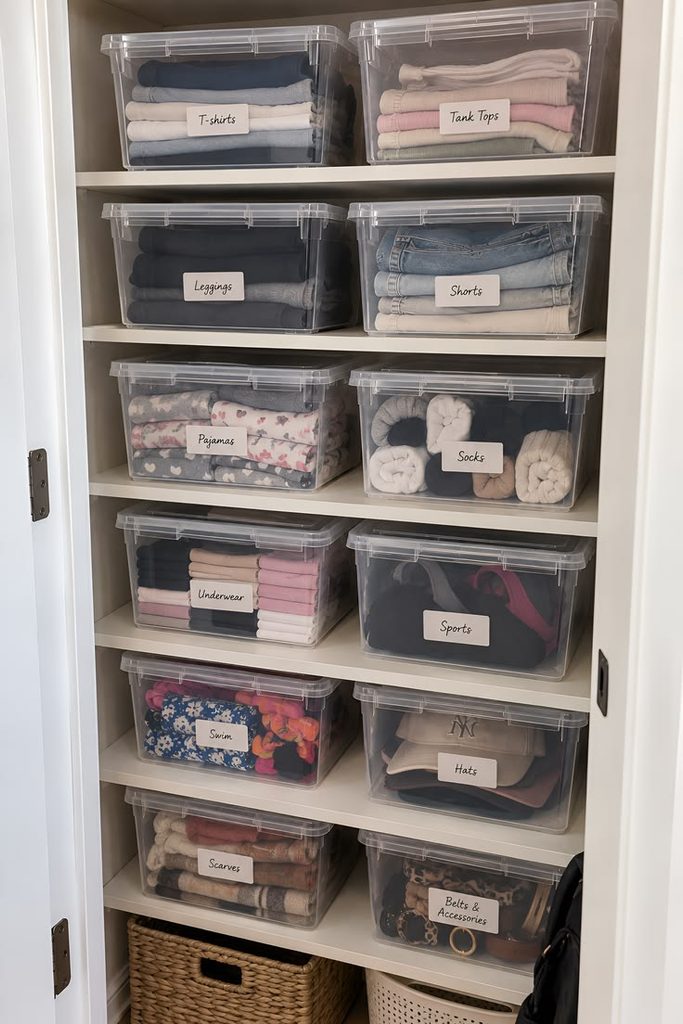
Storage bins can help keep your apartment organized without making everything look crowded. They are useful for seasonal clothes, documents, extra toiletries, cables, and small household items.
Choose stackable bins when your apartment has limited storage. Clear bins can help you find things without opening every container.
But do not buy storage simply because an empty basket looks useful. First identify what actually needs storing. Then choose containers that fit the available space.
This prevents the common problem of owning more storage than belongings. Your storage system should make things easier to find, not create another layer of clutter.
If you are still planning your move, 25 Things to Do Before Moving Into Your First Apartment can help you decide what deserves space.
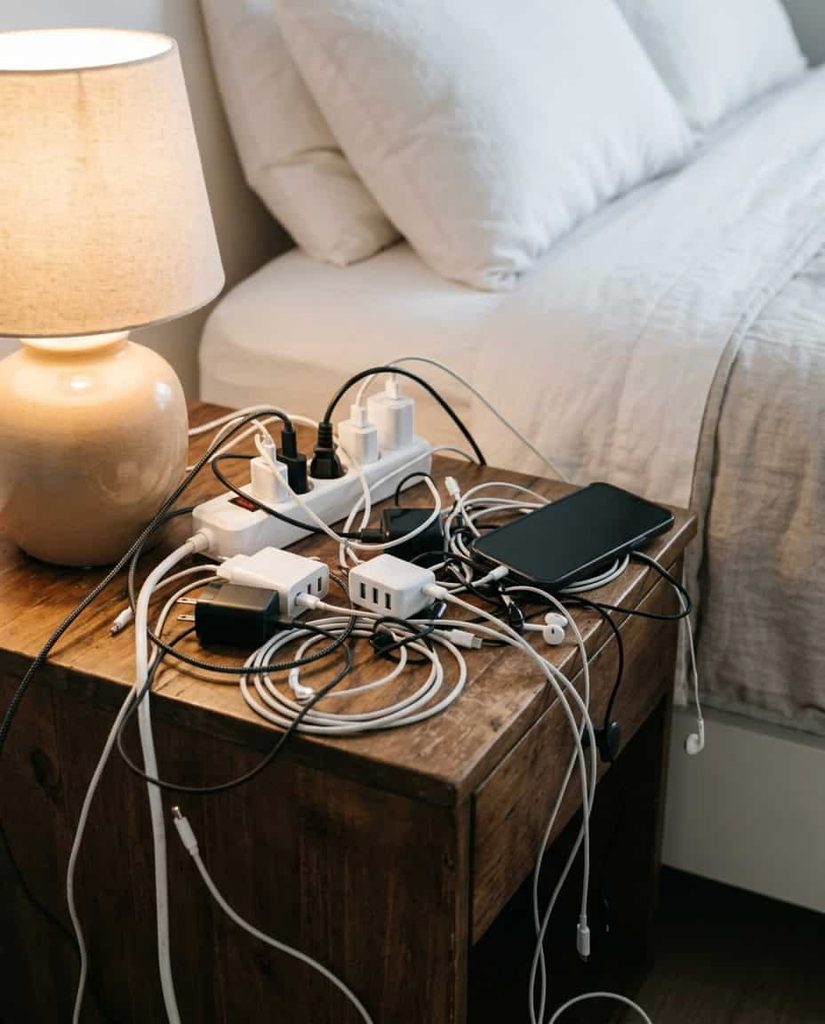
21. A Surge Protector or Power Strip
A reliable power strip can be useful when several devices need charging. It can help keep cords organized around your desk, bedroom, or entertainment area.
Choose a quality product designed for the devices you intend to connect. Avoid overcrowding outlets or using unsafe electrical arrangements.
You should also learn the electrical rules that apply to your apartment. Do not assume every appliance can safely share one outlet. A power strip is useful for organization, but it should never replace safe electrical practices.
Think about where your devices will actually be used. Then buy enough power access without filling every wall outlet unnecessarily.
22. Basic Light Bulbs
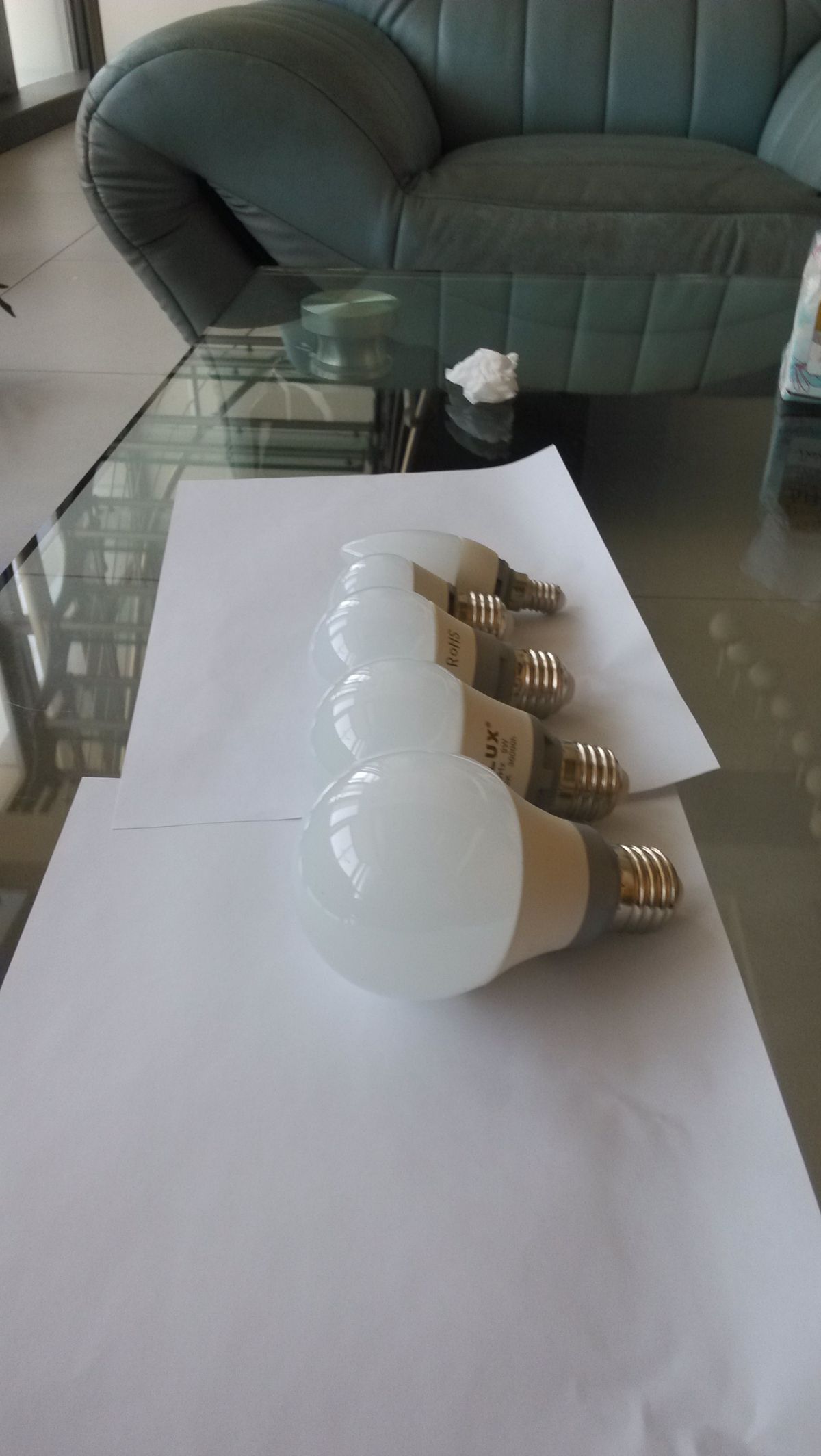
Some apartments may already have working bulbs when you move in. Still, having a few suitable replacements at home can save you from unnecessary frustration.
Check the bulbs currently installed before buying replacements. Look at the size, fitting, brightness, and type required. You can also keep one or two spare bulbs somewhere easy to find.
A bulb can stop working at an inconvenient time. Having a replacement available means you do not need to make an emergency shopping trip.
You can gradually learn which lighting works best in each room. For now, focus on having enough practical light for everyday activities.
Don’t be the last to see this: 35 First Apartment Essentials You’ll Actually Use
23. A Small Step Stool
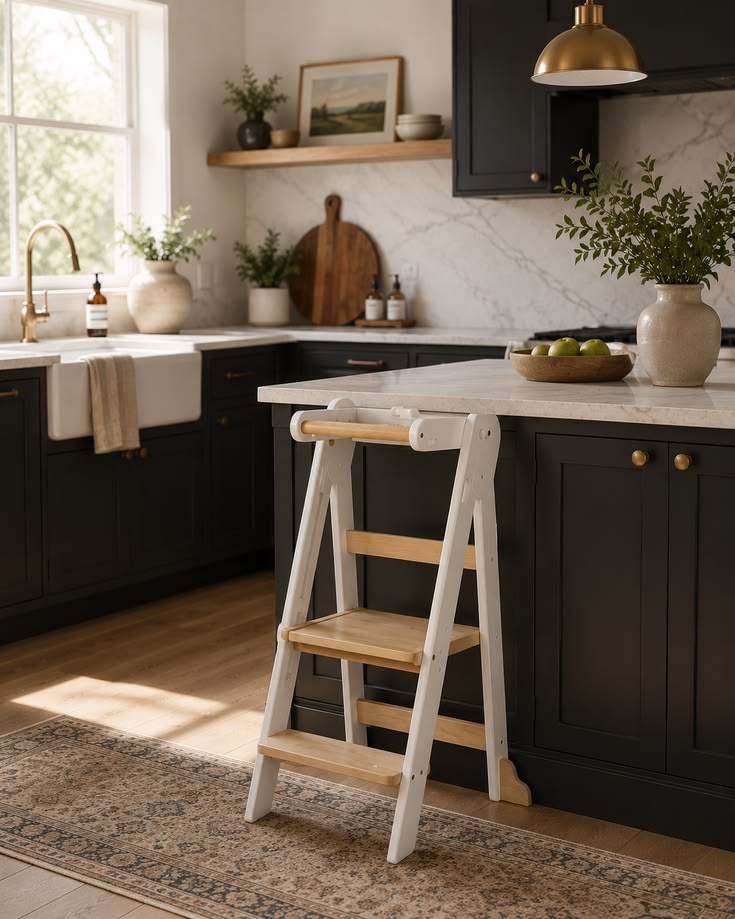
A small step stool can be surprisingly useful in an apartment. You may need it for high shelves, cabinets, curtains, light fixtures, or cleaning.
Choose one that is stable and easy to store. Do not use unstable chairs when reaching something high. A compact folding stool can work well when storage space is limited.
You probably will not use it every day. But when you need it, having one available can save time and prevent unnecessary risks.
This is another example of an item that does not need to be expensive. Choose something sturdy, practical, and appropriate for normal household use.
24. A Door Mat
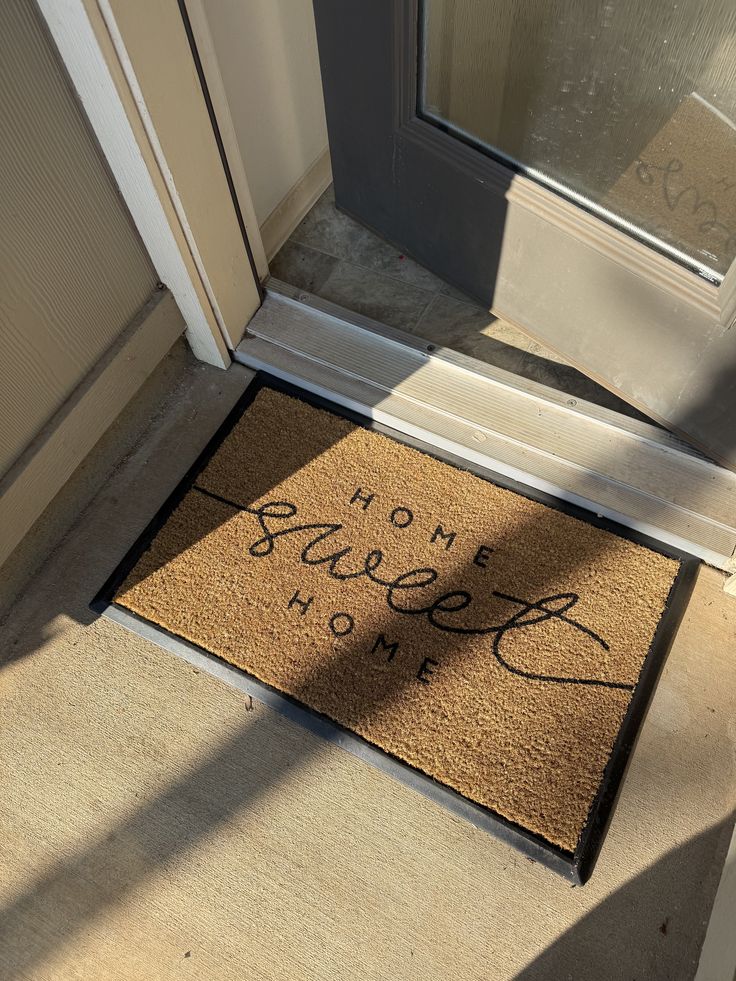
A door mat can help reduce dirt entering your apartment. It gives shoes a place to stop before outdoor dust reaches the rest of your floors.
Choose a mat that fits your entrance without blocking the door. You can also place another mat inside if your entryway has enough space.
Clean the mat regularly because it collects the dirt it helps keep outside. A simple mat can make cleaning easier over time.
It also gives your entrance a more finished appearance without requiring expensive decoration. You can always upgrade the style later when your home feels more settled.
For that, 25 Things to Check Before Signing an Apartment Lease is worth keeping nearby. Once you move in, you can also discover what needs attention during those first few days.
25. A Small Emergency Household Box
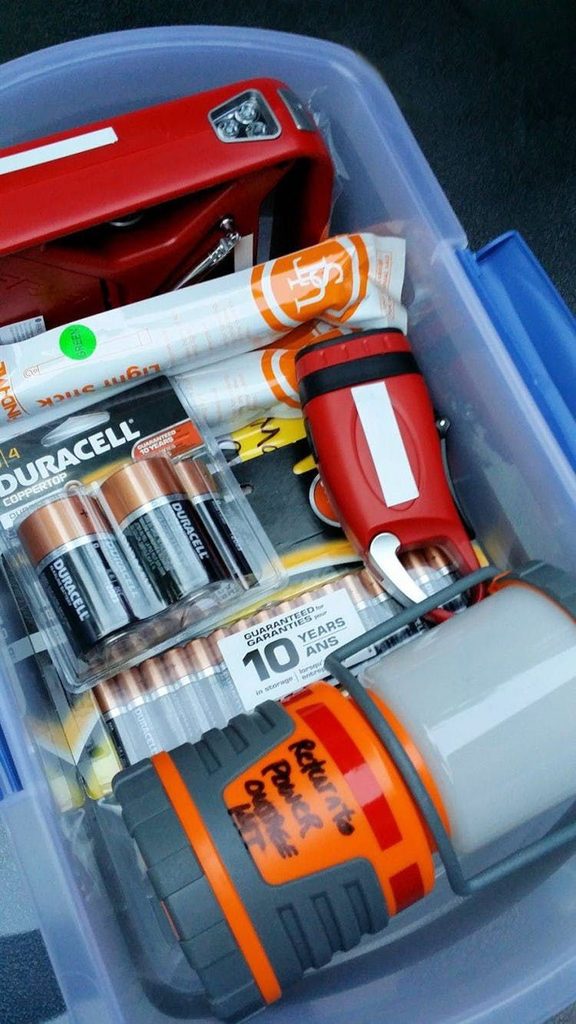
A small emergency household box can keep useful items together when unexpected problems happen. You can include spare batteries, matches, a flashlight, basic tape, scissors, and other useful supplies.
The exact contents can change depending on your apartment and personal needs. Keep the box somewhere everyone can easily find it.
Do not bury it beneath seasonal clothes or rarely used decorations. You may not need it often, but it can become extremely useful during small emergencies.
A flashlight is especially helpful during unexpected power interruptions. Having simple supplies together saves you from searching through several drawers during stressful moments.
As you settle into your apartment, you can add other useful items gradually. The goal is to be prepared without turning your home into a storage warehouse.
Your first apartment does not need to contain everything at once. Start with the items that support your basic daily routines. Then watch how you actually use your space during the first few weeks.
You may discover that something you thought was essential rarely gets touched. Another item you ignored at first may suddenly become something you use every day.
That is why buying slowly can sometimes be smarter than filling your apartment immediately. If you want to avoid unnecessary purchases, take a look at 35 First Apartment Mistakes You’ll Want to Avoid.
You should also think about the things your apartment already provides. Some buildings include appliances, storage, window coverings, or other useful items.
Check everything before buying replacements for things you already have. This can save money while preventing unnecessary duplicates.
Before you start shopping heavily, make a simple list of what your apartment truly needs. You can then divide your purchases into urgent, useful, and later categories. That’s exactly how my “What Should I Buy First?” worksheet works. You rank each item as high, medium, or low priority and set a shopping budget.
This makes it easier to protect your budget while still creating a comfortable home. You may also want to check your lease before making certain purchases or installations.
Small repairs, missing supplies, and unexpected apartment details become easier to notice. If you want a simple checklist for that period, 25 Things to Do During Your First Week in a New Apartment can help.
And if you are sharing the apartment, remember that every purchase can affect common space. Discuss larger shared items before bringing them home.
That small habit can prevent disagreements about money, storage, and personal preferences.
Most importantly, do not feel pressured to make your apartment look finished immediately. Your home will change as you learn what works for your lifestyle.
You will discover better storage solutions, different cleaning routines, and items you never expected to need. That is completely normal when you are learning to manage a home independently.
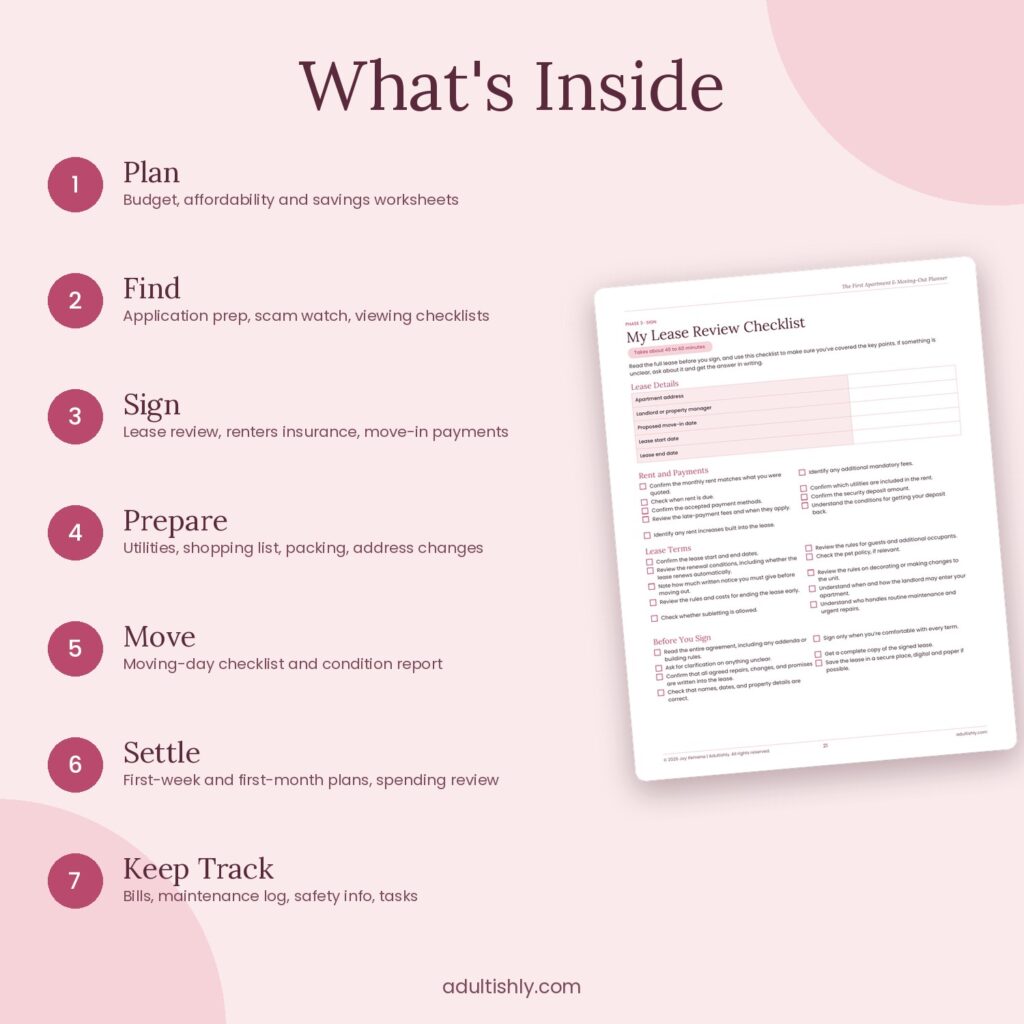
Turn your list into a plan.
The First Apartment & Moving-Out Planner has a shopping list, a buy-first worksheet, and a startup-cost page for everything you’ll spend before move-in. [Get the Planner]
Final Thoughts
Buying things for your first apartment can feel exciting and overwhelming at the same time. There are always more products available than you actually need.
The trick is learning to separate useful purchases from things that simply look appealing. Start with items that support sleeping, cooking, cleaning, bathing, safety, storage, and everyday comfort.
Those categories will affect your life much more than decorative extras during your first weeks. You can add beautiful pieces later when you understand your apartment better.
Your home does not need to look complete on the first day. It needs to feel functional enough for you to live comfortably. Give yourself permission to build your home slowly and make thoughtful choices.
A first apartment is not a finished project that needs completing immediately. It is a space you will gradually learn, organize, personalize, and make your own.
The best purchases are usually the ones you keep reaching for without thinking. They solve small problems, save time, and make ordinary days easier. That is exactly what your first apartment items should do.
Choose practical things first, protect your budget, and let your home grow naturally. With time, the apartment will begin feeling less like an empty space and more like home.
Leave a Reply