Living in a small apartment can feel challenging when your belongings seem to multiply overnight. At first, every corner may look useful, but finding places for everything can become frustrating quickly.
When I first started thinking seriously about small-space living, I thought I needed more furniture. I later realized that I needed fewer things, better storage, and a clearer idea of how spaces should work.
A small apartment does not have to feel crowded just because you have limited space. The right arrangement can make your home feel comfortable, organized, and much easier to manage.
You also do not need expensive furniture or fancy storage solutions to make everything work. Sometimes, simple changes can create more space without changing the apartment itself.
If you are still preparing your first home, How to Set Up Your First Apartment Without Feeling Overwhelmed can help you begin.
The goal is not making your apartment look perfect every day. The goal is creating a home where everything has a sensible place and everyday movement feels easy.
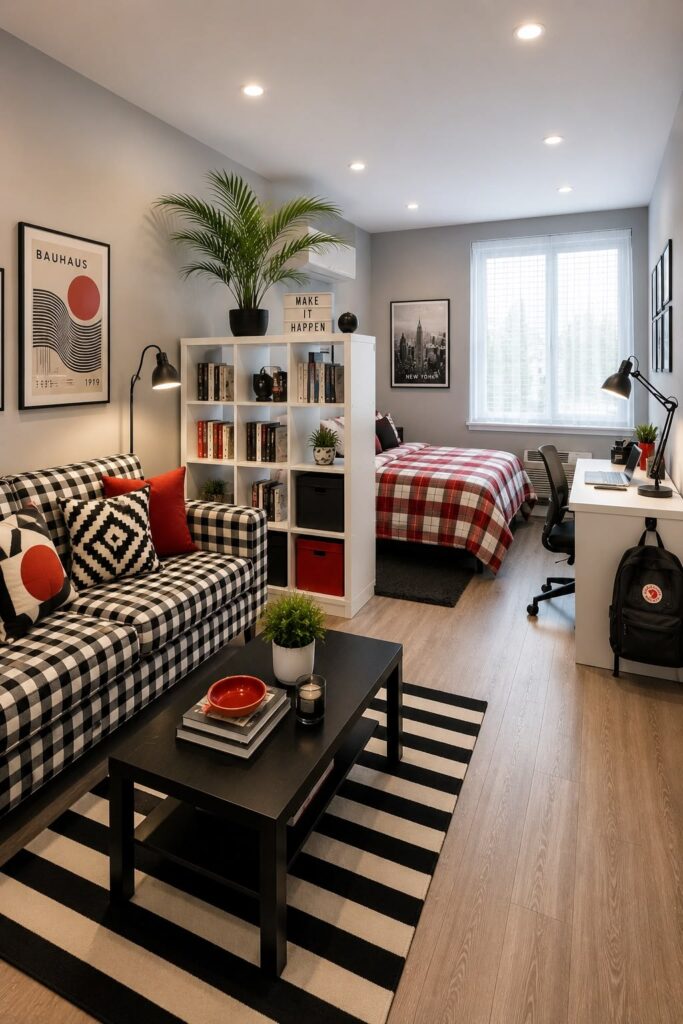
How to Organize a Small Apartment for Everyday Living
Start by Understanding Your Space
Before buying storage baskets, shelves, or furniture, spend some time looking around your apartment carefully. Notice where natural movement happens most often during your normal day.
Think about where you enter, remove your shoes, prepare food, relax, work, and sleep. These everyday movements can tell you much about how your apartment should be arranged.
For example, placing your shoe storage close to the entrance makes daily routines easier. Keeping frequently used kitchen items close to your cooking area can also save unnecessary movement.
Do not automatically place furniture against every available wall because empty space can be useful. Your apartment needs enough open areas for walking, cleaning, and moving around comfortably.
You may also notice certain corners that could serve more than one purpose. A small corner could become a work area, reading spot, or useful storage zone.
Take your time before making major purchases because understanding your space should come first. This simple step can prevent you from buying furniture that later makes your apartment feel smaller.

Decide What You Actually Need
Small apartments become difficult to organize when too many unnecessary things enter the space. Before finding storage for everything, ask yourself if everything really needs to stay.
This does not mean throwing away everything you do not use every week. It simply means being honest about what deserves valuable space inside your home.
Think about the things you use often, occasionally, and almost never. Everyday items should remain easy to reach because you will constantly need them.
Items you rarely use can stay in less convenient storage areas. Things you never use may need to leave entirely if they are taking valuable space.
When I moved into a smaller space, I kept several items because they might become useful someday. Months later, I realized those items had taken up space without serving any real purpose.
That experience taught me something simple about small apartments: space is valuable. You should not allow unused belongings to take over the areas you actually need.
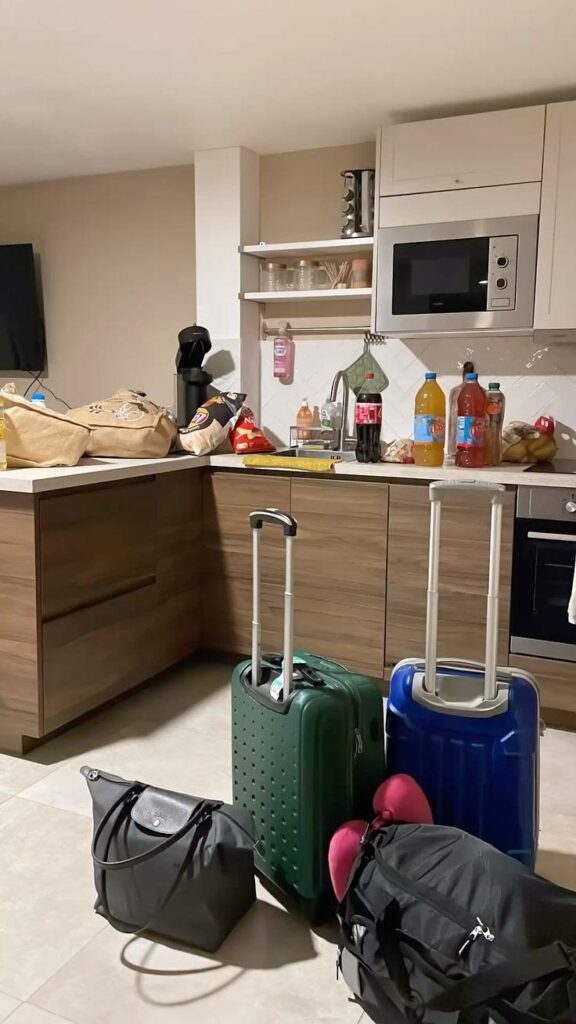
Give Everything a Regular Home
One of the easiest ways to organize a small apartment is giving your belongings specific places. When something has a regular home, putting it away becomes much easier.
This matters because small spaces show clutter much faster than larger homes usually do. A few items left on the table can quickly make the entire room look untidy.
Start with things you use every day, such as keys, chargers, shoes, bags, and kitchen items. Give each item a convenient location that makes sense for your normal routine.
For example, keep your keys near the entrance instead of searching for them later. Keep frequently used cooking tools somewhere you can reach without opening several cupboards.
The goal is making organization feel natural instead of creating another task you constantly remember. If putting something away requires too much effort, you probably will not maintain that system.
Your storage should work with your habits, not force you to completely change them. That simple idea can make your apartment much easier to keep organized.

Make the Entrance Work Harder
Your entrance may be small, but it can affect how organized your entire apartment feels. It is the first place where everyday belongings usually enter your home.
Shoes, bags, keys, jackets, parcels, and other items can quickly gather around this area. Without a simple system, those things can spread into your living space.
Keep only the items you regularly need near the entrance. A small basket, wall hook, shoe rack, or narrow storage unit can help.
If you rent, choose solutions that do not damage walls or violate your rental agreement. You can find more guidance about rental rules in How to Read and Understand Your First Lease Agreement.
Try keeping your entrance visually simple because fewer items usually make small areas feel larger. You should also make sure the pathway remains clear for easy movement.
A tidy entrance creates a small sense of order whenever you walk through the door. That feeling can make the rest of your apartment seem easier to manage.
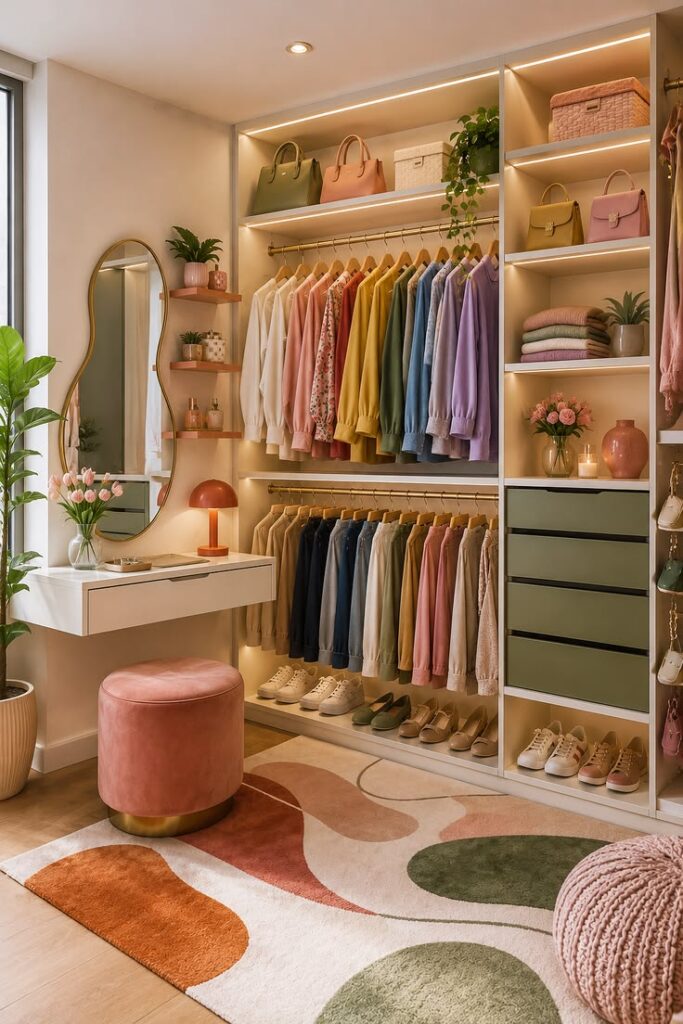
Use Vertical Space Wisely
When floor space is limited, look upward because walls can provide useful storage opportunities. Vertical organization can help you keep important items without filling every available surface.
Tall shelves can hold books, baskets, kitchen items, decorations, or other belongings. You can also use tall storage furniture when your apartment layout allows enough room.
However, avoid filling every wall simply because you have vertical space available. Too many shelves can make a small room feel visually crowded.
Keep frequently used items within comfortable reach and place occasional items higher. This makes your storage system practical instead of turning everyday tasks into unnecessary struggles.
If you share your apartment with someone, vertical storage can also create clearer personal areas. That becomes especially useful when two people need to fit their belongings into limited spaces.
For shared-space ideas, How to Split Household Responsibilities With a Roommate can help.

Use Furniture That Serves More Than One Purpose
Small apartments benefit from furniture that can perform more than one useful job. This allows you to enjoy necessary functions without filling your home with separate pieces.
For example, an ottoman can provide seating while offering hidden storage underneath. A bed with drawers can provide sleeping space and additional storage for clothing or bedding.
A small dining table might also work as a temporary workspace during certain parts of your day. The idea is choosing furniture that supports your actual lifestyle instead of simply filling space.
Before buying something, think about how often you will use it. Ask yourself if the furniture solves a real problem or simply looks attractive.
This can save money while also protecting your limited floor space. Remember, every large item you bring home will need somewhere to stay.
If you are still deciding what your apartment needs, What to Do During Your First Week in a New Apartment offers useful guidance.

Keep Surfaces Clear
Tables, kitchen counters, bedside areas, and other surfaces can become cluttered very quickly. Keeping these areas reasonably clear can make your apartment feel noticeably bigger.
You do not need completely empty surfaces because some useful items can stay out. The important thing is preventing everyday belongings from becoming permanent piles.
Choose a few things that deserve to remain visible and store everything else. This makes cleaning easier because you have fewer items to move around.
Clear surfaces can also help you notice when something is becoming cluttered. You can then deal with the problem before it spreads across the entire room.
If keeping your apartment clean already feels difficult, How to Create a Cleaning Routine You’ll Actually Stick To can help.
The simpler your surfaces are, the easier your everyday cleaning routine becomes. That connection is especially useful when you are managing your first home independently.
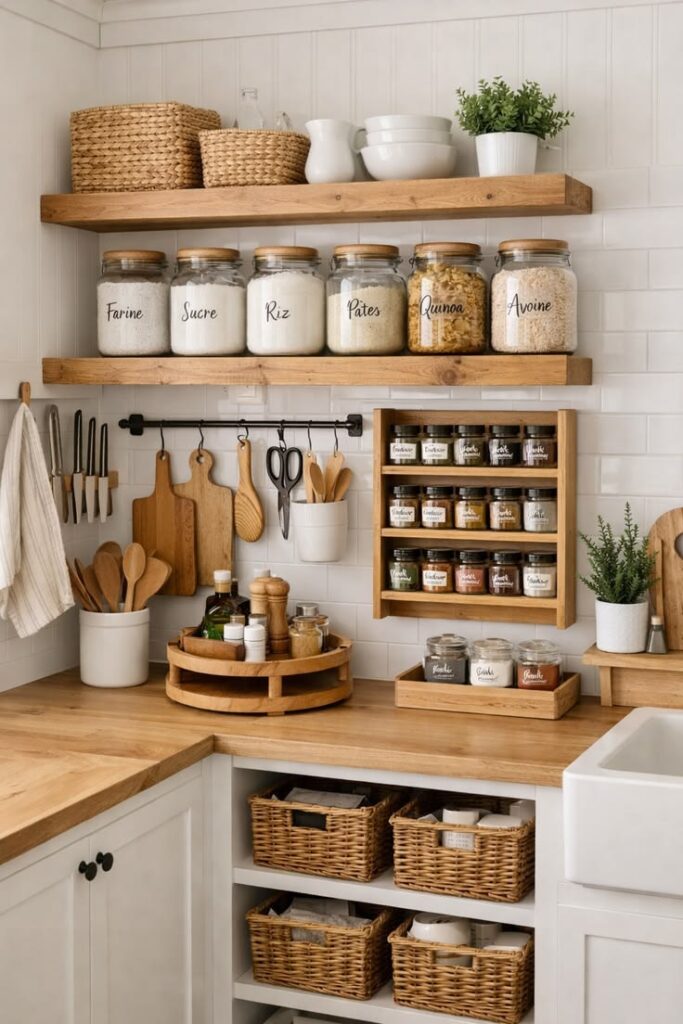
Create Zones Instead of Separate Rooms
A small apartment may not give you separate rooms for every activity. That does not mean you cannot create different areas for different parts of your life.
You can create a sleeping zone, working zone, relaxing zone, and dining zone. Each area should have a clear purpose, even when everything shares one room.
A small rug can visually separate a sitting area from the rest of the room. A narrow desk can create a simple workspace without taking over your living area.
You can also use furniture placement to create natural boundaries between different activities. This helps your apartment feel organized without requiring walls or permanent changes.
The important thing is avoiding too many zones because that can make the space feel crowded. Choose the activities that matter most in your everyday life.
Then arrange your apartment around those activities instead of copying someone else’s layout.
Make Your Kitchen Easier to Use
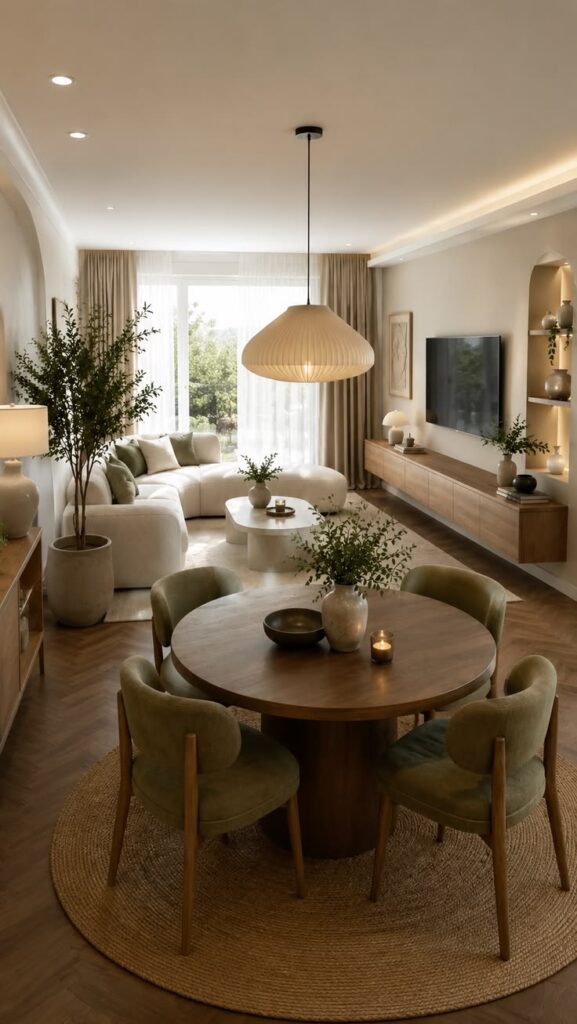
Small kitchens can become difficult when every cupboard and counter is filled with unnecessary items. Start by keeping the things you use most frequently within easy reach.
Your everyday plates, cups, cooking utensils, and basic ingredients should not require complicated searching. Place less frequently used items in higher cupboards or less convenient storage areas.
Try grouping similar things together because this makes finding and returning items much easier. For example, keep cooking tools together instead of spreading them across different drawers.
You can also use shelf organizers to create additional levels inside taller cupboards. This helps you use available vertical space without adding more furniture to your kitchen.
Be careful with countertop appliances because they can quickly consume valuable working space. Only keep frequently used appliances outside if your counter space is limited.
A small kitchen works better when the available space supports your actual cooking habits. You do not need every possible kitchen gadget to prepare comfortable everyday meals.
Organize Your Bedroom Without Overcrowding It
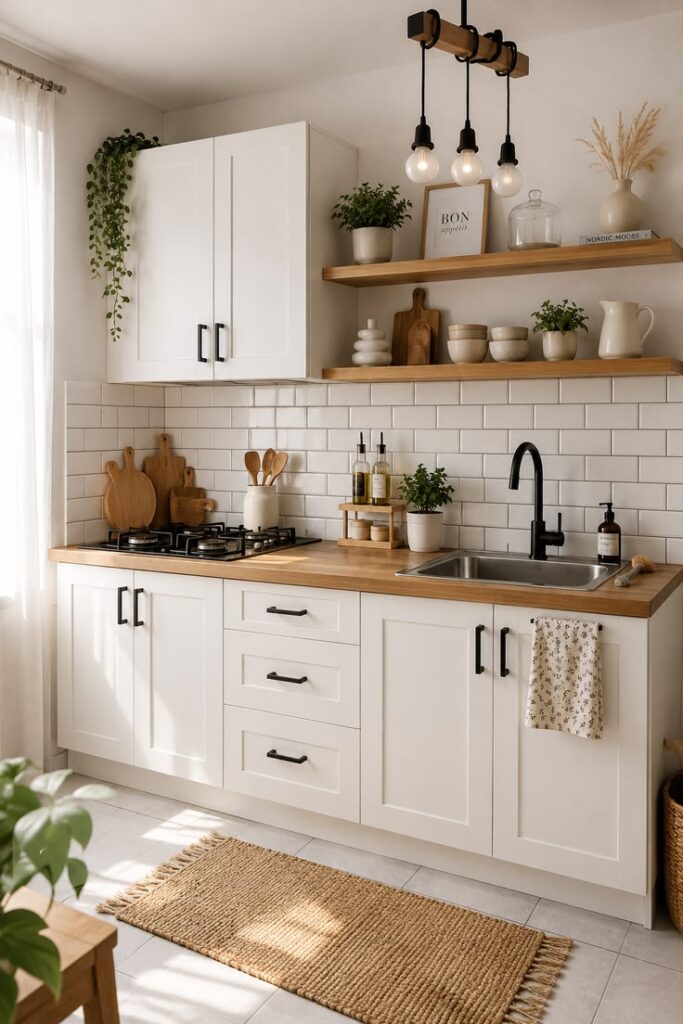
Your bedroom should feel calm because it is one of the main places you rest. Too much furniture can make even a reasonably sized bedroom feel uncomfortable.
Start with your bed because it usually takes up the largest amount of space. Then arrange other furniture around the bed while keeping walking areas open.
Use under-bed storage for items you do not need every day. Seasonal clothing, extra bedding, and less-used belongings can work well in this space.
Keep your bedside area simple because too many items can quickly create visual clutter. A small lamp, charger, book, or other essential item may be enough.
Your wardrobe also deserves careful attention because clothing can easily take over small bedrooms. Arrange frequently worn clothing where you can reach it without disturbing everything else.
If your apartment is becoming difficult to manage, reducing unused belongings can create surprisingly useful space.

Use Small Storage Solutions Carefully
Storage baskets and boxes can help, but buying too many can create another problem. You may simply end up organizing things you do not actually need.
Before buying storage, identify the specific problem you want to solve. Then choose a solution that fits the available space and your normal routine.
Clear containers can work well for items you need to identify quickly. Covered baskets can hide visual clutter while keeping belongings grouped together.
Labels can also help when several people share the same storage areas. However, you do not need to label every single basket inside your apartment.
Keep the system simple enough that you can maintain it without much effort. A complicated storage system usually becomes difficult when life gets busy.
The best organization is the one you can continue using after the excitement of moving disappears.

Keep Frequently Used Items Easy to Reach
Small apartments work best when everyday items are stored according to how often you use them. The things you reach for constantly should be convenient to access.
This applies to clothing, kitchen supplies, toiletries, cleaning products, and everyday electronics. You should not need to move several things before reaching something you use every morning.
Less-used items can go into higher shelves, deeper cupboards, or under-bed storage. This keeps your most useful areas focused on things that support your daily routine.
Think about your morning routine when arranging your apartment. The easier it is to find what you need, the smoother your mornings can become.
You can also create simple habits around returning those items after use. Those small habits reduce clutter without requiring a major cleaning session every evening.
Make Cleaning Part of Your Organization
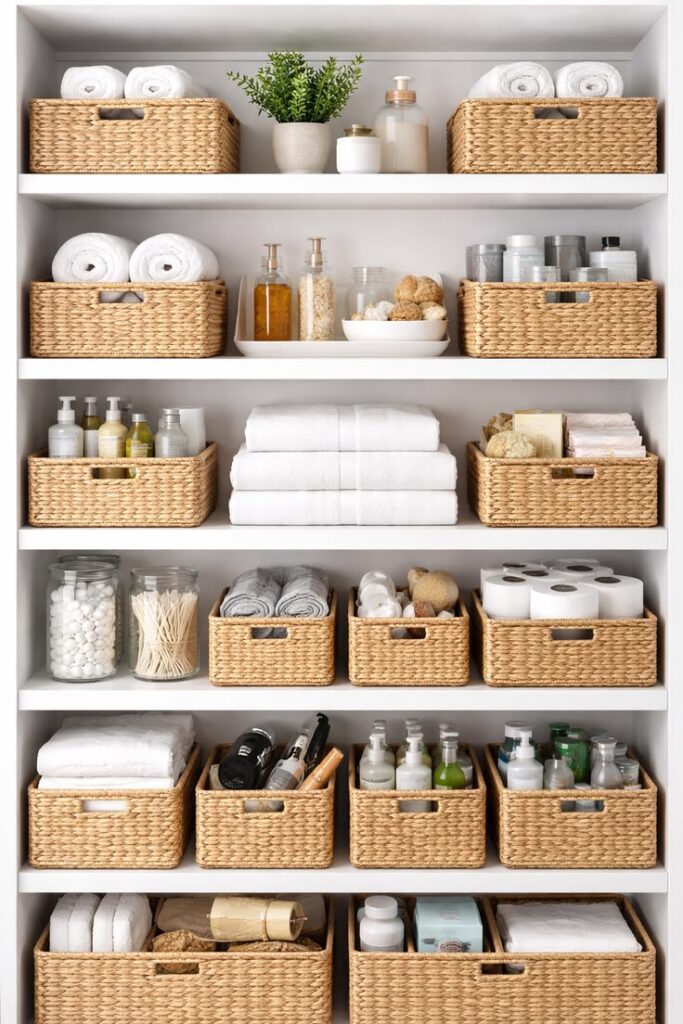
Organization and cleaning work together because one makes the other easier. When belongings have clear homes, cleaning surfaces and floors becomes much quicker.
You can put things away before they spread across your apartment. This means your cleaning routine starts with less clutter and requires less effort.
Keep your cleaning supplies somewhere convenient rather than hiding them in difficult places. You are more likely to wipe something quickly when the necessary supplies are easy to reach.
You can also create simple habits around your main problem areas. For example, clear your kitchen after cooking and reset your living room before bedtime.
These small actions can protect the organization you worked hard to create.
If you want more ideas for saving time, How to Build Simple Home Habits That Save Time Every Week is worth exploring.
Think About Your Daily Movement
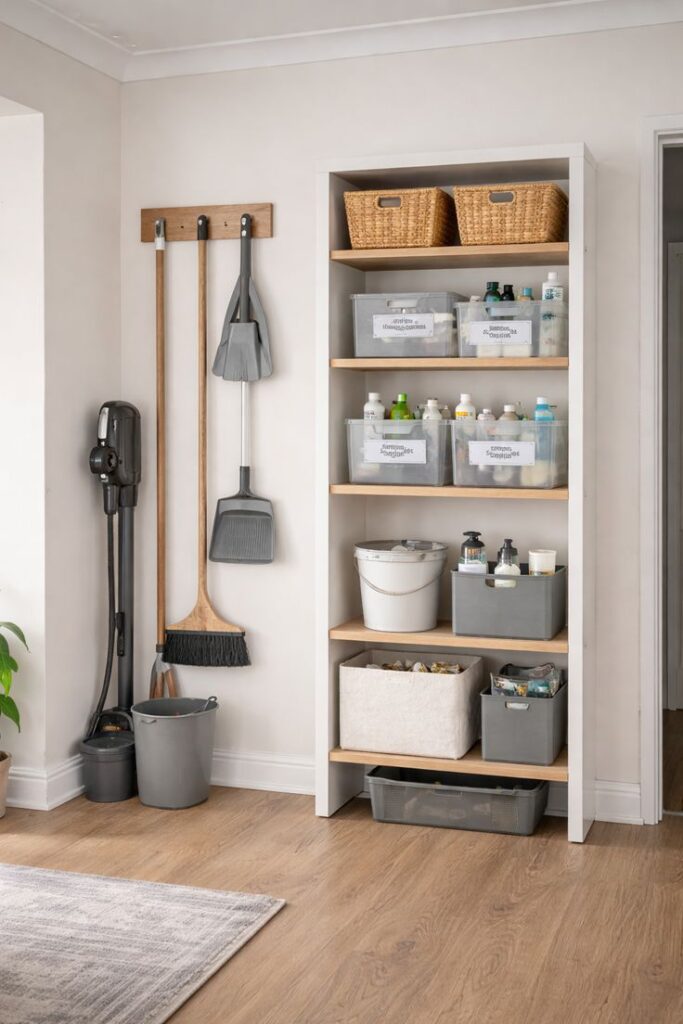
A beautiful apartment can still feel difficult if the layout interrupts your normal movement. Pay attention to the places where you naturally walk throughout the day.
You should have enough space to move between your bed, bathroom, kitchen, entrance, and living area. Furniture should support those movements rather than creating obstacles.
If you constantly move the same chair, basket, or table, notice that pattern. It may be telling you that the furniture is not in its best position.
Your home should make everyday tasks feel natural instead of forcing you to work around furniture. Small layout changes can sometimes make a bigger difference than buying new storage.
This is especially important after moving into a new apartment. Give yourself time to understand how you naturally use each area before settling on one arrangement.

Leave Some Empty Space
One of the biggest mistakes in small apartments is trying to use every available corner. Empty space can actually make your home feel calmer and more comfortable.
You do not need furniture sitting in every corner to make your apartment feel complete. Sometimes, an empty corner gives you room to breathe and move comfortably.
Leaving some space also gives you flexibility when your needs change. You might later decide that the area works better for a chair, plant, desk, or storage.
When I first started organizing a smaller home, I thought every empty area needed something. Eventually, I learned that some empty areas were useful precisely because they stayed empty.
That lesson changed how I approached furniture and storage. Instead of asking what could fit somewhere, I started asking what genuinely needed to be there.
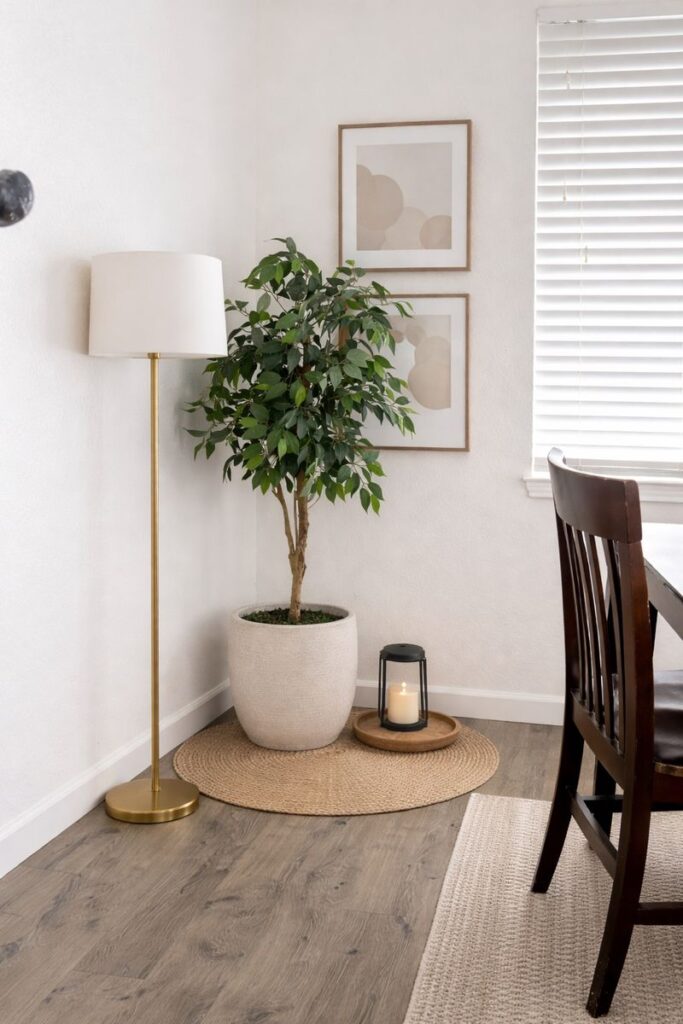
Use Your Walls Without Making Them Feel Busy
Walls can provide valuable organization, especially when floor space is limited. But they should still feel balanced because too many items can make rooms feel crowded.
You can use removable hooks, slim shelves, mirrors, or other rental-friendly options. Always check your lease and property rules before making changes to the walls.
If you want more ideas for personalizing your rental safely, How to Make a Rental Feel Like Home Without Permanent Changes can help.
Think about both function and appearance when choosing wall storage. A useful shelf can store items while also making the room feel more finished.
However, avoid adding storage simply because an empty wall makes you uncomfortable. Your apartment should not become a collection of storage solutions.
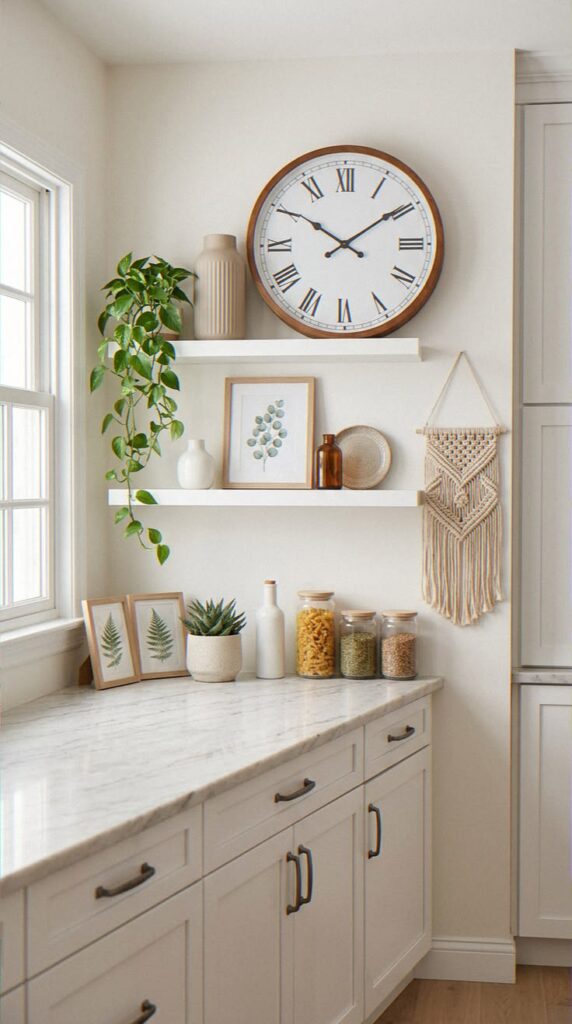
Make Your Apartment Easy to Reset
A good organization system should make resetting your apartment simple after a busy day. You should be able to return things to their places without much thought.
Create small reset points throughout your home. The entrance can have a place for keys, the bedroom can have a laundry basket, and the kitchen can have clear counters.
These simple systems reduce the number of decisions you make every day. You know where things belong, so putting them away becomes almost automatic.
This matters because independent living already comes with many everyday decisions. Your home should remove some of that mental work instead of creating more.
When your apartment can be reset quickly, small messes are less likely to become overwhelming.

Give Your Apartment Time to Evolve
You do not need to organize your entire apartment perfectly during your first weekend. Your needs will become clearer after you actually live in the space.
You may discover that a cupboard works better for something completely different. You might also realize that certain furniture pieces are taking up space without helping you.
That is normal, especially when you are living independently for the first time. Your apartment should change as you understand your routines better.
If you are preparing for your actual move, What to Expect During Your First Apartment Move-In can help you prepare for those early days.
Give yourself permission to move furniture, change storage, and remove things that are not working. Organization is not a one-time project because your home will keep changing with you.
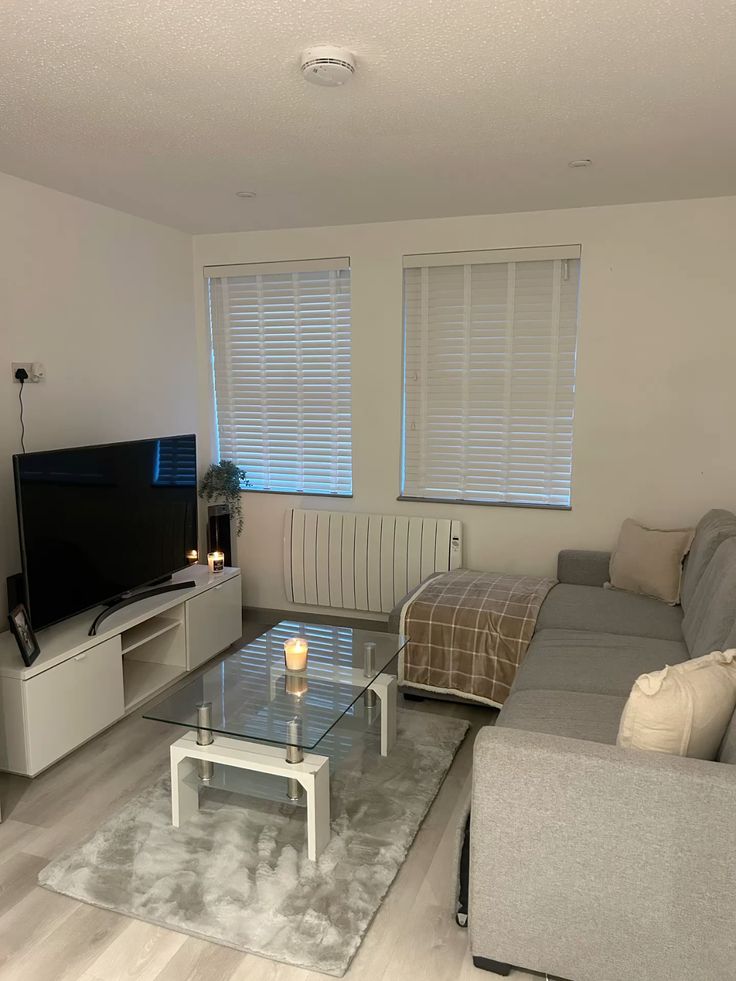
Be Careful When Buying More Storage
When your apartment feels cluttered, buying more storage can seem like the obvious answer. Sometimes, however, the real problem is having too many belongings.
Before purchasing another cabinet or shelf, look at what is already inside your home. You may discover items that could be donated, discarded, relocated, or used more effectively.
This approach protects your budget while creating more usable space. It also prevents your apartment from becoming filled with storage furniture.
Remember that every storage solution takes up some amount of space itself. The best solution is often reducing what needs storage before adding something new.
That does not mean living with very few belongings. It simply means making sure your belongings earn the space they occupy.

Final Thoughts
Organizing a small apartment is mostly about making your space work for your everyday life. You do not need expensive furniture, complicated systems, or perfectly matching storage solutions.
Start by understanding how you actually move through your apartment each day. Then give important belongings convenient homes and keep frequently used items easy to reach.
Use vertical space carefully, choose furniture with multiple purposes, and protect your open floor areas. At the same time, avoid filling every corner simply because there is space available.
Remember that your apartment does not need to look finished immediately. Your organization system can change as you discover what works best for your routines.
Most importantly, focus on comfort and function before trying to create a perfect-looking home. A well-organized apartment should make cooking, cleaning, resting, working, and getting ready easier.
Give yourself time to adjust, move things around, and remove systems that no longer work. Your first apartment is a learning experience, and your home can grow with you.
With simple choices and realistic habits, even a small apartment can feel comfortable and surprisingly spacious.
Leave a Reply