Moving into your first apartment can feel exciting, confusing, tiring, and slightly scary all at once. You have probably imagined opening the door, carrying your boxes inside, and finally having your own space.
But the actual move-in day can look very different from the picture you had imagined. There may be delays, missing items, unexpected dirt, confusing keys, or small problems you did not expect.
That does not mean something has gone wrong, because first apartment move-ins rarely feel completely smooth. The important thing is knowing what normally happens, so you can stay calm and handle things properly.
If you are still preparing your apartment before moving day, How to Set Up Your First Apartment Without Feeling Overwhelmed can help you prepare.
Know What Happens Before You Arrive
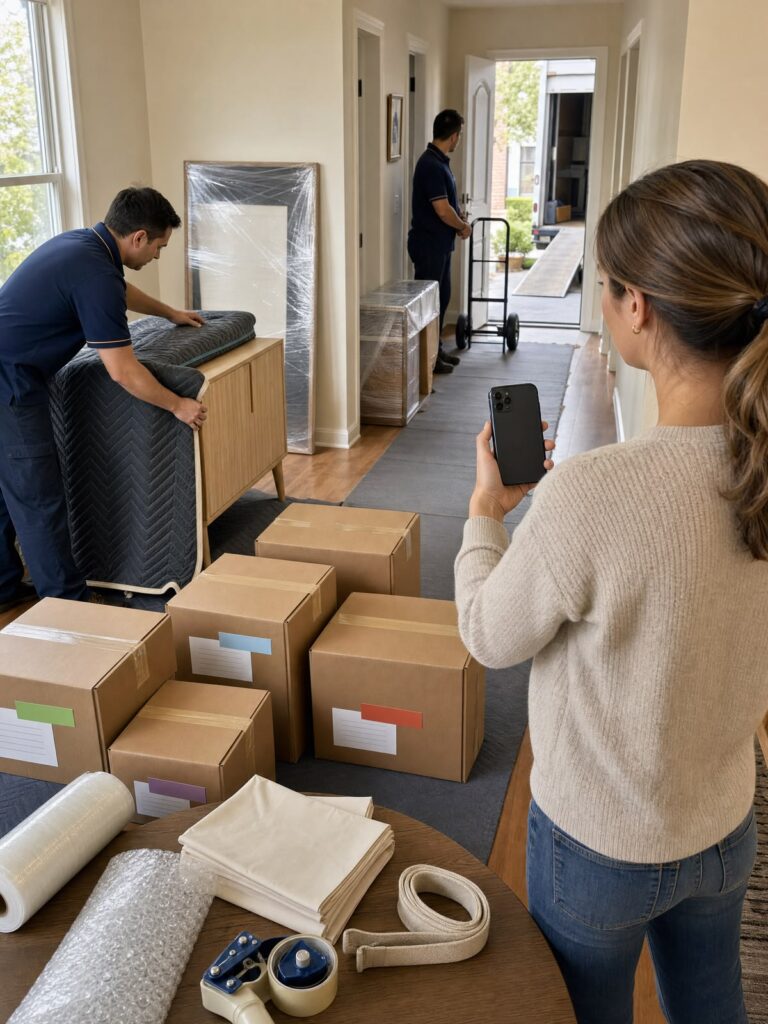
Your move-in experience usually begins before you physically enter your new apartment. You may need to collect keys, complete paperwork, confirm payment details, or meet someone from the property management team.
Some landlords provide specific instructions about where to collect keys and how to access the building. Others may have someone meet you at the property and walk through the apartment with you.
Make sure you know these details before moving day arrives, because confusion can make an already busy day harder. Check your messages, emails, rental documents, and other information provided before your move.
You should also know the apartment address clearly and keep important contact numbers somewhere easy to reach.
Your phone should have enough battery because you may need directions, calls, messages, photos, or payment confirmations.
It also helps to keep your identification and important rental documents somewhere separate from your moving boxes. That way, you will not start searching through several boxes when someone suddenly asks for information.

Your Apartment May Not Look Perfect
One thing that surprises many first-time renters is how different the apartment can look during move-in. You may have seen beautiful photos during the apartment search, but your empty apartment may feel completely different.
Without furniture, curtains, decorations, and personal belongings, rooms can look smaller, colder, or strangely unfinished. You might also notice marks, dust, small scratches, or areas that need additional cleaning.
Do not immediately assume every small mark means something serious has happened. Instead, take your time and compare the apartment with the condition you were promised before moving in.
This is one reason taking pictures immediately can become extremely useful later.
When I moved into a new space, I remember noticing tiny marks that seemed unimportant at first. Taking pictures made me feel more confident because I knew I had recorded everything clearly.
The goal is not to become suspicious of everything, but simply to protect yourself.

Take Pictures Before Unpacking
Before bringing everything inside, walk through the apartment slowly and inspect each room. Take clear pictures of walls, floors, ceilings, doors, windows, cupboards, sinks, bathrooms, and visible appliances.
Pay attention to scratches, stains, broken handles, damaged tiles, cracked surfaces, and anything that looks unusual. Open cupboards and drawers because some problems may not be obvious from outside.
You should also photograph existing furniture or appliances if the apartment came with them. Try to capture enough detail so someone could understand the condition without standing inside the apartment.
These pictures can become useful if questions about damage come up after you eventually move out.
If you want to understand your rental responsibilities better, How to Read and Understand Your First Lease Agreement can guide you.
Keep the original pictures somewhere safe instead of leaving everything mixed among your regular phone photos. You can also keep written notes beside the pictures when something needs extra explanation.

Check the Important Parts First
You do not need to inspect every tiny corner before carrying your first box inside. Start with the things that affect your safety, comfort, and ability to use the apartment properly.
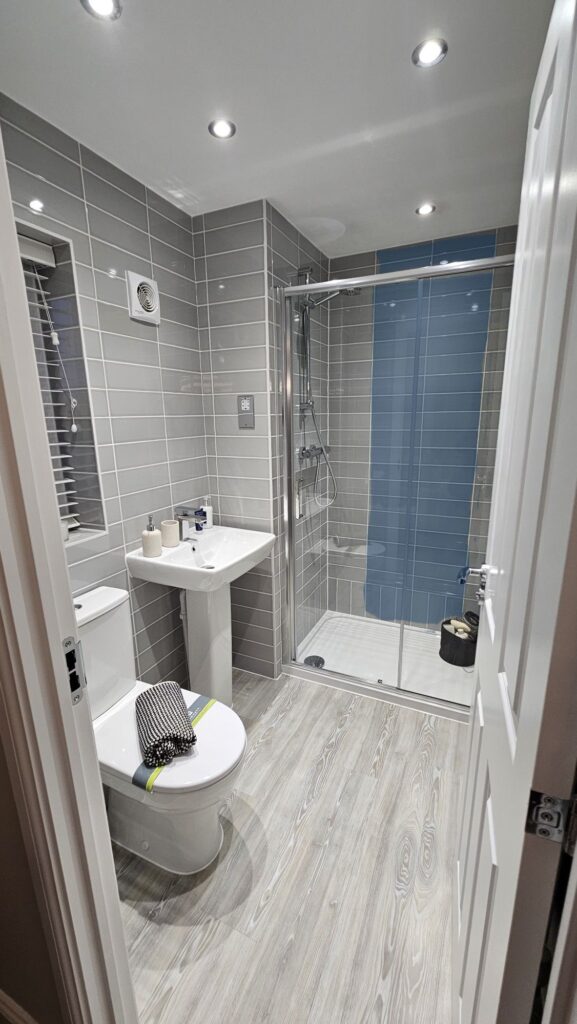
Check that doors lock correctly and that windows open and close as they should. Look at the lights, switches, sockets, taps, toilet, shower, and other basic fixtures.
If appliances are included, check that they appear to work before you start arranging everything around them. You should also look for obvious water leaks around sinks, toilets, pipes, and other plumbing areas.
Pay attention to unusual smells, damp patches, strange sounds, or anything that immediately feels concerning. Some problems may need the landlord or property manager to handle before you settle properly.
Do not ignore something simply because you are excited about finally moving into your new home. It is much easier to report problems immediately than explain them several weeks later.
Give Yourself Time to Clean
Even when an apartment has been cleaned before your arrival, you may still want to clean again. This is especially true when you are moving into an empty space and can reach everything easily.
You can start with surfaces you will use often, such as kitchen counters, cupboards, sinks, bathrooms, and floors. You do not need to deep-clean the entire apartment before bringing in your belongings.
Instead, clean the areas that would become difficult to reach once furniture and boxes arrive. This small decision can save you plenty of effort during the first few days.
You can also keep your cleaning supplies together instead of packing them deep inside another box. That way, you can wipe surfaces, clean spills, or handle unexpected messes without searching everywhere.
Once you settle properly, https://adultishly.com/create-a-cleaning-routine-youll-actually-stick-to/ can help you maintain the space.
The goal during move-in is not making the apartment spotless immediately. You simply want a clean enough space that makes unpacking easier and more comfortable.

Bring Your Essentials First
You probably have many belongings waiting to enter your apartment, but not everything needs to arrive first. Your first few items should help you survive the day comfortably without opening every box.
Think about drinking water, basic toiletries, phone chargers, cleaning supplies, comfortable clothes, and simple food. You may also want toilet paper, hand soap, towels, medications, important documents, and a change of clothes.
Keep these things inside one clearly marked bag or box that stays easy to reach. This becomes especially useful when you arrive tired and simply want to shower or rest.
You should also keep basic tools nearby for small tasks that may come up unexpectedly. A screwdriver, scissors, tape, extension cord, and simple cleaning cloth can become surprisingly useful.
I once spent too long searching through boxes for something simple because I packed useful items together. That experience taught me that the first box should contain things you need immediately.
Do Not Rush to Unpack Everything
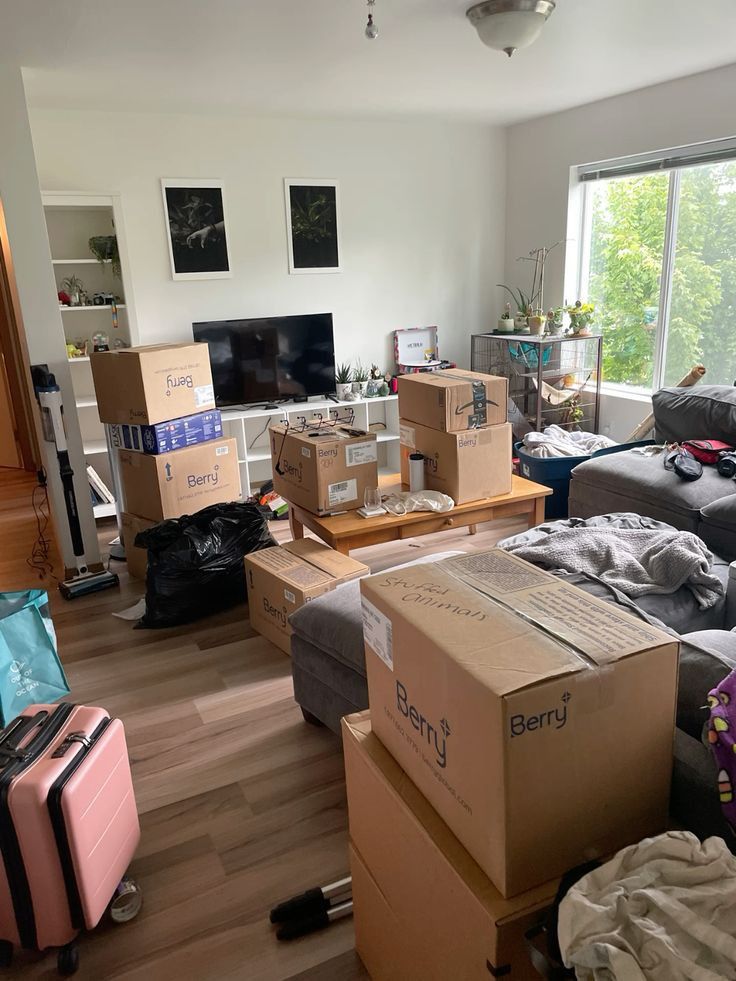
Moving boxes can make your apartment feel chaotic, but unpacking everything immediately is not always helpful. Start with the spaces you need most, especially your bedroom, bathroom, and basic kitchen area.
Getting your bed ready can give you a comfortable place to rest after a long moving day. Then handle the bathroom so you can shower, change clothes, and keep personal items organized.
After that, you can gradually work through the kitchen and other important areas. You may discover that some furniture fits differently from what you imagined before moving.
That is completely normal, especially when you are seeing the empty space properly for the first time. Give yourself permission to move things around before deciding where everything should permanently stay.
If you are working with limited space, How to Organize a Small Apartment for Everyday Living can help you make better use of each area.
Your first arrangement does not need to be your final arrangement. Live in the space for a little while before making major organization decisions.

Expect Some Small Problems
Your first move-in may not go perfectly, even when everything was planned carefully. You might discover that an appliance does not work, a light needs replacing, or something was overlooked.
Maybe your internet installation gets delayed, or you realize the curtains you bought do not fit properly. These things can feel frustrating when you are already tired from moving.
Still, try to separate small inconveniences from serious problems that need immediate attention. A missing curtain rod can wait, but a broken lock or serious water leak should not.
Write down problems as you notice them instead of trying to remember everything later. Then contact the appropriate person and explain the issue clearly with pictures when necessary.
Staying organized can help you avoid feeling like every small problem is happening at once. Your first apartment is a learning experience, so expect yourself to figure things out gradually.

Understand What You Are Responsible For
Moving into an apartment also means learning which responsibilities belong to you and which belong elsewhere. Some repairs may be your responsibility, while other problems should be reported to the landlord.
Your lease should explain important responsibilities, but you should also ask questions when something remains unclear. This is especially important for utilities, maintenance, rubbish, shared areas, and damage caused during your tenancy.
Knowing your responsibilities can prevent accidental problems and unnecessary disagreements later. It also helps you budget properly because some household costs may begin immediately after moving.
If you are still learning how to manage everyday apartment responsibilities, How to Build Simple Home Habits That Save Time Every Week can help.
Do not feel embarrassed about asking questions because you are learning how independent living works. A simple question now can save you from an expensive mistake later.
Set Up Your Utilities Early
Utilities are another important part of your first move-in experience. Depending on your rental arrangement, you may need to arrange electricity, water, internet, gas, or other services.
Some apartments include certain services, while others require you to create your own accounts. Try to understand this before moving day so you are not surprised afterward.
You should know which utilities are already active and which ones need your attention. Keep confirmation messages, account details, payment information, and installation dates somewhere easy to find.
Internet installation can sometimes take longer than expected, so plan around that possibility. Having basic mobile data available can help you stay connected while waiting for your internet service.
For a more complete guide, How to Set Up Utilities in Your First Apartment explains the process more closely. The sooner you understand your utilities, the easier your first week will feel.
Think About Your Furniture Placement
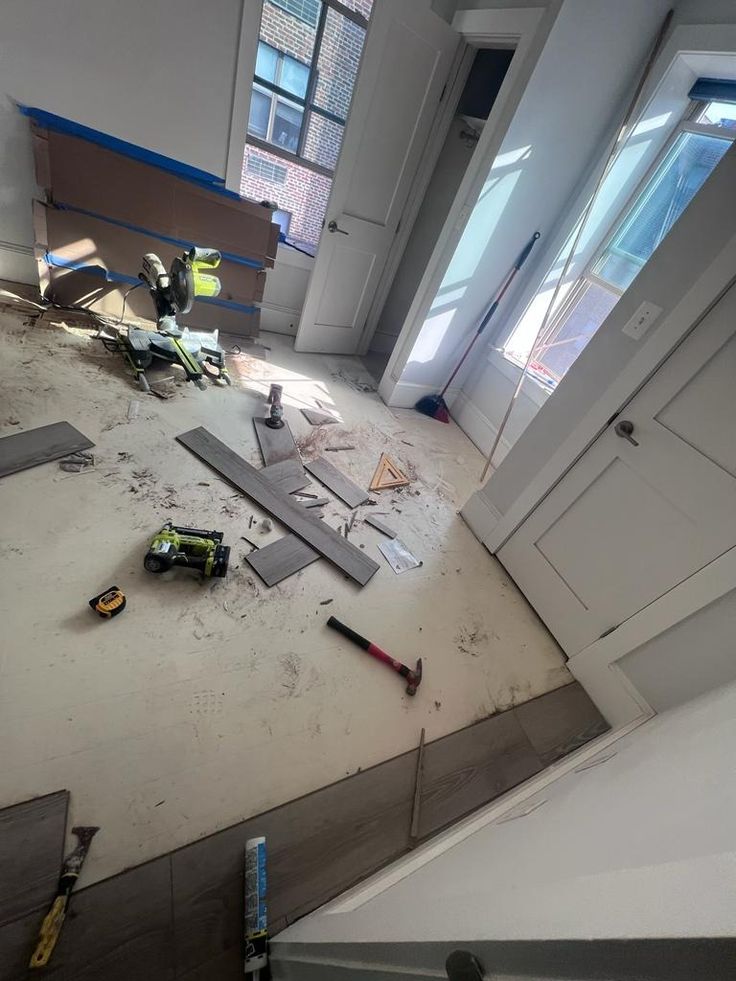
Your furniture may look perfect in your imagination but feel different once everything enters the room. Measure larger pieces before moving them inside whenever possible, especially beds, sofas, tables, and wardrobes.
Think about walking space before placing furniture against every available wall. You need enough room to open doors, reach windows, move around comfortably, and clean properly.
Do not fill every empty corner simply because you have furniture available. Leaving some open space can make a small apartment feel calmer and easier to manage.
You can always rearrange furniture after living inside the space for several days. Your daily routine will quickly show you which arrangements work and which ones become annoying.
For example, a chair blocking your wardrobe may seem harmless initially but become frustrating every morning. Practical placement matters more than making everything look perfect on your first day.
Make the Apartment Feel Like Yours Slowly
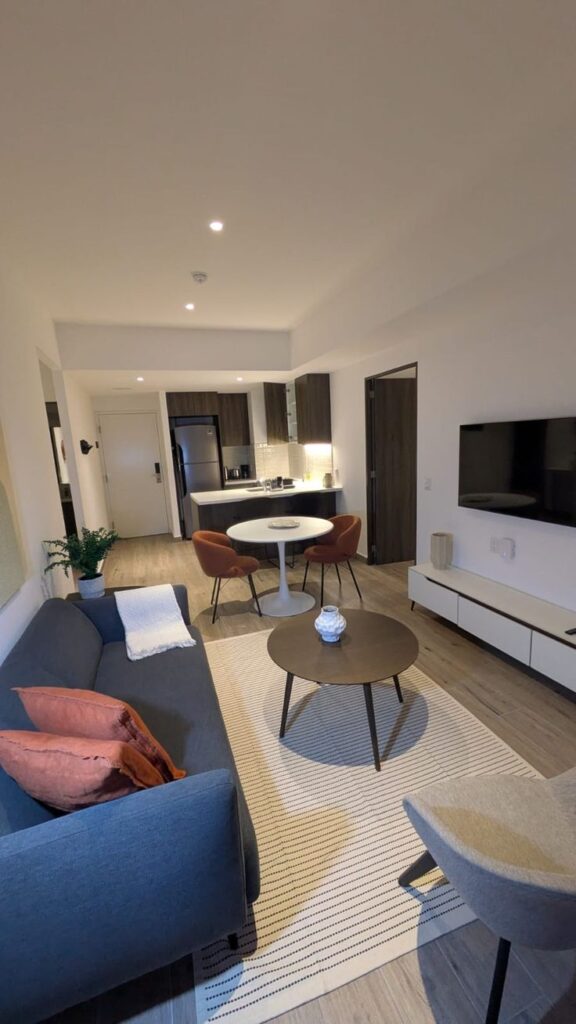
Moving into your first apartment is not only about boxes, furniture, and practical responsibilities. It is also the beginning of creating a space that feels comfortable and personal.
Still, you do not need to decorate everything immediately just because the walls look empty. Give yourself time to understand what you actually like about the apartment.
You might discover that you prefer simple decorations after living with fewer things for several weeks. You may also realize that some purchases looked useful online but do not fit your lifestyle.
Start with small changes that make everyday living more comfortable instead of buying everything at once.
If you want simple ideas for personalizing a rental, How to Make a Rental Feel Like Home Without Permanent Changes is worth exploring.
Your apartment should gradually reflect your personality, routines, needs, and comfort. There is no deadline for making your home look completely finished.
Keep Your First Week Simple
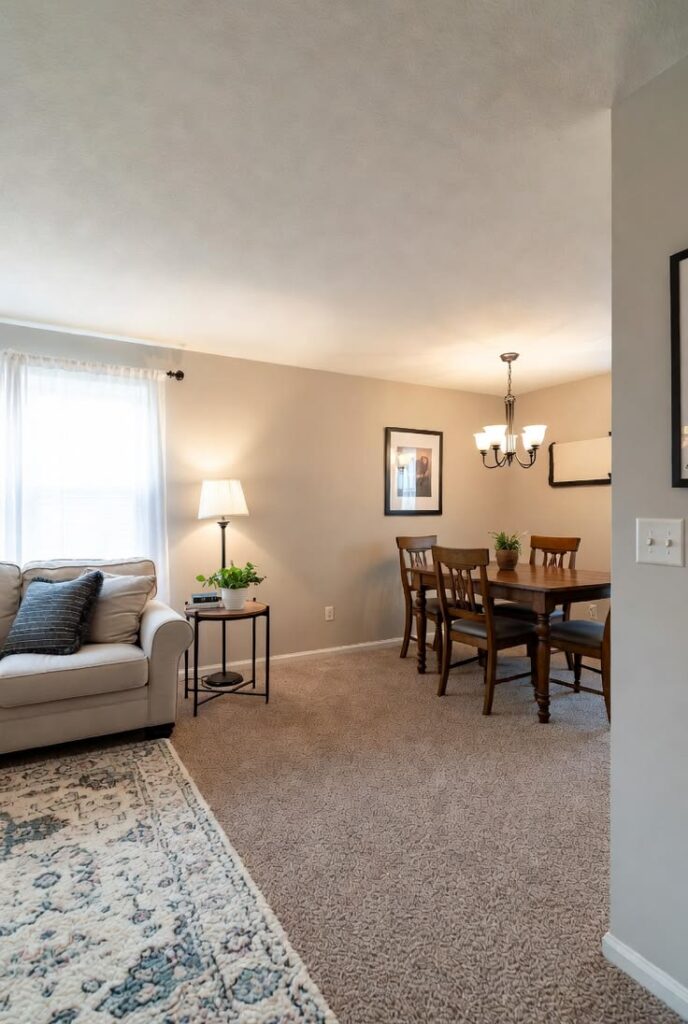
The first week after moving can become surprisingly busy because everything feels new. You may still have boxes, unfinished errands, utility appointments, shopping, cleaning, and other responsibilities waiting.
Try not to create an enormous list of things you must finish immediately. Instead, focus on the tasks that make your everyday life easier first.
Get your sleeping area comfortable, organize basic toiletries, stock simple food, and handle important household needs. Then work through the remaining boxes gradually as your energy allows.
You should also give yourself time to learn how the apartment works. Find the best places for rubbish, cleaning supplies, laundry items, kitchen equipment, and frequently used belongings.
For more guidance on those first few days, What to Do During Your First Week in a New Apartment can help you stay organized. Remember that settling in is a process, not something you complete in one afternoon.
Moving In With a Roommate
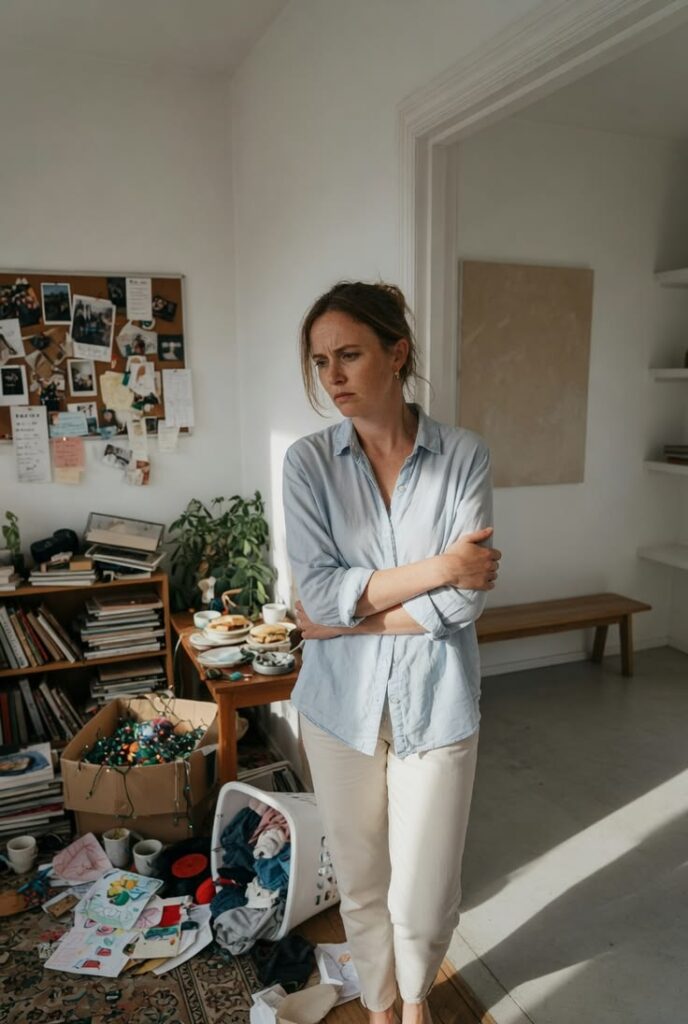
If you are sharing the apartment, move-in day may involve another layer of planning. You are not only arranging your belongings but also figuring out how shared spaces will work.
Talk about where shared items will go before both people fill the same cupboards. Discuss basic things like kitchen storage, bathroom shelves, cleaning supplies, rubbish, and common areas.
You do not need to create strict household rules on your first day. Instead, notice how the apartment works and talk about anything that needs adjusting.
Clear communication can prevent small frustrations from becoming bigger roommate problems later.
If you are sharing your first apartment, How to Split Household Responsibilities With a Roommate can help you create a fair system.
The main goal is making sure both people feel comfortable inside the shared home. You can always adjust your arrangements after you understand your routines better.
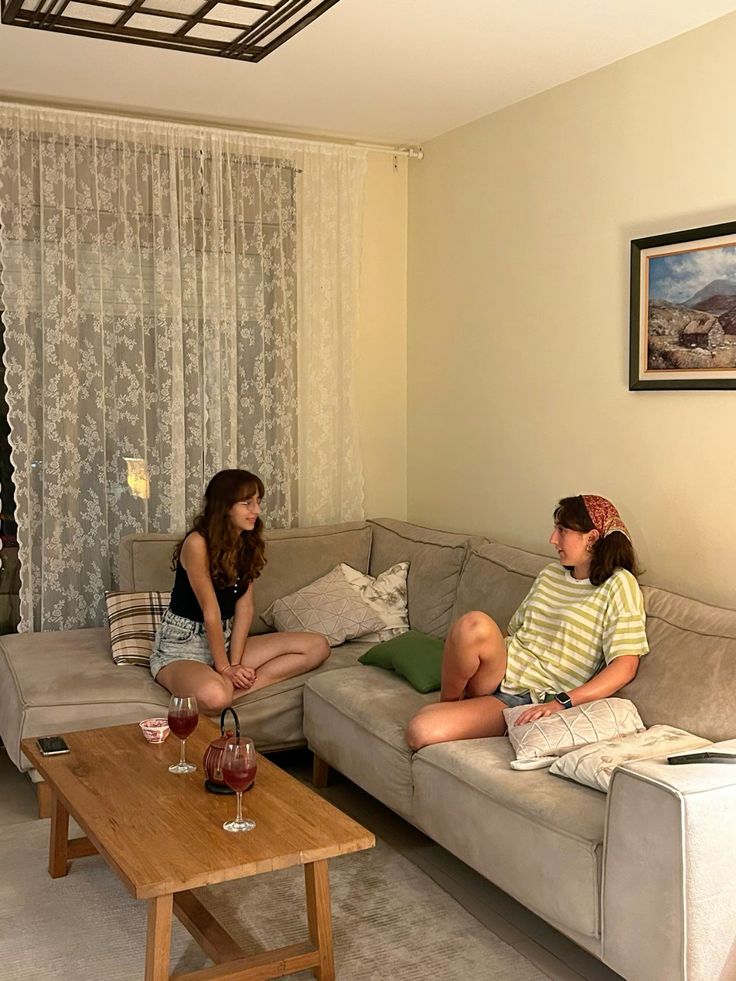
Give Yourself Time to Settle
The first few days may feel exciting, but they can also leave you emotionally exhausted. You are making decisions constantly, from where things belong to what needs buying next.
That can make your apartment feel like another responsibility instead of the peaceful home you imagined. Give yourself permission to pause and enjoy the fact that you have finally moved in.
Make something simple to eat, take a shower, sit down, and enjoy your new space. You do not have to spend every waking moment unpacking, cleaning, shopping, or organizing.
Sometimes, simply living inside the apartment helps you understand what needs attention next. Your routines will reveal problems that you could not have noticed during the first inspection.
That is why settling slowly can actually help you make better decisions about your home. Independent living becomes easier when you stop expecting yourself to know everything immediately.

What Your First Apartment Move-In Really Teaches You
Your first move-in is more than carrying boxes from one place to another. It teaches you how to inspect your home, manage responsibilities, notice problems, and make practical decisions.
You begin learning what you actually need and what you can comfortably live without. You also start understanding how much small household tasks affect your everyday comfort.
At first, things may feel scattered because you are still creating routines from scratch. After some time, your apartment begins to feel more familiar and easier to manage.
You learn where your keys belong, where your cleaning supplies stay, and how your kitchen works. Those small routines gradually make the apartment feel less like a new rental.
They also help you become more confident about handling your responsibilities independently. The process may feel messy at first, but that does not mean you are doing badly.

Final Thoughts
Your first apartment move-in probably will not be completely perfect, and that is completely normal. There may be unexpected problems, forgotten items, delayed services, extra cleaning, or furniture that needs rearranging.
The important thing is staying calm and handling each issue according to its importance. Start by checking the apartment, recording its condition, and reporting problems that need attention.
Then focus on the basics that help you sleep, eat, clean, and move around comfortably. You do not need to unpack everything or decorate every room during your first day.
Give yourself time to understand the space and build routines that fit your actual life. Most importantly, remember that moving into your first apartment is a learning process.
You are not expected to know everything immediately, because independent living takes practice and patience.
With time, those boxes become organized belongings, unfamiliar rooms become comfortable spaces, and your apartment becomes home.
Leave a Reply