You open your laptop, stare at the blank resume page, and suddenly forget everything you have ever done. You have finished school, learned different things, and probably helped people in several ways.
But now you are wondering how any of that belongs on a professional resume. You keep looking at job descriptions asking for experience, and your confidence starts disappearing.
Then you see someone else’s resume with internships, certificates, projects, and impressive achievements. Your own resume suddenly looks embarrassingly empty beside theirs.
But here is the part many young professionals need to hear. You do not need years of work experience to create a strong first resume.
You simply need to understand how to present the experience you already have. Your resume is not supposed to prove that you have already mastered your entire career.
It should show employers what you can do, what you have learned, and what you can offer. That means your school projects, volunteering, internships, freelance work, and personal projects can matter.
Even responsibilities you handled at home or within your community can sometimes reveal useful skills. The trick is knowing which experiences matter and explaining them in professional language.
And no, that does not mean filling your resume with big words. A good resume should be clear, honest, easy to read, and connected to the job.
Knowing how to prepare for your first job interview can also help you feel more ready when an opportunity comes.
Now, let’s talk about how to create that resume when your experience feels limited.

How to Write a Resume With Little or No Experience
Start With What You Actually Have
The first mistake many beginners make is deciding they have no experience too quickly. They think experience only means having worked for a company and received a monthly salary.
That is not true, especially when you are starting your professional life. Experience can come from many places, including school, volunteering, internships, freelancing, and personal projects.
It can also come from helping with events, organizations, businesses, or community activities. The important question is not simply, “Have I worked before?”
Instead, ask yourself, “What have I done that helped me develop useful skills?” That question changes the way you look at your background.
Maybe you organized a school event and handled communication with several people.
Maybe you managed social media for a small business owned by someone you know. Perhaps you completed a research project that required serious writing and information gathering.
You may have even created a personal website while teaching yourself basic design skills. All those experiences can give your resume something valuable to say.

Make an Experience List Before Writing
Before opening your resume template, create a simple list of everything you have done. Do not worry about making it sound professional at this stage.
Simply write down your education, projects, volunteering, internships, courses, and responsibilities. Also include freelance work, student leadership, competitions, and relevant personal projects.
Then look through that list and identify the skills each experience helped you develop. This process often reveals more experience than you initially thought you had.
You might discover that your background contains several strong examples already. The goal is to find evidence of your abilities, not invent professional experience.
Save this for later: How to Build Confidence in the Workplace
Understand What Employers Want From Beginners
When you have little experience, your resume needs to communicate potential clearly. Most employers hiring beginners understand that you are still building your professional background.
They are not expecting you to have managed an entire department after graduation. Instead, they want signs that you can learn, communicate, stay responsible, and contribute.
Your resume should make those qualities easy to notice. Start by carefully reading the job description before changing your resume.
Look for skills, responsibilities, qualifications, and keywords the employer repeatedly mentions. Then think about experiences that show you already have some of those abilities.
For example, a customer service position may require communication and problem-solving skills. You could connect those skills to volunteer work or a school leadership responsibility.
A marketing position might mention content creation, social media, research, and communication. You could highlight a personal social media project or promotional work you completed.
This approach makes your resume feel relevant instead of simply listing everything you have done.

Do Not Apply With the Same Resume Everywhere
One general resume can be useful as your starting point. But sending exactly the same version to every employer can weaken your applications.
Different jobs emphasize different skills, responsibilities, and expectations. Take a few minutes to adjust your resume for each important application.
You do not need to rewrite everything from scratch every time. Simply move the most relevant experiences higher and adjust some descriptions.
Also make sure your skills section reflects what the particular position actually needs. This small change can make your resume feel much more intentional.
Pin this for later: How to Stay Organized When You Start a New Job
Write a Strong Resume Introduction
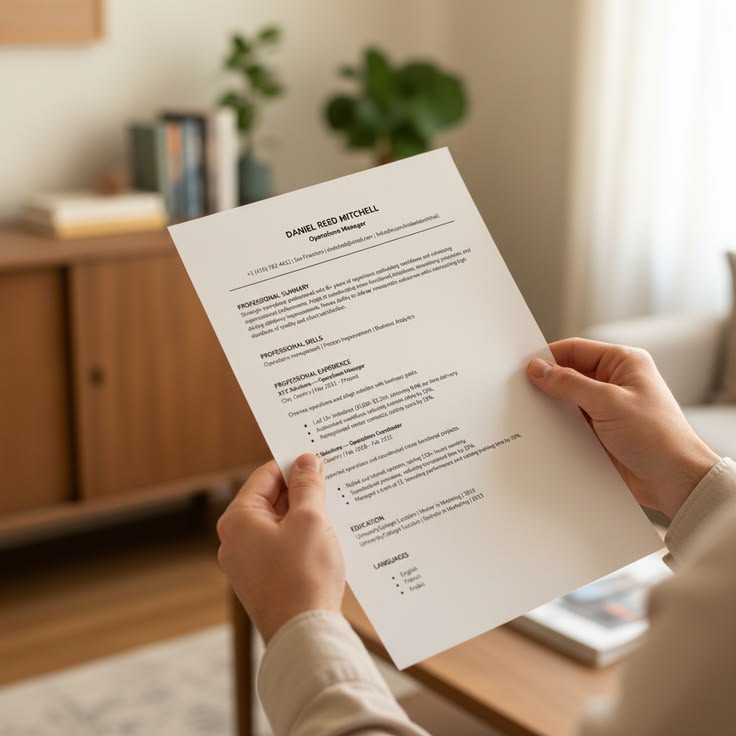
Your introduction sits near the top of your resume, so it deserves careful attention. This section gives employers a quick idea of who you are professionally.
Many beginners write vague statements that could describe almost anyone. Phrases like “hardworking individual seeking a challenging opportunity” do not say much.
Your introduction should instead mention your background, strengths, and career direction. Keep it short and make sure every sentence adds useful information.
For example, you could describe yourself as a recent graduate interested in digital marketing. Then mention your experience creating content, managing social media, or completing marketing projects.
This immediately gives the employer something specific to understand. You do not need to claim expertise you have not developed yet. Focus on genuine strengths and show that you are ready to keep learning.
Keep Your Introduction Focused
Avoid turning your professional summary into a personal biography. Employers do not need your entire life story at the top of your resume.
They need enough information to understand your professional direction. Think about what you would want someone to know within ten seconds.
Your summary should answer three simple questions clearly. Who are you professionally, what can you offer, and what type of opportunity interests you?
If those answers are clear, your introduction is already doing its job.
Worth a look: How to Make a Great First Impression During Your First Week at Work
Make Your Education Work Harder
If you have limited work experience, your education can take up more space. This is especially useful when you recently graduated or are still studying.
Include your degree, school, location, and graduation year when appropriate. You can also include relevant courses that connect directly with your target position.
For example, a communications graduate could mention courses involving writing or public speaking. A computer science graduate could highlight programming, databases, or software development courses.
However, do not turn your education section into a complete academic transcript. Focus on information that supports the type of job you are pursuing.
Your grades can also be included when they are genuinely strong and relevant. You can leave them out if they do not strengthen your application.

Include Relevant Academic Projects
Academic projects can become extremely useful when professional experience is limited. Think about assignments where you created something, solved a problem, or researched information.
Describe what you actually did instead of simply naming the course. For example, saying “Marketing project” tells the employer almost nothing.
Instead, explain that you developed a promotional strategy for a fictional product. Mention the research, planning, presentation, or teamwork involved in completing that project.
This gives employers evidence of skills they can understand. It also shows that you can take an idea and work toward a finished result.
Keep this handy: How to Write Professional Emails at Work

Turn Volunteer Work Into Useful Experience
Volunteering is often overlooked when people create their first resumes. But volunteering can demonstrate responsibility, teamwork, communication, leadership, and organization.
Think about the actual responsibilities you handled during your volunteer experience. Maybe you welcomed people, managed registrations, organized materials, or communicated with participants.
Perhaps you helped promote an event through social media or designed simple promotional materials. Those responsibilities can become useful resume content.
Do not simply write, “Volunteered at a community event.” Explain what you contributed and how you supported the activity.
For example, you could say you helped coordinate guest registration during a community event. You could also mention that you communicated with attendees and helped organize event materials.
Those details make the experience much more meaningful.

Your Community Experience Can Matter
You may have helped organize activities through a student group, community, or religious organization. You may have handled responsibilities that required planning and working with other people.
These experiences can show employers that you understand responsibility. The key is describing the responsibility honestly and clearly.
Never exaggerate your position simply because you want your resume to look impressive. A truthful description is always better than an impressive statement you cannot defend.
You might also love this: How to Ask for Help at a New Job Without Feeling Embarrassed

Do Not Ignore Freelance and Personal Projects
Personal projects can be especially valuable when you have not held a formal job. Maybe you manage a small social media page or write articles online.
Perhaps you design graphics, build websites, edit videos, or sell products independently. These activities can demonstrate initiative and practical skills.
You can include them under a relevant section such as Projects or Freelance Experience. Describe what you created, what tools you used, and what responsibilities you handled.
If your project produced measurable results, include those results when possible. For example, you might mention that you created content that increased page engagement.
You could also explain that you designed promotional graphics for a small business. These details give employers something concrete to evaluate.

Show What You Learned
Personal projects are especially useful because they show that you can learn independently. Employers often appreciate candidates who take initiative without waiting for someone else.
Maybe you taught yourself Canva, Excel, WordPress, video editing, or basic coding. Do not simply list the software without showing how you used it.
Explain the project where you applied that skill. This makes your skill more believable and gives the employer useful context.
Read this next: How to Build Healthy Work Habits Early in Your Career

Describe Your Skills With Evidence
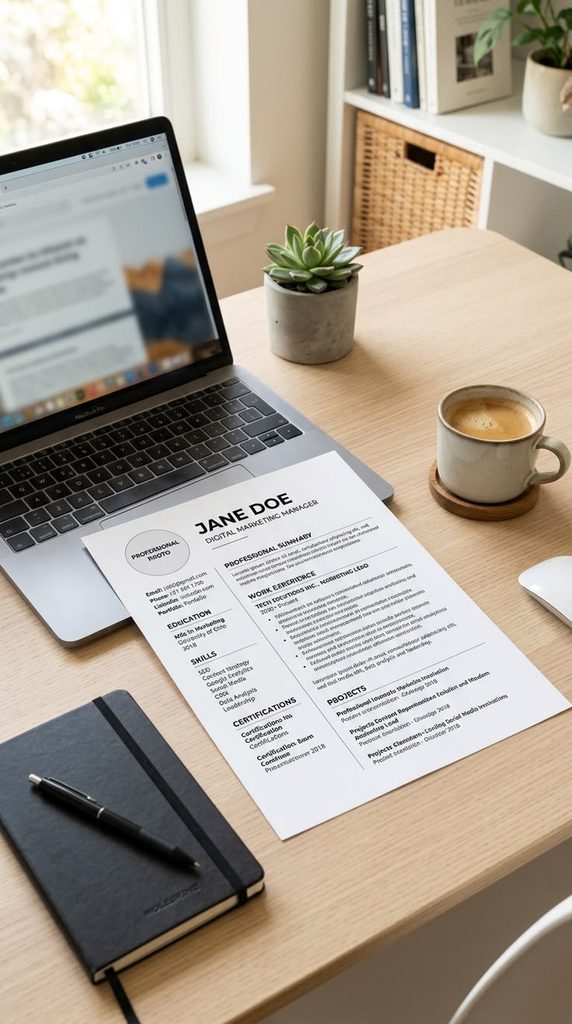
A skills section can make your resume easier to scan. But simply listing twenty skills does not automatically make your resume stronger.
Anyone can write “excellent communication skills” without providing evidence. Instead, focus on skills you can actually demonstrate through your experiences.
Technical skills can include software, tools, platforms, languages, or other practical abilities. Soft skills can include communication, teamwork, organization, problem-solving, and adaptability.
Try to connect those skills with examples somewhere else on your resume. For instance, you could list communication as a skill.
If you want to improve your confidence when discussing your abilities, learning how to build confidence in the workplace can also help you prepare for professional conversations.
Avoid Overloading the Skills Section
Do not include every skill you have ever heard mentioned in a job description. Only include abilities you genuinely possess at a useful level.
If you have never used a particular software, do not list it as a skill. You may learn it later, but your resume should describe your current abilities.
You can still mention your willingness to learn new tools during an interview. Honesty helps you avoid uncomfortable situations after getting hired.
Don’t miss this: How to Handle Workplace Mistakes Professionally

Learn How to Write Better Experience Descriptions
The wording you use can completely change how your experience looks. Compare “Helped with event” with “Supported guest registration during a university career event.”
The second sentence gives the employer a clearer picture immediately. Start your bullet points with strong action words whenever possible.
Words like organized, created, supported, managed, researched, designed, assisted, and coordinated can help. But make sure the action word accurately reflects what you actually did.
Do not use “managed” if you simply watched someone else manage the task. Choose language that is confident but still truthful.
You can also include results when you have numbers or clear outcomes. For example, mention how many people attended an event you helped organize.
You could also mention how many posts you created during a personal project. Specific details help employers understand the size and impact of your contribution.

Focus on Results When You Can
Employers usually care about what happened because of your work. If you helped solve a problem, explain the result briefly.
If you improved something, describe what changed afterward. For example, perhaps you organized digital files and made information easier to find.
You could describe that improvement instead of simply saying you organized documents. Results make even small responsibilities sound more meaningful.
However, never create fake numbers simply to make your resume impressive. If you do not have measurable results, describe the responsibility clearly instead.
You’ll want to come back to this: How to Prepare for Your First Performance Review
Keep Your Resume Easy to Read
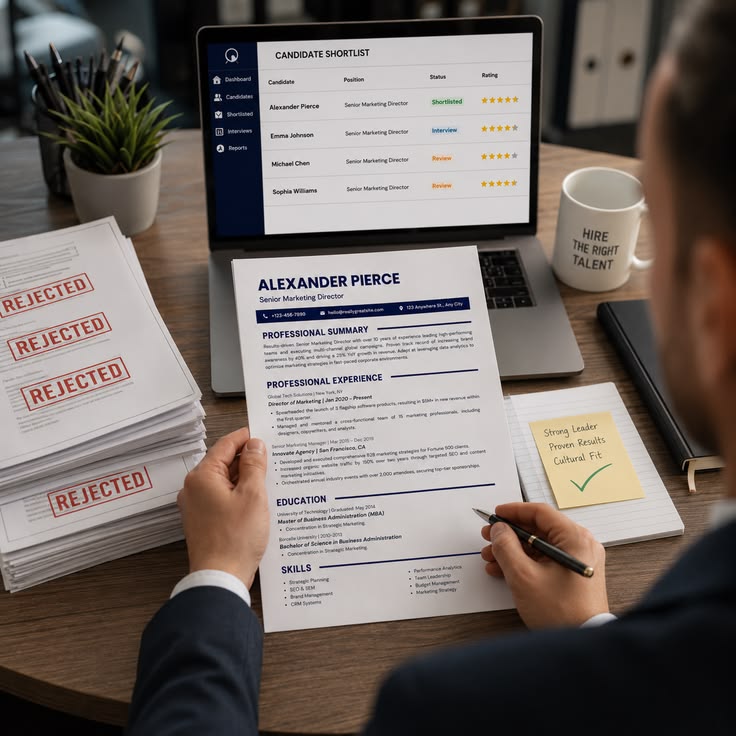
A beautiful resume is not useful if employers struggle to understand it. Your design should make important information easy to find quickly.
Use clear headings, readable fonts, consistent spacing, and simple formatting. Avoid filling the page with different colors, complicated graphics, or decorative elements.
Some industries may appreciate creative resumes, but simple usually works for beginners. Your contact information should also be easy to find near the top.
Include your name, phone number, professional email address, and relevant location information. You can include your LinkedIn profile if it is complete and professional.
Make sure every piece of contact information is accurate before applying. A single wrong number can make it impossible for an employer to reach you.
Keep Your Resume Focused
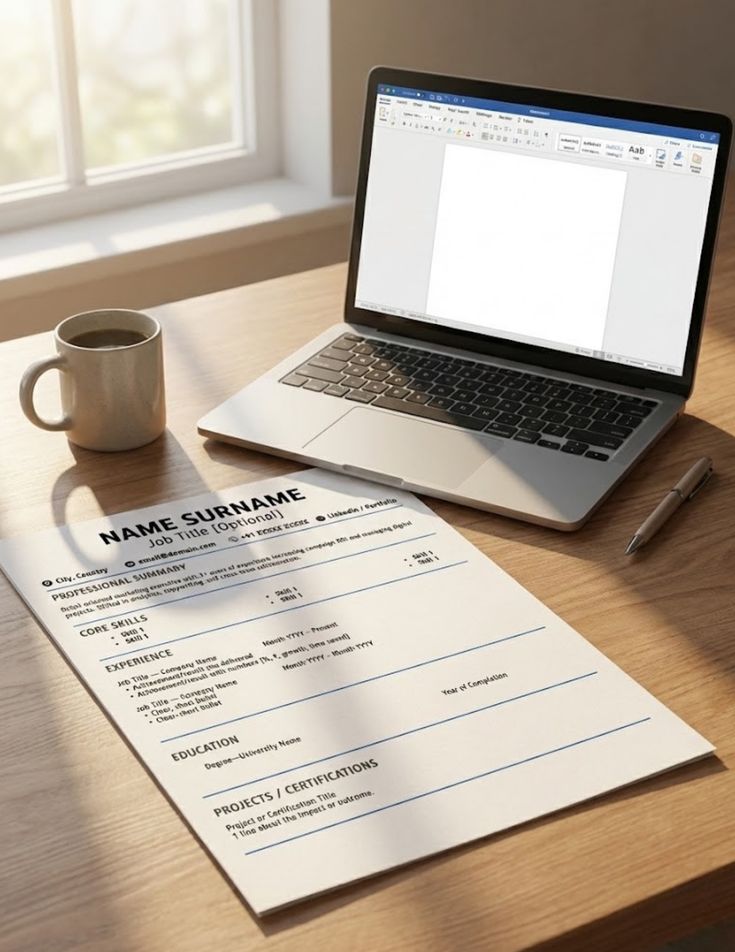
A beginner’s resume does not need to be five pages long. For most entry-level candidates, keeping it concise makes the document easier to read.
Try to include the strongest and most relevant information first. Remove experiences that have little connection with the position.
You can keep older or less relevant experiences if they demonstrate useful transferable skills. But avoid adding information simply because you are worried about having empty space.
White space is not automatically a bad thing on a resume. A clean page can actually make your strongest information easier to notice.
Continue reading here: How to Stay Organized When You Start a New Job
Check Your Resume for Simple Mistakes
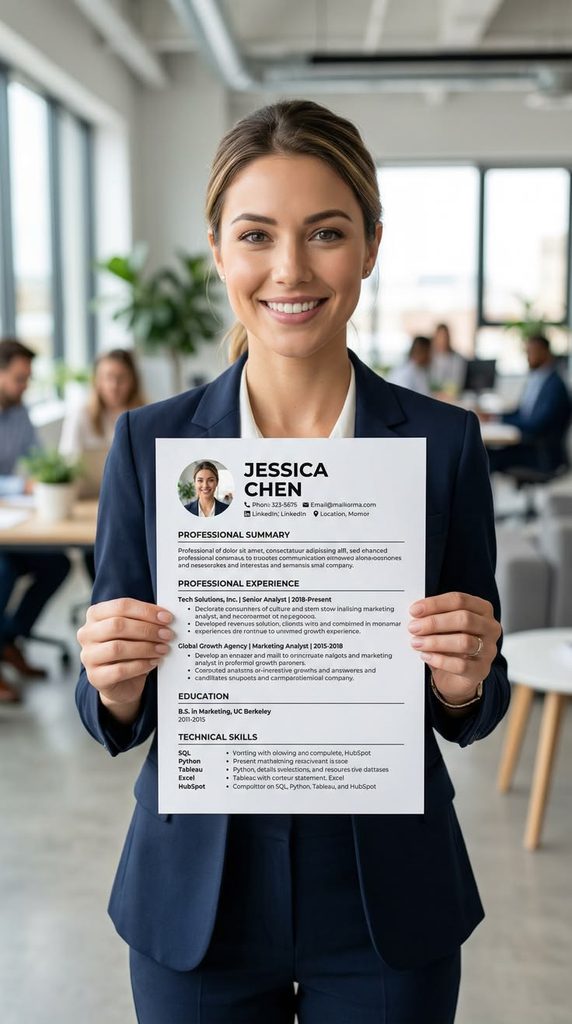
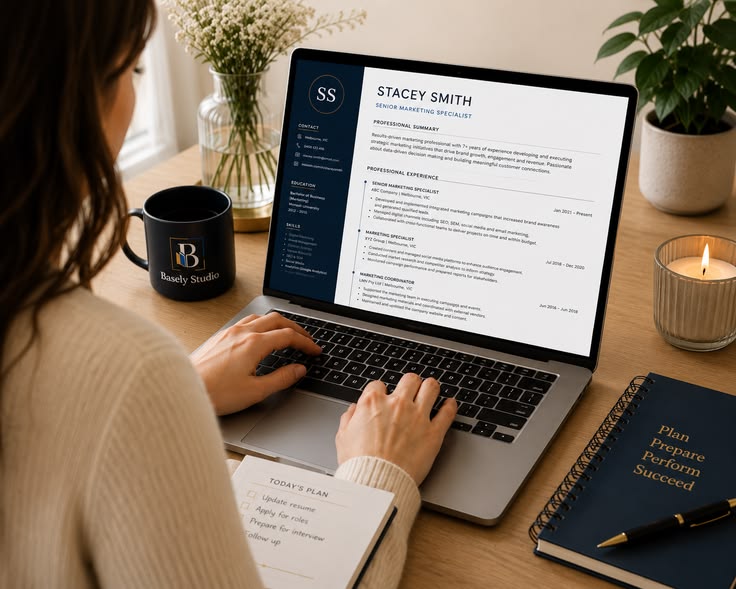
One small mistake can make an otherwise strong resume look rushed. Before submitting your resume, read everything carefully from beginning to end.
Check names, dates, phone numbers, email addresses, job titles, and school information. Look for spelling mistakes and awkward sentences that might distract the reader.
You should also make sure your formatting stays consistent throughout the document. For example, your headings should follow the same style from beginning to end.
Your bullet points should also use consistent punctuation and spacing. It can help to read the resume aloud before submitting it.
Sometimes your ears notice awkward wording that your eyes quickly overlook. You can also ask someone you trust to review it before applying.
Check Every Application Before Sending
Do not assume the resume you sent yesterday is perfect for today’s application. Read through it again after making changes for a different position.
Make sure you did not accidentally leave another company’s name somewhere. This mistake happens more often than many people realize.
It can make an employer question how carefully you handle important work. Take an extra minute before clicking the application button. That small habit can save you from an unnecessary and avoidable mistake.
Save this idea: How to Build Healthy Work Habits Early in Your Career

Create a Professional Email Address
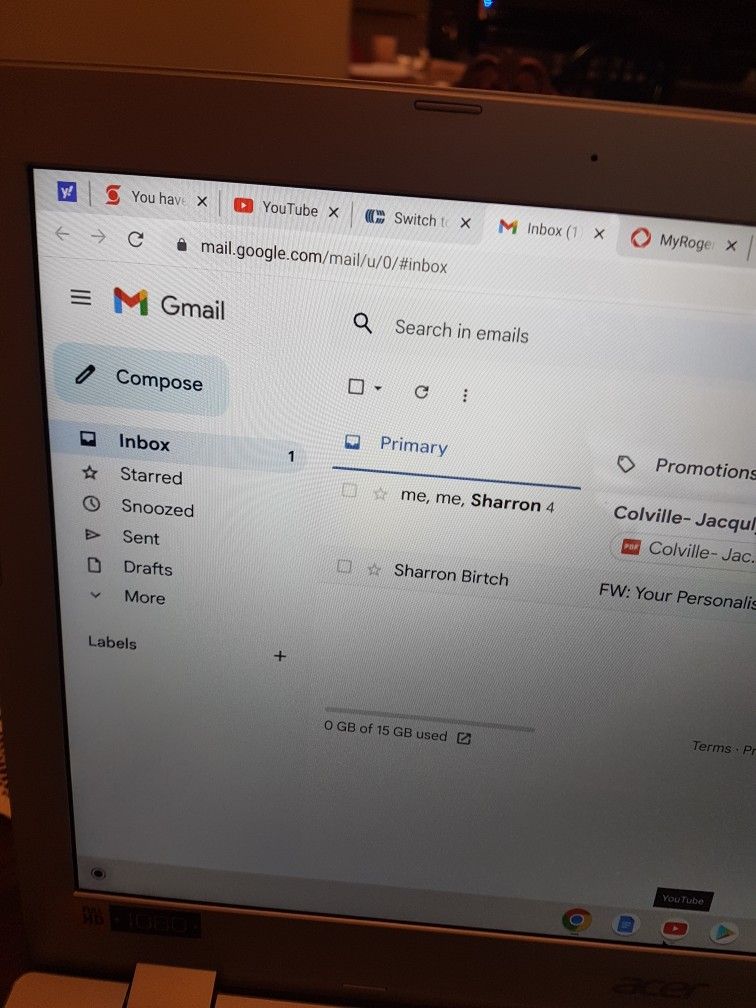
Your email address may seem like a tiny detail. But it can affect how seriously your application feels before anyone reads your resume.
If your current email address sounds playful or confusing, create a simple professional one. Using your name is usually the easiest option.
Avoid unnecessary numbers, nicknames, jokes, or phrases that could appear unprofessional. You should also check the email address carefully before adding it to your resume.
Knowing how to write professional emails at work can help you develop that communication skill early.
You do not want to miss an interview invitation because you forgot about the account.
Keep Your Online Presence Professional
Employers may sometimes search for candidates online before making hiring decisions. You do not need to erase your personality from the internet.
But it is worth checking what your public profiles communicate about you. Make sure your LinkedIn profile matches the basic information on your resume.
A professional online presence can support the image created by your resume.
Check this out: How to Write Professional Emails at Work

Avoid Lying About Your Experience
When your resume looks short, you may feel tempted to make things sound bigger. You might change an internship into a full-time position or exaggerate your responsibilities.
Please resist that temptation, because it can create serious problems later. Employers may ask detailed questions about anything you mention on your resume.
They may also contact previous employers or references to confirm certain information. Even if nobody checks, you still have to perform the job afterward.
A false claim can leave you struggling with responsibilities you never actually learned. Instead, present your genuine experience confidently and focus on your ability to learn.
There is nothing embarrassing about being at the beginning of your career.

Confidence Does Not Require Exaggeration
You can describe small experiences in a strong and professional way. The key is focusing on what you actually contributed.
For example, you do not need to claim that you led an entire project. You can say that you supported the project and handled specific responsibilities.
That still demonstrates useful experience without creating a false impression. Honesty also gives you better stories to discuss during interviews.
Your resume and your interview answers should tell the same professional story.
And when mistakes happen along the way, learning how to handle workplace mistakes professionally will help you grow instead of panic.
Your First Resume Does Not Need to Be Perfect
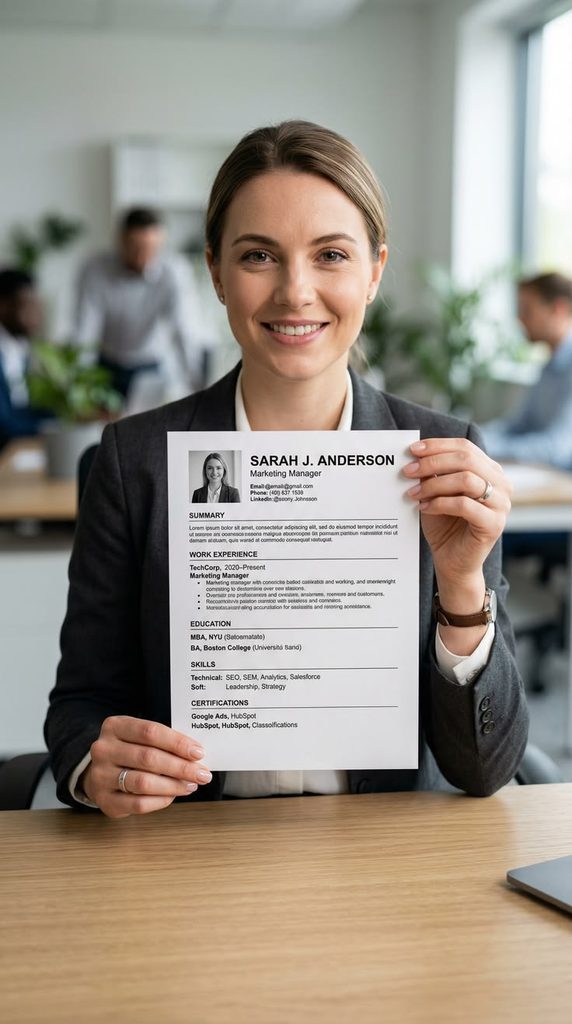
Your first resume may feel awkward compared with resumes belonging to experienced professionals. That is completely normal because you are comparing different stages of someone’s career.
Someone with ten years of experience naturally has more achievements to mention. Your job is not to compete with their history.
Your job is to clearly present the value you can offer right now. As you gain experience, your resume will naturally become stronger.
You will add jobs, projects, achievements, responsibilities, and professional skills. The short resume you have today can eventually become a detailed career record.
Learning how to ask for help at a new job without feeling embarrassed is an important professional skill.
Let Your Resume Grow With You
Treat your resume like something you update throughout your career. Whenever you complete a meaningful project, record it somewhere.
When you learn a useful skill, add it to your personal career notes. When someone recognizes your work, remember what you accomplished and how you contributed.
This makes future resume updates much easier. You will not have to sit down years later trying to remember everything.
Instead, you will already have a record of your professional growth. That habit can save you time whenever you apply for another opportunity.
Here’s what everyone is saving: How to Make a Great First Impression During Your First Week at Work

Final Thoughts
Writing your first resume can feel difficult because you are looking at everything you lack. You may not have years of experience, impressive job titles, or a long achievement list.
But that does not mean you have nothing valuable to offer an employer. Start by looking carefully at what you have already done.
Think about your education, projects, volunteering, internships, freelance work, and personal activities. Then identify the skills those experiences helped you develop.
Connect those skills to the responsibilities listed in the job description. Write clearly, stay honest, and avoid trying to sound more experienced than you are.
Your resume should help employers understand your potential, not convince them you know everything. Remember that your first professional opportunity has to start somewhere.
Your resume is simply the document that helps open that first door. It does not need to tell your entire career story yet.
It only needs to give someone a good reason to learn more about you. So stop staring at that blank page and assuming you have nothing to write.
Start writing down what you have done, what you learned, and how you helped. You may be surprised by how much useful experience has been hiding in your everyday life.
And when that first interview invitation finally arrives, you will be ready to explain it confidently.
Before you go, check this out: How to Prepare for Your First Job Interview
Leave a Reply