Setting up utilities in your first apartment can feel confusing, especially when you are handling everything yourself. You may suddenly have electricity, water, internet, waste collection, and other services to think about.
Before moving out, I thought utilities would be one simple task I could finish quickly. I soon realized that each service could have different providers, requirements, payment dates, and setup processes.
That can feel like a lot when you are already dealing with moving boxes and apartment decisions. But once you understand what needs to be arranged, the whole process becomes much easier to manage.
Your goal is not to figure everything out in one day. You simply need to know which services your apartment needs and who handles each one.
If you are still preparing for your move, What to Expect During Your First Apartment Move-In can help you prepare for moving day.

How to Set Up Utilities in Your First Apartment
Start by Checking Your Lease
Before contacting any utility provider, check your lease carefully. Your lease should give you useful information about which services you are expected to arrange yourself.
Some apartments include water, waste collection, or other services within the rent. Other rentals require tenants to create their own accounts and pay providers directly.
This can vary greatly between apartments, buildings, landlords, and locations. That is why you should never assume every utility belongs to you.
Take a few minutes to check the sections covering utilities, services, payments, maintenance, and tenant responsibilities. You should also look for information about existing accounts or providers connected with the property.
If you need help understanding your rental responsibilities, How to Read and Understand Your First Lease Agreement can help you review those details.
Knowing your responsibilities first prevents unnecessary calls and unexpected bills later.

Make a Simple Utility List
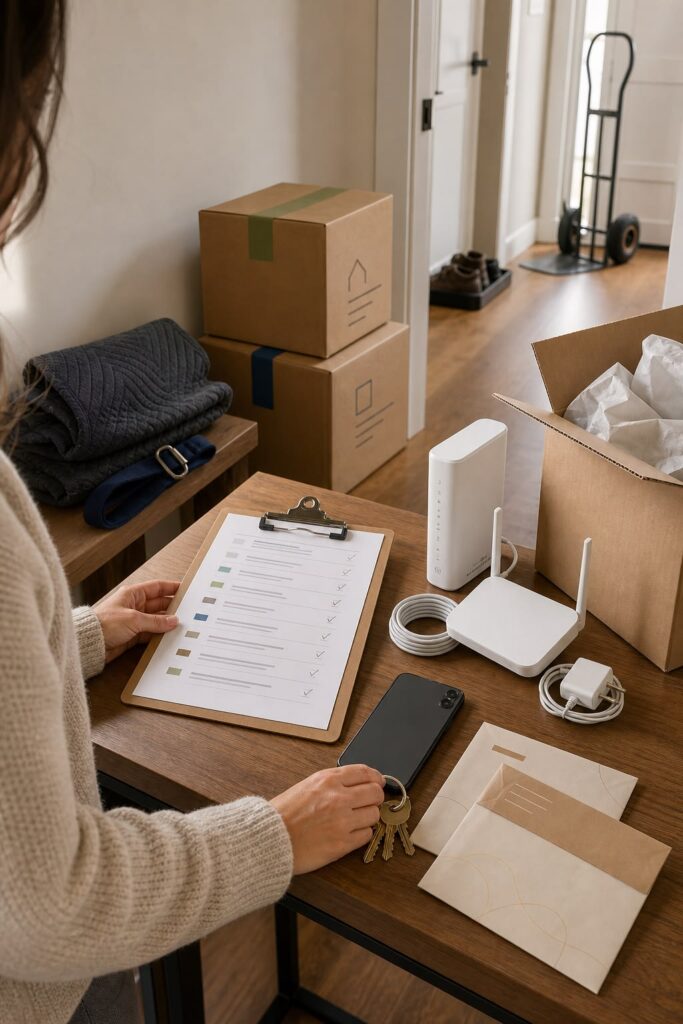
Once you understand your lease, make a simple list of the services your apartment needs. This gives you one clear place to see everything that requires your attention.
Your list might include electricity, water, gas, internet, waste collection, and other local services. You may not need every service listed because apartments and locations have different arrangements.
Start with the services you know are necessary for comfortable everyday living. Then check which ones are already active and which ones require your action.
This small step can make the setup process feel much less overwhelming. Instead of remembering several different tasks, you can simply work through your list gradually.
You can also add the provider, account number, payment date, and setup status beside each service. That way, everything important stays together instead of being scattered across messages and paperwork.
Find Out Which Services Are Already Active
Do not assume every utility will be switched off when you move in. Some services may already be active because the previous tenant used them.
Others may remain connected until a new tenant takes responsibility for the account. Ask your landlord or property manager what is already available before arranging anything.
This can help you avoid creating unnecessary accounts or paying for services incorrectly. You should also ask when your responsibility officially begins.
For example, you may need to take responsibility from your lease start date. In other situations, a provider may require you to complete registration before using the service.
Write down the information you receive so you can refer back to it later. Clear information at this stage can save you several confusing conversations afterward.

Set Up Electricity Early
Electricity is usually one of the first services you should think about. You need reliable power for lighting, refrigeration, charging devices, cooking, cooling, and many other everyday activities.
Find out which electricity provider serves your apartment and how new accounts are created. You may need identification, your apartment address, account details, or proof of tenancy.
Some providers may also require a deposit or initial payment before activating service. Ask about these requirements before moving day so you can prepare properly.
You should also ask how bills are calculated and how payments are made. Some systems may use prepaid arrangements, while others send regular bills after usage.
The exact process depends on your location and provider, so confirm the details directly.
If you are still learning how to manage your new home, What to Do During Your First Week in a New Apartment can help you organize these early tasks.
Understand Your Electricity Meter
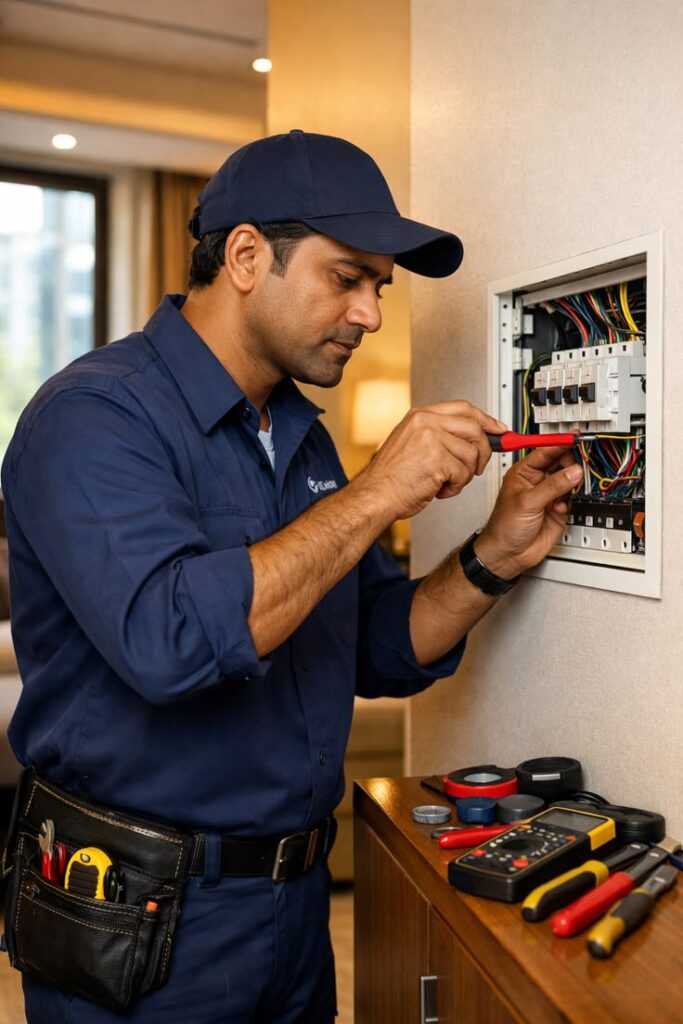
Your electricity meter is something you should become familiar with after moving in. The meter helps measure the electricity connected to your apartment and may affect your billing.
Before using the apartment regularly, find out where the meter is located. Ask your landlord or provider how the meter works if you are unsure.
You should also record the meter reading when your responsibility begins. Keeping a record can help you compare future readings and understand your usage better.
Take a clear picture showing the reading and date whenever possible. This gives you a simple record that can be useful if questions about usage appear later.
Do not worry if the meter looks complicated at first. You only need to understand the basic information required for managing your account properly.
Set Up Water Services
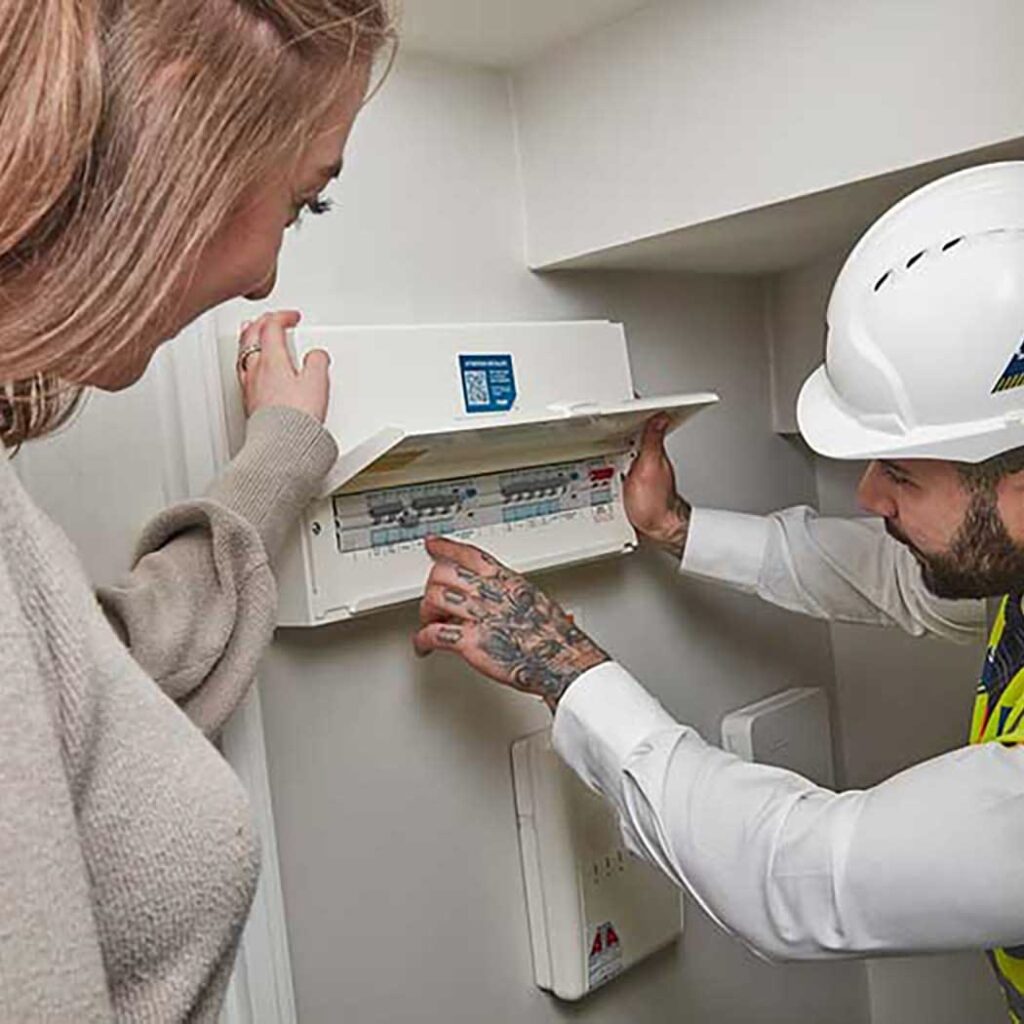
Water arrangements can be different from electricity, so check your rental agreement carefully. Some apartments include water within rent, while others require tenants to pay separately.
You may also find situations where water is managed by the building rather than individual tenantsAsk who handles water billing before opening an account with any provider.
You should also find out how water usage is measured and how charges are calculated. If you are responsible for the account, ask when billing begins and how payments work.
Check your taps, shower, toilet, and visible pipes after moving in. If you notice leaking water, report the problem quickly instead of waiting for your first bill.
A small leak can become an unnecessary expense when it continues for a long time. Understanding your water arrangement early makes household budgeting much easier.

Think About Internet Before Moving Day
Internet may not feel as urgent as electricity, but many renters depend on it daily. You may need internet for work, school, entertainment, communication, banking, or personal tasks.
Research the providers available in your area before your move whenever possible. Check which providers service your building because not every company may be available there.
You should also compare installation fees, monthly costs, contract terms, and expected speeds. Do not choose a plan simply because it advertises the highest speed.
Think about how you actually use the internet before deciding what you need. A person working from home may need something different from someone using occasional browsing and streaming.
Ask about installation dates because technicians may not be available immediately. If you need internet quickly, arrange the appointment before your moving day whenever possible.

Check for Gas or Other Services
Some apartments may use gas for cooking, heating, or other household needs. If your apartment uses gas, find out who supplies it and who handles the account.
Ask your landlord how the system works before trying to operate unfamiliar equipment. You should also know where the main shutoff point is located.
If you smell gas or notice something unusual, leave the area and seek appropriate assistance. Do not attempt complicated repairs yourself because utility systems require proper handling.
Some homes may also have other services connected to heating, cooling, waste, or building management. Your lease and landlord should help clarify which services apply to your apartment.
The important thing is understanding the systems before you depend on them regularly. That knowledge can make you feel much more confident inside your new home.

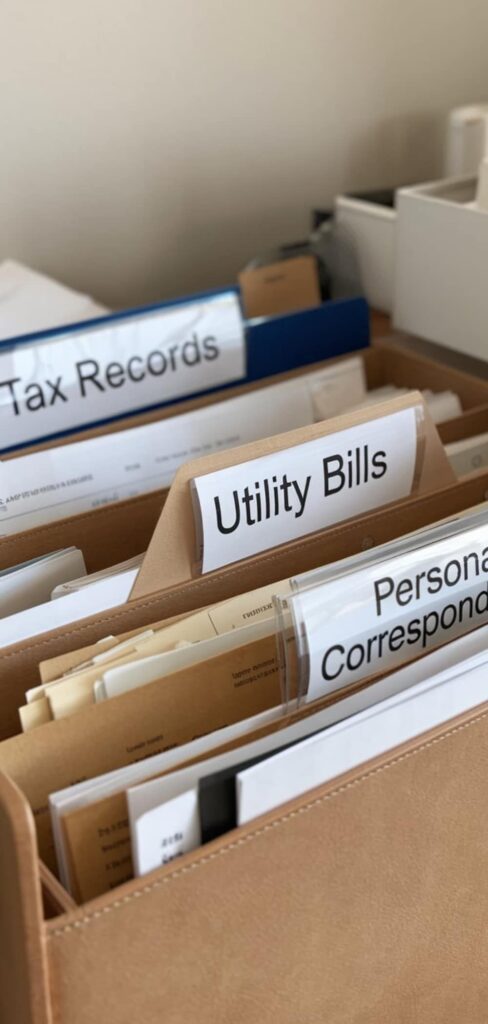
Keep Your Utility Details Together
Utility setup becomes much easier when all your information stays in one place. Create a simple folder for your utility documents, confirmations, receipts, and account information.
You can keep digital copies on your phone or computer for easy access. Write down each provider, account number, payment method, and important contact information.
You should also note the date each service started and any installation appointments. This information becomes especially useful when you need to contact a provider quickly.
It also makes moving easier later because you will already have organized records. Do not depend completely on your memory for payment dates and account details.
A simple calendar reminder can help you remember upcoming bills without constantly thinking about them. These small systems can make independent living feel much more manageable.

Understand Your First Utility Bills
Your first utility bill may look confusing because it can include several different charges. Do not panic if the amount looks different from what you expected.
Read the bill carefully and look for the billing period, usage, fees, taxes, and payment deadline. Some charges may relate to account setup or other services rather than regular usage.
If something does not make sense, contact the provider and ask for an explanation. It is better to understand a bill than simply pay it without knowing what you are paying for.
Keep your first few bills so you can compare your usage over time. This can also help you notice changes that may need further investigation.
Once you understand your normal usage, budgeting for utilities becomes much easier. That is one of the most useful parts of learning to manage your first apartment.

Plan Your Utility Budget
Utilities should have a place inside your monthly apartment budget. Your rent may be the biggest housing expense, but utility costs can add up quickly.
Think about electricity, water, internet, gas, waste services, and other regular household charges. Your actual costs may change from month to month depending on your usage.
For example, electricity costs may increase during periods when you use cooling more often. Internet may remain more predictable if you have a fixed monthly plan.
Try to estimate your regular costs before spending your entire monthly housing budget. Leaving some room for changes can help you avoid stressful surprises later.
You can also track your bills for the first few months to understand your pattern. That gives you a more realistic idea of what your apartment costs each month.

Look for Ways to Reduce Usage
Once your utilities are active, you can start paying attention to your everyday habits. Small changes can sometimes help you reduce unnecessary usage without making your home uncomfortable.
Turn off lights when you leave rooms and unplug devices you rarely use. Avoid leaving taps running unnecessarily, especially when brushing your teeth or cleaning.
Use appliances thoughtfully instead of running them repeatedly when you do not need them. You can also pay attention to how your cooking and cooling habits affect electricity usage.
The goal is not making your apartment uncomfortable just to save money. Instead, you want to understand where your household resources are going.
Simple awareness can make a difference when you are managing expenses independently for the first time.
If you are building practical routines around your home, How to Build Simple Home Habits That Save Time Every Week can give you more ideas.

Know Who to Contact When Something Goes Wrong
Utility problems can feel stressful when you are handling them alone for the first time. The first step is knowing whether the problem belongs to you, your landlord, or the provider.
For example, an outage affecting the whole building may not be something you can fix yourself. A damaged appliance inside your apartment may also require your landlord’s attention.
Check your lease and provider information before deciding what action to take. Keep emergency contact numbers somewhere easy to access, especially for important services.
You should also know how your building communicates service interruptions and maintenance updates. If something stops working suddenly, stay calm and gather useful information before calling.
Explain what happened, when it started, and anything unusual you noticed. Clear information helps the right person understand the problem faster.

Be Careful With Utility Contracts
Some utility services may involve contracts, deposits, installation charges, or cancellation fees. Before agreeing to anything, read the important terms carefully and ask questions about unclear charges.
Do not focus only on the advertised monthly price because other costs may apply. Check the contract length, installation fees, equipment charges, payment dates, and cancellation conditions.
You should also understand what happens if you move before the agreement ends. This matters because your first apartment may not always be your long-term home.
If a provider offers several plans, compare the total cost rather than one attractive feature. You do not need the most expensive package simply because it includes extra services.
Choose something that matches your actual needs and monthly budget. Taking a few minutes to understand the agreement can prevent expensive surprises later.

Set Up Your Utilities Before You Get Too Busy
The first days in a new apartment can become extremely busy. You may have furniture arriving, boxes everywhere, cleaning to do, and several errands waiting.
That is why utility setup is easier when you start before everything becomes chaotic. Make your calls, create accounts, and schedule installations as early as possible.
Keep confirmation messages so you know exactly when services should begin. If an appointment is scheduled, add it to your calendar immediately.
You can also prepare questions before contacting each provider so you do not forget anything important. Doing these small tasks early gives you fewer things to worry about after moving.
When I first started handling household services myself, I underestimated how quickly small tasks could pile up. Now, I prefer handling important setup tasks early because it leaves more room for unexpected issues.
Keep Your Utility Setup Simple
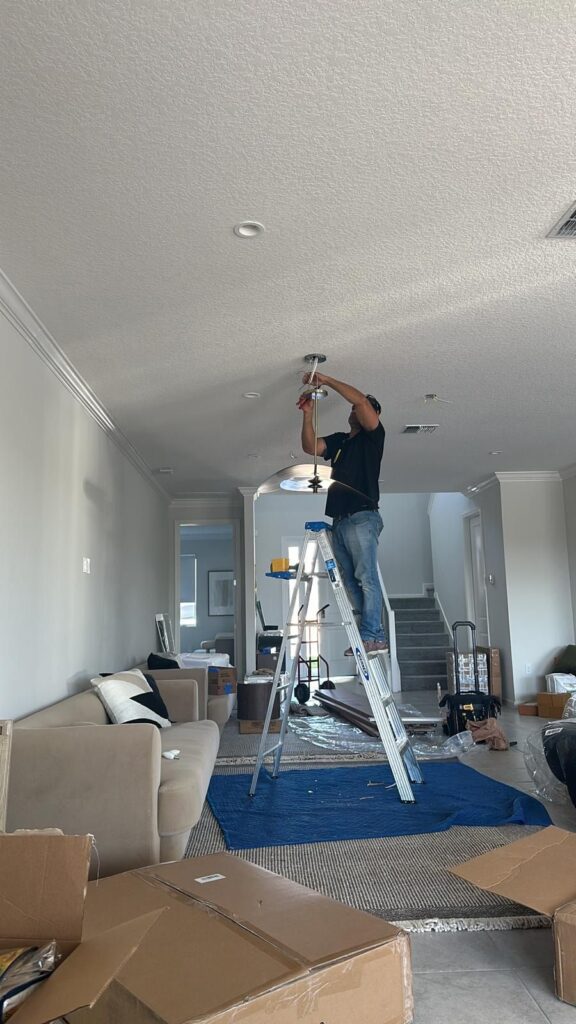
You do not need a complicated system for managing your apartment utilities. A basic spreadsheet, notebook, phone note, or calendar can be enough for most renters.
Keep the provider name, account number, payment date, and expected monthly cost together. Add reminders for bills and appointments so important dates do not sneak up on you.
You can also review your utility spending at the end of each month. This helps you notice patterns and decide where small changes might help.
If you share the apartment, agree on how shared utility bills will be handled. Clear arrangements are especially important when roommates have different schedules or usage habits.
For more ideas about sharing household responsibilities, How to Split Household Responsibilities With a Roommate can help you create a fair system.
The simpler your system feels, the more likely you are to keep using it.
Make Your New Apartment Feel Comfortable
Utilities are practical, but they also affect how comfortable your home feels. Reliable electricity, water, internet, and other services allow you to settle into your normal routine.
Once the basics are working, you can focus more attention on making the apartment feel personal. You do not need expensive decorations to make your rental comfortable.
Small changes can make a big difference when they suit your everyday needs. A comfortable lamp, curtains, soft bedding, or useful storage can change how a room feels.
You can also add personal touches gradually instead of buying everything immediately.If you want more ideas, How to Make a Rental Feel Like Home Without Permanent Changes can help.
Your utilities provide the basic comfort, while your everyday choices slowly make the apartment yours.

Keep Your Home Organized Around Your Utilities
Once your utilities are running, keep related information easy to find. For example, store meter information, bills, provider details, and service contacts together.
You should also know where important utility equipment is located inside your apartment. Knowing these details can help when maintenance workers visit or when something suddenly stops working.
If your apartment has limited storage, avoid keeping unnecessary paperwork in several different places. Digital records can reduce clutter while keeping important information accessible.
Your home becomes easier to manage when important systems have clear places. This same idea applies to cleaning supplies, household documents, tools, and other practical items.
For more small-space organization ideas, https://adultishly.com/how-to-organize-a-small-apartment/ can help you create practical storage systems.
Good organization saves time because you spend less energy searching for things.
Review Everything After Your First Month
After living in your apartment for a month, review how your utilities are working. Look at your bills, usage, service quality, and any problems you experienced.
You may discover that your electricity usage is higher than expected. Perhaps your internet plan is more than you actually need, or your water bill seems unusual.
This is a good time to ask questions and make sensible adjustments. Do not make changes simply because one bill was higher than expected.
Look at your usage over several weeks before deciding what needs changing. You can also update your monthly budget based on what you have learned.
Your first month gives you real information that estimates cannot provide. That information can make future apartment budgeting much easier.

Final Thoughts
Setting up utilities in your first apartment may seem complicated, but it becomes easier once you break it down. Start by checking your lease and understanding which services you need to arrange yourself.
Then find out which utilities are already active and which providers serve your apartment. Set up important services early and keep your account information organized in one place.
Pay attention to bills, payment dates, usage, and any extra charges that appear. Do not hesitate to ask questions when something does not make sense.
You are learning how to manage your home independently, and that takes time. Your first utility setup may not be perfect, but each experience teaches you something useful.
Soon, checking bills, managing accounts, and handling household services will feel like normal parts of your routine. That confidence is one of the best things you can gain from living independently.
Leave a Reply