Moving into your own place sounds exciting until the first morning arrives and nobody is there to remind you what comes next.
You wake up, look around, and realize every small decision now belongs to you. You decide what to eat, when to clean, when to shop, and when to finally get some rest.
That freedom can feel amazing, but it can also feel strangely overwhelming at first. Your first week living alone is not about proving that you can handle everything perfectly.
It is about learning your new space, finding your rhythm, and understanding what independent life really feels like. Some moments may feel exciting, while other moments may leave you missing familiar routines.
That mix is normal, especially when you are experiencing so many changes at once.
If you are still preparing for the bigger transition, What to Expect When You Move Out for the First Time gives you a helpful starting point.
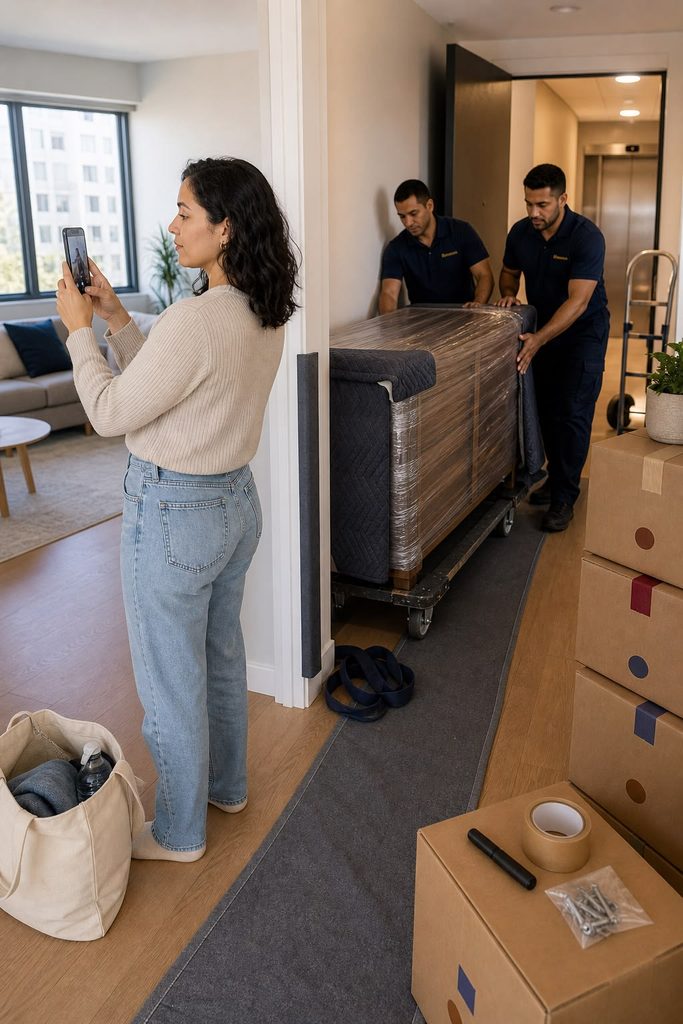
What to Expect During Your First Week Living Alone
Your First Morning May Feel Completely Different
Your first morning alone may feel different from every morning you experienced before. There is nobody walking around the house, asking what time you are leaving.
You may wake up and enjoy the quiet because the entire space finally belongs to you. At the same time, that quiet might feel strange if you are used to company.
You also have to decide how your morning will actually work from this point. Nobody is reminding you to prepare breakfast, pack your things, or leave on time.
That freedom can be enjoyable, but it also means your choices now have consequences. Try not to create a complicated morning routine immediately after moving.
Give yourself a few days to notice what feels natural and what needs changing. Your first morning is simply the beginning of learning how your new life works.

The Quiet Can Feel Exciting and Uncomfortable
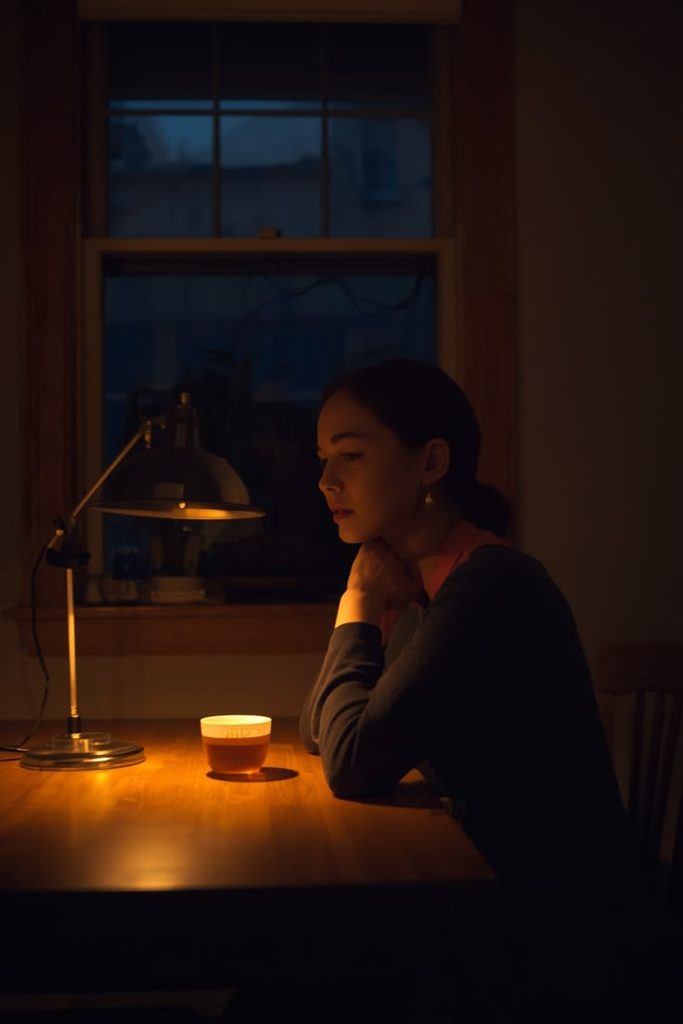
Living alone can make ordinary sounds suddenly feel much louder than before. You may notice the refrigerator running, water moving through the pipes, or footsteps outside.
At first, your mind might make those sounds feel more important than they really are. You may even find yourself checking the door because the place feels unfamiliar.
This does not mean you are incapable of living alone. Your brain is simply adjusting to a different environment and a new sense of responsibility.
After several nights, many of those unfamiliar sounds will become normal background noise. You will also start recognising the sounds that belong to your building or neighbourhood.
During my first few nights alone, I remember noticing every little sound around me. Eventually, I stopped paying attention because the space began to feel familiar.
Give yourself time to reach that comfortable stage instead of expecting it immediately.
You May Feel Excited About Your Freedom
There is something special about realizing you can finally make your own choices. You can choose what to eat, what music to play, and how your evening should look.
Nobody needs to approve your bedtime, weekend plans, or decision to rearrange your room. That freedom is one of the most enjoyable parts of living alone.
You may suddenly feel proud because something you once imagined has finally become real. Enjoy those moments because independence should not feel like responsibility all the time.
You can make your favorite meal, watch something late, or enjoy complete silence. Still, remember that freedom works best when you balance it with responsibility.
Spending the entire week ignoring chores or sleeping through important commitments can create problems quickly. Enjoy your freedom, but also learn how to use it wisely.

You May Also Miss Your Old Home
Even if you were desperate to move out, you can still miss where you came from. You may miss familiar conversations, shared meals, household sounds, or simply knowing someone was nearby.
That feeling can appear suddenly, especially during quiet evenings. It does not mean you regret moving or that independent living is wrong for you.
Homesickness is often part of adjusting to a major change in your everyday life. You can call someone you trust when you need a familiar voice.
You can also bring small routines from your previous home into your new space. Maybe you enjoy the same breakfast, evening show, music, or weekend routine.
Those familiar habits can make your new home feel more comfortable. With time, you will create new memories that make the space feel like yours.

Your First Week May Expose Forgotten Expenses
Moving into your own place often reveals expenses you did not think about beforehand. You may suddenly need toiletries, cleaning products, food, laundry supplies, or other household basics.
A few small purchases can quickly become a noticeable amount of money. This is why your first week is useful for checking how your budget works in real life.
Look at what you expected to spend before moving and compare it with what actually happened. You may find that transportation costs more than expected or groceries disappear faster.
You could also discover that some things you bought were unnecessary. Do not panic if your first budget needs adjustments. Use the experience to create a more realistic plan for the weeks ahead.
For deeper preparation, How to Prepare Financially Before Living on Your Own can help you understand these costs before they become stressful.

Your First Grocery Trip May Teach You Plenty
Your first grocery shopping trip can feel exciting because you finally choose everything yourself. But walking into a store without a clear plan can make you spend far more than expected.
You may buy snacks, drinks, ingredients, and household products that seemed useful at the time. Then you get home and realize you forgot the basic foods you actually needed.
During my first grocery trip after moving out, I underestimated how quickly simple household items would disappear. I had plenty of snacks but somehow forgot several things needed for normal meals.
That experience taught me to think about actual meals instead of shopping based only on cravings. Your first week is the perfect time to learn what foods you regularly use.
For more help with this stage, How to Prepare for Your First Grocery Shopping Trip can guide your planning.

You Will Start Discovering Your Home’s Routine
During the first week, you will slowly learn how your home behaves throughout the day. You may notice when the apartment becomes warmer, quieter, busier, or noisier.
You will also discover which rooms you use most and which areas need better organization. Small details become easier to notice when you are spending more time alone.
Maybe your kitchen needs better storage, or your bathroom needs a different cleaning routine. You may also realize that certain items are inconveniently placed.
That is fine because your first arrangement does not need to remain permanent. Move things around until your home works better for your daily habits. The goal is creating a space that supports your life instead of making ordinary tasks harder.

You May Realize How Much Work a Home Needs
Living alone can change how you see household chores. When you lived with other people, some tasks may have happened without you noticing.
Now, you see the dishes, laundry, rubbish, dust, groceries, and cleaning that need attention. At first, the amount of work may feel surprising.
But you will soon realize that most household tasks become manageable when you handle them regularly. Washing a few dishes today is much easier than facing a sink full of them later.
The same idea applies to laundry, cleaning, grocery shopping, and taking out rubbish. You do not need to spend your entire weekend cleaning your home.
Small habits can keep your space comfortable while leaving you enough time for other parts of life.

Your Laundry Routine Will Become Your Responsibility
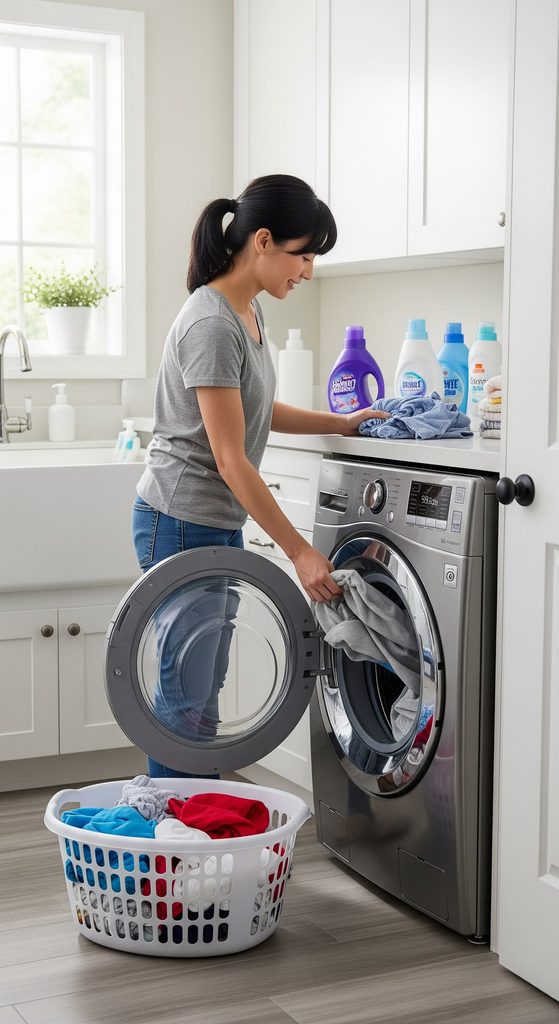
Laundry is one of those everyday responsibilities that becomes very obvious when you live alone. Nobody else is going to notice that you have run out of clean clothes.
You have to notice it yourself and make time to wash everything. Your first week is a good time to understand how much laundry you normally create.
Pay attention to washing instructions, drying space, detergent use, and how long each load takes. You may also need to learn how much your washing machine can handle comfortably.
Avoid filling it beyond its recommended capacity just because you want fewer loads. A simple laundry routine can save you from running out of clothes unexpectedly.
Once the routine becomes familiar, laundry becomes another ordinary part of your week.
You May Need to Check Your Lease Again
Your first week is also a good time to review important parts of your lease. You may have forgotten some details after dealing with moving, packing, payments, and other responsibilities.
Check the rules surrounding guests, repairs, noise, parking, rubbish, and maintenance. Also, make sure you understand how to report problems inside the property.
You should know who to contact if something stops working or needs professional attention. This is especially important because guessing can sometimes create unnecessary problems.
If you are still learning how leases work, What to Do Before Signing Your First Lease can help you understand what deserves attention.
Keep your lease somewhere safe because you may need to check it again later. Understanding your agreement can make your first week feel much more organized.

Your First Utility Bills May Become More Real
Utility costs can feel different when you are suddenly responsible for paying them yourself. You may have electricity, water, internet, waste services, or other regular household charges.
Some costs may be fixed, while others can change depending on your usage. Your first week is a good time to find out exactly which services belong to you.
Check your account information, billing dates, payment methods, and expected due dates. Also, learn simple ways to avoid wasting electricity or water around your home.
Leaving lights, appliances, or cooling systems running unnecessarily can increase your future costs. You do not need to become obsessed with every unit of electricity you use.
Just develop sensible habits that keep your home comfortable without wasting money.
How to Prepare for Your First Utility Bills can also help you understand this part of independent living.

You May Start Understanding Your Neighborhood
Your first week is a great time to explore the area around your new home. You should know where to find basic things you may need during an ordinary week.
Look for nearby grocery stores, pharmacies, transportation options, banks, and other useful services. You do not need to explore everywhere immediately.
Start with places that can help you handle everyday needs without traveling too far. You might discover a cheaper grocery store or a more convenient transportation route.
You can also learn which roads feel easier to use during busy periods. Getting familiar with your surroundings can make the whole area feel less strange.
After a few trips, you may stop checking directions for places you visit regularly. That small sense of familiarity can make independent living feel much more comfortable.

You May Need to Create a Safety Routine
Living alone means you need to become more aware of basic safety around your home. Check that your doors and windows close properly and remember to lock them.
Keep important emergency numbers saved somewhere you can access quickly. You should also know where your keys are before leaving your home.
It sounds simple, but rushing out and forgetting your keys can create a stressful situation. Pay attention to who you allow into your home and avoid sharing private information carelessly.
If something inside your home feels unsafe, take the concern seriously and seek appropriate help. You do not need to become fearful to become responsible.
Simple habits can give you greater peace while helping you feel more secure in your new environment.

Your Social Life May Feel Different
Living alone can change how you spend time with friends and family. You may suddenly have more freedom to invite people over or make plans.
At the same time, you may realize that nobody automatically fills your evenings anymore. That can make your social life feel different during the first week.
Try not to isolate yourself simply because you are adjusting to your new home. Keep talking with people you trust and make plans when you genuinely want company.
You can also enjoy quiet time without feeling like something is wrong. Independent living gives you the chance to decide how much social time feels right.
Just remember that having your own space does not mean cutting yourself off. Healthy relationships can make the transition into adulthood feel much easier.

You May Have a Few Small Things Go Wrong
Something will probably not go exactly as planned during your first week. Maybe an appliance behaves strangely, you forget something at the store, or you misplace your keys.
Small problems can feel much bigger when you are handling them alone for the first time. Try not to treat every problem like an emergency.
Pause, understand what happened, and decide what needs attention first. Sometimes you can solve the issue yourself, while other situations require your landlord or another professional.
Knowing when to ask for help is part of becoming responsible. You do not lose your independence because you asked someone for useful advice.
Instead, you learn from the experience and become better prepared for the next problem.

You May Feel Tired From Making So Many Decisions
Your first week can be mentally tiring because almost everything requires some decision. You decide what to buy, what to clean, when to rest, and how to organize your time.
You also think about work, money, meals, transportation, laundry, and other everyday responsibilities. Even simple choices can become tiring when there are many of them.
That is why you should avoid making your first week unnecessarily complicated. Choose simple meals, simple routines, and practical solutions while you adjust.
You do not need to decorate every room or buy everything immediately. Give yourself permission to leave some decisions for later.
Your energy is limited, and using it wisely can make your first week much easier.

You Will Start Learning What You Actually Need
Moving out can make you realize that you do not need as many things as you expected. You may have packed items that rarely get used while forgetting something genuinely important.
That is completely normal because it is difficult to predict every need before living independently. During your first week, pay attention to what you keep reaching for.
Those repeated needs can show you what deserves a permanent place in your home. You may also discover items that simply take up space without adding much value.
Avoid rushing to buy replacements for everything you forgot. Make a small note and purchase things gradually as your budget allows. Your home will become more practical as you learn what actually supports your everyday life.

You May Start Building Your Own Rhythm
By the end of the first week, your days may already feel slightly easier. You might know when you prefer grocery shopping, cleaning, cooking, resting, and doing laundry.
You may also know which parts of your home need attention during the week. That does not mean you have everything figured out.
It simply means your brain is beginning to understand your new routine. You will continue changing things as you discover what works better.
Your first week is mainly about observing, adjusting, and giving yourself room to learn. The routines you build now can become useful foundations for the rest of your first month.
If you are entering that next stage, How to Navigate Your First Month of Independent Living can help you continue from here.

You Should Not Expect Yourself to Have Everything Together
One of the biggest mistakes you can make during your first week is expecting perfection. You are learning how to manage a home, money, time, responsibilities, and personal needs.
Nobody becomes completely skilled at independent living after seven days. Some things will go smoothly, while other things will require another attempt. That does not mean you are failing.
It simply means you are gaining experience through real situations instead of just reading about them. Give yourself credit for the things you handle, even when they seem ordinary.
Paying a bill, cooking dinner, cleaning your room, or solving a small problem all count. These everyday actions slowly build the confidence you need for adulthood.

Your First Week Can Teach You More Than You Expect
The first week living alone can teach you things that planning alone never could. You discover how you actually spend money, use your time, manage your home, and handle unexpected situations.
You also discover how you respond when nobody else is automatically available to take over. Those lessons are valuable because they help you understand yourself better.
You may find that you are more capable than you expected. You may also discover areas where you still need better habits or more preparation.
Both discoveries are useful because independent living is an ongoing learning process.
As you become more comfortable, How to Manage the Responsibilities of Living on Your Own can help you handle the bigger picture.
The first week is not about proving anything to anyone. It is simply your first real chance to learn how your independent life works.
Let Yourself Enjoy the Little Moments
Amid all the responsibilities, remember to notice the small moments that make independence enjoyable. Maybe you drink coffee quietly in your own kitchen for the first time.
Perhaps you come home after a long day and enjoy knowing you created your own space. You might cook something simple, rearrange your room, or enjoy music without interruptions.
These moments may seem ordinary, but they can become meaningful memories later. Independent living is not only about bills, chores, groceries, and responsibilities.
It is also about having a space where you can grow into the person you want to become. Enjoy those small freedoms without forgetting the responsibilities that come with them.
Your home should be a place where responsibility and comfort can exist together.

Use the First Week to Build Confidence
Confidence does not suddenly appear because you received your own keys. It grows slowly as you handle ordinary situations and realize you can manage them.
Every successful decision gives you another reason to trust yourself. Even mistakes can build confidence when you learn something useful from them.
Maybe you learn to check your grocery list before shopping or set reminders for bills. Perhaps you discover that cleaning little by little works better for your schedule.
Those lessons may seem small, but they become important as your responsibilities grow. As the months pass, these small experiences can change how you see yourself.
For the bigger journey ahead, How to Build Confidence During Your First Year of Adult Life can help you keep that growth moving.
Your first week is only the beginning, but it can set the tone for everything that follows.

Final Thoughts
Your first week living alone may not look exactly like you imagined before moving. Some days may feel exciting, while others may leave you tired, lonely, confused, or overwhelmed.
That does not mean you are doing something wrong. It simply means you are adjusting to a major change in your everyday life.
You are learning how to manage your home without depending on someone else to notice everything. You are also learning how money, chores, meals, bills, safety, and personal time fit together.
Some lessons will come from careful planning, while others will come from small mistakes. Give yourself enough space to learn without expecting everything to become perfect immediately.
By the end of that first week, you may already understand yourself and your home better. You may know what needs changing, what needs buying, and which routines feel comfortable.
Most importantly, you will have started building real experience with independent living.
That experience will help you move into your first month with greater awareness and confidence.
Take things one day at a time, handle what needs attention, and enjoy the freedom you worked toward.
Your first week does not need to be perfect.
It simply needs to be the beginning of a life you are learning to manage for yourself.
Leave a Reply