Living alone sounds exciting until you realize your money has nowhere else to hide. There is no parent quietly buying groceries when your kitchen suddenly looks empty.
Nobody may remind you that rent is due before you spend your money elsewhere. You start realizing that independence is exciting, but it also comes with responsibility.
That realization can feel scary, especially when everything about adulthood feels completely new. But you do not need to become rich before moving into your own place.
You simply need to understand your money and prepare for your regular expenses. Good preparation can help you enjoy independence without constantly worrying about money.
If moving out is still ahead, What to Expect When You Move Out for the First Time can help you understand the bigger picture.
Financial preparation is not about having a perfect budget from day one. It is about knowing what comes in, what goes out, and what needs attention.
Once you understand those things, living independently can feel much more manageable.

How to Prepare Financially Before Living on Your Own
Start by Knowing Exactly How Much Money You Have
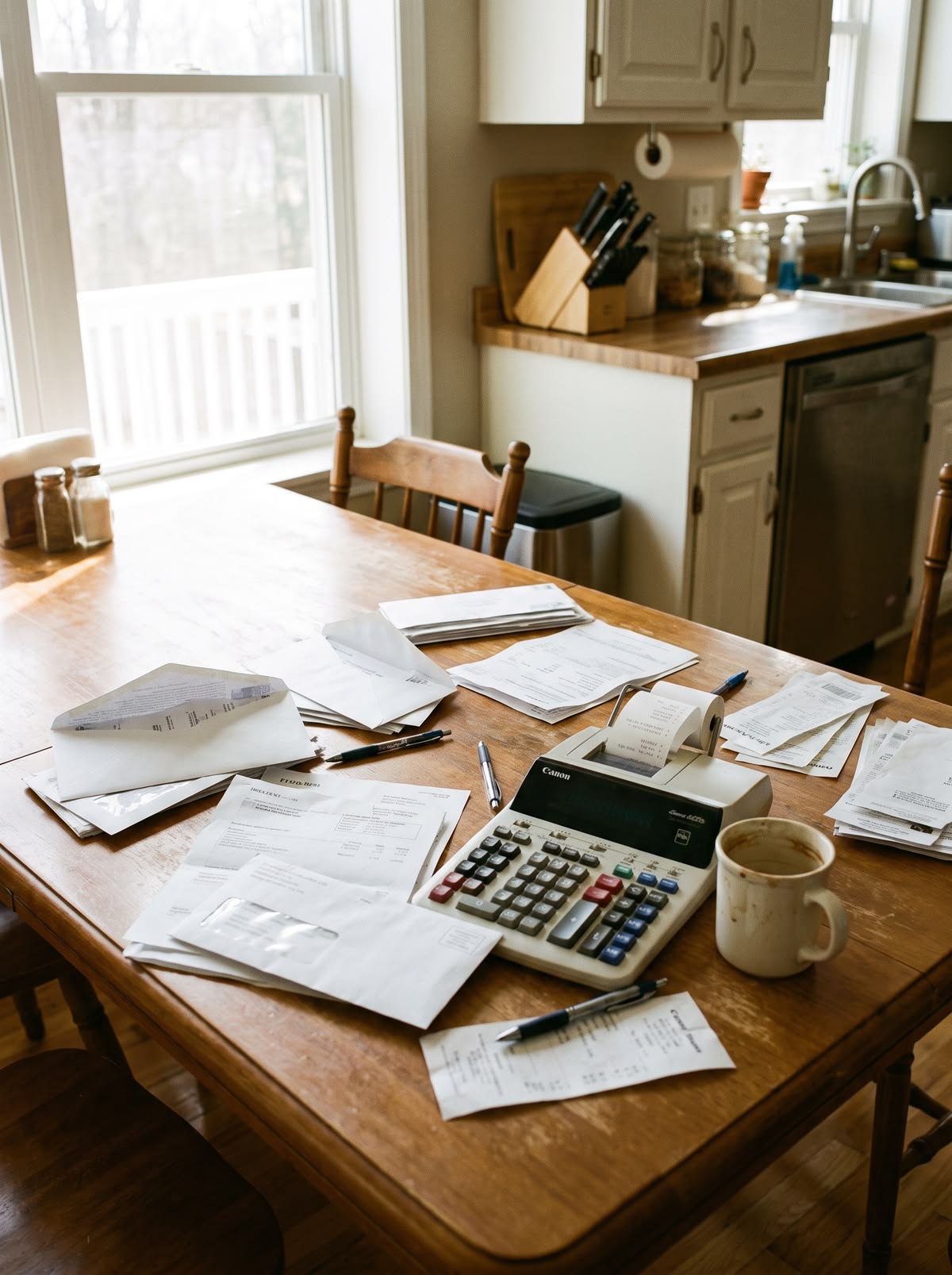
Before planning your independent life, you need a clear picture of your regular income. Look at the money you receive from work or other reliable sources, avoiding inconsistent income when planning your budget.
Write down your usual income and note when that money arrives each month. The timing matters because bills often have specific payment dates attached to them. Knowing when money arrives and leaves can prevent several avoidable financial surprises.
During my first serious attempt at managing money independently, I focused only on my balance. I later realized that knowing my balance was different from understanding my spending.
Your income does not need to be huge before you start planning. You simply need an honest picture of what you currently have.

Calculate Your Expected Housing Costs Before Moving
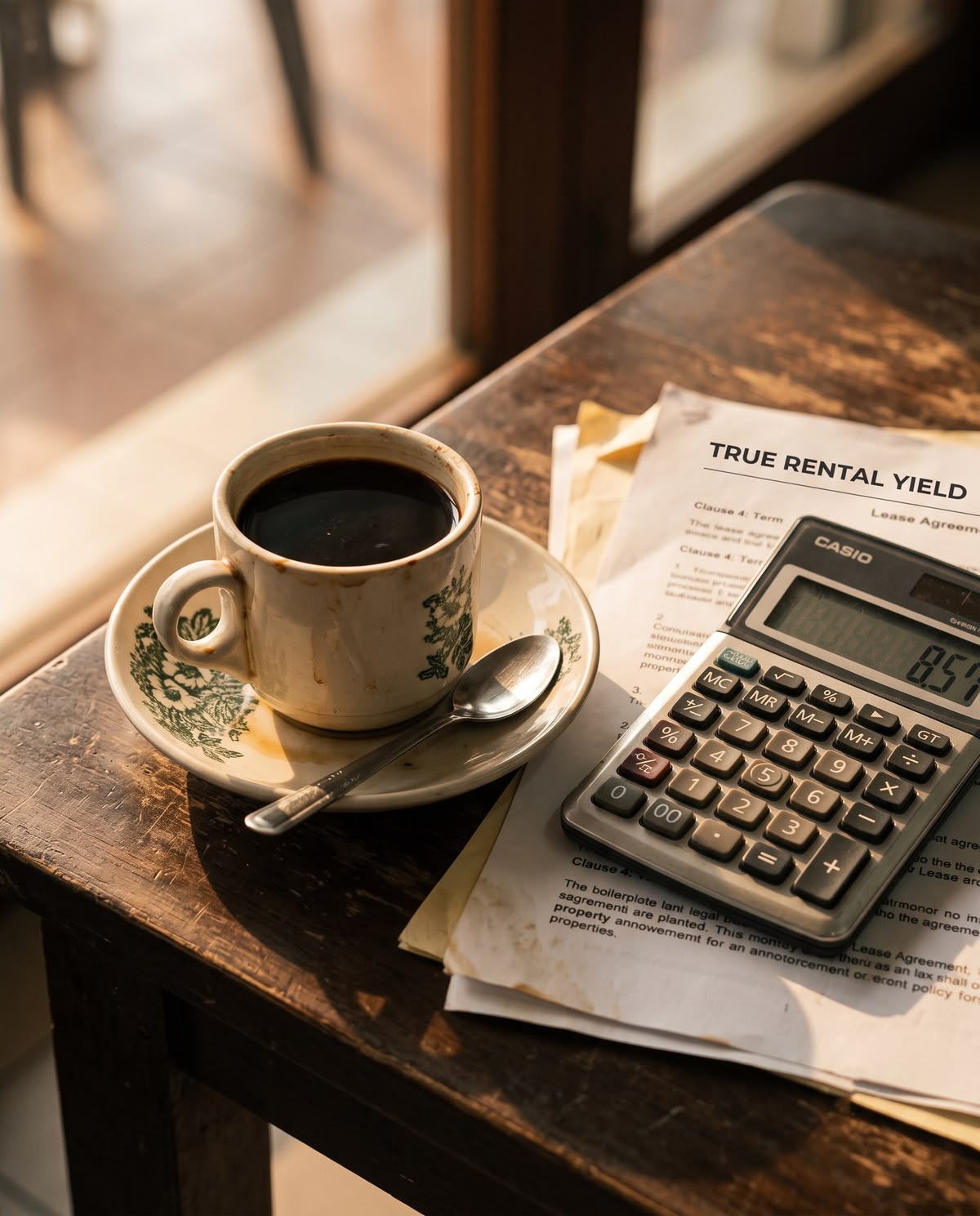
Housing will probably become one of your biggest monthly expenses when you begin living independently. Therefore, understand the full cost before choosing an apartment, rather than focusing only on advertised rent.
Your actual housing costs may include utilities, internet, parking, building services, and other recurring charges. Before signing your first lease, ask for a complete breakdown of every expected payment. You should also consider deposits, application fees, moving costs, and basic household items.
A place that looks affordable can become expensive after everything is added together. That is why What to Do Before Signing Your First Lease deserves attention before deciding.
Compare your housing costs with your monthly income and consider what remains for food, transport, savings, and emergencies.
Want to check if an apartment fits your income? My planner has an affordability worksheet with a rent-to-income check, so you can see your income, expenses, and what’s left before you commit. See the planner
Build a Budget That Looks Like Your Real Life
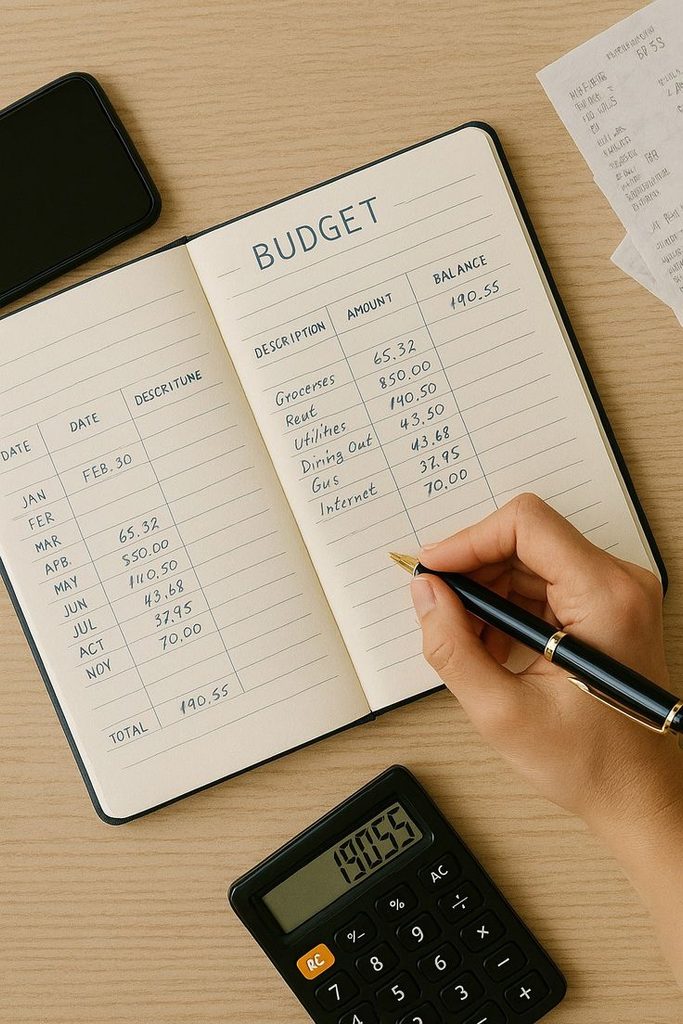
A budget should help you understand your money without making independent living feel miserable. Start by listing housing, food, transportation, utilities, phone costs, and other regular expenses.
Then include personal spending such as entertainment, clothing, subscriptions, eating out, and small treats. Ignoring these expenses can make your budget look better than reality, making it harder to follow.
You do not need complicated spreadsheets or expensive budgeting applications to manage your money effectively. A simple notebook, phone note, or basic spreadsheet can work perfectly well.
As you build your plan, How to Prepare for Your First Grocery Shopping Trip can help estimate realistic food expenses. Your budget should also leave room for unexpected expenses and changing circumstances.
Build a Budget That Looks Like Your Real Life
Separate Your Needs From Your Wants
One of the biggest changes when living alone involves making every spending decision yourself. Nobody else may be watching how quickly your money disappears.
That freedom can feel wonderful at first, but it can also become expensive. A useful habit involves knowing the difference between needs and wants.
Rent is a need because you need somewhere safe to live. Food is a need because your body needs regular meals.
Transportation may also be necessary for work, school, or important appointments. Meanwhile, expensive entertainment or extra shopping may fall into the wants category.
That does not mean you can never spend money on enjoyable things. You simply need to understand what deserves attention first.
When money becomes tight, needs should usually receive priority. You can then decide what wants still fit comfortably into your budget.
This approach allows you to enjoy your money without ignoring important responsibilities. It also makes financial decisions easier during difficult months.
You do not need to feel guilty whenever you buy something enjoyable. Instead, ask yourself if the purchase fits your current financial situation.
That simple question can prevent many unnecessary spending habits. Over time, you will become better at making these decisions naturally.
Prepare for the Costs That Come Before Moving Day
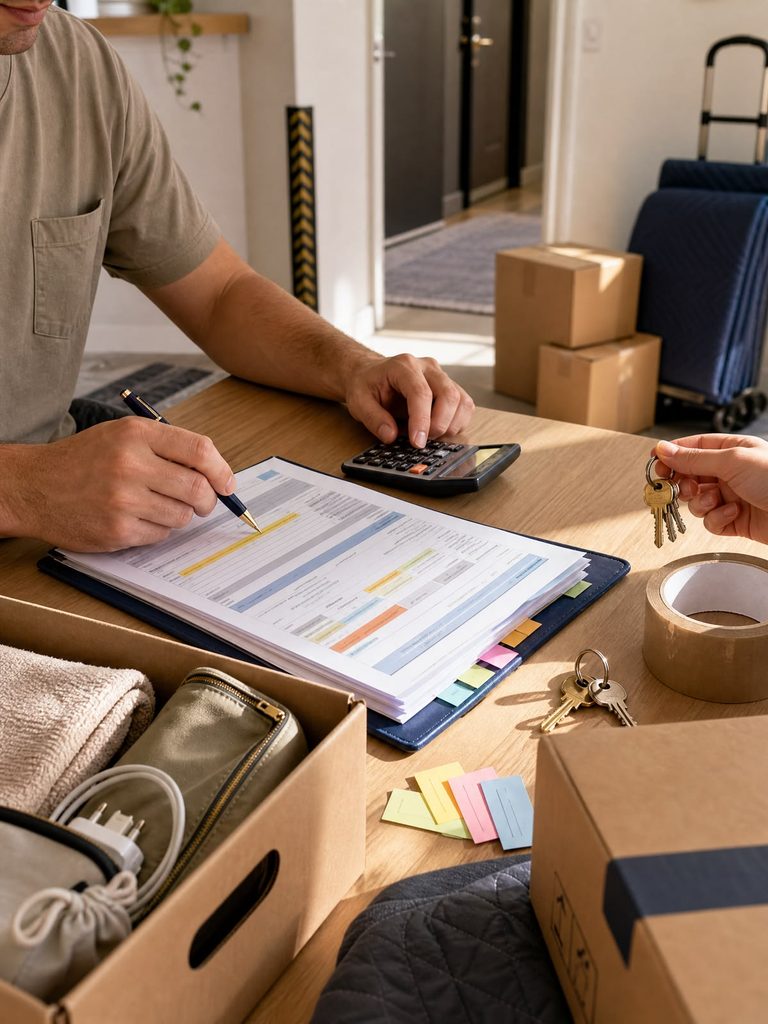
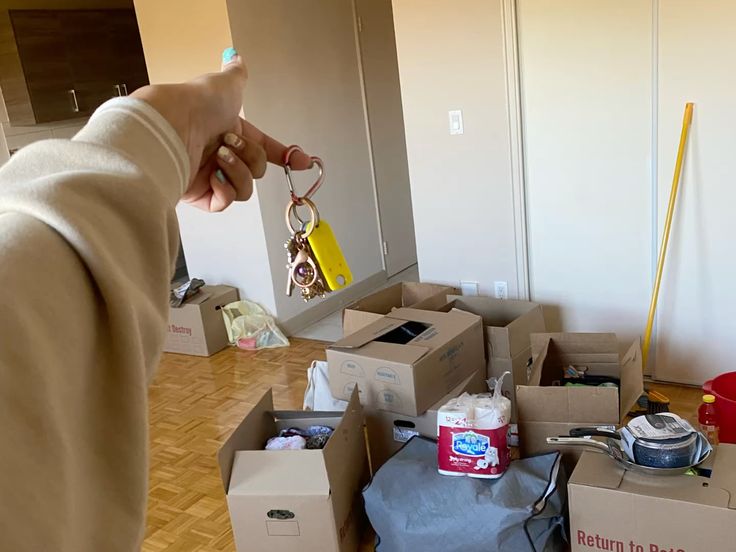
Moving into your first apartment can require money before you even unpack. This is where many young adults underestimate how much preparation really matters.
You may need to pay a deposit before receiving your keys. There could also be application fees or other costs before approval.
Moving your belongings can create transportation or moving service expenses. You may need basic furniture, kitchen items, cleaning supplies, and personal essentials.
Even small purchases can become expensive when they happen together. That is why you should create a separate moving budget before moving.
Write down everything you expect to purchase or pay before moving. Then add some extra money for things you may have forgotten.
This does not require predicting every possible expense perfectly. It simply gives you breathing room when unexpected costs appear.
You should also avoid buying every beautiful item you see immediately. Your apartment does not need to look completely finished during your first week.
Start with what you genuinely need for sleeping, eating, cleaning, and daily living. You can add decorations and extra furniture later.
If you are still preparing for your first apartment viewing, How to Prepare for Your First Apartment Viewing can help you think about costs before choosing a place.
A slower approach can protect your money while still making your space comfortable.
The planner also has a startup-cost worksheet with a cushion line for unexpected expenses, plus a savings planner that works out how many months it will take to reach your goal.
Create an Emergency Fund Before Living Alone
An emergency fund can give you breathing room when something unexpected happens. You may suddenly need medical care, transportation, repairs, or urgent household supplies.
Your regular budget may not have enough room for these situations. That is where emergency savings can become extremely helpful.
You do not need to save a huge amount immediately. Start with an amount that feels realistic based on your current income.
Even small regular contributions can gradually create useful financial protection. You could transfer money into savings immediately after receiving your income.
This can make saving easier because the money leaves your spending account first. Try keeping emergency savings separate from money used for everyday purchases.
That can reduce the temptation to spend it casually. Your emergency fund should be for genuine unexpected situations.
A weekend outing or new pair of shoes should not normally require emergency savings. The exact amount you need can depend on your personal situation.
Still, having something saved is usually better than having nothing available. As your income grows, you can gradually increase your savings target.
Building this habit early can make future financial problems less frightening. It can also give you more confidence when handling independent living.

Plan for Your Monthly Grocery Spending
Food can quietly become one of those expenses that surprises new renters. You may think groceries will cost a small amount each week.
Then you start buying food, drinks, snacks, and household supplies together. Suddenly, your grocery bill looks much larger than expected.
Planning before shopping can help you understand your real food spending. Think about what you normally eat during a typical week.
Consider breakfast, lunch, dinner, snacks, and drinks when estimating costs. You should also remember that eating outside can increase your food spending.
If you frequently buy meals during work or school days, include that cost. Do not create a grocery budget based on an unrealistic cooking routine.
If you know you rarely cook, your budget should reflect that reality.At the same time, learning a few simple meals can save money.
You do not need to become an amazing cook overnight. A few affordable meals can give you more control over food spending.
You can also compare prices and avoid buying more than you need. Living alone means you may not finish large packages quickly.
This can lead to waste when food expires before you use it. A realistic grocery plan can protect both your money and your kitchen.

Think About Utility Bills Before They Arrive
Utility bills can catch you off guard when you first live alone. You may know your rent amount but forget about electricity or water.
Some apartments include certain services, while others charge them separately. Internet, gas, and other household services may also affect your monthly budget.
Before moving, ask which bills you will personally need to pay.
Then find out how those bills are usually calculated and paid. You do not need exact numbers before moving into your apartment.
But having a reasonable estimate gives you something useful for planning. Try leaving some room in your budget for higher bills.
Your electricity usage can change during different months and seasons. That means your bill may not stay exactly the same every time.
How to Prepare for Your First Utility Bills can help you understand these expenses before they become confusing.
Knowing your utility responsibilities also makes your total housing cost clearer. You can then decide how much rent feels comfortable for your income.
It is better to discover these costs before signing an agreement. Financial surprises become easier handling when you already expect them.
Keep Transportation Costs in Your Budget
Transportation is another expense that can become surprisingly expensive. You may need money for fuel, public transportation, taxis, or occasional rides.
Your transportation needs will depend heavily on your work and home location. That is why you should think about your normal weekly movement.
Calculate how often you travel to work, school, shops, or other places. Then estimate how much those regular trips usually cost.
Do not forget occasional trips that happen during normal months. You may need to attend events, visit family, or handle unexpected appointments.
If you own a car, remember costs beyond fuel. Maintenance, insurance, parking, and repairs can also affect your finances.
If you use public transportation, check your usual fares and travel frequency. A convenient apartment location can sometimes reduce transportation expenses significantly.
That is another reason apartment hunting should involve more than appearance. You are choosing a location that will affect your everyday spending.
Think about nearby grocery stores, workplaces, schools, and transportation options. These details can influence your monthly budget more than you might expect.
Planning transportation early can help you avoid spending money without noticing.

Do Not Forget Household and Personal Expenses
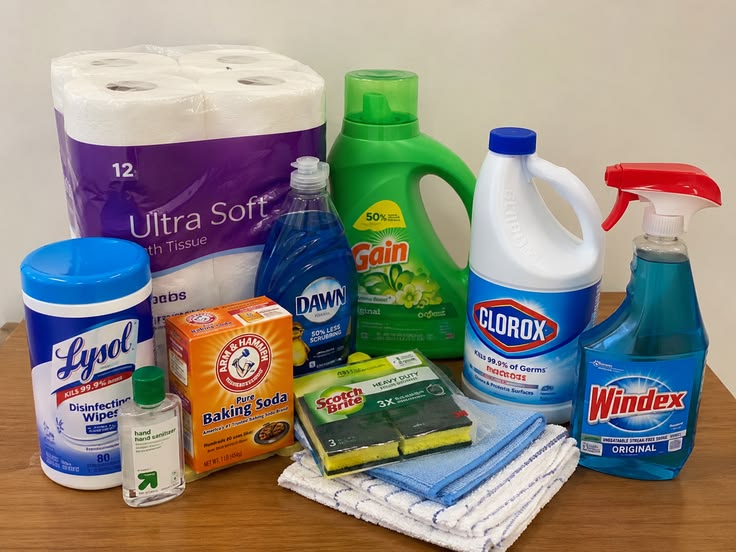
Some expenses are easy to overlook because they do not happen every week. You may suddenly realize you need soap, detergent, toothpaste, or cleaning products.
These things are not exciting purchases, but they still belong in your budget. You might also need toiletries, hair products, medicine, or other personal items.
Try keeping a small category for these regular household expenses. You do not need to predict every purchase perfectly.
Instead, estimate an amount based on what you normally use. You can adjust the amount after living independently for several months.
The first budget you create will probably need some changes. That is normal because you are learning your actual spending patterns.
During my first months of handling household expenses, small purchases surprised me often. None of them seemed expensive alone, but together they affected my budget.
That experience taught me to pay attention to small recurring costs. Your budget should include these everyday expenses before they become problems.
You can also keep basic household supplies from running completely empty. Buying replacements early can prevent stressful last-minute spending. Small planning habits can make your financial life much easier.
Give Yourself a Budget for Fun
Financial responsibility does not mean removing every enjoyable part of your life. You still deserve opportunities to relax, socialize, and enjoy your money responsibly.
If your budget allows nothing enjoyable, following it may eventually become difficult and frustrating. Instead, create a reasonable amount for entertainment, hobbies, occasional meals, movies, or social activities.
The amount should match your income, expenses, and other financial responsibilities. You do not need to copy another person’s spending habits because everyone’s financial situation differs.
You can also choose inexpensive ways to enjoy your free time. Cooking with friends, watching movies at home, or exploring free events can still create enjoyable moments.
The goal is finding balance between responsibility and personal enjoyment, making independent living feel sustainable rather than restrictive.

Avoid Taking on Too Many New Payments
Moving out can make you feel free, which may make new purchases seem exciting and manageable. You might want furniture, electronics, subscriptions, or other things immediately after getting your own space.
However, several new monthly payments can quickly strain your budget. Before committing, consider your existing responsibilities and how each payment affects your remaining money.
During your first year, you are still learning your actual living expenses. Start with essentials and gradually purchase other things as your finances allow. This approach can help you avoid unnecessary debt and constant financial pressure.
If you are preparing for independent living, How to Manage the Responsibilities of Living on Your Own can help you understand how financial tasks fit everyday life.
Decide How You Will Track Your Spending
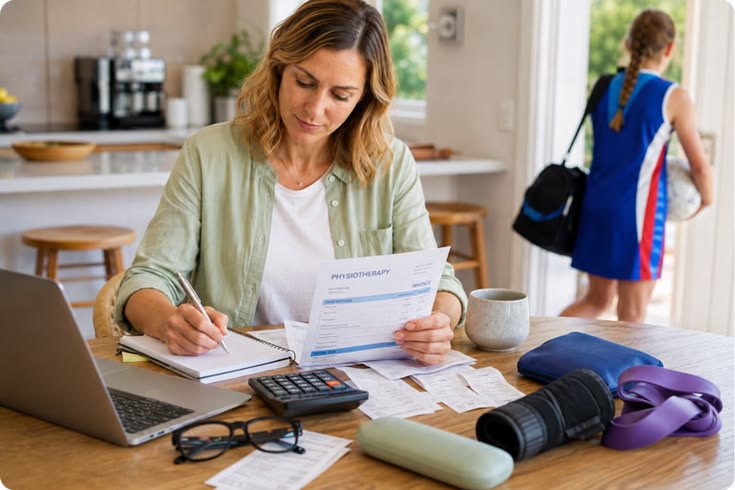
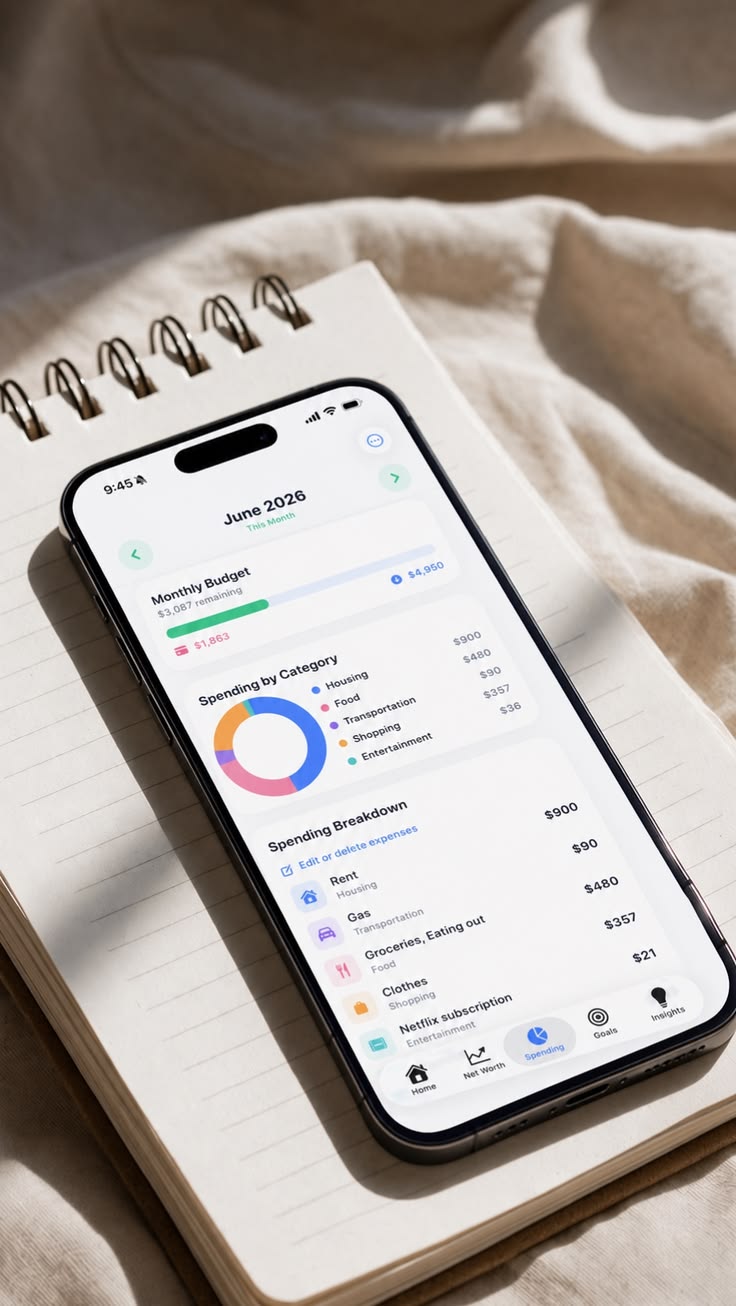
A budget only helps when you actually know where your money goes. You do not need to track every amount forever.
But checking your spending regularly can reveal patterns you might miss. Choose a method that feels simple enough to continue using.
You could write expenses in a notebook or use your phone. A basic spreadsheet can also work if you prefer seeing everything together.
The method matters less than actually checking your spending. Try reviewing your expenses once or twice each week.
Look for purchases that happen repeatedly without much thought. You may notice frequent delivery orders or small convenience purchases.
Those expenses can become easier to reduce once you see the pattern. You should also check your bank balance before making larger purchases.
This helps you understand how much money remains after planned payments. Tracking spending is not about judging every decision you make.
It is simply about knowing what your money is doing. That knowledge gives you more control over future choices.
As your routine changes, your spending habits may change too. Your tracking method can change with you when necessary.
Give Yourself Time to Adjust After Moving
Your first budget will probably not be perfect. You may underestimate groceries and overestimate how much you spend elsewhere.
You could also discover expenses that you never considered before moving. That does not mean you failed at financial planning.
It means your first month gave you useful information. Pay attention to what surprised you and adjust your budget.
If groceries cost more than expected, change that category next month.
If entertainment spending was higher, look for areas to reduce. You may also discover some expenses are lower than expected.
That extra money can support savings or another important financial goal. The key is making adjustments instead of abandoning your entire budget.
Independent living requires flexibility because real life keeps changing. Your income could change, or your rent and bills could increase.
Your transportation needs may also change after a new job. A good financial plan should be flexible enough for those situations.
This is also why How to Navigate Your First Month of Independent Living can be useful during the early adjustment period.
Give yourself permission to learn as you go. You are building a financial routine, not taking a one-time exam.

Plan for Your First Week of Expenses
The first week after moving can involve more spending than expected. You may need food, transportation, household supplies, and small emergency items.
You could also discover something missing from your new apartment. Those expenses can happen before your normal monthly routine settles.
That is why keeping some money aside for your first week helps. Try not to spend your entire moving budget immediately.
Leave room for basic purchases that become obvious after moving in. Your first week can also teach you what your normal expenses look like.
You may discover a nearby grocery store that saves transportation money. Perhaps you realize you need different household supplies than expected.
You might also notice an expense connected to your commute. These small discoveries can help improve your next monthly budget.
Your first week does not need to go perfectly. It simply gives you information about how your new life works.
What to Expect During Your First Week Living Alone can help you prepare emotionally and practically for this transition.
Having some extra money available can make those first days less stressful.
Keep Important Financial Dates Somewhere Safe
Missing a payment deadline can create unnecessary stress, especially when you are managing everything alone. That is why important financial dates should not depend entirely on your memory.
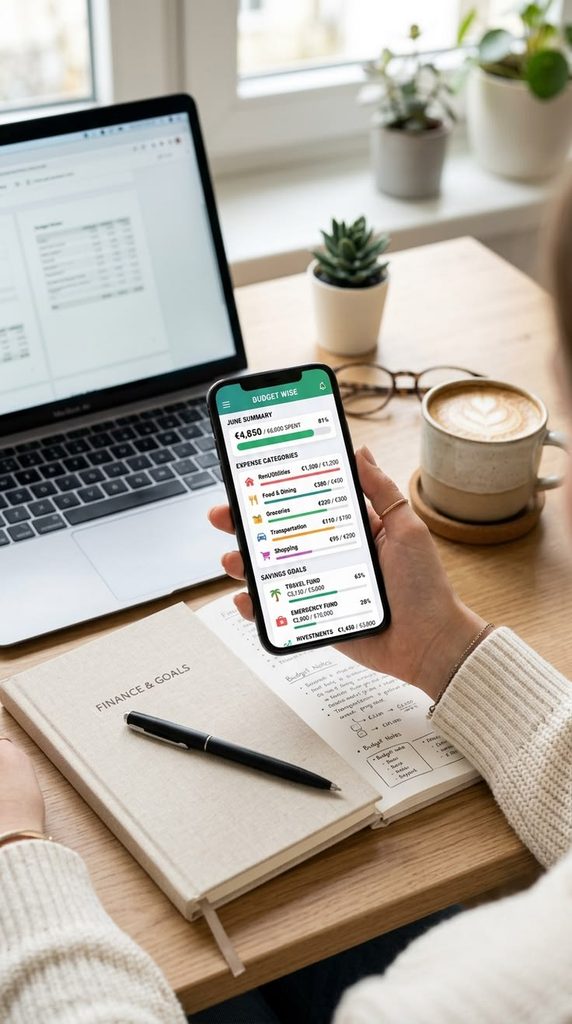
Write down rent dates, utility deadlines, subscription payments, and other regular bills somewhere easily accessible. You can use your phone calendar to create reminders before each payment is due.
Try checking your upcoming payments at the beginning of every month. This simple habit helps you understand what needs attention and how much money remains afterward.
You can also organize bills around the dates your income arrives, making your monthly budget easier to manage. Over time, keeping financial information organized can become a normal part of independent living and reduce avoidable stress.
Think About Your Future, Not Only Your Current Month
Financial preparation should not stop once your rent and regular expenses are covered. Living independently also gives you an opportunity to build a more secure future.
You may have goals involving education, travel, business, or another important personal plan. Saving toward these goals can feel difficult when your expenses are already high. However, small, consistent amounts can still create meaningful progress over time.
Choose one or two financial goals that genuinely matter to you. Then decide how much you can regularly put toward them without overwhelming your budget.
You can also consider improving your income by learning new skills or pursuing better work opportunities. You do not need to solve everything immediately. Start with habits that make your current situation more stable.

Remember That Financial Preparation Is About Peace
Money can become one of the biggest sources of stress when you begin living alone. You may worry about rent, bills, food, emergencies, and unexpected expenses.
That is why financial preparation can give you more than financial control. It can also give you peace because you understand what needs paying and what remains afterward.
During my first year of managing everything myself, financial planning became less frightening. I stopped seeing every bill as a surprise and started seeing them as responsibilities.
You can build that same confidence through small, consistent habits. You do not need a perfect financial life before moving out.
You simply need enough preparation to handle your responsibilities responsibly and enjoy your independence with greater peace of mind.

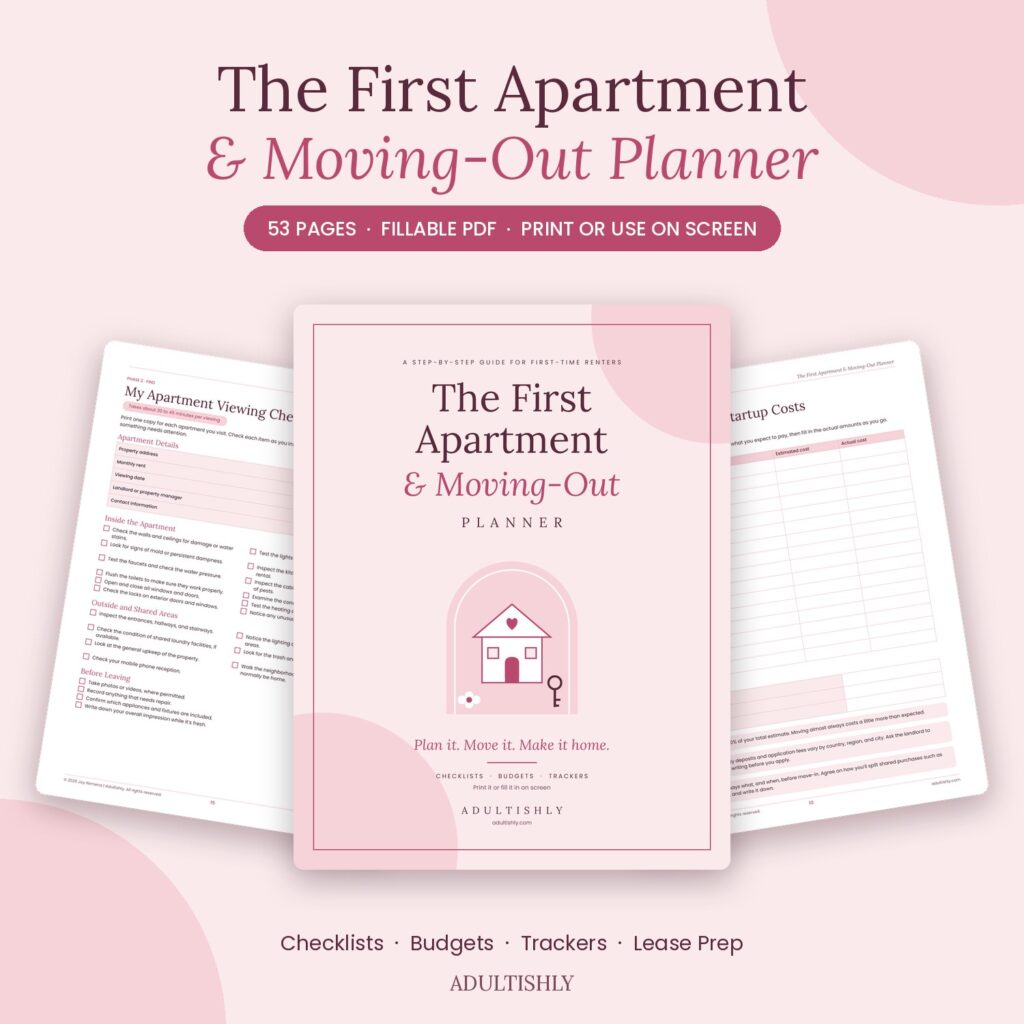
Put the numbers on paper.
The First Apartment & Moving-Out Planner has an affordability check, startup-cost worksheet, savings planner, and first-month spending review in one fillable PDF. [Get the Planner]
Final Thoughts
Preparing financially before living alone can feel overwhelming, especially when many expenses are easy to overlook. However, you do not need to figure everything out in one afternoon.
Start by understanding your income, regular responsibilities, housing costs, food, transportation, utilities, and household expenses. Then create a realistic budget that leaves room for emergencies, personal enjoyment, and unexpected costs.
Try saving regularly before moving, while tracking your spending and adjusting your budget when necessary. Your first month may reveal expenses that planning could not predict, but those experiences can strengthen your financial routine.
Most importantly, remember that independence does not require financial perfection. It requires awareness, preparation, discipline, and willingness to learn.
Start small, stay honest about your spending, and keep learning. Over time, managing your money can become a normal part of adult life.
Leave a Reply