Getting your first paycheck can feel like finally reaching a finish line you worked hard to cross. You check your account, see the money sitting there, and suddenly everything you wanted feels possible.
You start thinking about new clothes, better food, weekend plans, and maybe even your first big purchase. Then reality hits when you remember rent, transportation, bills, savings, and those little expenses waiting.
Your first paycheck is exciting, but it can also teach you important money lessons. It is easy to look at the full amount and think everything is available for spending.
That feeling can disappear quickly when several bills start leaving your account during one busy week. The good news is that your first paycheck does not have to disappear like that.
You can enjoy your money while still giving every part of it a clear purpose. If you are building your foundation, 35 Money Habits to Start in Your 20s can help you start well.
Your first paycheck is more than money from your employer hitting your account. It shows how your salary works, how deductions affect your income, and what you can actually spend.
It also gives you a chance to build better habits before your lifestyle becomes too expensive. So, before you spend that money, let’s look at what your first paycheck can teach you.

1. Your Paycheck May Be Smaller Than Your Salary
The salary you were promised is not always the amount that reaches your bank account. Your paycheck can be smaller because taxes and other deductions may come out first.
This is why you should learn the difference between gross pay and take-home pay. Gross pay is your earnings before deductions, while take-home pay is what you actually receive.
Understanding this difference helps you plan your monthly spending around real money. It also prevents you from creating a budget based on money you cannot actually spend.

2. Check Your Pay Stub Carefully
Your first pay stub may contain several details that look confusing at first. Take some time to check your earnings, deductions, taxes, hours, and final take-home amount.
You should make sure the information matches what you expected from your employer. Small mistakes can happen, especially when you are new to a company.
If something looks wrong, ask your payroll department before assuming everything is correct. Getting comfortable with your pay stub now can save you confusion later.

3. Know Your Pay Schedule
Your employer may pay you weekly, every two weeks, twice monthly, or monthly. Knowing your pay schedule helps you understand when money will enter your account.
It also makes planning your bills much easier throughout the month. Some months may contain more paydays when you receive money every two weeks.
Those extra-paycheck months can become useful opportunities for saving or handling larger expenses. Just avoid treating every extra payday as permission to increase your spending.

4. Your First Paycheck Is Not All Spending Money
Seeing money in your account can make you feel richer than you actually are. That feeling can become dangerous when you have not separated bills and savings first.
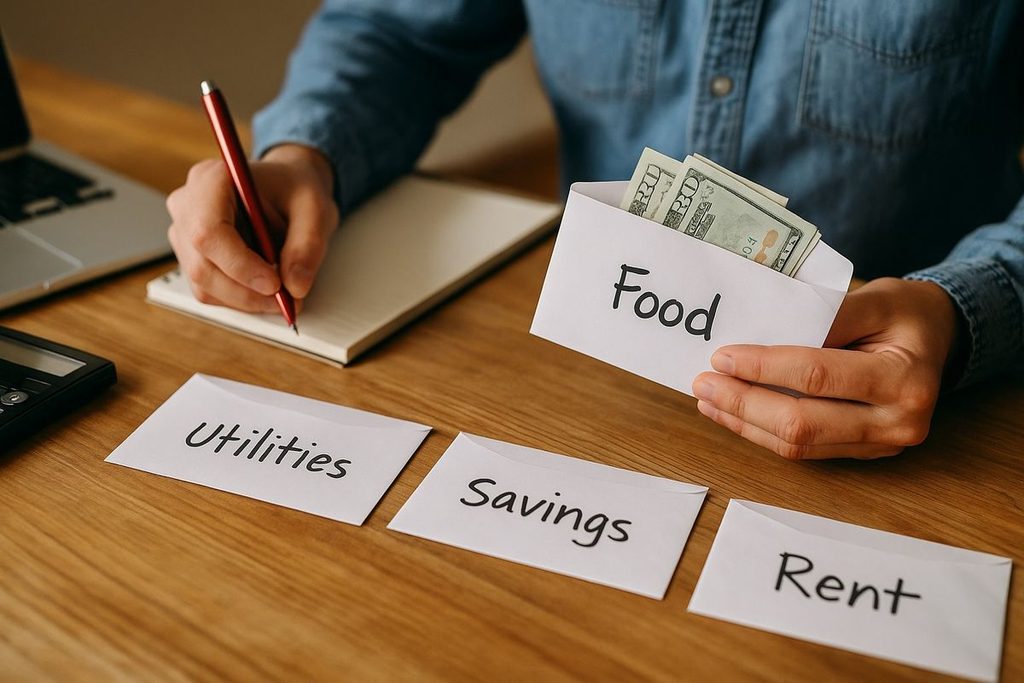
Before spending anything, think about the responsibilities connected to that paycheck. Rent, food, transportation, debt payments, savings, and utilities may need money immediately.
Giving those expenses priority helps you enjoy your remaining money without unnecessary stress. A paycheck becomes easier to manage when you stop seeing it as one big amount.
5. Know How Much Your Regular Bills Cost
Your first paycheck should remind you that earning money comes with regular responsibilities. Write down your important monthly bills before deciding how much money you can freely spend.
Include rent, utilities, transportation, phone bills, insurance, debt payments, and other regular costs. This gives you a clearer picture of what your income needs to cover.
It also helps you avoid spending heavily during the first few days after payday. If you are still learning how to organize those costs, 25 Things to Include in Your First Monthly Budget can help.

6. Your Paycheck Should Have a Job
Every paycheck should have a purpose before the money starts disappearing. You can divide your income between bills, savings, spending, debt payments, and personal goals.
The exact amounts will depend on your income and your current responsibilities. What matters most is knowing where your money should go before spending begins.
This simple habit can make your finances feel much less confusing. It also helps you notice when your spending does not match your actual priorities.

7. Start Saving From Your First Paycheck
You do not need a huge salary before you begin saving money. Starting small can help you build the habit without putting too much pressure on yourself.
You could choose a fixed amount from every paycheck and move it aside immediately. Even a small amount becomes meaningful when you continue doing it consistently.
As your income grows, you can increase your savings without starting the habit from scratch. Your first paycheck is a good opportunity to make saving feel normal.

8. Build an Emergency Fund Slowly
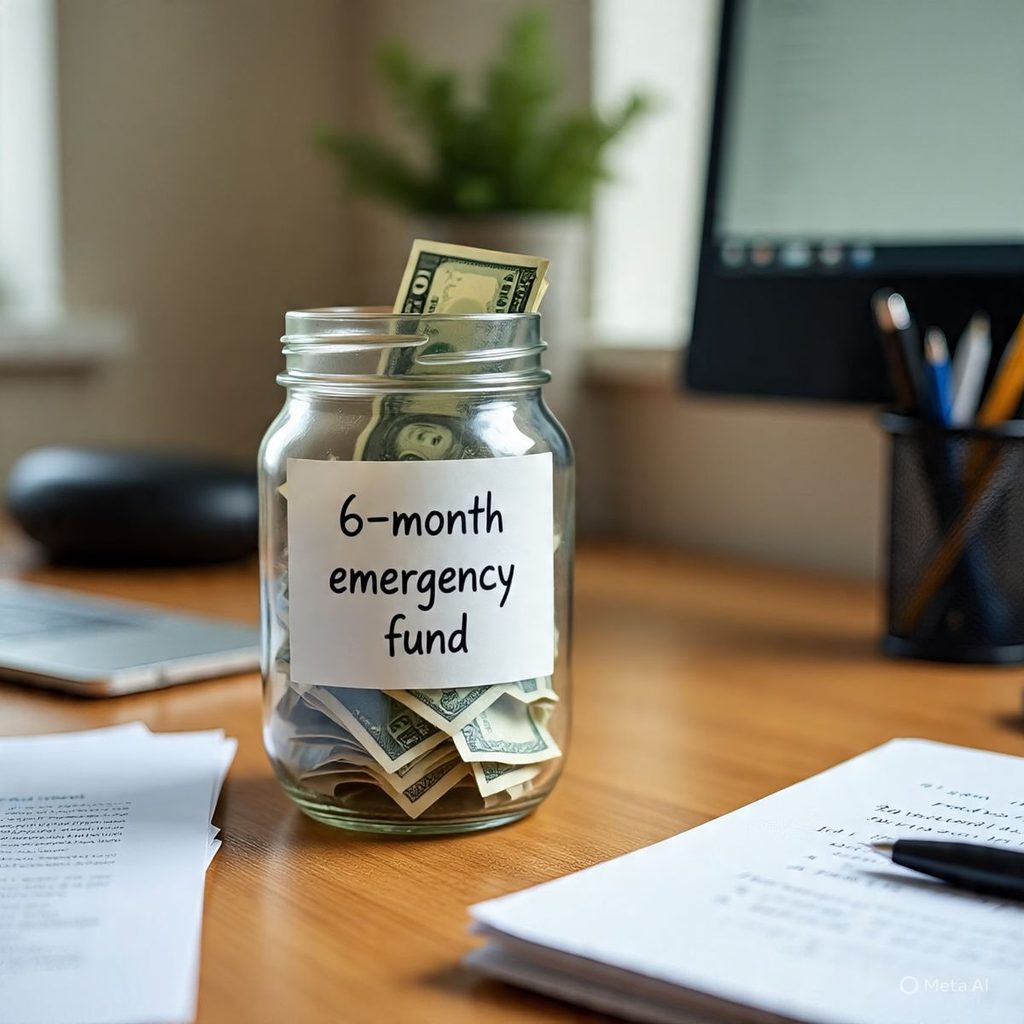
Your first paycheck can also become the starting point for an emergency fund. This money should help you handle unexpected expenses without depending completely on credit.
You might start with a small target because your income may still feel limited. The important thing is creating the habit and adding money regularly.
As your financial situation improves, you can gradually increase your emergency savings. If you are starting from nothing, 25 Ways to Build an Emergency Fund From Scratch can give you more ideas.
9. Do Not Spend Your First Paycheck Trying to Look Successful
Getting your first real paycheck can create pressure to show people that you are doing well. You might suddenly want expensive clothes, new gadgets, better restaurants, or a completely different lifestyle.
But your first paycheck does not mean you need to prove anything to anyone. It is okay to celebrate while still keeping most of your financial plans intact.
You are building a life, not trying to impress people for one weekend. Real financial progress often looks much quieter than expensive spending.

10. Your Lifestyle Can Become Expensive Quickly
A higher income can make it tempting to upgrade everything around you. You may move into a more expensive apartment, buy a newer phone, or eat out more often.
Those choices can slowly turn a manageable paycheck into a stressful one. Try giving yourself time before making major lifestyle changes after receiving your first paycheck.
Learn how much your regular expenses cost before adding new financial responsibilities. A bigger paycheck should give you more options, not automatically create bigger bills.

11. Track Your Spending After Payday
The days after payday can tell you a lot about your spending habits. Pay attention to where your money goes during the first week.
Small purchases can reveal patterns that are difficult to notice when you only check your balance. You might discover frequent food orders, unnecessary shopping, or expensive transportation habits.
Tracking these purchases does not mean you cannot enjoy your money. It simply helps you understand your behavior and make better choices next time.

12. Separate Bills From Spending Money
Keeping all your paycheck money in one place can make spending feel easier than it should. You may see a large balance and forget that some of it already belongs to upcoming bills.
Try separating money mentally or through different accounts when possible. Keep your bill money protected before using anything for entertainment or shopping.
This simple system can make your account balance easier to understand. It also lowers the chance of accidentally spending money needed for important payments.

13. Learn Your Tax Deductions
Your paycheck may show several deductions that you do not understand immediately. Take time to learn what each deduction means and why money is being removed.
Some deductions may relate to taxes, benefits, retirement plans, or other workplace arrangements. Understanding these amounts helps you know why your take-home pay looks different.
It can also help you spot unusual changes in future paychecks. Do not be afraid to ask your employer questions when something on your pay stub seems unclear.

14. Keep Your First Paycheck From Becoming Your New Spending Standard
One common mistake is treating your first paycheck as the minimum amount you should spend every month. You may receive your money and immediately start creating new spending habits.
Soon, things that once felt like treats can start feeling like necessities. Try keeping your lifestyle close to your actual needs while you learn your financial situation.
You can always increase your spending later after your savings and bills are under control. Starting modestly gives you more room to adjust when unexpected expenses appear.

15. Plan Your Grocery Money
Food can quietly take a large part of your paycheck when you are living independently. Without a plan, you may order meals often because cooking feels inconvenient after a long day.
Give groceries their own amount and decide what you can comfortably spend each week. Planning simple meals can also make your food budget easier to control.
You do not need to eat boring food just because you are trying to save. A realistic food plan gives you room for groceries and occasional meals outside.

16. Plan Your Transportation Costs
Transportation can become another major drain on your first paycheck. Think about fuel, buses, trains, parking, ride-hailing services, and other regular travel costs.
Look at how often you travel before deciding how much transportation money you need. You should also consider occasional trips that do not happen every single week.
Having transportation money ready can keep you from borrowing from other categories. If you are preparing for independent living, 45 Expenses to Budget for When You Live on Your Own can help you plan.
17. Do Not Forget Small Recurring Payments
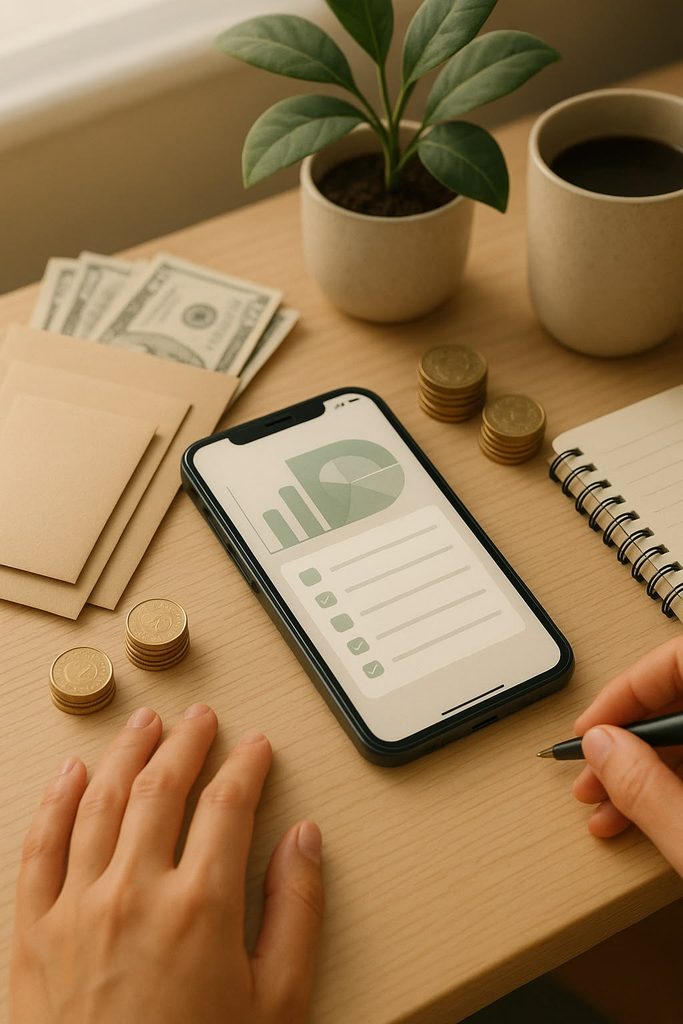
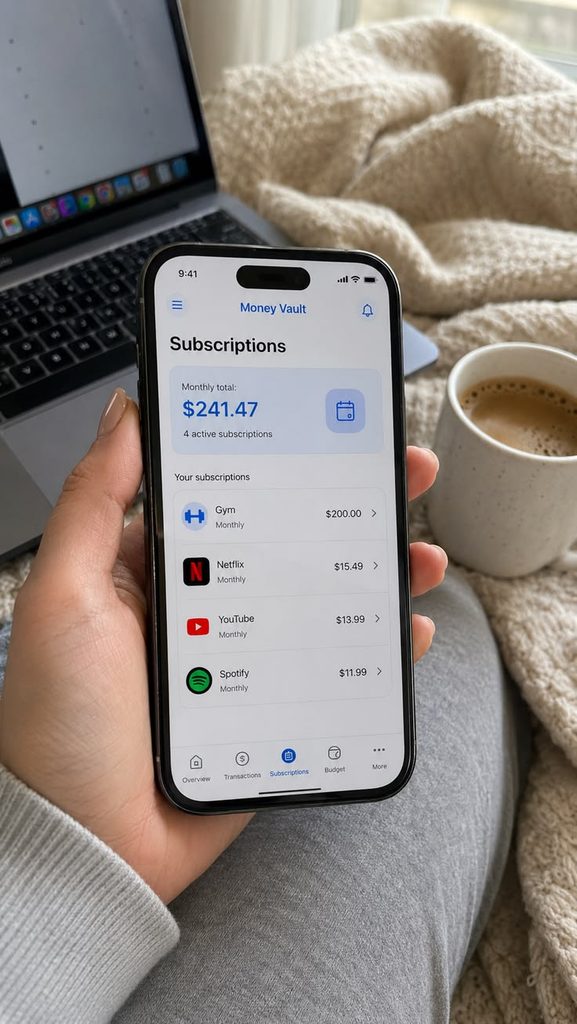
Small subscriptions can look harmless when you consider them one at a time. The problem starts when several small payments leave your account during the same month.
Streaming services, music apps, cloud storage, memberships, and other subscriptions can add up quickly. Check your bank account and write down every recurring payment you notice.
Cancel services you rarely use and keep only those that genuinely add value. Your first paycheck should not disappear into subscriptions you forgot you had.
18. Give Yourself Some Fun Money
Being responsible with money does not mean removing every enjoyable thing from your life. Your budget should leave some room for entertainment, hobbies, dates, outings, or small treats.
The amount should fit your income and your other financial responsibilities. Having planned fun money can actually make budgeting easier to maintain.
You know you can enjoy yourself without feeling like every purchase is a financial failure. The key is enjoying your money without allowing fun spending to control your paycheck.

19. Avoid Using Your Whole Paycheck Before Your Next Payday
A paycheck may feel large when it first arrives. That feeling can encourage you to spend quickly because you believe another paycheck is coming soon.
But your next payday may still be many days away. Try dividing your spending money across the weeks instead of spending freely at once.
This approach can make your money last longer and reduce end-of-month stress. A paycheck should support you throughout the pay period, not just during payday weekend.
20. Keep Some Money for Unexpected Expenses
Unexpected costs can appear even when you plan carefully. You might need medicine, transportation, household supplies, repairs, or something else you did not expect.
Keeping a small amount available can help you handle these moments more comfortably. This money does not need to be huge when you are starting out.
Even a modest buffer can stop one surprise expense from damaging your entire budget. As your income grows, you can slowly increase the amount you keep available.

21. Do Not Depend on Credit for Every Surprise
Having a credit card can make unexpected expenses feel easier to handle. But using credit for every problem can create another bill that follows you into future months.
Try building cash savings so smaller emergencies do not always become debt. Credit can have a useful place in your financial life when used carefully.
Still, it should not replace having a basic emergency fund. If you are learning about credit for the first time, 35 Things to Know Before Getting Your First Credit Card is worth keeping nearby.

22. Your First Paycheck Can Show You Your Real Income
Your first paycheck gives you useful information about what your income looks like after deductions. Use that information to create a budget based on money you actually receive.
Do not keep using the salary number from your job offer when planning everyday spending. Your take-home pay is the amount your lifestyle must work with.
Once you know that number, your financial decisions can become much more realistic. This is one of the most useful lessons your first paycheck can teach you.

23. Use Extra Paychecks Carefully
People paid every two weeks sometimes receive three paychecks during certain months. That extra paycheck can feel like free money, but it is still part of your yearly income.
Instead of immediately spending it, think about your biggest financial priorities. You could add more money to savings, pay down debt, or prepare for upcoming expenses.
You can still use part of it for something enjoyable if your priorities are covered. The important part is making a plan before the extra money arrives.

24. Do Not Count Future Income Too Early
It can be tempting to spend money today because you know another paycheck is coming. But future income is not available money until it actually reaches your account.
Unexpected changes can happen with work, schedules, deductions, or other financial responsibilities. Try making decisions based on money you already have available.
This habit can protect you from spending tomorrow’s money today. It also helps you develop a stronger sense of financial control.

25. Learn How Much You Spend on Necessities
Your first paycheck is a great time to understand your basic cost of living. Add up your essential expenses and compare them with your take-home income.
This can show you how much money remains after covering the things you cannot ignore. You may discover that some expenses are higher than you expected.
That information is useful because you can adjust your spending before problems become serious. Knowing your basic costs also makes future financial decisions much easier.
26. Start Preparing for Annual Expenses
Some expenses do not appear every month, but they still need money eventually. Examples can include yearly insurance, memberships, travel, gifts, repairs, or professional fees.
Instead of waiting for those bills to arrive, start putting small amounts aside. Dividing a yearly cost into smaller monthly amounts can make it easier to manage.
This approach can prevent large expenses from becoming sudden financial emergencies. Your first paycheck can start funding expenses that will not arrive for months.

27. Do Not Ignore Your Financial Goals
Your paycheck should support more than your immediate bills and daily spending. Think about what you want your money to help you accomplish in the future.
You might want to move, travel, study, start a business, or buy something important. Choose one or two goals and give them a place in your budget.
Even small monthly contributions can help you move closer to those goals. For more ideas, 25 Financial Goals to Set Before Living on Your Own can help you think ahead.

28. Your First Paycheck Is a Chance to Automate Savings
Saving manually can become difficult when you have several things competing for your attention. If possible, arrange automatic transfers soon after your paycheck arrives.
This allows savings to happen before you have many opportunities to spend the money. You can start with an amount that feels comfortable for your current income.
Later, you can increase the amount when your salary or financial situation improves. Automation can make saving feel like a normal bill instead of an occasional decision.

photo credit
29. Watch Your Spending During Your First Month
Your first month of earning a regular income can teach you more than any budget template. Pay attention to the expenses that repeatedly take money from your account.
Notice what surprises you and which categories cost more than you expected. Do not judge yourself too harshly if your first budget needs several changes.
You are learning how your real life works with your new income. That information can help you create a much better budget next month.

30. Give Yourself Time to Adjust
A new job and regular paycheck can change many parts of your daily life. You may suddenly have more financial responsibilities than you had while studying or living with family.
It can take time to understand how everything fits together. Give yourself permission to learn without expecting perfection immediately.
The goal is not making every money decision perfectly from your first paycheck. The goal is becoming better at handling your money each month.
31. Avoid Lifestyle Pressure From Friends
Your friends may have different salaries, expenses, family support, or financial priorities. You should not compare your spending with someone whose financial situation looks completely different.
One friend may afford expensive weekends while another person is building an emergency fund. Your paycheck needs to support your own responsibilities first.
It is okay to suggest cheaper activities when expensive plans do not fit your budget. Protecting your finances does not mean you cannot have a social life.

32. Be Careful With Big Purchases
A first paycheck can create a strong urge to buy something you have wanted for years. Before making a large purchase, give yourself some time to think about it.
Check your upcoming bills and make sure the purchase will not affect important financial goals. You can also compare prices and look for better options before spending.
Waiting a few days can sometimes show you that you did not really need it. A little patience can protect your paycheck from emotional spending.
Don’t miss this: 25 Financial Goals to Set Before Living on Your Own

33. Learn From Your First Paycheck Mistakes
You may make mistakes with your first paycheck, and that does not make you bad with money. Maybe you spend too much, forget a bill, or underestimate your grocery costs.
The important part is noticing what happened and making a change. Your first paycheck can become a useful lesson instead of a painful memory.
Write down what went wrong and decide what you will do differently next time. Money skills become stronger when you learn from real experiences.

34. Build a Simple Payday Routine
Having a payday routine can make managing your money much easier. You might check your paycheck, review bills, transfer savings, and set your spending amount.
Doing these steps regularly can stop you from making random decisions with your income. Keep the routine simple enough that you can actually follow it every payday.
You do not need a complicated spreadsheet to know where your money should go. A simple routine can become one of your most useful financial habits.

35. Keep Your Banking Information Organized
Your first paycheck also means becoming more responsible with your bank account. Know your account balance, payment dates, automatic transfers, and important banking information.
Check your transactions regularly so you can notice anything unusual quickly. You should also keep your banking passwords private and avoid sharing sensitive account details.
Being organized with your account can help you avoid unnecessary financial problems. It also makes managing your paycheck feel less overwhelming.
Read this next: 35 Simple Ways to Lower Your Monthly Expenses
36. Do Not Ignore Bank Fees
Bank fees may seem small, but repeated charges can quietly reduce your income. Look for overdraft fees, account charges, transfer costs, ATM fees, or other regular deductions.
Learn the rules attached to your bank account so you know what can trigger charges. If possible, choose account options that reduce unnecessary fees.
Keeping more of your own money is always useful when you are starting out. Your first paycheck should teach you to pay attention to these small leaks.
37. Keep Increasing Your Financial Knowledge
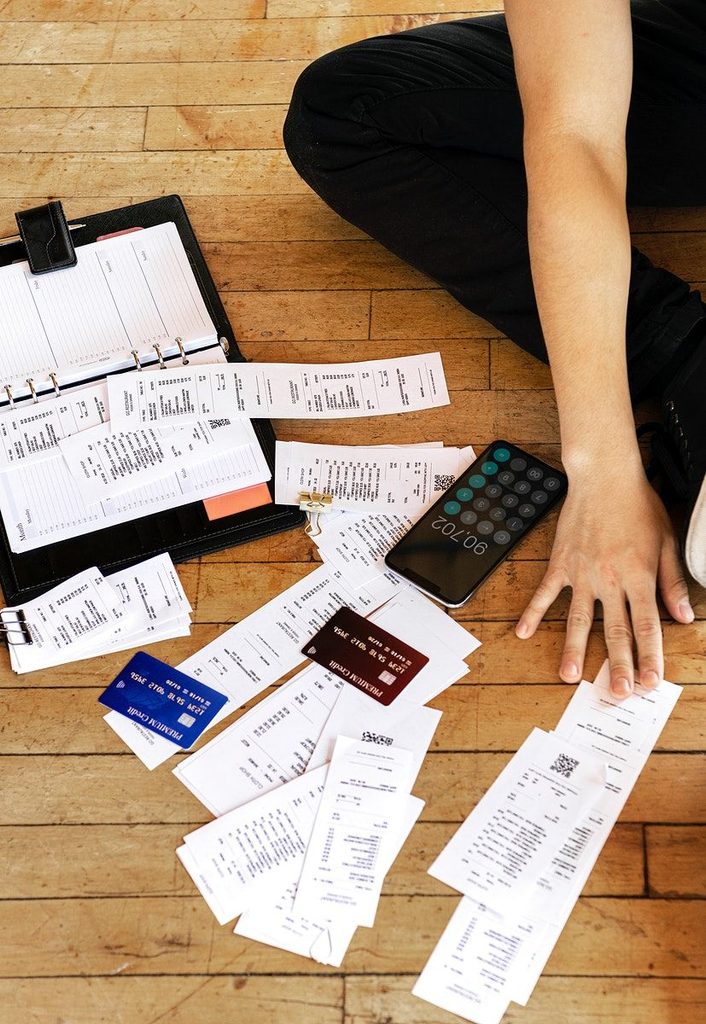
Getting your first paycheck is only the beginning of your financial journey. You will eventually need to understand credit, insurance, taxes, investing, savings, and other money topics.
You do not need to learn everything at once. Pick one topic at a time and learn enough to make better decisions. Simple knowledge can protect you from expensive mistakes later.
If you are also looking for practical ways to stretch a smaller income, 35 Ways to Save Money on an Entry-Level Salary is another useful guide.

38. Do Not Let Your Paycheck Control Your Confidence
Your income does not determine your value as a person. It can be easy to feel successful when you receive your first good paycheck.
But financial confidence should come from knowing how to manage what you have. Someone earning less can sometimes have stronger money habits than someone earning much more.
Focus on building skills instead of using your income to measure your success. Good financial habits can continue helping you long after your first paycheck is gone.

39. Keep Your Spending Flexible
Your expenses may change as your work, housing, transportation, or personal situation changes. That means your paycheck plan should not be so strict that one change ruins everything.
Leave some room for adjustments when possible. You might spend less in one category and need more money in another.
A flexible plan is often easier to maintain than one that leaves no breathing room. Your budget should guide you while still allowing real life to happen.
You’ll want to come back to this: 35 Things to Know Before Getting Your First Credit Card

40. Use Your Paycheck to Reduce Financial Stress
Money management should eventually make your life feel more organized. When you know your bills are covered, savings are growing, and spending is planned, money becomes easier to handle.
You may still have unexpected expenses, but you will have a better foundation. That foundation can give you more confidence when making everyday decisions.
The goal is not having a perfect financial life immediately. The goal is making choices that reduce unnecessary stress over time.

41. Avoid Increasing Every Expense When Your Income Rises
Your first paycheck may be the beginning of future salary increases. When your income grows, you may feel tempted to increase every part of your lifestyle.
Instead, consider sending part of each increase toward savings or important financial goals. You can still improve your lifestyle, but you do not need to spend every extra dollar.
This helps you enjoy income growth without becoming trapped by higher monthly expenses. It also gives you more financial freedom as your career develops.
Save this idea: 25 Ways to Build an Emergency Fund From Scratch

42. Review Your Paycheck Every Month
Checking one paycheck is helpful, but reviewing your income regularly is even better. Look for changes in taxes, benefits, deductions, hours, bonuses, or other payment details.
Your take-home pay can change for different reasons throughout your working life. Knowing what changed helps you adjust your budget before problems appear.
This habit becomes especially useful when you receive a raise or change jobs. Staying aware of your income keeps your financial plan connected to reality.
Keep this guide nearby: 45 Expenses to Budget for When You Live on Your Own
43. Use Your Paycheck to Build Financial Breathing Room
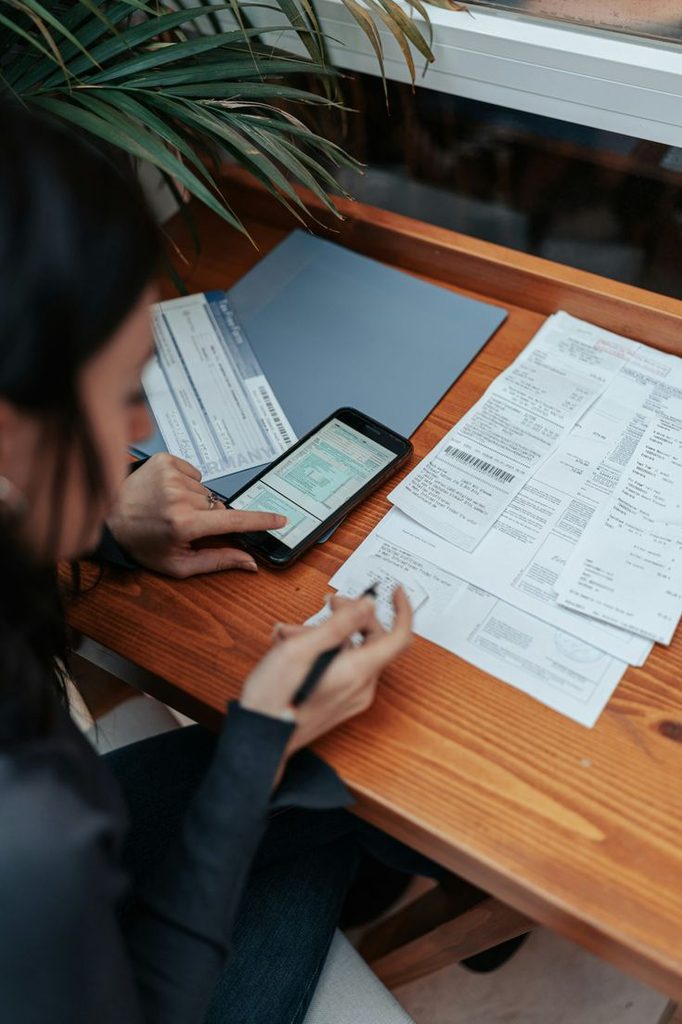
Financial breathing room means having enough space between your income and your expenses. When everything you earn immediately goes toward bills, small problems can feel much bigger.
Saving consistently and controlling unnecessary spending can create more room over time. You do not need a huge amount of extra money to begin.
Even small improvements can give you more options when life becomes unpredictable. If your expenses feel too high, 35 Simple Ways to Lower Your Monthly Expenses can help you find practical places to start.
44. Remember That Your First Paycheck Is Only the Beginning
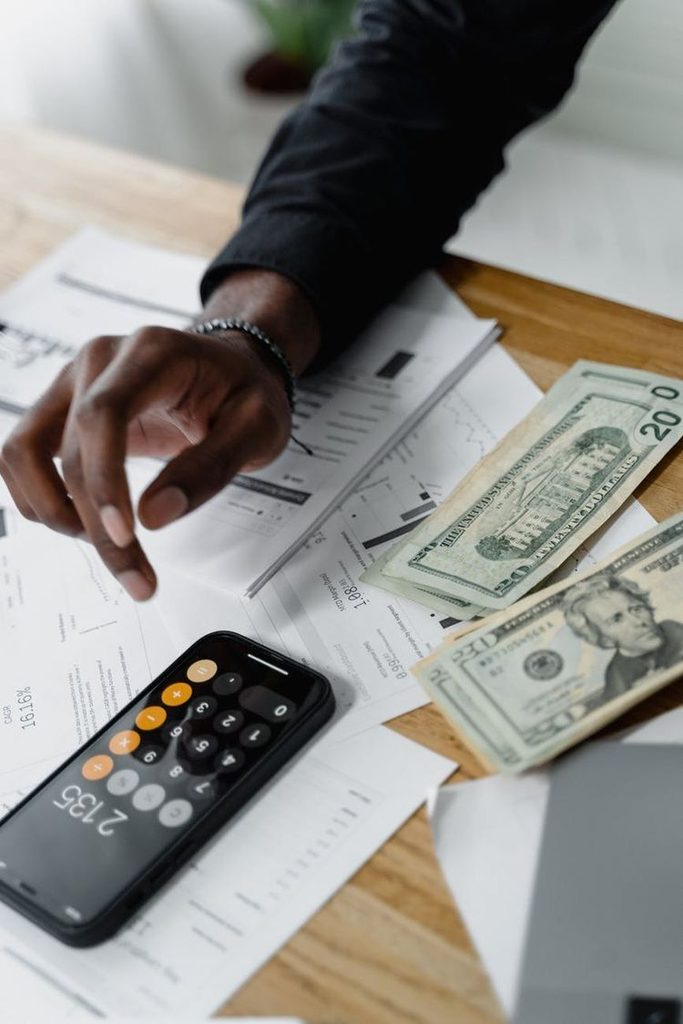
Your first paycheck may feel like one of the biggest financial moments of your life. But it is really the beginning of learning how to manage earned income.
You will have better paychecks, larger responsibilities, unexpected expenses, and new financial goals. The habits you build now can influence how you handle those changes later.
You do not need to know everything today. Start learning, keep adjusting, and allow your financial skills to grow with your income.

45. Make Your Paycheck Support the Life You Actually Want
At the end of the day, your paycheck should help you build a life that feels right for you. It should cover your needs while also supporting your savings, goals, relationships, and personal enjoyment.
You do not have to spend everything simply because you earned it. You also do not need to save every dollar and avoid enjoying your life.
The goal is finding a balance that lets your money support both today and tomorrow. When you understand your income, your choices become clearer and your financial confidence can grow.
Bookmark this post: 25 Things to Include in Your First Monthly Budget

Final Thoughts
Getting your first paycheck can be exciting, but it can also feel slightly overwhelming. For the first time, you may have more control over money you earned yourself.
That freedom can feel amazing when you have been waiting for your first real income. But the way you handle that money can matter more than the amount you receive.
Your first paycheck gives you an opportunity to build habits that can follow you for years.
Start by learning your take-home pay and understanding what comes out before you receive it. Then separate your bills, savings, spending money, and financial goals.
Do not rush into an expensive lifestyle simply because money has finally started coming in. Give yourself time to understand your real expenses and adjust your spending accordingly.
If you are living independently, planning your expenses carefully can make your income stretch much further. And remember, your first paycheck does not need to be perfect.
You may spend too much one month or forget something important. That is part of learning how to manage money in real life.
The important thing is noticing the mistake and making a better decision next time. As you continue earning, keep building your savings, controlling unnecessary expenses, and learning about money.
You can also revisit 25 Money Mistakes to Avoid When You First Start Living Alone if you are adjusting to financial independence.
Your paycheck is not just money sitting in your account. It is a tool that can help you create stability, freedom, and more choices.
Start small, stay consistent, and give your money a purpose before it starts disappearing. The habits you build with your first paycheck can become the foundation for a much stronger financial future.
Leave a Reply