I remember the first time an unexpected expense completely changed my plans for the month. I had already planned how I wanted to spend my money, down to the smallest details.
Then something unexpected happened, and suddenly that carefully planned money had another job. I had two choices at that moment, and neither one felt very comfortable.
I could use money meant for another bill, or I could borrow money from someone. That experience taught me something I wish I had understood much earlier.
Having money saved for emergencies gives you options when life suddenly becomes expensive. An emergency fund is not about having thousands sitting untouched in your account.
It is about creating a small financial cushion that can protect you during difficult moments. Your car can break down, your phone can stop working, or your income can suddenly change.
Sometimes, even a simple medical bill can appear when you least expect it. These things can happen even when you are careful with your money.
That is why building an emergency fund should become part of your financial plan. You can start small, especially when your income is limited or your expenses are already high.
The important thing is creating the habit and slowly increasing your savings over time. If you are also working on your everyday money habits, 35 Money Habits to Start in Your 20s can help you build a stronger foundation.
Now, let’s look at 25 practical ways to build an emergency fund from scratch.

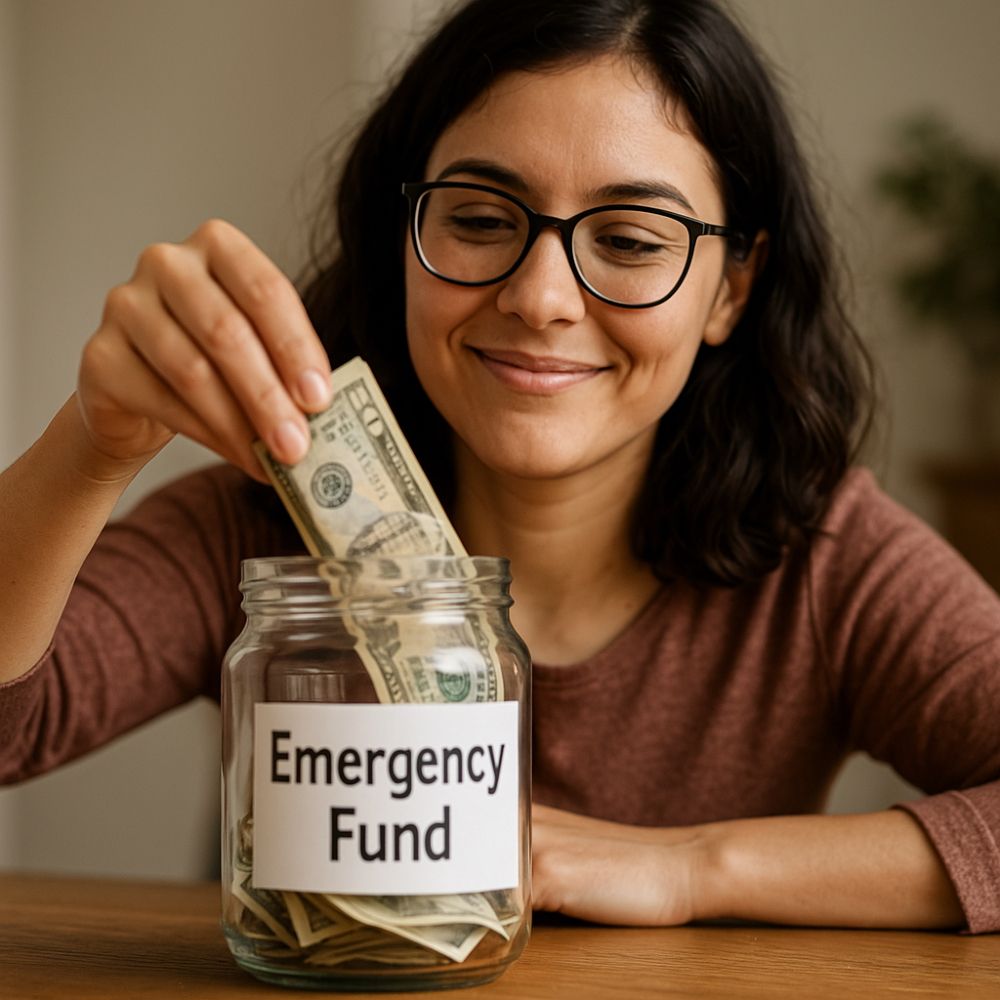
1. Start With Whatever You Can Afford
One of the biggest mistakes people make is waiting until they can save a large amount. You might think saving only $10 or $20 is not worth the effort.
But small amounts can become meaningful when you keep adding them consistently. Your first goal should not be becoming financially perfect overnight.
Instead, focus on proving to yourself that you can save money regularly. Even if your first deposit feels tiny, it still moves you forward.
You can start with whatever amount your current income allows. Maybe you can save $5 every week or $25 after every paycheck.
The amount matters less at the beginning than building the habit. As your financial situation improves, you can increase the amount gradually.
Remember, an emergency fund starts with the first amount you choose not to spend.
2. Set a Small First Target
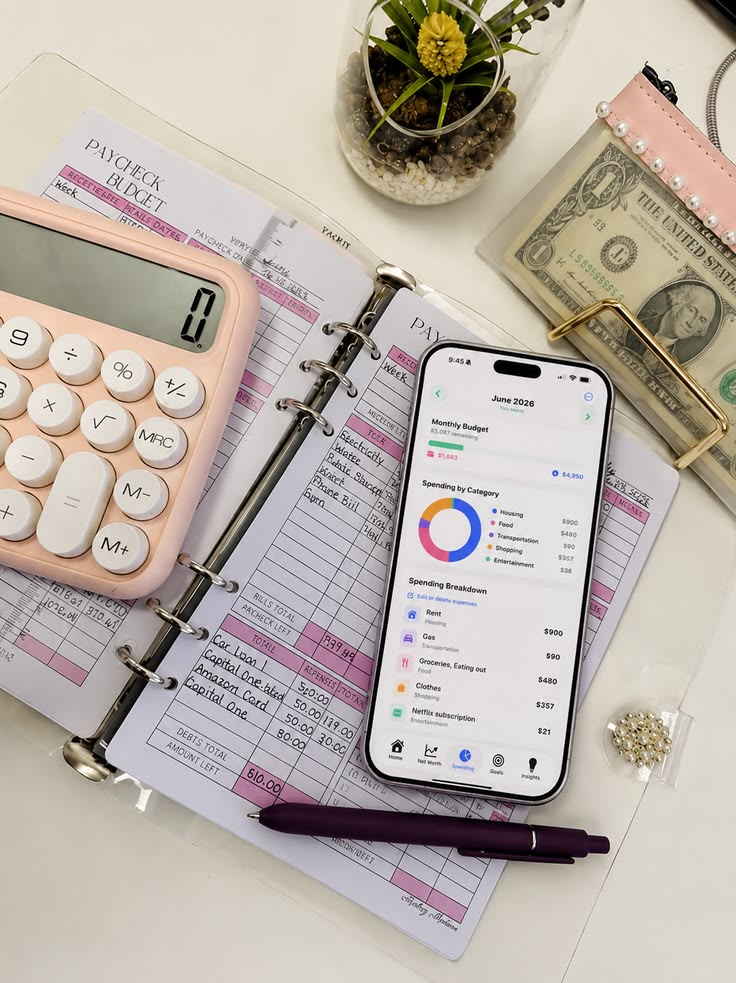
Saving for three to six months of expenses can sound overwhelming. Looking at a huge target can make you feel like there is no point starting.
Instead, give yourself a smaller target that feels possible right now. Your first goal could be $100, $250, $500, or another amount that fits your situation.
Once you reach that target, choose another one and continue building. Small goals give you something clear to work toward each month.
They also make your progress easier to notice and celebrate. You are less likely to feel discouraged when the next target feels achievable.
As your savings grow, you can eventually work toward covering several months of essential expenses. The key is making your emergency fund grow in stages instead of stressing about the final number.
3. Know Why You Are Saving
Saving becomes easier when you understand exactly what the money is protecting you from. An emergency fund should have a clear purpose from the beginning.
This money can help cover serious unexpected expenses that you cannot easily handle. For example, you might need money after losing your job unexpectedly.
You could also need it for urgent transportation, medical expenses, or essential home repairs. Knowing your reasons can help you resist spending the money casually.
You should not treat your emergency fund like money for weekend shopping. It is there to give you breathing room when something important goes wrong.
Write down your reasons somewhere you can see them regularly. That small reminder can help you stay focused when spending temptation appears.

4. Open a Separate Savings Account
Keeping your emergency money in your everyday spending account can make saving harder. You may see the balance and assume you have more spending money available.
That can make it easier to transfer the money back when you want something. A separate savings account creates a little distance between your savings and daily spending.
You can still access the money when a real emergency happens. But you are less likely to spend it simply because you can see it.
Choose an account that is easy enough to access during genuine emergencies. At the same time, avoid making the money so convenient that you constantly move it.
Your emergency fund should be available when needed but protected from casual spending.
5. Automate Your Savings
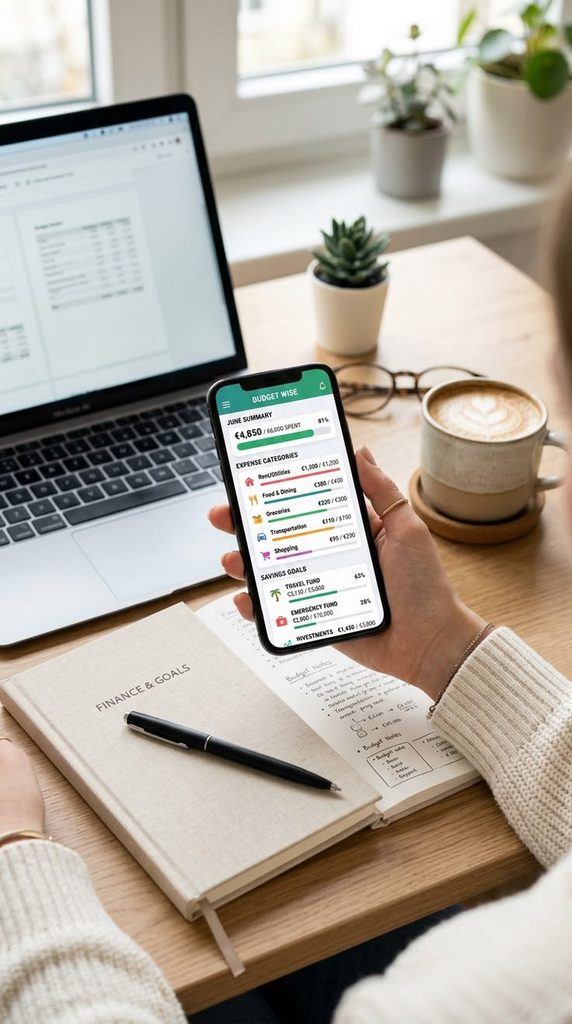
Saving manually every month can become difficult when life gets busy. You may remember one month and completely forget the next month.
Automatic transfers can make saving much easier because the money moves without extra effort. Choose an amount that can comfortably leave your account after receiving your income.
You could schedule the transfer for payday or shortly afterward. That way, saving becomes part of your normal money routine.
You also reduce the chance of spending the money before remembering your savings goal. Start with an amount that will not make your essential bills difficult to cover.
You can always increase the automatic transfer later as your income improves. If you are still learning how to organize your monthly income, 25 Things to Include in Your First Monthly Budget can help.

photo credit
6. Save Part of Every Paycheck
Another simple method is saving something every time you get paid. You do not need to wait until the end of the month.
Saving first can help you avoid spending everything and hoping something remains later. Choose a fixed amount that works with your current income.
You could also choose a percentage instead of a fixed amount. For example, you might decide to save five percent from every paycheck.
When your income increases, your emergency fund contribution can increase too. This method works especially well because every paycheck contributes something toward your safety net.
Even irregular income can follow the same idea with smaller flexible contributions. If you are still getting used to receiving your income, 45 Things You Should Know About Your First Paycheck can also help.

7. Use Extra Income for Your Emergency Fund
Extra income can give your emergency fund a helpful boost. This could come from freelance work, overtime, bonuses, commissions, or small side jobs.
You do not have to put every extra dollar into savings. Instead, choose a percentage that feels realistic and useful. For example, you could save half of an unexpected bonus.
The remaining amount can go toward something enjoyable or another financial goal. This approach lets you enjoy extra money without losing the chance to strengthen your finances.
Even occasional extra deposits can speed up your progress. The important thing is giving some of that money a useful job before spending it.

8. Save Your Unexpected Money
Sometimes money comes into your hands that you were not expecting. You might receive a gift, refund, cash reward, or other unexpected payment.
Instead of immediately spending everything, consider putting part of it into your emergency fund. You can still enjoy some of the money if you want to.
The goal is simply avoiding the habit of treating every unexpected dollar as spending money. Even putting twenty or thirty percent aside can make a difference.
This can be especially helpful when your normal income barely covers your monthly needs. Your emergency fund can grow faster when several small opportunities come together.

9. Cut One Small Expense
You do not always need to make huge lifestyle changes to save more. Sometimes, one small spending change can free up money every month.
Look at your regular expenses and choose one thing you can reduce. Maybe you can order takeout one fewer time each week.
You might also reduce unnecessary app subscriptions or expensive convenience purchases. Then send the money you save directly into your emergency fund.
For example, saving $30 each month gives you $360 after one year. The goal is not making your life miserable just to save money.
It is finding small areas where your spending can change without causing major stress. For more practical ways to free up money, 35 Simple Ways to Lower Your Monthly Expenses is worth keeping nearby.

photo credit
10. Use a Separate Savings Challenge
Savings challenges can make building an emergency fund feel more interesting. You can create a challenge based on your income and financial situation.
For example, you might increase your savings by $5 each week. You could also choose different amounts for different weeks based on your available money.
The challenge should motivate you rather than create pressure. Do not force yourself to save amounts that leave you unable to cover essential expenses.
A simple challenge can help you stay consistent and see your savings grow. You might even create a visual tracker to watch your progress. Seeing the numbers rise can give you extra motivation to continue.

11. Save Money From Things You Sell
Look around your home for things you no longer use. You might have clothes, electronics, furniture, books, or other useful items sitting untouched.
If those items are still valuable, consider selling them. Instead of spending the money immediately, send some or all of it into your emergency fund.
This can turn unused belongings into useful financial protection. You may also discover that your home becomes less cluttered along the way.
Start with items you genuinely no longer need. Do not sell something essential simply because you want to reach your savings goal faster. The point is creating extra money without creating another problem for yourself.

12. Put Your Savings Before Nonessential Spending
It can be tempting to spend first and save whatever remains. The problem is that there may be nothing left after everything else is paid.
Saving before nonessential spending gives your emergency fund a better chance to grow. This does not mean ignoring rent, food, transportation, or other important bills.
Handle your necessary expenses while giving savings a clear place in your plan. Then decide how much remains for entertainment and other flexible spending.
This approach helps you enjoy your money without forgetting your future needs. If your income is limited, 35 Ways to Save Money on an Entry-Level Salary can give you more ideas.
13. Reduce Impulse Purchases
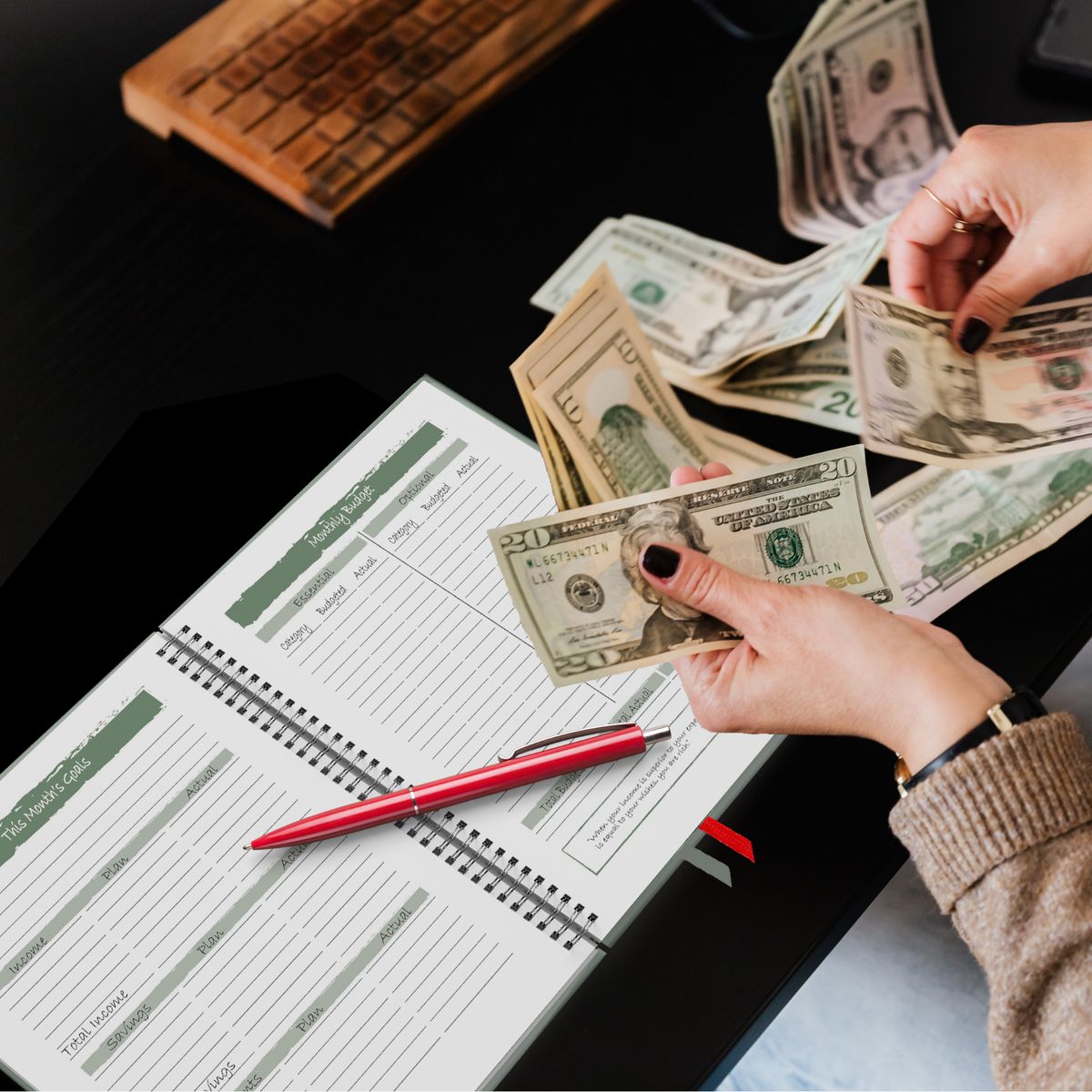
Impulse spending can quietly slow down your emergency fund progress. You may buy something because it looks useful or because everyone seems to have it.
Later, you might realize that purchase was not actually important. Try giving yourself a waiting period before buying nonessential items.
You could wait twenty-four hours before making smaller purchases. For more expensive items, give yourself several days to think about the decision.
During that time, ask yourself if the purchase is worth delaying your financial goals. Sometimes, you will still want the item after waiting.
Other times, you will realize that you were simply caught up in the moment. That pause can leave more money available for your emergency fund.

14. Give Your Emergency Fund a Clear Name
A simple name can change how you think about your savings. Instead of calling the account “Savings,” give it a clear purpose.
You could call it “Emergency Fund,” “Rainy Day Money,” or something personal. Seeing that name can remind you why you should not spend the money casually.
It also separates emergency savings from money meant for holidays or shopping. That distinction becomes useful when you have several financial goals at once.
You want to know exactly what each savings account is meant to accomplish. Clear labels can make your financial system easier to understand and maintain.
You’ll want to come back to this: 35 Simple Ways to Lower Your Monthly Expenses

15. Track Your Progress Monthly
Building an emergency fund can feel slow when you check it every few days. Instead, review your progress once a month.
Write down how much you started with and how much you ended with. Then compare your current balance with your target.
You can also look at how much you contributed during that month. This gives you a simple picture of your progress without making savings feel stressful.
If you missed your target, do not immediately assume you failed. Look at what happened and decide what you can change next month. Your emergency fund should grow alongside your real life, not outside it.

16. Use Windfalls Carefully
Sometimes you receive a larger amount of money at once. It could be a bonus, tax refund, gift, work payment, or another unexpected financial boost.
Large amounts can disappear surprisingly quickly when there is no plan for them. Before spending the money, decide how much should go toward your emergency fund.
You might choose to save half and use the rest for another important goal. If your emergency fund is completely empty, you may decide to save more.
The right amount depends on your current financial needs and responsibilities. The important thing is making the decision before excitement takes over.
Keep this guide nearby: 25 Things to Include in Your First Monthly Budget

17. Avoid Using Your Emergency Fund for Regular Bills
An emergency fund should not become your backup for poor monthly planning. If you constantly use it for groceries, shopping, or normal bills, it will never grow.
Regular expenses should already have a place in your monthly budget. Your emergency fund should be reserved for situations that truly require extra money.
If you keep running short every month, look closely at your spending plan. You may need to reduce expenses, increase income, or adjust your budget.
45 Expenses to Budget for When You Live on Your Own can help you identify costs that are easy to forget. Once your normal expenses are properly planned, emergency savings becomes easier to protect.
18. Build a Starter Fund Before a Full Emergency Fund
You do not have to jump straight toward saving several months of expenses. Start by building a small starter emergency fund first.
This could be $250, $500, or another realistic amount. The exact number depends on your income, bills, and personal situation.
Once you reach your starter goal, you can begin working toward a larger cushion. This approach can make the process feel less intimidating.
It also gives you some protection while you continue building your financial foundation. The first few hundred dollars can already make certain smaller emergencies easier to handle.

19. Keep Your Lifestyle From Growing Too Quickly
Your income may increase as you gain experience and become more established. When that happens, it can be tempting to upgrade everything immediately.
You might move into a more expensive apartment or start spending more on entertainment. Some lifestyle improvements are completely reasonable.
But giving every extra dollar a new spending job can slow your financial progress. Instead, send part of every income increase toward your emergency fund.
You can still improve your lifestyle while strengthening your financial safety net. This becomes easier when you decide your priorities before the extra money arrives.
Save this idea: 45 Things You Should Know About Your First Paycheck

20. Avoid Borrowing to Fund Your Lifestyle
Credit cards and loans can make purchases feel easier in the short term. But borrowed money can create another monthly payment later.
If you constantly depend on credit for unexpected expenses, financial pressure can build quickly. Building an emergency fund gives you another option during difficult moments.
That does not mean you should never use credit. It simply means you should avoid treating available credit like money you already own.
If you are still learning about credit cards, 35 Things to Know Before Getting Your First Credit Card can help you understand the basics. A growing emergency fund can also make it easier to use credit responsibly.

21. Save Before Increasing Your Fun Budget
When your income increases, it can be tempting to increase your spending immediately. You may start thinking about nicer clothes, more restaurant meals, weekend trips, or expensive treats.
After all, you worked for the extra money, so enjoying some of it is completely reasonable. The problem begins when every extra dollar gets spent before you strengthen your financial foundation.
Instead of automatically increasing your fun budget, consider giving some of your raise a specific purpose. You could direct part of the extra money toward your emergency fund before changing your lifestyle.
For example, imagine your income increases by $200 each month. You could put $100 toward your emergency savings and use the remaining $100 for things you enjoy.
Still, you get to enjoy your higher income while making your financial cushion stronger.
You can also use this approach whenever you receive a bonus, commission, or other increase in income. You do not have to save everything and completely deny yourself enjoyment.
The goal is finding a balance that allows you to make progress without feeling restricted.
Saving more before increasing your lifestyle can also prevent lifestyle inflation from becoming a habit.
When every raise immediately turns into new expenses, you may continue feeling financially stretched even though your income keeps growing.
Your emergency fund may not look dramatically different after one month. However, those extra contributions can become meaningful when you continue making them over time.
Give your future self some of today’s extra money. You will appreciate having that financial cushion when an unexpected expense eventually comes your way.
22. Rebuild Your Fund After Using It
Sometimes, a genuine emergency will happen, and you will need to use the money you worked hard to save. Your car may need an urgent repair, you could face an unexpected bill, or your income might suddenly change.
Using your emergency fund in a situation like this does not mean you failed at saving. In fact, it means your savings did exactly what you created them to do.
An emergency fund is not meant to sit untouched forever. It is there to give you financial breathing room when something happens that your normal budget cannot comfortably handle.
Once the emergency has passed, however, rebuilding your savings should become an important priority again. You do not have to replace everything immediately.
Start by returning to the savings routine you had before the emergency. If your budget allows, you could temporarily increase your monthly contribution.
You might also reduce a few optional expenses for a while and redirect that money toward your savings.
For example, you could eat out less often, pause unnecessary shopping, or reduce entertainment spending until your balance becomes healthier.
Do not feel discouraged simply because your savings balance suddenly looks smaller. Remember how long it took you to build it the first time.
You already know that you can save, and now you are simply starting another chapter. If you cannot save much during the first few weeks, contribute whatever amount your budget allows.
Even small deposits can help you regain momentum. The goal is not to keep your emergency fund untouched forever.
The goal is to have a financial cushion you can use when life genuinely requires it, and the discipline to rebuild it afterward.
Starting over does not erase your progress. It proves that you have created something valuable enough to rebuild..

23. Keep Your Emergency Fund Easy to Understand
Your emergency fund should fit into a simple financial system. You should know how much you have and what situations qualify as emergencies.
You should also know how quickly you can access the money when something serious happens. Keeping everything simple makes the fund easier to manage.
You do not need complicated rules that make saving feel like another job. Create a system that matches your income, responsibilities, and lifestyle.
Then review the system as your financial situation changes.
If you are preparing for independent living, 25 Financial Goals to Set Before Living on Your Own can also help you decide what your emergency savings should support.

24. Increase Your Emergency Fund as Your Expenses Grow
24. Increase Your Emergency Fund as Your Expenses Grow Your emergency fund should change as your life and financial responsibilities change.
The amount that protected you when your expenses were small may not be enough later. For example, moving into a more expensive apartment can increase your monthly housing costs.
Getting a car can also introduce fuel, insurance, maintenance, repairs, and other expenses. You may also take on new responsibilities, such as supporting family members or managing additional monthly payments.
When your essential expenses increase, your emergency savings should be reviewed as well. Take some time every few months to look at your current financial situation.
Add up the expenses you would still need to cover if your income suddenly stopped. Then compare that amount with what you currently have saved.
You may realize that your original emergency fund target no longer provides enough protection. That does not mean you planned badly.
It simply means your financial situation has changed, and your savings plan needs to change with it. You also do not need to increase your emergency fund dramatically overnight.
If your expenses increase by $200 each month, you can gradually adjust your savings target as your budget allows. You could also increase your regular contributions whenever your income rises.
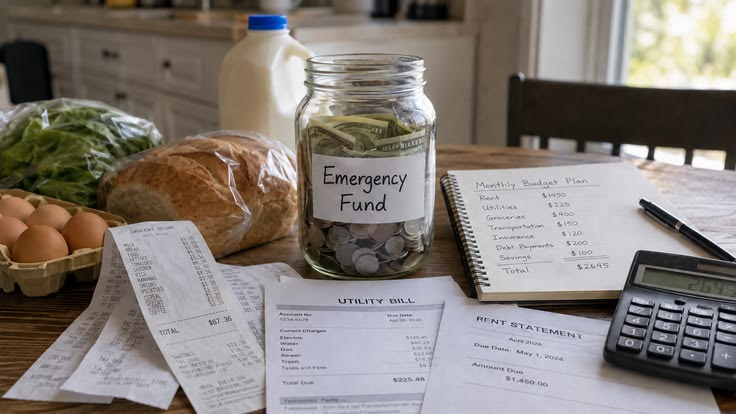
25. Stay Consistent Even When Progress Feels Slow
The final and perhaps most important step is staying consistent, even when your progress feels small. Building an emergency fund can sometimes feel frustrating when the balance barely seems to change.
You may save money for several weeks and still feel far away from your goal. There may also be months when unexpected expenses prevent you from saving anything at all.
When that happens, do not assume that you have failed. Your financial life will not look exactly the same every month.
Some months may give you more room to save, while others may require you to focus on getting through your regular expenses. What matters is returning to your savings habit when you are able.
Even a small deposit can remind you that your emergency fund still matters. You might save $5, $10, or $20 when that is all your budget can comfortably handle.
Those amounts may seem insignificant today, but they can become meaningful when you continue adding to them. You should also avoid comparing your progress with someone who earns more or has fewer financial responsibilities.
Your savings journey has to fit your own income, expenses, and circumstances. Building financial security is not about making one perfect financial decision.
It is about making small choices repeatedly until they become part of your normal routine. If you miss a month, simply begin again when your finances allow it.
If an emergency forces you to use your savings, give yourself permission to rebuild slowly. The goal is not keeping your emergency fund untouched forever.
Final Thoughts
Building an emergency fund from scratch can feel difficult when you are starting with almost nothing. You may look at your current income and wonder how you will ever save enough.
But you do not need to build the entire fund in one month. Start with a small amount that you can repeat without damaging your basic budget.
Then keep adding to it as your income and financial situation improve. Some months may allow you to save more than others.
That is okay because consistency matters more than having a perfect savings month. Your emergency fund can become one of the most helpful parts of your financial life.
It gives you something to fall back on when life does something you did not plan for. You may never know exactly when you will need it.
That is the whole point of having it. When an unexpected expense appears, you can handle the situation without immediately turning to debt.
You can protect money meant for rent, food, transportation, or other important needs. You can also make financial decisions with a little more breathing room.
As your income grows, let your emergency fund grow with it. And if you have to use the money someday, remember that you did not fail.
The goal is being better prepared when those problems arrive. A small emergency fund today can become a strong financial safety net tomorrow. Start small, stay consistent, and give your future self something to lean on.
Leave a Reply