Managing your money in your 20s can be really overwhelming, especially when you’re still figuring out how to make your income work for you.
Starting your first job can feel exciting, especially when you finally have money coming in regularly. But an entry-level salary can disappear quickly when rent, food, transportation, and bills compete for attention.
You may also want to enjoy your new income after working hard to earn it. That is completely normal, but learning to save early can make your money feel less stressful.
You do not need a huge salary before you can start saving consistently. Instead, you need simple habits that help you keep more of the money you already earn.
Saving does not always mean making huge sacrifices or refusing yourself everything enjoyable. Sometimes, it simply means making smaller choices that leave more money available for important goals.
If you are building your financial habits from scratch, 35 Money Habits to Start in Your 20s can give you a helpful starting point.
In this guide, we’ll look at 35 practical ways to save money on an entry-level salary. These ideas focus on everyday choices you can actually make without making your life unnecessarily difficult.

1. Know Exactly Where Your Money Goes
Before trying to save money, you need to understand where your current income disappears. It is difficult to reduce spending when you do not know what you are actually spending.
Start by checking your bank statements and reviewing your recent purchases carefully. Look at groceries, transportation, subscriptions, eating out, shopping, bills, and other regular expenses.
You may notice several small expenses that seemed harmless individually but became expensive together. Once you see those patterns, you can decide which areas deserve your attention first.
This simple habit can also make your monthly budget much more realistic. If you are still learning how to organize your income, 25 Things to Include in Your First Monthly Budget can help.
2. Create a Simple Monthly Budget
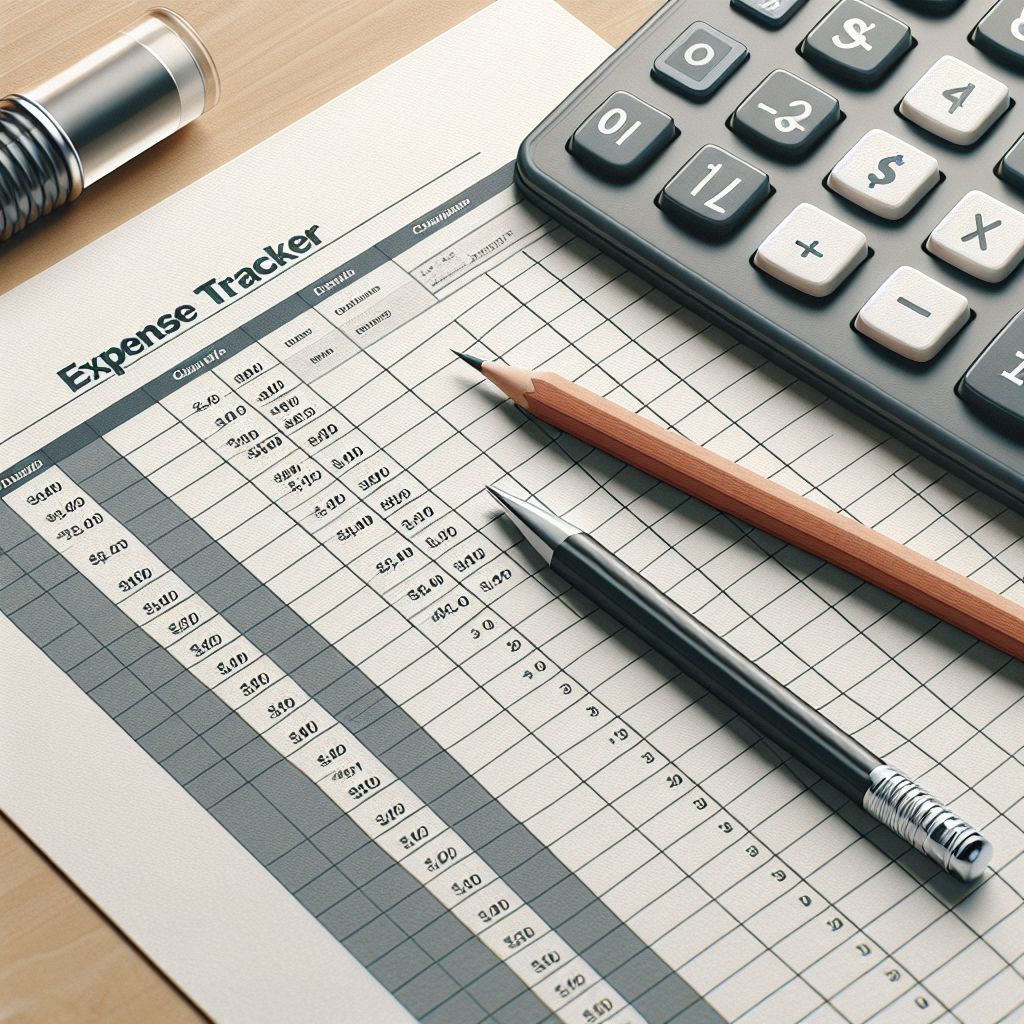
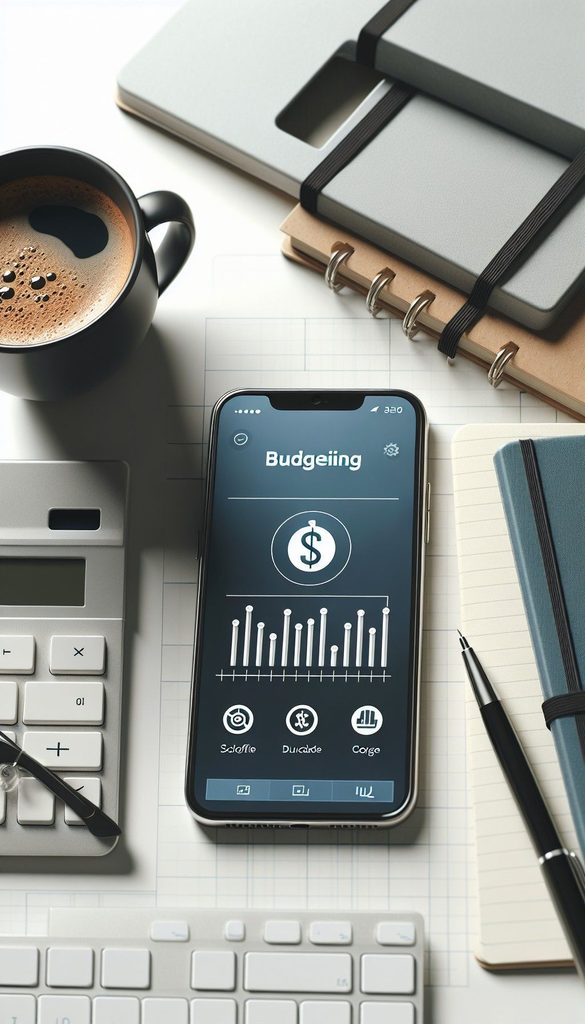
A budget helps you decide where your money should go before you start spending. You do not need complicated spreadsheets or expensive budgeting software to get started.
Write down your monthly income and your most important expenses first. Then include savings, debt payments, food, transportation, personal spending, and other regular costs.
A simple budget can show you exactly how much money remains after your responsibilities. That makes it easier to find an amount you can save consistently.
Your budget should fit your actual income instead of copying someone else’s financial routine. If you live independently, 45 Expenses to Budget for When You Live on Your Own can help you plan more accurately.
3. Save Immediately After Getting Paid
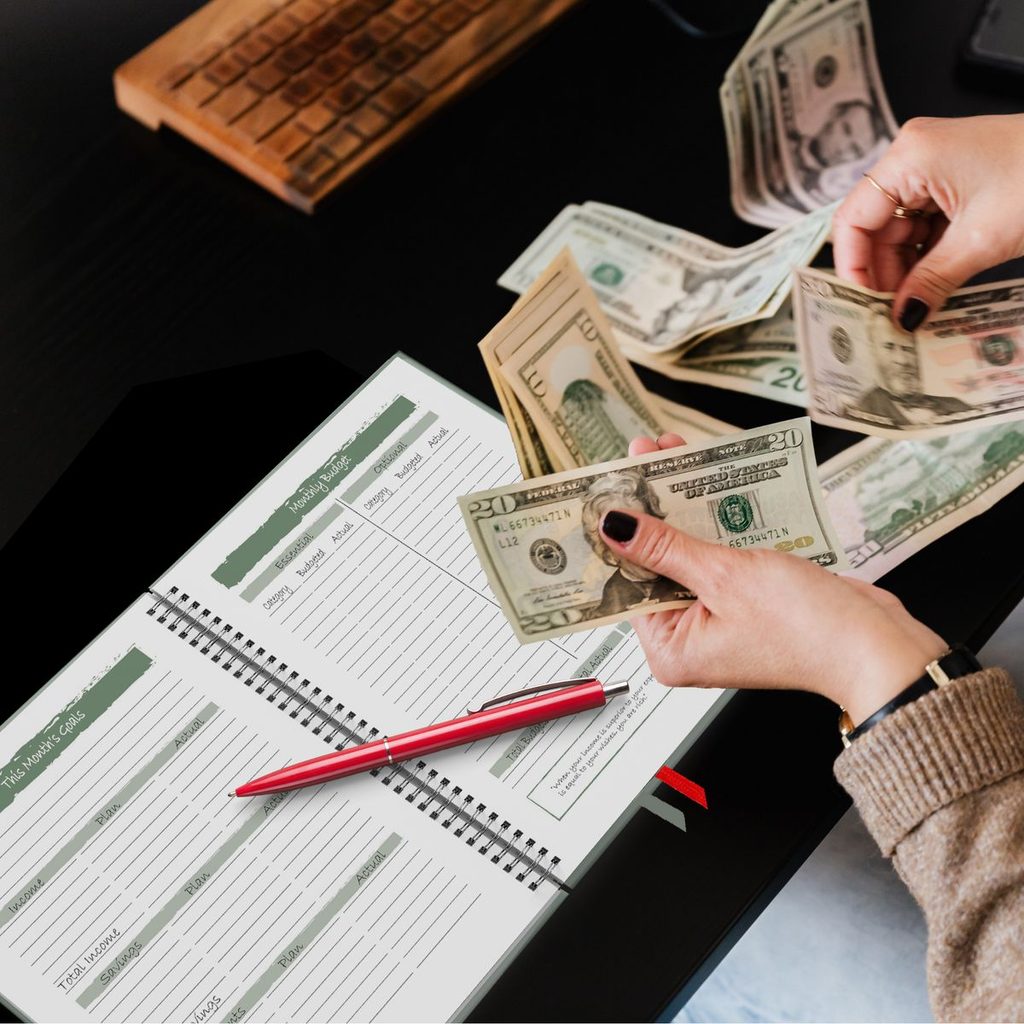
Waiting until the end of the month can make saving much harder than necessary. There may be nothing left after bills, shopping, food, transportation, and unexpected spending.
Instead, decide how much you want to save before the month becomes busy. Move that amount into savings shortly after your paycheck arrives.
You can start with a small amount if your salary is limited right now. The goal is not to impress anyone with your savings balance.
The goal is to create a habit that continues even when your income remains modest. As your salary increases, you can slowly increase the amount you save.

4. Start With a Small Savings Target
A small savings target can feel much easier than trying to save a large amount immediately. You might begin with $10, $20, $50, or another amount your budget can handle.
The exact amount matters less than building consistency with your saving habit. Saving $20 every month is still better than planning to save $500 and never starting.
Once that smaller amount becomes normal, you can increase it gradually. This approach can make saving feel less overwhelming when you are earning an entry-level salary.
You are building the habit first, then allowing your savings amount to grow with time. Do not underestimate small progress when you are building your financial foundation.

5. Automate Your Savings
Automating your savings can make the process easier because you do not have to remember every month. Set up an automatic transfer from your main account into your savings account.
Choose a transfer date that works with your regular payday. This can help you save before you have too many opportunities to spend.
Even a small automatic transfer can become meaningful when it continues for several months. You can increase the transfer later when your income becomes more comfortable.
Automation also removes some of the emotional decisions that can make saving difficult. Instead of asking yourself if you should save, your system simply does it.
6. Separate Your Savings From Spending Money
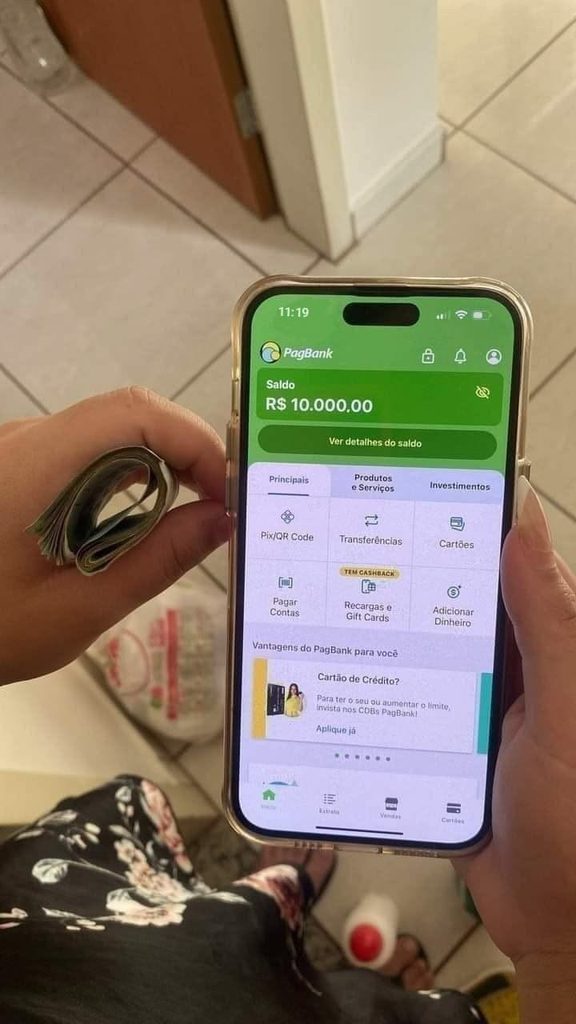
Keeping all your money in one account can make saving feel harder. You may see a large balance and assume you have more spending money available.
A separate savings account creates a clear boundary between spending and saving. Your everyday account can handle bills, groceries, transportation, and normal purchases.
Your savings account can hold money for emergencies, goals, or future needs. This separation can make it easier to leave your savings untouched.
Just make sure the account does not create unnecessary fees that reduce your progress. A simple system can make saving easier without requiring constant willpower.
7. Track Your Small Purchases
Small purchases can quietly take a surprising amount of money from an entry-level salary. Coffee, snacks, delivery fees, convenience purchases, and small online orders can add up quickly.
You do not need to stop every small purchase to save money. Instead, track them for one month and see how much they actually cost.
You may discover that one spending habit is taking more money than expected. Once you know the amount, you can decide if reducing it would help your goals.
For example, bringing coffee from home several days each week could create useful savings. Small changes become more powerful when you repeat them consistently.
8. Cook at Home More Often
Eating out regularly can make an entry-level salary feel much smaller. Restaurant meals, takeout, delivery fees, and drinks can quickly become expensive.
You do not have to stop eating out completely to save money. Instead, choose a few days each week when you cook at home.
Learn several simple meals that are affordable, filling, and easy to prepare. You can also prepare larger portions and save leftovers for another meal.
This reduces the temptation to order food when you are tired. Cooking more often can leave extra money available for savings without making your lifestyle miserable.

9. Make a Grocery List Before Shopping
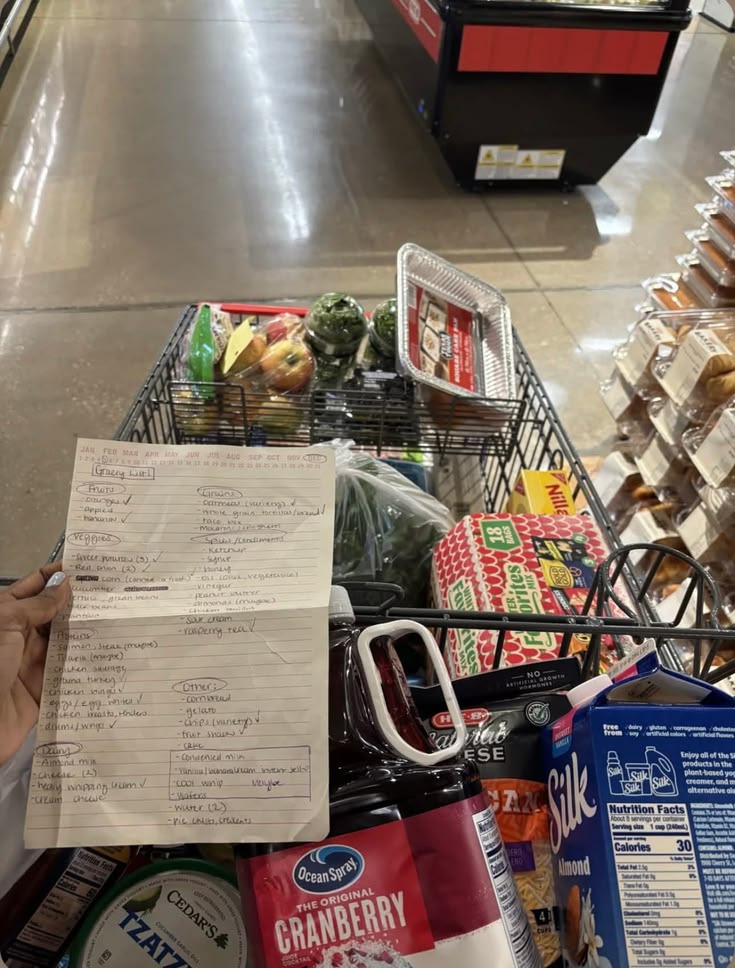
Shopping without a plan can make it easier to buy things you never intended. Before visiting the store, check what you already have at home.
Then write down the food and household items you genuinely need. Try to follow the list instead of adding random items along the way.
You can also plan several meals around ingredients you already own. This helps reduce food waste and unnecessary spending.
If you notice groceries taking too much of your income, compare prices between stores. A little planning before shopping can make your grocery money stretch further.
10. Use What You Already Have
Saving money does not always mean finding something cheaper to buy. Sometimes, the best way to save is simply using what you already own.
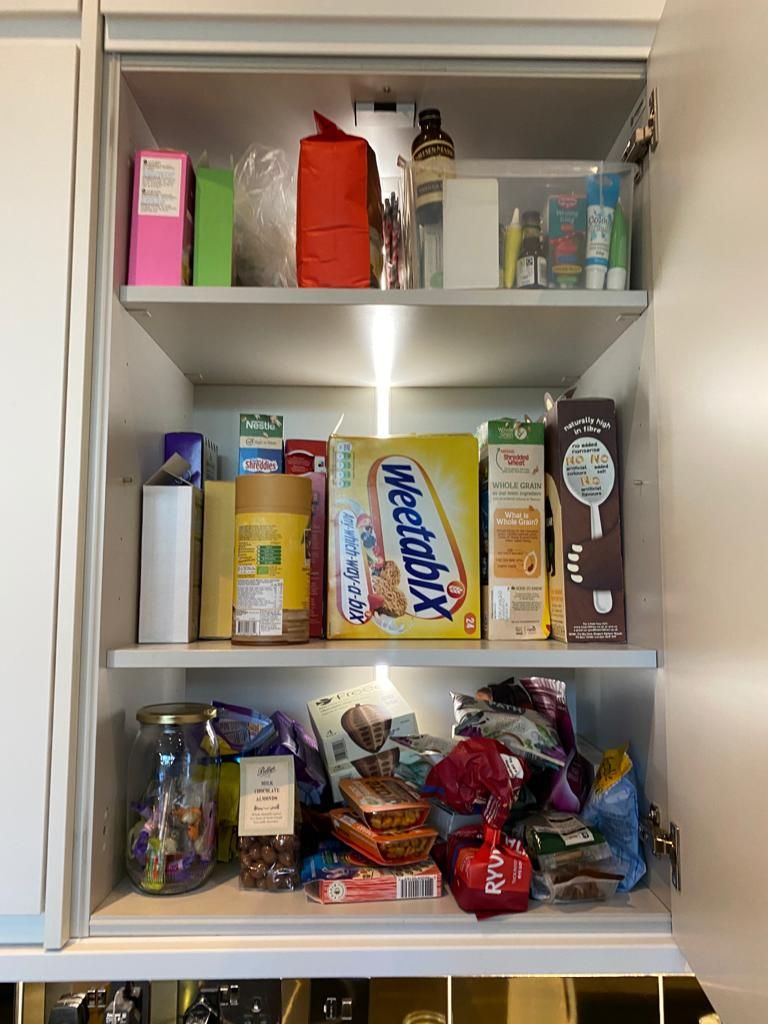
Check your kitchen, wardrobe, bathroom, and storage areas before shopping. You may already have products or clothes that can meet your needs.
Try finishing household products before buying replacements unnecessarily. You can also create outfits from clothes you already own instead of shopping frequently.
This habit reduces unnecessary purchases and helps you become more intentional with spending. It also reminds you that having enough is different from constantly buying something new.
11. Cancel Unused Subscriptions
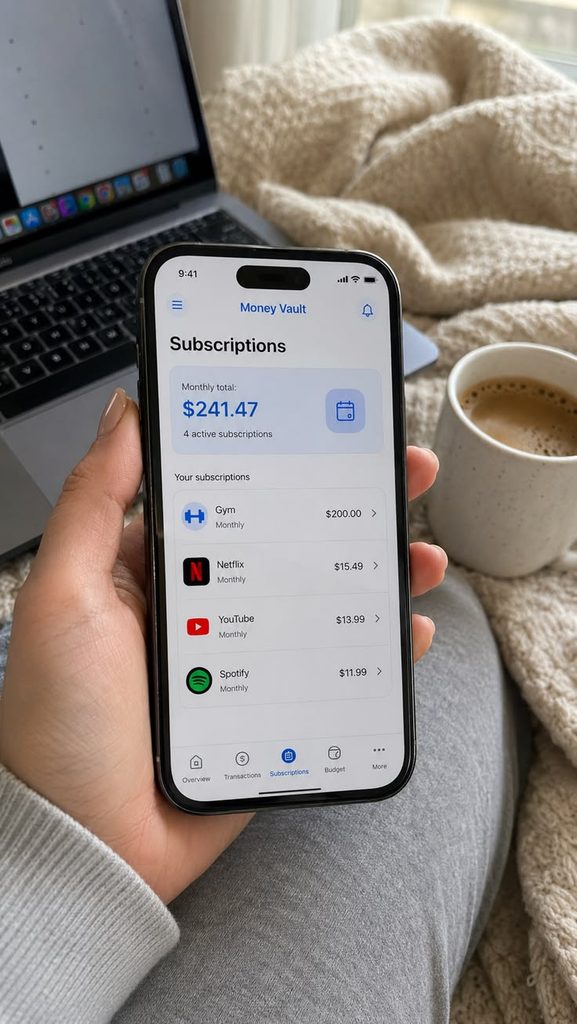
Subscriptions can quietly reduce your savings every month. You may have streaming services, apps, memberships, software, or storage plans you rarely use.
Go through your bank statements and identify every recurring payment. Then ask yourself how often you actually use each service.
Cancel subscriptions that no longer provide enough value for their monthly cost. You can always subscribe again later if something becomes useful.
Even saving $10 each month gives you an extra $120 across one year. Those savings can go toward your emergency fund, debt, or another financial goal.
12. Compare Your Phone Plan
Your phone bill may seem small, but recurring savings can add up over time. Check your current plan and compare it with cheaper options available to you.
You may be paying for more data, minutes, or features than you actually need. Look at your normal usage before choosing a different plan.
A cheaper plan that still meets your needs can free money every month. You can then redirect that amount toward savings instead of letting it disappear.
The goal is not always choosing the cheapest option available. The goal is paying for what you actually use.

13. Review Your Internet Plan
Internet is another recurring expense that deserves a regular review. Your needs may change after starting a new job or moving into your own apartment.
Check your current speed, data allowance, and monthly price. Then compare those features with other available plans.
You may discover that you can pay less without losing anything important. Avoid upgrading simply because a faster plan sounds better.
Choose a service that matches your actual needs and financial situation. Saving a small amount every month can become useful when you maintain the habit.
14. Set a Limit for Eating Out
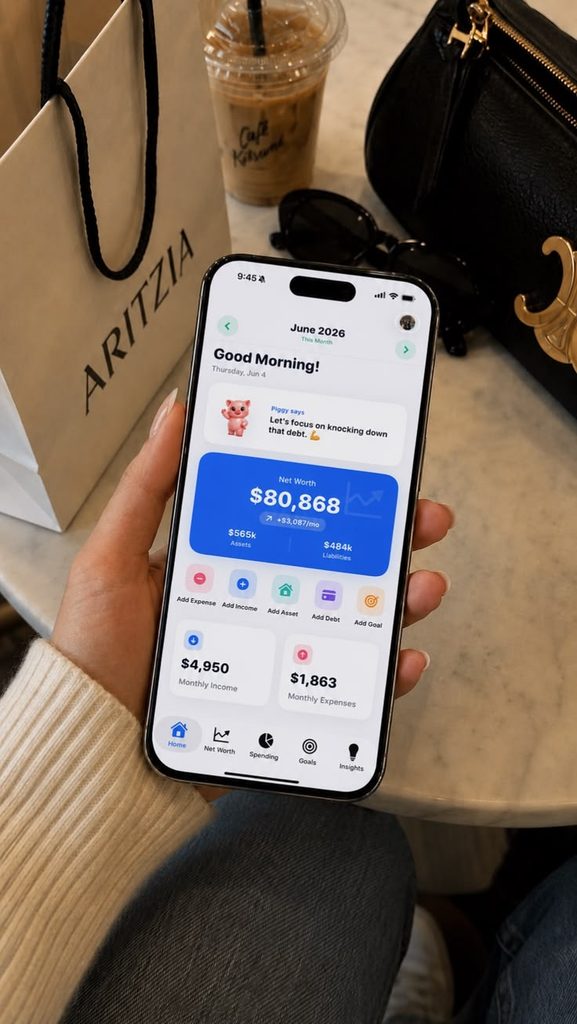
You can still enjoy restaurants while working with an entry-level salary. The problem usually begins when eating out happens without any spending limit.
Choose an amount you can comfortably afford for restaurants and takeout each month. Once you reach that amount, pause until the next budget period.
This does not mean you cannot enjoy yourself. It simply gives your spending a clear boundary.
You may even find that you enjoy eating out more when you plan those meals. A little structure can help you enjoy your money without losing control of it.

15. Use Public Transportation When It Makes Sense
Transportation can take a large part of an entry-level salary. If public transportation is reliable and practical, consider using it for some regular trips.
You could also combine public transportation with walking when the distance allows. Ride-sharing can be useful sometimes, but frequent trips can become expensive.
Compare the cost of different transportation options before choosing your normal routine. You do not need to choose the cheapest option every single time.
Instead, look for a balance between cost, safety, convenience, and your daily responsibilities. Lower transportation costs can leave more room for savings each month.

16. Plan Your Trips Before Leaving Home
Last-minute travel can become expensive when you are constantly moving around. Before leaving home, think about the places you need to visit.
Try combining several errands into one trip when possible. This can save transportation costs and reduce the time spent traveling.
Planning can also help you avoid unnecessary ride-hailing charges. If you drive, combining errands can reduce fuel usage as well.
These changes may seem small, but they can become meaningful across an entire year. Saving money often comes from making everyday decisions slightly more intentional.
17. Buy Clothes With a Plan
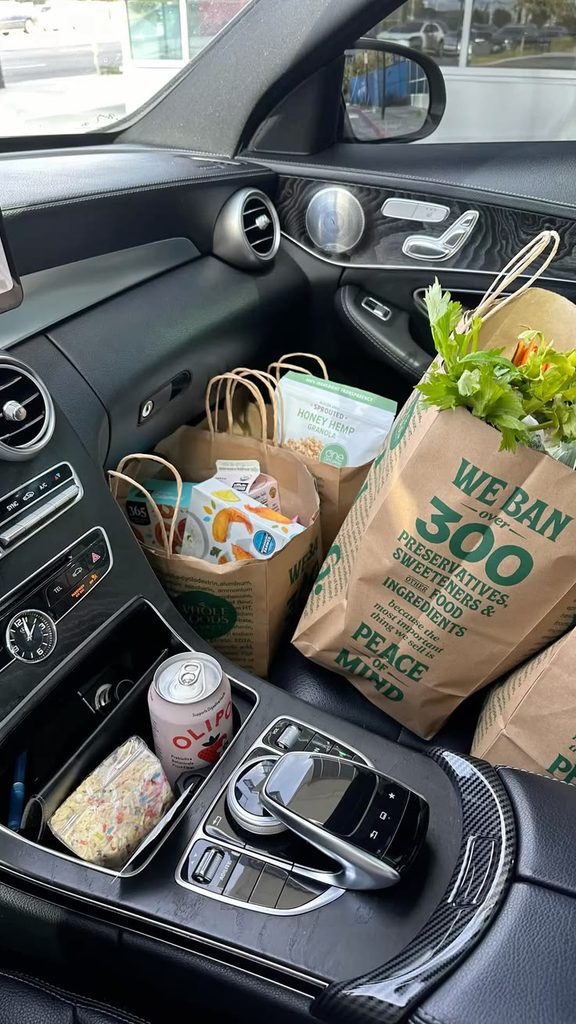
Shopping for clothes whenever you feel like it can quickly strain a smaller salary. Instead, identify the clothing items you genuinely need before shopping.
Focus first on work clothes, basic shoes, underwear, and other necessary items. Avoid buying something simply because it is discounted or currently popular.
A sale does not save money if you would never have bought the item otherwise. You can also wait before buying expensive clothing to see if you still want it.
Planning your clothing purchases can help you spend less without looking careless or unprepared.

18. Choose Generic Products When They Work
Brand names can sometimes cost more without giving you a meaningful difference. For everyday products, compare generic options with the brands you normally buy.
This can work for groceries, cleaning products, toiletries, and other household items. You do not have to switch everything at once.
Try one cheaper option and see if it works well for you. If the quality is good, keep using it and direct the difference toward savings.
This is a simple way to reduce spending without changing your entire lifestyle.

19. Buy Used When It Makes Sense
Some items do not need to be brand new. Furniture, books, appliances, clothing, and certain electronics can sometimes be bought used.
Check the condition carefully before making the purchase. You should also compare the used price with the current price of a new item.
Sometimes buying new makes more sense because of warranties or better quality. The goal is not buying everything secondhand.
It is simply considering another option before paying full price. This can be especially useful when furnishing your first apartment.

20. Avoid Shopping When You Are Bored
Boredom can make online shopping feel like entertainment. You may open a shopping app without needing anything and suddenly find several things to buy.
Try replacing shopping with activities that do not involve spending money. You could watch a movie you already have, take a walk, read, exercise, or call someone.
Removing shopping from your list of entertainment options can reduce unnecessary spending.
You can also delete shopping apps that constantly encourage you to purchase something. Less exposure to tempting products can make saving much easier.

21. Use the Waiting Rule
Give yourself time before buying things that are not essential. For small purchases, you could wait twenty-four hours before making the decision.
For expensive purchases, give yourself several days to think about the cost. During that time, ask yourself if the item fits your current financial goals.
You may discover that you wanted the excitement of buying rather than the actual item. If you still need it later, you can consider buying it from your planned spending money. This simple pause can prevent many unnecessary purchases.

22. Use Cash for Certain Spending Categories
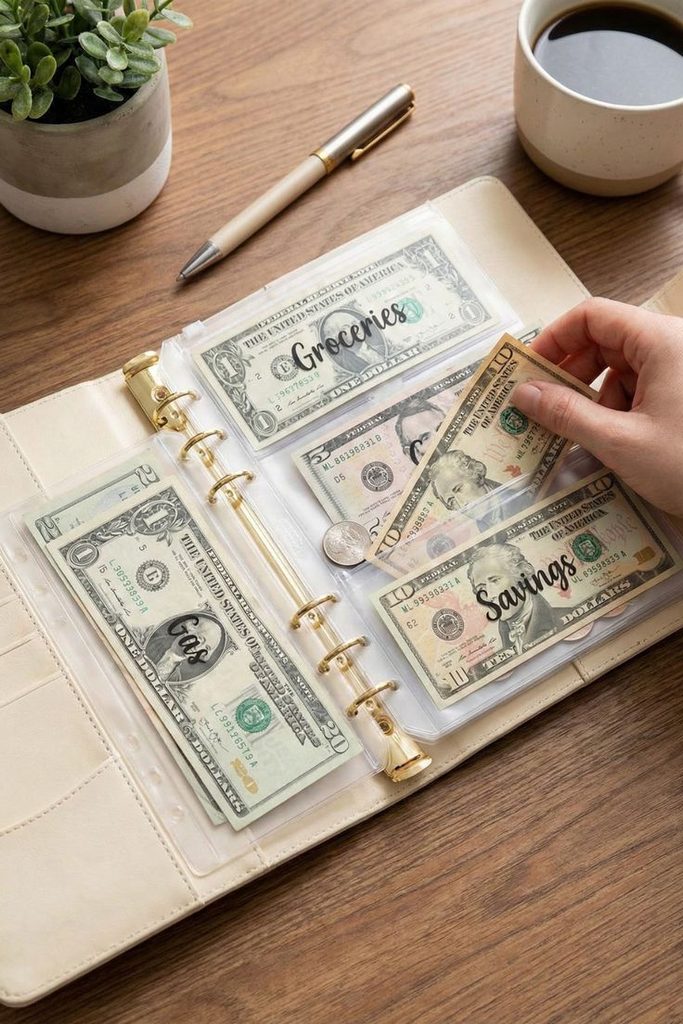
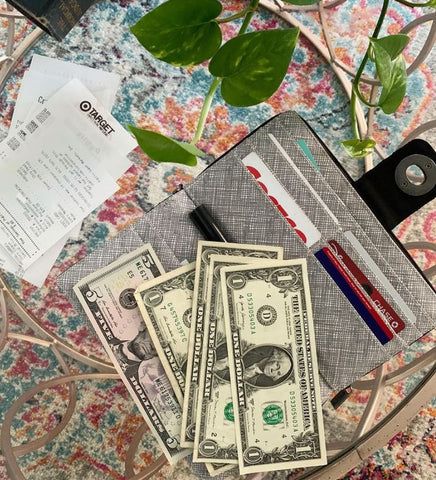
Some people spend more when they can easily tap or click to pay. If that sounds familiar, consider using cash for specific categories.
You might use cash for entertainment, eating out, or personal spending. Once the cash is finished, you know exactly how much remains for that category.
This can make your spending limit feel more real. You do not need to use cash for every expense. Use it only where it helps you control spending more easily.
23. Reduce Delivery Fees
Food delivery can cost more than the meal itself after fees and tips. If you order regularly, those extra charges can become a significant monthly expense.
Try picking up food yourself when it is practical and safe. You can also cook at home when delivery becomes an expensive habit.
If you still enjoy ordering food, set a monthly limit for it. Reducing delivery charges can help you keep more money without completely removing takeout. The key is knowing how much convenience is costing you.

24. Plan Your Meals Around What Is Already Home
Before shopping, look through your refrigerator, freezer, and cupboards. You may already have enough ingredients for several meals. Build your meal plan around those items before buying more food.
This can reduce waste and prevent duplicate purchases. You can also freeze foods that you will not use immediately.
Using what you already have is one of the easiest ways to lower grocery spending. It also makes your shopping trips faster because you know exactly what you need.

25. Negotiate Bills When Possible
Some monthly expenses may have room for negotiation. You can contact providers and ask about cheaper plans, discounts, or available promotions.
This may apply to certain phone, internet, insurance, or service bills. Before calling, know what you currently pay and what alternatives exist.
Be polite and explain that you are looking for a more affordable option. Even a small monthly reduction can become meaningful over twelve months.
If you are trying to reduce several recurring bills, 35 Simple Ways to Lower Your Monthly Expenses can give you more ideas.

26. Avoid Upgrading Your Lifestyle Too Quickly
Getting your first salary can create a strong desire to upgrade everything. You might want better clothes, a nicer phone, expensive meals, or a more expensive apartment.
There is nothing wrong with enjoying your progress. But upgrading everything immediately can leave you with little money to save.
Give yourself time to adjust to your new income first. Then decide which upgrades actually improve your life. Keeping your lifestyle reasonable can help you build savings faster as your career develops.

27. Save Part of Every Raise
A raise can make saving easier if you give the extra money a purpose. Instead of immediately increasing all your spending, save part of the additional income.
For example, you could save half of your raise and use the rest for lifestyle improvements. This allows you to enjoy earning more without spending everything extra.
It also helps your savings grow faster as your income improves. The same idea can apply to bonuses, side-income increases, and other regular pay increases.Give extra income a job before it quietly becomes another monthly expense.

28. Use Windfalls Carefully
Sometimes you may receive money outside your normal salary. This could be a gift, refund, bonus, side-income payment, or other unexpected money.
You do not have to spend all of it simply because it was unexpected. Consider putting part toward savings, debt, or another important financial goal.
You can still keep a portion for something enjoyable. This creates a balance between rewarding yourself and protecting your financial future.
Unexpected money can be especially useful when your regular salary does not leave much room for saving. For future planning: 25 Financial Goals to Set Before Living on Your Own.

29. Build an Emergency Fund
Saving becomes even more important when you are responsible for your own expenses. An emergency fund can help cover unexpected situations without forcing you into new debt.
Start with a small target that feels possible on your current salary. You can increase the target as your income improves.
Keep contributing even after reaching your first small milestone. If you need a practical starting point, 25 Ways to Build an Emergency Fund From Scratch can guide you through the process.
Having emergency savings can also make unexpected expenses feel less frightening.

30. Pay Down Expensive Debt
High-interest debt can make saving difficult because part of your money keeps going toward interest. Look at your debts and identify the ones costing you the most.
Continue making required payments while directing extra money toward your repayment plan. Avoid taking on new debt for unnecessary purchases during this process.
Paying down expensive debt can eventually free money for savings and other goals. You do not need to solve every debt immediately. Start with a realistic payment plan that you can maintain consistently.

31. Stop Trying to Keep Up With Friends
Your friends may have different incomes, responsibilities, and financial situations. You do not need to spend at their level just because you spend time together.
If expensive outings are becoming difficult, suggest cheaper alternatives. You could cook together, watch a movie at home, visit a free event, or take a walk.
Good friends should not require you to damage your budget to participate. Protecting your finances does not mean you are boring or unsuccessful. It simply means you are making choices based on your own financial reality. Keep this nearby: 35 Things to Know Before Getting Your First Credit Card

32. Plan Your Free Time
Having no plan for your free time can sometimes lead to unnecessary spending. You may go shopping, order food, or visit expensive places simply because you feel bored.
Create a list of free or low-cost activities you genuinely enjoy. This could include exercising, reading, cooking, visiting friends, or exploring free local activities.
You can still have enjoyable weekends without spending large amounts. Planning your free time can make saving feel less like deprivation.
You are simply choosing how to enjoy yourself with the money you already have.

33. Set a Specific Savings Goal
Saving becomes easier when you know exactly what you are working toward. Instead of saying you want to save more, choose a specific amount and purpose.
You might save for an emergency fund, apartment, car, education, or future trip. Write down the amount and give yourself a realistic timeline.
Then calculate how much you need to save each month. A clear target gives every small saving decision a reason. You can also track your progress and celebrate milestones without spending excessively. Read this next: 25 Money Mistakes to Avoid When You First Start Living Alone
34. Review Your Spending Every Month
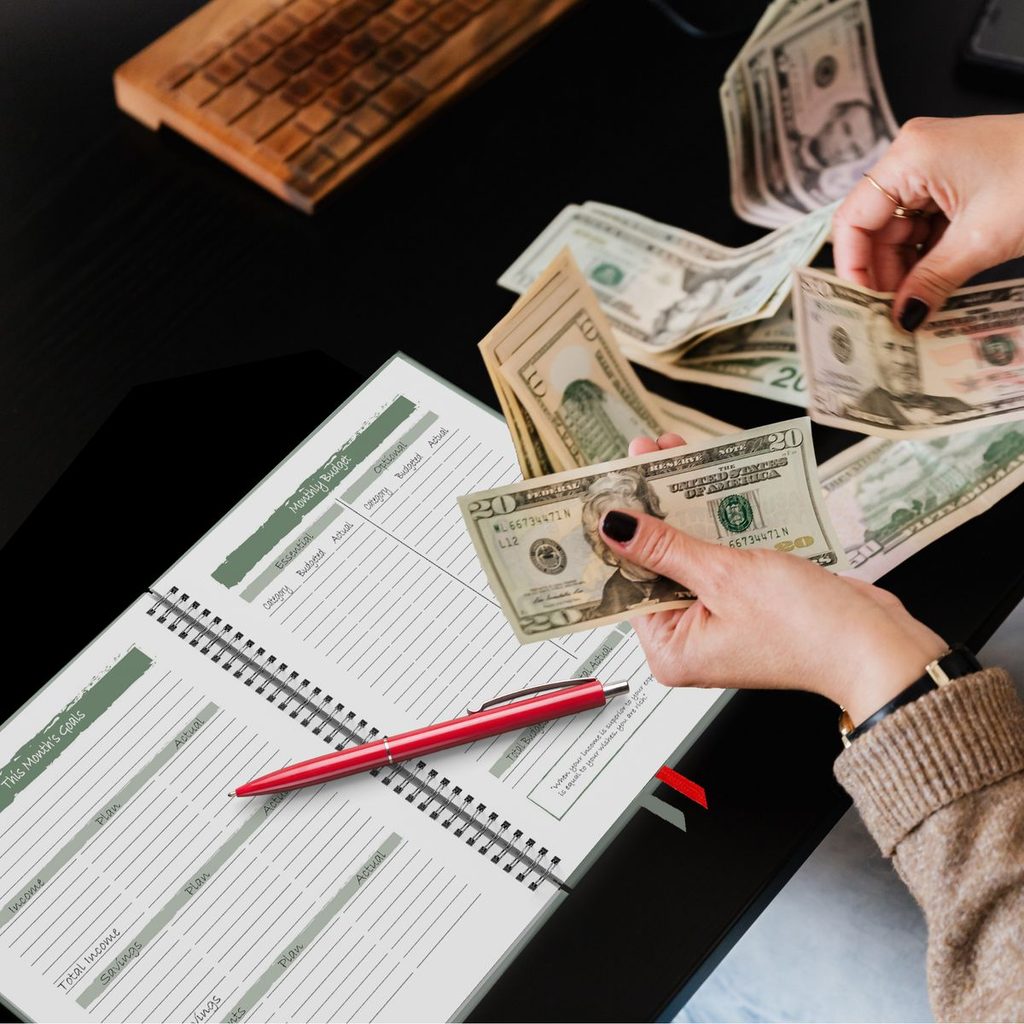
Saving money is not something you set up once and forget. At the end of each month, review your income and spending. Look at the categories where you stayed within budget and those where you overspent.
Ask yourself what caused the difference and what you can change next month. You may discover unnecessary subscriptions, expensive habits, or categories that need larger amounts.
Regular reviews help your budget become more accurate over time. They also help you notice progress that may otherwise be easy to overlook.

35. Increase Your Savings When Your Income Grows
An entry-level salary does not have to be your permanent financial situation. As your skills improve, you may receive raises, better opportunities, or additional income.
When that happens, avoid increasing every expense immediately. Increase your savings alongside your income. You can still improve your lifestyle, but give some of the extra money a future purpose.
This helps prevent lifestyle creep from taking everything you worked hard to earn. Over time, the difference between your income and spending can become a powerful financial advantage. Save this guide: 25 Ways to Build an Emergency Fund From Scratch

Final Thoughts
Saving money on an entry-level salary can feel difficult, especially when your income already has many responsibilities attached.
But you do not need to make dramatic changes to start seeing progress. Sometimes, saving begins with one subscription you finally cancel.
It can also begin with cooking at home, tracking small purchases, or planning your grocery trips. The goal is not to make your life unnecessarily restrictive.
The goal is to become more intentional with the money you already have. Your first salary may not be enough for everything you want immediately.
That is okay because your financial situation can improve as your skills, experience, and income grow. What matters now is learning how to manage your money before your income becomes larger.
Good habits built on a smaller salary can become even more powerful when your income increases. If you are living independently, remember that your regular expenses can include many things beyond rent.
Planning those costs carefully can help you avoid spending your entire paycheck before the month ends. You can revisit 45 Expenses to Budget for When You Live on Your Own whenever you need help reviewing those costs.
Also remember that saving does not mean refusing yourself every enjoyable experience. Give yourself reasonable spending limits and make room for things you genuinely enjoy.
That balance can make your financial habits much easier to maintain. You may not save huge amounts every month right now.
Still, the money you save today can give you more choices and breathing room later. Start small if you need to. Stay consistent. Review your spending regularly. Increase your savings whenever your income allows.
And most importantly, do not compare your financial progress with someone else’s. Your salary, responsibilities, goals, and starting point may look completely different. Focus on building a financial life that works for you.
If you are also learning how to handle your first salary properly, 45 Things You Should Know About Your First Paycheck can help you understand what happens when your income starts coming in.
Your entry-level salary may be small, but your financial habits do not have to be. Start with what you have, make thoughtful choices, and keep improving as you go.
Small savings can become meaningful when you give them time, consistency, and a clear purpose.
Leave a Reply