Living on your own sounds like freedom until you realize nobody else is coming to handle the small things. The rubbish still needs taking out, the bills still need paying, and dinner still needs making.
Your clothes do not wash themselves, your groceries do not replace themselves, and your home will not clean itself.
Suddenly, everyday things that once happened quietly around you become your responsibility. That can feel overwhelming at first, especially when you are still learning how adulthood actually works.
But here is the part nobody tells you enough: you do not need to master everything at once. You simply need to learn how to handle your responsibilities little by little.
Some days will go smoothly, while other days will leave you wondering how you forgot something so simple. That is normal when you are learning to live independently for the first time.
If you are still getting used to the transition, How to Navigate Your First Month of Independent Living can help you understand that adjustment.
The goal is not becoming perfect at adulthood. The goal is becoming more responsible, organized, and confident with each new experience.
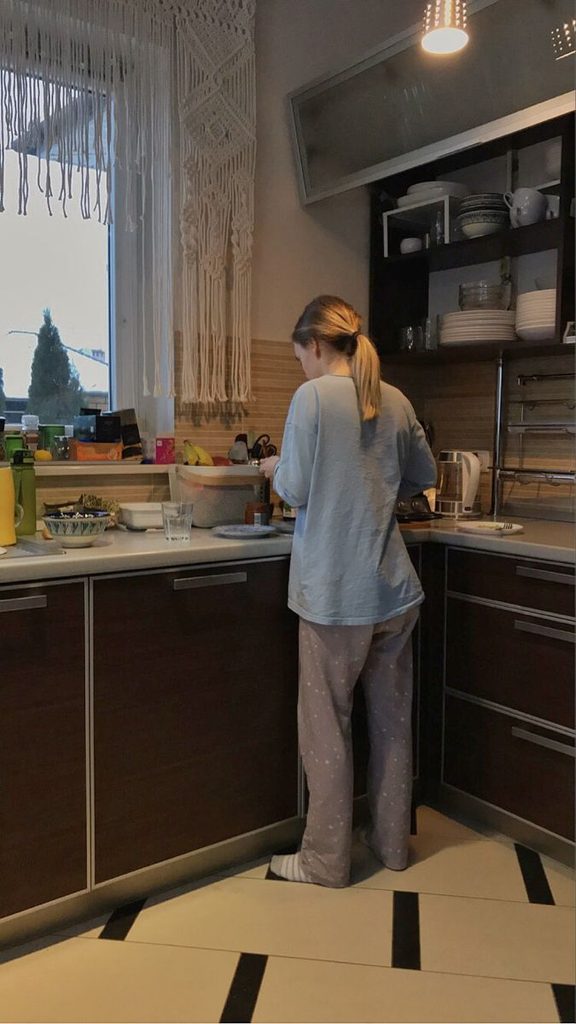
Understand What Independent Living Really Means
Living on your own means becoming responsible for many parts of your everyday life. You decide how your money is spent, how your home is managed, and how your time is used.
You also become responsible for noticing problems instead of waiting for someone else to notice them. That can include paying bills, buying groceries, cleaning, doing laundry, and keeping appointments.
It also means making choices that protect your safety, health, finances, and future. At first, these responsibilities can feel like too much because they all seem important.
But most of them become easier once you create simple routines around them. You do not need to remember everything every day without help.
Use calendars, reminders, notes, lists, and other simple tools that make life easier. Independent living becomes less stressful when you stop relying on memory for everything.

Create a Routine That Actually Fits Your Life
A good routine can make independent living feel much more manageable. You do not need a strict schedule that controls every minute of your day.
Instead, create a simple rhythm that reminds you when important tasks need attention. Maybe you handle laundry on certain days and groceries on another regular day.
You could also choose a particular evening for checking bills, cleaning, and planning the next week. The routine should fit your work, school, social life, and personal energy.
If your schedule is already busy, do not create an unrealistic cleaning routine. During my first few weeks handling everything myself, I tried to do too much in one day.
I quickly became tired and started avoiding tasks because the routine felt impossible. Eventually, I learned that smaller routines were easier to maintain and still kept my home under control.
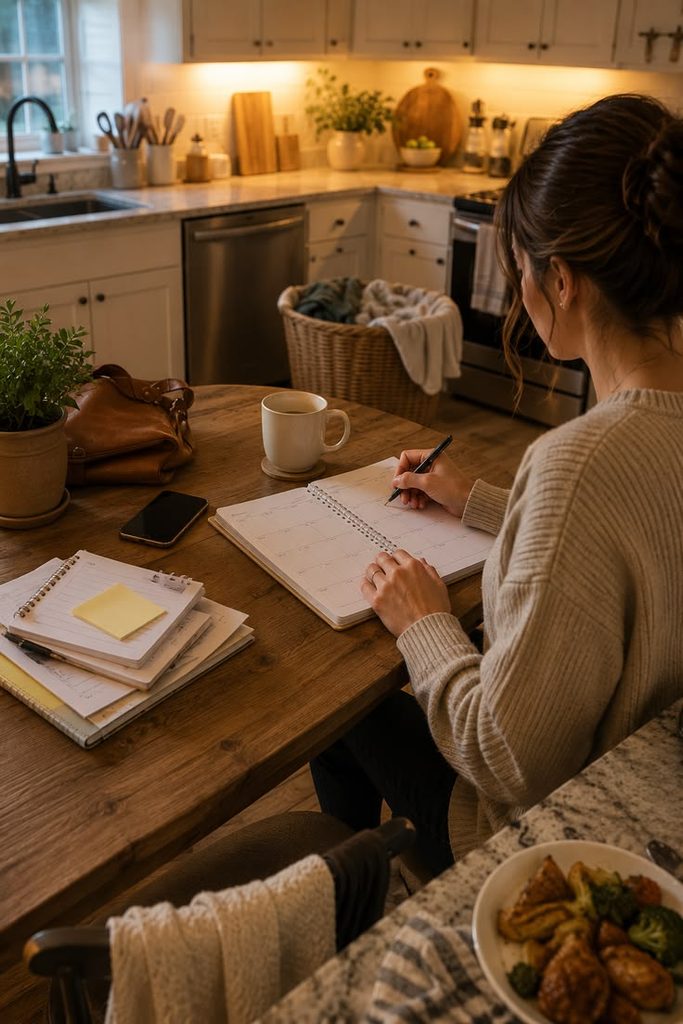
Keep Track of Your Money
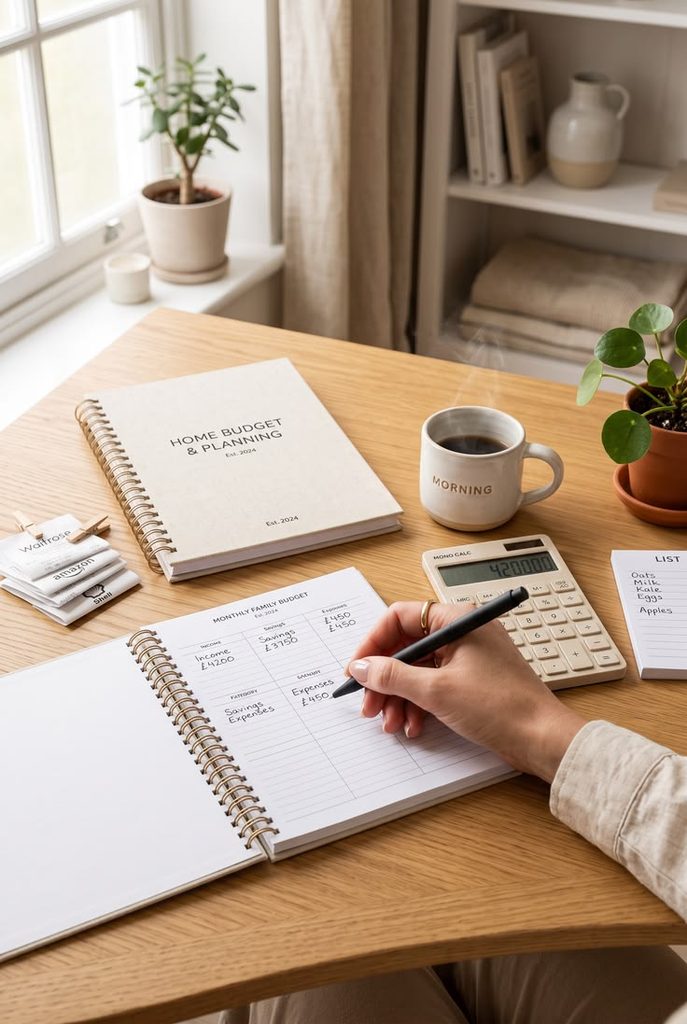
Money becomes one of the biggest responsibilities when you live independently. Your income now needs to cover housing, food, transportation, utilities, household items, savings, and personal spending.
That can feel difficult if you have never managed all those categories before. Start by knowing exactly how much money comes in and where it normally goes.
Then, give important expenses a place in your monthly plan before spending on extras. Rent, utilities, groceries, transport, and other regular costs should not be surprises.
You also need room for unexpected expenses because life rarely follows a perfect budget. A simple spending plan can show you how much money is actually available.
For more preparation around this area, How to Prepare Financially Before Living on Your Own can help you build a stronger starting point.
The more clearly you understand your money, the easier it becomes to make responsible choices.

Never Ignore Your Bills
Bills are one responsibility that can quickly become stressful when you forget about them. You may have rent, electricity, water, internet, subscriptions, or other regular payments.
Write down every bill and its expected payment date somewhere easy to check. Set reminders before the due date so you have enough time to prepare.
Do not wait until the final hour before checking your account. You should already know how much money needs to remain available for upcoming payments.
Your first utility bills can also teach you how much your home costs each month. If you are still learning how these charges work, How to Prepare for Your First Utility Bills is worth reading.
Once bill payments become part of your regular routine, they stop feeling like sudden emergencies.

Learn to Plan Your Grocery Shopping
Food is another responsibility that can become expensive when you are not paying attention. Shopping without a plan can lead to wasted food, unnecessary snacks, and repeated trips to the store.
Before shopping, check your kitchen and see what you already have. Then think about the meals you can make with those ingredients before buying more food.
You do not need to prepare complicated meals every day. Simple meals can save money, reduce stress, and make your week easier.
Also, learn which foods you regularly use so you can build a practical shopping routine. If grocery shopping still feels unfamiliar, How to Prepare for Your First Grocery Shopping Trip can help you prepare.
Planning your food properly can also make your budget easier to control.

Keep Your Home Clean Enough to Feel Comfortable
Your home does not need to look perfect every day. Still, allowing everything to become dirty can make independent living feel harder than necessary.
Try handling small cleaning tasks before they become large problems. Wash dishes, wipe surfaces, take out rubbish, clean spills, and keep the bathroom reasonably clean.
You can also choose one day each week for deeper cleaning. The important thing is finding a routine that you can actually maintain.
A home that stays reasonably clean is easier to relax in after a long day. It can also help you notice problems like leaks, pests, damaged items, or broken appliances earlier.
Cleaning may not be exciting, but it is one of the basic responsibilities that keeps your home working well.

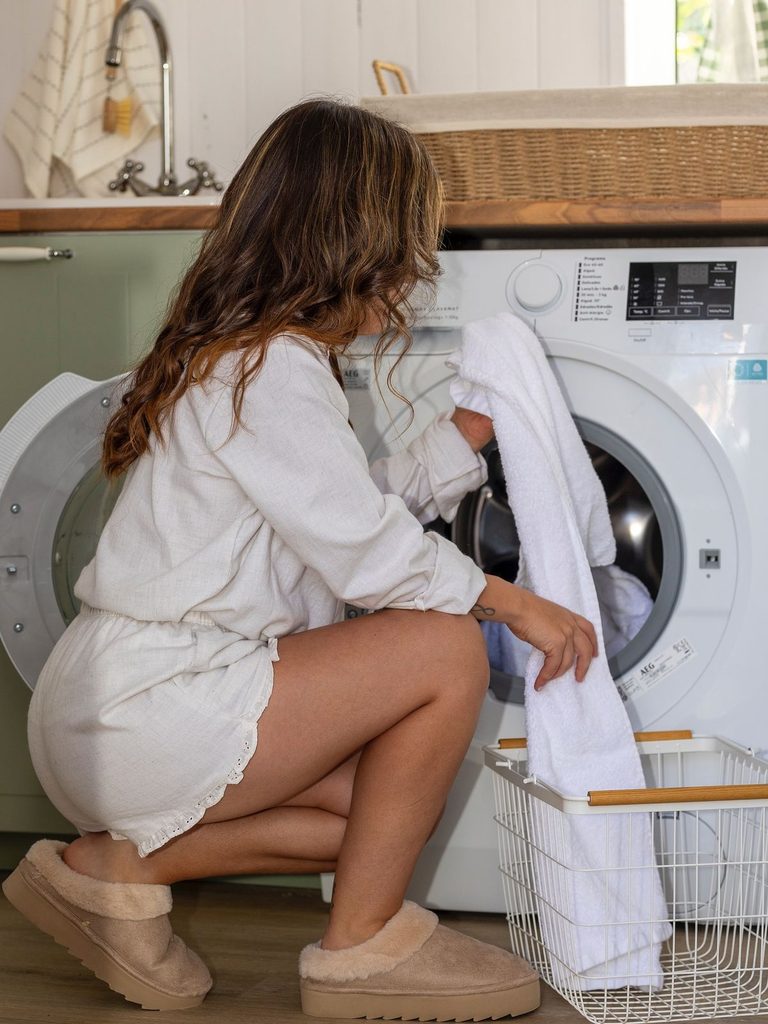
Stay on Top of Your Laundry
Laundry is easy to ignore until you suddenly have nothing clean to wear. When you live alone, nobody else is watching your laundry basket or reminding you to wash clothes.
Create a laundry routine that matches how much clothing you normally use. You may need to wash once a week, twice a week, or at another comfortable time.
Pay attention to clothing instructions because different materials may require different washing methods. Also, avoid leaving wet clothes sitting inside the machine for too long.
That can create unpleasant smells and make your laundry routine harder. During my first experience living independently, I once postponed laundry until I had almost nothing clean.
It seemed funny at the time, but it taught me how quickly a small responsibility can become inconvenient. Now I understand why simple routines are easier than waiting for problems.
Learn to Notice Problems Before They Become Serious
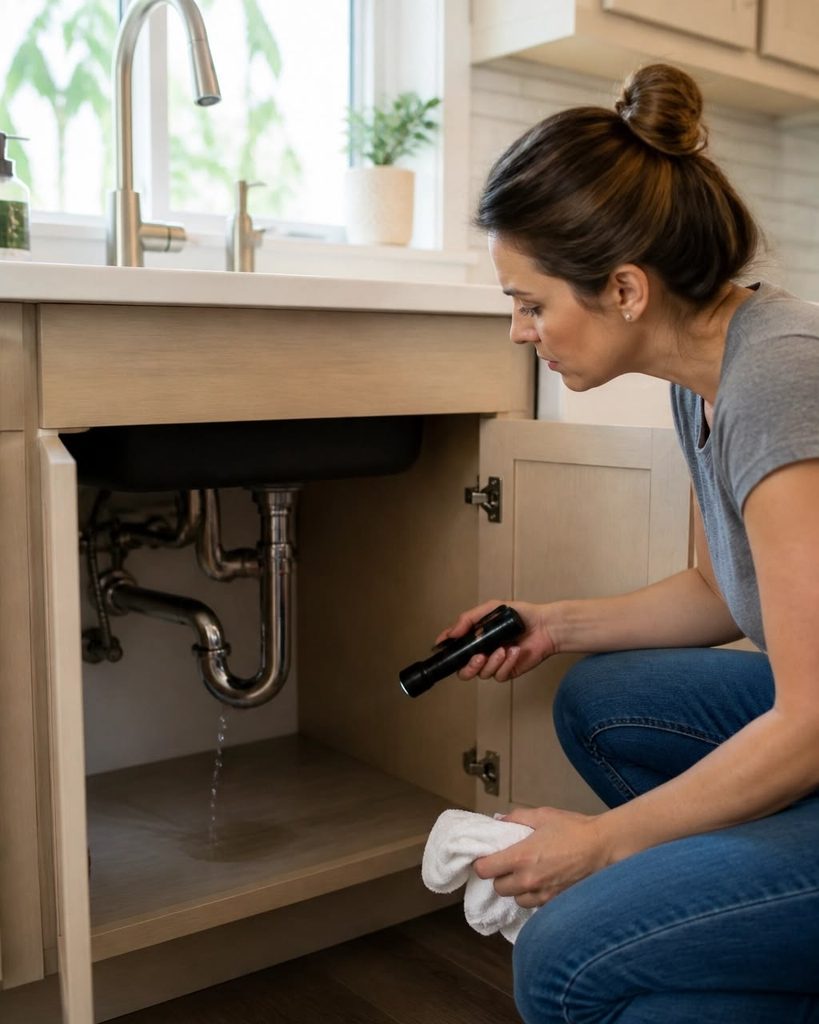
Part of living independently means paying attention to what is happening around your home. A small leak can become a bigger problem if you ignore it for weeks.
A strange appliance sound may also deserve attention instead of being treated as normal. You do not need to become an expert at repairing everything yourself.
You simply need to notice unusual changes and decide who should handle them. Check your home regularly for leaks, damaged locks, faulty lights, broken appliances, and other obvious problems.
If your landlord handles repairs, report issues as soon as you notice them. Do not wait because you hope the problem will disappear by itself.
Learning to notice problems early can protect your home, your money, and your peace of mind.
Understand What Your Lease Requires
Your lease is not something you should forget immediately after signing it. It contains information about your responsibilities as a tenant and the rules connected to your home.
You may need to check it when questions about repairs, guests, noise, parking, or moving out appear. Keep your copy somewhere safe and easy to access.
If you cannot remember what you agreed to, read the relevant section again. Do not rely only on something you think the landlord said months earlier.
For anyone still preparing to rent, What to Do Before Signing Your First Lease explains why understanding these details matters.
Knowing your housing responsibilities can prevent unnecessary arguments and confusion. It also helps you understand what you should handle yourself and what requires the property owner’s attention.

Protect Your Home and Personal Safety
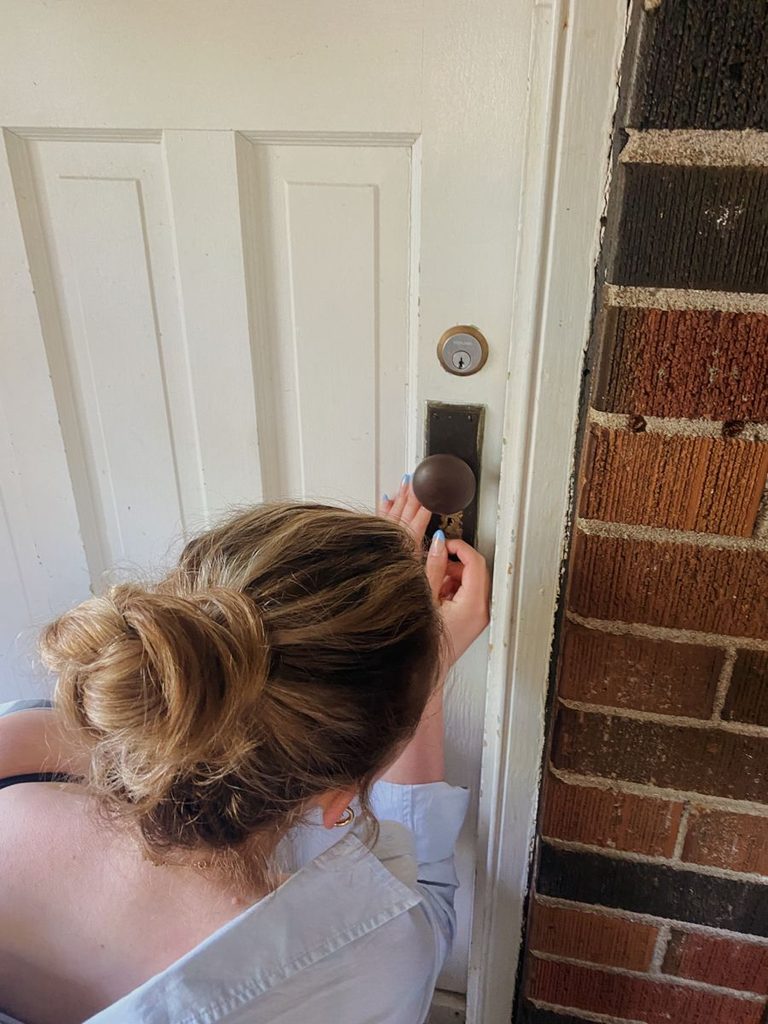
Safety becomes your responsibility when you are living alone. Always make sure your doors and accessible windows are properly secured when you leave.
Keep your keys somewhere safe and avoid sharing them casually with other people. You should also know the emergency contacts that matter in your area.
Learn where your nearest hospital, police station, pharmacy, or other important services are located. If you notice something suspicious around your home, take it seriously and seek appropriate help.
You do not need to become frightened about every unfamiliar sound or situation. Simple habits are usually enough to improve your awareness and reduce avoidable problems.
Your home should feel like a safe place where you can rest, work, and enjoy your personal life.
Manage Your Time Before It Manages You
Time becomes another major responsibility when you live independently. You may have work, school, errands, cleaning, cooking, appointments, social plans, and personal goals.
Without some organization, everything can start competing for your attention. Use a calendar or simple weekly plan to see what needs to happen.
You can also choose specific times for regular tasks instead of making decisions every day. For example, grocery shopping can happen on one regular day each week.
Laundry can happen on another day, while bill checking can happen once a week. This does not mean your schedule cannot change.
It simply gives you a basic structure that makes your responsibilities easier to remember.

Learn When to Say No
Living alone does not mean you have unlimited time, money, or energy. Friends may ask you to go out, attend events, lend money, or take on extra responsibilities.
Sometimes you will genuinely want to help, and other times you will already have too much going on. Learning to say no can protect your budget, schedule, and peace of mind.
You do not need to give a long explanation every time you decline something. A simple, respectful answer can be enough.
Your responsibilities at home still matter even when something more exciting comes along. If you spend all your available money or energy helping others, your own needs may suffer.
Being responsible includes knowing your limits and making choices that support your own stability.

Make Time for Rest
It is easy to believe that responsible adults should always be busy. You might feel guilty when you spend an evening watching a movie instead of cleaning something.
But rest is also part of managing your responsibilities properly. A tired person can struggle with decisions, work, money, relationships, and ordinary household tasks.
Give yourself time to sleep properly and enjoy activities that help you relax. You can also create quiet moments inside your home without needing to achieve anything.
Living independently should not become a constant cycle of work, chores, bills, and stress. Your home should also be a place where you can recover after a demanding day.
Finding that balance can help you stay responsible without becoming completely exhausted.
Stay Connected With People You Trust
Being independent does not mean cutting yourself off from people who care about you. You can still call family, spend time with friends, and ask for advice when something feels difficult.
Having support does not make you less independent. In fact, knowing when to ask for help is an important part of becoming responsible.
During my first year of handling more responsibilities alone, I sometimes thought asking questions meant I was not ready. I eventually realized that experienced people can save you from repeating mistakes they already made.
You are still responsible for your choices even after receiving advice. Keep relationships that encourage you, respect your boundaries, and support your growth.
A strong support system can make independent living feel much less lonely.

Handle Small Problems Without Panicking
Something will eventually go wrong when you live on your own. You might lock yourself out, lose something important, break a household item, or forget an appointment.
Your first reaction may be panic, especially when you are not used to handling problems alone. Try to pause before making the situation bigger in your mind.
Ask yourself what actually happened and what needs attention first. Then decide if you can solve it yourself or need help.
Do not attempt dangerous repairs simply because you want to prove your independence. Electrical, gas, major plumbing, and other serious problems may require qualified professionals.
Being responsible means knowing your limits as much as knowing your abilities. Every small problem you handle can make the next one feel less frightening.

Keep Important Information Easy to Find
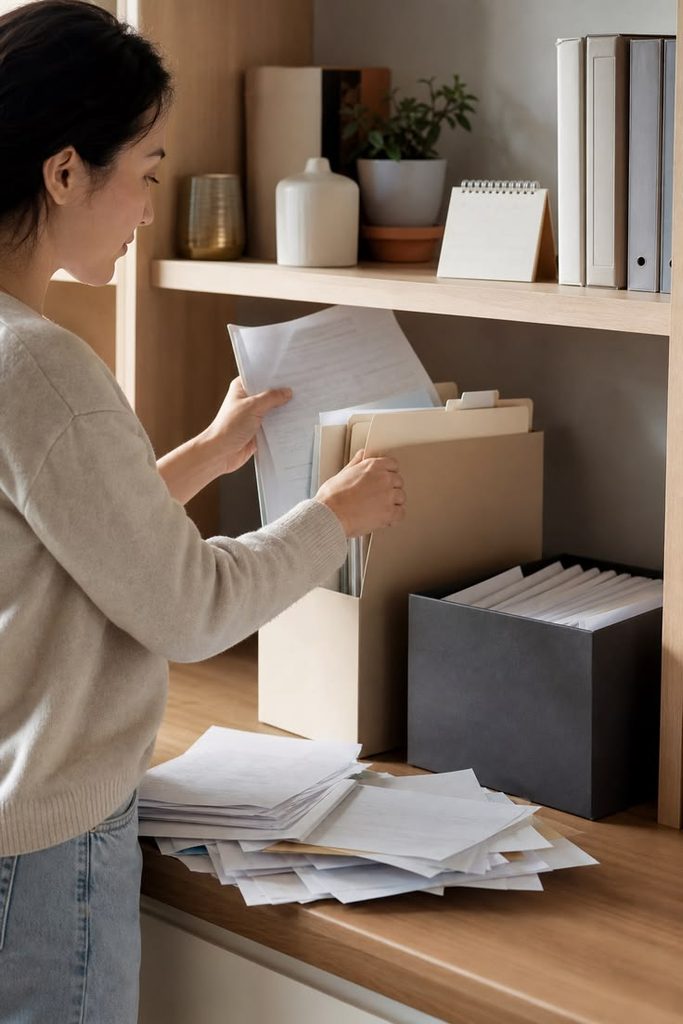
Independent living becomes easier when important information is not scattered everywhere. Keep your lease, utility details, landlord contact, insurance information, receipts, and other important documents organized.
You can use a secure digital folder or a physical file for documents. Make sure you can quickly find information when you actually need it.
You should also keep emergency contacts somewhere accessible. If your phone stops working, having important numbers written somewhere safe can still help.
Organization may seem boring, but it saves time when something unexpected happens. During stressful moments, you do not want to search through dozens of messages for one important number.
A simple filing system can make your life feel much more under control.
Do Not Let Small Tasks Pile Up
One of the easiest ways to become overwhelmed is allowing small responsibilities to collect. A few dishes become a full sink, one missed payment becomes a late fee, and one forgotten errand becomes several urgent tasks.
The problem is usually not the individual task. It is the number of unfinished tasks waiting for you at the same time.
Try handling small responsibilities when they are still easy to manage. This does not mean you need to complete every task immediately.
It means you should notice when something is becoming a problem and deal with it before it grows. Small daily actions can protect you from stressful weekends filled with unfinished chores.
That is one of the simplest lessons you can learn while living independently.

Learn From Your First Month
Your first month can reveal more about your habits than you expected. You may discover that you spend too much on takeout or forget to plan laundry.
Maybe your mornings are rushed because you underestimate how long household tasks take. You might also notice that some responsibilities are easier when you handle them on specific days.
Use these discoveries to improve your routine instead of criticizing yourself. Your first month is not a final test of adulthood.
It is an opportunity to collect information about what works and what needs changing.
If you are still adjusting to your first month, What to Expect During Your First Week Living Alone can help you understand the early transition.
The more you learn about your habits, the easier it becomes to build routines that suit your actual life.
Build a System Instead of Depending on Motivation
Motivation can help you start a responsibility, but it cannot always keep you consistent. Some days you will feel energetic and ready to clean everything.
Other days you will come home tired and want to do absolutely nothing. That is why simple systems are more useful than waiting to feel motivated.
Set reminders for bills, choose regular laundry days, and keep cleaning supplies easy to reach. You can also prepare meals ahead when busy weeks make cooking difficult.
The easier you make a responsibility, the less effort it takes to complete. This is especially useful when work, school, relationships, or other responsibilities become demanding.
Good systems help your home keep running even when your energy is low.

Give Yourself Room to Grow
You are not supposed to become an expert at independent living immediately. Every responsibility you manage gives you another chance to learn something useful.
You may make mistakes with money, forget tasks, buy too many groceries, or misjudge your time. That does not mean you are failing at adulthood.
It means you are learning through real experiences instead of only reading about them. During my first year of greater independence, I learned that confidence came after doing things repeatedly.
I did not suddenly wake up one morning feeling completely prepared for everything. Instead, each bill paid, meal prepared, problem solved, and responsibility handled made the next one easier.
Give yourself the same space to grow.

Let Responsibility Build Your Confidence
Responsibility and confidence are closely connected when you are learning to live alone. Every time you handle something successfully, you gain evidence that you can manage your own life.
You pay a bill, and you learn that you can stay organized. You solve a household problem, and you learn that you can think calmly.
You manage your budget, and you learn that you can make better money decisions. These experiences may seem ordinary, but they slowly change how you see yourself.
That is why How to Build Confidence During Your First Year of Adult Life naturally belongs in this journey.
You do not need to wait until you feel confident before taking responsibility. Often, confidence grows because you keep taking responsibility even when you feel unsure.

Let Your Responsibilities Become Normal
At first, independent living can feel like one long list of things you need to remember. After some time, many of those tasks become normal parts of your routine.
You stop thinking so hard about doing laundry because you already know when it happens. You stop worrying about bills because your reminders and budget handle the planning.
You stop feeling overwhelmed by groceries because you already know what your home needs. That change happens slowly, and you may not notice it immediately.
Then one day, you realize something that once felt difficult now feels completely ordinary. That is one of the best signs that you are becoming comfortable with independent living.
You are not becoming less responsible. You are simply becoming better at carrying your responsibilities.

Final Thoughts
Living on your own comes with more responsibilities than many people realize before moving out. You become responsible for your money, home, food, bills, safety, time, appointments, and everyday decisions.
That can sound like a lot, especially when you are handling everything for the first time. But you do not need to manage all of it perfectly from day one.
Start by creating simple routines that make important tasks easier to remember. Keep your money organized, stay on top of bills, plan your groceries, and keep your home reasonably clean.
Pay attention to problems before they become bigger, and ask for help when something is beyond your ability. Also, remember that responsible living should still leave room for rest, relationships, fun, and personal growth.
Your responsibilities should support your life, not completely take over your life. As you keep practicing, many tasks that once felt difficult will become normal.
You will make mistakes, learn from them, adjust your routines, and become more capable with time. That is what learning to live independently really looks like.
You are not trying to become perfect. You are learning how to take ownership of your life, one ordinary responsibility at a time.
Leave a Reply