Moving into your own place can feel like freedom, excitement, and confusion all at once. One minute, you are dreaming about independence, and the next, you are checking your bank balance nervously.
You suddenly realize nobody is reminding you about groceries, laundry, bills, cleaning, or getting enough sleep. That freedom you wanted is still amazing, but it comes with responsibilities you cannot ignore.
Your first month is not about becoming perfectly independent or having everything figured out immediately. It is really about learning how your new life works and finding your own rhythm.
You will probably make small mistakes, change your routines, and discover expenses you forgot about. That is normal, and honestly, those experiences are part of learning how to live independently.
If you are wondering what that first transition feels like, start with What to Expect When You Move Out for the First Time.
The good news is that your first month does not have to feel completely overwhelming. With some planning, patience, and a little common sense, you can settle into your new life.
How to Navigate Your First Month of Independent Living
The First Few Days May Feel Strange
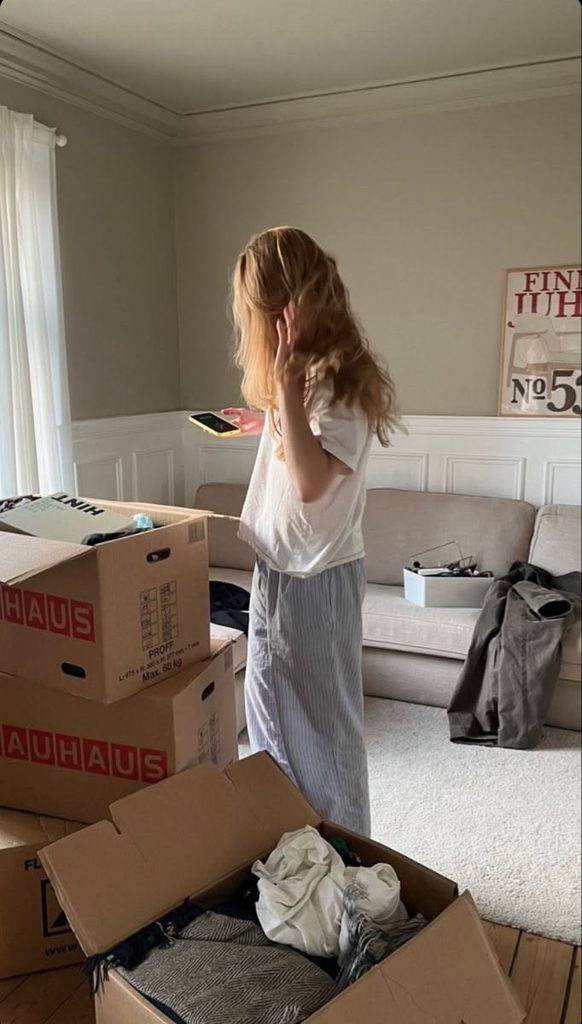
The first few days in your new place can feel surprisingly quiet and unfamiliar. Even when you are excited, your mind may still wonder if everything feels right.
You might unpack one box, sit down, and suddenly realize you are truly on your own. That moment can bring excitement, fear, relief, or several feelings at the same time.
Do not pressure yourself to feel completely comfortable immediately after moving. Your home is new, your routine has changed, and even simple tasks may feel different.
You may also notice small things you never thought about before, like where to keep your keys. Give yourself permission to take things slowly while your mind adjusts to the change.
During my first few days of independence, I expected everything to feel exciting from morning until night. Instead, I sometimes felt tired and unsure because so many small decisions suddenly belonged to me.
That experience taught me something important about independence: comfort usually grows through repetition.
Give Yourself Time to Settle In
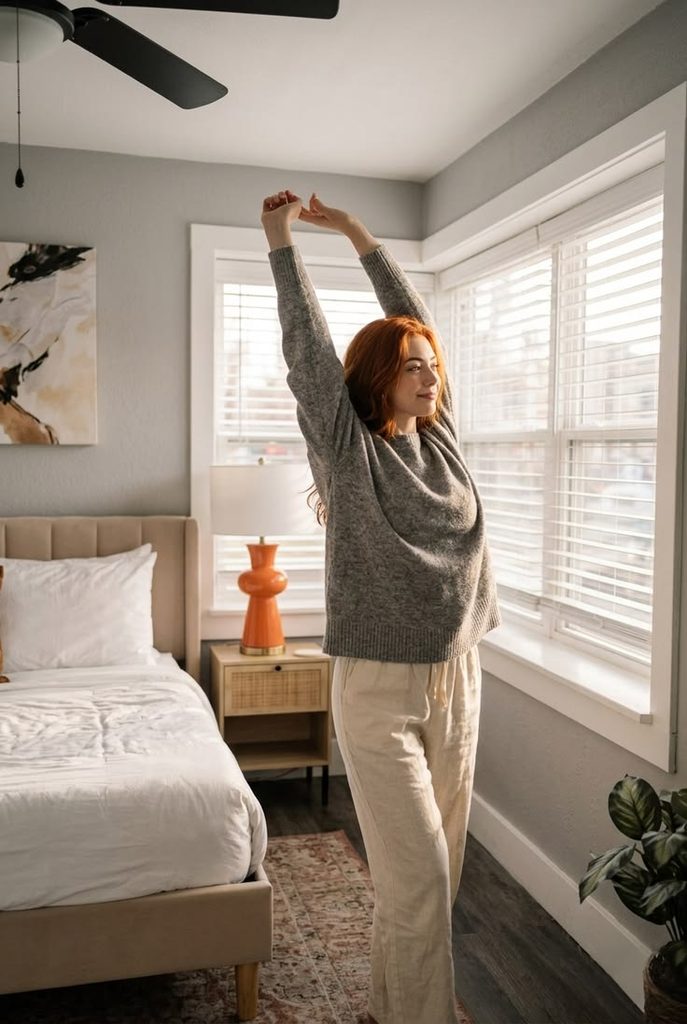
Your first month should not become a race to make everything perfect.Some boxes may stay unopened, and some rooms may take time before feeling completely yours.
Start with the areas you use every day, especially your bedroom, kitchen, and bathroom. Having these spaces organized can make your entire home feel easier to manage.
You also need to learn where your important belongings belong before clutter starts spreading. Create simple places for your keys, documents, cleaning supplies, groceries, and everyday essentials.
This may sound small, but knowing where things belong saves you time later. Your home should become easier to use as the weeks pass.
If you are still preparing for the move itself, How to Prepare for Your First Apartment Viewing can help you think ahead.
You do not need expensive furniture or perfect decorations during your first month. Focus on creating a comfortable, clean, and practical space that supports your everyday life.

Create a Simple Morning and Evening Routine
Living alone gives you more freedom, but that freedom can quickly affect your routine. Nobody may be checking if you woke up, ate breakfast, cleaned up, or went to bed.
So, creating simple routines can help your days feel more balanced and predictable. Your morning routine does not need to involve waking before sunrise or following complicated schedules.
You might simply make your bed, shower, eat something, and prepare for your day. Your evening routine could include washing dishes, preparing tomorrow’s clothes, and checking your schedule.
These small habits can stop your responsibilities from piling up around you. Try keeping your routines realistic instead of creating plans you cannot maintain.
You are learning your new lifestyle, so your routine may change several times. The goal is not perfection, but creating habits that make your daily life easier.

Learn How Your Home Works
During your first month, spend time learning how everything in your home actually works.Find out where your electrical panel, water shutoff, meter, and other important controls are located.
You should also understand how your appliances work before using them regularly. Check the instructions for unfamiliar appliances instead of guessing and creating unnecessary problems.
Learn how your heating, cooling, water, locks, and other basic systems operate. If something belongs to your landlord, understand what you should report instead of repairing yourself.
This is also a good time to keep important contact details somewhere easy to find. Save your landlord, property manager, maintenance contact, and emergency numbers in your phone.
Knowing these details can make small problems feel much less stressful. You will feel more comfortable once your home stops feeling like a place you are still figuring out.
Plan Your Groceries and Meals
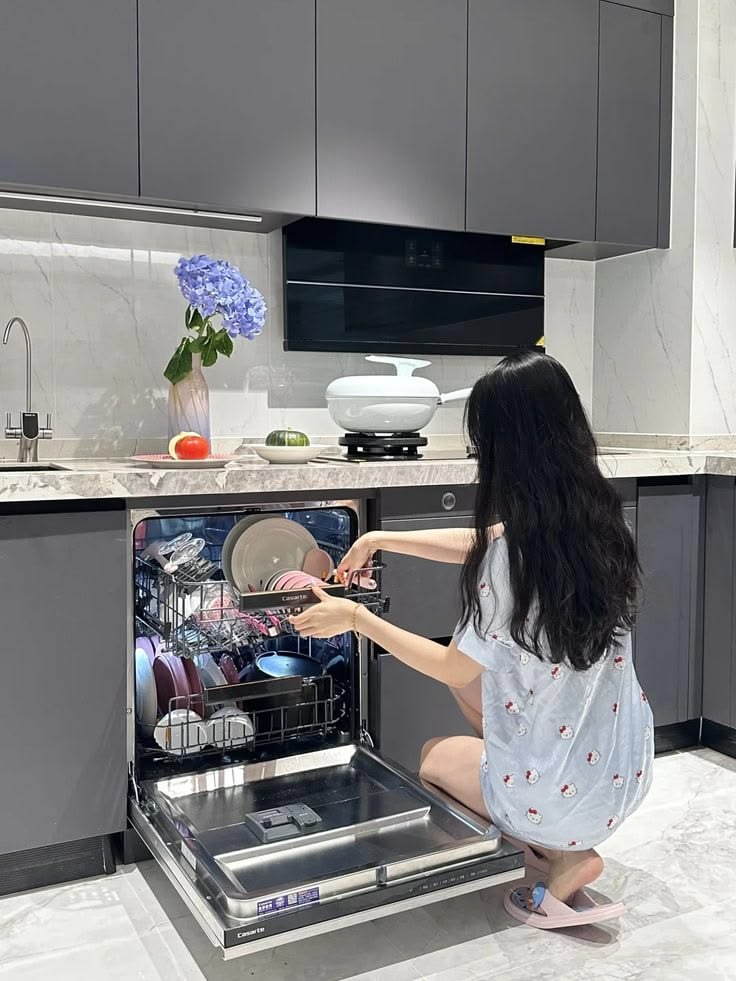
Food can become one of the easiest ways to overspend during your first month. You may buy random items because cooking for yourself feels exciting at first.
Then, a few days later, you might discover that much of the food has gone unused. Planning simple meals can help you save money and reduce unnecessary food waste.
Start by checking what you already have before going grocery shopping again. Think about breakfasts, lunches, dinners, snacks, drinks, and basic household food items.
You do not need complicated recipes every day to eat properly.
Simple meals like rice, pasta, eggs, vegetables, sandwiches, and soups can make life easier. Also, avoid shopping while extremely hungry because you may buy more than you planned.
If your first grocery trip still feels confusing, How to Prepare for Your First Grocery Shopping Trip can help. Your first month is a good time to discover affordable meals you genuinely enjoy.

Get Your Bills and Payments Organized
Bills can feel more stressful when you are handling them independently for the first time. You may have rent, electricity, water, internet, transportation, subscriptions, and other regular expenses.
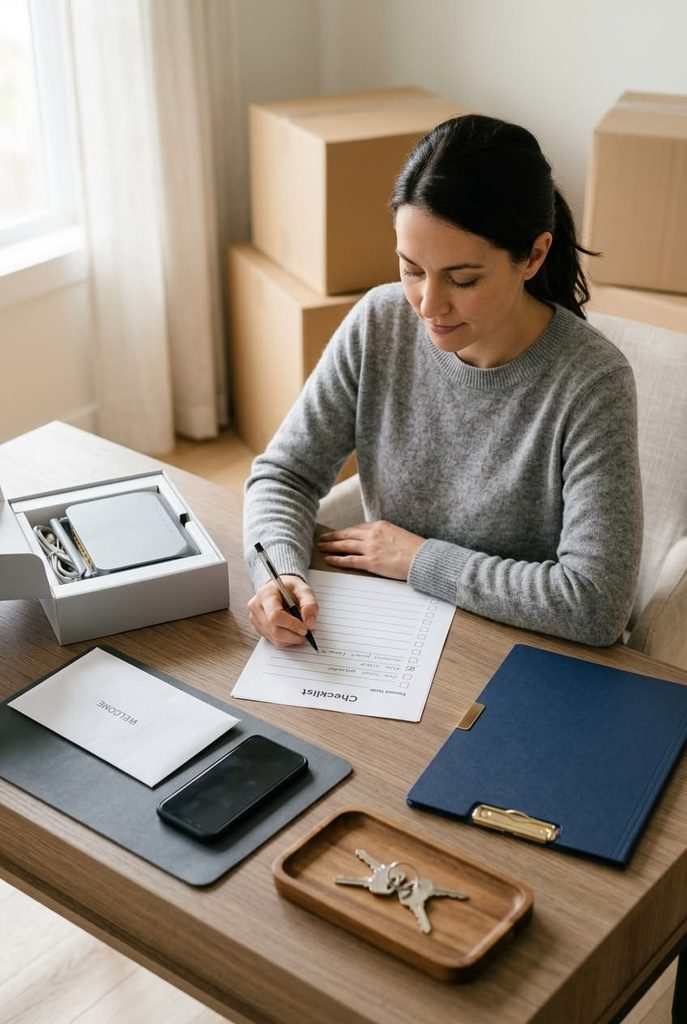
Instead of keeping everything in your head, create one simple payment system. Write down each bill, its expected amount, its due date, and how you plan to pay.
You can use a phone calendar, notes app, spreadsheet, or simple notebook. The important thing is having one place where you can see everything clearly.
Check your account before important payments leave, especially during the first few months. You should also keep records of important receipts, confirmations, and payment information.
If utility bills are new territory for you, How to Prepare for Your First Utility Bills is worth reading.
Staying organized can prevent missed payments and the unnecessary stress that comes with them.

Review Your Lease and Housing Costs
Your first month is a good time to look back through your lease carefully. You may already have signed it, but understanding the agreement remains important.
Check the rules around rent, repairs, guests, maintenance, parking, noise, and other responsibilities. Also, make sure you know how and when rent should be paid each month.
Keep a copy of your lease somewhere safe, along with important housing documents. If you notice something you do not understand, ask the landlord or property manager for clarification.
Do not rely completely on what you vaguely remember from signing day. Your lease is an important document, especially when questions or disagreements appear later.
For a stronger understanding of the preparation behind this process, read What to Do Before Signing Your First Lease.
A little attention now can prevent confusion during future months.
Adjust Your Spending After Seeing Real Costs
Your budget may look completely different once you actually start living independently. Some expenses are predictable, while others appear only after you begin managing your home.
You might spend more on transportation, cleaning products, food, internet, or household items. That does not automatically mean your budget has failed.
Instead, use your first month to collect real information about your spending habits. Look at where your money went and compare those numbers with your original expectations.
You may discover that some categories need more money while others need less. During my first month of managing expenses alone, small purchases surprised me more than major bills.
Things like toiletries, snacks, transport, and household supplies slowly added up. That experience made me realize that a realistic budget needs actual spending information.
For more preparation before moving out, How to Prepare Financially Before Living on Your Own can guide you.

Keep Your Home Reasonably Clean
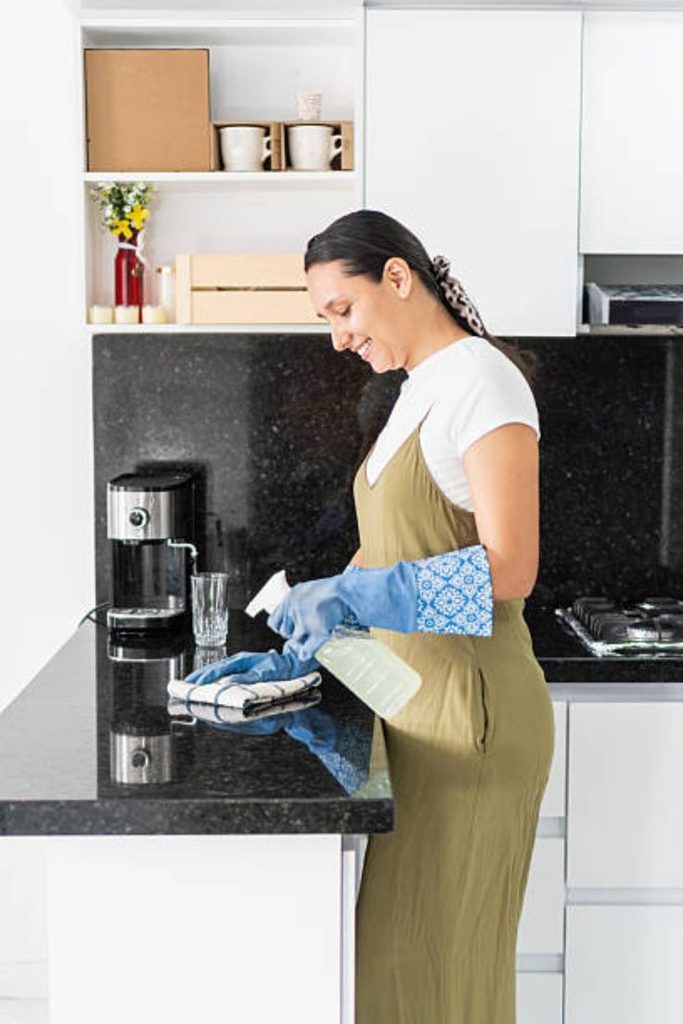
Cleaning becomes much easier when you stop waiting for your home to become messy. You do not need to spend an entire Saturday scrubbing everything from top to bottom.
Small cleaning habits can keep your space comfortable without taking over your day. Wash dishes soon after eating, wipe surfaces, take out rubbish, and clean spills quickly.
You can also choose one day each week for deeper cleaning. Keep basic cleaning supplies somewhere convenient so using them does not become a big task.
Pay attention to your bathroom and kitchen because both spaces need regular cleaning. Also, avoid buying every cleaning product you see because you are still learning what you need.
Your home does not need to look perfect every day. It simply needs to feel clean enough for you to live comfortably and peacefully.
Learn How to Handle Laundry and Household Chores
Laundry can become surprisingly annoying when you let it pile up for too long. The same thing happens with dishes, rubbish, bathroom cleaning, changing sheets, and other basic chores.
Create a simple schedule that fits your actual lifestyle instead of copying someone else’s routine. Maybe you wash clothes twice weekly, change your sheets every weekend, and clean the bathroom regularly.
You can adjust these habits based on your workload, clothing, home size, and personal needs.Also, learn which clothes need special care before throwing everything into one washing cycle.
Small mistakes with laundry can damage clothes or create unnecessary replacement costs. During my first month, I learned that postponing small chores usually made them feel much bigger later.
Doing a little at a time made my home easier to manage and my weekends less stressful. Independent living becomes easier when basic chores become normal parts of your routine.

Learn Your Neighborhood
Your first month is also a good time to become familiar with the area around your home. Find the nearest grocery store, pharmacy, bank, transport options, hospital, and other useful places.
You do not need to memorize every street around you. Just learn the places you are most likely to need during normal everyday situations.
Try different routes to work, school, errands, or other regular destinations. You may discover a cheaper transport option or a nearby shop with better prices.
Also, pay attention to your surroundings and learn which areas feel comfortable during different times. Knowing your neighborhood can make your new home feel much less unfamiliar.
It also gives you more confidence when you need something unexpectedly. By the end of your first month, aim to feel like you live there, not like you are visiting.

Protect Your Personal Time
Independent living can make you believe you should always be doing something useful. You might spend your days working, cleaning, shopping, cooking, paying bills, and handling errands.
But rest is still part of taking care of yourself. Give yourself time to watch something, read, listen to music, exercise, or simply sit quietly.
You do not need to feel guilty because you spent an evening doing absolutely nothing productive. Your home should also become a place where you can relax after dealing with outside responsibilities.
Try creating small moments that make your space feel peaceful and personal. Maybe you enjoy morning coffee beside the window or quiet music before bed.
These little routines can make independent living feel enjoyable instead of becoming another long list of duties.

Stay Connected With People You Trust
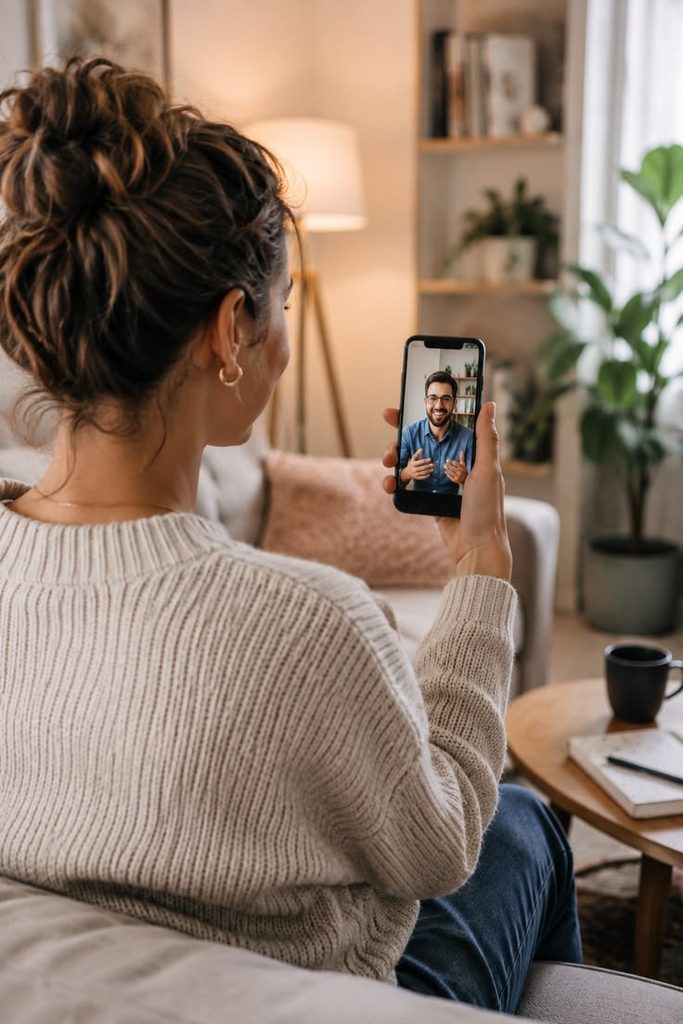
Living independently does not mean you suddenly have to handle everything completely alone. You can still call family members, talk with friends, and maintain relationships that matter.
Having your own place should create independence, not emotional isolation. Some days may feel exciting, while other days may feel strangely lonely.
A quick conversation with someone you trust can sometimes make a difficult day feel lighter. You can also invite people over when your home and lease rules allow it.
Still, protect your boundaries and remember that your home belongs to your private life. During my first month, I sometimes thought asking for advice meant I was not independent enough.
I eventually understood that independence also means knowing when another person’s experience can help you. You are still responsible for your decisions, even when you ask someone for guidance.
Deal With Loneliness and Homesickness
Feeling lonely during your first month does not mean you made the wrong decision. You may miss familiar sounds, routines, meals, conversations, or simply having people nearby.
Those feelings can appear even when you were genuinely excited about moving out. Instead of fighting them, acknowledge them and find healthy ways to stay connected.
Call someone you love, plan a visit, attend a social activity, or spend time outside. You can also create familiar routines that make your new place feel more comforting.
Cook a meal you grew up eating or play music that reminds you of home. At the same time, give yourself opportunities to build new memories in your current space.
Your new life does not have to replace your old life completely. It can slowly become another place where you feel safe, comfortable, and connected.

Handle Small Problems Without Panicking
Living alone means you will eventually face small problems without someone immediately fixing them. Maybe your sink starts leaking, an appliance stops working, or you accidentally lock yourself out.
Your first reaction might be panic, especially when you have never handled the situation yourself. Take a breath and focus on understanding what actually happened before making decisions.
Check your lease, contact the right person, and look for simple solutions first. Do not attempt repairs you are not qualified to handle, especially with electricity or major plumbing.
Some problems require professional help, and knowing that is part of being responsible. You will become better at handling problems as you gain more experience.
Each small challenge can teach you something useful about your home and your responsibilities.

Build Simple Safety Habits
Your first month is also the right time to take your personal safety seriously. Always lock your doors and windows when leaving, even when you expect to return quickly.
Keep important emergency numbers saved and know where your nearest medical facility is located. You should also understand basic fire safety and know how to leave your home quickly.
Avoid sharing your address carelessly, especially with people you do not know well. If you have neighbors you trust, getting familiar with them can also provide useful local support.
Keep important documents and valuable items somewhere secure and reasonably organized. You do not need to live in fear to take sensible precautions.
Simple safety habits can give you greater peace while you become comfortable living independently.

Give Yourself Grace When Things Go Wrong
Your first month will probably contain a few moments you wish had gone differently. You may overspend, forget something, burn dinner, lose your keys, or miss a small task.
These mistakes can feel embarrassing because independence makes every mistake feel more personal. But mistakes are also how you learn what needs changing.
Instead of saying, “I cannot do this,” ask yourself what the situation taught you. Maybe you need reminders, a better budget, more preparation, or a simpler routine.
You do not need to become an expert at independent living within thirty days. You simply need to become slightly more capable than you were when you started.
And when your first week feels especially overwhelming, What to Expect During Your First Week Living Alone can give you a clearer picture.
That difference may seem small, but it becomes powerful when you repeat it every month. Give yourself room to learn without turning every mistake into a reason to doubt yourself.

Check What Worked Before Your Second Month
Near the end of your first month, take some quiet time to review everything. Look at your spending, routines, food choices, cleaning habits, bills, and general comfort at home.
Ask yourself which parts of your routine worked well and which parts caused unnecessary stress. You may discover that waking earlier helped, while complicated meal planning made your evenings harder.
Maybe you spent too much on takeout or forgot several small household purchases. Write down the changes you want to make during the next month.
Keep the changes realistic because trying to fix everything at once can become exhausting. Your first month gave you useful information about the person you are becoming.
Use that information instead of comparing your progress with someone else’s lifestyle. The goal is creating a life that works for you, not copying someone else’s version of adulthood.

Start Taking More Ownership of Your Life
By the end of your first month, you may notice something important happening. Things that initially felt complicated may now feel like normal parts of your everyday life.
Paying bills, shopping for food, cleaning your home, and managing your time become familiar. You may still have difficult days, but you are beginning to understand how things work.
This is where independence starts becoming more than simply living in your own space. You are learning how to make decisions, solve problems, manage money, and care for yourself.
That growth can also prepare you for How to Manage the Responsibilities of Living on Your Own.
You do not need to have your entire adult life planned right now. Focus on handling today’s responsibilities well while learning from what happens along the way.
Your confidence will grow as you repeatedly prove that you can handle ordinary life.

Let Your First Month Teach You
Your first month of independent living is not supposed to be flawless. It is supposed to teach you how your money, home, routines, responsibilities, and emotions work together.
Some lessons will be easy, while others may come through mistakes you never expected. Still, each experience gives you information that can make the next month easier.
You will slowly discover how much food you need, how often you clean, and where your money goes. You will also learn how much personal space, social time, rest, and structure you actually need.
Those discoveries are valuable because independent living looks different for everyone. As you continue growing, How to Build Confidence During Your First Year of Adult Life can help you keep developing.
You are not behind because your first month feels messy or uncertain. You are simply learning something new, and learning takes time.

Final Thoughts
Your first month of independent living can be exciting, confusing, expensive, peaceful, lonely, and empowering. Sometimes, several of those feelings may show up on the same day.
That is completely normal when you are building a life around your own choices. You do not need perfect routines, a perfectly decorated home, or perfect financial habits.
What matters most is learning from each experience and making small improvements along the way. Take care of your home, pay attention to your money, and keep your responsibilities organized.
At the same time, give yourself permission to enjoy the freedom you worked toward. Remember that your first month is only the beginning of your independent life.
You will keep learning how to manage your time, money, home, relationships, and personal responsibilities. Some lessons will feel difficult, but many will eventually become second nature.
If you can look back and see even a little growth, your first month has already taught you something valuable.
Independent living is not about knowing everything from the beginning. It is about becoming more capable, responsible, confident, and comfortable with each new experience.
Leave a Reply