I still remember how exciting it felt to finally have more control over my money. You start earning, paying your own bills, and making decisions without asking anyone.
Then someone tells you that getting a credit card is the next step. At first, it can sound simple. You get a card, buy what you need, and pay the money back later.
But credit cards do not work like free money sitting in your wallet. That small piece of plastic can either support your financial goals or create expensive problems.
The difference often comes down to how well you understand the card before using it. Your first credit card can teach you valuable lessons about spending, borrowing, and managing money.
It can also become stressful when you accept an offer without reading the important details. That is why learning the basics before applying can save you many headaches later.
You do not need to be a financial expert before getting your first card. You simply need to understand what you are agreeing to and how repayment works.
If you are still developing strong money habits, 35 Money Habits to Start in Your 20s can help you build that foundation. So, before you apply for your first credit card, let’s look at 35 things you should know.

1. A Credit Card Is Not Free Money
One of the first things to understand is that credit cards involve borrowed money. When you use your card, the card company is paying the merchant for you.
You are then responsible for paying that money back to the card company. That means every purchase creates a responsibility, even when your bank account looks untouched.
It can be easy to forget this when you see available credit. You may feel like you have extra money because the card still has room.
But your available credit is not the same as your income. Every purchase should still fit comfortably within your actual budget.
Think of your credit card as a payment tool, not another source of income. This mindset can help you avoid spending money simply because your card allows it.

2. Know Your Credit Limit
Your credit limit is the maximum amount you can normally borrow using your card. For a first card, the limit may be smaller than you expected.
That is not necessarily a bad thing. A smaller limit can make it easier to control your spending while learning. You should know your limit before making regular purchases with the card.
Also remember that reaching your limit can make repayment difficult. You do not need to use the entire amount available to you.
In fact, leaving plenty of room can make managing your card much easier. Your credit limit should never become your monthly spending target. Instead, your personal budget should decide how much you can safely spend.

3. Understand Your Interest Rate
Your interest rate matters because carrying a balance can make purchases more expensive. Credit card interest is often expressed as an annual percentage rate, or APR.
The exact rate can vary depending on your card and financial situation. Before applying, check the card’s interest rate and understand how it works.
Do not only focus on rewards or attractive introductory offers. A card with exciting benefits can still become expensive when you carry debt.
Ideally, you should aim to pay your balance on time. That can help you avoid paying unnecessary interest on your purchases.
Understanding the interest rate gives you a clearer picture of borrowing costs. It also helps you compare different credit card offers more carefully.

4. Know Your Payment Due Date
Your payment due date is one of the most important dates on your account. Missing it can lead to fees, interest, or other problems. Once you receive your card, find out exactly when payments are due.
Add the date to your phone calendar or another reminder system. You can also set up automatic payments if that works well for you.
However, always make sure enough money is available before automatic payments happen. Knowing your due date removes some of the stress from managing your card.
It also helps you develop a reliable payment routine from the beginning. A simple reminder can prevent an avoidable mistake from becoming expensive.
5. Learn the Difference Between Your Statement Balance and Current Balance
Your credit card may show more than one balance. Your current balance reflects recent activity on your account.
Your statement balance is the amount listed when your billing cycle closes. These amounts can be different because new purchases may happen after your statement closes.
Understanding this difference can make your payments much easier to manage. Read your monthly statement instead of only checking the number on your app.
Look at purchases, payments, fees, and the amount you need to pay. This helps you understand exactly what happened during the billing period.
It also makes unusual charges easier to notice. Knowing your balances can help you avoid confusion when making payments.

6. Always Read the Card Agreement
Before accepting a credit card, take time to read its important terms. You do not need to memorize every line of the agreement.
But you should understand the interest rate, fees, payment rules, and major conditions. Look for information about annual fees, late fees, foreign transaction fees, and other charges.
Some cards may also have special introductory offers with specific requirements. Do not assume every card works the same way.
Two cards can look similar while having very different costs. Reading the agreement gives you a better idea of what you are accepting. It may also help you avoid surprises after you start using the card.

7. Check If the Card Has an Annual Fee
Some credit cards charge an annual fee simply for having the account. Other cards may not charge one. Before choosing your first card, find out exactly what you will pay each year.
A card with an annual fee may still offer useful benefits. But you should understand those benefits before deciding the fee is worthwhile.
If you are new to credit, keeping costs simple can make things easier. You should never choose a card only because it looks impressive.
Look at the complete cost and decide if the card fits your situation. That simple comparison can save you money over time.

8. Understand Minimum Payments
Your credit card statement may show a minimum amount you need to pay. Paying the minimum can keep the account from becoming seriously overdue.
But it does not mean the entire balance has been paid. The remaining balance may continue to attract interest.
This can make debt grow when you keep carrying unpaid amounts. Whenever possible, aim to pay the full statement balance.
Only spend what you can realistically repay within your budget. Understanding minimum payments can stop you from confusing them with full repayment. That difference is especially important when you are using credit for the first time.

9. Your Credit Limit Is Not Your Budget
This is one of the most important lessons for a first-time cardholder. Your credit limit might be $1,000, but that does not mean you have $1,000 to spend.
Your actual spending limit should come from your monthly income and budget. For example, you may decide that $200 is all you can comfortably charge.
Once you reach that amount, you can stop using the card. This approach helps you stay in control of your spending.
It also reduces the chance of creating a balance you cannot repay. Your credit card should fit inside your budget instead of replacing it.
If you are building your first budget, 25 Things to Include in Your First Monthly Budget can help you organize your money.

10. Avoid Spending Just Because You Have Credit Available
Seeing available credit can create a strong temptation to spend. You might suddenly feel comfortable buying things you would normally postpone.
But having access to credit does not mean the purchase is affordable. Before using your card, ask yourself if you could pay for the purchase today.
If the answer is no, pause and reconsider the purchase. This does not mean you can never use credit for larger purchases.
It simply means you should understand the repayment plan before buying. A little patience can prevent a small purchase from becoming long-term debt. Good credit habits begin with knowing when not to swipe.

11. Pay Your Bill on Time
Making payments on time is one of the most important credit card habits. Late payments can create fees and may affect your credit history.
Set a reminder before your payment due date arrives. If possible, schedule your payment earlier so you have enough time.
Do not wait until the final few hours when something could go wrong. Check your account afterward to confirm the payment was processed.
This simple routine can make your credit card much easier to manage. It also helps you build consistency with financial responsibilities. Your first card is a good opportunity to develop this habit early.

12. Try to Pay the Full Balance
Paying the full balance can help you avoid carrying unnecessary credit card debt. It also keeps your spending connected to money you already have.
For example, if you charge $150, you should ideally have $150 available. That way, the card becomes a convenient payment method instead of a loan.
Paying in full may not always be possible during difficult situations. But making it your normal goal can protect your finances.
It also helps you avoid allowing small balances to grow over several months. A credit card becomes much easier to manage when repayment stays simple.

13. Understand Your Billing Cycle
Credit cards operate around billing cycles that begin and end on specific dates. Your statement usually covers purchases made during one billing period.
Understanding your cycle can help you know when purchases will appear. It can also make your payment dates easier to understand.
Check your statement regularly so you become familiar with these dates. You do not need to become obsessed with your account.
You simply need to know when your billing period closes and payments are due. Once you understand the pattern, managing the card becomes less confusing. This knowledge can also help you plan larger purchases more carefully.

14. Watch Out for Late Fees
Credit card companies can charge fees when payments are made late. The exact amount depends on your card agreement and applicable rules.
Even one avoidable fee can make a small purchase more expensive. Set reminders so you know when your payment needs attention.
Automatic payments can also help when used carefully. Still, you should check your account regularly instead of relying completely on automation.
A payment system should make your life easier, not make you stop paying attention. Avoiding late fees is mostly about creating a simple routine. Once that routine becomes normal, you are less likely to forget.
15. Know What Happens When You Carry a Balance
Carrying a balance means you did not pay the full amount you owed. The remaining amount may continue into your next billing period.
Depending on your card terms, interest may then increase what you owe. This can make purchases cost more than their original prices.
For example, a $100 purchase can become more expensive when interest continues adding up. That is why carrying balances should not become your normal spending strategy.
If you cannot comfortably repay a purchase, consider waiting before making it. Understanding this early can save you from expensive credit card debt later.

16. Keep Track of Every Purchase
Do not rely only on your memory when using your credit card. Check your transactions regularly through your banking app or statement.
This helps you know exactly how much you have spent. It can also reveal small purchases that you forgot about. Those little purchases can add up quickly throughout the month.
Tracking your spending keeps your card connected to your actual budget. You can also spot transactions that you do not recognize. The more familiar you become with your spending, the easier credit becomes.

17. Do Not Chase Rewards Without a Plan
Credit card rewards can be attractive, especially when companies advertise points or cashback. But rewards should never encourage you to spend more than planned.
Spending $500 to receive a small reward makes little sense. You could end up paying interest that costs more than the reward.
Use rewards as a bonus rather than your main reason for spending. First, make sure the card fits your financial situation.
Then learn how its rewards work and what conditions apply. The best reward is still keeping control of your money. A card should help your finances rather than tempt you into unnecessary purchases.

18. Be Careful With Introductory Offers
Some credit cards offer attractive introductory deals to new customers. These may include bonus rewards, reduced rates, or other temporary benefits.
However, special offers usually come with conditions. You may need to spend a certain amount within a specific period.
Before chasing an offer, calculate what meeting the requirement could cost you. Do not buy unnecessary things simply to unlock a reward.
If the offer encourages spending outside your budget, it may not be worthwhile. Always understand what happens after the introductory period ends. A temporary benefit should never create a long-term financial problem.

19. Know About Foreign Transaction Fees
Some credit cards charge extra fees when purchases are made outside your country. This can matter if you travel or shop from international websites.
Before using your card abroad, check its foreign transaction rules. A purchase that looks affordable can cost more after additional fees.
This is another reason to read your card agreement carefully. You can also check your card’s fee information before planning international spending.
Knowing the charges ahead of time helps you avoid unpleasant surprises. Small fees may seem harmless, but they can add up during frequent purchases.

20. Protect Your Card Information
Your credit card details should be treated carefully. Do not casually share your card number, security code, or login information.
Be careful when entering card details on unfamiliar websites. Also avoid clicking suspicious messages asking you to confirm account information.
Banks and card companies have security systems, but you still need to stay alert. Check your transactions regularly for purchases you do not recognize.
If something looks suspicious, contact your card provider quickly. Protecting your information is just as important as making payments. Good credit habits include keeping your account secure from the beginning.

21. Know How to Report a Suspicious Transaction
Sometimes you may notice a purchase you do not remember making. Do not ignore it simply because the amount looks small.
Check your receipts, subscriptions, and recent purchases first. If the charge still looks unfamiliar, contact your card provider.
Your card company can explain the transaction and guide you through the next steps. Keep an eye on your account after reporting suspicious activity.
You should also protect your login information and update passwords when needed. Acting quickly can help you handle possible fraud more effectively. Checking your account regularly makes these problems easier to notice.

22. Do Not Use Credit Cards for Every Emergency
A credit card can feel like an easy solution when unexpected expenses appear. But using credit for every emergency can leave you with growing balances.
That is why building an emergency fund is so important. Even small savings can give you another option when something unexpected happens.
If you are starting from nothing, 25 Ways to Build an Emergency Fund From Scratch can help you begin. The goal is not to avoid credit completely.
Instead, you want savings and income to handle as many emergencies as possible. Your credit card should be a backup tool, not your emergency fund. That difference can protect you from repeated borrowing.

23. Understand How Credit Cards Can Affect Your Credit History
Your credit card activity can become part of your credit history. Your payment habits, account age, balances, and other factors can matter.
That is why responsible use can be helpful over time. Paying bills on time is one simple habit that can support good credit behavior.
Avoiding unnecessary debt can also make your financial life easier. You should not take on debt simply to build credit.
Instead, use the card responsibly for purchases you can afford. Good credit habits are built through consistent behavior over time. Your first card can become a useful learning experience when handled carefully.

24. Avoid Maxing Out Your Card
Using your entire credit limit can create problems quickly. It leaves you with less available credit for unexpected needs. It can also make repayment difficult if your income is limited.
You do not need to reach your limit before stopping your spending. Set your own spending boundary below the card’s maximum.
For example, you could decide to use only a small part of your available credit. This gives you more breathing room throughout the month.
It also keeps your spending closer to what you can actually repay. A credit limit should be a ceiling, not a target.

25. Be Careful With Cash Advances
Some credit cards allow you to withdraw cash using your credit line. This is called a cash advance and can come with extra costs.
There may be fees and interest charges attached to the transaction. The terms can also differ from normal card purchases.
Before using this feature, check the exact costs involved. Do not assume withdrawing cash works like using your debit card.
Cash advances can become expensive when you need money quickly. It is usually better to understand your other options first. Knowing this before an emergency can help you avoid rushed financial decisions.

26. Keep Your Card for Planned Spending
Your credit card can be easier to manage when you give it a clear purpose. You might use it for groceries, subscriptions, or planned household purchases.
The category matters less than having a clear spending limit. Before each purchase, know where the repayment money will come from.
This keeps your card connected to your regular financial plan. You can also review your spending at the end of each week.
If the balance is growing too quickly, stop using the card temporarily. A little structure can make credit feel much less complicated.
27. Do Not Apply for Too Many Cards at Once
Getting your first card can make other offers suddenly look attractive. You might see several cards offering rewards, discounts, or other benefits.
But applying for many cards at once can complicate your finances. Each application can also involve a credit check, depending on the issuer.
Instead, take time to compare your options before applying. Look at fees, interest rates, rewards, limits, and payment terms.
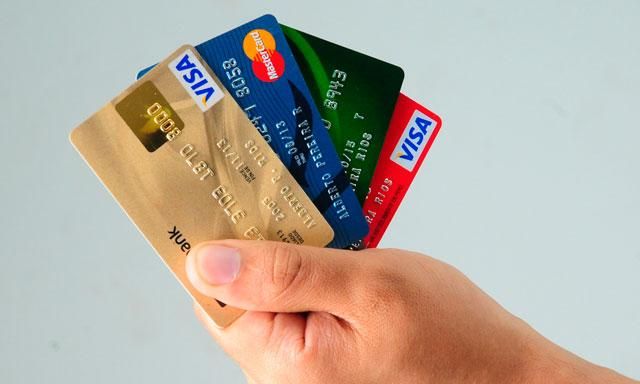
Choose a card that matches your needs rather than collecting cards. One well-managed card can teach you plenty about responsible credit use. You can always reconsider your options later when your financial situation changes.
28. Understand Your Card’s Fees
Interest is not the only cost that can come with a credit card. There may be annual fees, late fees, foreign transaction fees, or other charges.
Some cards may also have specific fees for certain services. Read the pricing information before accepting the card.
Keep a note of the fees that matter most to your situation. This makes it easier to avoid charges through simple planning.
A card with low interest can still become expensive if you ignore other fees. Understanding the full cost helps you make a better decision. Never choose a card based only on its advertised benefits.

29. Do Not Use Credit to Maintain a Lifestyle You Cannot Afford
Credit can make an expensive lifestyle look manageable for a while. You may buy clothes, eat out, travel, or upgrade your phone using borrowed money.
The problem appears when your income cannot support those choices. Monthly payments can pile up faster than you expect.
Soon, your paycheck may be going toward yesterday’s spending. Instead, let your income guide the lifestyle you can comfortably maintain.
You can still enjoy nice things, but plan for them first. Saving for purchases may take longer, but it reduces financial pressure. Your credit card should never be the reason you look richer than you are.

30. Know When to Stop Using the Card
Sometimes the best credit card decision is putting the card away. If your balance is growing faster than you can repay it, pause new spending.
Use your debit card or cash for necessary purchases when possible. Then focus on bringing the credit card balance back under control.
Do not keep charging expenses simply because the card still works. Your financial situation matters more than maintaining a certain spending pattern.
Taking a break from credit can help you reset your habits. There is nothing embarrassing about recognizing that your spending needs adjustment. Knowing when to stop can protect you from deeper debt.

31. Build a Payment Reminder System
A simple payment system can make credit card management much easier. Choose a method that fits naturally into your everyday routine.
You might use phone reminders, calendar alerts, or automatic payments. Some people prefer checking their account every payday.
Others prefer reviewing everything once each week. The method does not matter as much as staying consistent.
Your reminder should happen before the payment due date. Give yourself enough time to correct problems if your account lacks money. Good systems reduce the chance of relying on memory alone.

32. Review Your Credit Card Statement Every Month
Your monthly statement contains useful information about your account. It shows purchases, payments, fees, interest, and other account details.
Take a few minutes to review everything carefully. Look for charges you do not recognize or payments you forgot.
Also check if any fees appeared unexpectedly. This monthly review can help you understand how you are using credit.
It can also reveal spending patterns that your normal budget may miss. If you notice a problem, deal with it instead of ignoring it. A monthly statement review can become a simple financial habit.

33. Your First Card Does Not Need to Be Perfect
You may spend a lot of time searching for the perfect first credit card. But your first card simply needs to fit your current financial situation.
Look for reasonable terms, manageable costs, and features you actually understand. You do not need every reward or benefit available in the market.
Your main goal should be learning how to use credit responsibly. As your financial knowledge grows, your needs may change too.
You can then compare other options with more experience. For now, focus on choosing something you can manage comfortably. Simple and manageable is often better than complicated and impressive.

34. Credit Cards Should Fit Your Bigger Financial Goals
Your credit card should support the financial life you are trying to build. It should not constantly compete with your savings, bills, or other priorities.
Think about what you want your money to accomplish over the next few years. Maybe you want to move into your own apartment or build savings.
You may also want to pay off debt or prepare for larger expenses. Your credit card should fit around those goals instead of getting in their way.
If you are planning for independence, 25 Financial Goals to Set Before Living on Your Own can help you think ahead. A good financial decision today should make tomorrow easier. That is the bigger purpose behind responsible credit use.

35. Start Slowly and Learn as You Go
You do not need to master everything about credit cards before getting started. But you should understand the basics and stay willing to learn.
Start with small purchases that already fit inside your budget. Pay your balance on time and review your statement every month.
Keep watching your spending so the card never becomes difficult to manage. If you make a mistake, learn from it instead of repeating it.
Your first credit card is an opportunity to practice responsible financial decisions. The habits you build now can follow you for many years.
Take your time, ask questions, and never feel pressured to spend. Using credit responsibly is less about having a perfect record. It is more about making thoughtful choices consistently.

Final Thoughts
Getting your first credit card can feel like a major step into adulthood. It can give you more payment options and help you learn how credit works.
But having access to credit also means accepting responsibility for borrowed money. The goal is not to avoid credit cards completely.
The goal is to understand them well enough to use them without creating unnecessary debt. Start by knowing your interest rate, fees, payment date, and credit limit.
Then create spending rules that match your actual income and monthly budget. Do not let your available credit decide what you can afford.
Your income, savings, and financial goals should make that decision instead.
If you are also trying to reduce pressure on your paycheck, 35 Simple Ways to Lower Your Monthly Expenses can help you find practical areas to review.
You can also learn more about 45 Things You Should Know About Your First Paycheck before making major financial commitments.
Remember that your first credit card does not need to change your lifestyle. It should simply become another tool you know how to use properly.
Start small, pay attention, and give yourself time to learn. Most importantly, do not borrow money simply because borrowing is available.
Your financial future is built from many small decisions you make repeatedly. A credit card is only one part of that bigger picture.
Use it carefully, keep your spending realistic, and protect the progress you are making. Your goal is not to impress anyone with how much credit you can access.
Your goal is to become confident enough to manage money without constantly feeling overwhelmed. And that is a skill worth carrying with you long after your first credit card.
Leave a Reply