I still remember the first time I imagined having my own place. I thought about the freedom, the quiet mornings, and having everything exactly where I wanted it.
Finally, I could choose what to buy without explaining every little expense to someone else. I could decorate my space, order food when I wanted, and make my own rules.
But then reality started to sink in, living alone was not just about having my own space. It also meant paying for everything that came with it.
There was rent to think about, electricity, groceries, transportation, internet, toiletries, cleaning supplies, and those small expenses I never noticed before.
At first, some of these costs looked harmless. A quick food order here, a new household item there, and maybe another subscription I thought I needed.
But those small decisions started adding up. I also learned that having money in my account does not mean I can afford everything I want. A paycheck can look comfortable at the beginning of the month and feel very different a few weeks later.
That is one of the biggest lessons you can learn when you start living alone. You have more freedom, but you also have more responsibility for every financial decision you make.
The good news is that you do not have to learn everything through expensive mistakes. Knowing the common money mistakes people make when living alone can help you prepare before those problems happen.
Some mistakes may seem small at first, but they can make your monthly budget harder to manage over time. So, before you enjoy all the freedom that comes with having your own place, let’s talk about the money mistakes worth avoiding.
If you are still building your financial foundation, 35 Money Habits to Start in Your 20s can help you develop better habits before living independently.

25 Money Mistakes to Avoid When You First Start Living Alone
1. Moving Into a Place You Cannot Comfortably Afford
One of the biggest mistakes is choosing an apartment based only on appearance. A beautiful apartment can become stressful when the rent takes most of your income.
Remember that housing costs are not limited to your monthly rent. You may also need to pay electricity, water, internet, maintenance, transportation, and other household expenses.
Before signing a rental agreement, calculate the complete cost of living there. Compare those costs with your actual take-home income instead of your expected future income.
Give yourself enough room for savings, emergencies, food, transportation, and personal spending.
A place that looks affordable alone may become expensive after everything gets added together.
Your home should give you stability instead of making every payday feel like survival. If you want to understand the full picture, 45 Expenses to Budget for When You Live on Your Own can help.

2. Forgetting About Small Household Expenses
A security deposit is another important cost to prepare for before moving into your new place. Unlike your regular monthly rent, this is usually a one-time payment made before moving in.
The amount can vary depending on your landlord, rental agreement, location, and type of property. In some cases, the deposit may represent several weeks or months of rent.
This can make moving especially expensive when combined with other upfront costs. Start saving for your security deposit before you begin seriously searching for an apartment.
Having the money ready can give you more options when you find a place you genuinely like. It can also prevent you from relying on credit cards, loans, or borrowed money to cover the cost.
Before signing anything, make sure you understand exactly how much the deposit will be. Ask whether there are any additional fees that must be paid alongside it.
You should also find out the conditions for getting your deposit back when you eventually move out. Some landlords may deduct money for unpaid rent, excessive damage, or other costs allowed under the rental agreement.
Keep a copy of your rental agreement and any payment records for your own records. It is also wise to document the condition of the apartment before moving your belongings inside.
Take clear photos or videos of existing damage, stains, broken fixtures, or other noticeable problems. This can help you keep a record of the property’s condition from the beginning of your tenancy.
Planning for your security deposit early can make the entire moving process feel more manageable. Instead of scrambling for money when you find an apartment, you can move forward with greater financial confidence.

3. Spending Your First Paycheck Too Quickly
Getting your first full paycheck can feel like a huge financial achievement. You may suddenly feel like you have enough money to buy everything you wanted.
But spending heavily at the beginning can leave you struggling later. Remember that one paycheck needs to support several responsibilities throughout the month.
Before spending anything extra, separate money for rent, bills, food, transportation, and savings. You should also check when your next paycheck arrives before making larger purchases.
This gives you a clearer picture of how much money you can actually enjoy. If you are still learning how your paycheck works, 45 Things You Should Know About Your First Paycheck can help.
Give yourself permission to enjoy your money, but create limits before spending begins.

4. Not Creating a Monthly Budget
Living alone without a budget can make your money disappear faster than expected. You may know your rent amount but still overlook several smaller expenses.
A monthly budget shows you what needs to be paid, saved, and spent. It also gives you a clear limit for optional spending throughout the month.
Start with your income, then list your fixed and flexible expenses. Add savings, debt payments, household costs, and personal spending afterward.
Your budget does not need complicated formulas or expensive financial software. A simple notebook, spreadsheet, or budgeting app can work perfectly well.
If you need help creating your first plan, 25 Things to Include in Your First Monthly Budget covers the important categories. The goal is not perfection; the goal is knowing where your money needs to go.

5. Treating Your Bank Balance Like Spending Money
Seeing a large balance in your account can create a false sense of comfort. You may think you have plenty of money because several bills are not due yet.
But some of that balance already belongs to future expenses. Rent, electricity, subscriptions, debt payments, and groceries may still need payment.
This is why your available balance does not always show your true spending money. Before buying something, check what expenses are still coming later.
You can also create separate spaces for bills, savings, and everyday spending. This makes it easier to understand what money is actually available.
A little planning can prevent the uncomfortable feeling of having money today. You should always remember that tomorrow’s bills are already part of today’s financial picture.

6. Ignoring Your Utility Usage
Utility bills can become surprisingly expensive when you live alone. It is easy to leave lights, fans, air conditioning, or appliances running without thinking.
However, these small habits can gradually increase your monthly household expenses. Start paying attention to how your home uses electricity, water, internet, gas, and other utilities.
Turn off lights and appliances when you are finished using them. Unplug devices that do not need to remain connected, especially if they consume power while on standby.
If you use air conditioning, avoid leaving it running in an empty room. You can also reduce unnecessary water usage by fixing leaks and turning off taps properly.
These changes may seem insignificant individually, but they can make a difference when practiced consistently. It is also important to understand how your utility payments are calculated in your area.
Some bills may depend on how much you consume, while others may include fixed charges or service fees. Knowing what you are paying for can make unusual increases easier to identify.
Keep track of your utility bills for several months so you can understand your normal spending pattern. If one bill suddenly becomes much higher than usual, investigate the reason instead of simply accepting the increase.
Your usage may have changed, or there could be an issue with your equipment or billing. When creating your monthly budget, avoid assuming that every utility bill will cost exactly the same amount.
Set aside a little extra for months when your usage is higher than expected. Being mindful of your utility usage can help you reduce waste and keep your household expenses more predictable.

7. Eating Out Too Often
Living alone can make takeout feel like the easiest option after a tiring day. There is nothing wrong with enjoying restaurant meals sometimes.
The problem begins when eating out becomes your normal solution for every meal. A few inexpensive meals can quickly become a large monthly food expense.
You may also spend more on delivery fees, drinks, snacks, and service charges. Try keeping simple ingredients at home for days when cooking feels difficult.
Learn a few easy meals that require little time and preparation. You can also set a monthly eating-out limit that fits your income.
This lets you enjoy restaurant food without allowing it to control your food budget. If your paycheck is tight, 35 Ways to Save Money on an Entry-Level Salary has more practical ways to stretch your income.

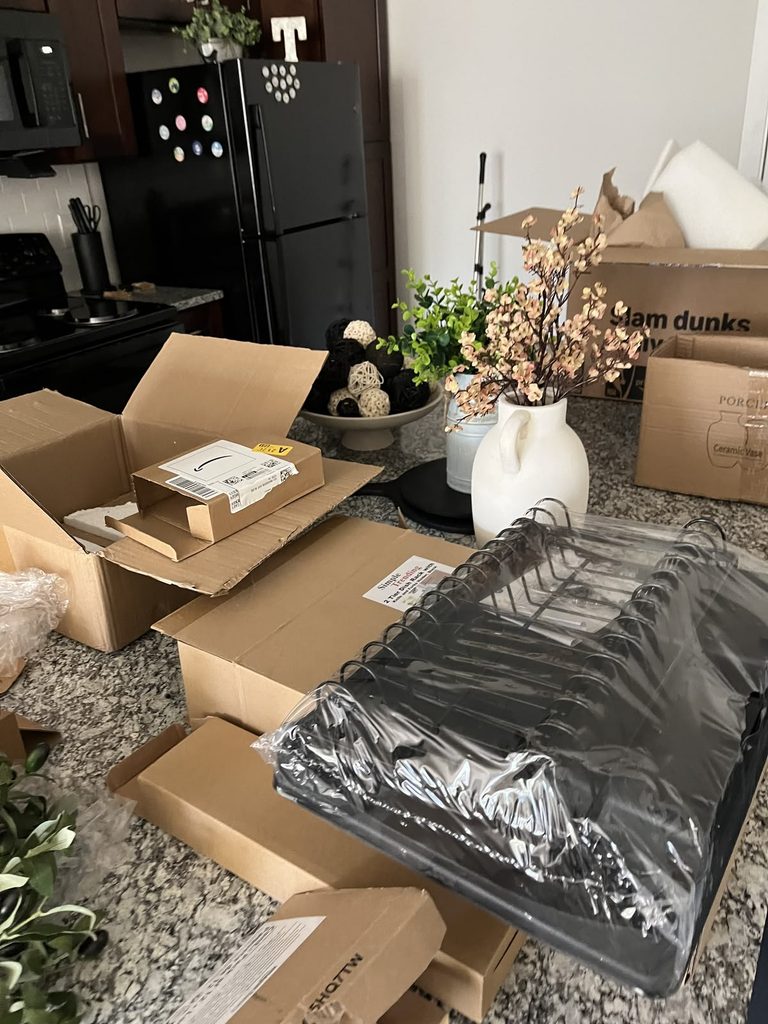
8. Buying Everything New for Your Apartment
Moving into your first place can make you want to buy everything immediately. You may start imagining new furniture, kitchen equipment, decorations, appliances, and matching accessories.
But buying everything at once can put serious pressure on your finances. You do not need a fully decorated apartment during your first month.
Start with the items you genuinely need for sleeping, cooking, cleaning, and everyday living. Then slowly add other things as your budget allows.
Check secondhand options, discounts, family hand-me-downs, or items you already own. Take your time before spending large amounts on things that are not urgent.
Your apartment can become beautiful gradually without forcing you into unnecessary debt.
9. Using Credit Cards to Cover Basic Expenses
Credit cards can become dangerous when they are used to cover expenses you cannot afford. If your income cannot cover your groceries, rent, or utility bills, credit may only delay the problem.
You still have to repay whatever you charge later. Interest can also make those purchases cost much more than expected. Before using a credit card, ask yourself how you will repay the balance.
Avoid treating your credit limit like extra money available for everyday spending. Keep your card purchases inside the spending limits of your actual budget.
If you are thinking about getting your first card, 35 Things to Know Before Getting Your First Credit Card can help you understand the basics. Used carefully, credit can be useful, but it should never replace proper budgeting.

10. Having No Emergency Fund
Unexpected expenses are one of the hardest parts of living alone. Your phone could break, an appliance could stop working, or an urgent bill could appear.
Without savings, you may have to borrow money or depend heavily on credit. Even a small emergency fund can give you more breathing room during difficult moments.
Start with an amount that feels realistic for your current income. You could begin with $100, $500, or another amount you can consistently save.
Then slowly work toward covering several months of essential expenses. Keep this money separate from your normal spending money when possible.
If you are starting from nothing, 25 Ways to Build an Emergency Fund From Scratch can help you build the habit gradually. The goal is not building everything immediately; the goal is starting before you desperately need it.

11. Forgetting Annual and Irregular Expenses
Some expenses do not appear every month, but they still need planning. You might have yearly insurance payments, birthdays, repairs, travel, or membership renewals.
Because these costs are not monthly, they can easily disappear from your budget. Then the payment arrives, and you suddenly need a large amount of money.
Make a list of expenses that happen once or a few times each year. Estimate the amount you expect to spend on each one.
Then divide those costs across the months before they are due. Set aside that smaller amount regularly instead of waiting until the final moment.
This approach makes irregular expenses feel more predictable and much easier to handle. Planning ahead is one of the simplest ways to make living alone less stressful.

12. Spending Without Checking Prices
Living independently means you become responsible for most of your purchasing decisions. It can be tempting to buy the first thing you see because you need it immediately.
But prices can vary greatly between stores, brands, websites, and local sellers. Take a few minutes to compare prices before making bigger purchases.
Check the total cost instead of looking only at the advertised price. Delivery fees, warranties, maintenance costs, and replacement expenses can change the final amount.
Also, remember that the cheapest option is not always the best value. Look for something that offers reasonable quality at a price your budget can handle. A little comparison can save money that you could use for more important needs.

13. Letting Subscriptions Pile Up
Subscriptions can quietly become one of the easiest expenses to overlook. You might pay for several streaming services, apps, memberships, or storage plans.
Each payment may seem small, especially when it leaves your account automatically. But adding them together can reveal a much larger monthly expense.
Go through your bank statement and identify every recurring payment. Ask yourself how often you actually use each service.
Cancel anything that no longer provides enough value for its monthly cost. You can always subscribe again later if your priorities change.
The money saved can go toward your emergency fund, debt, groceries, or other important goals. Small recurring savings can become meaningful when you keep them for several months.

14. Buying Groceries Without a Plan
Grocery shopping without a plan can make food spending much harder to control. You may walk into a store and buy whatever looks appealing at that moment.
The problem is that those small, unplanned purchases can quickly increase your grocery bill. You may also return home with plenty of food but no clear idea how to use it.
Some ingredients might sit untouched until they spoil and eventually end up in the trash. Before leaving home, take a few minutes to check what you already have.
Look through your refrigerator, freezer, pantry, and kitchen cabinets. Make a simple list of the foods and household items you actually need.
Then plan several easy meals around the ingredients you already have available. For example, leftover vegetables could become part of a stir-fry, soup, or simple rice dish.
Planning your meals this way can help you avoid buying ingredients you already own. It can also reduce the temptation to order takeout because you already have meals planned.
Be careful with bulk deals as well, especially when shopping on a limited salary. A larger package may appear cheaper, but it is not a good deal if half gets wasted.
Only buy larger quantities when you know you can use them before they expire. You can also compare prices between different stores when certain groceries are consistently expensive.
However, avoid visiting several stores just to save a tiny amount if transportation costs more. The goal is to make grocery shopping more intentional, not unnecessarily complicated.
A simple list, basic meal plan, and quick kitchen check can help your grocery money go much further.

15. Ignoring Small Money Leaks
Some money problems are not caused by one huge purchase. Instead, they come from many small expenses repeated throughout the month.
You might buy snacks, delivery, coffee, rides, online items, or small treats without planning. Each purchase may feel harmless when you make it.
But repeated spending can quietly take hundreds from your income over time. Track your spending for a few weeks and look for repeated patterns.
You may discover that one category takes more money than you expected. You do not need to remove every enjoyable purchase from your life.
Instead, identify the expenses that are happening too often and reduce them. Finding these leaks can free money without requiring a dramatic lifestyle change.

16. Trying to Keep Up With Friends
Living alone can sometimes make social spending feel harder to control. Your friends may suggest restaurants, trips, shopping, concerts, or expensive weekend activities.
You may feel embarrassed about saying that something is outside your budget. But protecting your finances is more important than appearing financially comfortable.
You can suggest cheaper activities or explain that you are saving toward something important. Good friends should not require you to damage your budget to spend time together.
Remember that people have different incomes, responsibilities, debts, and financial goals. You cannot see someone’s complete financial situation from their lifestyle.
Focus on building a life you can comfortably afford instead of copying someone else’s spending. Your financial progress does not need to look impressive to other people.

17. Taking on Too Many Monthly Payments
Monthly payments can make expensive purchases look easier than they really are. A phone payment may seem manageable by itself.
Then you add a loan, subscription, furniture payment, insurance, and several other monthly commitments. Suddenly, a large part of your income is already promised before payday arrives.
Before taking on a new payment, review your complete monthly budget. Ask yourself how the payment affects your savings and other important expenses.
Also consider what happens if your income drops or another bill increases. A payment that feels comfortable today may become stressful after a few months.
Keep enough space in your budget for emergencies and unexpected changes. Your goal should be financial flexibility, not filling every available dollar with another payment.

18. Using Savings for Non-Emergencies
Savings can feel tempting when you suddenly want something expensive. You may see money sitting in your account and decide to use it for shopping.
But savings become less useful when you constantly pull money out for wants. Give different savings amounts specific purposes.
You might have an emergency fund, travel savings, moving savings, and general savings. Knowing the purpose of each amount makes spending it harder.
Before taking money from savings, ask if the situation is genuinely important. If the purchase can wait, give yourself time to save separately for it.
Protecting your savings creates more security when unexpected problems actually happen. It also helps you build trust in yourself as someone who can manage money responsibly.

19. Avoiding Financial Conversations With Your Partner
If you live with a partner, money conversations should not be avoided. You both need to understand how rent, utilities, groceries, and other shared expenses will work.
Do not assume that your partner understands your financial situation automatically. Talk about income, shared bills, spending expectations, and savings responsibilities.
Agree on how expenses will be divided before problems appear. You should also discuss what happens when one person earns more than the other.
Clear conversations can prevent resentment and confusion later. You do not need to discuss money every day.
A simple monthly conversation can help both people stay informed and prepared. Good communication can make shared living much easier financially.

20. Forgetting to Review Your Budget
Creating a budget once does not mean your financial situation will stay unchanged. Your income, rent, bills, transportation, and priorities can change throughout the year.
If your budget never changes, it may stop reflecting your actual life. Set aside a little time each month to review your spending.
Compare what you planned with what you actually spent. Look for categories where you consistently spend more than expected.
Then adjust those numbers instead of pretending the problem does not exist. You can also increase savings when your income improves.
A budget works best when you treat it as a living plan rather than a fixed rule. Regular reviews can help you stay in control as your life changes.

21. Ignoring Debt Until It Becomes Overwhelming
Debt can feel uncomfortable, which makes ignoring it tempting. But avoiding your balances does not make the payments or interest disappear.
Write down every debt, including the balance, minimum payment, and interest rate. Then decide how much you can consistently put toward repayment each month.
Keep making required payments while working toward reducing your balances. Avoid adding unnecessary debt while you are trying to clear what you already owe.
Small progress still matters, especially when your income is limited. Seeing your balance decrease can also make the situation feel more manageable.
You do not need to clear everything overnight. You simply need a realistic plan and the discipline to keep following it.

photo credit
22. Spending Every Raise Immediately
Getting a raise can feel like permission to upgrade your entire lifestyle. You may start thinking about a better apartment, expensive clothes, travel, or a newer phone.
But increasing every expense at the same time can keep you financially stuck. Instead, give part of your increased income a specific job.
You could increase your savings, emergency fund, debt payments, or investment contributions. Then use another portion to improve something you genuinely care about.
This lets you enjoy your progress without spending every extra dollar. Your lifestyle can grow, but it does not need to grow as quickly as your income. Building financial security while earning more can make future decisions much easier.

23. Not Having Money Set Aside for Moving Costs
Moving into your first apartment involves more expenses than rent alone. You may need money for deposits, transportation, furniture, household supplies, and utility setup.
There may also be small costs that you did not expect during the moving process. For example, you might need to pay for moving boxes, cleaning supplies, delivery fees, or temporary storage.
Some landlords may also require upfront payments before you can move into the apartment. If you spend everything before moving, these expenses can quickly become stressful.
Start saving for the move several weeks or months before signing a new rental agreement. Create a simple list of expected costs and give each expense an estimated amount.
Then add a little extra money for costs that may come up unexpectedly. You should also think about what you can bring from your current home instead of buying everything new.
There is no need to furnish your entire apartment in one weekend. You can buy the most important items first and slowly add other things later.
This approach can help you avoid using credit cards just to make your new apartment look complete. You can then handle the move without depending heavily on credit cards or loans.
This is especially important when you are moving for the first time. Planning for the full move gives you a clearer picture of what independence actually costs.
It also helps you enter your new home with less financial pressure. Remember, getting your own place is exciting, but the goal is to enjoy it without starting broke.

24. Thinking You Must Handle Everything Alone
Living alone does not mean you have to figure out every problem without help. Sometimes, asking questions can save you money and prevent expensive mistakes.
You can learn from people who have managed rent, utilities, budgeting, repairs, and other responsibilities before. You can also use reliable financial resources to understand unfamiliar money decisions.
Do not feel embarrassed because you are still learning how adult responsibilities work. Everyone starts somewhere, and financial confidence usually develops through practice.
The important thing is being willing to learn from your mistakes. You should also avoid taking financial advice from people who pressure you into risky decisions. Build your knowledge slowly and make choices that fit your actual situation.

25. Thinking You Need to Have Everything Figured Out
One of the biggest mistakes is expecting yourself to become financially perfect immediately. Your first months living alone will probably involve some mistakes and unexpected lessons.
You may underestimate groceries, forget a bill, or spend too much during one weekend. That does not mean you are bad with money.
Use those experiences to understand what needs changing in your budget. Maybe your transportation category needs more money than expected.
Maybe you need to reduce subscriptions or increase your grocery budget. Your financial habits can improve as you learn more about your real expenses.
If you need more ideas for reducing your spending, 35 Simple Ways to Lower Your Monthly Expenses can help. The goal is progress, not perfection, especially when you are learning independence for the first time.

Final Thoughts
Living alone can teach you many things about money that you never learned before. You suddenly become responsible for bills, groceries, household supplies, savings, and unexpected expenses.
At first, all those responsibilities can feel like too much. But you do not need to become perfect with money overnight.
You simply need to understand your income and make thoughtful choices with it. Start by creating a budget that reflects your real monthly expenses.
Then pay attention to the small costs that can quietly drain your money. Keep your housing affordable and give yourself room for savings.
Try not to use credit cards to cover expenses your income cannot handle. Build an emergency fund slowly, even when your starting amount feels very small.
You can also review your subscriptions, grocery spending, transportation, and regular bills. The more you pay attention, the easier it becomes to notice problems before they become serious.
Start with the mistakes you are most likely to make. Then create simple habits that help you avoid them. Over time, those small choices can make living alone feel much less overwhelming.
And as you become more comfortable, you can start working toward bigger financial goals. 25 Financial Goals to Set Before Living on Your Own can help you think about those next steps.
Remember, becoming financially independent is a process. You will learn, adjust, make mistakes, and improve along the way.
What matters most is staying intentional about where your money goes. Save this guide and come back whenever you need a reminder about the money mistakes worth avoiding.
Leave a Reply