Here is something most people only notice after a few years of working. The people who move up fastest are not always the smartest ones in the room.
They are the ones who do small, boring things well, every single day, without anyone clapping for them.
Think about the coworker who always replies on time, keeps neat notes, and never seems stressed. That person is not lucky, and they are not a robot. They simply built a set of habits early, and those habits now do most of the heavy lifting.
The best part is that habits can be learned, and you can start today with almost no money. If you are still getting ready for work, you can read 25 Things to Know Before Starting Your First Job alongside this guide.
Here are 35 professional habits worth building while your career is still young.
You need to see this: How to Build Confidence in the Workplace

35 Professional Habits to Build Early in Your Career
1. Show Up on Time
Being on time is one of the easiest professional habits to build, and it earns you respect without a single word. Whether you are attending work, joining a meeting, or calling a colleague, aim to be ready a few minutes before the scheduled time.
This shows that you respect other people’s time and take your responsibilities seriously.
Plan your journey with some extra time in case traffic, transport delays, or unexpected problems come up. If you work remotely, check your internet connection and open any documents you need before a meeting begins.
When you arrive early, use those few minutes to settle down, organize your thoughts, and review your plan for the day. Avoid rushing into the office feeling stressed because you left home too late.
People notice patterns, and they often remember colleagues who are consistently punctual. They also notice when someone regularly arrives late without explanation.
Make punctuality part of your daily routine, and you will gradually build a reputation as someone others can depend on.
You’ll use this again: How to Build Healthy Work Habits Early in Your Career

2. Plan Your Day the Night Before
Spending five minutes in the evening planning tomorrow can save you an hour of confusion the next morning. Instead of waking up and wondering what to do first, take a little time to prepare yourself for the day ahead.
Write down your three most important tasks, check your calendar for meetings or appointments, and prepare anything you need to carry to work.
If you have an important deadline, identify the first step you need to take so you can get started quickly.
You can also choose your clothes, pack your bag, or prepare your lunch before going to bed. These small preparations reduce the number of decisions you need to make when you wake up.
Planning ahead can also help you relax at night because you have already organized many of your responsibilities on paper. You do not need a complicated planner or a long evening routine.
Start with a few minutes and adjust your plan when necessary. Over time, this simple habit can make your mornings calmer and your working days more organized.

3. Keep a Simple To-Do List
Your memory may be good, but it is not perfect, especially when several tasks need your attention at the same time.
A simple to-do list helps you keep track of your responsibilities without constantly worrying about forgetting something important.
You can use a notebook, a phone app, or a basic document on your computer. Whenever your manager assigns you a task or you remember something important, write it down.
Include deadlines where necessary so you know which tasks need attention first.
Avoid filling your list with too many small activities that make the day feel impossible. Instead, identify the most important tasks and focus on completing those before moving to less urgent work.
If a task is too large, break it into smaller steps that feel easier to manage.
Cross off each task when you finish it. Seeing your progress can motivate you to keep going, even on busy days. Review your list before leaving work and move unfinished tasks to another day when appropriate.
A simple, realistic list helps you stay organized and gives you a clearer picture of what needs to be done.
Most popular this week: How to Prepare for Your First Performance Review
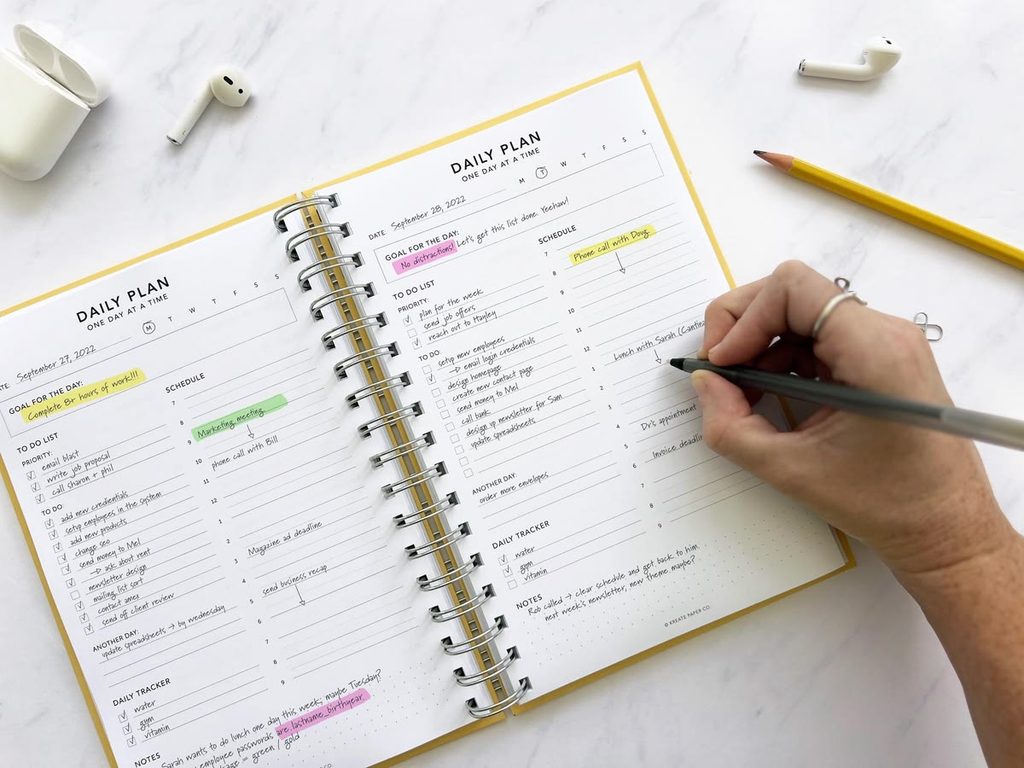
4. Write Things Down
During my first job, my manager explained a long process to me, and I felt sure I would remember every step. By the next morning, I had forgotten half of it and had to ask again, which was embarrassing.
After that day, I never went anywhere without a notebook.
Writing things down helps you remember instructions, deadlines, meeting points, and important details. When someone explains a new process, take brief notes instead of relying entirely on your memory.
You do not need to write every word they say. Focus on the main steps, important names, and anything you may need to check later.
After the conversation, review your notes and organize them so they are easy to understand. If something is unclear, ask for clarification before starting the task. This can prevent mistakes and save you from repeating work unnecessarily.
You can use a notebook or a suitable digital note-taking app, depending on your workplace. However, always follow company rules when recording confidential information.
A few clear notes can make your work easier, help you learn faster, and show that you take instructions seriously.
Don’t be the last to see this: How to Handle Workplace Mistakes Professionally

5. Meet Your Deadlines
A deadline is a promise, and keeping your promises builds trust faster than almost anything else at work. When your manager assigns you a task, confirm when it is due and make sure you understand what needs to be completed.
Write the deadline in your calendar or to-do list so it does not slip your mind.
Do not wait until the last minute to begin a task, especially if it involves research, other people, or several steps. Break the work into smaller parts and set personal deadlines that allow you to finish early.
This gives you time to review your work and correct mistakes before submitting it.
Sometimes, unexpected problems can make a deadline difficult to meet. If you realize you may be late, inform your manager as early as possible.
Explain the situation honestly, share what you have completed, and discuss a realistic way forward instead of staying silent.
People understand that challenges happen, but they appreciate being informed. Consistently meeting deadlines shows that you are organized, responsible, and ready to handle greater responsibilities as your career develops.
Don’t miss this: 35 First-Day-at-Work Mistakes to Avoid
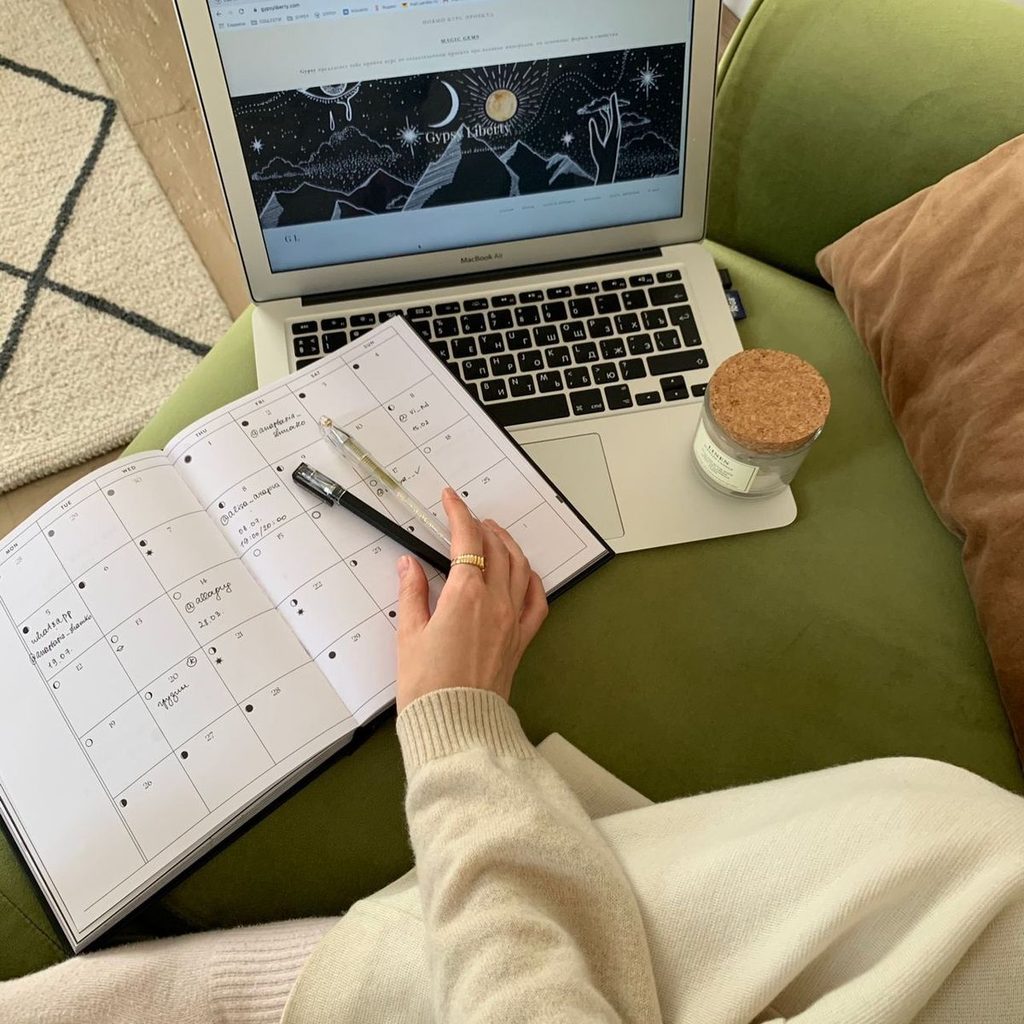
6. Ask Questions Early
Asking questions is not a sign of weakness. It shows that you want to understand your responsibilities and do your work properly. When you are confused about a task, ask for clarification before spending hours working in the wrong direction.
Before approaching your manager or colleague, take a moment to check whether the answer is already available in your notes, emails, or workplace instructions.
If you still need help, explain what you understand and identify the part that confuses you. This makes your question easier to answer and shows that you have made an effort.
For example, if your manager gives you a task with unclear instructions, you can ask which part should be completed first or when the work is due. You do not have to pretend you understand everything, especially when you are new.
If you need ideas, these 21 Questions to Ask During Your First Week at a New Job can help you get started. Remember to listen carefully, take notes when necessary, and thank people who help you.
Asking early can prevent avoidable mistakes and help you learn faster.

7. Listen More Than You Talk
Good listening is an important workplace habit, and people notice it quickly. When someone is speaking to you, put your phone away, pay attention, and allow them to finish before responding.
Avoid interrupting or thinking so much about your reply that you miss what the other person is saying.
Listening carefully helps you understand instructions, remember important details, and avoid unnecessary mistakes. It also makes conversations easier because people feel respected when they know you are paying attention.
For example, when your manager explains how to complete a task, listen to the full explanation before asking questions. If something is unclear, ask politely.
You can also repeat the main instruction in your own words to confirm that you understood it correctly.
Good listening does not mean you should remain silent during every conversation. You can share your ideas, express concerns, and contribute to discussions while still giving others room to speak. The goal is to understand before responding.
When you practise this habit consistently, you become easier to work with. Colleagues are more likely to trust you with information and appreciate your contribution to the team.
You might also love this: How to Stay Organized When You Start a New Job

8. Reply to Messages Promptly
Nobody expects you to respond to every workplace message within seconds. However, leaving emails, calls, or important chat messages unanswered for several days can make you appear unreliable.
It may also delay other people’s work, especially when they need your response before moving forward.
A simple way to manage messages is to check them at reasonable times throughout the day. For example, you might review your inbox when you begin work, again around midday, and before you finish.
Adjust this routine to your role and your workplace’s expectations.
If someone needs an answer but you are still gathering information, send a brief reply to let them know you have received the message.
You can explain that you are checking the details and provide an estimated time for your full response. This helps the other person know what to expect.
At the same time, do not let every notification interrupt your concentration. Mute unnecessary alerts when appropriate and set aside focused time for important tasks.
Prompt replies show consideration and help projects move forward. The key is to respond within a reasonable time without sacrificing the quality of your work.
You’ll love this too: How to Make a Great First Impression During Your First Week at Work

9. Write Clear and Polite Emails
Your emails speak for you when you are not in the room, so make them count. Use a clear subject line, a polite greeting, and a short message that gets to the point.
Check the names and the spelling before you hit send. Avoid sounding rude or too casual, because tone is easy to misread in writing.
If you are curious about what to avoid, read these 45 Things You Should Never Say in a Professional Email and keep them in mind. A good email saves time for everyone involved.
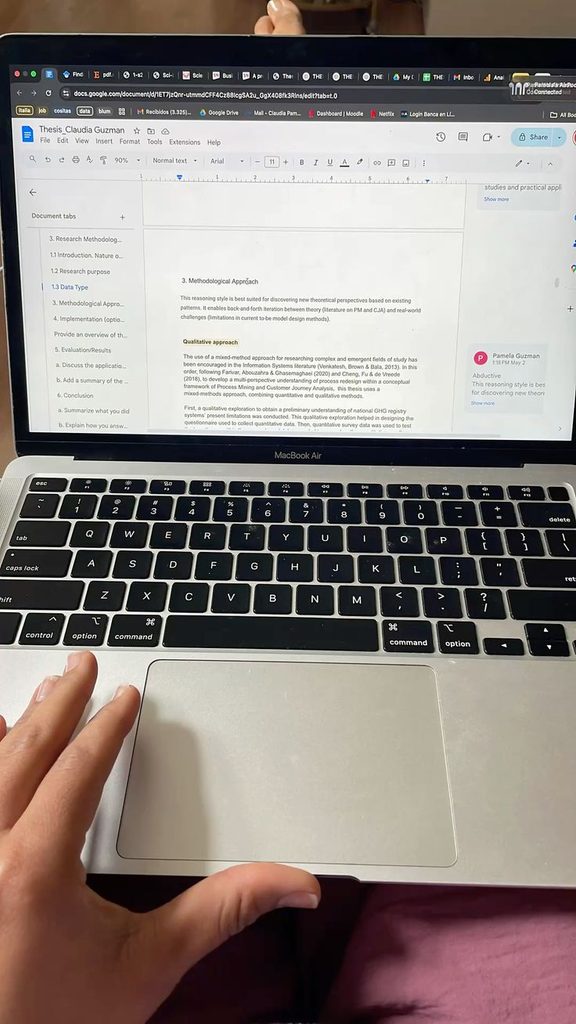
10. Think Before You Send or Post
Once a message leaves your hands, you cannot call it back. Before you send an email, a chat message, or a social media post, take ten seconds to read it again.
Ask yourself how it will sound to someone who does not know you. If you are angry, wait an hour before you reply, because anger writes terrible messages.
The same goes for posts about your job, your boss, or your coworkers. A short pause can protect your name from a mistake that follows you for years.
Continue reading here: How to Ask for Help at a New Job Without Feeling Embarrassed

11. Keep Your Workspace Tidy
A cluttered desk usually means a cluttered mind, and it slows you down when you need to find something fast.
Spend a few minutes at the end of every day putting papers away, clearing your trash, and shutting down your computer. Keep the files on your laptop named and sorted in simple folders.
If you want a full list of things to sort out, see these 25 Things to Organize Before Starting a New Job. A tidy space helps you think clearly, and it shows others that you take your work seriously.

12. Dress Neatly for Your Workplace
You do not need expensive clothes, but you do need clean and neat ones. Look at what people around you wear and follow the same style, a little neater if possible. Iron your clothes the night before and keep your shoes clean.
Take care of your hair and your personal hygiene, because these things matter a lot in close spaces. When you look good, you feel good, and that confidence shows when you speak.
People often judge you before you say a word, so let your outfit say something positive.
Explore more ideas: How to Write Professional Emails at Work

13. Be Polite to Everyone
Politeness is a habit, and it costs you nothing. Say please, thank you, and good morning to everyone, from the big boss to the cleaner. Hold the door for others and keep your voice calm in shared spaces.
Little things like these create a warm feeling around you. You can learn more of these simple rules in the 25 Workplace Etiquette Rules Every Young Professional Should Know.
Kindness gets noticed, and people want to help those who treat them well.

14. Remember Names
People love hearing their names, and using them makes you more likeable right away. When you meet someone, repeat their name once in your reply to help it stick.
Write the names of new coworkers in your notebook, along with what each person does. If you forget, it is fine to ask again politely.
That is much better than calling them by the wrong name for months. Remembering names shows that you care about people, and caring is the base of every good work relationship.
Find even more inspiration: How to Prepare for Your First Job Interview

15. Take Feedback Well
Feedback is a free lesson from someone who has more experience than you. When you receive it, stay calm, listen fully, and say thank you.
Try not to explain or defend yourself too fast, because that closes the door to learning. Write down the points and think about how to use them in your next task.
If something is unclear, ask a short question to get the full picture. People who take feedback well grow faster, and bosses love to invest time in someone who improves.
Keep the ideas coming: How to Write a Resume With Little or No Experience

16. Admit Mistakes Quickly
Everyone makes mistakes, and the first year is full of them. What makes the difference is how fast you speak up. Tell your manager as soon as you notice a problem, explain it simply, and suggest a way to fix it.
Hiding mistakes only makes them bigger and harder to solve later. Your boss will remember your honesty longer than they remember the error itself. Owning your mistakes builds trust, and trust is the most valuable thing you can build at work.

17. Learn Something New Every Week
The world of work keeps changing, so learning cannot stop after school. Pick one small thing each week, like a new shortcut in a tool, a new word in your field, or a new skill from a coworker.
Keep a note of what you learn so that you can see your growth over time. Free videos, short courses, and books make this very easy today.
A little learning each week adds up to a big difference in one year. Curious people never run out of opportunities.

18. Read About Your Industry
Knowing what is happening in your field helps you speak with confidence and spot new chances. Spend ten minutes a day reading articles, newsletters, or posts from people in your industry.
Follow a few trusted sources instead of trying to read everything on the internet. When you understand the bigger picture, your daily tasks start to make more sense.
It also gives you good topics to talk about with seniors and new contacts. This habit is easy to start, and it keeps you one step ahead of others.
Bookmark this post: 23 Things to Do Before Your First Job Interview

19. Build Real Relationships
Your career will grow through people as much as through skills. Take time to talk to coworkers, offer help when you can, and say hello to people outside your team. Join the occasional lunch or office event, even if you feel a little shy.
Do not treat people as tools, because they can tell when you are being fake. Strong relationships bring advice, support, and opportunities that you may never see on a job board. Start small, stay friendly, and let trust grow naturally.

20. Find a Mentor
Early in my career, an older coworker started giving me small bits of advice over lunch, and I quickly learned more from her than from any training.
She told me which mistakes to avoid and how to speak up in meetings. I never officially asked her to be my mentor, but that is what she became.
Look for someone you respect and ask a simple question about their path. Show that you value their time, and follow through on their advice. A good mentor can save you years of trial and error.

21. Stay Away From Gossip
Gossip feels fun in the moment, but it can damage your name over time. If people see that you love talking about others, they will stop trusting you with anything private.
When a conversation turns negative, change the subject or politely walk away. Do not share stories that you cannot prove, because they can hurt innocent people.
Focus on your work and on being known for the right reasons. A clean reputation takes years to build, and one careless story can hurt it quickly.

22. Keep Your Promises
If you say you will do something, do it, even when it is a small thing like sending a file or joining a call. Do not agree to tasks just to look nice, because you will end up breaking your word.
Be honest about what you can handle and give realistic times. When something changes, tell the person early instead of staying silent.
Reliable people are rare, and bosses remember who they can count on. Your word becomes your brand, so protect it with care.

23. Be Honest
Honesty is simple but powerful, and it will protect you in many tough moments. Tell the truth about your progress, your mistakes, and your limits.
Do not exaggerate your skills or pretend you finished something that is still in progress. People can handle bad news much better than they can handle lies.
Once trust is broken, it is very hard to rebuild. Being honest may feel uncomfortable at times, but it leaves you with a clear mind and a strong name.

24. Manage Your Phone Use
Your phone can quietly eat hours of your day if you are not careful. Keep it on silent or in your bag during meetings and focused work.
Turn off notifications that you do not need, like games and shopping offers. Check it during your breaks instead of every few minutes.
People notice who is always scrolling, and it makes them wonder if you are serious about the job. Controlling your phone gives you back time, focus, and a better image.

25. Take Real Breaks
Working nonstop does not make you better, it just makes you tired. Stand up, stretch, drink water, and step away from your screen a few times a day.
Take your lunch away from your desk when you can. A short walk can clear your mind and bring fresh ideas to a stubborn problem.
Do not feel guilty about resting, because it helps you work well. Rested people make better decisions and enjoy the day more.

26. Protect Your Sleep
Late nights may feel fun, but they cost you the next day. Try to go to bed at about the same time and wake up at the same time most days.
Keep your phone away from your bed, and avoid heavy meals late at night. Good sleep helps your memory, your mood, and your patience with others.
If you want to perform well at work, your pillow is part of your toolkit. A well-rested person simply handles pressure with more ease.

27. Set Healthy Boundaries
Wanting to impress your boss is natural, but being available twenty-four hours a day will wear you out. Decide on a time when you stop work and try to stick to it.
Do not answer work messages late at night unless it is truly urgent. Tell people politely when you are not available, and offer another time that works.
Boundaries help you avoid burnout and keep your personal life alive. Respect grows when people see that you value your time.

28. Learn to Say No Politely
Saying yes to everything can bury you in work you cannot finish. When a new request comes, check your current tasks before you answer.
You can say, “I would love to help, but I am full right now. Can we look at next week?” This answer is clear, kind, and honest.
Offer another option if you can, like pointing the person to someone else who may have time. Saying no in the right way protects the quality of your work and your peace of mind.

29. Keep Track of Your Wins
Write down your achievements as they happen, like a project you finished, praise from a client, or a skill you learned. Keep them in a simple file so you do not have to think hard later.
When review time comes, you will have real examples to share. This record also makes it easy to update your resume when new chances appear, and these 19 Resume Mistakes That Can Hurt Your Job Search show what to watch for.
Memory fades quickly with time, but written notes will stay with you.

30. Review Your Week
Every Friday, I now spend ten minutes asking what went well, what went badly, and what I will change next week. I started this habit after a stressful month in my second job, when I realized I kept repeating the same mistakes.
Within a few weeks, I saw patterns that I had never noticed before. You can do this with a notebook and a cup of tea. Be kind to yourself and focus on learning instead of blaming. A weekly review turns experience into real progress.
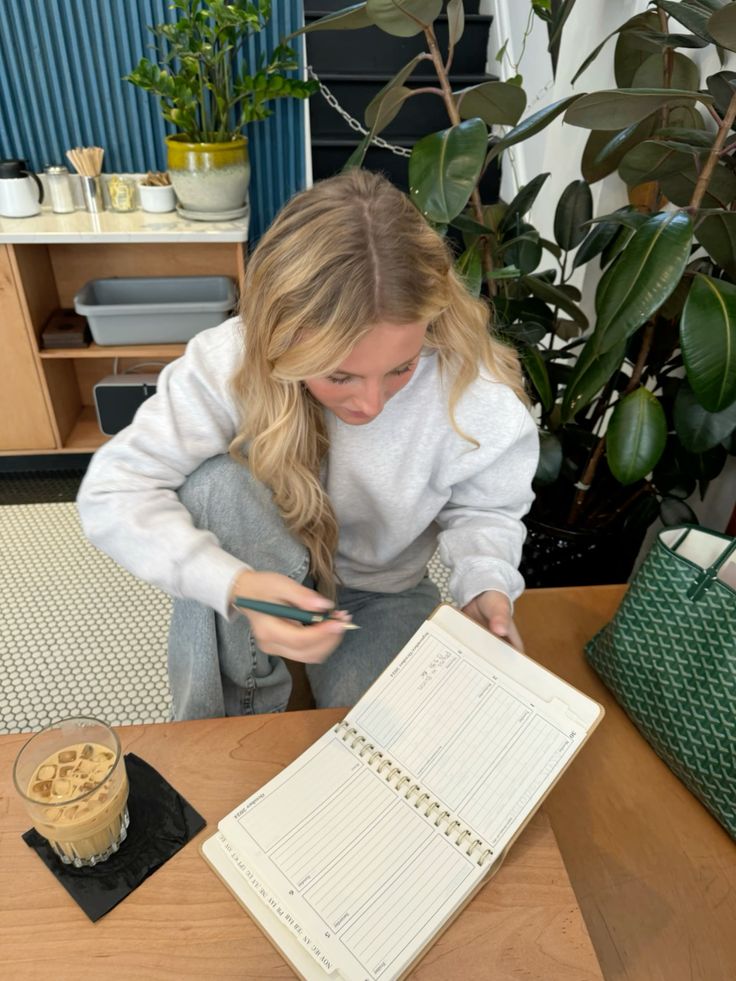
31. Prepare Before Meetings
Walking into a meeting without any preparation wastes everyone’s time, including yours. Read the agenda, check your notes, and think of one or two points you may want to share.
Bring a pen and a notebook, and arrive a few minutes early. If you are expected to give an update, keep it short and clear.
After the meeting, write down what you are responsible for and by when. Prepared people look smart, and they make meetings shorter for everyone.

32. Take Initiative
Initiative simply means seeing a need and acting on it without being told. If you finish your tasks, ask if there is something else you can help with. If you notice a small problem, suggest a simple fix.
Do not wait to be pushed for every small thing. But also stay within your role and avoid stepping on other people’s work.
Managers love people who think ahead, and initiative is often the first thing they mention when they recommend someone for a promotion.

33. Stay Calm Under Pressure
Pressure will come, and how you handle it matters more than the pressure itself. When things get heavy, stop for a moment, breathe slowly, and list what needs to be done.
Take one task at a time instead of fighting everything together. If you start to feel lost or stuck, these 25 Things to Do When You Feel Lost in Your First Job can help you find your feet again.
Speak calmly, even when others are stressed. A calm person is a great anchor for a whole team.

34. Say Thank You Often
A simple thank you can brighten someone’s day and strengthen your relationships. Thank people who help you, from a big favor to a small answer.
Send a quick message after a meeting or a project to show your appreciation. Be sincere, and mention what they did that helped you.
Gratitude is rare enough to be noticed right away. People remember how you made them feel, and thankful people are very easy to work with.

35. Stay Patient and Keep Growing
Careers do not grow in a straight line, and some seasons will feel slow. Do not compare your progress with someone else’s story on social media.
Keep showing up, keep learning, and keep building the habits in this list. Small steps taken every day will take you much farther than sudden bursts of effort.
Celebrate your progress along the way, even when it looks small. Patience is not just waiting, it is trusting that your effort will pay off.

Final Thoughts
You do not need to build all 35 habits at once, and trying to do so would only wear you out. Pick two or three that feel right today, practice them for a few weeks, and then add more.
Small changes repeated every day will shape the kind of professional you become.
Remember that nobody gets these things perfect, and you will slip sometimes. When you do, just start again the next morning without beating yourself up.
Your future self will thank you for the work you put in today, so keep going one habit at a time.
Leave a Reply