Picture this scene for a moment, because it is probably close to your own story. Your alarm rings, your stomach is twisting, and you change your outfit three times before you finally leave the house.
By the time you reach the office, your mind is racing with questions like “Where do I sit?” and “What if I say something silly?”
That is what a first day feels like for almost everyone, and it is why so many small mistakes happen on that day.
Nobody plans to arrive late, forget a name, or stare at their phone for too long. These things just slip out when your nerves are doing the driving.
Here is the good news, though. Most first-day mistakes are easy to fix once you know what they look like, and many people forgive them quickly.
If you want a wider picture of the job ahead, you can also read 25 Things to Know Before Starting Your First Job alongside this post.
In this guide, we will walk through 35 mistakes new employees make on day one and how to dodge each of them. Read it slowly, laugh at the ones that sound familiar, and walk into your new office with a lot more calm.
Don’t lose this list: How to Build Healthy Work Habits Early in Your Career

35 First-Day-at-Work Mistakes to Avoid
1. Arriving Late
Nothing ruins a first impression faster than walking in after everyone has already settled at their desks. Even five minutes late can leave your manager wondering if you will be this way every day.
Check the route the night before, and leave home much earlier than you think is needed. Traffic, wrong turns, and slow lifts love to show up on important mornings.
If something truly unexpected happens, send a short message early and explain calmly. That small step shows that you respect other people’s time, and it keeps a bad morning from turning into a bad reputation.
Keep this handy: How to Prepare for Your First Performance Review

2. Arriving Too Early Without a Plan
Being early is good, but showing up forty minutes before anyone else can feel awkward. You might end up standing outside with nowhere to wait and no one available to welcome you.
Before your first day, ask your manager about your expected arrival time and who you should meet at the entrance. Aim to arrive around ten to fifteen minutes early unless your employer gives different instructions.
If you arrive much earlier than expected, find a nearby café or another comfortable place to wait until it is time to enter. Use those extra minutes to review your notes, settle your nerves, and prepare yourself mentally.
Remember that punctuality is about being ready when expected, not arriving unnecessarily early. Plan your journey around traffic and possible transportation delays so you do not have to rush.
Walking into your new workplace calmly and prepared will make a better first impression than arriving extremely early without knowing what to do.
Save this idea: How to Handle Workplace Mistakes Professionally

3. Wearing the Wrong Outfit
Your outfit contributes to the impression you make on your first day, so choose your clothes carefully. Some workplaces expect formal business attire, while others allow smart casual clothing and clean sneakers.
Before starting, ask the recruiter or your manager about the dress code. Guessing can leave you feeling uncomfortable when everyone else is dressed differently.
When you are unsure, choose neat, simple clothing that suits the workplace. A clean shirt, tidy shoes, and well-fitting trousers are often sensible choices, depending on your role.
Remember that some jobs require uniforms or protective equipment, so follow any specific instructions provided by your employer. You do not need an expensive wardrobe to look professional.
Try your outfit the night before to check that everything fits properly and is ready to wear. This small preparation saves time and prevents unnecessary stress on your first morning.
Keep this guide nearby: How to Build Confidence in the Workplace

4. Forgetting Your Notebook and Pen
On your first day, you will probably receive plenty of information about your responsibilities, workplace rules, colleagues, and daily tasks. Trying to remember everything without taking notes can quickly become overwhelming.
Carry a small notebook and a working pen, or use an approved digital note-taking tool. Write down important names, instructions, deadlines, passwords-related procedures, and questions you need to follow up on.
Never record confidential passwords in an unsecured notebook or app.
Taking notes shows that you are paying attention and helps you remember what your manager explains. It also gives you something useful to review when you need clarification later.
At the end of the day, read through your notes and organise the information into clear sections. If something is missing or confusing, ask the appropriate person before you forget the details.
This simple habit can make your first week easier and help you become more independent as you learn your new responsibilities.
You’ll use this again: How to Stay Organized When You Start a New Job

5. Being Afraid to Ask Questions
Many new employees stay quiet because they fear appearing inexperienced or unprepared. However, pretending to understand instructions can lead to mistakes that take much longer to correct.
Your first day is an opportunity to learn, so do not feel embarrassed about asking reasonable questions. Your colleagues understand that you are unfamiliar with their systems and procedures.
Keep your questions clear and specific. Instead of saying, “I don’t understand anything,” explain which part confuses you and what you need clarified. Write down the answers so you can refer to them later.
Before asking, check whether the information is already available in your notes or training materials. This shows initiative while helping you avoid unnecessary confusion.
If you need ideas about what to ask, explore How to Make a Great First Impression During Your First Week at Work
Remember, asking a question takes seconds, but guessing incorrectly can waste hours. Learning to seek clarification will help you work more confidently and accurately.

6. Pretending to Know Everything
It can be tempting to nod along and say, “I understand,” even when you are completely confused. You might think pretending to know everything makes you look capable, but it can lead to mistakes and wasted time.
Your manager does not expect you to know every tool, process, or procedure on your first day. What matters is your willingness to learn and ask for help when necessary.
Instead of pretending, say something simple like, “I have not used this tool before. Could you show me how it works?” This shows honesty and a genuine interest in improving.
When someone explains something unfamiliar, take notes and practise the process whenever possible. You will gradually become more confident and independent.
Remember, admitting what you do not know is not a weakness; it is the first step towards learning and becoming better at your job.
Check this out: How to Ask for Help at a New Job Without Feeling Embarrassed

7. Forgetting Names
During my first day at my first job, I met six people in one hour and forgot every name before lunch. Later, I called my team lead by the wrong name in front of the whole group, and my face went red.
She laughed it off, but I learned something important that day. Write each name down right after you hear it, and repeat it once while talking to that person.
You can also note one small detail about them, like their department or their favorite snack. Remembering names makes people feel valued, and it builds friendly bonds much faster than you expect.
Readers are loving this: How to Write Professional Emails at Work

8. Ignoring the Support Staff
Some new employees only greet their manager and the people who seem important. But the receptionist, the security guard, the IT person, and the cleaner all play big roles in how the office runs.
They are often the first to help you when your laptop fails or your access card stops working. Greet them with a smile and learn their names on the first day.
People talk, and kindness to everyone gets noticed quickly. A warm hello costs nothing, and it can make your whole first month go much more smoothly.
Don’t miss this: How to Write a Resume With Little or No Experience

9. Staying Glued to Your Phone
Checking your phone every few minutes on your first day sends the message that you are bored or not interested. Even if you are only replying to a worried friend, your coworkers will not know that.
Keep your phone on silent and tucked away in your bag or pocket during work hours. Use your break time to reply to messages and check what you missed.
Your full attention is the best gift you can give a new team. Besides, you will learn so much more when your eyes are on the people and the work around you.

10. Being Too Quiet
Being shy is fine, but hiding in the corner all day can make people think you are cold or not interested. Try to say good morning, join small conversations, and answer when someone asks you a question.
You do not need to be the life of the party, just a friendly face. A smile and a few words go a long way when people are trying to get to know you.
If speaking up feels hard, start with one person and build from there. Little by little, your confidence will grow, and the room will feel much less scary.
You need to see this: How to Prepare for Your First Job Interview

11. Talking Too Much
On the other side, some beginners try so hard to impress that they talk nonstop about themselves. They share long stories, give opinions on everything, and forget to listen.
Remember that your first day is mostly about learning, and you cannot learn when you are the one talking. Ask people about their roles and how long they have been there.
Listen more than you speak, and let your questions show your interest. People remember good listeners, and they are usually happy to share useful advice with someone who pays attention.

12. Sharing Too Much Personal Information
Being friendly is good, but your first day is not the time to share your family problems, money troubles, or relationship drama. Once something is said in an office, it can travel from desk to desk very quickly.
Keep early conversations light and about neutral topics like food, hobbies, travel, or the weather. You can open up slowly as trust grows over the months.
Sharing less in the beginning protects your privacy and your image. Nobody has ever regretted keeping a secret a little longer.

13. Joining Office Gossip
Gossip can feel like a shortcut to making friends, especially when someone whispers a juicy story to you in the break room. But the person who tells you about others will gladly tell others about you.
On your first day, you do not know who is friends with whom or what the real story is. So smile, listen politely, and change the topic if it turns negative.
Let people know that you are not here to pick sides. A clean reputation is hard to build and very easy to lose.
Pin this for later: 19 Resume Mistakes That Can Hurt Your Job Search

14. Criticizing Your Old Job or Boss
Complaining about your past employer may seem harmless, but it makes new coworkers wonder what you will say about them someday. Keep your talk about old jobs short, positive, and focused on what you learned.
If someone asks why you left, give a simple and polite answer. Even if your last workplace was terrible, there is no need to tell the whole story now.
Your new team wants to see your attitude, and a good attitude never bad-mouths people. Let your work and your words show that you are looking forward, not backward.

15. Comparing Everything to Your Old Workplace
Saying “At my old company, we did it this way” over and over can annoy people very fast. Every office has its own methods, and they have reasons that you may not know yet.
Instead of comparing, stay curious and ask why things are done a certain way. You will learn something valuable, and people will see you as open-minded.
Save your helpful suggestions for later, once you have earned some trust. Right now, your best move is to watch, learn, and adapt.

16. Skipping the Introductions
If your manager walks you around to meet the team, make the most of it. Shake hands, make eye contact, and say a short line about yourself, like your name and role.
Some beginners rush through these moments or look at the floor because of nerves. But first meetings shape how people see you for a long time.
If nobody introduces you, take the first step and say hello at your own pace. A friendly greeting can turn a stranger into a helpful ally within a week.

17. Eating Smelly or Noisy Food
Your tasty fish stew or crunchy chips may be delicious, but they can annoy people in a shared space. Strong smells spread fast in offices, and nobody wants to be remembered as the person who filled the room with them.
On your first day, bring something mild or eat in the break room or cafeteria. Keep your eating quiet and tidy, and clean up after yourself.
Learn the lunch habits of your team before you decide what to bring. Small acts of consideration make you a welcome part of the group.
Bookmark this post: 23 Things to Do Before Your First Job Interview

18. Not Knowing the Break and Lunch Rules
Each workplace handles breaks differently, and guessing can get you in trouble. Some places have fixed lunch hours, while others let you choose a time that suits your work.
Ask your manager or a teammate how it works so you do not stay away too long or skip meals out of fear. Also learn where to eat, where to make tea or coffee, and where to find the restroom.
A quick question on day one saves you from awkward moments later. Taking breaks the right way helps you stay fresh and focused.

19. Ignoring Company Rules and Policies
Most companies give new employees a handbook or a list of rules on the first day. Some people drop it in a drawer and never open it again, which is a risky move.
Rules about working hours, dress, security, leave, and technology are all there for a reason. Read the main parts early, and ask HR if something is not clear. Breaking a rule by accident still counts as breaking it.
Knowing the basics keeps you safe and shows that you care about doing things right.

20. Not Setting Up Your Workspace Properly
A messy desk, an empty drawer, and a laptop without your settings can make the first week feel chaotic. Take time on your first day to arrange your desk, log in to your accounts, and save the contacts you need.
Find out where the printers, supplies, and meeting rooms are located. If you are not sure how to get organized, this list of 25 Things to Organize Before Starting a New Job can give you a head start.
A tidy and ready workspace clears your mind, and it lets you focus on the actual work.

21. Losing Your Passwords and Login Details
Your first day often comes with a pile of usernames, passwords, and system links. If you lose them, you waste time and have to ask the IT team again and again.
Store them safely in a way the company allows, and never leave them on a sticky note on your screen. Change temporary passwords right away and choose strong ones that you can remember.
Write down the steps you are shown for logging in and using key tools. Being able to start work without delay makes you look prepared and capable.

22. Sending Careless Emails
Your first emails at a new job are being read closely, even if nobody tells you so. Typos, a casual tone, or a wrong name can leave a bad first impression.
Always read your message twice and check who you are sending it to. Keep it short, polite, and clear, and add a simple greeting and a thank you.
If you want to see what to avoid, read these 45 Things You Should Never Say in a Professional Email before you write your first one. A good email is a quiet way of proving that you are professional.
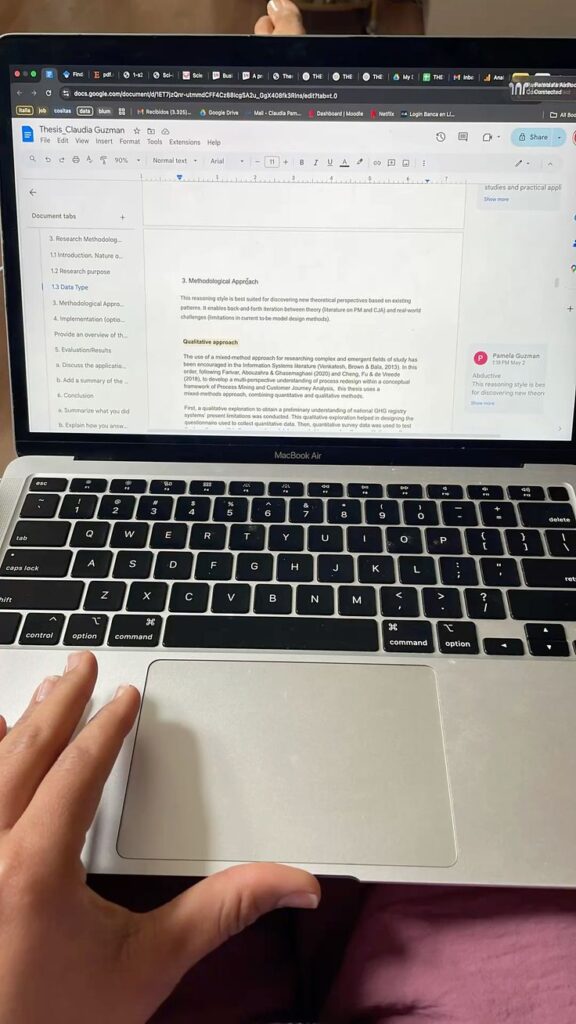
23. Behaving Badly in Meetings
Meetings are where people watch how you behave, so treat them with care. Arrive on time, bring your notebook, and turn off your phone sound.
Do not interrupt others, and wait for your turn to speak. On your first day, it is fine to simply listen and take notes.
Learning these small habits is easier when you know the 25 Workplace Etiquette Rules Every Young Professional Should Know, so give that post a read.
Showing respect in meetings tells everyone that you are a team player who knows how to act.

24. Skipping Small Talk
Some newcomers focus so hard on work that they forget to talk to people. But small chats about the weekend, the weather, or the local food are how people get to know you.
They create comfort, and comfort makes teamwork much easier. Say hello in the hallway, ask someone how their day is going, and share a light comment.
You do not have to force long talks, just show that you are friendly. Over time, these small moments turn coworkers into friends and helpers.

25. Saying Yes to Everything
On your first day, people may ask you for help with all kinds of tasks, and you will want to please them. But taking on too much can lead to missed deadlines and tired days in your first week.
It is fine to say, “I would love to help, but I have to finish this first. Can I come back to you later?” That answer shows that you are responsible and honest.
Learn what your main duties are before you take on extra work. Being helpful is great, but being overloaded helps nobody.

26. Overpromising on Your First Task
During my first week at work, my supervisor asked if I could finish a report by the end of the day, and I said yes without thinking. I had never used that system before, and I ended up staying until almost nine at night.
The report was rushed and full of small errors, and I felt terrible. Looking back, I should have asked how long it usually takes and been honest about my speed.
Promise only what you are sure you can deliver. A realistic timeline always sounds better than a rushed job with a list of excuses.

27. Trying to Change Things Too Fast
You may spot things on day one that you think could be done better. But sharing big ideas before you understand how the place works can make people defensive.
Take time to watch, learn, and ask questions before you suggest changes.
When you do speak up, be gentle and say something like, “I noticed this, and I wonder if we could try that.” Earn trust first, and then your ideas will be heard much more easily.
Good ideas do not expire, so there is no hurry to share them in the first week.

28. Being Afraid to Admit Mistakes
Everyone makes mistakes on their first day, from sending an email to the wrong person to misplacing a document. What matters most is how you handle it. Hiding an error only makes it bigger and harder to fix.
Tell your manager early, explain what happened in a few words, and offer a way to fix it. People respect honesty far more than they respect perfection.
Owning your mistakes shows that you are trustworthy, and that is a quality bosses look for in new hires.

29. Reacting Badly to Feedback
Your manager or teammates may give you quick corrections on the first day, and it can sting. Some beginners get defensive or start explaining too much, which makes the moment awkward.
Take a breath, say thank you, and write down what you were told. You can ask a short question if something is unclear. Feedback in the first week is a sign that people want you to succeed.
How you handle it shows your attitude, and a good attitude opens many doors.

30. Not Learning How Your Boss Works
Every manager has a different style, and learning it early saves you a lot of stress. Some like quick updates, some prefer written reports, and some want you to figure things out alone.
Ask in a polite way, “How do you like me to share updates?” and listen carefully to the answer. Notice when they are most free and when it is best not to disturb them.
Knowing these small details makes working together smoother for both of you. It also shows that you care about doing the job in the way that helps them most.

31. Posting About Work on Social Media
It is exciting to start a new job, and you may want to take photos and share them online. But posting your desk, your screen, or your coworkers without asking can cause real trouble.
Some companies have strict rules about what can be shared, and you might not know them yet. Wait until you understand the policy and have permission before posting anything.
Never share details about clients, projects, or office conversations. Protecting your company’s privacy shows maturity, and it keeps your new job safe.

32. Leaving Your Computer Unlocked
It sounds small, but walking away from your computer with the screen open is a real mistake. Anyone passing by can see your files, read your messages, or send something in your name.
Most companies take security seriously, and new employees are watched closely. Lock your screen every time you stand up, and never share your passwords with anyone.
Learn the basic security rules in your first days and follow them. Good digital habits protect you and the company, and they build trust fast.

33. Letting Nerves Take Over
Feeling nervous on the first day is normal, but letting it control you can lead to rushed choices and silly slips. Take slow breaths, drink some water, and remind yourself that everyone there was new once.
If you start to feel overwhelmed or lost, pause for a moment and focus on one task at a time. For more help with that feeling, here are some 25 Things to Do When You Feel Lost in Your First Job that you can try.
Calm minds make better decisions, and one calm hour can save you from many small errors.

34. Leaving Without Saying Goodbye
At the end of my first day, I grabbed my bag and rushed out without saying a word to anyone. The next morning, my desk neighbor jokingly asked if I had run away, and I realized how it must have looked.
Saying a simple “See you tomorrow” takes only a few seconds. Thank your manager for their time, and wave to the people near you.
It leaves a warm last impression and makes the next morning less awkward. Small gestures like this show that you are polite and happy to be part of the team.

35. Forgetting to Reflect on Your Day
After a long first day, you may want to flop on your bed and forget everything. But taking ten minutes to think about how it went can help you improve fast.
Write down what you learned, what confused you, and what you want to ask tomorrow. This simple habit will help you grow, and it is one of the many 35 Professional Habits to Build Early in Your Career.
Even a short note each evening will keep your learning on track. Over time, those small reflections add up to real confidence.

Final Thoughts
Your first day is only one day, and it does not decide how your whole career will go. Mistakes will happen, and most of them will be forgotten faster than you think.
What people remember is how you carried yourself, how you treated them, and how you handled your slips.
So pick a few of these 35 points that feel closest to you and keep them in mind as you walk in. Stay curious, stay kind, and give yourself some room to learn.
You have already done the hard part by getting the job, and now you get to enjoy growing into it.
Leave a Reply