Here is a strange truth about job interviews. You can have the right grades, the right skills, and a very neat resume, but still freeze when someone says, “So, tell me about yourself.”
Your mind goes blank, your palms get sweaty, and every smart answer you had in the shower yesterday disappears.
The good news is that this has very little to do with how smart you are. It has everything to do with how prepared you are, and preparation is something anyone can learn.
People who look calm in interviews are usually just people who did their homework quietly before the day came.
So think of this guide as your pre-interview checklist in a friendly voice. And once you land the job, you can read 25 Things to Know Before Starting Your First Job to settle in with confidence. For now, let us get you ready for the big conversation.

23 Things to Do Before Your First Job Interview
1. Read the Job Description Carefully
The job description is like a cheat sheet that the company hands to you for free. Most people skim through it once and move on, but it tells you exactly what the interviewers want to hear.
Read it slowly and underline the skills, tools, and duties that appear again and again. Those repeated words usually show what matters most to the team.
Next, match each point with something you have done, even if it was a school project or a small volunteer role. Write the match beside each point so you can see it clearly.
When the interviewer asks a question, you will already know which example to pull out. This small step helps you sound focused instead of random.
Save this for later: How to Build Healthy Work Habits Early in Your Career
2. Research the Company
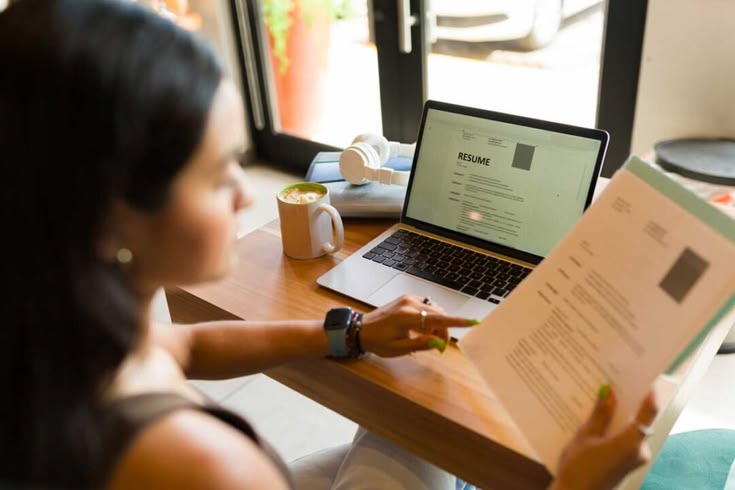
Walking into an interview without knowing what the company does is like going to a party without knowing whose birthday it is. Spend an hour on their website, reading the About page, the products or services, and any recent news.
Check their social media pages too, because they show the company’s voice and what they are proud of.
Try to write down three things you like about the company and why. When the interviewer asks, “Why do you want to work here?”, you can give a real answer instead of a vague one.
Most candidates skip this step, so doing it will make you stand out in a very simple way. People can tell when you care enough to do your homework.
You’ll want to come back to this: How to Prepare for Your First Performance Review

3. Learn About Your Interviewers
If you know who will be interviewing you, look them up on a professional site like LinkedIn. See what they do, how long they have been at the company, and what they care about.
You are not stalking anyone, you are simply preparing to have a better conversation.
This helps you find small things to connect on, like a shared school or an interest in the same field. It also calms your nerves, because the person across the table becomes a real human being instead of a scary judge.
If you do not get names ahead of time, that is fine, because you can still ask politely when you arrive. Just keep your research respectful and do not mention anything too personal during the interview.
Don’t lose this list: How to Handle Workplace Mistakes Professionally
4. Review Your Resume
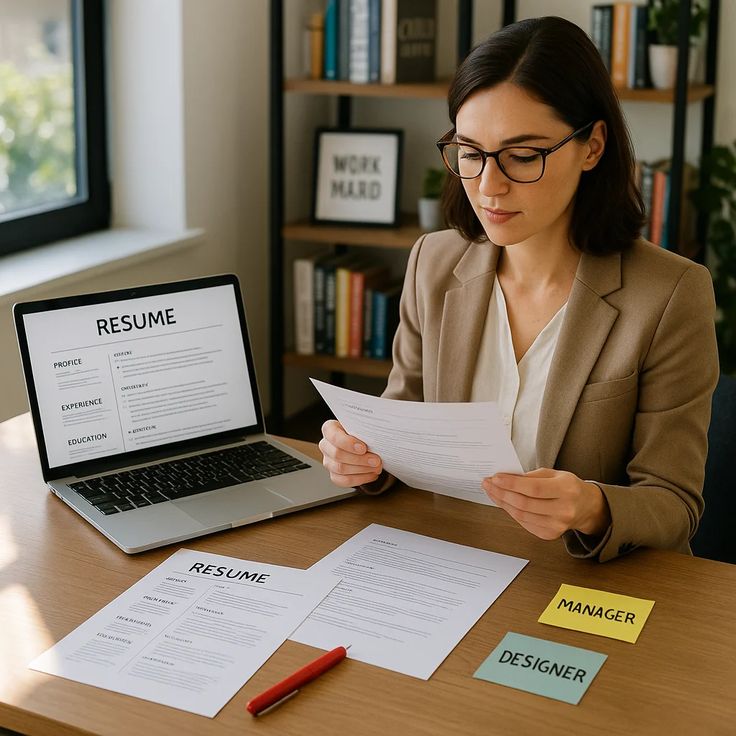
Your resume is your story on paper, so you must know it by heart. Read every line again and be ready to explain each job, project, and skill you listed.
Interviewers love to pick one small detail and ask a question about it. If you cannot explain your own resume, they may start to doubt the rest of it.
Check for errors, too, because a wrong date or a typo can look careless. If you want to know what to look out for, these 19 Resume Mistakes That Can Hurt Your Job Search will help you spot problems quickly.
Also take along a few clean printed copies, in case someone asks for one. Being familiar with your own resume makes you sound honest and confident.
Save this idea: How to Build Confidence in the Workplace
5. Prepare Your Self-Introduction
During my first interview, someone asked me to tell them about myself, and I talked for almost five minutes about my childhood.
The panel smiled politely, but I could see that I had lost them somewhere along the way. I walked out knowing I had wasted my best chance to make a strong first impression.
A good introduction is short, clear, and about one minute long. Start with who you are, mention your education or experience, and finish with why you are interested in this role.
Write it down, say it out loud, and trim anything that does not help. When you know your answer by heart, the first question stops being scary and becomes a warm-up. It also sets a confident tone for the rest of the interview.
Keep this guide nearby: How to Stay Organized When You Start a New Job
6. Practice Common Questions
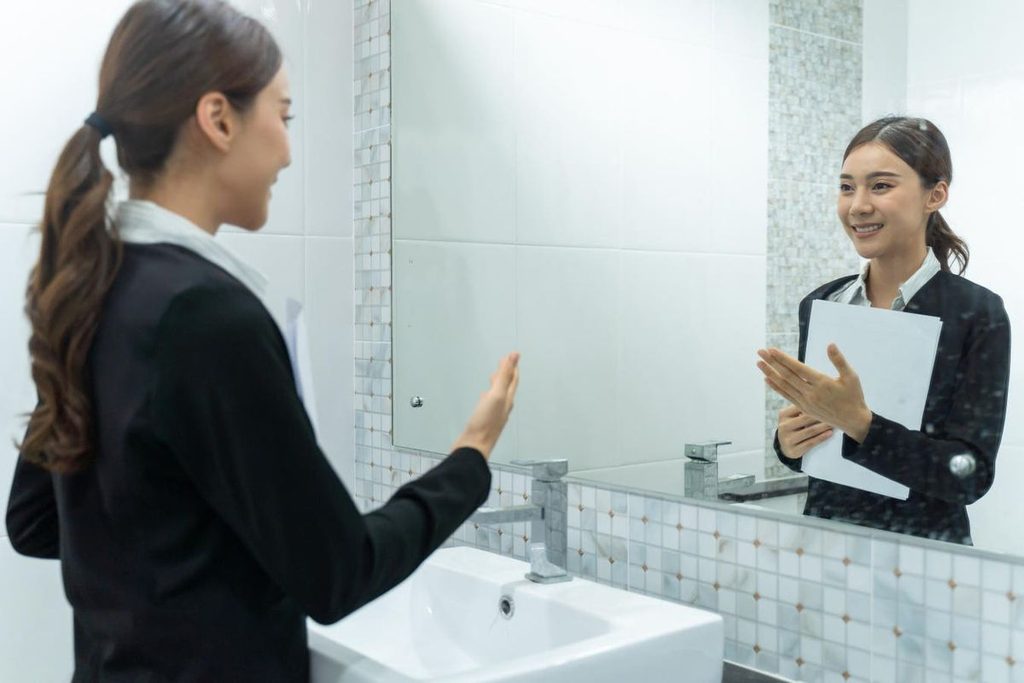
Some questions show up in almost every interview, like “Why should we hire you?” or “Where do you see yourself in five years?” There is no reason to be surprised by them.
Make a list of ten common questions and write short answers in your own words.
Keep your answers simple and honest, because rehearsed speeches can sound fake. The goal is not to memorize every word, but to know your main points. Try to give answers that last about one to two minutes.
When you practice, you will notice which questions make you stumble, and you can work on those parts. By the time you reach the interview, the usual questions will feel like a friendly chat.

7. Prepare Real Stories From Your Life
Interviewers often ask for examples because they want to understand how you behave in real situations.
Instead of simply saying, “I am a team player,” describe a time you worked with others to complete a school project, organize an event, or solve a problem at work.
Think of three or four short stories from your education, part-time jobs, volunteering, internships, or other responsibilities.
Choose examples that demonstrate useful qualities, such as teamwork, problem-solving, leadership, honesty, or handling pressure. You do not need an impressive job title to have a meaningful example.
For each story, explain what happened, what you needed to do, the actions you took, and the result.
If something went wrong, mention what you learned and how you would handle it differently next time. Keep your explanation focused so the interviewer can easily follow your experience.
These stories can help you answer several questions without having to invent an example under pressure. Practise telling each story naturally in about one to two minutes.
When you support your claims with real experiences, your answers become more convincing, memorable, and personal.
You’ll use this again: How to Make a Great First Impression During Your First Week at Work

8. Prepare Questions for the Interviewer
At the end of many interviews, the interviewer will ask whether you have any questions. Simply saying “No” may miss an opportunity to show your interest in the position.
Preparing a few thoughtful questions helps you learn more about the job while showing that you have taken the opportunity seriously.
Consider asking about the team’s daily responsibilities, the training provided to new employees, or what success looks like during the first few months.
You could also ask what qualities help someone perform well in the role. These questions show that you are thinking about how to contribute and grow within the company.
Avoid asking questions that have already been answered clearly during the interview. You should also research basic information about the company beforehand rather than asking something easily found on its website.
Questions about salary, benefits, and leave are important, too, but choose an appropriate moment to discuss them.
Write three or four questions in your notebook and select the most relevant ones during the conversation. Once you get the job, these 21 Questions to Ask During Your First Week at a New Job can help you prepare for your new responsibilities.

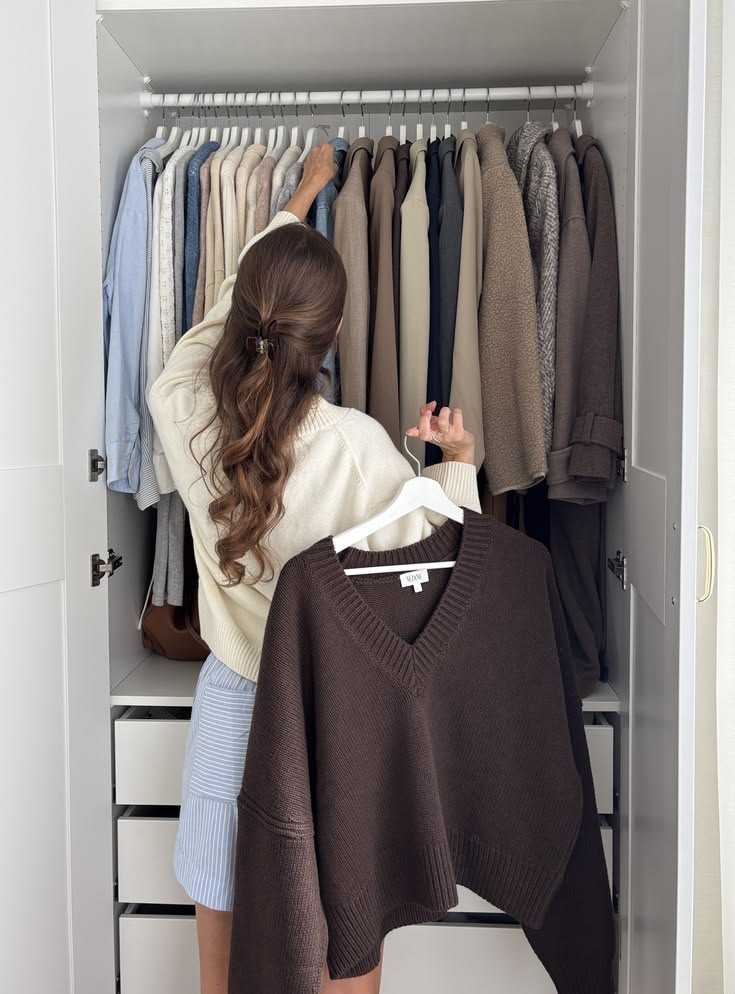
9. Plan Your Outfit
What you wear to an interview can influence the first impression you make. You do not need expensive clothes or a designer outfit to look professional.
What matters most is choosing clean, neat clothing that suits the company’s work environment and helps you feel comfortable.
Pick your outfit at least a day before the interview. Check that everything is clean, properly ironed, and free from noticeable stains or damage.
If you are unsure about the company’s dress code, choose something slightly more formal than everyday casual clothing. You can also look at the company’s website or professional photographs to understand its general style.
Try the complete outfit beforehand so you can check the fit and make sure nothing feels too tight or uncomfortable.
Choose clean shoes that allow you to walk easily, especially if you may need to travel or wait before the interview. Keep accessories simple and avoid using too much perfume.
Preparing your clothes early prevents unnecessary rushing on the morning of your interview. When your outfit is ready, you can spend more time reviewing your notes and preparing mentally.
Dressing appropriately is one practical part of the interview process that you can control before you arrive.
10. Plan Your Route and Timing
Before one of my early interviews, I trusted my phone map and left home with only twenty minutes to spare. A road was closed, I took a wrong turn, and I arrived sweating and ten minutes late.
I could feel the interviewer’s mood change as soon as I walked in.
Please do not repeat my mistake, because it was an avoidable and embarrassing slip. Find the exact address and check how long the trip takes at the same time of day as your interview.
If possible, visit the place before the big day, or at least study the route carefully.
Plan to arrive about fifteen minutes early, and use the extra time to breathe and review your notes. Leave earlier than you think you need to, because traffic, transport delays, and unexpected problems can happen.
A little extra planning helps you arrive calm, prepared, and ready to make a good first impression.
Check this out: How to Ask for Help at a New Job Without Feeling Embarrassed

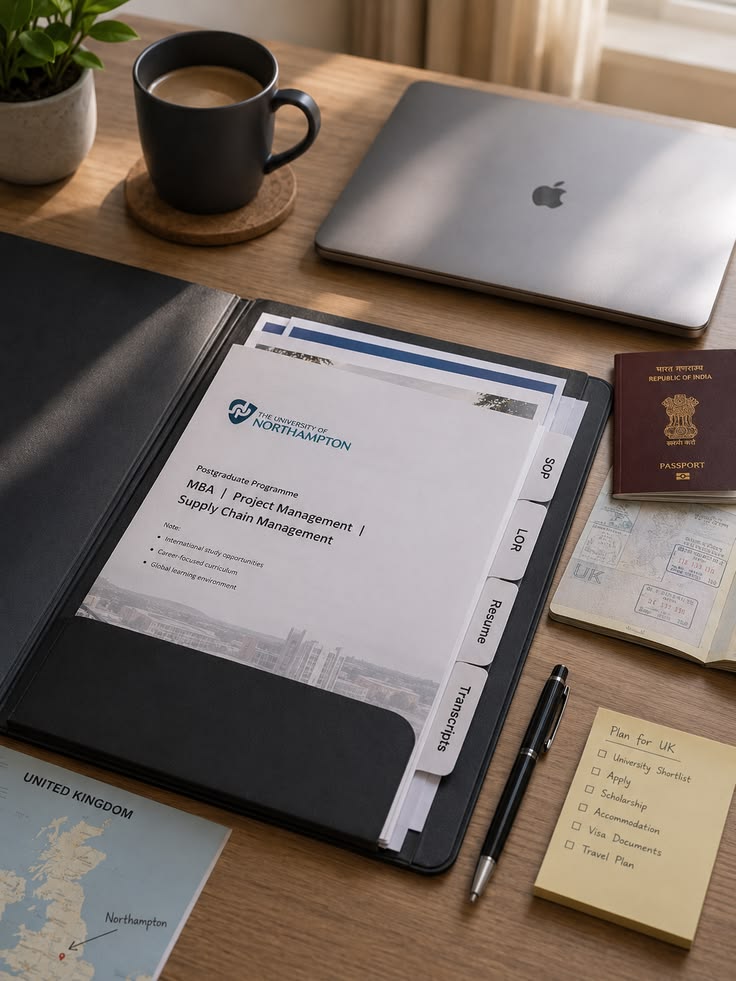
11. Gather Your Documents
Last-minute searching for papers is one of the fastest ways to feel stressed before an interview. A day before the interview, put everything you may need into one folder.
This could include copies of your resume, certificates, identification, a list of references, and samples of your work.
Add a pen and notebook, too, because you may want to write down a name or an important detail. Keep the folder neat so you can find what you need without fumbling around.
Check the interview invitation for any specific documents the employer has requested, and make sure you have them ready.
Having your papers organized shows that you are responsible and respectful of the interviewer’s time. Even if nobody asks for them, you will feel more prepared and confident knowing they are available.
Save this for later: How to Write Professional Emails at Work
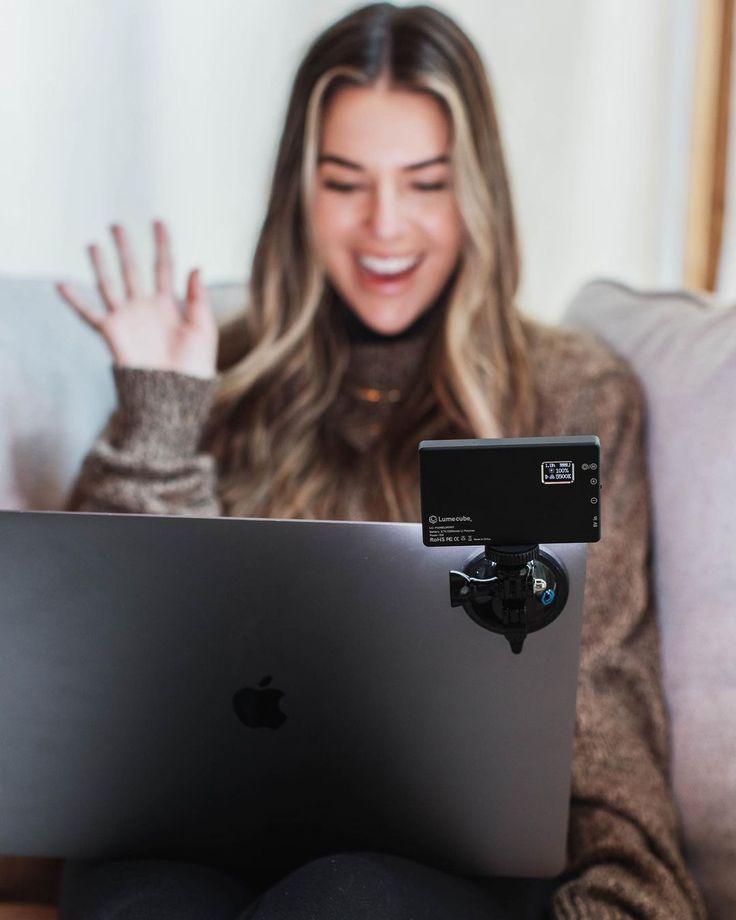
12. Test Your Tech for Online Interviews
More interviews now happen through video calls, and technical problems can interrupt an otherwise good performance. Download the required app a day early and make sure your account works properly.
Test your camera, microphone, and headphones, and charge your laptop fully. If possible, check that your internet connection is stable.
Set your camera at eye level and look at the lens when speaking, so it feels like eye contact. Choose a simple display name that the recruiter can recognize, and keep the meeting link and recruiter’s contact details nearby in case something fails.
Before the interview begins, close unnecessary apps and turn off notifications that might interrupt your answers. Join the meeting a few minutes early to check your sound and picture.
Testing everything beforehand helps you avoid unnecessary stress and focus on answering questions clearly and confidently. See why this is so popular: How to Write a Resume With Little or No Experience
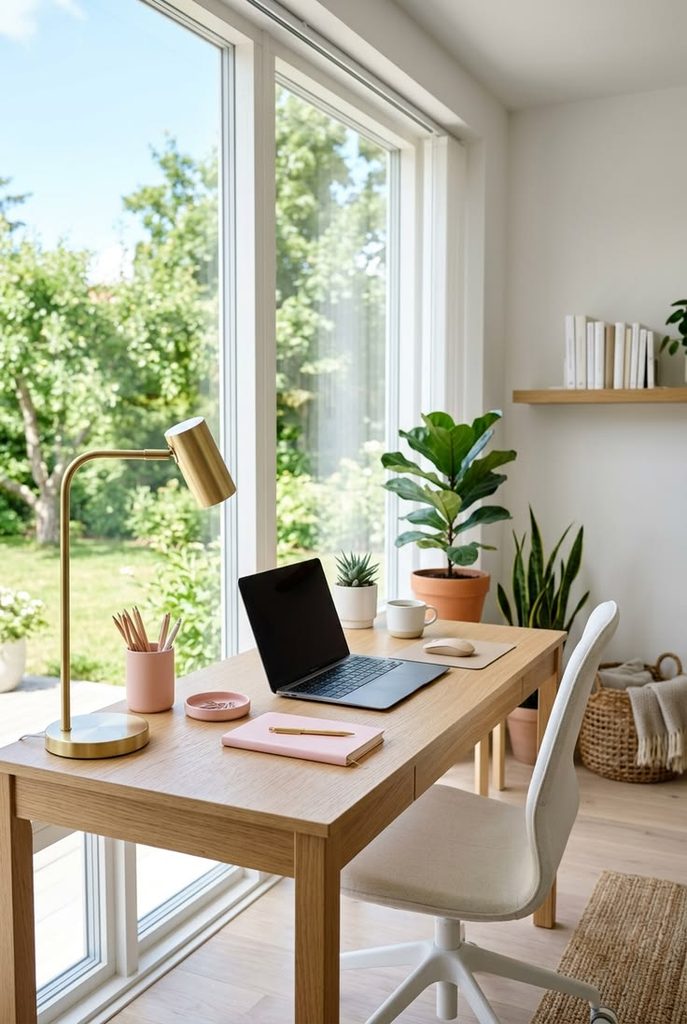
13. Choose a Quiet Place
Where you sit for an interview matters, especially when it happens online or over the phone. Choose a quiet room with good lighting and a simple background.
If you live with family or roommates, let them know when your interview will begin and ask them to avoid unnecessary interruptions.
Face a window or place a lamp in front of you so your face is clearly visible. Put away anything distracting, such as snacks, noisy devices, or a ringing phone.
Clear your desk and keep only useful items nearby, including your notebook, a glass of water, and your resume.
If you are attending an in-person interview, find a quiet place nearby where you can settle your thoughts before entering. Avoid waiting somewhere noisy or rushing around at the last minute.
A peaceful environment helps you concentrate, hear questions properly, and give thoughtful answers without unnecessary distractions.
14. Practice Out Loud
Reading your answers in your head is very different from saying them out loud. Your mouth needs practice, too, because words can come out awkwardly when you say them for the first time during a real interview.
Stand in front of a mirror and practise answering common questions slowly and clearly.
You can also record yourself on your phone and listen to how you sound. You might notice that you speak too quickly, use too many filler words, or look away frequently.
Instead of trying to fix everything at once, work on one small habit at a time until your answers feel more natural.
Practising for just ten minutes a day over a week can make a noticeable difference. You do not need to memorize every sentence.
Focus on understanding your answers so you can speak naturally, even when the interviewer asks an unexpected question.
Save this for later: How to Prepare for Your First Job Interview

15. Do a Mock Interview
Ask a friend, sibling, or teacher to act as the interviewer and give you honest feedback. Share a list of common interview questions with them, and let them add a few unexpected ones.
Treat the practice session like a real interview, from greeting the interviewer to saying thank you before leaving.
Afterwards, ask what you did well and what needs improvement. They may notice habits you cannot easily recognize yourself, such as fidgeting, mumbling, avoiding eye contact, or giving answers that are too long.
Listen carefully without taking their comments personally. Their feedback can help you improve before the actual interview.
If possible, complete two practice rounds so you can apply the feedback and notice your progress. You can also practise with someone who has work experience and understands what employers look for.
A mock interview is like a rehearsal before a play. It helps you feel more familiar with the process and less nervous on the real day.

16. Work on Your Body Language
People often form an impression of you within the first few seconds, even before you say anything important. Practise a friendly smile, comfortable eye contact, and a confident greeting.
If a handshake is appropriate, keep it firm but natural. Sit up straight, relax your shoulders, and keep your hands calm instead of crossing your arms or constantly moving around.
Nodding gently while the interviewer speaks shows that you are paying attention. Try not to tap your feet, play with your pen, or touch your hair repeatedly.
These small habits can distract the interviewer from what you are saying. If you feel nervous, place both feet on the floor and take a slow breath to help yourself settle.
Remember, good body language does not mean acting perfectly. It means looking attentive, respectful, and comfortable enough to communicate clearly.
Let your actions support your words and show that you are ready to have a professional conversation.

17. Get Ready for the Salary Question
Many beginners freeze when someone asks about salary because they have no idea what to say. Before your interview, research what people in similar roles earn in your area.
Check job listings, salary reports, and conversations with people who understand the industry. Consider the job responsibilities, your skills, and the experience you bring when deciding on a reasonable salary range.
When the question comes, you can explain that you are open to discussing a fair offer based on the role and the company’s expectations.
If the interviewer asks for a specific range, share the amount you researched and feel comfortable accepting. You can also ask whether the company has an established salary range for the position.
Avoid giving an unrealistic figure simply to impress the interviewer, but do not undervalue yourself because you feel nervous. Salary discussions are a normal part of recruitment.
Preparing beforehand helps you answer calmly, understand your options, and make a more informed decision if you receive an offer.

18. Prepare for the Weakness Question
The weakness question scares many people because they worry that an honest answer will make them look unqualified.
However, employers often ask this question to understand how well you know yourself and whether you are willing to improve.
The best approach is to choose a genuine weakness that does not prevent you from performing an essential part of the job.
For example, you might explain that public speaking used to make you nervous, so you started practising in small group discussions. This answer identifies a real challenge and shows the steps you are taking to overcome it.
Avoid fake answers such as saying you work too hard or care too much about your job. These responses can sound rehearsed and may not show genuine self-awareness. Keep your answer honest, brief, and focused on progress.
You do not need to pretend to be perfect. Showing that you recognize your weaknesses and take practical steps to improve can help the interviewer see your willingness to learn.
19. Set Up a Professional Email and Voicemail
If your email address contains nicknames, jokes, or words that may look unsuitable for work, consider creating a more professional one. An address using your name is simple, easy to recognize, and suitable for job applications.
Check your inbox regularly because employers may send interview invitations, requests for documents, or updates about your application.
Your voicemail matters, too. If a recruiter calls while you cannot answer, a clear and polite greeting helps create a good impression. Keep your ringtone appropriate and make sure your phone has enough battery to receive important calls.
When emailing a company, use a clear subject line and write in polite, professional language. Read your message again before sending it to catch spelling mistakes or missing information.
You can also review these 45 Things You Should Never Say in a Professional Email to avoid common mistakes. These details may seem small, but they help employers see that you take your job search seriously.
20. Sleep Well and Calm Your Nerves
Staying awake all night to memorize answers is one of the worst things you can do before an interview. Your brain needs enough rest to think clearly, remember information, and respond thoughtfully to questions.
Finish your preparation early in the evening, arrange your clothes and documents, eat a light meal if you prefer, and go to bed at a reasonable time.
On the morning of the interview, wake up early enough to get ready without rushing. Drink water and eat something if you can, especially if nerves usually affect your appetite.
If your hands feel shaky or your thoughts start racing, try breathing slowly and gently. Breathe in through your nose for four counts, then breathe out for four counts.
Remind yourself that you do not need to know every answer perfectly. The interview is an opportunity for both you and the employer to see whether the role is a good fit.
Preparing well and getting enough rest can help you feel calmer and present yourself more naturally.
Keep this handy: 25 Things to Do When You Feel Lost in Your First Job

21. Learn Basic Interview Manners
Good manners can set you apart from candidates with similar skills and qualifications. When you arrive, greet everyone politely, including the receptionist or security staff.
You never know who might share their impression of you with the hiring team. Wait to be shown where to sit, silence your phone, and thank people for their time.
During the interview, listen carefully without interrupting. Allow the interviewer to finish speaking before you answer, and try to respond directly to the question asked.
If you do not understand something, politely ask for clarification instead of guessing. Avoid chewing gum, checking your phone, or speaking negatively about previous employers, teachers, or colleagues.
Remember that an interview is not only about giving impressive answers. It is also an opportunity to show that you can treat people with respect and communicate professionally.
You can learn more in the 25 Workplace Etiquette Rules Every Young Professional Should Know, which can also help you once you start working.
Good manners cost nothing, but they can leave a lasting, positive impression.

22. Plan Your Thank-You Note
After one interview, I sent a short thank-you email that same evening, and the hiring manager replied the next morning. She mentioned that most candidates never bothered to send one, and my message helped her remember me.
A few days later, I received the call offering me the job.
Although sending a thank-you note does not guarantee employment, it is a simple way to show appreciation and continued interest. Prepare a short message before your interview so you can send it within 24 hours of the meeting.
Thank the interviewer for their time, mention something useful or interesting you discussed, and briefly explain why you remain interested in the position. Keep your message polite, professional, and easy to read.
If you interviewed with several people, consider sending each person a separate, personalized note when you have their contact details.
Before sending it, check the recipient’s name, spelling, and other details carefully. Avoid writing a long message or repeating your entire interview.
A thoughtful thank-you note may help you stand out positively while showing that you appreciate the opportunity.

23. Think About What Comes After the Interview
Many people stop preparing the moment an interview ends, but a smart candidate thinks a few steps ahead. Before leaving, thank the interviewer and, if appropriate, ask when you should expect to hear back.
Write down the expected timeline so you know when a follow-up might be reasonable.
If the company does not respond within that period, sending a polite follow-up email is perfectly acceptable.
Keep it brief, express your continued interest, and ask whether there are any updates about your application. Avoid sending repeated messages within a short period, because the hiring team may need time to make a decision.
While waiting, continue applying for other suitable positions and improving your skills. Do not put all your hopes into one opportunity, even if the interview felt promising.
If you receive an offer, start preparing for your first day by reading these 35 First-Day-at-Work Mistakes to Avoid.
Whatever the result, take a few minutes to reflect on what went well and what you could improve. Every interview gives you experience that can help you perform better next time.

Final Thoughts
A job interview is not a test you must pass perfectly. It is a conversation where you and the employer get to decide whether the opportunity is a good fit.
You do not need to have every answer memorized or pretend to be someone you are not. What matters is preparing well, communicating honestly, and showing that you are willing to learn.
Start with the tips that will make the biggest difference for you. You might begin by researching the company, practising common interview questions, or organizing your documents the night before.
Small steps can help you feel more confident as the interview approaches.
Remember that rejection does not mean you are incapable of succeeding. Sometimes another candidate has more experience, or the company needs someone with different skills. Take what you learn from each experience and use it to improve.
The more you prepare and practise, the more comfortable interviews can become. Be patient with yourself, trust the effort you have made, and keep moving forward. You are building a valuable career skill, one interview at a time.
Leave a Reply