Here is a scary fact about job hunting. A hiring manager may spend only a few seconds on your resume before deciding if it goes to the yes pile or the no pile. That means one silly mistake can cost you a chance that you worked so hard to get.
The sad part is that many resume mistakes have nothing to do with how skilled you are. They come from rushing, copying templates, or not knowing what employers really look for.
Good people lose good chances every day because of small errors that were easy to fix.
In this guide, we will go through 19 resume mistakes that can hurt your job search, and show you simple ways to fix each one.
If you are still getting ready for work life itself, you can read 25 Things to Know Before Starting Your First Job to understand what comes next. Grab a pen, open your resume, and let us see what needs fixing.

19 Resume Mistakes That Can Hurt Your Job Search
1. Spelling and Grammar Errors
During my first job search, I wrote “manger” instead of “manager” on my resume and sent it to eleven companies before I noticed. Nobody replied, and I now know exactly why.
Employers read hundreds of resumes, so a single typo can be enough for them to move on. They may think that if you cannot check a short document, you may also be careless with real work.
Spell-check tools help, but they miss many errors, especially names and job titles.
Read your resume slowly, line by line, and then read it out loud to hear mistakes your eyes may skip. Print it out and look at it on paper, because errors often show up better there.
Ask a friend, teacher, or mentor to read it with fresh eyes. Check dates, names, and numbers twice, since they are easy to get wrong.
Keep your tenses consistent, using past tense for old jobs and present tense for your current one. A clean and error-free resume tells the employer that you pay attention to details, and that quality matters in almost every role.
This is trending right now: How to Write Professional Emails at Work
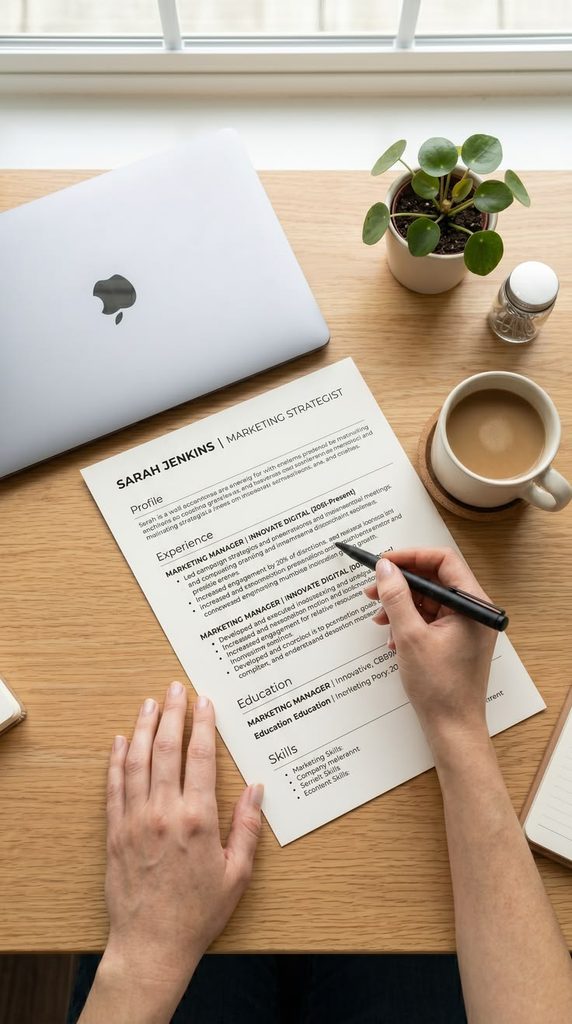
2. Using One Resume for Every Job
Sending the same resume to every company feels fast, but it rarely works. I once sent an identical copy to almost forty openings and received only two replies.
Each job asks for different skills, and employers want to see that you read their post and understand what they need. A general resume sounds like a letter addressed to nobody, and it can easily get lost in a big pile.
Take ten minutes to adjust your resume for each application. Read the job description and pick the skills, projects, and experiences that match it best. Move those points to the top, and cut the ones that do not fit.
Change your summary line so that it speaks directly to the role. You do not need to rewrite everything, because small changes can make a big difference.
When your resume speaks the language of the job, the reader feels that you are a natural fit. It takes a little more effort, but it can double your chances of getting a reply.
Save this for later: 35 First-Day-at-Work Mistakes to Avoid

3. An Unprofessional Email Address
An email address like “cutiegirl99” or “partyking” may look funny to your friends, but it looks odd on a resume. Employers use your email to contact you, and it also gives them a quick idea of how serious you are.
A silly address can make a strong resume look less professional before anyone reads the first line. It may even land in a spam folder if it looks suspicious.
Create a simple address using your name, like firstname.lastname, and use it only for job matters. Check it every day, since replies can come quickly and offers may not wait. Set up a clean signature and keep your replies polite and clear.
Before you send your next message, read these 45 Things You Should Never Say in a Professional Email so your words match your new address.
Make sure your voicemail greeting is also tidy and clear. Small details like these show that you understand professional behavior, and they help you look ready for work even before the interview begins.
Everyone’s clicking on this: How to Ask for Help at a New Job Without Feeling Embarrassed

4. Making It Too Long or Too Crowded
Recruiters like short and clear resumes, because they have many to read in a day. For a beginner, one page is usually enough, and two pages is the most you should ever use.
Packing every detail from school, hobbies, and small tasks makes key points hard to find. A crowded page tires the eyes and hides your best strengths behind a wall of words.
Pick the most useful items for each job and leave the rest out. Use short bullet points, with three to five lines for each role. Leave white space around your text and use clear headings so the reader can scan quickly.
Remove old and unrelated details, like awards from primary school or jobs that have nothing to do with the role. Think of your resume as a movie trailer and not the full film.
Its job is to make the reader curious enough to meet you. When you keep it short and focused, your best points shine, and the reader can decide quickly that you are worth a call.

5. Missing or Wrong Contact Details
It sounds unbelievable, but many resumes have a wrong phone number or a missing email. One digit in the wrong place can mean that a recruiter never reaches you.
Others forget to add their city, or they list a profile link that does not work. If the employer cannot contact you easily, they will simply move on to the next person.
Place your name, phone number, email, and city at the top of the page where it is easy to see. Test every link before you send your resume, and make sure it opens the right page.
Use a phone number that you actually answer, and keep your phone charged and nearby during your job search. If an unknown number calls, pick it up politely, because it could be a recruiter.
Update your details if you change your address or number. Double-check this section every time, because a small slip here can cost you a big chance. It takes only a minute, and it keeps the door open for good news.
Most popular this week: How to Make a Great First Impression During Your First Week at Work
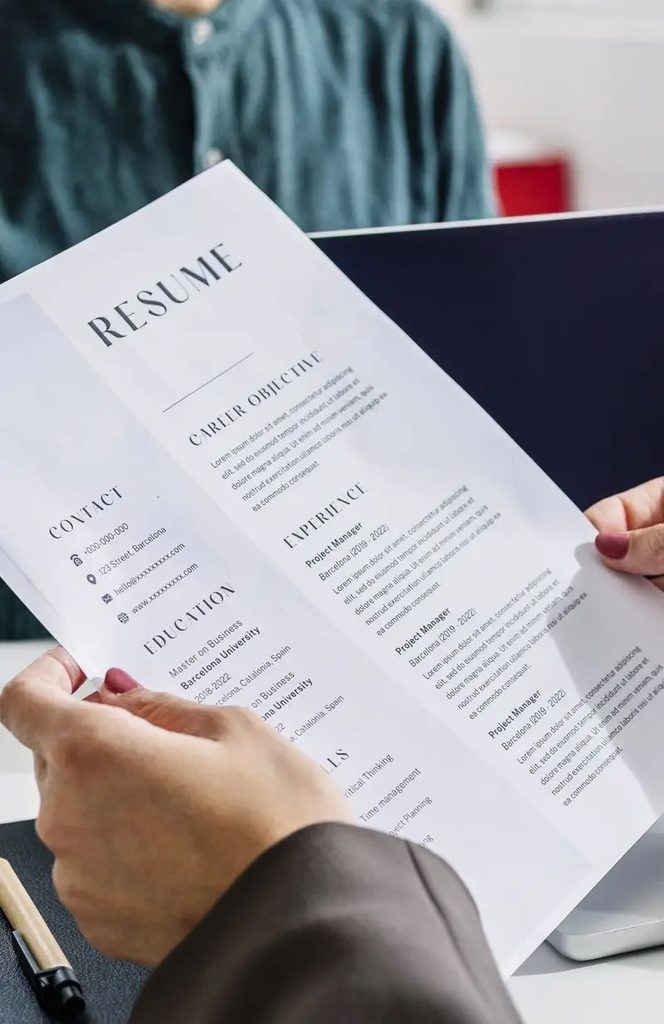
6. A Vague Objective Statement
Lines like “Seeking a challenging position in a dynamic company” say nothing about you. Employers have read them thousands of times, and they add no value.
These statements waste valuable space at the top of your resume, where the reader looks first. They also make it seem like you have not thought about what you really want.
Replace the old objective with a short summary of two or three lines. Mention who you are, your main strengths, and what you can offer to the company.
For example, you can write, “Recent marketing graduate with strong writing skills and hands-on social media experience, eager to support a growing brand.” This gives the reader a clear picture in a few seconds.
Adjust the summary for each job so that it matches what the employer needs. Keep the language simple and honest, without big claims you cannot prove.
A strong summary acts like a friendly handshake, and it makes the reader want to look at the rest of your page with real interest.
Fan favorite: How to Stay Organized When You Start a New Job
7. Listing Duties Instead of Achievements
Many beginners write a list of tasks, like “answered phones” or “helped customers.” These lines tell the employer what the job was, but not how well you did it.
Anyone in that position could have the same list, so it does not make you stand out. Hiring managers want to know what you improved, solved, or created while you were there.
Turn each duty into a small win. Instead of “helped customers,” you can write “resolved customer questions quickly and received positive feedback from the manager.” Think about what changed because of your work, even if it was small.
Did you save time, help the team, or learn a new skill? Use examples from internships, school projects, volunteering, or part-time jobs. If you have little work experience, these examples can fill the gap well.
When you show results and not only tasks, the reader sees what you can bring to their team. This is one of the best ways to turn a plain resume into a memorable one that gets noticed.

8. No Numbers or Results
Numbers catch the eye and make your claims feel real. A line like “Increased followers” is fine, but “Grew followers from 500 to 2,000 in three months” is much stronger.
Without numbers, your achievements can sound vague and hard to believe. Employers trust facts that they can measure and compare.
Look through your experience and find figures you can use, like how many people you served, how much money you saved, or how many events you organized.
If you do not have exact numbers, use honest estimates, like “about 50 customers daily.” Mention time too, like “finished the project two days early.” Even school projects have numbers, like team size, grades, or the number of pages written.
Do not invent numbers, because you may have to explain them in the interview. A few well-chosen figures give your resume weight and make you look professional.
Add them to at least half of your bullet points, and watch how much stronger your page becomes.

9. Lying or Exaggerating
It can be tempting to stretch the truth, like adding a skill you barely have or a job title that sounds bigger. But lies have a way of showing up later, especially in interviews, reference checks, or on your first week of work.
Companies can cancel offers or even fire people when they find false information. Your name is worth more than any short-term advantage.
Be proud of what you have really done, even if it looks small. Describe your experience honestly, and focus on what you learned and how you grew. If you only have basic skills in something, say so, like “basic knowledge of spreadsheets.”
Employers value honesty, and many are happy to train people who show eagerness to learn. Keep your dates accurate, your titles correct, and your claims believable.
When you tell the truth well, you can speak about your resume with confidence and calm. Honest writing also keeps you relaxed during interviews, because you never need to remember a story that was not true.

10. Fancy Fonts and Messy Formatting
A creative design may look nice, but too many colors, fonts, and pictures can make your resume hard to read. Some company systems cannot read fancy layouts, so important parts may get lost.
Messy spacing, uneven margins, and different font sizes also look careless. The reader should find your information easily, without needing to hunt for it.
Choose one simple font, like Arial or Calibri, in size ten to twelve. Use bold for headings and keep the spacing even throughout. Line up your dates and titles in a neat column, and save your design ideas for a separate portfolio.
Use a clear order, like contact details, summary, experience, education, and skills. If you want help with keeping your files and papers tidy, these 25 Things to Organize Before Starting a New Job offer good ideas.
A clean layout shows that you value clear communication. It also makes your resume pleasant to read, which can quietly raise your chances with a busy recruiter.

11. Including Irrelevant Personal Information
Some resumes still include details like age, religion, marital status, ID numbers, or even a long list of family members. In many places, this information is not needed and can even cause problems.
It takes up valuable space that you could use to show your skills. Including it can also invite judgment that has nothing to do with your ability.
Stick to what helps the employer decide if you can do the job. This includes your skills, experience, education, and a few relevant achievements.
Leave out hobbies that do not support your application, unless they show a useful skill, like volunteering for a team project. Check local customs, since some countries expect a photo while others do not, and follow the norm for the place you apply.
Keep your personal data safe, especially your ID and home address details. A focused resume feels professional and respectful of the reader’s time, because every line has a clear purpose. Less noise lets your best qualities stand out.
Keep this handy: 25 Workplace Etiquette Rules Every Young Professional Should Know
12. A Bad File Name and Wrong File Type
I once sent a resume called “resume_final_FINAL_2_new” to a hiring manager, and I could feel my cheeks burn when I saw it in the sent folder. The content was fine, but the file name made me look messy and unsure.
Recruiters often download many files, and a confusing name can get lost or look careless. A file that does not open on their device can also end your chances at once.
Name your file clearly, like “Firstname_Lastname_Resume.” Save it as a PDF unless the employer asks for another type, because a PDF keeps your layout safe on any device. Open the file after saving to make sure everything looks right.
Check that the pages are in order and that no text has moved. If the company has an online form, follow the steps exactly and upload the correct version.
Keep a copy of every version in a folder so that you know what you sent to each company. A neat file tells the recruiter that you care about details, and it makes their job easier.
13. Ignoring Keywords From the Job Post
Many companies use software to scan resumes before a human sees them. These tools look for words that match the job description, like skills, tools, and job titles.
If your resume does not use similar words, it may be rejected even if you are a good fit. This is why two people with the same skills can get different results.
Read the job description carefully and mark the key skills and phrases it uses. If you truly have those skills, include them in your resume using the same words. For example, if the post says “customer service,” do not write only “client support.”
Place the keywords naturally in your summary, skills section, and job descriptions, instead of stuffing them everywhere. Never add a skill that you do not have, because that goes back to honesty.
Keep your language simple and real. When you match your words to the post, both software and humans can see the fit quickly. This small step can move your resume from the maybe pile to the interview pile.
You’ll want to come back to this: 21 Questions to Ask During Your First Week at a New Job

14. Leaving Gaps Unexplained
Time away from work happens to many people, whether for school, family, health, travel, or a long job search. A big gap with no explanation can make employers wonder what happened.
They may guess the worst, simply because the page gives them no clue. Silence leaves room for doubt, and doubt can cost you the interview.
You do not have to share every detail, but you should give a short and honest note. You can write one line, like “Career break to care for family” or “Completed an online course in data skills.”
If you used the time to learn, volunteer, or freelance, include that. Be ready to explain it calmly in the interview, with a positive tone and a focus on what you are ready to do now.
Do not hide dates or try to blur them, because that can look suspicious. Gaps are normal, and most employers understand them when you are open. If this stage feels tough and confusing, you can also check how to stay steady when you feel lost.
Take a peek: 25 Things to Do When You Feel Lost in Your First Job

15. Using Weak Words Like “Responsible For”
Phrases like “responsible for,” “duties included,” and “helped with” sound flat and passive. They do not show what you actually did or how well you did it.
Employers read them everywhere, so they blend into the background. Strong writing uses action words that show energy and ownership.
Start each bullet point with a strong verb, like “organized,” “built,” “led,” “created,” “improved,” or “trained.” Instead of “Responsible for social media,” write “Managed social media pages and increased engagement by 30 percent.”
Vary your verbs so that you do not repeat the same word in every line. Keep each point short and clear, ideally one or two lines. Use the past tense for old jobs and the present tense for what you are doing now.
Avoid using “I” in your bullet points, since the resume is already about you. Active words make you sound confident and capable, and they help the reader imagine you doing real work.
A few small changes in wording can lift the whole page and make your achievements feel real.
16. Leaving Out Important Skills
Many beginners think they have no skills worth mentioning, so they leave the section empty or very short.
But you may know more than you realize, like using spreadsheets, writing clearly, speaking another language, or working well with others.
Employers look for both technical skills and people skills, and your resume is the place to show them. If you leave this part out, you give them less reason to pick you.
Make a list of everything you can do, from software and tools to communication and teamwork. Pick the ones that match the job and place them in a clear skills section.
Group them in simple categories, like “Computer skills,” “Languages,” and “Personal strengths.” Be honest about your level, and only list what you can talk about in an interview.
Support your skills with examples in your experience section, so they feel real. Update this part often as you learn new things.
A rich and honest skills section helps both software and humans see your value quickly, and it gives you a stronger chance of landing a call back.

17. Wasting Space on “References Available on Request”
This line was common years ago, but today it adds nothing. Employers already know that you can give references if they ask, so the line takes up space that could hold something useful.
Other filler lines, like “hardworking team player” without proof, have the same problem. Every line on your page should earn its place.
Use that space for more achievements, skills, or a short project description. Prepare a separate list of references with names, roles, and contact details, and keep it ready to share when asked.
Ask people for permission before you list them, and tell them about the job you are applying for. Choose people who know your work well, like a teacher, a manager, or a team leader.
Thank them afterwards, and keep them updated about your progress. A strong list of references can support your resume without crowding it.
When you treat every inch of the page with care, your resume feels sharper and more confident, and the reader gets more value from each line.
18. Not Updating Your Resume Regularly
Some people only open their resume when they need a job, and then they struggle to remember what they did. Details fade quickly, and important wins get forgotten.
A resume that is old and untouched may also miss new skills, projects, or certificates that could help you. Starting from nothing under pressure is stressful and leads to mistakes.
Make it a habit to update your resume every few months, even when you are not looking for work. Add new projects, results, and training as soon as they happen.
Keep a simple file where you note praise, numbers, and achievements, so you do not have to search your memory later. This is one of the 35 Professional Habits to Build Early in Your Career that pays off again and again.
Remove old items that no longer help, and adjust the layout as needed. Set a reminder in your calendar so you do not forget.
A fresh and current resume lets you act fast when a good chance appears, and you will feel calm instead of rushed when the moment comes.
19. Not Preparing to Talk About Your Resume
Your resume is only the start, because the interviewer may ask about any line on the page. If you cannot explain a project, a skill, or a date, it can make you look unsure or even dishonest.
Some people spend hours polishing their resume and then freeze when someone asks a simple question about it. That can undo all of the hard work you put in.
Read your resume again before every interview and practice explaining each point in your own words. Prepare a short story for each major item, including what you did, how you did it, and what the result was.
Think about questions the interviewer may ask, like why you left a job or what you learned from a project. If you need a full plan, these 23 Things to Do Before Your First Job Interview will walk you through it.
Practice out loud with a friend. When you know your resume well, you speak with ease and calm, and the interviewer sees a person who is ready and real.

Final Thoughts
A good resume is not about fancy words or perfect designs. It is about being clear, honest, and easy to read, so that the right people can see what you can do. Even small fixes can make a big difference in how employers see you.
So open your resume today and check it against these 19 points. Fix one thing at a time, ask a friend for feedback, and keep improving it as you grow. Your next opportunity may be one small edit away, and you are more ready for it than you think.
Leave a Reply