Moving out for the first time can feel exciting, scary, and strangely emotional. One minute, you are dreaming about freedom, privacy, and decorating your own space.
The next minute, you realize that nobody else is buying toilet paper anymore. Nobody is reminding you about laundry, groceries, bills, or food sitting inside the refrigerator.
That is when moving out suddenly starts feeling very real. Living on your own is one of those experiences that looks easier from outside.
You may have spent years thinking about finally having your own apartment. Maybe you imagined peaceful mornings, quiet evenings, and doing whatever you wanted freely.
And honestly, some of those dreams really do become part of your life. But independent living also introduces responsibilities you probably never considered before.
You start noticing how quickly groceries disappear and how often things need cleaning. You may also discover that being independent means making many decisions alone.
Still, moving out does not mean you need everything figured out immediately. Nobody becomes an expert at adult life during their first week alone.
Most people learn by making mistakes, adjusting, and slowly creating better routines. Your first apartment will probably teach you more than you expected about yourself.
It can show you how responsible, resourceful, patient, and adaptable you really are. It can also reveal areas where you need more preparation and support.
If you are still getting ready financially, How to Prepare Financially Before Living on Your Own can help you plan ahead. So, before you pack your bags and collect those first apartment keys, know this.
Moving out is not simply about changing where you live every day. It is also about learning how to take responsibility for your own life. Here is what you can realistically expect when you move out first.

What to Expect When You Move Out for the First Time
Your Excitement May Quickly Mix With Nervousness
The excitement of moving out can be difficult to explain to someone else. You finally have your own space, schedule, and greater personal freedom.
At first, that freedom can feel incredibly refreshing and almost unbelievable. However, nervousness can quietly appear alongside all that excitement and anticipation.
You may suddenly start asking questions you never considered before. What happens if something breaks or you forget an important bill?
What happens when you run out of money before payday arrives? These questions are completely normal during your first independent living experience.
Moving out means stepping into unfamiliar responsibilities for the very first time. You do not need to know everything before moving into your first home.
Simply stay willing to learn as new situations and responsibilities appear. Eventually, things that seem difficult now can become completely normal.
Read this next: How to Navigate Your First Month of Independent Living

Your First Apartment May Feel Empty at the Beginning
Many people imagine moving day looking exciting, organized, and completely ready. Then they enter their apartment and realize how empty everything actually looks.
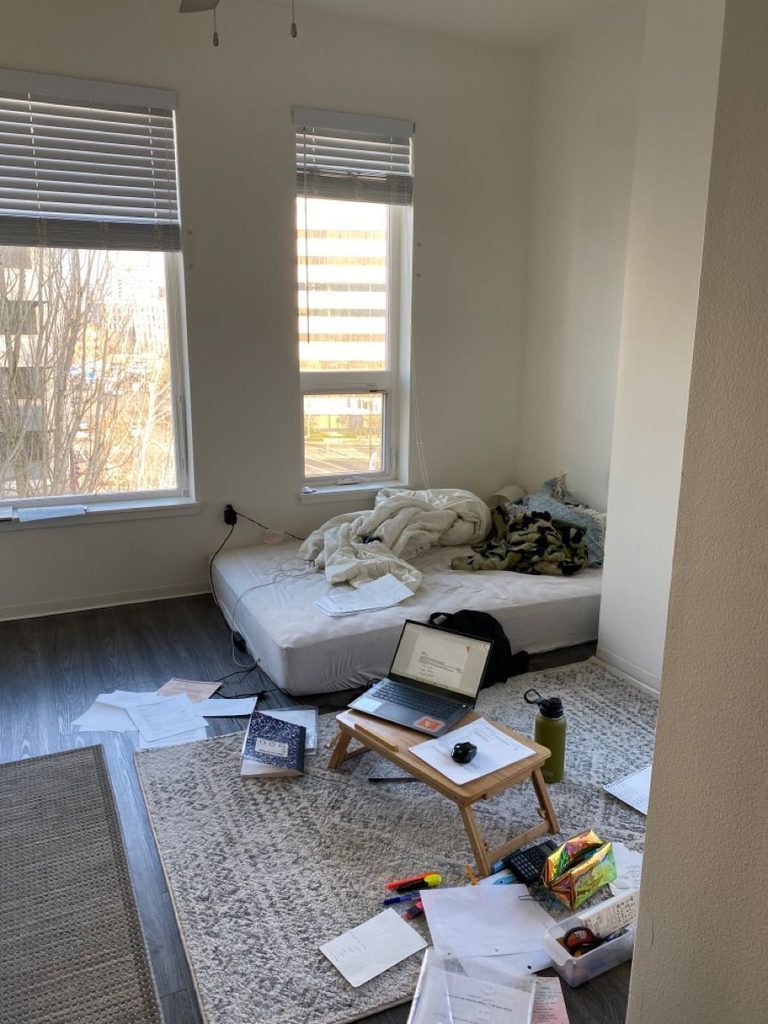
An empty room can feel much bigger and stranger than expected. You might have a mattress, a few bags, and very little else.
That first night can feel exciting, funny, and slightly uncomfortable altogether. You may also realize that you forgot several important household items.
Maybe you bought food but forgot plates, blankets, or trash bags. These little surprises are completely normal when moving independently for the first time.
You do not need to furnish your entire apartment immediately after moving. Start with things needed for sleeping, eating, bathing, and cleaning comfortably.
Your apartment does not need to look like something you saw online. Living inside your space will gradually teach you what it actually needs.
Keep this guide nearby: How to Prepare for Your First Apartment Viewing
You Will Start Noticing How Much Everyday Things Actually Cost
One of the biggest surprises about moving out involves everyday household spending. Before living independently, many small expenses can easily go completely unnoticed.
You might think you have enough money until you start buying essentials. Suddenly, you need food, soap, detergent, tissue, and cleaning supplies.
These items may seem inexpensive individually but quickly add up together. Your first month may feel financially overwhelming while setting up your apartment.
That does not automatically mean you are irresponsible with your money. You are simply learning how independent expenses and personal spending actually work.
Try tracking the things you regularly buy throughout each month. This helps you understand your realistic spending and plan your budget better.
When you know where your money goes, planning becomes much easier. Do not panic if your first few months feel financially imperfect.
Bookmark this post: How to Prepare for Your First Grocery Shopping Trip

Grocery Shopping Becomes a Real Part of Your Routine
Before moving out, grocery shopping may have felt like something simple and straightforward. However, regularly shopping for yourself can feel surprisingly different and more complicated.
You now need to think about meals, budgets, ingredients, and snacks beforehand. At first, you may buy too much because everything looks useful or necessary.
Then, some groceries may remain untouched while important ingredients quickly disappear. Finding the right balance takes practice, especially during your first independent months.
Try starting with simple meals that you genuinely enjoy eating regularly. You can also plan your meals before entering the grocery store.
That simple habit can reduce unnecessary spending and forgotten important items. You will probably make mistakes, and that is completely okay.
Each shopping trip teaches you more about your eating habits and needs. Eventually, you will learn what to buy and what usually goes unused.

Cleaning Will No Longer Be Somebody Else’s Responsibility
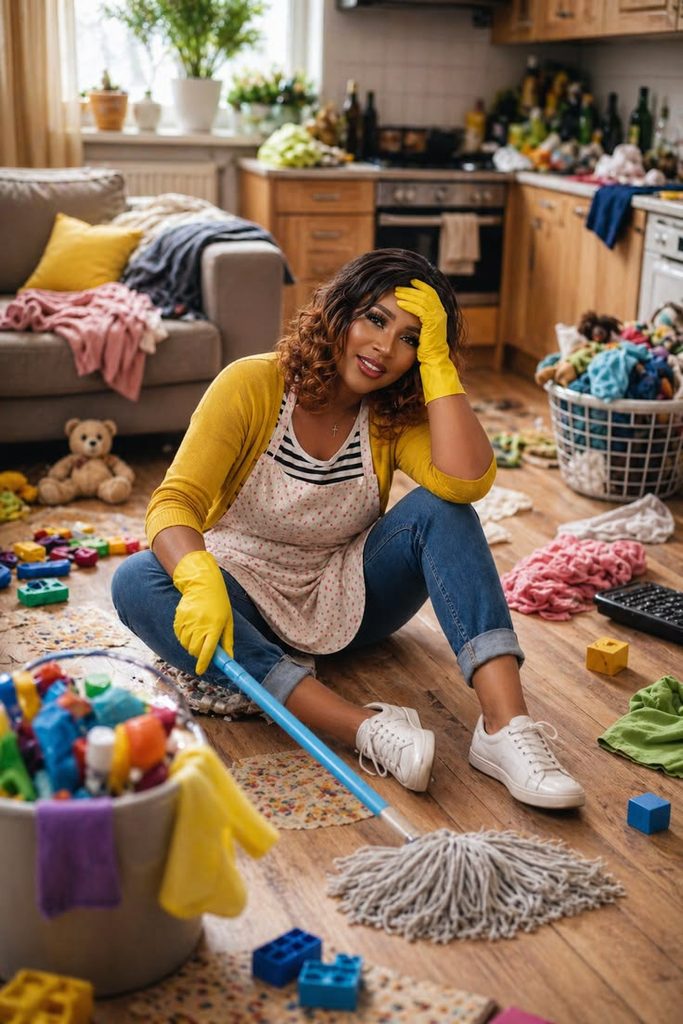
Living independently means your mess usually stays exactly where you leave it. Nobody else may suddenly clean the kitchen while you are away.
If dishes remain inside the sink, they will still be there tomorrow. One small mess can quickly become a much bigger problem.
Several dirty plates can make your kitchen feel unpleasant surprisingly quickly. The easiest solution is creating small cleaning habits from the beginning.
You do not need to spend every weekend cleaning your entire apartment. Instead, handle small tasks before they become difficult and overwhelming.
Wash dishes, put clothes away, and take out trash regularly. Your apartment will probably not stay perfectly clean every single day.
Real homes have laundry, dishes, clutter, and unfinished cleaning sometimes. The goal is creating a routine that realistically works for your lifestyle.
Over time, you will discover which cleaning habits make everyday life easier.
Save this for later: How to Manage the Responsibilities of Living on Your Own
You May Feel Lonely Sometimes, Even When You Love Living Alone
Living alone can be peaceful, but silence may sometimes feel unfamiliar or uncomfortable. You may enjoy your privacy while still missing having other people nearby.
That does not mean moving out independently was the wrong decision. It simply means human connection remains important during your independent living journey.
The first few quiet evenings may feel especially unusual after familiar household sounds. Some people enjoy that silence immediately, while others need time adjusting.
Try creating routines that make your apartment feel warmer and more familiar. Play music while cooking or listen to something during cleaning.
Call friends or family members whenever you genuinely want conversation or connection. Living alone does not mean isolating yourself from everyone else completely.
You may also discover new hobbies and things about yourself during quiet moments. Still, reaching out for connection remains healthy, natural, and completely normal.
Readers also loved this: What to Expect During Your First Week Living Alone

You Will Need to Make More Decisions Than Before
Independent living involves many small decisions throughout each normal day. What should you eat tonight after coming home tired?
Should you buy something now or wait until next month? When should you clean the apartment and do laundry?
How should you handle a problem with your landlord? Should you repair something yourself or contact someone for help?
These decisions may seem small when considered one at a time. But making them repeatedly can sometimes feel mentally exhausting.
This is one reason adult life can feel overwhelming unexpectedly. You suddenly become responsible for managing more parts of life.
The good news is that decision-making becomes easier with practice. At first, you may overthink every small choice you make.
You might worry about making mistakes or choosing incorrectly. But eventually, you will trust yourself more naturally.
You will learn which decisions require careful thought and research. You will also learn which decisions simply need quick action.
Not everything needs to become a major stressful life decision. Sometimes, you simply need to choose something and move forward.
Making mistakes can actually improve your decision-making skills later. You learn what works through experience and personal observation.
Try avoiding the pressure to always make perfect choices. Instead, focus on making reasonable decisions using available information.
Ask questions when you genuinely need advice from experienced people. Look for reliable information before handling unfamiliar responsibilities.
But also remember that independence includes trusting your own judgment. Nobody can make every single decision for you forever. Your confidence will slowly grow through everyday choices and experiences.
Take a peek: How to Build Confidence During Your First Year of Adult Life

You Will Learn That Freedom Comes With Responsibility
Having your own place gives you a wonderful sense of freedom. You can organize your time according to your personal preferences.
Nobody may tell you exactly when to sleep or wake up. You can eat dinner late without explaining your choices.
You can spend peaceful weekends inside your apartment if preferred. But freedom also means handling responsibilities without constant reminders.
This combination can feel challenging during your first independent months. You may occasionally wish someone else handled certain responsibilities again.
That feeling does not mean you are failing at adulthood. It simply means responsibility can become tiring for everyone.
One helpful approach is creating routines for important responsibilities. Choose a regular day for cleaning and laundry when possible.
Set reminders for bills, appointments, and important monthly tasks. Keep basic household supplies available before they completely finish.
Create a simple schedule that helps you stay organized. You do not need a complicated system to manage adult life.
Simple routines often work better because they are easier maintaining. Your responsibilities will probably change as your life develops further.
But learning basic organization now can make future adjustments easier. Independent living teaches you how freedom and responsibility work together.
The more responsibly you handle important tasks, the more freedom follows. That is one of the most valuable lessons adulthood can teach.
Your Routine May Take Time Before Feeling Normal
Do not expect your life to feel perfectly organized immediately. Your first few weeks may feel slightly different every day.
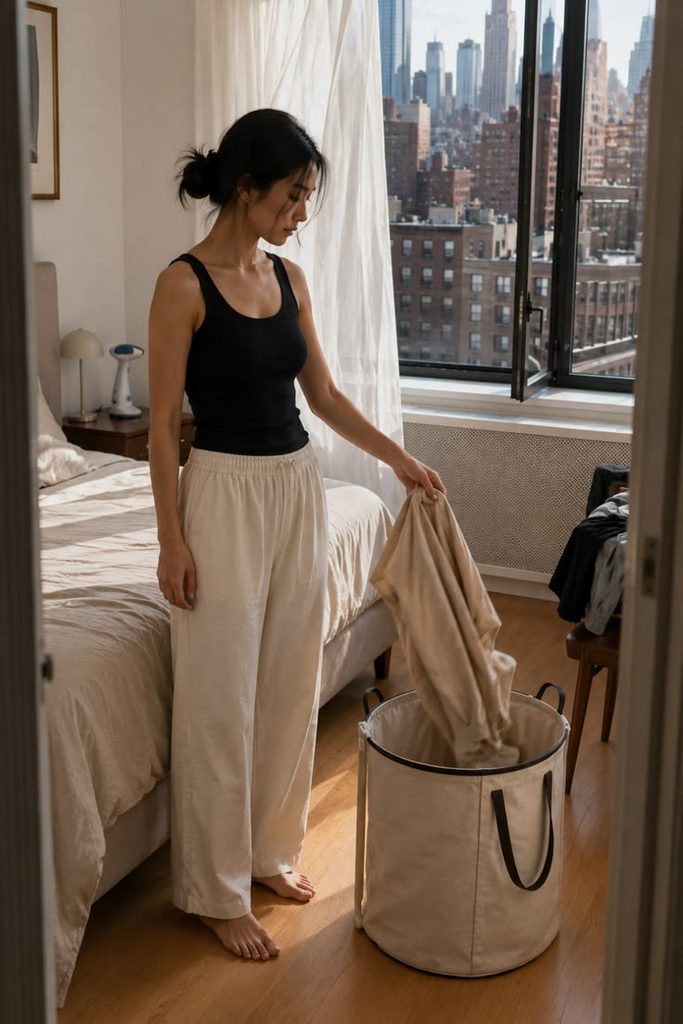
You may still be figuring out the best time for groceries. Perhaps your laundry schedule keeps changing because of work.
Maybe cooking every evening feels harder than you expected. You might also discover that your mornings need better structure.
All of this is part of adjusting to independent living. Your routine develops through real life, not just careful planning.
Something that works perfectly for another person may not suit you. You may prefer grocery shopping during quiet weekday evenings.
Someone else may enjoy preparing meals during weekends instead. Your cleaning schedule may depend on your work and energy levels.
There is no single perfect routine for living independently. The best routine is one you can realistically maintain consistently.
Give yourself enough time before deciding that something is failing. Sometimes, routines need small adjustments instead of complete changes.
Try paying attention to moments when life feels unnecessarily stressful. Those moments may reveal areas where better systems could help.
Maybe preparing clothes earlier would improve your mornings. Perhaps creating a grocery list would reduce unnecessary spending.
Small changes can create surprisingly helpful improvements over time. Do not pressure yourself to become extremely productive immediately.
Independent living should support your life instead of controlling it. Your home should become a place where daily life feels manageable. Eventually, your routines will start feeling natural without much thought.
Continue reading here: How to Navigate Your First Month of Independent Living

Your Relationship With Family and Friends May Change
Moving out can change how you relate with familiar people. You may suddenly understand your family differently after living alone.
Small things that once seemed ordinary can become more meaningful. You might miss home-cooked meals or familiar conversations unexpectedly.
Perhaps you will appreciate someone who always handled household tasks. Living independently can show you how much work homes actually require.
You may also start contacting friends and family more intentionally. Before moving out, seeing certain people may have happened naturally.
Now, maintaining relationships might require calls and planned visits. This change can feel emotional, especially during your first months.
But it can also help relationships grow in new ways. You begin choosing how and when you connect with others.
You may become more intentional about checking on important people. At the same time, independence gives you more personal boundaries.
You start deciding what kind of lifestyle feels right for you. You also learn how much social interaction you personally need.
Try staying connected without feeling pressured to communicate constantly. Everyone adjusts differently after moving into their own space.
Some people call family members every day and enjoy it. Others prefer less frequent conversations while remaining equally connected.
Your relationships may simply develop as your lifestyle changes. That does not mean distance automatically creates emotional separation.
Sometimes, independence can actually create greater appreciation and understanding. You begin seeing loved ones as people outside your daily routine. That new perspective can become a meaningful part of growing up.

You Will Discover Things About Yourself You Never Knew
Living independently gives you opportunities to understand yourself in completely different ways. You begin noticing your natural habits without constant outside influence or established household routines.
Maybe you discover that you enjoy cooking quietly alone or having peaceful mornings. Perhaps you realize that clutter affects your mood more than you previously expected.
You also learn which routines make your days feel easier and more manageable. Living alone requires creating routines that genuinely fit your own lifestyle and needs.
You may discover that budgeting requires more discipline or planning reduces unnecessary stress. Your first apartment can become an important place for personal growth and discovery.
Independence may reveal your weaknesses more clearly, but also strengths you never recognized. Give yourself room to grow without judging every mistake or imperfection too harshly.
Adult life involves continually learning who you are and who you are becoming.
Building a Home Takes More Than Buying Furniture
Your apartment may gradually become home instead of feeling comfortable immediately after moving. Moving your belongings inside does not always create an instant feeling of comfort.
At first, the space may feel unfamiliar, temporary, and slightly difficult to relax within.
That feeling often develops through everyday moments, routines, and experiences inside your space. It happens when you cook favorite meals and create peaceful evenings after difficult days.
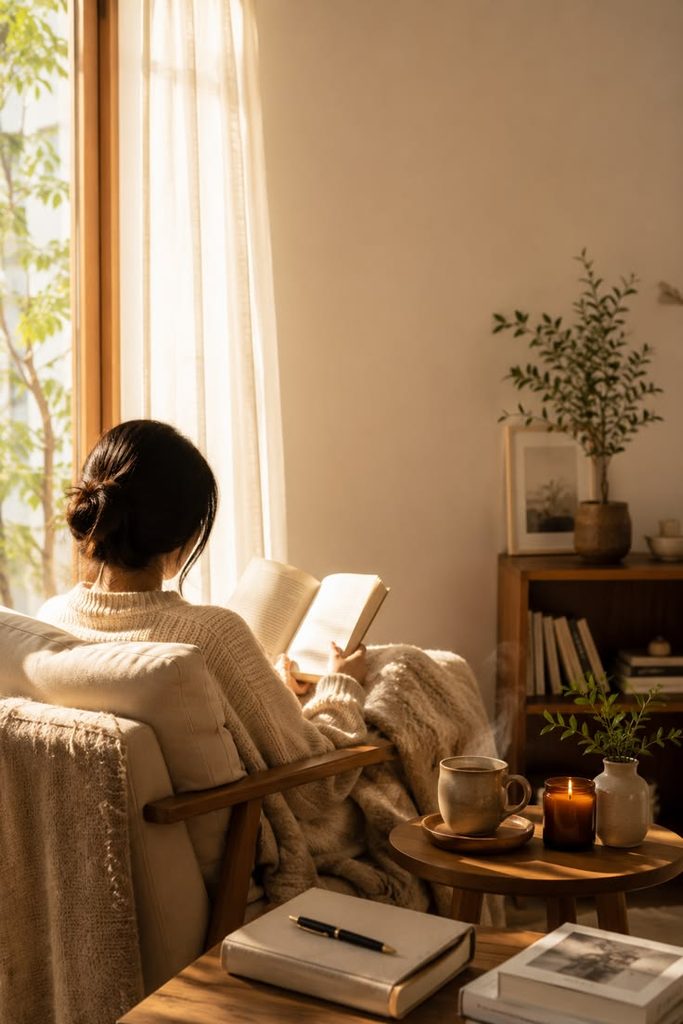
You may discover your favorite place for relaxing or enjoy morning sunlight through one window. Pictures, plants, curtains, and decorations can make your space feel more personal.
However, creating a home involves more than simply making everything look beautiful. Your space should support your daily life and provide somewhere comfortable to rest.
You do not need expensive furniture or perfectly arranged rooms immediately. Start with comfort, functionality, and things that genuinely matter to you.
Allow your space to change gradually as your life and needs change.
Before you go, check this out: How to Prepare for Your First Apartment viewing

Confidence Usually Comes After You Start, Not Before
Many people expect confidence before making a major change like moving out. However, confidence often develops after you begin doing difficult and unfamiliar things.
You may still feel nervous while carrying your belongings into your new home. That nervousness does not automatically mean you are making the wrong decision.
You gain confidence after handling unexpected problems, paying bills, and making decisions independently. These experiences teach you that you can learn unfamiliar things gradually.
You also learn that making mistakes or asking for help does not remove independence. Confidence rarely arrives during one exciting moment or important achievement.
Instead, it grows through small responsibilities that once felt difficult or overwhelming. You keep showing up even before feeling completely ready or prepared.
Eventually, tasks that once created panic may require simple solutions. Then one day, you realize how much has already changed.

Moving Out Can Teach You More Than You Expected
Moving out for the first time is actually many new experiences happening simultaneously. You are learning about money while discovering more about personal responsibility and yourself.
You are managing your home while adjusting to completely unfamiliar routines and responsibilities. Some days may feel exciting and completely under control, while others feel difficult.
Both kinds of days are completely normal during your independent living journey. A stressful week does not mean living independently was a mistake.
One expensive month does not mean you are terrible with money. You are simply adjusting to responsibilities that may still feel unfamiliar.
Independent living teaches valuable lessons about your needs, habits, limits, and priorities. You can also develop stronger problem-solving skills through everyday experiences and challenges.
Give yourself time to learn, ask questions, and celebrate your small wins. Remember that independence is something you continue learning gradually every day.
You need to see this: What to Do Before Signing Your First Lease

Final Thoughts
Moving out for the first time can change much more than your address. It can change how you see responsibility, money, freedom, and yourself.
You may feel excited about independence while occasionally missing familiar comforts and routines. You will probably make mistakes and learn valuable lessons through those experiences.
Independent living is not about becoming perfect at adult responsibilities immediately. It is about learning how to handle life one day at a time.
Start with what you know and gradually learn what you do not. Ask for help when you genuinely need additional guidance or support.
Create routines that make your daily life feel more manageable and organized. Do not compare your beginning with another person’s completely different journey.
You become capable through the small responsibilities you continue handling every day. With time, patience, and practice, your unfamiliar apartment can start feeling like home.
Leave a Reply