Moving into your own place can feel exciting until the excitement meets real life.
Suddenly, nobody reminds you about bills, groceries, cleaning, appointments, deadlines, or tomorrow’s responsibilities. You make decisions, fix mistakes, and keep moving even when you feel unsure.
That can be scary, but it can also become an important season of your life. Confidence grows after you handle things that once frightened you.
You pay your first bill, survive a stressful week, cook with what you have, solve a small problem, and realize you managed it. Your first year will not be perfect, and it does not need to be.
If you are preparing for independent living, What to Expect When You Move Out for the First Time can help you understand those early changes.
This guide will help you build real confidence through ordinary experiences, practical choices, mistakes, and small wins.

How to Build Confidence During Your First Year of Adult Life
Understand That Confidence Takes Time
Many young adults expect confidence to appear as soon as they move into their own space. Then real life begins, and they wonder why simple decisions still make them nervous.
The truth is that confidence usually comes after repeated experience. You learn something, try it, make mistakes, and slowly understand what works best for you.
Your first few weeks can feel especially strange because familiar support may no longer be close. You might feel proud one morning and completely unsure by evening.
That does not mean you are failing at adulthood. It simply means you are learning how to handle a different kind of responsibility.
Give yourself room to become comfortable with your new responsibilities. You do not need to know everything immediately, because nobody starts adulthood knowing everything.

Stop Comparing Your First Year With Everyone Else
Social media can make adulthood look strangely easy. You see people showing new apartments, good jobs, holidays, cars, and exciting plans, but difficult days stay mostly hidden.
Comparing your beginning with somebody else’s polished moment can quickly damage your confidence. Their timeline is not a measurement for your own life.
Some people understand money early, while others learn after making several mistakes. Some people enjoy living alone immediately, while others need months before their space feels like home.
During my first experience living independently, I noticed how easy it was comparing my progress with people around me. I eventually realized that my responsibilities were different, so my progress needed its own measure.
Look at what you can do now that once felt difficult. That is a much fairer comparison than watching somebody else’s highlight reel.
Your goal is not to look successful. Your goal is to become capable, responsible, and comfortable handling your own life.

Learn Your Home and Build Simple Routines
Confidence grows when your daily life starts feeling familiar. You know where things belong, when bills are due, and how long normal chores usually take.
A simple routine can make your home feel less confusing. You might clean on certain days, shop weekly, wash clothes before supplies run out, and check your calendar each evening.
If you are still adjusting to independent living, How to Navigate Your First Month of Independent Living can help you think through those early routines.
You do not need a perfect schedule that controls every minute. Instead, create a few habits that prevent small responsibilities from becoming stressful surprises.
Make your bed, clear dishes, check spending, prepare tomorrow’s clothes, and look at your appointments. These actions seem small, but they teach your brain that you can manage your environment.
Familiar routines reduce the energy you spend wondering what needs attention.

Build Confidence Through Small Responsibilities
Big responsibilities can feel frightening when you look at them together. Bills, work, cleaning, cooking, shopping, appointments, and personal goals can seem like one giant problem.
Break those responsibilities into smaller actions you can actually complete. Pay one bill, wash one load, prepare one meal, or organize one drawer.
Each completed task gives you evidence that you can handle your life. That evidence matters more than simply telling yourself to be confident.
During my first few weeks handling everything myself, I noticed something simple. The things that scared me most often became normal after I repeated them several times.
You can use the same approach with adulthood. Do not wait until you feel ready before taking action.
Start small, repeat the task, learn from mistakes, and move forward. Confidence often grows quietly while you are busy doing ordinary things.

Become More Comfortable Handling Money
Money can affect your confidence because financial mistakes often create immediate stress. Learning how to manage your income can help you feel more prepared.
Start by understanding regular expenses, including rent, utilities, food, transport, subscriptions, and household needs. Then give your money a clear purpose before spending it casually.
If you have not started living alone yet, How to Prepare Financially Before Living on Your Own can help you think through the financial side.
You do not need a complicated budgeting system. A simple monthly plan can show what must be paid, what can be saved, and what remains for flexible spending.
You will probably make money mistakes during your first year, like overspending one weekend or forgetting a payment.
Use those moments as information instead of proof that you cannot manage money. Adjust your plan, learn the lesson, and continue.

Learn From Your Grocery and Household Mistakes
Your first grocery trips can teach you more about independence than you expect. You quickly discover that buying everything you want differs from buying what your home actually needs.
You may forget basic items, buy too much fresh food, or spend more than planned. These mistakes are common when you are still learning how much your household uses.
How to Prepare for Your First Grocery Shopping Trip can help you understand how to shop with a plan instead of wandering around the store.
Keep simple notes about items you regularly use. After a few shopping trips, you will understand your normal quantities and spending patterns.
You will also learn which household products finish quickly and which ones can wait. That knowledge makes future shopping easier.
Do not feel embarrassed by small mistakes. Every mistake teaches you something about your habits, your home, or your priorities.

Get Comfortable Making Decisions Alone
Living independently means making decisions without asking someone else to choose everything for you. Some decisions will be easy, while others may leave you thinking for hours.
You might need to choose a service, change a routine, handle a repair, plan spending, or respond to an unexpected problem.
Start by asking yourself three simple questions. What is happening, what matters most, and what can I do next?
This keeps your mind focused on action instead of endless worry. You do not need perfect information before making every ordinary decision.
If you are still preparing for your own place, What to Do Before Signing Your First Lease can help you understand important decisions before committing to a home.
Remember that a decision can teach you something even when the result is not perfect. You can correct many everyday choices after making them.
The more decisions you handle thoughtfully, the more comfortable you become trusting yourself.

Handle Mistakes Without Calling Yourself a Failure
One bad decision can make a young adult question everything. You miss a payment, burn dinner, forget an appointment, or handle a conversation badly, then feel like adulthood is too much.
Do not turn one mistake into a description of your entire character. You made a mistake, but that does not mean you are a failure.
Look at what happened honestly. Identify what caused it, decide what needs fixing, and choose one change that can prevent the same problem.
Sometimes the lesson is simple. You needed a reminder, a better budget, more preparation, or a clearer boundary.
Learn without constantly punishing yourself. Confidence grows when you know you can recover from mistakes.
You do not need a perfect record to trust yourself. You need proof that you can face problems, learn, and keep going.

Learn How to Ask for Help
Independence does not mean doing everything completely alone. Strong adults know when they need information, advice, support, or professional help.
You might ask a friend how they handled a household problem. You could ask your landlord about something unclear in your home.
You might call a service provider when a bill does not make sense. Asking questions can feel uncomfortable when you want to prove everything is under control.
Still, refusing useful help can make simple problems much harder. During my first year of greater independence, I learned that asking for help did not make me less capable.
It helped me solve problems faster and understand things better. You can remain responsible while accepting support, because the goal is learning.

Take Care of Your Living Space
Your home can affect how confident you feel each day. A messy, uncomfortable space can make ordinary responsibilities feel heavier than they really are.
You do not need expensive furniture or a picture-perfect apartment. You need a space that is reasonably clean, safe, organized, and comfortable.
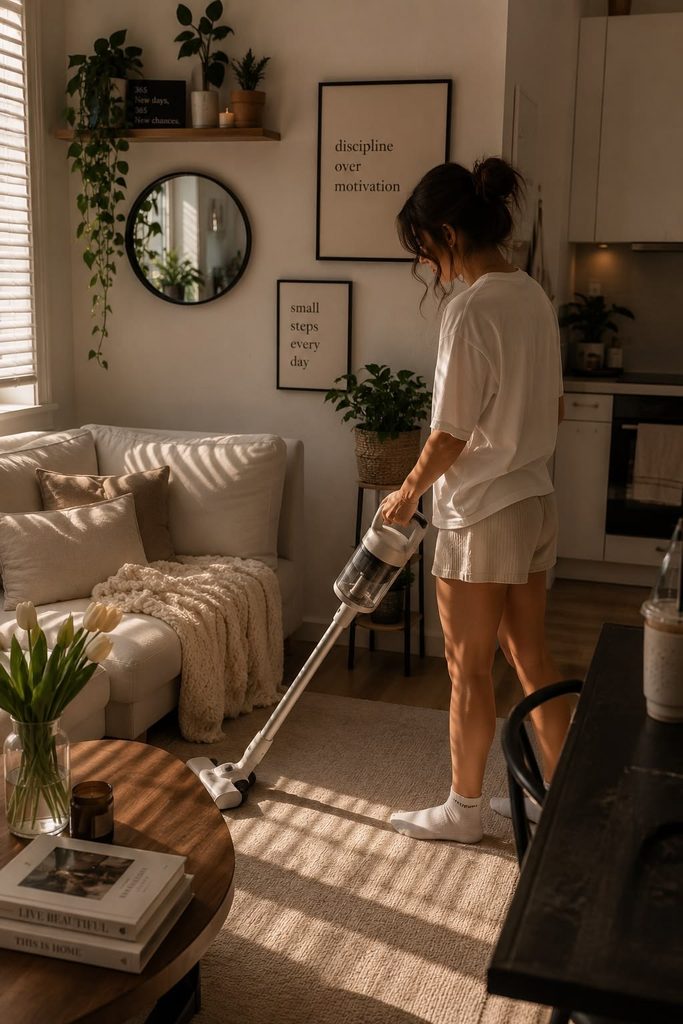
Create simple habits around dishes, laundry, rubbish, surfaces, and basic cleaning. Small routines stop household work from becoming a huge weekend project.
If your first year includes learning home responsibilities, What to Expect During Your First Week Living Alone can help you understand why those early days may feel unusual.
Your home should also teach you responsibility. When something breaks, needs replacing, or requires attention, learn how to handle it instead of ignoring it.
Every time you take care of your space, you are also practicing self-respect. You are showing yourself that your comfort and environment deserve attention.
Become Familiar With Bills and Utilities
Bills can feel intimidating because they arrive regularly and never seem to stop. However, they become less scary when you understand what each payment covers.
Keep your bills in one place and note their due dates. Learn how much electricity, water, internet, waste, or other household services normally cost.
If utility bills are still new to you, How to Prepare for Your First Utility Bills can help you understand what to check before those payments become stressful.
Do not ignore a bill simply because the amount looks higher than expected. Check the statement, understand the charge, and contact the provider when something seems wrong.
You can also set reminders before payment dates. That small habit can protect you from late payments and unnecessary stress.
The goal is not to love paying bills. It is simply becoming comfortable knowing what you owe and when it needs attention.

Make Your Own Appointments and Plans
Adult life includes many small appointments that nobody else will remember for you. You may need to arrange repairs, schedule services, attend meetings, renew documents, or plan important errands.
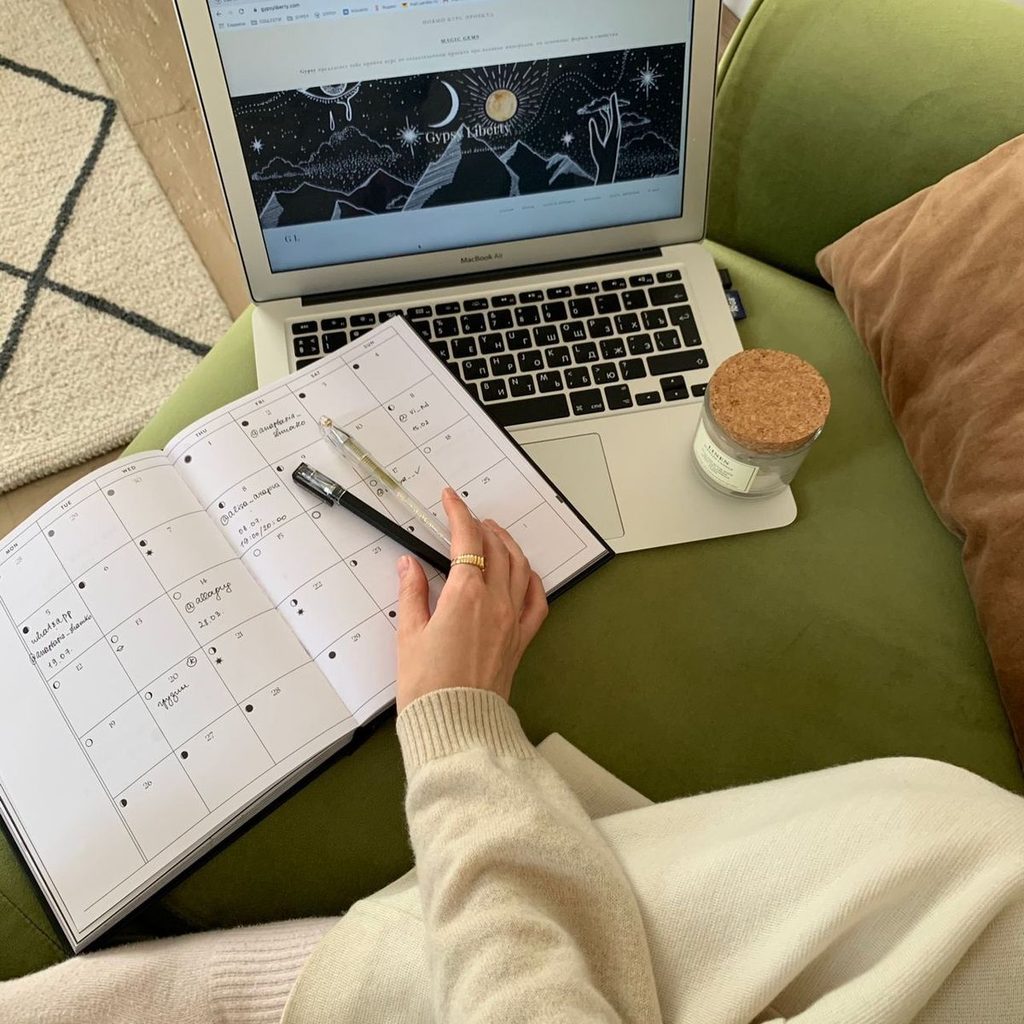
At first, managing these details can feel tiring. Then you start using a calendar, reminders, notes, or another simple system.
Write appointments down immediately instead of trusting your memory. Add enough time for travel, preparation, and unexpected delays.
Planning also helps you protect your personal time. You can see busy days before they arrive and avoid making too many commitments.
You will become more confident when you know where you need to be and what you need to prepare beforehand.
Nobody may notice that you remembered every appointment, but you will notice the difference.

Learn to Solve Everyday Problems
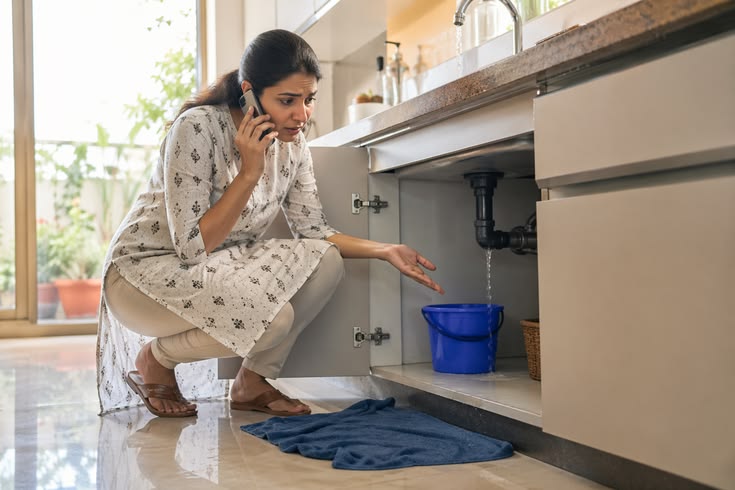
Independent living will give you problems that were never part of your plans. A light may stop working, an appliance may act strangely, or something important may suddenly run out.
Your first reaction might be panic. Pause before assuming the situation is bigger than you can handle.
Check the obvious things first. Read instructions, search reliable information, ask the right person, or contact the appropriate service.
You are not expected to become an expert at everything. You only need to become willing to investigate problems instead of avoiding them.
Over time, small problems become practice. You learn which issues you can handle yourself and which ones require professional support.
That knowledge creates a different kind of confidence. You begin trusting that even unexpected situations can be approached calmly.
Protect Your Time and Personal Boundaries
Confidence also grows when you learn that you do not have to say yes to everything. Friends, relatives, coworkers, and other people may have expectations about your time.
Some requests will be reasonable, while others may leave you exhausted or uncomfortable. Learn to pause before agreeing to plans, favors, or commitments.
Give yourself time to think about your schedule, money, energy, and personal priorities. You can say, “I cannot do that right now,” without giving a long explanation.
Simple boundaries can protect your responsibilities and your peace. This becomes especially important when you live alone because your home can become the place where everyone expects access to you.
You are allowed to rest, focus, study, work, or enjoy quiet time. Taking your own needs seriously is part of becoming a responsible adult.

Build Confidence at Work or School
Your confidence outside home can affect how you feel about your entire adult life. Work, school, training, or early career responsibilities may challenge you differently.
You might make mistakes, receive criticism, struggle with deadlines, or feel inexperienced around people who seem more confident.
Do not expect yourself to know everything immediately. Ask questions, take notes, improve your skills, and pay attention to feedback that genuinely helps you grow.
Try to separate useful correction from harsh self-judgment. Someone pointing out a mistake does not automatically mean you are incapable.
You can also celebrate progress that nobody else sees. Maybe you speak more clearly now, finish tasks faster, or handle difficult conversations better.
Confidence at work or school usually comes from becoming familiar with your responsibilities. Keep learning, keep showing up, and allow your skills to grow.

Learn to Manage Social Pressure
Your first year of adulthood may bring pressure to spend more, go out more, date, travel, move faster, or appear successful.
It can become difficult to hear your own priorities when everyone around you seems to be doing something different.
Before following a trend, ask yourself if it fits your current life. You may want the experience, or you may simply want to avoid feeling left behind.
There is nothing wrong with choosing a quieter season. Saving money, focusing on work, learning skills, or protecting your peace can all be valid priorities.
Your confidence becomes stronger when your choices come from your own values instead of constant pressure.
You do not need to explain every decision to everyone. Sometimes knowing why you made a choice is enough.

Get Comfortable Being Alone
Living alone can make quiet moments feel strange at first. A home that once felt peaceful may suddenly feel too quiet after a long day.
Instead of treating solitude as something negative, learn how to enjoy your own company. Cook something simple, listen to music, read, pray, take a walk, or simply sit quietly.
You are allowed to have peaceful moments without filling every second. Being comfortable alone can also help you understand yourself better.
You notice what you enjoy, what drains you, and what you actually want. You may also discover that loneliness and being alone are different experiences.
When loneliness becomes heavy, reach out to people you trust instead of pretending everything is fine. A healthy independent life includes connection and solitude.

Notice How Much You Have Already Learned
Sometimes confidence is difficult to notice because your progress has become normal. The thing that once frightened you may now be something you handle without thinking.
Look back at your earlier months and remember what felt difficult then. Think about your first shopping trip, first bill, first repair, or first difficult decision.
You have probably learned more than you realize. You know more about money, routines, your home, your limits, and your personal preferences.
Write down a few things you can handle now that you could not manage confidently before. Keep that list somewhere private and revisit it during difficult weeks.
Progress is easier to see when you stop only looking at what remains unfinished. Your first year does not need to produce a different person.
It needs to show that you are learning how to handle more.

Try New Things Without Needing Perfect Certainty
Confidence can become limiting when you believe you must feel completely ready before trying something new. You may want to learn cooking, start exercising, take a course, change jobs, or develop a useful skill.
Start with a manageable version instead of waiting for perfect confidence. You can learn while doing something instead of mastering everything beforehand.
Give yourself permission to be a beginner. Beginners ask questions, make awkward mistakes, and need time to improve.
The first attempt may not look impressive, but it can teach you what the second attempt needs. You will eventually discover that confidence does not always mean feeling fearless.
Sometimes it means feeling nervous and choosing to try anyway. That choice can become one of the strongest habits you develop during your first year.

Create Goals for the Rest of Your Adult Life
Your first year can teach you important lessons, but it does not need to determine your entire future. After learning how to manage your home and responsibilities, start thinking about what you want next.
Your goals might involve saving money, improving your career, learning a skill, building healthier routines, finding better housing, or creating stronger relationships.
Keep your goals realistic enough to act on, but meaningful enough to motivate you. You can also review your goals every few months because life changes.
Something that matters today may become less important after new experiences. The point is not creating a perfect five-year plan for yourself.
You are simply giving yourself direction while staying open to new opportunities. Confidence becomes stronger when you know you can adjust your plans without feeling completely lost.
Remember That Responsibility Can Build Freedom
Adult responsibility can sometimes feel like a long list of things you must do. Bills need payment, food needs buying, rooms need cleaning, and plans need attention.
Still, those responsibilities can create freedom when you learn how to manage them. Knowing your budget can help you make better choices, while understanding bills can reduce surprises.
How to Manage the Responsibilities of Living on Your Own can help you see how everyday duties fit into independent life.
You do not need to enjoy every responsibility. You only need to understand why handling it matters.
The more capable you become, the more choices you can make with confidence. You start seeing responsibility as something that supports your life instead of something that only restricts you.
That shift can make adulthood feel more manageable.
Your First Year Does Not Need to Be Perfect
Your first year of adult life may contain exciting wins, embarrassing mistakes, unexpected expenses, lonely evenings, and moments when you surprise yourself.
Some months may feel easy, while others may feel like you are starting again. That is normal, even when it does not feel normal during difficult days.
Do not measure your year only by money saved, goals completed, or how perfect your home looks. Measure it by what you learned.
Notice the bills you remembered, problems you solved, conversations you handled, mistakes you corrected, and responsibilities you stopped avoiding.
Your confidence will grow through those ordinary moments. If you are still preparing for your first apartment, How to Prepare for Your First Apartment Viewing can help you take another practical step.
Most importantly, give yourself credit for continuing. You do not need to become a completely different person in twelve months.
You simply need to become more comfortable being responsible for the life you are building.

Final Thoughts
Building confidence during your first year of adult life is not about suddenly having every answer. It is about learning to trust yourself after handling difficult, ordinary, and unexpected situations.
You will make mistakes. You will change your mind. You will have days when independence feels exciting and other days when you miss having someone else handle things.
Keep learning anyway, even on the days when adulthood feels heavier than expected. Learn your routines, manage your money, care for your home, ask questions, protect your time, and take your responsibilities seriously.
When something goes wrong, fix what you can and learn from what happened. When something goes right, allow yourself to notice it.
Your confidence will not come from pretending adulthood is easy. It will come from discovering that you can handle more than you once believed.
One day, you may look around your home and remember how uncertain you felt at the beginning. Then you may recognize how much you have grown.
You did not become confident overnight. You built confidence one ordinary day at a time.
Leave a Reply