Nobody really tells you when childhood quietly ends and responsibility starts knocking every morning. One day, you are simply living your life, and suddenly, everything seems to need your attention.
Bills need paying, appointments need remembering, food needs buying, and important decisions cannot wait forever. Even simple things can feel surprisingly serious when nobody else is standing behind you.
That is one of the strangest parts of becoming an independent adult. You are not suddenly given a handbook explaining how everything works.
Instead, you learn through experience, mistakes, unexpected expenses, uncomfortable decisions, and plenty of moments when you whisper, “I have to handle this myself.”
The good news is that adulthood becomes easier when you understand what responsibilities may come your way. You can prepare yourself before every new responsibility becomes an emergency.
If you are still preparing for independence, 35 Firsts to Prepare for When You Become an Independent Adult is a helpful place to begin.

35 Adult Responsibilities You May Encounter for the First Time
1. Paying Your Bills on Time
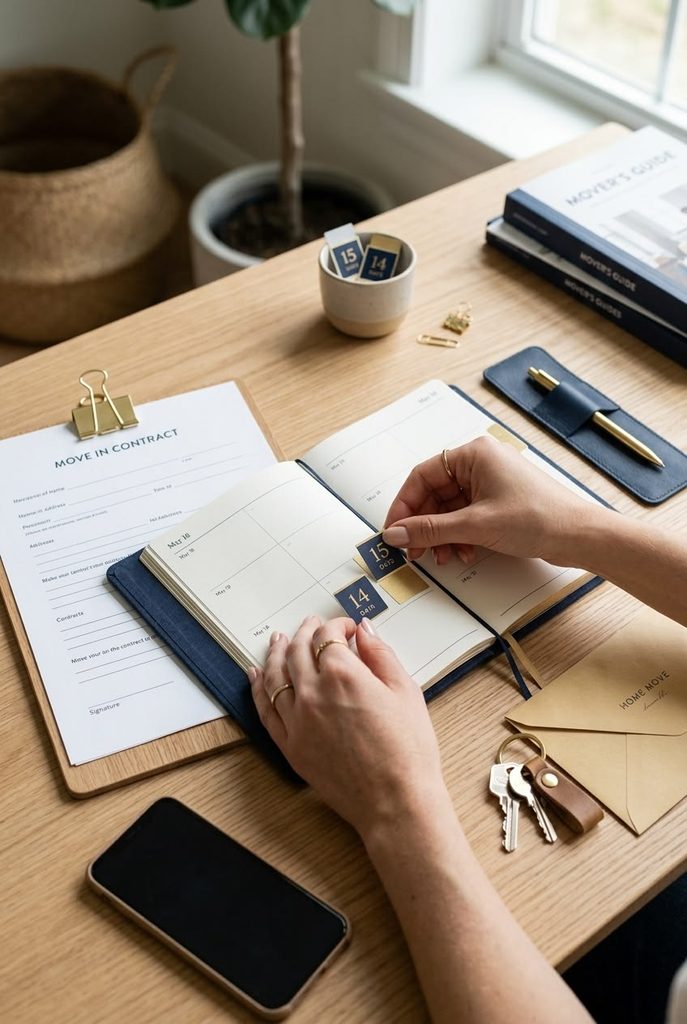
One of the first major adult responsibilities is keeping up with your regular bills. These payments can quickly become part of your normal monthly routine.
Rent, electricity, water, internet, phone services, subscriptions, and other expenses may all have different due dates.
Missing one payment might seem small, but repeated missed payments can create unnecessary stress. Some services may also charge additional fees after missed deadlines.
During my first experience managing several bills alone, I realized how quickly small due dates could become confusing. I started keeping everything together instead of relying on memory.
Try these next: What to Expect When You Move Out for the First Time
2. Managing Your Monthly Budget
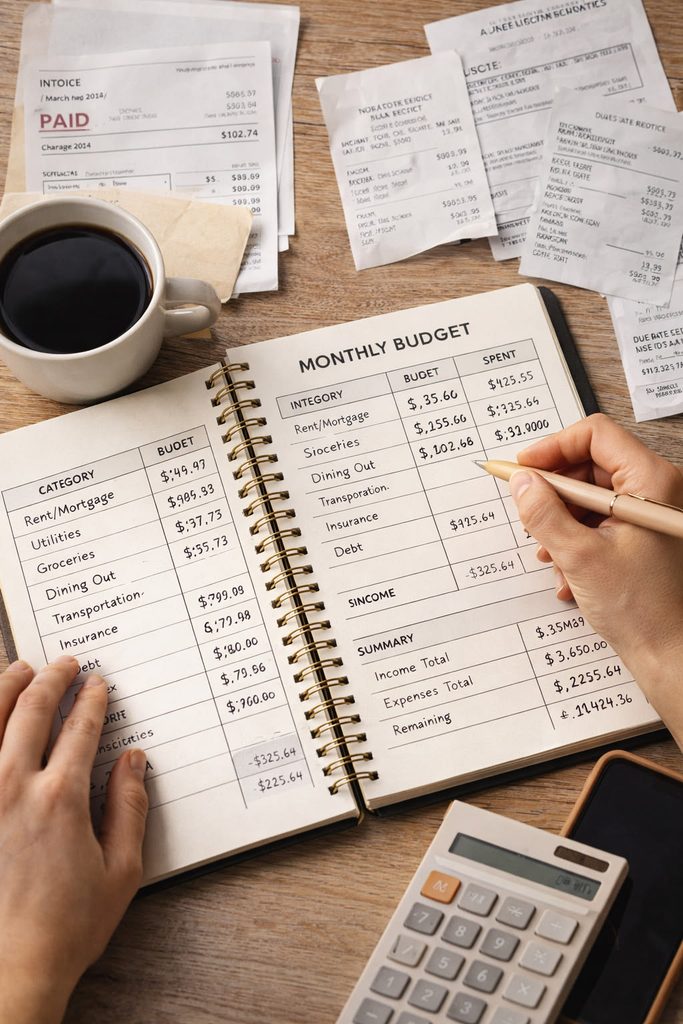
A budget becomes much more important when your money has several places to go every month. You can no longer treat every paycheck like spending money.
Your income needs to cover your basic needs before you start spending on wants. Housing, food, transportation, bills, savings, and unexpected expenses all compete for attention.
At first, budgeting can feel restrictive because you may want more freedom with your money. However, knowing your limits can actually give you more freedom.
You can enjoy your money more confidently when you understand what remains after important expenses are covered.
See all the details: How to Manage the Responsibilities of Living on Your Own
3. Keeping Track of Your Bank Account
Checking your bank account regularly is another responsibility that becomes important as you become independent.
You need to know what money is available before making major purchases or scheduling payments. Guessing your balance can lead to avoidable problems.
Small purchases can add up quickly, especially when they happen throughout the week. A few meals, rides, subscriptions, and random purchases can quietly reduce your balance.
Get into the habit of checking your transactions and noticing anything you do not recognize. This also helps you spot mistakes or suspicious activity sooner.
Find your favorite: How to Build Confidence During Your First Year of Adult Life

4. Taking Care of Your Home
Living independently means your home eventually becomes your responsibility. Nobody else may automatically notice when something needs cleaning, fixing, replacing, or organizing.
The dishes still need washing after a long day. Trash still needs taking out when you are tired from work.
Bathrooms need cleaning, clothes need washing, floors need attention, and basic household supplies need replacing.
These tasks can seem boring, but they affect how comfortable your home feels. A neglected home can quickly become stressful when small chores keep piling up.

5. Buying and Preparing Your Own Food
Food becomes a very different responsibility when you are completely responsible for feeding yourself.
You need to decide what to buy, how much to spend, where to shop, and how to store what you purchase.
Eating outside regularly can become expensive faster than many young adults expect. Cooking at home can help, but it requires planning and basic kitchen skills.
You do not need to become a professional cook. Start by learning a few simple meals that you actually enjoy eating.
During my first period of managing food completely on my own, I learned that hunger can make terrible shopping decisions. Planning meals before shopping helped me spend less and waste less food.
Simple planning can also make busy weeks easier. Knowing what you will eat tomorrow removes one more decision from an already busy day.
Start here: 35 Things Nobody Tells You About Moving Out for the First Time

6. Handling Your Own Laundry
Laundry is one of those responsibilities that seems extremely simple until nobody else is doing it for you.
You need to separate clothes properly, choose the right washing method, dry everything, fold it, and put it away.
Leaving clothes in a basket does not mean the laundry is finished. Clean clothes still need to be folded and stored properly.
Learning basic clothing care can also help your clothes last longer. Some items need gentle washing, special drying, or different storage.
You may make mistakes at first, and that is normal. You can learn by reading clothing labels and paying attention to how different fabrics react.

7. Making Your Own Appointments
As an adult, you will often need to arrange appointments yourself. That can include medical visits, dental appointments, hair appointments, vehicle services, interviews, and other commitments.
Nobody may remind you that your appointment is coming tomorrow. You are responsible for remembering and preparing for it.
Keep important appointments somewhere you can easily check. A phone calendar can help you see your commitments before they become last-minute surprises.
The ultimate guide is here: 25 Things to Do Before Living on Your Own for the First Time

8. Taking Care of Important Documents
Important documents can become surprisingly important once you are living independently.
You may need identification, contracts, receipts, financial records, insurance information, employment documents, certificates, and other paperwork.
Losing an important document can create stress when you suddenly need it. Searching through random drawers at the last minute is rarely enjoyable.
Create a safe place for important documents and keep digital copies when appropriate. You should also know which documents are especially difficult to replace. Those deserve extra protection and careful storage.
This changes everything: 35 Firsts to Prepare for When You Become an Independent Adult

9. Understanding Your Rental Agreement
If you rent your home, understanding your rental agreement is an important adult responsibility. Do not simply sign because you are excited about getting the keys. Read the agreement and understand what you are agreeing to.
Look at rent amounts, payment dates, deposits, maintenance responsibilities, restrictions, renewal terms, and rules concerning the property.
Ask questions about anything that seems unclear before signing. It is much easier to clarify expectations early. You should also keep a copy of the agreement somewhere safe after signing.
If you are preparing for independent living, 35 Things Nobody Tells You About Moving Out for the First Time can help you understand some of the realities that come with leaving home.
Your home is a major part of your life, so understanding your housing responsibilities matters.

10. Paying for Transportation
Getting from one place to another is another responsibility that becomes yours as an independent adult. Your transportation may include public transport, ride services, cycling, walking, or owning a vehicle.
Whatever option you use, you need to understand how much it costs and how it fits into your monthly budget.
Transportation costs can become surprisingly high when you travel frequently. Work, shopping, appointments, social plans, and emergencies can all require movement.
Plan for transportation instead of treating every trip as an unexpected expense. If you own a car, the responsibility becomes even larger because fuel, repairs, insurance, and maintenance enter the picture.
You can learn more about that side of independence through 25 Things to Know Before Buying Your First Car.
Knowing how you will get around makes daily life easier to manage.
11. Taking Responsibility for Your Work
Having a job means more than showing up and collecting a paycheck. Your work responsibilities can affect your income, reputation, and future opportunities.
You need to arrive on time, communicate clearly, meet deadlines, and complete tasks properly.
Nobody can build a strong career for you. You have to develop habits that help people trust you with responsibilities.
Work can also require you to handle difficult conversations. You may need to ask questions, admit mistakes, request help, or communicate when something goes wrong.
That can feel uncomfortable at first, especially when you are afraid of looking inexperienced.
Read this next: What to Do Before Signing Your First Lease

12. Managing Your Time
Time management becomes more important when nobody else controls your schedule.
Work, household chores, errands, rest, relationships, exercise, appointments, and personal goals can all compete for your attention.
You can easily become busy without actually accomplishing what matters most.
Start paying attention to how you spend your days. Then create realistic routines around your most important responsibilities. Do not fill every hour with tasks because rest is also part of a healthy routine.
Continue reading here: How to Prepare for Your First Grocery Shopping Trip
13. Building an Emergency Fund
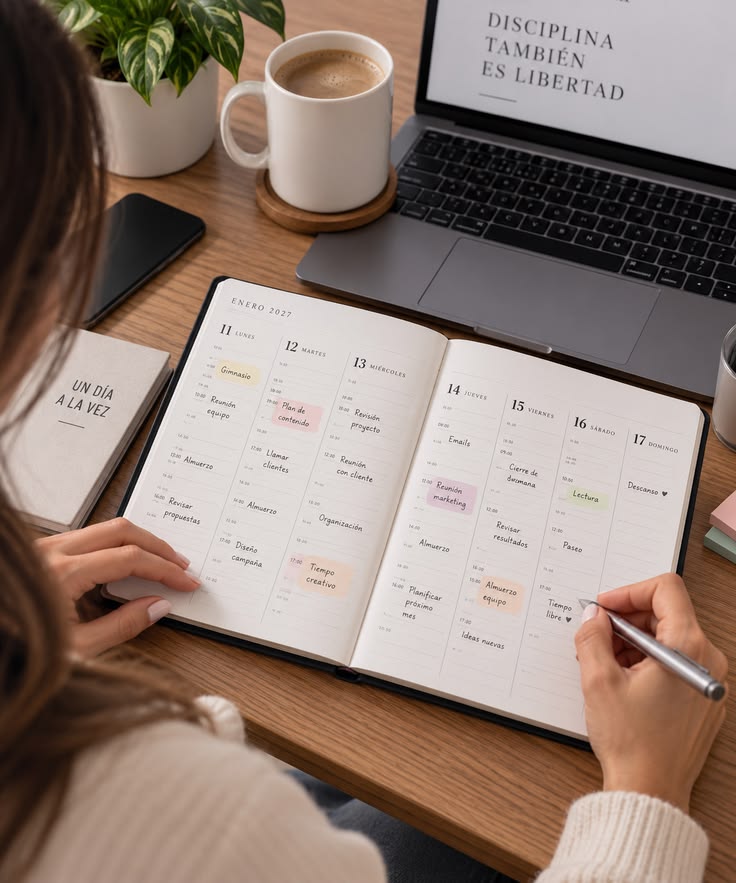
An emergency fund gives you somewhere to turn when life does something unexpected.
Your car might need repairs, your work situation might change, or an important household item might suddenly stop working.
Without savings, unexpected expenses can force you to borrow money or delay other important payments.
You do not need to build a huge emergency fund overnight. Start with an amount you can manage and keep adding whenever possible.
Treat emergency savings as money reserved for genuine unexpected needs. This habit can make difficult situations less frightening because you know you have something available.

14. Handling Your Taxes and Financial Records
Taxes are another responsibility that can become confusing when you first become financially independent. The exact process depends on where you live, your employment situation, your income, and other personal circumstances.
What matters is understanding that financial records should not simply be ignored. Keep relevant income documents, receipts, payment records, and other paperwork organized throughout the year.
Waiting until the last minute can make tax-related responsibilities much more stressful. If you do not understand something, ask a qualified professional or use reliable official information for guidance.
You do not need to understand every financial rule immediately. However, ignoring important financial responsibilities can create bigger problems later.
Learning how your own financial obligations work is another part of becoming a responsible adult.

15. Looking After Your Personal Safety
Personal safety becomes your responsibility in many ways once you live independently.
You need to think about your home, transportation, belongings, surroundings, and daily routines.
Simple habits can make a difference. Lock doors, protect important information, stay aware of your surroundings, and avoid sharing sensitive details carelessly.
You should also know whom to contact during an emergency. Your safety plan can include trusted people, emergency services, building contacts, and other useful resources.
Do not assume that nothing will ever happen because you have never experienced a serious problem. Being prepared does not mean living in fear. It means knowing what you would do if something unexpected happened.
Independence feels much better when you also feel prepared to protect yourself and your belongings.
You’ll love this too: How to Prepare for Your First Apartment Viewing

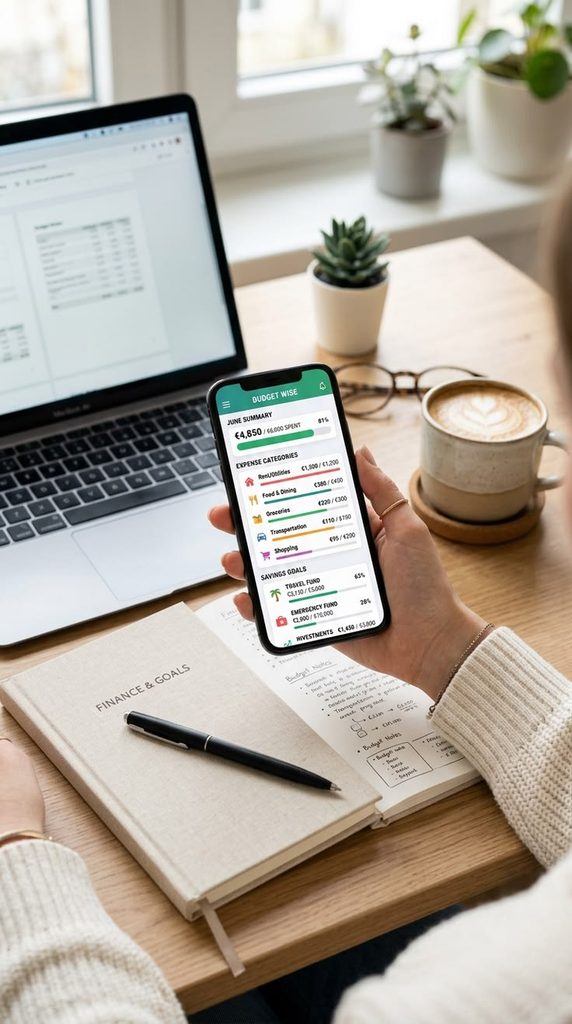
16. Managing Your Subscriptions
Subscriptions can quietly become a regular drain on your money.
Streaming services, apps, memberships, storage plans, software, and other subscriptions can continue charging long after you stop using them.
When you first become independent, you may sign up for several services because each one seems inexpensive. The problem appears when several small payments happen during the same month.
Review your subscriptions regularly and ask yourself what you genuinely use. Cancel services that no longer provide enough value for their cost.
You should also know how renewal dates and cancellation policies work. Small savings may not feel exciting, but several unnecessary subscriptions can become meaningful money over a year.
Being financially responsible sometimes means noticing expenses that are easy to overlook.
17. Handling Household Repairs
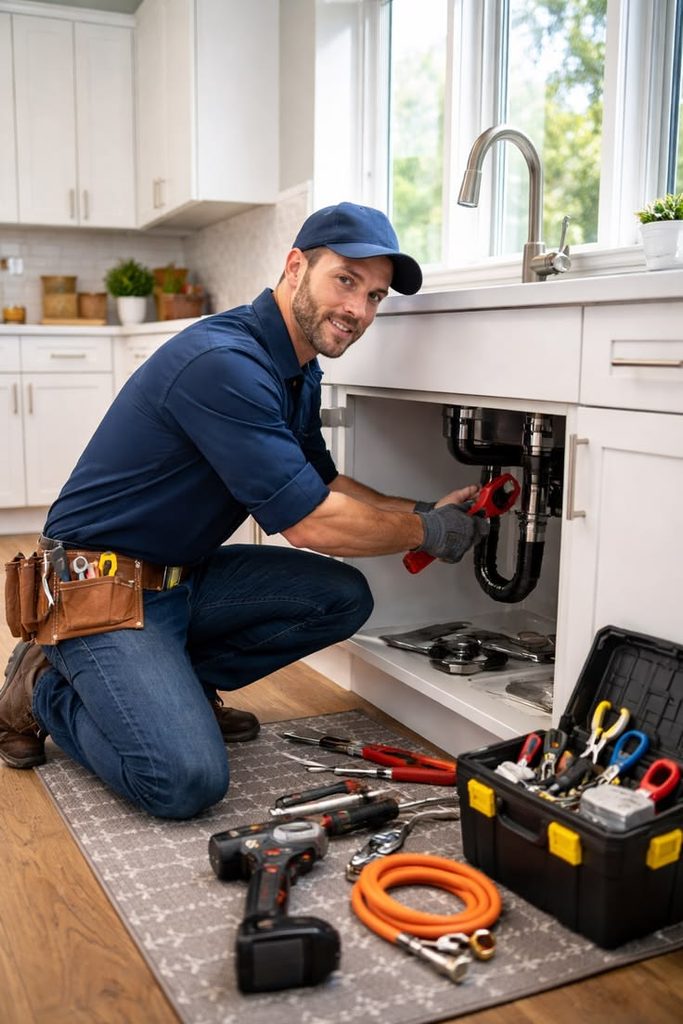
Something in your home will eventually stop working. A light may fail, a tap may leak, an appliance may stop working, or another problem may appear.
The first responsibility is knowing when you can safely handle something yourself.
Simple tasks can often be learned with practice and proper guidance. More serious electrical, plumbing, structural, or safety problems may require a qualified professional.
Do not attempt risky repairs simply because you want to save money.
You should also know how to report problems if you rent your home.
Keep records of important maintenance requests and understand who is responsible for different repairs.
Being independent does not mean fixing everything alone. Sometimes responsible adulthood means recognizing when you need professional help.
18. Protecting Your Personal Information
Your personal information has value, so protecting it becomes an important responsibility.
Passwords, financial details, identification numbers, addresses, and other private information should not be shared casually.
Use strong passwords and avoid using the same password everywhere when possible.
Be careful when clicking unfamiliar links or responding to unexpected requests for personal information.
You should also pay attention to where you store sensitive documents.
If something seems suspicious, slow down before responding.
Scammers often rely on urgency because people make faster decisions when they feel pressured.
Protecting yourself online is now part of everyday adult life.
A few careful habits can prevent problems that are much harder to fix later.

19. Making Your Own Financial Decisions
Nobody can make every financial decision for you once you become independent.
You may need to decide how much to save, what to buy, what to borrow, and which expenses deserve priority.
Friends and family can offer advice, but you still need to understand your own situation.
Do not make major financial decisions simply because everyone around you is doing something similar.
During my first serious financial decisions, I learned that advice can sound completely different when you are the person paying the bill.
Take time to understand the numbers before agreeing to something expensive.
You do not need to know everything about money to make better decisions.
You simply need to stop rushing and become comfortable asking questions before committing yourself.

20. Looking After Your Health
Taking care of your health becomes another personal responsibility when you live independently.
Nobody may remind you to rest, eat properly, attend appointments, take prescribed treatment correctly, or pay attention to changes in your wellbeing.
Your schedule can become busy enough that health starts feeling like something you will handle later. That can become a problem when small concerns are repeatedly ignored.
Build simple routines that support your wellbeing. Get enough rest, eat regularly, stay active in ways you enjoy, and seek appropriate professional care when needed.
You do not need a perfect lifestyle. The goal is to stop treating your health as something that can always wait. Your body is the one thing you carry into every part of your adult life.

21. Maintaining Important Relationships
Independence does not mean you stop needing people. Friendships, family relationships, professional connections, and supportive communities can all become important during adulthood.
The responsibility is learning how to maintain healthy relationships instead of expecting everyone else to do the work. You may need to check in, apologize, communicate honestly, and make time for people.
At the same time, adulthood can teach you that healthy boundaries matter. Not every relationship deserves unlimited access to your time, energy, or personal life.
Learning to communicate your needs respectfully can prevent many unnecessary misunderstandings. Good relationships require attention, patience, honesty, and effort.
Those skills can become especially important when adult responsibilities become stressful.

22. Making Important Decisions Alone
Some adult decisions cannot be handed back to someone else. You may eventually need to choose where to live, what job to accept, how to spend your money, or what responsibilities to take on.
Asking for advice is perfectly reasonable. Still, you eventually have to decide what makes sense for your life. Do not expect yourself to feel completely confident before every decision.
Sometimes confidence comes after you make the decision and learn how to handle the results.
During my first major independent decision, I wanted someone else to tell me exactly what to choose. Instead, I had to gather information and trust myself.
That experience helped me understand that adulthood is partly learning how to make decisions without perfect certainty. You can make mistakes and still become wiser from them.

23. Keeping Your Personal Space Organized
Your environment can affect your mood, productivity, and ability to find things. When you live alone, nobody else is responsible for keeping your belongings organized.
Clothes, documents, kitchen items, toiletries, cables, tools, and random household items can quickly become difficult to manage. You do not need a picture-perfect home.
You simply need systems that help you find what you need without creating unnecessary stress. Give commonly used items a regular place. Then return things there after using them.
Cleaning and organizing become easier when they happen regularly. A little order can save you time every day.
It also teaches you something important about adulthood: maintaining your environment is easier than constantly recovering from chaos.

24. Understanding Your Insurance Responsibilities
Insurance can become another adult responsibility once you begin owning property, driving, working, or managing other important parts of life.
The exact types of insurance you need can depend on your location and personal circumstances. What matters is understanding what your policies cover and what they do not cover.
Read important documents carefully and keep track of renewal dates. Do not assume you are protected simply because you have an insurance policy.
Ask questions when something is unclear. You should also know how to make a claim and what information may be required.
Insurance can feel unnecessary when everything is going well. However, understanding your coverage before an emergency happens can make a difficult situation much easier to handle.

25. Planning for Unexpected Expenses
Unexpected expenses are part of adult life, even when you have planned carefully. A household appliance can stop working, a family situation can change, or an urgent trip can suddenly become necessary.
You cannot predict every expense, but you can prepare for some of them. Keep emergency savings and avoid spending every dollar simply because it is available.
It can also help to learn which expenses happen regularly but not monthly. Annual renewals, seasonal costs, repairs, gifts, travel, and other occasional expenses can surprise you when you forget to plan for them.
Good financial planning leaves room for life to be imperfect. You do not need to panic every time something unexpected happens.
Instead, build enough flexibility into your finances so one surprise does not completely destroy your monthly plans.

26. Learning to Say No
Saying no becomes an important adult responsibility because your time and money have limits. Friends may invite you somewhere expensive, coworkers may ask for favors, or relatives may expect more than you can comfortably give.
You may feel guilty because you want to be helpful. Still, constantly saying yes can leave you exhausted, financially stretched, or unable to handle your own responsibilities.
A respectful no does not automatically make you selfish. Sometimes saying no protects your priorities and allows you to keep commitments you have already made.
You can be kind without agreeing to everything. Learning this skill can take time, especially when you are used to pleasing everyone around you.
But your adult life becomes easier when you understand your limits and communicate them clearly.

27. Handling Mistakes Without Blaming Everyone
Making mistakes is unavoidable once you begin handling more things yourself. You may forget a payment, misunderstand an agreement, buy something unnecessary, or make a decision that does not work.
The important responsibility is learning what to do afterward. Blaming everyone else may feel easier, but it rarely helps you improve.
Instead, look at what happened and identify what you can change next time. Apologize when your mistake affects another person.
Fix what you can, learn what you need to learn, and keep moving forward. Adulthood is not about becoming someone who never makes mistakes.
It is about becoming someone who can face mistakes honestly and take responsibility for the next step.

28. Learning How to Ask for Help
Independence does not mean doing everything completely alone. Sometimes the responsible thing is recognizing that another person has knowledge, experience, or skills you currently lack.
You might need help with finances, repairs, work decisions, paperwork, relationships, or another difficult situation. Asking for help can feel uncomfortable because you may worry about looking inexperienced.
But nobody knows everything when they first become an adult. Ask clear questions and listen carefully to useful answers.
You should still make your own decisions after receiving advice, especially when the issue is personal. Getting help can prevent a small problem from becoming much bigger.
Real independence includes knowing when you can handle something yourself and when another person can help you handle it better.

29. Managing Your Digital Life
Your digital life can become surprisingly complicated as you grow older. You may have email accounts, banking apps, work platforms, social media, subscriptions, cloud storage, and important digital documents.
Keeping these accounts organized becomes your responsibility. Use secure passwords, update important information, and remove accounts or subscriptions you no longer need.
You should also back up important files so one lost device does not destroy everything. Pay attention to what you post publicly because online information can remain accessible for a long time.
Your digital habits can affect your finances, work, relationships, and privacy. Taking a few minutes to organize your digital life can save you significant frustration later.

30. Planning Your Future
Adult responsibilities are not only about surviving the current month. You also need to think about where you are going and what you want your life to become.
Your goals may involve work, education, finances, relationships, housing, travel, or personal growth. You do not need to have your entire life figured out.
Instead, think about the next realistic step and the kind of future you want to build. Your plans can change as you learn more about yourself.
That does not mean you failed. It simply means you gained new information. The important thing is having some direction instead of constantly reacting to whatever happens next.
A simple plan can give your everyday responsibilities more purpose.

31. Learning to Handle Conflict
Conflict becomes part of adult life because you will eventually disagree with people. You may have disagreements with roommates, coworkers, family members, neighbors, friends, or partners.
Running away from every difficult conversation can create bigger problems later. At the same time, not every disagreement needs an argument.
Learn how to explain your concerns calmly and listen when another person speaks. You can disagree with someone without insulting them or trying to win every conversation.
If you made a mistake, acknowledge it. If someone crossed a boundary, communicate that clearly. Handling conflict responsibly is a valuable skill because avoiding every uncomfortable conversation can keep you stuck in situations that need attention.

32. Preparing for Major Life Changes
Adult life can change quickly. You may change jobs, move homes, end a relationship, begin a new one, return to school, relocate, or take on new family responsibilities.
Major transitions can affect your money, schedule, emotions, and daily routines. That is why flexibility becomes an important part of adulthood.
You do not need to predict every possible change. Instead, keep your finances organized, important documents accessible, and your support system strong.
If you are preparing for a major relocation, 25 Things to Figure Out Before Starting Life in a New City can help you think through that transition.
Life will not always follow the plan you created at twenty. Being prepared to adjust can make unexpected changes easier to handle.

33. Building Practical Life Skills
Adult responsibilities become much easier when you have practical skills to support them.
Knowing how to cook simple meals, clean your home, manage money, communicate clearly, and handle basic problems can save you time and stress.
You do not have to learn everything at once. Choose one useful skill, practice it, and gradually add another.
Small abilities become powerful when they work together. For example, knowing how to budget becomes easier when you can also cook affordable meals and plan your shopping.
If you want to strengthen those everyday abilities, 45 Life Skills to Learn Before Living on Your Own is a useful guide to explore. The goal is not perfection.
It is becoming capable enough to handle ordinary life without feeling completely overwhelmed by every new responsibility.

34. Protecting Your Future From Impulsive Decisions
Some adult choices can affect you long after the excitement has disappeared. Large purchases, unnecessary debt, rushed relationships, sudden moves, and major commitments can all create consequences.
You do not need to become afraid of making decisions. Instead, learn to pause before making choices that can seriously affect your money, safety, work, or future.
Give yourself time to think when the situation allows it. Ask what the decision will cost, what could go wrong, and how difficult it would be to change your mind later.
This simple pause can protect you from many avoidable problems. Growing up does not mean becoming overly cautious about everything. It means understanding that some choices deserve more thought than others.

35. Taking Responsibility for the Life You Are Building
The biggest adult responsibility may be accepting that your life gradually becomes shaped by your choices. Not everything that happens will be your fault.
You will still face circumstances you cannot control, people who disappoint you, unexpected problems, and situations that feel unfair. But you can often control how you respond and what you do next.
You can learn from mistakes instead of allowing them to define you. You can improve your finances, strengthen your skills, change unhealthy habits, and make better decisions over time.
You can also ask for help without feeling ashamed of needing support. Becoming responsible does not mean carrying the entire world on your shoulders.
It means becoming willing to participate actively in your own life instead of waiting for someone else to fix everything.

Final Thoughts
Adult responsibilities can look overwhelming when you see them all at once. But you rarely face every responsibility at the exact same time.
One month might bring a new bill. Another month might bring a difficult decision, household repair, career change, or unexpected expense. That is simply part of growing into your own life.
You will make mistakes, forget things, change your mind, and occasionally wonder how everyone else seems to know what they are doing. The truth is that many adults are still learning too.
The goal is not to become perfect at adulthood. It is to become more prepared, responsible, flexible, and confident with each new experience.
Take one responsibility at a time and build simple systems that make your life easier. The more you practice handling ordinary responsibilities, the less frightening major responsibilities become.
You are not expected to know everything today. You are simply learning how to become the person who can handle tomorrow.
Leave a Reply