Getting your first credit card can feel like one of those moments that says, “You are officially an adult now.” You finally have access to money you can use today and repay later.
That sounds convenient, but it can also become expensive very quickly. A credit card is not extra income waiting for you whenever money gets tight. It is borrowed money that comes with rules, deadlines, and consequences.
The exciting part is that your first credit card can help you build a strong financial future. Used carefully, it can help you establish credit, handle planned expenses, and learn how borrowing works.
Used carelessly, it can create debt that follows you for years. If you are also preparing for independent living, understanding money should become one of your biggest priorities.
You can also learn more from 35 Firsts to Prepare for When You Become an Independent Adult as you prepare for this stage.

25 Things to Know Before Getting Your First Credit Card
1. A Credit Card Is Borrowed Money
The first thing to understand is simple: the money on your credit card belongs to the card company. When you use the card, you are borrowing money and agreeing to repay it later.
That means your available credit is not the same thing as money sitting inside your bank account. It can be easy to forget this when your card keeps working at the checkout.
You might see a $1,000 credit limit and start thinking you can spend $1,000 freely. Instead, think of the limit as the maximum amount you are allowed to borrow.
Your real spending limit should come from money you can comfortably repay. For example, having available credit does not mean you can comfortably afford another expensive purchase.
You still have rent, groceries, transportation, utilities, savings, and other financial responsibilities. Using credit for something you cannot repay can create financial pressure later.
Interest charges can also make purchases more expensive when balances remain unpaid. That is why it helps to think about repayment before making a purchase.
Ask yourself whether you could comfortably pay the amount back when your statement arrives. This mindset can protect you from many problems later.
You are using the card for convenience, not creating another income source. Your credit limit belongs to the lender, while your budget belongs to you.
Keeping that difference clear can help you make more careful decisions with every purchase. A credit card can be useful when you understand that borrowed money still needs repayment.
2. Your Credit Limit Is Not Your Spending Budget
A credit card company might approve you for more money than you actually need. That does not mean you should spend close to the full limit.
Your personal budget should always decide your spending, not the number printed beside your credit limit. For example, you might receive a $2,000 limit while earning a modest monthly income.
Spending $1,800 simply because the card allows it could leave you struggling later. Rent, food, transportation, utilities, savings, and other responsibilities still need attention.
Before using your card, consider whether the purchase already fits comfortably within your budget. If you cannot afford the purchase without relying heavily on future income, pause first.
The available credit may look like extra money, but it is still borrowed money. During my first serious budgeting period, I learned that available money can disappear faster than expected.
That experience taught me to separate what I could access from what I could actually afford. Your credit card should follow your budget, never the other way around.
You can also set a personal spending limit below your official credit limit. This can make it easier to control spending and avoid carrying an uncomfortable balance.
Remember that a higher credit limit does not automatically mean you have more money. It simply gives you more borrowing capacity if you choose to use it.
Keeping your spending comfortably below what you can repay can make credit easier to manage.
Keep this guide nearby: How to Build Confidence During Your First Year of Adult Life.

3. Know the Difference Between Credit and Debit
A debit card normally takes money directly from your bank account when you make a purchase. A credit card allows you to borrow money from the card issuer and repay it later.
Understanding that difference can completely change how you use each card. With a debit card, spending usually reduces the money already available to you.
With a credit card, spending increases the amount you owe later. That difference makes credit cards useful, but it also makes them easier to misuse.
When you use debit, you are generally spending money you already have available. When you use credit, you are creating an obligation to repay what you borrowed.
You should know which card you are using before making bigger purchases. Accidentally treating credit like debit can create a balance you never planned to carry.
It can also make your account look healthier than it really is. For example, seeing money in your bank account does not necessarily mean you can ignore your credit balance.
You still need to remember that previous purchases may need repayment later. Take your time learning this difference because it becomes important as financial responsibilities grow.
Understanding both cards can help you choose the right payment method for different situations. It can also help you avoid spending borrowed money without considering the repayment.
The goal is not to fear credit cards or avoid them completely. The goal is understanding exactly where the money comes from and what happens afterward.
That knowledge can help you become more intentional with your everyday financial decisions.
Read this next: How to Manage the Responsibilities of Living on Your Own.
4. You Need to Understand Your Interest Rate
Your credit card may come with an annual percentage rate, commonly called APR. This rate helps determine how expensive your borrowing can become when you carry a balance.
A higher APR generally means carrying debt can cost you more over time. You do not need to become a financial expert before getting your first card.
Still, you should understand the basic terms attached to your account before using it. Read the agreement carefully and look for the interest rate, fees, payment rules, and other important costs.
Also check whether different types of transactions have different rates or fees attached. Understanding these details can help you avoid surprises when your statement arrives.
The easiest way to avoid most interest charges is paying your statement balance in full. That habit keeps borrowing from becoming unnecessarily expensive when your account terms allow it.
It also makes your credit card much easier to manage from month to month. Before making a purchase, consider whether you can comfortably repay the amount.
This simple habit can help you avoid building a balance that becomes difficult later. If you carry a balance, understand how interest may affect what you eventually repay.
Your credit card agreement should explain these costs, so take time to read it carefully. A few minutes of reading now can prevent unnecessary confusion after you start using the card.
Worth a look: How to Prepare for Your First Utility Bills

5. Paying the Minimum Is Not Always Enough
Your credit card statement may show a minimum payment that keeps your account current. That amount can look attractive when money feels tight or your budget feels stretched.
However, paying only the minimum can allow your balance to remain for a long time. Interest may continue building on the unpaid balance, depending on your account terms.
As the balance stays around, future payments can become harder to manage. A small purchase can become much more expensive when debt remains unpaid over time.
Your goal should be paying the full statement balance whenever you reasonably can. That requires watching your spending before the statement arrives each month.
Before using your card, consider whether the purchase fits comfortably within your current budget. If you already know money is tight, spending less with the card is usually safer.
Relying on minimum payments can make it easier to keep adding new purchases. Eventually, those purchases can create a balance that feels difficult to control.
Remember that the minimum payment is generally the smallest required amount, not necessarily your ideal payment.
Paying more can help you reduce the balance faster and limit how long debt remains. You should also check your statement regularly so you know exactly what you owe.
Understanding your balance can help you make better decisions before the next payment date. The goal is using your card in a way that remains manageable for your income.
Save this for later: 25 Things to Do Before Living on Your Own for the First Time.

6. Learn What Your Billing Cycle Means
Your credit card has a billing cycle that covers a specific period of purchases. At the end of that period, your card issuer creates a statement showing what you owe. Understanding these dates makes managing your card much easier.
The statement normally includes your balance, minimum payment, payment due date, and other account information. Purchases made during different periods may appear on different statements.
That is why knowing your billing cycle can help you plan your payments properly.
Do not wait until you are confused by your first statement. Read it carefully when it arrives and check every important detail. Learning this early can make credit card management feel much less stressful.
Don’t lose this list: 35 Things Nobody Tells You About Moving Out for the First Time.

7. Your Payment Due Date Matters
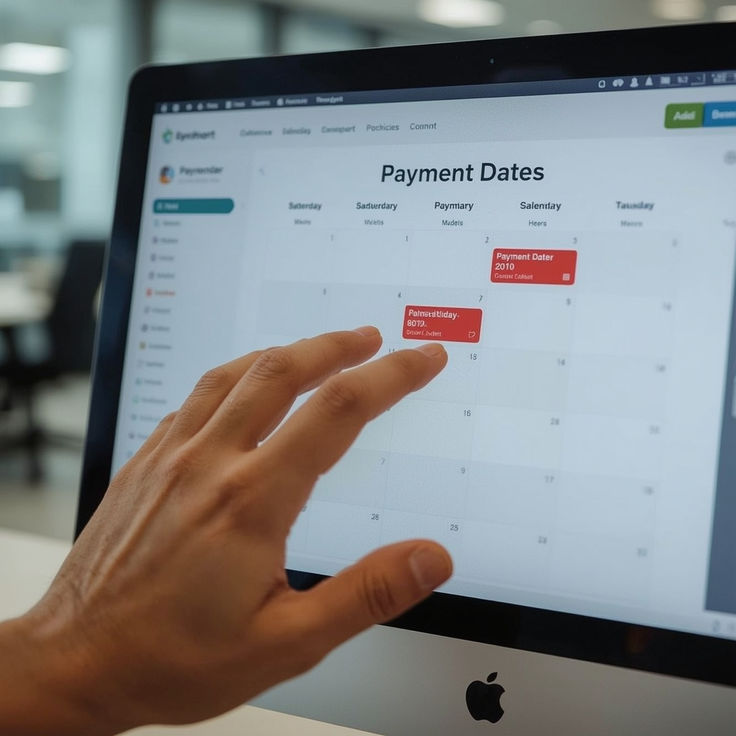
Your payment due date is one of the most important dates connected to your credit card. Missing payments can lead to fees, interest charges, and possible damage to your credit history. One forgotten deadline can create problems that were completely avoidable.
Choose a payment routine that works naturally with your life. You can use calendar reminders, banking alerts, or automatic payments when available.
The important part is creating a system that helps you remember.
I once underestimated how quickly several financial deadlines could pile up during a busy month. Since then, I have preferred putting important payment dates somewhere I can easily see them.
Your future self will appreciate having a simple system instead of depending on memory.
Bookmark this post: What to Expect During Your First Week Living Alone.
8. Late Payments Can Cause Problems
A late credit card payment is more than an annoying reminder from your card company. Depending on the situation, you could face late fees, additional costs, or negative information on your credit history.
The exact consequences depend on your account and payment history.
This is why you should treat your due date like an important monthly responsibility. Do not assume you will remember it automatically after several months. Life gets busy, bills arrive together, and small mistakes can happen quickly.
Setting reminders can remove much of that pressure. Automatic payments may also help, but you should still monitor your account. Never set up automatic payments and then completely forget about the card.
You’ll thank yourself later: How to Navigate Your First Month of Independent Living.

9. Credit Cards Can Help Build Credit
One major reason people get credit cards is to start building a credit history. Your credit history can become important when applying for certain loans, housing, and other financial products.
Responsible credit use can help show lenders that you manage borrowed money carefully.
However, simply owning a credit card does not automatically create excellent credit. Your payment history, balances, account age, and other factors can influence your credit profile. Good habits matter much more than simply having the card.
Start small and focus on consistency. Pay your bills on time, keep spending manageable, and avoid borrowing money you cannot repay. You are building financial habits alongside your credit history.
Keep this handy: How to Prepare Financially Before Living on Your Own.

10. Your Credit Score Is Not the Same as Your Credit Card
A credit card is an account you use to borrow and repay money. A credit score is a number created from information in your credit reports. The two are connected, but they are not the same thing.
Your credit score can change based on several parts of your credit behavior. Payment history, amounts owed, credit history length, and other factors can affect your score. Different scoring systems can also produce different scores.
You do not need to obsess over your number every day. Instead, focus on the habits that support healthy credit over time. Paying bills on time and managing debt responsibly can matter more than chasing a perfect score.
Take a peek: What to Do Before Signing Your First Lease.

11. Keep Your First Card Simple
Your first credit card does not need to have every feature available in the financial world. You do not need complicated rewards, several premium benefits, or a huge credit limit to begin learning. Simple can actually be better when you are starting.
Look for a card with terms you understand and costs you can manage. Pay attention to annual fees, interest rates, foreign transaction fees, and other charges. Read the agreement instead of choosing a card simply because someone online recommends it.
Your first card should help you learn good habits. It should not encourage you to spend more just because it offers exciting rewards. Start with something you can understand clearly.
You’ll want to come back to this:How to Prepare for Your First Grocery Shopping Trip.

12. Rewards Should Not Control Your Spending
Cash back, points, travel rewards, and other benefits can make credit cards look exciting. Still, rewards should never become the reason you buy something you do not need. Getting a few points is not worth creating expensive debt.
Imagine spending $500 just to earn a small reward while carrying the balance for months. The reward becomes meaningless when interest and fees start adding up. Your spending decisions should come from your needs and budget first.
Use rewards as a bonus, not as permission to spend. If you already planned the purchase and can repay it, the reward can be useful. If the reward changes your decision, step back before paying.
This changes everything: How to Prepare for Your First Apartment Viewing.

13. You Should Track Every Purchase
Checking your credit card regularly helps you understand where your money is going. It also makes it easier to notice charges you do not recognize. Waiting until the end of the month can make small purchases harder to remember.
You do not need a complicated spreadsheet to track your spending. Checking your banking app regularly can already give you a clearer picture. You can also compare your transactions against your receipts and personal budget.
When you see your spending clearly, unnecessary purchases become easier to identify. That awareness can prevent your balance from quietly growing. A credit card should never become a place where forgotten purchases hide.
Keep this guide nearby: What to Expect When You Move Out for the First Time.

14. Watch Out for Unfamiliar Charges
Sometimes you may notice a transaction you do not recognize on your statement. It could be a forgotten subscription, a merchant using a different business name, or an actual unauthorized transaction. Do not ignore unfamiliar charges until you understand them.
Check your receipts, subscriptions, emails, and recent purchases first. If something still looks wrong, contact your card issuer using an official customer service channel. Acting quickly can make problems easier to investigate.
Make checking your transactions part of your normal financial routine. You do not need to become paranoid about every purchase. You simply need to stay aware of what happens inside your account.

15. Avoid Using Credit for Every Emergency
A credit card can be useful during certain unexpected situations, but it should not become your entire emergency plan. Borrowing money for every problem can quickly create a balance that becomes difficult to repay.
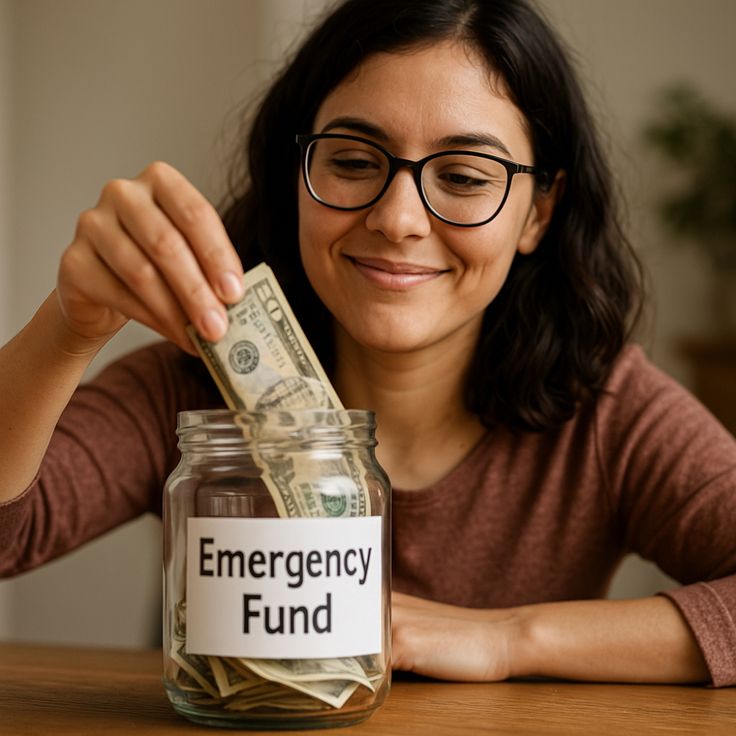
Building an emergency fund gives you another option when unexpected expenses appear. Even small savings can help you handle minor problems without immediately reaching for your credit card.
At first, saving an emergency fund may feel slow and frustrating. Keep going anyway because financial security usually grows through small, repeated actions. Your credit card can remain available without becoming your first response to every financial problem.
16. Cash Advances Can Be Expensive
Some credit cards allow you to withdraw cash using the card. This is called a cash advance, and it can come with different fees and interest rules. You should understand those costs before considering this option.
A cash advance can feel convenient when you urgently need money. However, convenience does not always mean affordability. Read your card’s terms carefully so you understand the charges connected with cash withdrawals.
For everyday financial planning, having savings is usually a better starting point. Your first credit card should not become your personal emergency cash machine. Knowing this before an emergency happens can help you make calmer decisions later.

17. Understand Your Card’s Fees
Credit cards can have different fees depending on the card and the way you use it. Some cards charge annual fees, while others may have charges connected with certain transactions. The exact costs depend on the card agreement.
Before applying, look carefully at the pricing and fee information. Do not focus only on rewards or promotional offers. A card that looks attractive at first may become expensive if its fees do not fit your situation.
Ask yourself how the card fits your actual life. You want a card whose costs make sense for your spending habits. Knowing the fees before applying can save you from unpleasant surprises later.

18. Promotional Offers Do Not Last Forever
Some credit cards advertise introductory offers that look extremely attractive. These offers may include temporary interest rates, bonus rewards, or other benefits. Always check how long the promotion lasts and what happens afterward.
A low introductory rate can make borrowing feel safer than it really is. Once the promotional period ends, the regular terms may apply. You should understand those regular terms before opening the account.
Read the fine print instead of focusing only on the exciting headline. Knowing what happens after the promotion ends can help you avoid unpleasant surprises. A good financial decision should still make sense after the offer disappears.

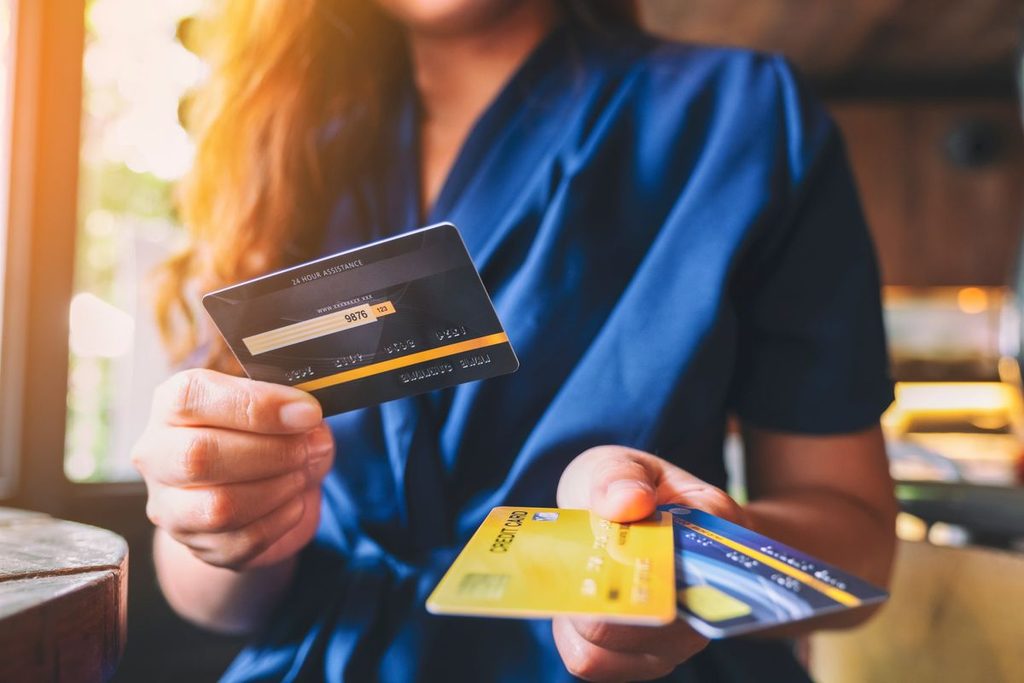
19. Do Not Apply for Too Many Cards at Once
When you first learn about credit cards, you may see many attractive offers. Applying for several cards quickly can seem like a smart way to collect rewards or increase your available credit. It can also make your finances harder to manage.
Every new account adds another statement, payment date, and set of terms to remember. Multiple applications can also affect your credit profile in different ways. The exact impact depends on the lender and the type of credit inquiry.
Start with a card you understand and can manage responsibly. You can always learn more about other products later. Your first goal should be building strong habits, not collecting cards.
20. Closing a Card Is Not Always Simple
You might eventually decide that you no longer want your first credit card. Before closing it, understand that closing an account can affect parts of your credit profile. The impact depends on your overall credit history and other accounts.
You should also check for any remaining balance before closing the card. Never assume closing an account automatically removes money you still owe. Your responsibilities continue until the balance has been handled properly.
Take time to understand your situation before making the decision. If you are unsure, researching the possible effects can help you choose carefully. Your first card may become useful for longer than you initially expected.

21. Protect Your Card Information
Your credit card information should be treated like important financial information. Avoid sharing your card number casually with people you do not trust. Be careful when entering card details online, especially on unfamiliar websites.
You should also protect your account passwords and security information. Use strong passwords and enable available security features on your account. Banking alerts can also help you notice transactions quickly.
If your card is lost or stolen, contact your card issuer as soon as possible. Keep important customer service information somewhere safe before you need it. Being prepared can make a stressful situation much easier to handle.

22. Never Feel Pressured to Spend
Having a credit card can sometimes create social pressure to spend. Friends may suggest expensive dinners, trips, shopping, or entertainment because you can technically pay today. Remember that you are responsible for the bill afterward.
You do not need to prove adulthood by spending money you cannot comfortably repay. Saying no to an expensive plan can protect your future finances. A simple budget can give you confidence when making these decisions.
During my early adult years, I learned that financial independence sometimes means disappointing people temporarily. That lesson helped me stop confusing social pressure with genuine affordability. Your future goals deserve protection too.

23. Read Your Statements Every Month
Your monthly statement tells an important story about how you used your credit card. It shows purchases, payments, fees, balances, and other account details. Reading it regularly helps you stay aware instead of guessing.
You can use this time to check your spending against your budget. Look for unfamiliar transactions and confirm that your payments were received. Notice patterns that could become problems if they continue.
This simple habit can take only a few minutes each month. Still, those few minutes can help you catch mistakes and control your spending. Financial confidence often comes from paying attention to small details consistently.

24. Your First Card Can Teach You Good Money Habits
Your first credit card is not only about building credit. It can also teach you how to plan spending, track bills, meet deadlines, and control impulses. Those lessons can become useful across many areas of adult life.
Think of the card as a practice ground for responsible borrowing. Spend intentionally, check your account regularly, and pay your balance responsibly. These habits can make larger financial responsibilities easier to handle later.
The goal is not to become perfect with money overnight. You are learning how financial decisions affect your present and future life. Start small, stay consistent, and give yourself room to learn from ordinary mistakes.

25. Never Borrow More Than You Can Repay
This may be the most important rule to remember before getting your first credit card. Just because the card company gives you access to money does not mean you need to use it. Your income and budget should always guide your spending.
Before making a purchase, think beyond today and consider the payment waiting later. Ask yourself if you could comfortably repay the balance without sacrificing essentials. If the answer feels uncertain, waiting may be the smarter choice.
Your first credit card can become a helpful financial tool when you use it carefully. It can also become a serious burden when spending gets ahead of your income. Start slowly, learn the rules, and protect the financial freedom you are working so hard to build.

Final Thoughts
Getting your first credit card can feel exciting, confusing, and slightly scary at the same time. You are stepping into a part of adulthood that comes with real financial responsibility. The good news is that you do not need to know everything immediately.
Start by understanding what you are borrowing and how repayment works. Learn your billing cycle, payment date, interest rate, fees, and account rules. Most importantly, build your spending around money you can actually repay.
A credit card should support your financial life instead of quietly controlling it. Use it with intention, check your statements, protect your information, and stay honest about your budget. Good credit habits usually come from small choices repeated consistently.
Your first card does not need to be perfect. What matters most is learning how to handle it responsibly from the beginning. That lesson can stay with you long after the first card leaves your wallet.
Leave a Reply