Adulthood does not arrive with a welcome package, instructions, or someone explaining what happens next. One day, you are simply living your normal life, and suddenly everything starts needing your attention.
Your first serious bill arrives, your first important decision appears, and nobody tells you what happens.
That is when you realize growing up is really a collection of unexpected firsts. Some firsts feel exciting, while others can leave you staring at the ceiling.
You might celebrate your first paycheck but worry about managing it properly afterward. You might enjoy your first apartment but suddenly wonder how everything stays clean.
During my first real experience with independent adulthood, I expected the big moments to matter most. Instead, I remember the small responsibilities that quietly changed how I saw myself.
Things like paying for something important, fixing a problem, making plans, and handling disappointment felt different. Nobody had announced that those ordinary moments were teaching me how adulthood actually worked.
That is why preparing for your first adult experiences matters more than chasing perfection. You will still face surprises, but you can enter them with better expectations.
The more you understand what may come, the less frightening those moments can feel.
If you are preparing to move out, 35 Things Nobody Tells You About Moving Out for the First Time is a helpful place to begin.

35 Firsts to Prepare for When You Become an Independent Adult
1. Your First Time Paying All Your Own Bills
Paying your own bills can feel strangely satisfying, even when the amounts seem uncomfortable. For the first time, your income is directly connected to keeping your everyday life running.
Rent, electricity, water, internet, transportation, and other costs may all need regular attention. You quickly learn that earning money and managing money are two different skills.
A good income can still disappear quickly when spending has no clear direction. Start by listing your regular bills and giving each one a place within your budget.
Then keep track of payment dates so important expenses do not catch you unprepared. This first experience can teach you discipline that becomes useful for many years.
Everyone’s clicking on this: 25 Things to Do Before Living on Your Own for the First Time

2. Your First Serious Monthly Budget
Creating a serious budget feels different when other people are no longer covering your basic expenses. You start seeing exactly how much your everyday choices can affect your financial situation.
A few small purchases may not seem important until you add them together. Your budget should include necessities, savings, personal spending, transportation, and unexpected costs.
Do not create a budget that looks impressive but feels impossible to maintain. Keep it simple enough that you can check it regularly without feeling overwhelmed.
The goal is knowing where your money goes before it disappears without explanation.
For more preparation, 25 Things to Do Before Living on Your Own for the First Time can help you organize your finances and other responsibilities.
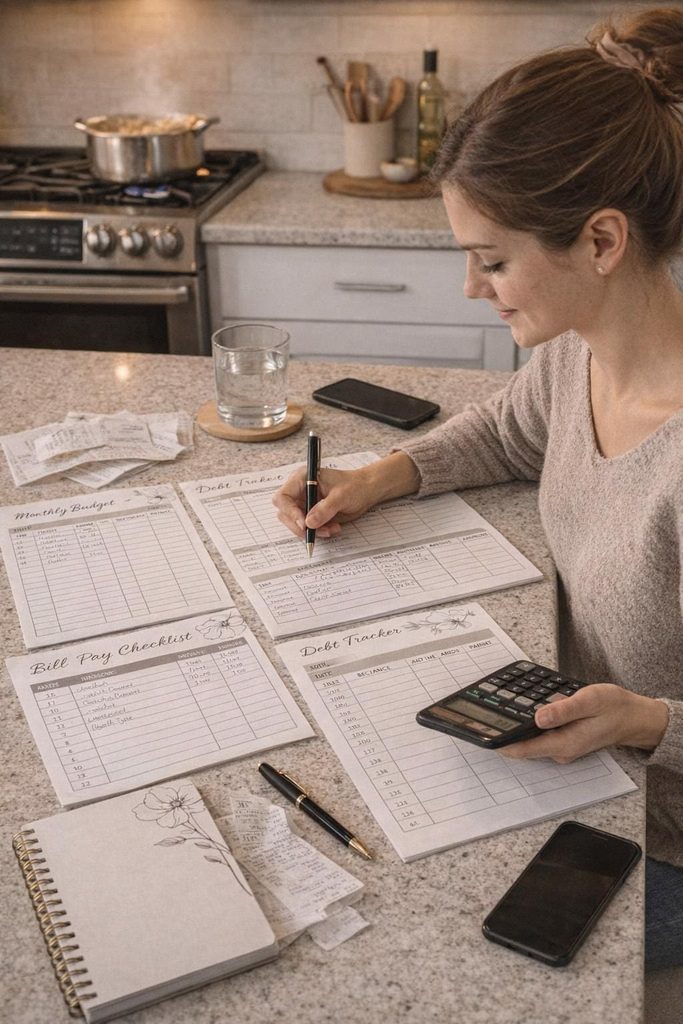
3. Your First Emergency Expense
Your first unexpected expense can teach you why preparation matters. A phone may break, an appliance may stop working, or transportation may suddenly cost more.
These situations become stressful when your budget has no room for surprises. Try building a small emergency fund before spending every available amount.
Even a modest amount can give you some breathing room during difficult moments. You should also know which expenses are urgent and which ones can wait.
That distinction can stop you from making rushed financial decisions when something goes wrong. Your first emergency expense may be frustrating, but it can teach valuable financial habits.
Don’t be the last to see this: 35 Things Nobody Tells You About Moving Out for the First Time

4. Your First Time Making a Major Decision Alone
Some adult decisions cannot be handed back to your parents or someone else. You may need to choose a home, accept a job, change plans, or handle conflict.
At first, making these choices alone can feel uncomfortable and surprisingly serious. You might worry about choosing incorrectly because the consequences now affect your own life.
Give yourself time to gather useful information before deciding whenever the situation allows. Talk to trusted people, compare your options, and think about what matters most.
Then make your choice and accept that learning sometimes happens after the decision. Confidence usually grows from making decisions, not from waiting until you feel completely ready.

5. Your First Time Saying No Without Feeling Guilty
Saying no becomes an important adult skill because your time and money have limits. Friends may invite you somewhere, relatives may ask for help, or someone may need something.
You cannot agree to everything without eventually exhausting your energy or resources. A simple no can protect your budget, schedule, boundaries, and personal priorities.
You do not need a long explanation every time you decline something. Being respectful matters, but protecting yourself does not make you selfish.
The first few times may feel uncomfortable, especially if you usually please everyone. With practice, you learn that healthy boundaries can actually improve your relationships.
Find your favorite: How to Build Confidence During Your First Year of Adult Life

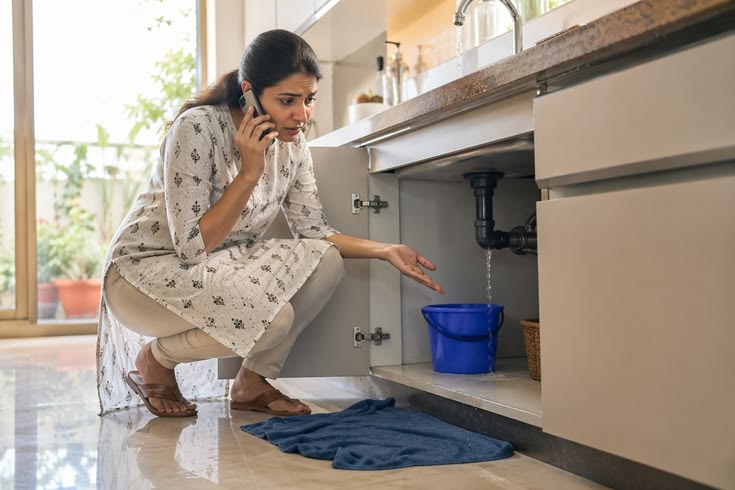
6. Your First Time Handling a Household Problem
Living independently means small household problems eventually become your responsibility. A leaking tap, blocked drain, broken switch, or faulty appliance can interrupt your normal routine.
Your first reaction may be panic, especially when you have never handled that problem before. Start by checking whether the problem is simple enough for you to manage safely.
If it is not, contact the appropriate person instead of experimenting with something risky. Keep important repair contacts saved so you are not searching during an emergency.
Each household problem you handle can make the next one feel less intimidating. That growing confidence is one of the quieter rewards of becoming independent.
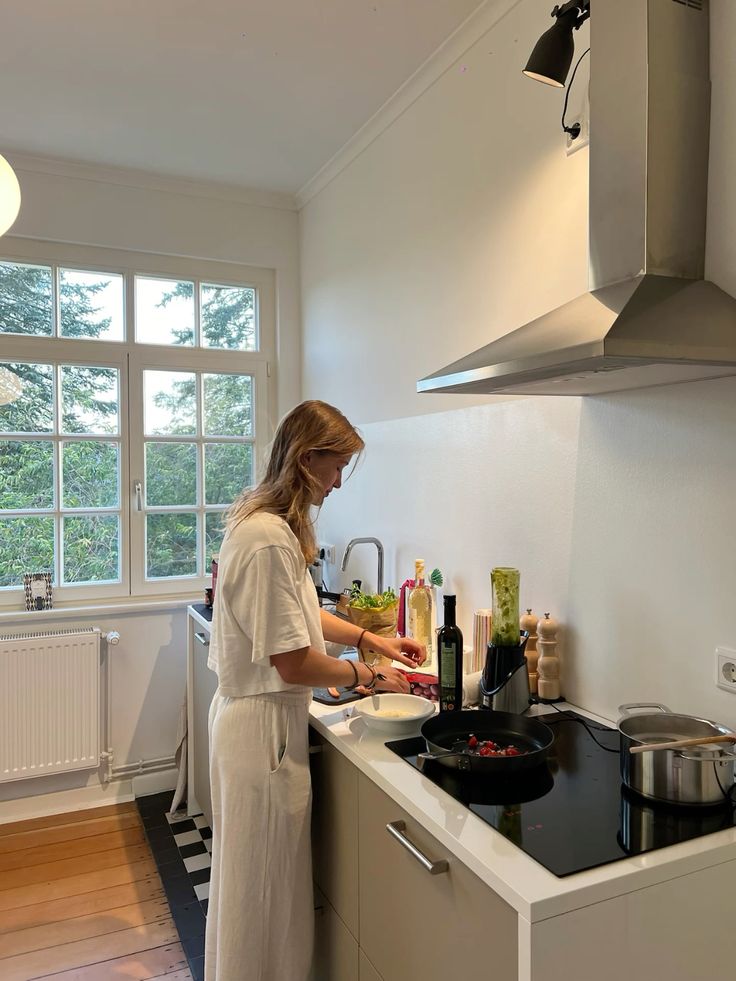
7. Your First Time Cooking for Yourself Regularly
Cooking once for yourself is easy compared with feeding yourself consistently. Sooner or later, you realize you need meals even when you are tired.
You may have work, school, errands, and other responsibilities competing for your attention. Simple meals can become your best friend during busy weeks.
Learn a few affordable dishes that you can prepare without complicated ingredients. You can also prepare some food ahead when your schedule gives you enough time.
The goal is not becoming a perfect cook but becoming comfortable feeding yourself. That small skill can save money and make your daily routine much easier.
Keep the ideas coming: How to Manage the Responsibilities of Living on Your Own
8. Your First Grocery Shopping Trip With Your Own Money
Your first independent grocery trip can teach you more about budgeting than expected. You suddenly notice how quickly small items can increase the final amount.
A basket that looks manageable can become surprisingly expensive at the checkout. Create a basic list before shopping and focus on what you genuinely need.
Compare prices when useful, but do not buy something simply because it looks cheaper. Think about how often you will actually use each item before adding it.
Over time, you will develop a grocery routine that matches your budget and lifestyle.

9. Your First Time Managing Your Own Credit
Credit can become part of adult life long before you feel completely prepared. You may eventually consider a credit card, loan, phone plan, or other financial arrangement.
Before borrowing money, understand how repayment, interest, fees, and payment dates work. Never treat borrowed money like free money because the amount still belongs to someone else.
A small financial decision today can affect your future choices in unexpected ways. If a credit card is your next major financial first, 25 Things to Know Before Getting Your First Credit Card can help you prepare.
Understanding credit early can help you avoid mistakes that become expensive later.

10. Your First Major Purchase
Your first major purchase can feel exciting because you are spending your own money. It could be furniture, electronics, appliances, a laptop, or something else you genuinely need.
Before buying, think beyond the excitement of finally owning the item. Ask yourself how often you will use it and how long you expect it to last.
Check your budget and make sure the purchase does not damage important financial goals. Sometimes waiting several days can help you decide more clearly.
Learning to pause before spending can become one of your strongest adult habits.
Don’t miss this: How to Prepare for Your First Utility Bills
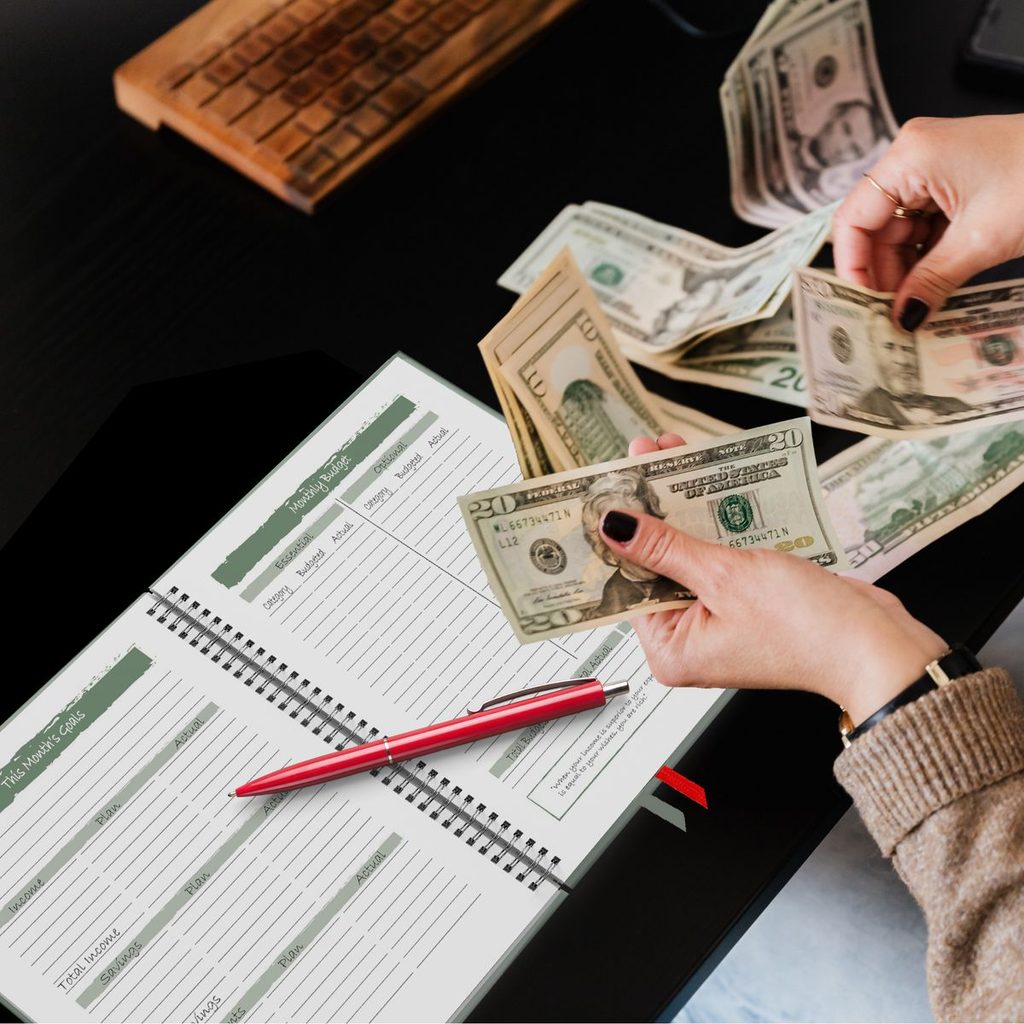
11. Your First Time Living Completely by Your Own Routine
Having your own routine can feel wonderful because nobody is constantly telling you what comes next. You choose your wake-up time, meals, bedtime, cleaning schedule, and personal activities.
That freedom can become difficult when there is nobody pushing you to stay disciplined.It becomes easy to postpone laundry, sleep late, skip meals, or ignore important tasks.
Create simple routines that support your health and responsibilities without becoming too strict. A routine should make your life easier rather than make every day feel controlled.
You can change it as your work, finances, and personal needs develop.

12. Your First Time Dealing With a Difficult Neighbor
Living around other people means you may eventually face an uncomfortable neighbor situation. Someone might make excessive noise, misuse shared areas, or ignore basic community rules.
Your first instinct might be anger, especially when the problem repeatedly affects your home. Try addressing reasonable issues calmly before allowing frustration to grow.
If the problem continues, use the proper building or community process for handling disputes. You do not need to turn every disagreement into a personal battle.
Learning to handle everyday conflict calmly can become useful far beyond your home.
Trust me, you’ll want to read this: What to Expect During Your First Week Living Alone

13. Your First Time Setting a Real Adult Boundary
Adult boundaries can involve your time, money, home, relationships, privacy, or emotional energy. You may realize that something you previously accepted no longer works for you.
Setting a boundary can feel uncomfortable when people are used to having easy access. Still, healthy relationships should leave room for honest limits and personal needs.
Explain your boundary clearly without turning the conversation into an unnecessary argument. Then remain consistent because boundaries become confusing when they constantly change.
Your first serious boundary may feel difficult, but it can teach you self-respect.

14. Your First Time Handling a Workplace Problem
Work brings a different kind of responsibility because your choices can affect your income. You may eventually deal with a difficult coworker, misunderstanding, missed deadline, or stressful assignment.
Your first serious workplace problem may leave you unsure about what to say. Before reacting emotionally, understand what happened and decide what needs fixing.
Communicate clearly and respectfully, especially when the situation involves another person. Keep important work information organized so you can explain your side accurately.
You will not handle every workplace problem perfectly, but each experience can improve your judgment.

15. Your First Time Managing a Busy Week Alone
There may come a week when everything seems to happen at once. Work, appointments, errands, bills, cleaning, social plans, and personal responsibilities can quickly pile together.
That week can show you how important planning becomes during independent adulthood. Start by writing everything down instead of trying to remember every task mentally.
Separate urgent responsibilities from things that can wait until another day. Leave some empty space because unexpected problems can appear without warning.
Learning to manage a busy week can make future demanding periods much easier.

16. Your First Time Making a Mistake That Affects You Financially
Financial mistakes can feel especially painful when you are responsible for fixing them yourself. Maybe you buy something unnecessary, miss a payment, or underestimate an important expense.
The mistake may frustrate you, but it can also reveal something about your habits. Look at what happened without spending too much time blaming yourself.
Ask what you can change so the same problem becomes less likely next time. You may need better reminders, stricter spending limits, or more careful planning.
The goal is learning from the mistake instead of allowing shame to control your decisions.

17. Your First Time Dealing With Loneliness
Being independent can give you privacy while also creating moments of unexpected loneliness. You may return home after a busy day and find the place completely quiet.
At first, that silence can feel peaceful, but some evenings may feel surprisingly empty. Stay connected with people you care about while building a healthy relationship with yourself.
Call someone, visit friends, join activities, or simply spend time somewhere outside home. You can also learn to enjoy quiet evenings without treating loneliness as something frightening.
During my first extended period of independence, I learned that quietness felt very different each evening. Some nights felt peaceful, while others reminded me how much I valued familiar company.
That experience helped me build better routines around connection and personal time.

18. Your First Time Asking for Professional Help
Adulthood sometimes requires help from people with skills you do not have. You may need a mechanic, plumber, accountant, lawyer, technician, counselor, or another professional.
Trying to handle everything yourself can sometimes waste money, time, or energy. Learn to recognize the difference between a problem you can solve and one needing expertise.
Before hiring someone, ask about the service, cost, timing, and important details. Keep records of important conversations and payments whenever appropriate.
Asking for professional help does not make you less independent. It means you understand your limits and know how to find practical solutions.

19. Your First Time Making a Big Career Choice
Your career can become one of the biggest parts of your adult life. You may eventually consider changing jobs, learning new skills, accepting an opportunity, or starting something different.
The first major career decision can feel overwhelming because money and future plans may be involved. Give yourself time to consider the practical and personal sides of the choice.
Think about income, growth, work environment, location, skills, and your long-term goals. You do not have to know exactly where your career will end.
Sometimes the first opportunity simply teaches you what you want next.

20. Your First Time Managing a Major Change
Adulthood rarely follows one fixed plan from beginning to end. You may move, change jobs, end a relationship, start school, relocate, or change financial goals.
Major changes can feel unsettling because familiar routines suddenly disappear. Give yourself time to understand the new situation before making unnecessary decisions.
Focus on what you can control instead of trying to predict every outcome. If a major move is approaching, 45 Things to Do Before Your First Big Move can help you prepare more practically.
Change becomes easier to manage when you break it into smaller steps.

21. Your First Time Starting Over Somewhere New
Starting over in a new place can be exciting but surprisingly uncomfortable. You may need to find new stores, routes, friends, services, and routines from scratch.
Even simple errands can take longer while you learn your surroundings. Give yourself time to become familiar with the area instead of expecting instant comfort.
Explore gradually and pay attention to places that become useful during your normal routine. If you are moving to a different city, 25 Things to Figure Out Before Starting Life in a New City can help you prepare.
A new environment can eventually feel familiar once you create enough positive routines there.

22. Your First Time Buying or Seriously Considering a Car
A car can provide convenience, but it also creates ongoing financial responsibilities. You may need to think about fuel, maintenance, insurance, parking, repairs, registration, and other costs.
The purchase price is only one part of owning a vehicle. Before making a decision, calculate what keeping the car may cost each month.
Consider your income and other priorities before committing to a major transportation expense. Your first vehicle decision can affect your budget for several years.
Taking time to understand the full picture can help you avoid unnecessary financial pressure.

23. Your First Time Handling Important Documents Alone
Important paperwork becomes more common as you take greater responsibility for your life. You may handle housing documents, employment records, banking information, insurance papers, or transportation documents.
It can feel confusing when several forms require different information and deadlines. Create a simple filing system for physical and digital documents.
Read important documents carefully before signing and ask questions about anything unclear. Keep copies of records you may need later for financial or administrative reasons.
Being organized with documents can save you considerable stress during future adult responsibilities.

24. Your First Time Realizing Nobody Has All the Answers
One surprising part of adulthood is discovering that older people are still figuring things out. You may once have assumed adults knew exactly what they were doing.
Then you become responsible for your own choices and realize everyone learns through experience. That realization can actually make adulthood feel less frightening.
You do not need to know everything before making progress. You need to know how to learn, ask useful questions, research information, and adjust.
Confidence comes from knowing you can handle unfamiliar situations when they appear. That is a much more realistic form of independence than having every answer ready.

25. Your First Time Choosing Yourself
Choosing yourself does not mean ignoring everyone else or becoming selfish. It means learning to consider your needs, values, health, time, and future when making decisions.
You may eventually walk away from something that no longer fits the person you are becoming. That could involve a habit, relationship, job, spending pattern, or unhealthy routine.
Making that choice can feel difficult because familiar things often feel safer. Still, personal growth sometimes requires admitting that something needs to change.
Your first time choosing yourself may become one of the most important moments.

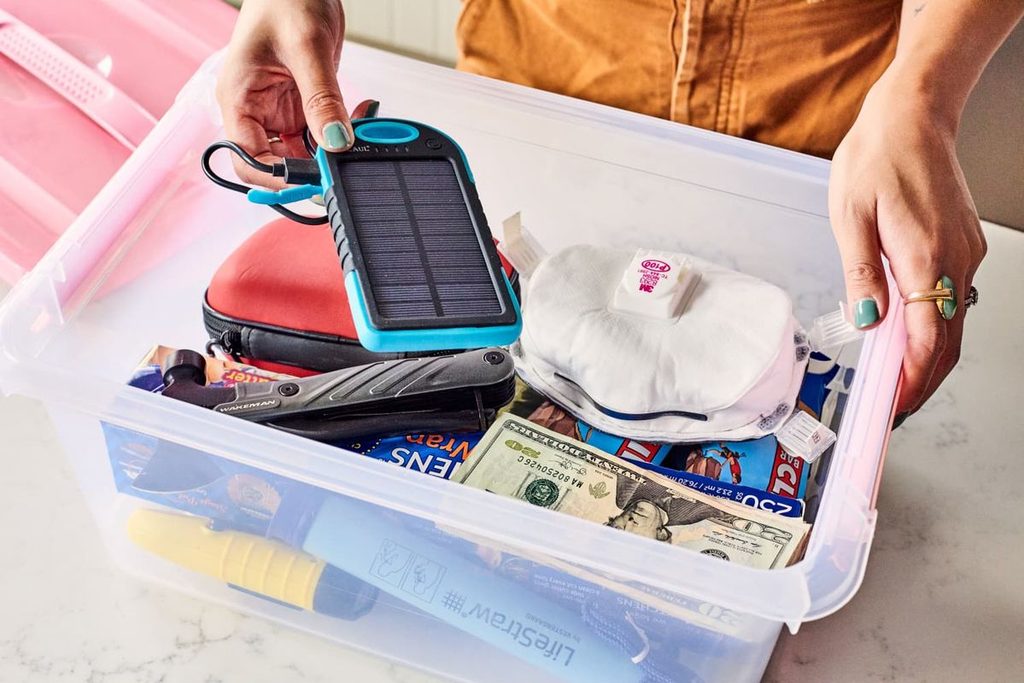
26. Your First Time Building an Emergency Plan
An emergency plan becomes important once you are responsible for yourself and your home. Think about what you would do during a power problem, medical emergency, lost key, or sudden evacuation.
Keep essential contacts, important documents, basic supplies, and emergency information easy to access. You can also tell a trusted person how to reach you during serious situations.
Do not make the plan complicated because you need something you can remember easily. The point is not expecting emergencies but knowing what to do if one happens.
A little preparation can make stressful situations easier to handle.
27. Your First Time Realizing Your Time Has Value
As an independent adult, your time becomes something you need to manage carefully. Every hour spent working, commuting, shopping, cleaning, resting, or helping someone affects your schedule.
You eventually learn that saying yes to everything can leave you exhausted. Think about what deserves your time and what can wait.
You should also protect time for rest because constant productivity is not sustainable. Learning to value your time can improve your work, relationships, finances, and personal wellbeing.
It can also help you become more intentional about the life you are creating.

28. Your First Time Creating a Life You Actually Like
Adulthood gives you more opportunities to design your daily life around your priorities. You can choose where you live, how you spend your evenings, and what habits you develop.
Those choices can slowly shape how your life feels from one week to another. You do not need a perfect lifestyle that looks impressive online.
Focus instead on building routines that make your ordinary days feel meaningful and manageable. Your home, work, friendships, finances, and habits all contribute to that experience.
Creating a life you like often starts with small choices repeated consistently.

29. Your First Time Dealing With a Major Disappointment
Adulthood brings disappointments because plans do not always work the way you expected. You may lose an opportunity, face rejection, experience financial setbacks, or watch a plan change suddenly.
The first major disappointment can make you question your direction. Give yourself time to feel disappointed without allowing one event to define your future.
Look at what happened and decide what can still be changed. Sometimes disappointment becomes useful because it pushes you toward another option.
You do not have to pretend everything is fine immediately. You simply need to keep moving once you are ready to take another step.

30. Your First Time Managing Your Health More Independently
Taking care of your health becomes your responsibility in many practical ways. You need to pay attention to sleep, food, exercise, appointments, medication, stress, and general wellbeing.
Do not wait until something becomes serious before paying attention to your basic needs. Keep important health information organized and know where to seek appropriate professional care.
Your body is part of the life you are trying to build. Taking care of it can make work, relationships, finances, and everyday responsibilities easier to manage. Healthy routines may feel ordinary, but they can have a lasting effect.

31. Your First Time Building a Real Savings Goal
Saving becomes different when you have something specific you want to achieve. Instead of simply saying you want to save money, give the savings a clear purpose.
You might save for housing, education, travel, a car, emergencies, or another major goal. Decide how much you need and create smaller amounts that feel achievable.
Then treat your savings contribution like an important part of your monthly plan. Seeing progress can make saving feel more motivating than simply avoiding spending.
Small consistent amounts can become surprisingly meaningful over time.

32. Your First Time Handling Adult Conflict Calmly
Adult disagreements can involve money, work, family, roommates, neighbors, friends, or relationships. Not every disagreement needs an immediate response, especially when emotions are running high.
Give yourself enough time to understand the situation before choosing your words. Focus on the actual problem instead of attacking someone’s character.
Listen carefully because sometimes the other person has information you did not consider. You can disagree strongly while still communicating respectfully.
Learning this skill can save you from many unnecessary arguments and damaged relationships.

33. Your First Time Realizing You Have Outgrown Something
Growing up can change your interests, friendships, goals, habits, and priorities. Something that once felt perfect may eventually stop fitting your current life.
That can feel confusing because you may still care about the past. You do not need to hate something simply because you have grown beyond it.
Give yourself permission to change while keeping the lessons that experience gave you. Growth often means carrying useful lessons forward while leaving certain things behind.
That process is a normal part of becoming more independent.

34. Your First Time Taking Full Responsibility for Your Future
Eventually, you realize nobody else can build your future for you. People can advise you, support you, encourage you, and sometimes help you financially.
Still, your choices about work, money, relationships, habits, and personal growth remain yours. That realization can feel heavy, but it can also feel incredibly freeing.
You begin understanding that small choices can slowly change the direction of your life. You do not need to control everything to take responsibility for your future.
You simply need to pay attention and keep making thoughtful choices.

35. Your First Time Feeling Like a Real Independent Adult
There may come a quiet moment when you suddenly realize how much you have learned. It might happen while paying a bill, preparing dinner, solving a problem, or making an important decision.
Nobody may congratulate you because the moment can look completely ordinary from outside. Still, something inside you may recognize that you can handle more than before.
During my first major season of independent adulthood, one ordinary evening gave me that feeling. I had handled my responsibilities, solved a small problem, and planned the next day’s tasks.
Nothing dramatic happened, but I realized I was becoming someone I could depend on. That is often what independence looks like in real life.
It is not always a huge achievement or dramatic milestone. Sometimes it is simply realizing you can trust yourself to handle ordinary responsibilities.

Final Thoughts
Becoming an independent adult is not one giant event that changes everything overnight. It is a collection of small firsts that gradually teach you how to handle life.
Some firsts will make you proud, while others may leave you frustrated or uncertain. You will make mistakes, change your plans, ask questions, and learn things unexpectedly.
That is not a sign that you are behind or doing adulthood incorrectly. Nobody becomes completely prepared for every situation before experiencing it personally.
The goal is to develop enough awareness and practical skills to keep moving forward. Your first bill, first budget, first major decision, and first serious setback all teach something.
Over time, those lessons begin connecting and changing how confidently you handle responsibilities. You start noticing that problems which once scared you now feel manageable.
That growth may happen quietly, without anyone else noticing the difference. Give yourself permission to learn slowly while still taking your responsibilities seriously.
You are building your adult life one decision, habit, responsibility, and experience at a time. And honestly, that may be the most important thing to remember about growing up.
You do not need to have the entire journey figured out today. You only need to prepare for the next first and learn from what comes after.
If you are preparing for more practical adult responsibilities, 35 Adult Responsibilities You May Encounter for the First Time is a useful next step.
Leave a Reply