Moving out for the first time sounds exciting until you realize nobody is coming behind you. You can finally choose your furniture, sleep whenever you want, and arrange everything your way.
But then the electricity bill arrives, the sink gets full, and dinner suddenly becomes your responsibility. That is when independence stops sounding like freedom and starts feeling like real adulthood.
Still, moving out can become one of the most exciting chapters of your life. You learn things about yourself that you never discovered while living under someone else’s roof.
You also discover that being independent does not mean knowing everything from the beginning. It simply means becoming willing to learn, adjust, make mistakes, and keep going.
During my first experience with living independently, I quickly learned that small decisions could feel surprisingly important.
Things like buying groceries, remembering bills, and keeping the house clean suddenly depended completely on me. Nobody was standing nearby, reminding me about things I had always taken for granted.
That experience taught me something important about independence that I still remember today. You do not need to have everything figured out before you start your journey.
You simply need enough preparation, patience, and common sense to handle what comes next. So, before you carry those boxes through your first front door, read these carefully.
They might help you avoid some surprises that usually come with moving out alone. If you are still preparing for independence, 25 Things to Do Before Living on Your Own for the First Time can also help you prepare.
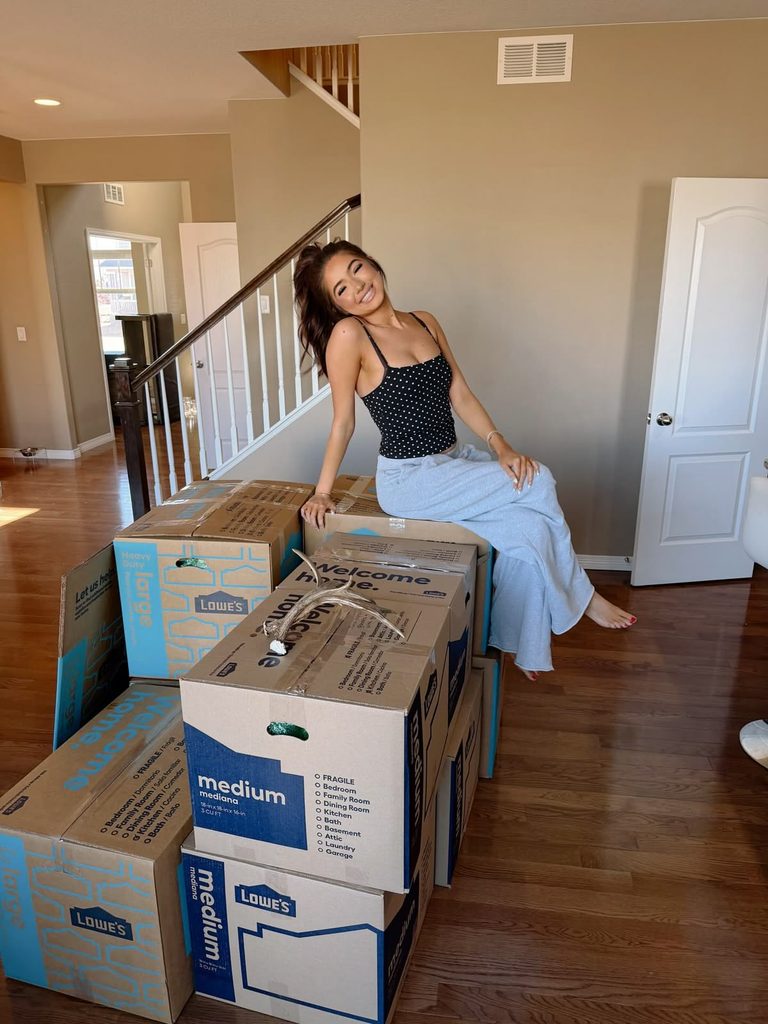
photo credit
35 Things Nobody Tells You About Moving Out for the First Time
1. Freedom Comes With a Lot More Responsibility
Moving out gives you freedom, but that freedom comes with responsibilities you cannot ignore. You decide when to sleep, what to eat, and how your home should look.
At the same time, you also decide when bills get paid and groceries get replaced. Nobody may remind you that the electricity bill is due tomorrow morning.
Nobody may notice that you have not bought toilet paper until it completely finishes. Those small responsibilities can become stressful when you keep pushing them aside.
The good news is that responsibility becomes easier once you create simple routines around it. You can choose specific days for shopping, cleaning, laundry, and checking your finances.
That routine gives your freedom some structure without making your home feel restrictive.
Explore more ideas: How to Build Confidence During Your First Year of Adult Life
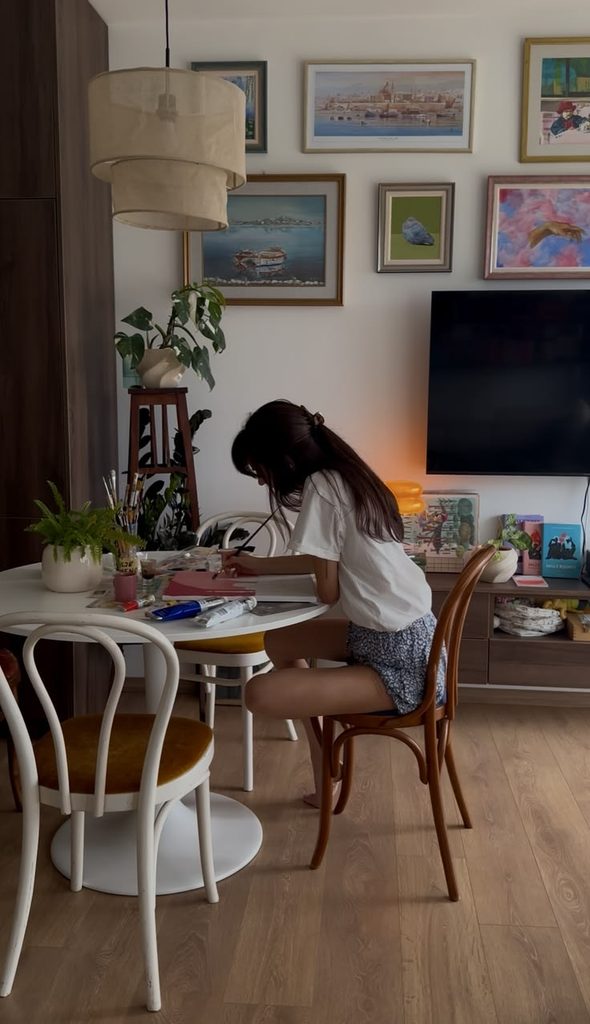
photo credit
2. Your First Home May Not Look Like Your Dream Home
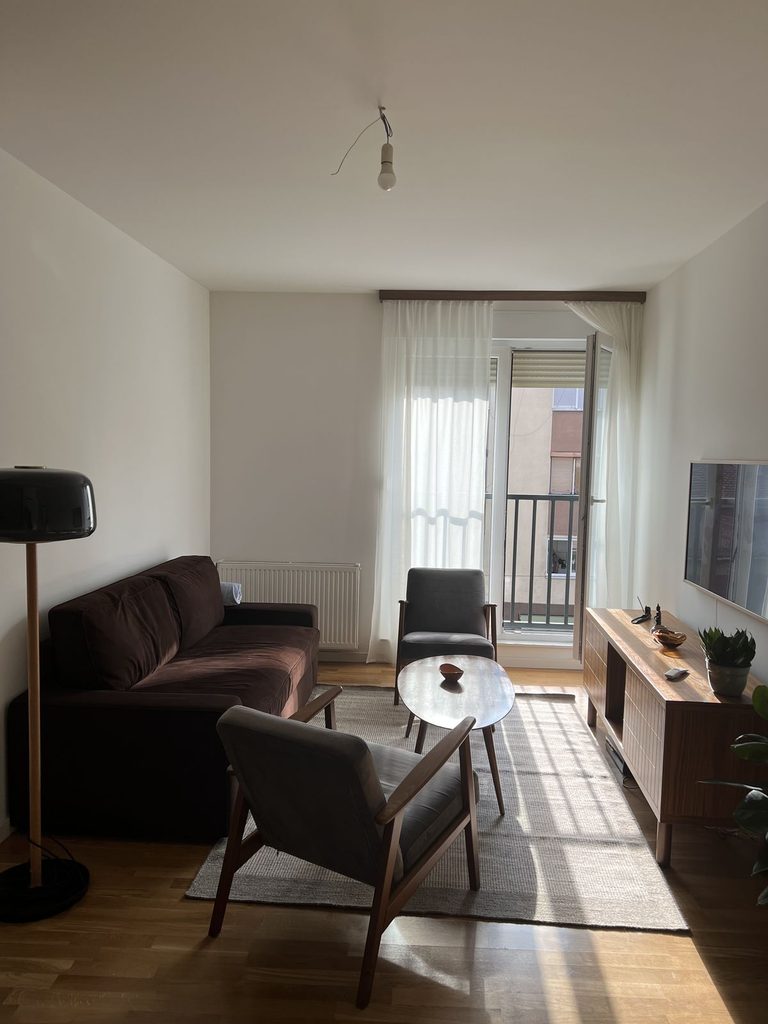
Many people imagine their first apartment looking perfect from the moment they move inside. Realistically, your first home may contain mismatched furniture, empty walls, and unfinished corners.
That does not mean you are doing badly or living below your expectations. Your first home is simply the starting point of your independent life.
You may buy one useful item today and another important item several weeks later. Instead of trying to furnish everything immediately, focus on what makes your home comfortable.
A good bed, basic kitchen items, cleaning supplies, and reliable lighting can matter more. Decorative pieces can come later when your finances become more comfortable.
You will probably enjoy decorating more when you are not worrying about every purchase.
Find your favorite: How to Manage the Responsibilities of Living on Your Own
3. Moving Costs More Than You Think
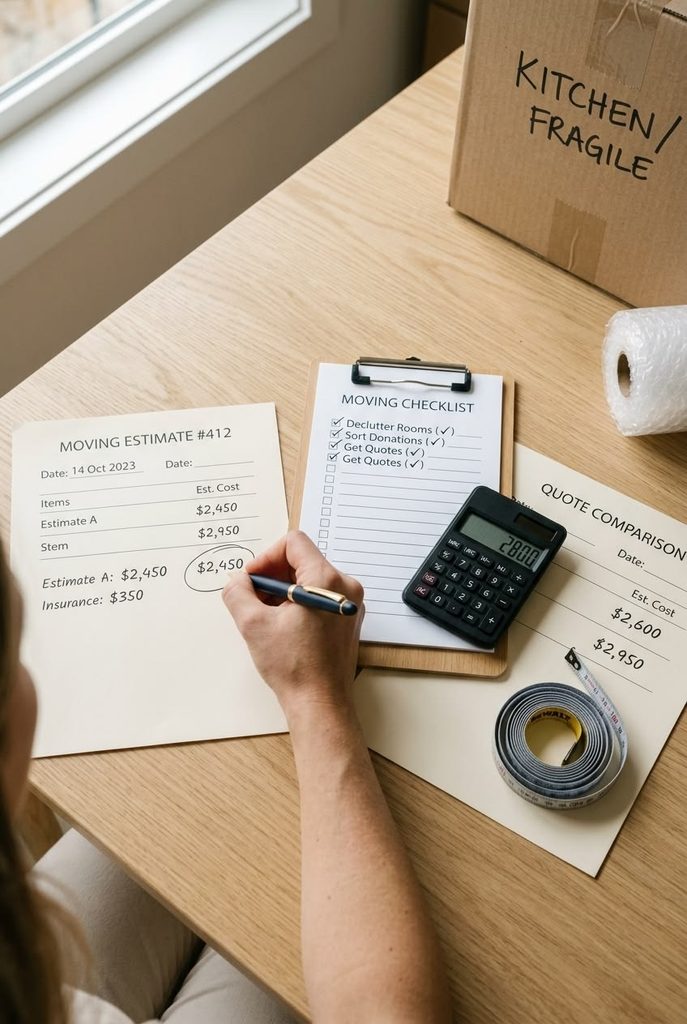
Moving expenses can surprise you because the obvious costs are rarely the only costs. You may think mainly about rent, transportation, deposits, and furniture before moving.
Then suddenly, you need curtains, buckets, cleaning products, extension cords, kitchen items, and storage. Small purchases can quickly become a large amount when you keep adding them together.
That is why creating a moving budget before leaving home can save you stress. Give yourself a separate amount for unexpected expenses that appear during the move.
You might also discover that transportation costs become higher than you originally expected. Even small trips can add up when you are buying several things around town.
Planning for those extras helps you enjoy your new place without constant financial panic. For another useful preparation checklist, 45 Things to Do Before Your First Big Move is worth keeping nearby.
4. Grocery Shopping Becomes a Real Adult Skill
Food feels very different when nobody else is responsible for keeping the kitchen stocked. At home, you may have opened the refrigerator without thinking about how everything got there.
After moving out, you become responsible for planning, buying, storing, and using your food. You also learn quickly that buying everything you want can become expensive.
A simple grocery list can help you avoid random spending and unnecessary food waste. Start with foods you actually eat instead of buying items because they look interesting.
You can also plan several easy meals before heading to the store each week. That makes shopping faster and gives you fewer reasons to order expensive takeout. Over time, you will discover which foods give you the best value for money.
Try these next: How to Prepare for Your First Utility Bills
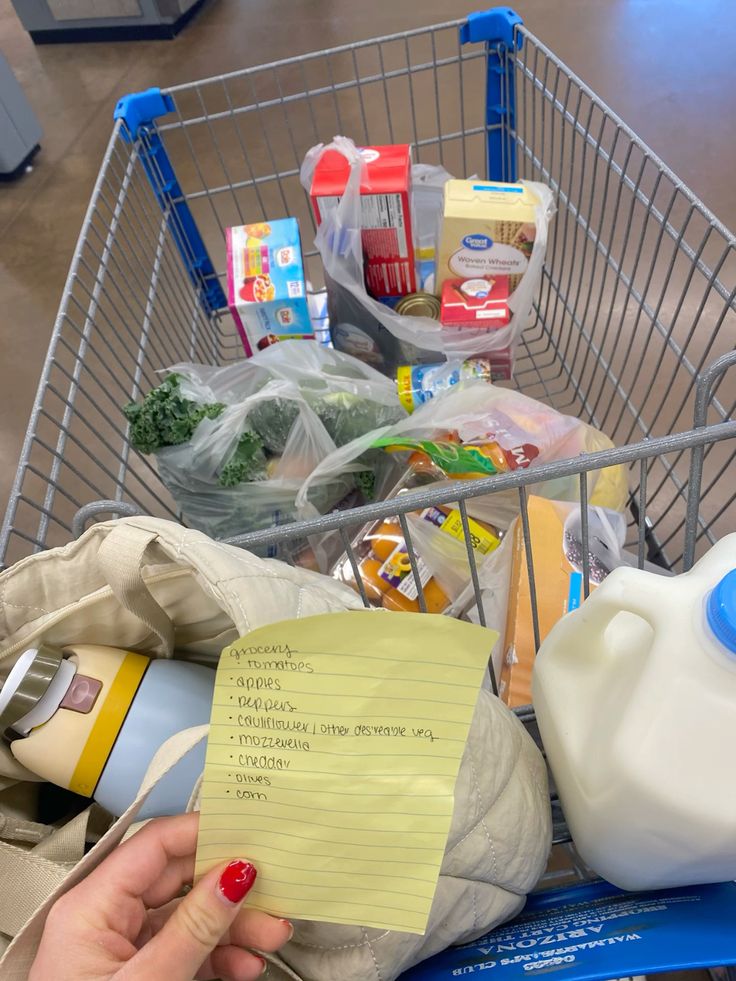
Photo credit
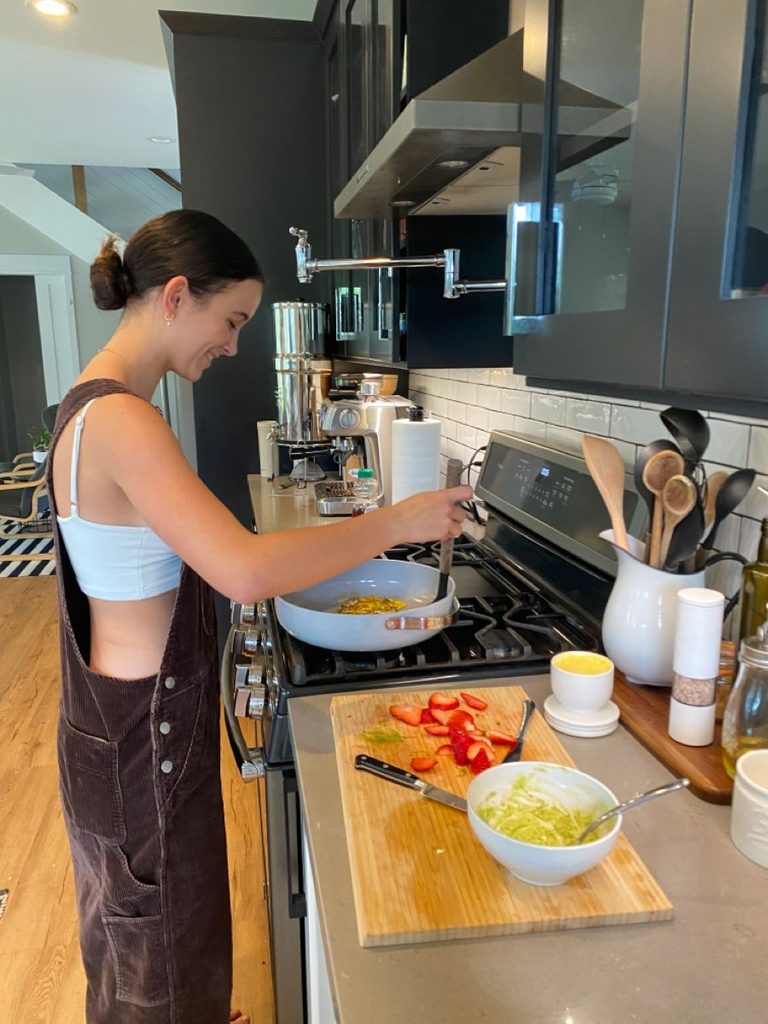
5. Cooking Becomes Less Optional
You do not have to become a professional cook after moving out by yourself. However, knowing how to prepare several simple meals can make independent living much easier.
You will probably have days when ordering food feels easier than touching your kitchen. That is completely understandable, especially after a long day at work or school.
Still, ordering every meal can quietly damage your budget over several weeks. Learn a few simple meals that require basic ingredients and little preparation time.
Rice, pasta, eggs, vegetables, potatoes, sandwiches, and simple soups can become useful options. You can gradually learn more recipes once you become comfortable with your kitchen.
The goal is not impressive cooking but having enough skills to feed yourself well.
Find even more inspiration: What to Expect During Your First Week Living Alone
6. Cleaning Becomes Your Responsibility
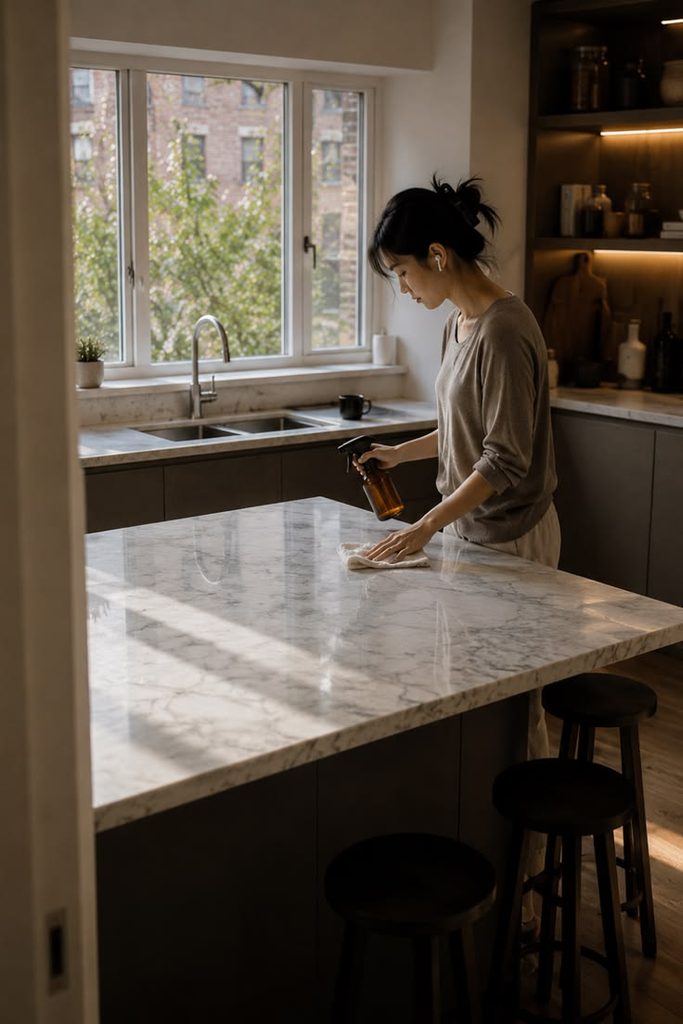
A dirty home feels different when you are the only person responsible for cleaning it. Nobody may complain about the dishes, dusty shelves, dirty bathroom, or overflowing laundry basket.
That sounds like freedom until the mess starts making your home uncomfortable. Cleaning becomes easier when you stop treating it like one huge weekend project.
Instead, handle small tasks regularly before they become overwhelming. Wash dishes soon after eating and wipe surfaces before dirt builds up around them.
Give your bathroom, bedroom, kitchen, and floors simple cleaning routines each week. You will spend less energy cleaning when you avoid allowing everything to pile up. A clean home can also make your mind feel calmer after a difficult day.
You might also love this: How to Navigate Your First Month of Independent Living
7. Laundry Somehow Feels More Serious
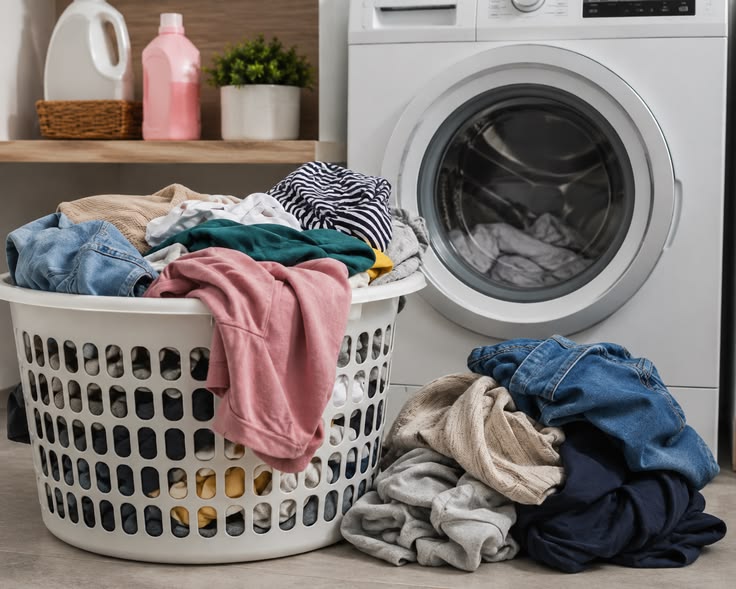
Laundry is one of those ordinary responsibilities that suddenly becomes your problem. Nobody may remind you that your clean clothes are running out until your options become limited.
You eventually learn that waiting until everything is dirty creates unnecessary stress. Choose a regular laundry day based on your schedule and the amount of clothing you own.
Separate clothes properly and learn which items need special care before washing them. You may also discover that some clothes last longer when you stop washing them carelessly.
Keeping a small laundry routine can prevent piles from taking over your bedroom. It also means you are less likely to discover an important outfit needs washing.
Everyone’s clicking on this: How to Prepare Financially Before Living on Your Own
8. Bills Do Not Care How Busy You Are
One of the biggest changes after moving out is becoming responsible for recurring payments. Rent, electricity, water, internet, phone services, and other bills may arrive regularly.
Your schedule does not matter to these payments because their deadlines remain unchanged. Missing one payment can sometimes create extra charges or unnecessary stress.
Write your important payment dates somewhere you will actually check regularly. You can use your phone calendar, a notebook, or another simple reminder system.
The method matters less than having something that helps you remember consistently. Learning to manage bills early can make many future adult responsibilities feel easier.
This is trending right now: How to Prepare for Your First Grocery Shopping Trip
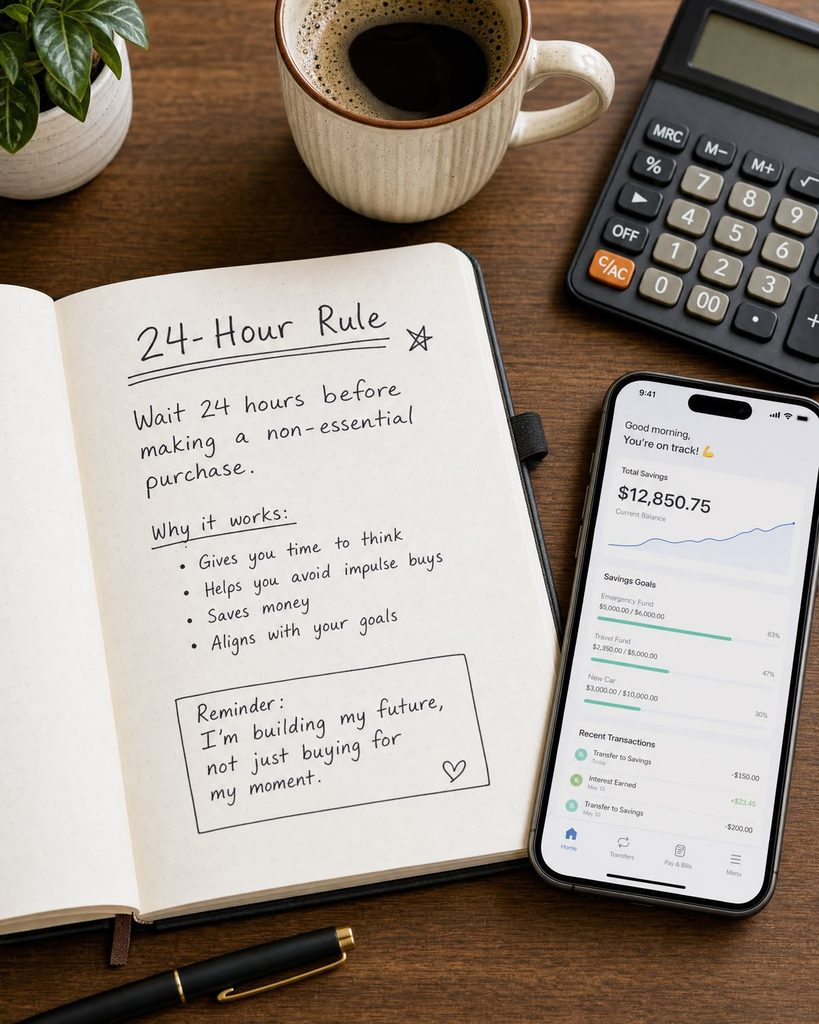
9. Your Income Suddenly Has More Jobs
When you live independently, your income may suddenly have several responsibilities competing for attention. Rent needs money, but groceries, transportation, savings, bills, and personal needs also need money.
This can make your salary feel smaller than it looked before moving out. The answer is not always earning more immediately, although increasing income can help later.
You also need to understand where your money goes every month. Track your major expenses and identify the things that quietly consume your budget.
You may discover subscriptions, frequent takeout, transportation, or impulse purchases causing problems. Once you see those patterns clearly, making better financial decisions becomes much easier.
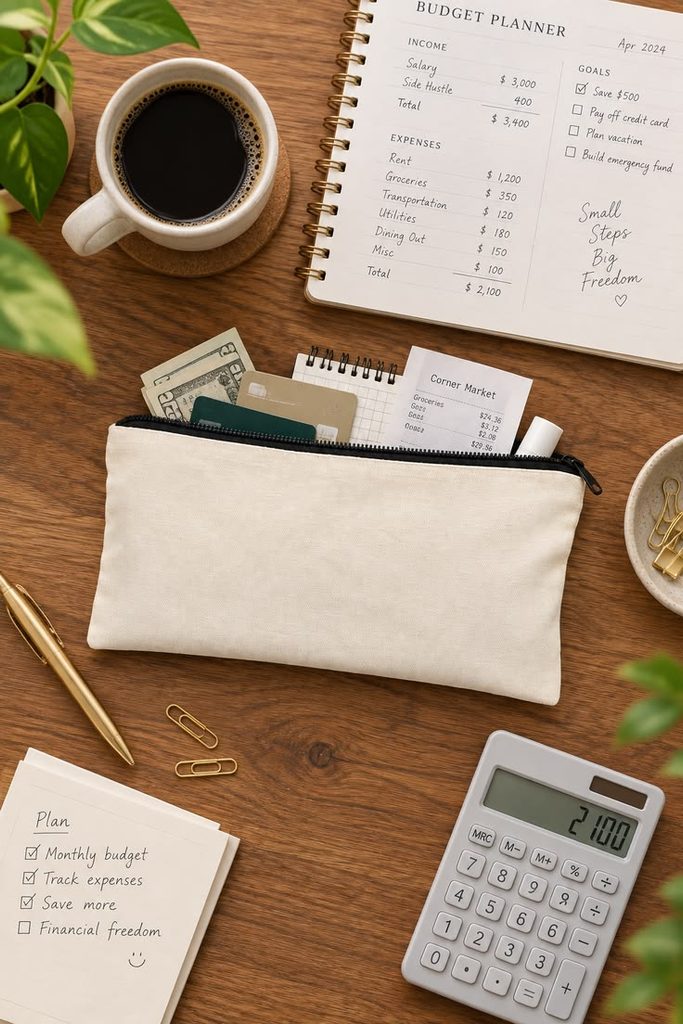
10. You Will Need an Emergency Fund
Unexpected expenses can appear at the worst possible time after moving out. Your phone may break, an appliance may stop working, or an urgent trip may become necessary.
Without savings, even a small emergency can become a serious financial problem. That is why building an emergency fund should become part of your independent life.
You do not have to save a huge amount immediately if your income is limited. Start with an amount you can manage consistently and increase it whenever possible.
Even a small financial cushion can give you more breathing room during difficult moments. Saving becomes much easier when you treat it like another regular expense.

11. You Will Miss Home Sometimes
Independence can feel exciting during the first few days or weeks. Then one ordinary evening can suddenly make you miss familiar voices, routines, food, or people.
That feeling does not mean moving out was a mistake or that you cannot handle adulthood. It simply means you left behind a familiar environment that once felt normal.
You can stay connected with family and friends without giving up your independence. A phone call, visit, shared meal, or simple conversation can make a huge difference.
At the same time, allow yourself to enjoy building new routines in your own space. Missing home and enjoying your new life can happen at the same time.

12. Loneliness Can Surprise You
Living alone can become quiet in ways you did not expect before moving. You may come home after a long day and realize nobody is waiting inside.
That silence can feel peaceful sometimes, but other evenings may feel surprisingly lonely. Create healthy ways to stay connected with people who matter to you.
Call friends, visit family, join activities, or spend time outside your home. You can also learn to enjoy your own company without becoming isolated. Independent living should give you space to grow, not force you into complete loneliness.

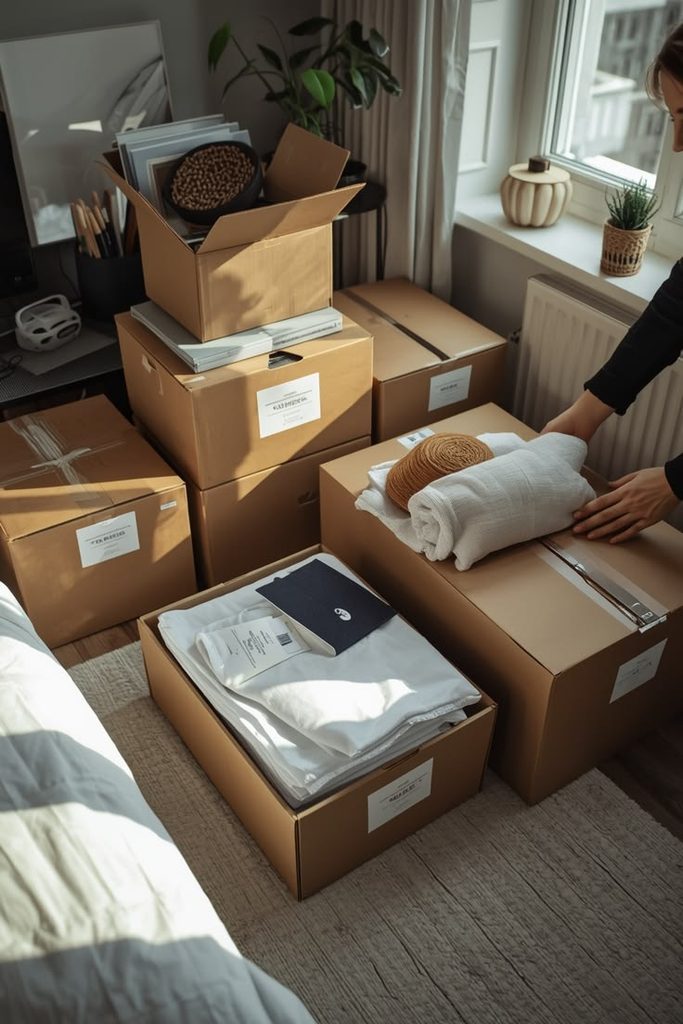
13. You Will Discover How Much Stuff You Own
Packing your belongings can make you realize how many unnecessary things you have collected. Items that seemed useful at home may suddenly look completely unnecessary.
Moving gives you a good reason to examine what you actually use and need. You do not have to carry every childhood item into your new home.
Keep things that serve a purpose, hold real value, or genuinely matter to you. Donate, sell, recycle, or store items that no longer belong in your daily life. Having fewer things can also make your first home easier to organize.
Most popular this week: How to Prepare for Your First Apartment Viewing
14. Your Parents May Still Worry About You
Moving out changes your living situation, but it does not instantly change family relationships. Parents or relatives may still call, ask questions, and worry about how you are doing.
Sometimes their concern can feel like they are questioning your ability to live independently. Try to separate genuine concern from attempts to control your choices.
You can reassure them while still making your own reasonable decisions. Independence does not require becoming distant from everyone who supported you. Healthy boundaries can help everyone adjust to the new stage of your life.

15. You Will Make Mistakes
You will probably forget something, spend too much, lose something, or make poor decisions sometimes. That does not make you incapable of living independently.
Mistakes are part of learning how to manage responsibilities that once belonged to someone else. During my first independent period, I once underestimated how quickly small household expenses could add up.
It was frustrating initially, but the experience forced me to pay closer attention. Instead of hiding mistakes, look at what caused them and change your approach. The goal is not becoming perfect but becoming better at handling everyday life.

16. Your First Month May Feel Strange
The first month can feel exciting, confusing, peaceful, stressful, and unfamiliar at different times. One morning you may feel proud, while another evening leaves you questioning everything.
That emotional mix is normal because your brain is adjusting to a different routine. You are learning new responsibilities while also creating a new sense of home.
Give yourself enough time to settle before deciding how successful your move has been. Some things that feel difficult initially may become completely normal after several weeks. For a closer look at that adjustment period, 35 Things to Expect During Your First Month of Independent Living can help.
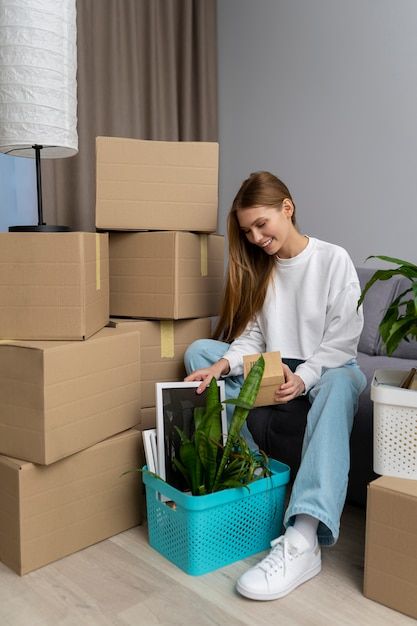
17. You Need Basic Household Supplies
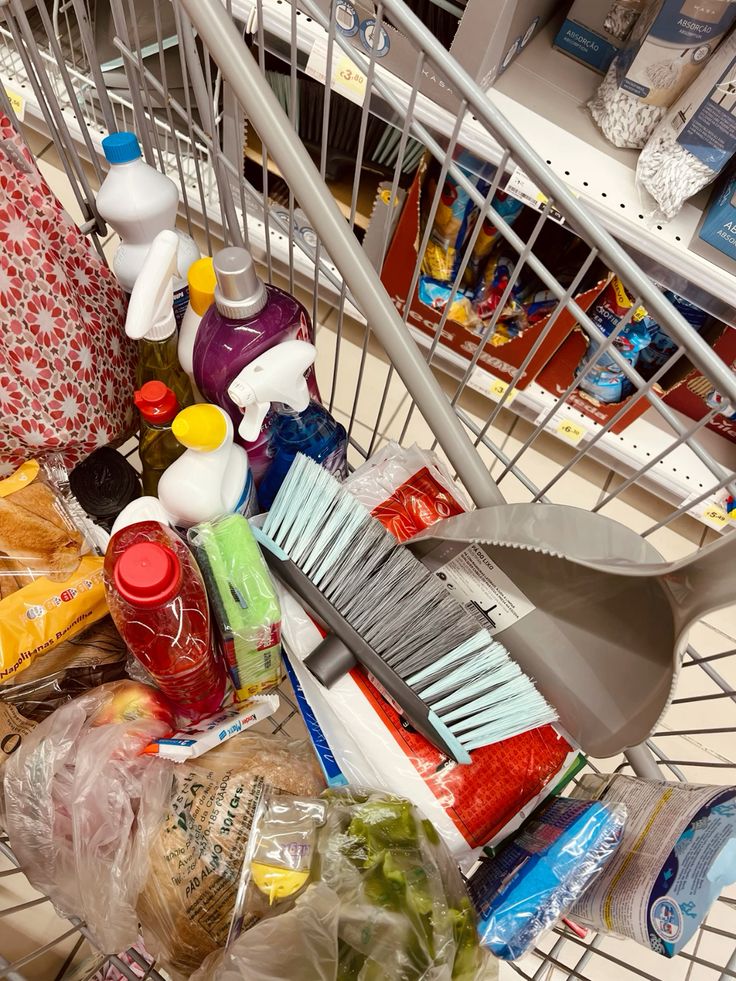
Moving into an empty apartment can make ordinary household items suddenly feel extremely important. You may remember furniture but forget things like soap, batteries, towels, extension cords, and trash bags.
Create a basic household checklist before moving so you can avoid unnecessary last-minute shopping. Think about the bathroom, kitchen, bedroom, laundry area, cleaning supplies, and safety items.
You do not need every possible household product before your first night. Start with essentials and slowly add useful items as you understand your space. This approach can protect your budget while still keeping your home comfortable.
18. Neighbors Can Affect Your Experience
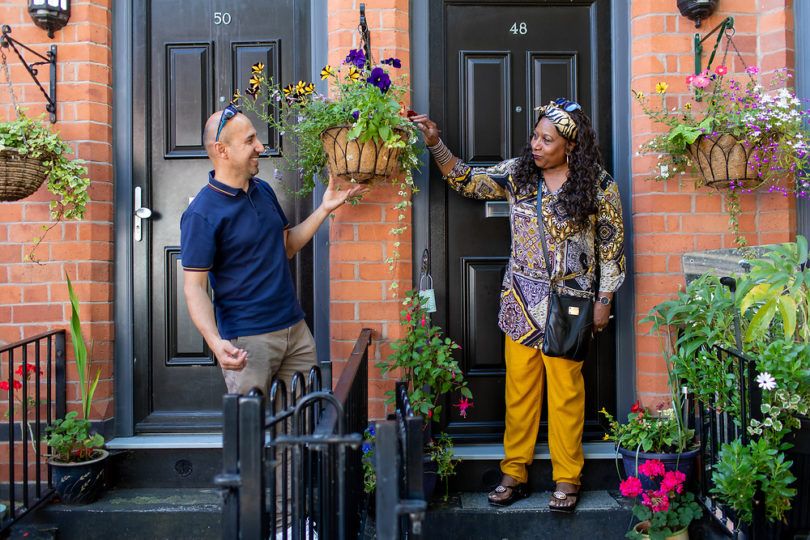
You may have a beautiful apartment and still struggle if your surroundings are difficult. Noise, shared spaces, parking issues, security concerns, or constant disturbances can affect your daily comfort.
That does not mean every neighbor will become a problem. In fact, having respectful neighbors can make independent living much more pleasant.
Be polite, respect shared spaces, and avoid unnecessary conflicts whenever possible. You should also learn the basic rules that apply to your building or neighborhood.
Good relationships with reasonable neighbors can sometimes become surprisingly helpful.
19. Privacy Feels Different When You Have Your Own Space
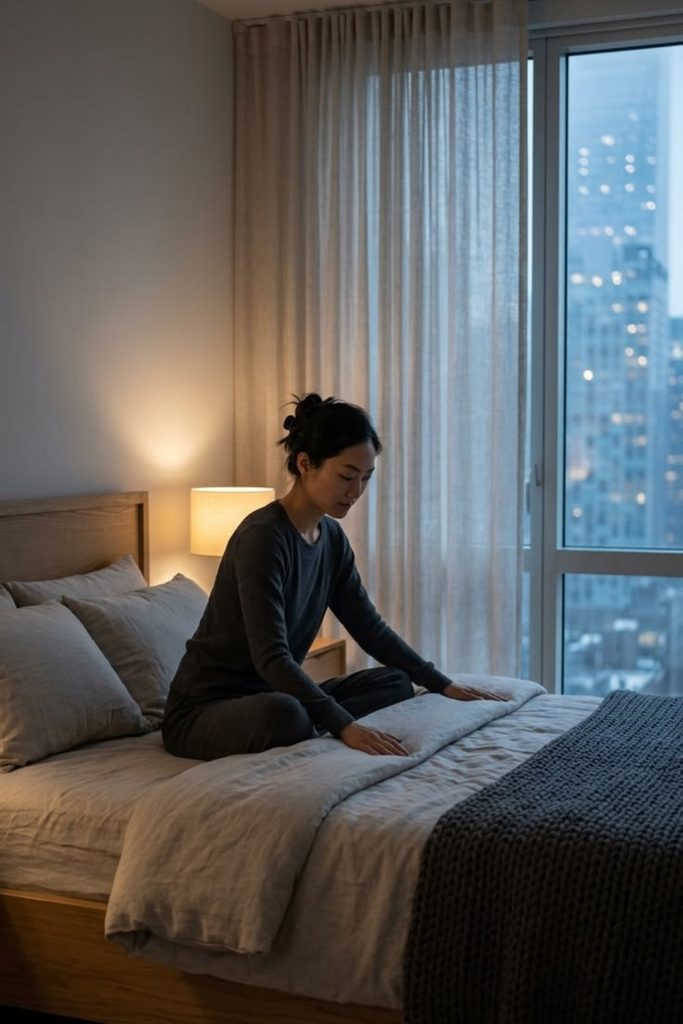
Having your own place can give you a level of privacy you have never experienced. You decide who visits, when you relax, and how much personal space you need.
That freedom can feel wonderful after years of sharing space with family or roommates. However, privacy also means becoming responsible for protecting your belongings and personal information.
Keep important documents, keys, passwords, and valuable items somewhere secure. Be careful about giving strangers access to your home or personal details. Your independence includes learning how to protect the life you are building.
20. You Will Need Boundaries With Visitors
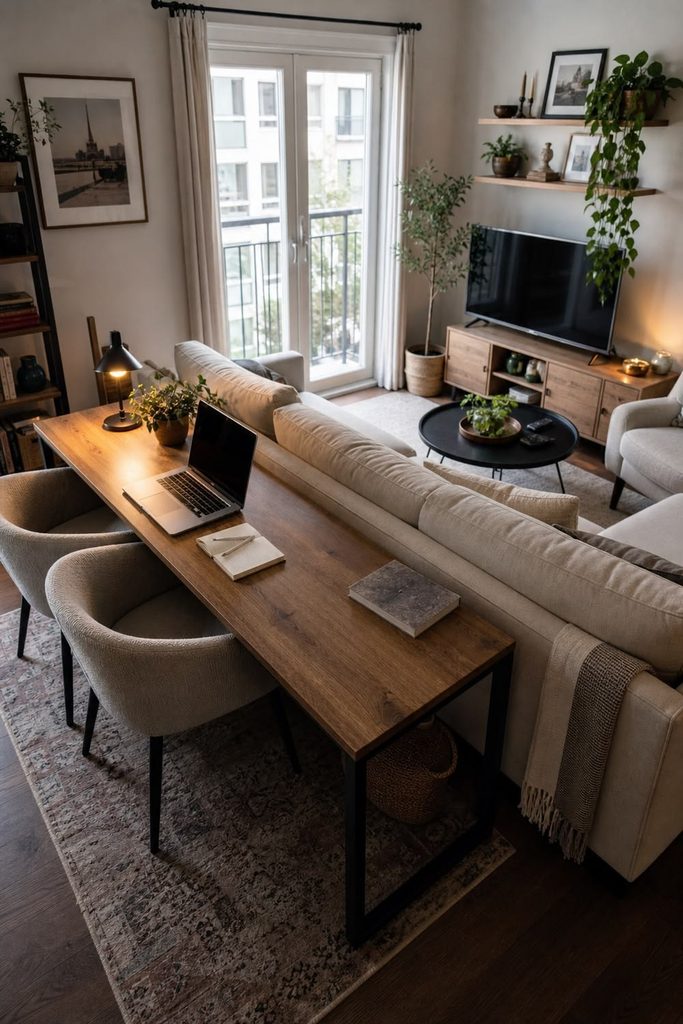
Once you have your own place, people may assume they can visit whenever they want. Some friends may want to drop by often because they know you live alone.
Family members may also expect easy access to your home. It is okay to create reasonable boundaries around your time, space, and privacy.
You can decide when visitors are welcome and how long they can comfortably stay. Clear boundaries can prevent small misunderstandings from becoming bigger problems later. Your home should feel like your safe space, not a place everyone can enter freely.

21. Your First Furniture Choices May Teach You About Priorities
Furniture shopping becomes different when you are spending your own money. A beautiful sofa can suddenly compete with groceries, bills, savings, and other important expenses.
Before buying something expensive, ask yourself how often you will actually use it. Think about comfort, quality, available space, and how long you expect to keep it.
Sometimes a simple affordable item can serve you better than an expensive fashionable option. Your first home does not need to impress visitors to be a good home. It needs to support your everyday life without creating unnecessary financial pressure.
22. You Will Learn What You Actually Value
Living independently gives you a clearer picture of what matters to you personally. You may discover that you care more about quiet mornings than expensive decorations.
Perhaps you value a clean kitchen, comfortable bedding, privacy, or having friends nearby. Those preferences can help you make better choices as your life develops.
Your priorities may also change once you experience the realities of independent living. That is completely normal because adulthood is not a finished personality you discover overnight.
You are still learning who you are while deciding how you want your life organized.
Before you go, check this out: What to Expect When You Move Out for the First Time

23. You Need Simple Life Skills
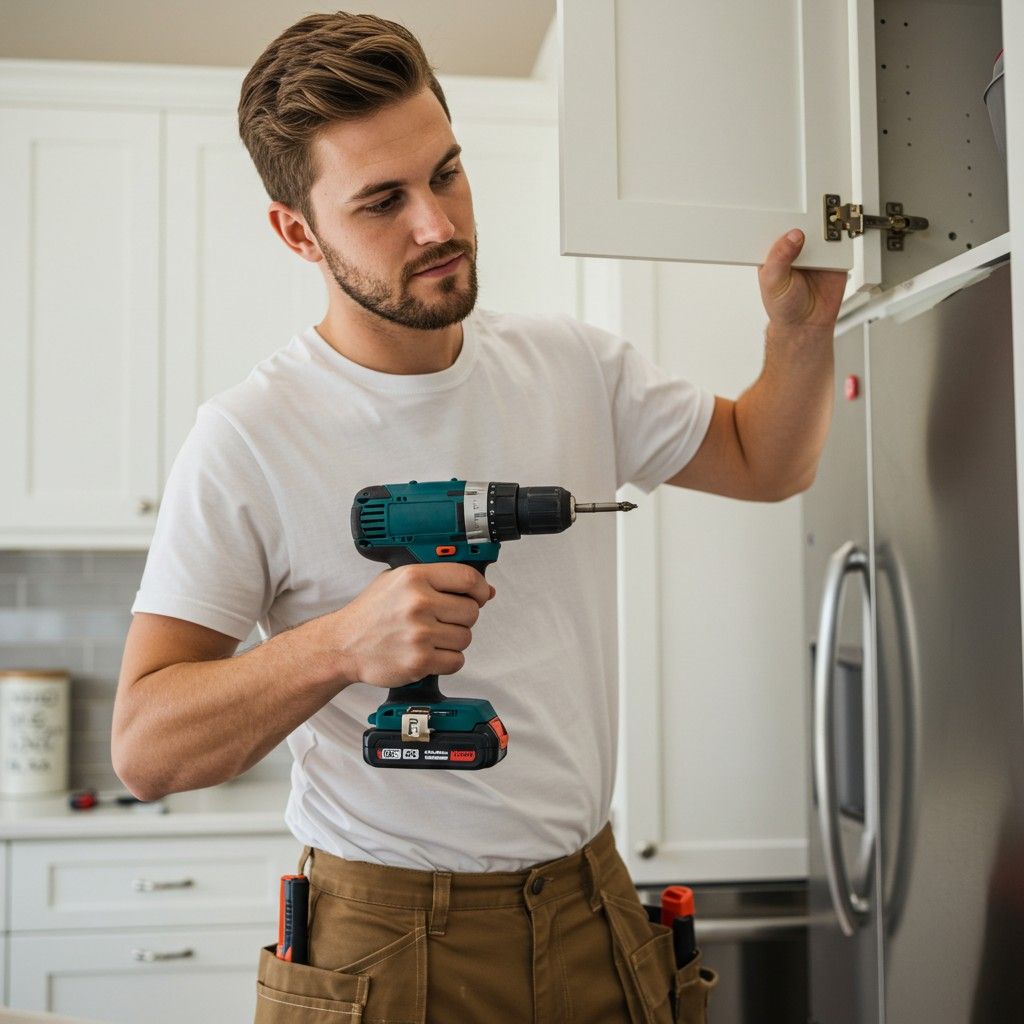
Independent living becomes easier when you can handle ordinary tasks without always needing help. You should gradually learn basic cooking, cleaning, budgeting, laundry, shopping, and simple home maintenance.
Nobody expects you to know everything before moving out for the first time. However, learning these skills early can reduce stress when problems appear unexpectedly.
You can learn many skills from family members, trusted friends, books, videos, or practice. For a broader guide, 45 Life Skills to Learn Before Living on Your Own is another useful resource to save.
24. Your Credit Can Become Important
Moving out can introduce you to financial responsibilities that were easier to ignore before. You may eventually need credit for housing, transportation, utilities, or other major purchases.
That makes it important to understand how borrowing and repayment work. Do not treat credit as extra income because borrowed money still has to be repaid.
Before opening your first credit account, learn about interest, fees, payment dates, and responsible use. You can learn more before making that decision through 25 Things to Know Before Getting Your First Credit Card. Understanding credit early can prevent expensive mistakes later in adulthood.

25. Transportation Can Become a Bigger Decision
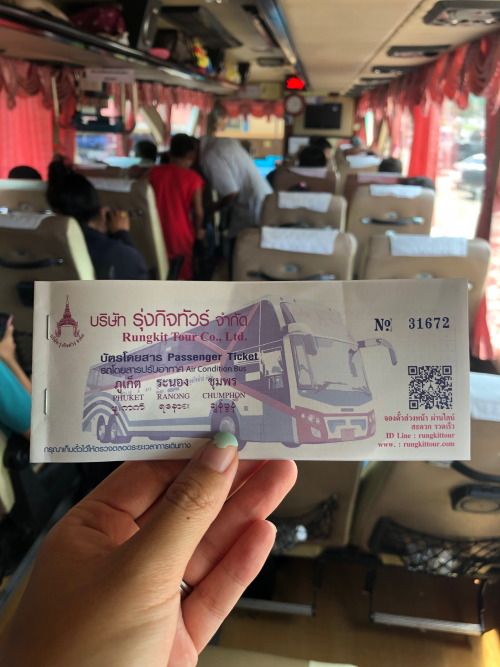
Getting around may have been simple when someone else handled transportation for you. After moving out, you may need to budget for buses, trains, taxis, fuel, parking, or vehicle maintenance.
Your transportation choices can affect where you work, shop, live, and spend your free time. That is why transportation should be considered when choosing your first home.
If you are considering buying a vehicle, take time to understand the total cost. 25 Things to Know Before Buying Your First Car can help you think through that decision carefully.
26. You May Need to Become More Organized
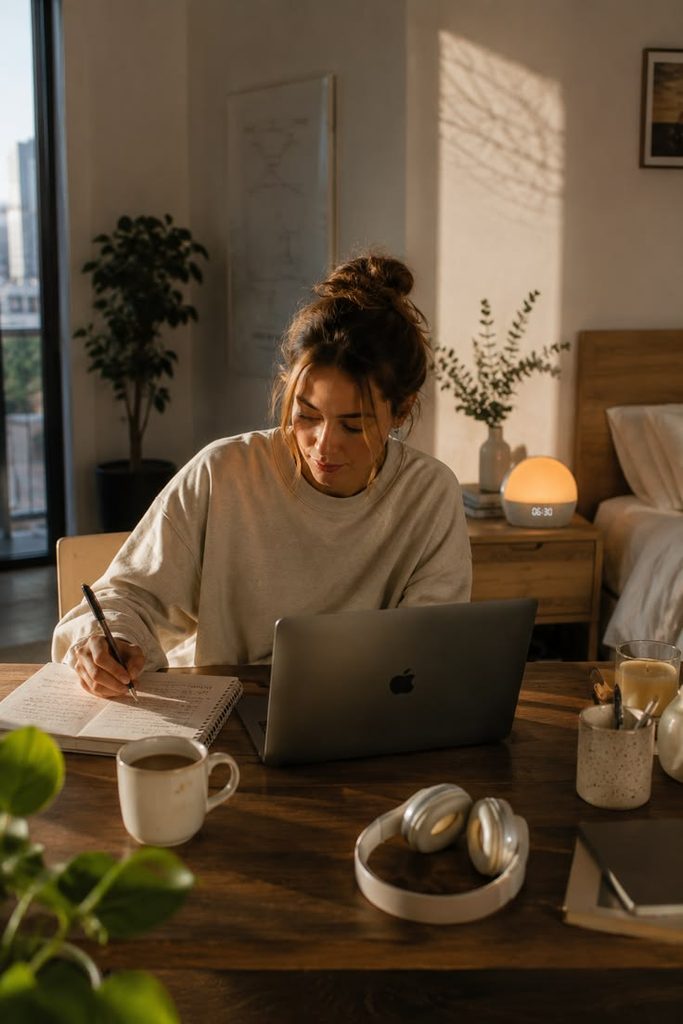
Living independently creates many small tasks that become difficult when you forget them. You may need to track appointments, payments, groceries, cleaning, work schedules, and personal responsibilities.
Without some organization, everything can start feeling urgent at the same time. You do not need a complicated productivity system to stay organized.
A simple weekly list can help you see what needs attention before the week becomes chaotic. Choose one place for important reminders and keep using it consistently. Good organization can give you more freedom because fewer things are constantly surprising you.
27. Your Routine Will Probably Change
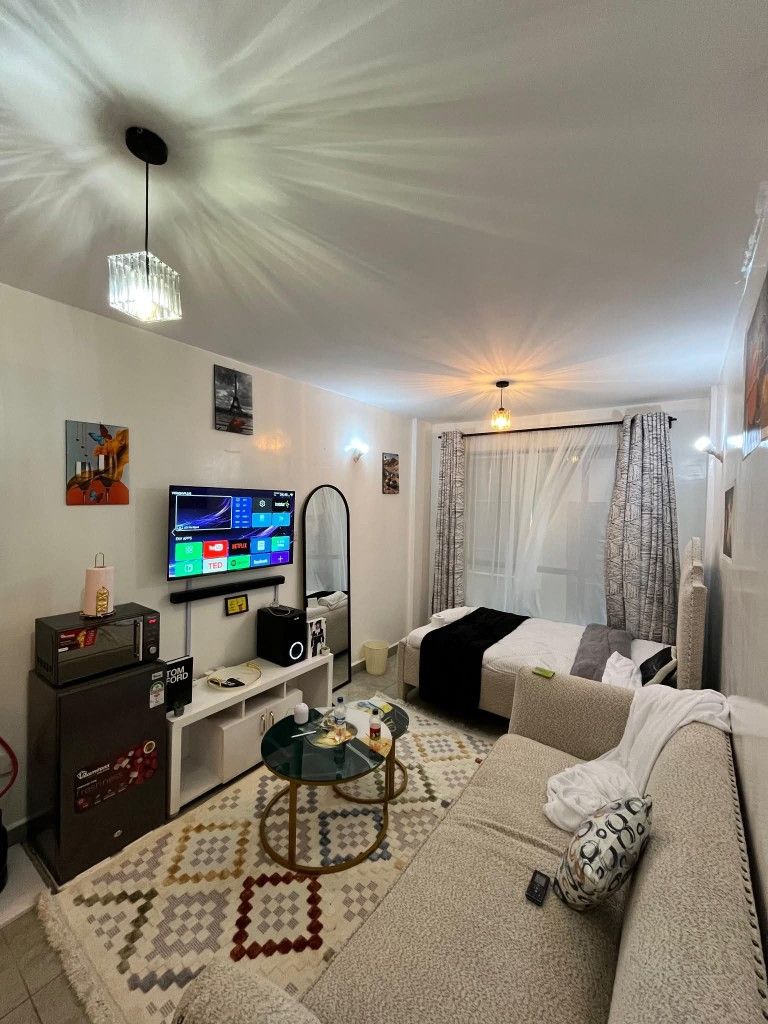
Your first routine may look nothing like the routine you had while living with family. You now have more control over your mornings, evenings, meals, chores, and sleeping patterns.
That freedom can be enjoyable, but it can also make you less disciplined. It becomes easy to stay up too late or postpone important tasks until tomorrow.
Build a routine that gives you enough rest while still handling your responsibilities. Your schedule does not need to look perfect to work well. It simply needs to support the kind of life you are trying to build.
28. You Need to Know Where Important Things Are
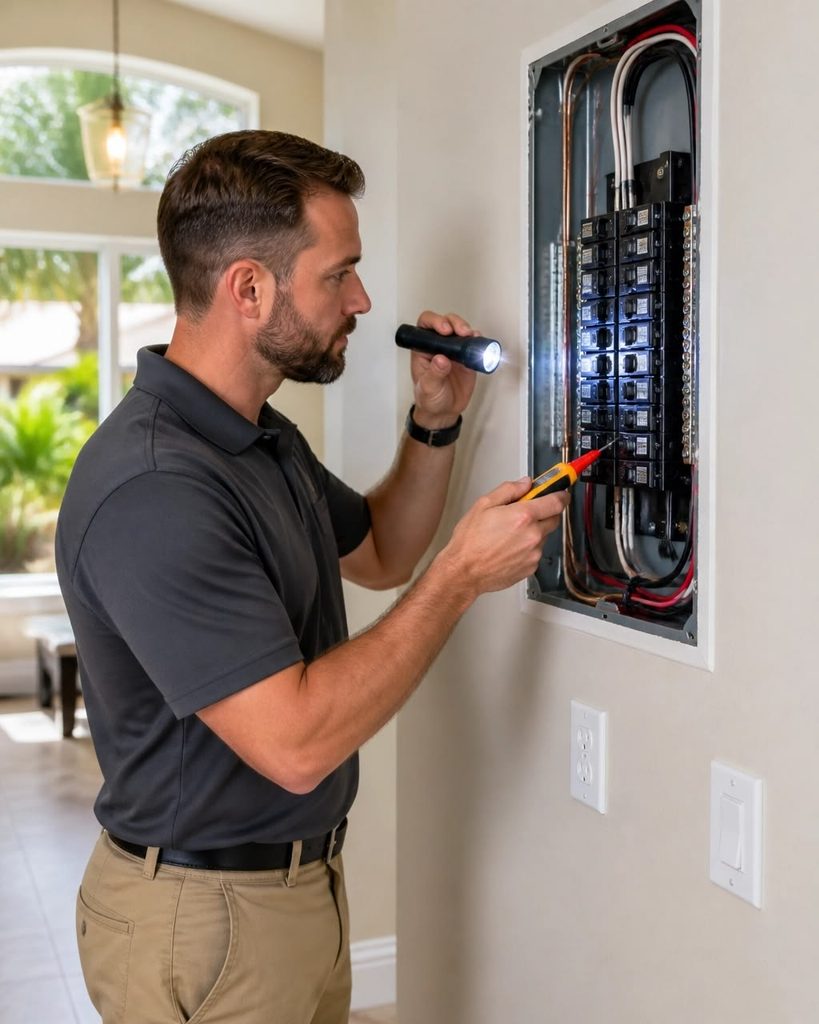
Moving out means knowing how your home works instead of calling someone else immediately. Learn where the electricity switches, water controls, fuse box, emergency exits, and important shutoff points are.
Keep important numbers somewhere you can access them during an emergency. Know who to contact if something breaks or becomes unsafe inside your home.
These details may seem boring when everything works normally. However, knowing them beforehand can save you from panic when something suddenly goes wrong.
29. Your First Move May Not Be Your Final Move
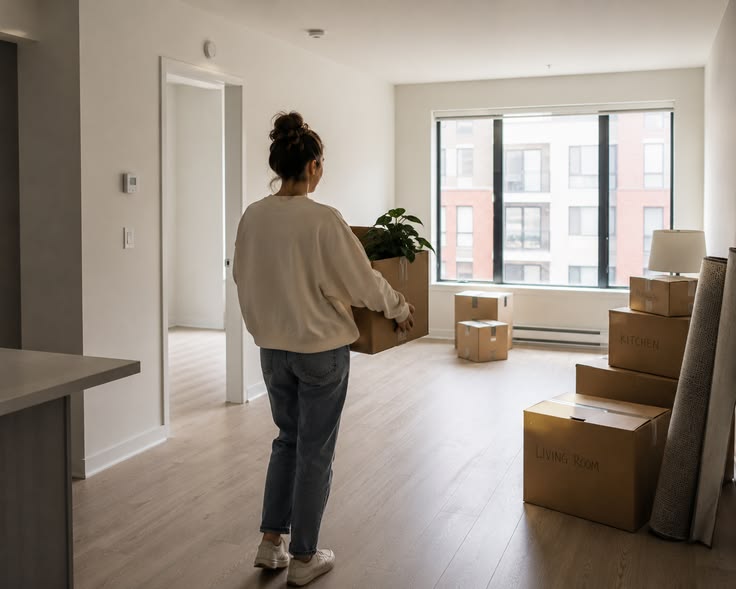
Moving out for the first time does not mean you have found your permanent home. You may change apartments because of work, finances, relationships, neighborhood preferences, or changing goals.
That is normal, and your first home can still be an important part of your story. Do not put unnecessary pressure on yourself to make every decision perfectly.
Use your first experience to understand what works for you and what does not. Those lessons can guide you when you eventually choose another home.
30. You May Need to Handle Problems Alone
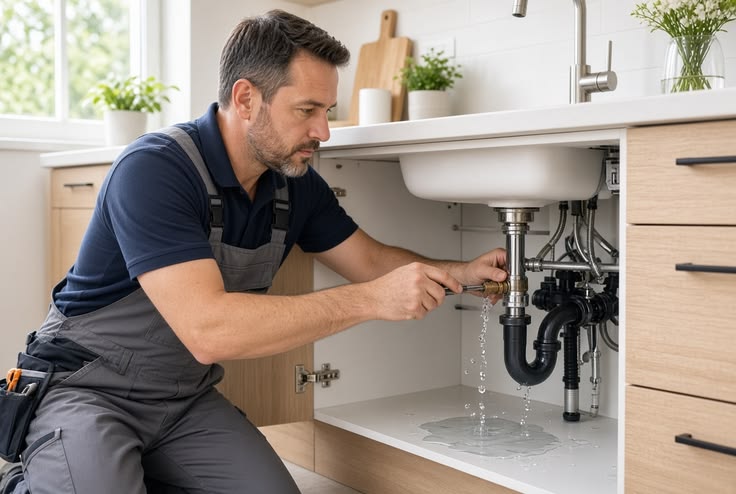
One of the biggest changes after moving out is deciding what to do when something goes wrong. A leaking tap, broken appliance, lost key, power problem, or unexpected bill can create immediate stress.
Your first reaction may be to panic because the problem feels bigger than your experience. Take a breath and break the situation into smaller steps before making decisions.
Ask for help when you genuinely need it because independence does not mean doing everything alone. Knowing when to seek help is actually an important part of becoming responsible.
31. Your Home Can Affect Your Mental Space
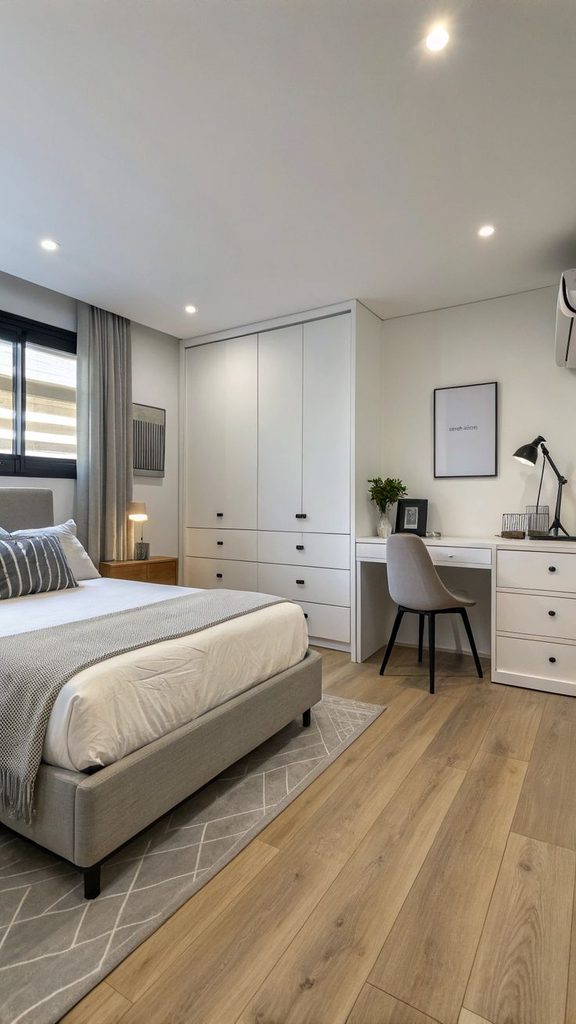
Your environment can influence how comfortable and focused you feel each day. A cluttered bedroom may make it harder to relax after a tiring day.
Constant noise can make your home feel less peaceful than you expected. On the other hand, simple organization can make a small space feel comfortable.
Pay attention to lighting, cleanliness, noise, temperature, and how your furniture is arranged. You do not need expensive decorations to create a home that feels good. Sometimes a clean room, comfortable bed, and quiet evening can be enough.
32. You Will Start Thinking About Your Future Differently
Moving out can make future decisions feel more real because your choices now affect you directly. You may begin thinking seriously about savings, career growth, relationships, transportation, and long-term goals.
Those thoughts can feel exciting, but they can also feel overwhelming. You do not need to solve your entire future during your first year alone.
Focus on building stable habits that make your future easier to manage. Small decisions about money, work, health, and relationships can slowly shape your bigger direction.
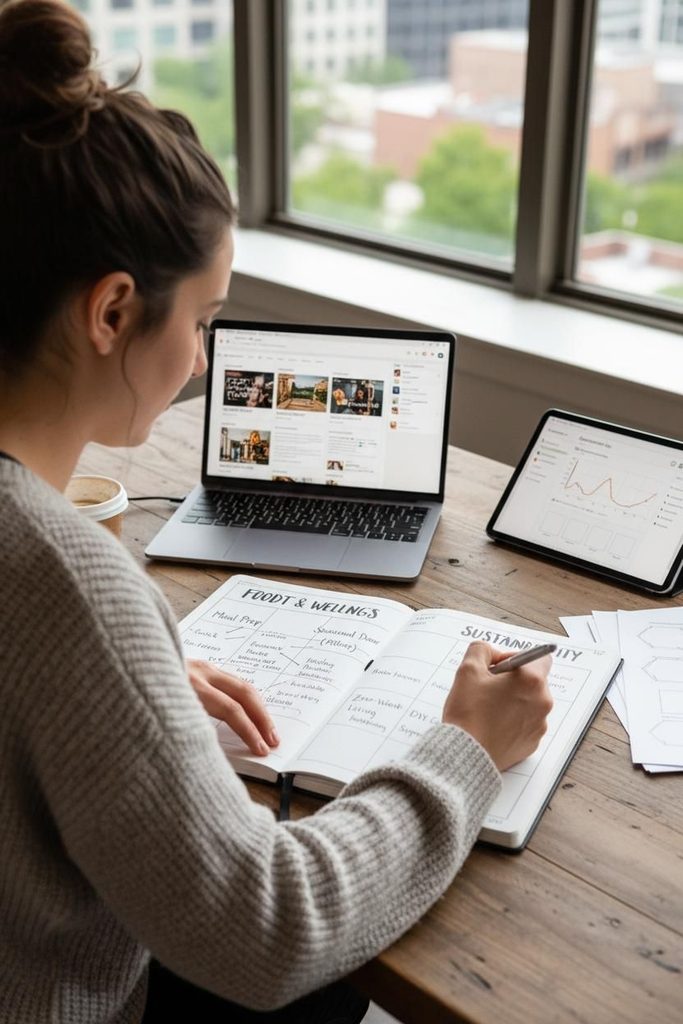
33. You Will Learn to Make Decisions Faster
When you live with family, someone else may sometimes make everyday decisions for you. After moving out, there may be nobody available to choose what happens next.
You might need to decide how to handle a bill, repair, purchase, conflict, or unexpected situation. At first, you may question yourself before making even simple choices.
With practice, you become more comfortable gathering information and making reasonable decisions. You will still make mistakes, but you will become less afraid of making them. That confidence is one of the quiet benefits of becoming independent.
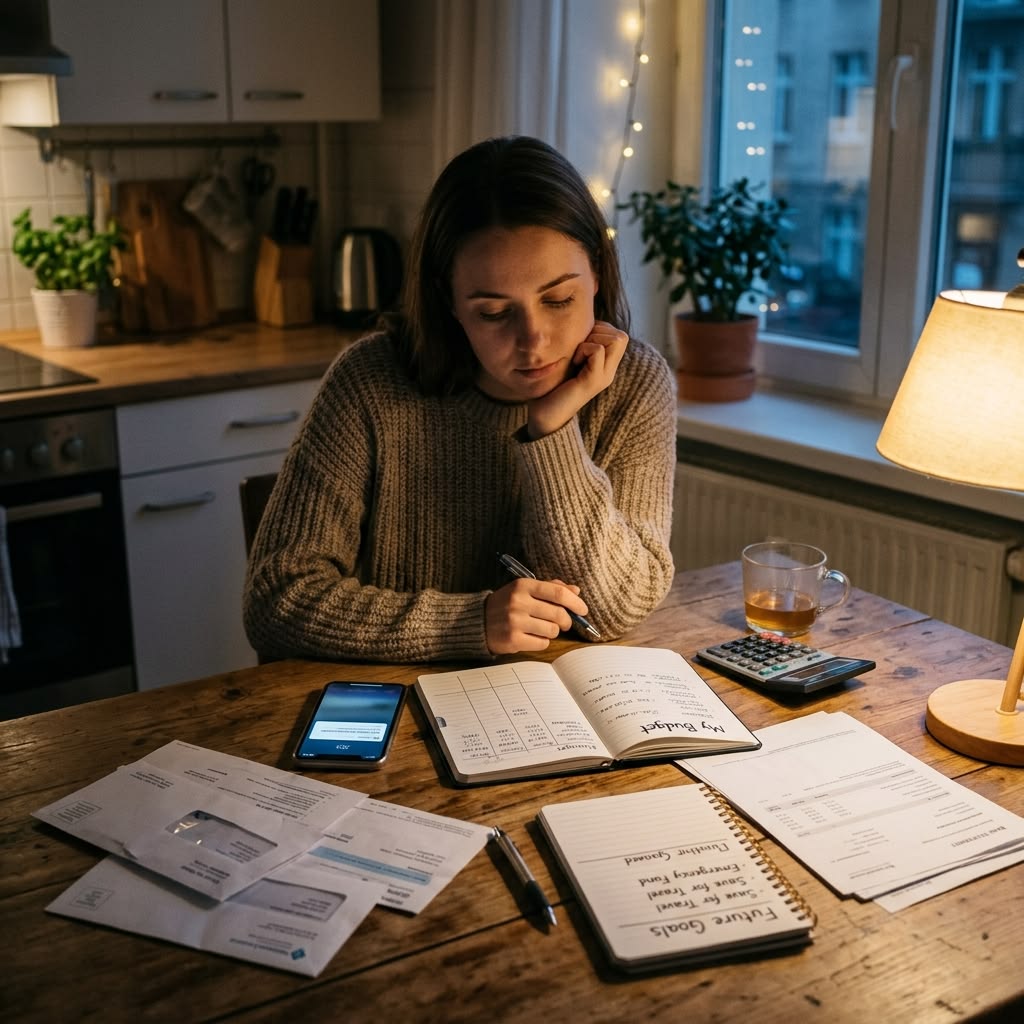
34. Independence Does Not Mean You Cannot Ask for Help
Some people think living alone means they should handle every problem without assistance. That idea can create unnecessary pressure and make difficult situations even harder.
You can be independent while still asking trusted people for advice or practical support. Sometimes another person’s experience can help you avoid a mistake that would cost time or money.
The important thing is learning to ask for help without giving away responsibility. Listen to advice, make your own informed decision, and take responsibility for the outcome.
That is a much healthier picture of independence. If you are preparing for other major adult responsibilities, 35 Adult Responsibilities You May Encounter for the First Time is worth reading next.
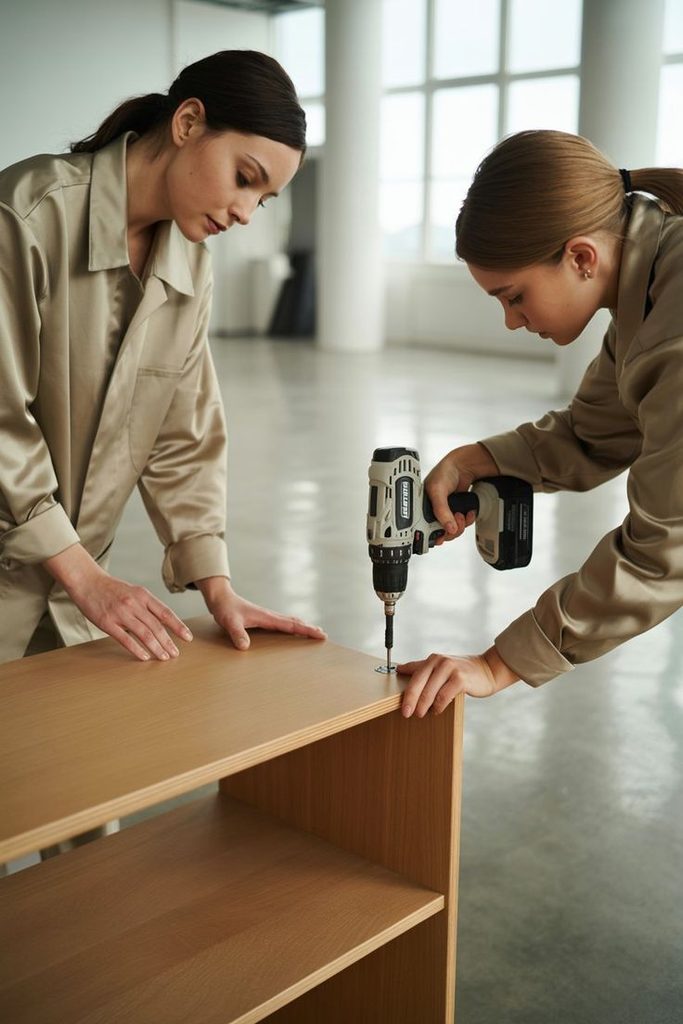
35. You Are Allowed to Grow Into Adulthood Slowly
Perhaps the biggest thing nobody tells you is that adulthood does not happen overnight. Moving out changes your responsibilities, but it does not suddenly make you know everything.
You will learn some things quickly and struggle with others for much longer. Some days you will feel incredibly capable, while other days you may feel completely unsure.
That does not mean you are failing because growth rarely happens in a straight line. Give yourself room to learn, make mistakes, adjust your plans, and try again.
Your first home is not just a place where you sleep at night. It is also a place where you begin discovering the person you are becoming.
During my first major move, I expected independence to feel like having everything under control. Instead, I discovered that real independence meant learning how to handle things responsibly.
That lesson changed how I viewed mistakes, money, routines, and asking for help. You may discover similar lessons as you build your own life. If a new city is part of your next chapter, 25 Things to Figure Out Before Starting Life in a New City can help you prepare.
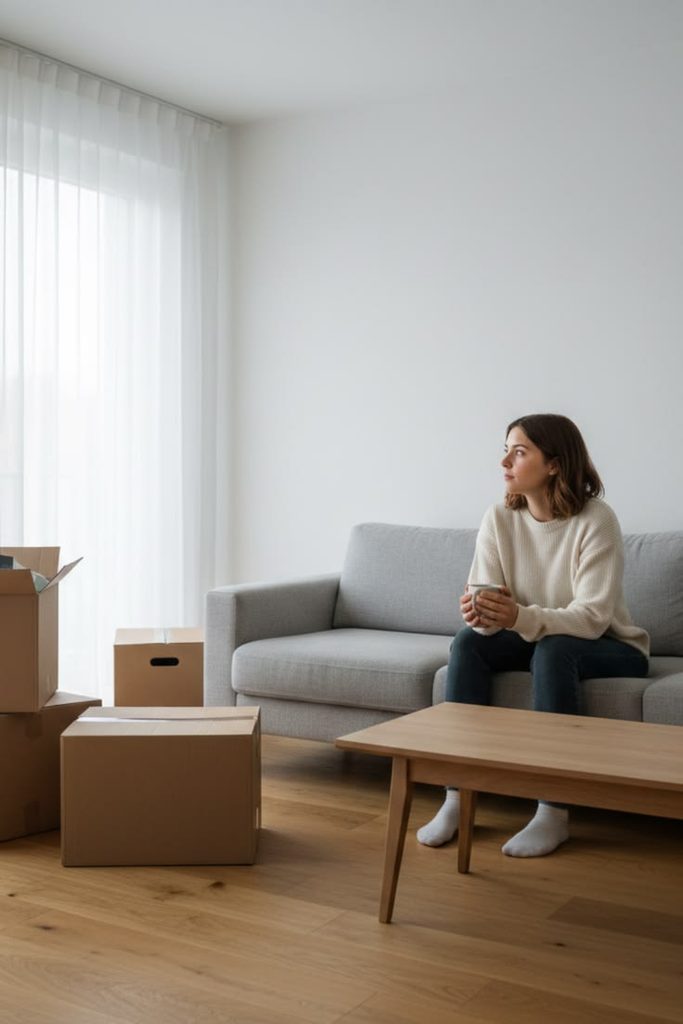
Final Thoughts
Moving out for the first time can be exciting, scary, expensive, confusing, and freeing. Sometimes all those feelings can show up during the same week.
You might feel proud of yourself in the morning and miss home later that evening. That emotional mix does not mean you made the wrong decision.
It simply means you are adjusting to a major change in your everyday life. Give yourself time to learn the practical things that independent living requires.
Learn how to manage money, maintain your home, protect your space, and handle unexpected problems. At the same time, remember that independence should not become a competition.
You do not need the most beautiful apartment or the perfect adult routine. You simply need to keep learning and making choices that support your growing life.
Your first home may not be perfect, but it can still become deeply meaningful. Years from now, you may remember those early mistakes with a smile.
You may even realize those ordinary moments taught you more than you expected. So, take the first step with preparation, patience, and realistic expectations.
You are not supposed to know everything before moving out for the first time. You are simply beginning a new chapter where you get to learn as you go.
Leave a Reply