Starting life in a new city can feel like pressing a giant reset button on everything you know.
The streets are unfamiliar, your usual places are gone, and even simple errands suddenly require planning. You may feel excited about the fresh start while quietly wondering how you will figure everything out.
That mix of excitement and uncertainty is completely normal. Moving somewhere new gives you freedom, but it also asks you to become more intentional.
You need to know where you will live, how you will get around, where you will shop, and how much everything may cost. You also need to think about work, safety, friendships, emergencies, and the little details that make everyday life easier.
During my first experience preparing for a major move, I thought finding a place to live would be the hardest part. I quickly realized that settling into the city required just as much preparation.
The good news is that you do not have to figure everything out after arriving. Some of the biggest questions can be answered before you pack your bags.
If you are preparing for your first major move, 45 Things to Do Before Your First Big Move can help you prepare before leaving.
A new city can become a beautiful new chapter, but preparation can make that chapter much easier to begin.

25 Things to Figure Out Before Starting Life in a New City
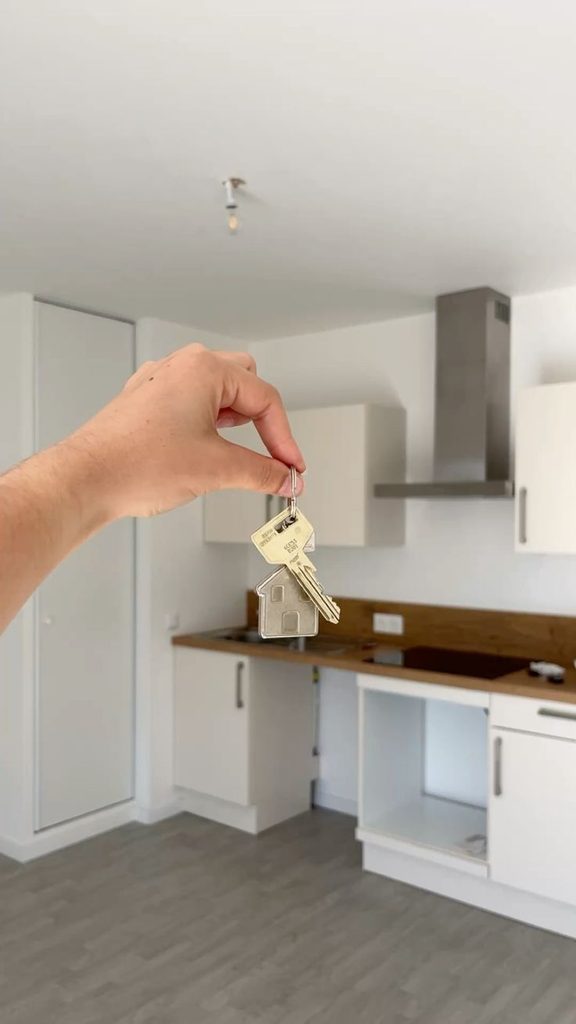
1. Figure Out Where You Will Live
Your first major decision is knowing where you will stay when you arrive. Having a clear housing plan can make the rest of your move feel less overwhelming.
Look beyond the appearance of a home and think about how the location fits your everyday life. Consider your workplace, school, transportation, grocery stores, healthcare, and other regular destinations.
You should also understand the full cost of living there. Rent may only be one part of your monthly housing expenses. Ask about utilities, deposits, maintenance, parking, internet, and other costs before committing yourself.
If you are renting, read the agreement carefully and ask questions about anything you do not understand.
During my first major housing search, I became so focused on finding somewhere attractive that I almost ignored the distance from important places.
That experience taught me that a beautiful home can become frustrating when the location does not fit your daily routine. Your home should give you a comfortable starting point, not create new problems every morning.
2. Understand the Cost of Living
A new city can be much more expensive or affordable than the place you currently live.
Before moving, research the prices of things you will regularly need. Look at housing, groceries, transportation, utilities, internet, eating out, and other everyday expenses.
Do not build your budget around one cheap grocery store or one discounted apartment.
Try to understand what normal spending might look like across an average month.
Your income also matters here. A salary that sounds good may not feel as comfortable after you account for higher rent and transportation.
Create a realistic monthly budget before you move. Leave some space for unexpected expenses because your first few weeks may include purchases you did not plan.
Understanding the city’s costs can help you decide how much money you need before arriving. It can also help you avoid moving somewhere that looks exciting but creates constant financial pressure.
Don’t stop here: 45 Things to Do Before Your First Big Move

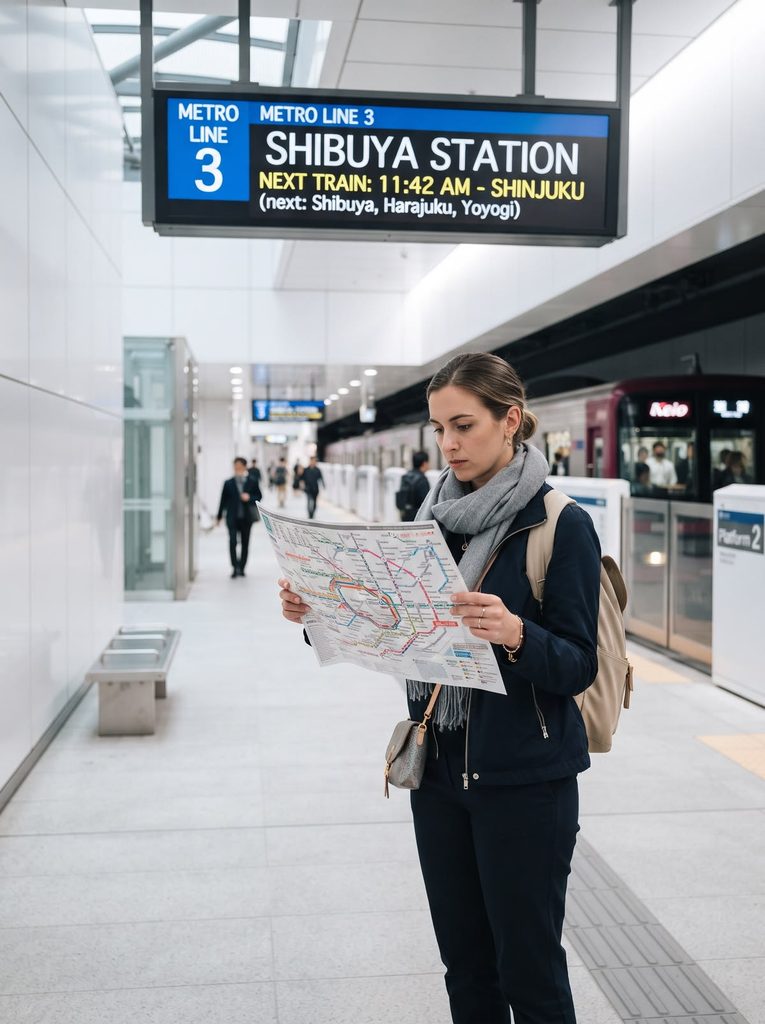
3. Know How You Will Get Around
Transportation can completely change how convenient your new city feels.
Before moving, figure out how you will travel to work, school, shopping areas, appointments, and other places you expect to visit often.
Research public transportation routes and schedules if they are available. Look at the cost of regular trips instead of only checking individual fares.
If you plan to drive, consider fuel, parking, maintenance, insurance, and traffic. A car can give you more freedom, but owning one can also increase your monthly expenses.
If you are considering your first vehicle, 25 Things to Know Before Buying Your First Car can help you think through the responsibility carefully.
You should also think about what happens when your normal transportation is unavailable. Having a backup plan can save you from feeling stranded during your first few weeks.
4. Research the Area Around Your Home
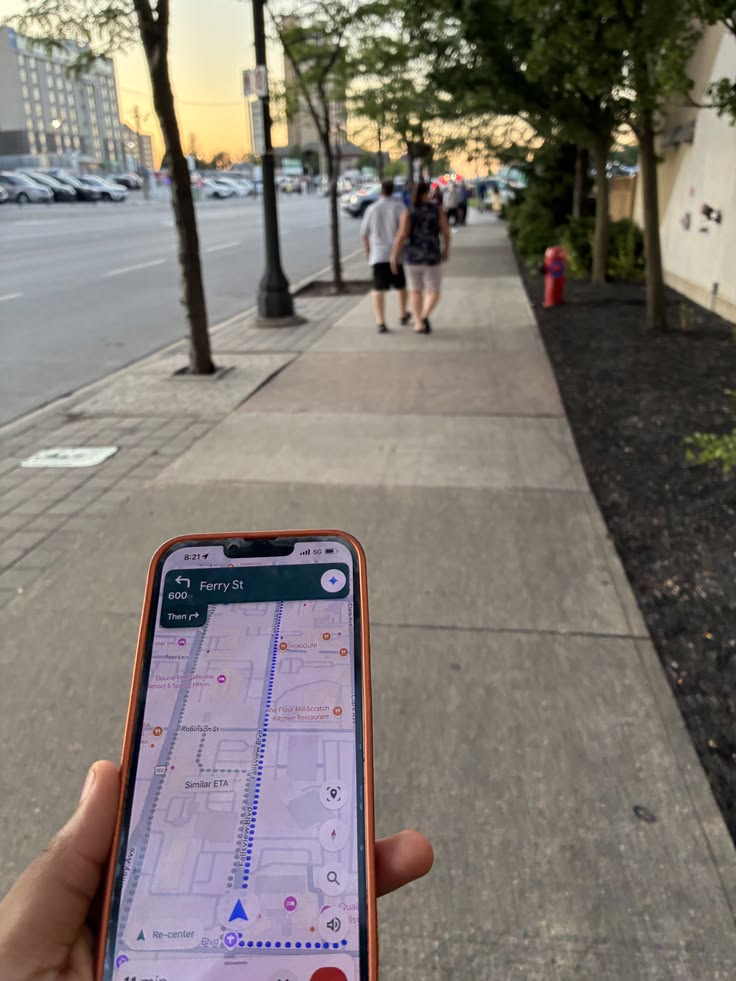
Knowing your exact neighborhood can make settling in much easier. Before moving, look around the area online and identify places you are likely to need regularly.
Find nearby grocery stores, pharmacies, banks, restaurants, hospitals, fuel stations, and other useful services. You do not need to memorize the entire city before arriving.
Instead, focus on understanding the area where you will spend most of your time. Check the distance between your home and important places.
Think about how you would get there without a car if necessary. You can also learn about the general character of the neighborhood and what people say about living there.
The goal is not to become an expert before moving. You simply want enough information to avoid feeling completely lost when you arrive.
Explore more ideas: 25 Things to Know Before Getting Your First Credit Card
5. Find Out About Job Opportunities
A new city can open exciting career opportunities, but you should understand the job market before moving. Research companies, industries, salary ranges, and common job openings connected to your skills.
If you already have a job, understand where your workplace is located and how long your commute may take. If you are moving without a job, be realistic about how long finding work might take.
Your savings should account for that possibility. Update your résumé and professional profiles before moving so you can respond quickly to opportunities.
You can also begin connecting with people in your industry before arriving. Starting these conversations early can make the new city feel less unfamiliar.
Your career will be an important part of your new routine, so give it attention before packing your bags.
Find even more inspiration: 35 Firsts to Prepare for When You Become an Independent Adult

6. Understand the Local Weather
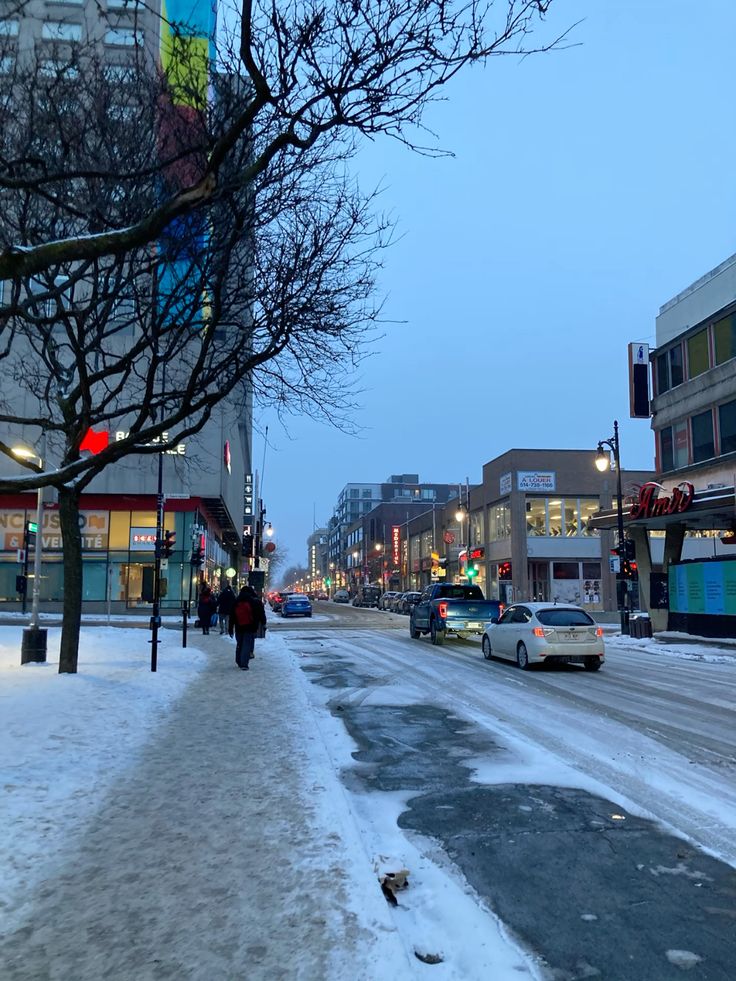
Weather may not seem like a major moving decision until you experience a place that feels completely different from home. A city may have hotter summers, colder winters, heavier rainfall, stronger winds, or different seasonal patterns.
Research the weather throughout the year instead of checking only the season when you plan to arrive. This can help you decide what clothes and household items you actually need.
You may also need to think about transportation during difficult weather. For example, heavy rain or snow can affect commuting, errands, and travel plans.
Understanding the climate can help you prepare physically and financially. You do not need to buy everything before moving.
Start with the essentials and learn what the city actually requires once you arrive.
Keep the ideas coming: 25 Things to Do Before Living on Your Own for the First Time
7. Figure Out Your Grocery Options
Food is one of those everyday needs that becomes very noticeable when you move somewhere unfamiliar. Find out where you can buy affordable groceries near your home.
Compare several stores instead of assuming the closest option will always be the cheapest. You can also check markets, local shops, supermarkets, and other places where people regularly buy food.
Think about transportation when choosing where to shop. A store with slightly lower prices may not save you much if getting there costs more in transportation.
During my first few weeks in an unfamiliar area, I spent more on convenience food because I had not figured out my regular shopping routine.
Once I knew where to shop, planning meals became much easier. A simple grocery routine can save money, time, and unnecessary stress.
More ideas you’ll love: 35 Things Nobody Tells You About Moving Out for the First Time

8. Find Nearby Healthcare Services
Knowing where to get healthcare before you need it is a smart part of moving preparation. Research nearby clinics, hospitals, pharmacies, dental services, and other healthcare providers you may need.
You should also understand how appointments work and what payment or insurance arrangements may apply. If you take regular medication, make sure you know how you will continue getting it after the move.
Do not wait until you are sick to discover that the nearest suitable provider is far away. You should also know which facility handles emergencies in your area.
Having this information available can make a stressful situation easier to manage. Your health should remain a priority even while you are busy settling into your new city.
A new environment should not mean ignoring routines that help you stay well.

9. Learn About Safety in the Area
Feeling comfortable in your new city starts with understanding your surroundings. Research the neighborhood where you plan to live and learn about common safety concerns.
You can ask trusted local people about areas they recommend for walking, parking, shopping, and commuting. Pay attention to your surroundings after arriving instead of relying entirely on online information.
Different parts of a city can feel very different from one another. You should also know important emergency numbers and nearby emergency services.
Simple habits can help you stay prepared, such as locking doors and protecting personal information. Learning about safety does not mean becoming afraid of your new city.
It simply means giving yourself enough information to move around with greater confidence.
Discover more: How to Build Confidence During Your First Year of Adult Life

10. Know Where You Will Handle Your Banking
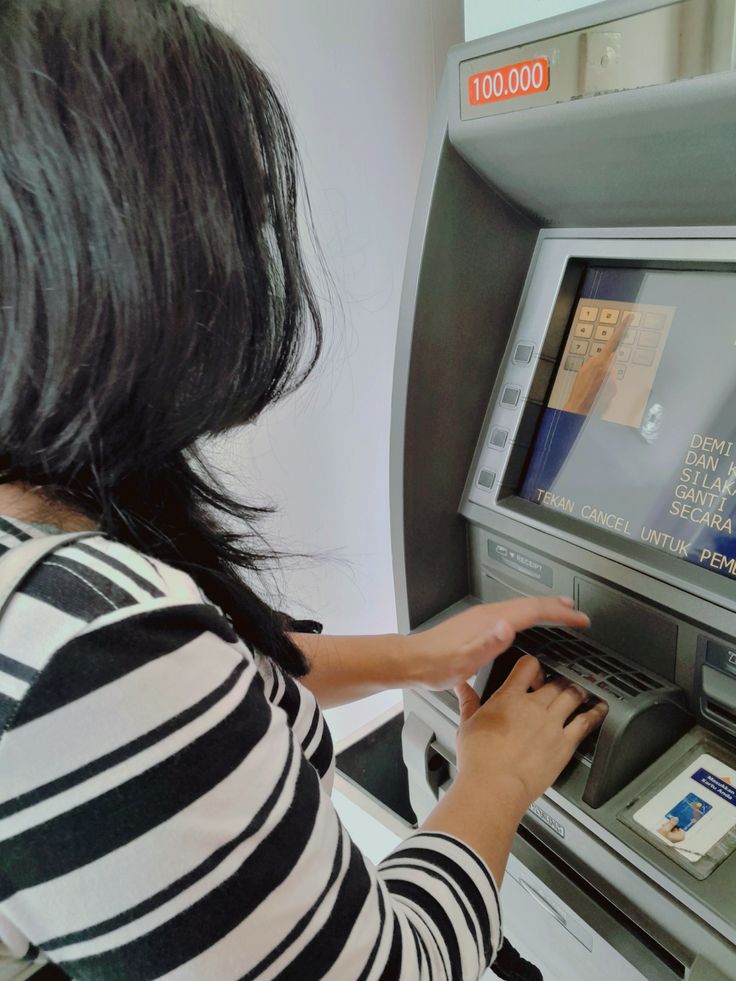
Moving can affect how convenient your banking routine feels. Find out where your bank has branches or ATMs near your new home and workplace.
If your current bank has limited access in the new city, investigate your options before moving. You should also update your address and other important information when necessary.
Keep track of automatic payments so they continue working properly after the move. A new city can create enough changes without you discovering that your regular banking routine has suddenly become difficult.
If you are still learning how to manage money independently, 25 Things to Know Before Getting Your First Credit Card can also help you build stronger financial habits.
Your financial life should move with you smoothly instead of becoming another source of confusion.
11. Understand Your Work Commute
Your home may look perfect until you discover what the daily commute feels like. Look at the distance between your home and workplace during realistic travel times.
Do not only calculate the distance when traffic is light. Consider how long the journey might take during your normal working hours.
A long commute can affect your sleep, energy, transportation costs, and free time. Sometimes paying slightly more for housing closer to work can make sense when the difference saves significant time.
Other times, a longer commute may be manageable because housing costs are much lower. The important thing is understanding the tradeoff before choosing where to live.
Your commute will happen repeatedly, so even small daily difficulties can become significant over time.
Get inspired: How to Manage the Responsibilities of Living on Your Own

12. Know What You Need to Bring
Moving to a new city can tempt you to pack everything you own. But transporting unnecessary items can make the move more expensive and stressful.
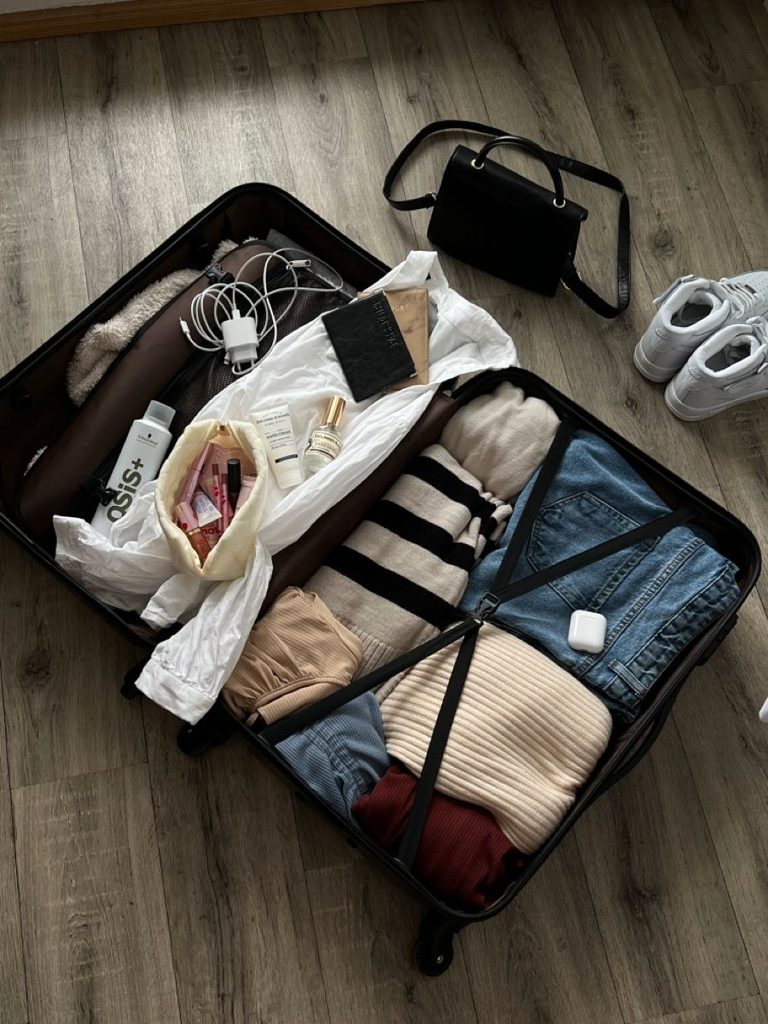
Start by thinking about what you actually use regularly. Consider clothing, important documents, basic kitchen items, work supplies, toiletries, electronics, and sentimental belongings.
You can buy some things after arriving, especially items that are inexpensive and easy to replace. Avoid spending money transporting items that you rarely use.
At the same time, do not forget important things simply because they seem boring. During my first major move, I spent too much time worrying about decorative items while almost forgetting some everyday essentials.
That taught me to pack according to daily needs first. Your first few days should be comfortable, not filled with unnecessary unpacking and searching.
Try these next: 25 Things to Know Before Buying Your First Car
13. Build a First-Month Budget
Your first month in a new city may cost more than your normal months. You may need household supplies, transportation, deposits, food, furniture, documents, work clothes, or other unexpected items.
That is why your first-month budget should have extra room. Do not assume your regular monthly budget will cover everything during the transition.
Write down the expenses you expect before moving. Then leave some money available for the things you cannot predict.
A strong first-month budget can prevent you from using credit or borrowing money unnecessarily. It can also help you make calmer decisions when something unexpected happens.
Starting your new life with some financial breathing room can make the entire transition feel easier.
See all the details: 35 Things to Expect During Your First Month of Independent Living

14. Figure Out Your Communication Options
Staying connected becomes especially important when you move away from familiar people. Make sure your phone service works reliably in the new city.
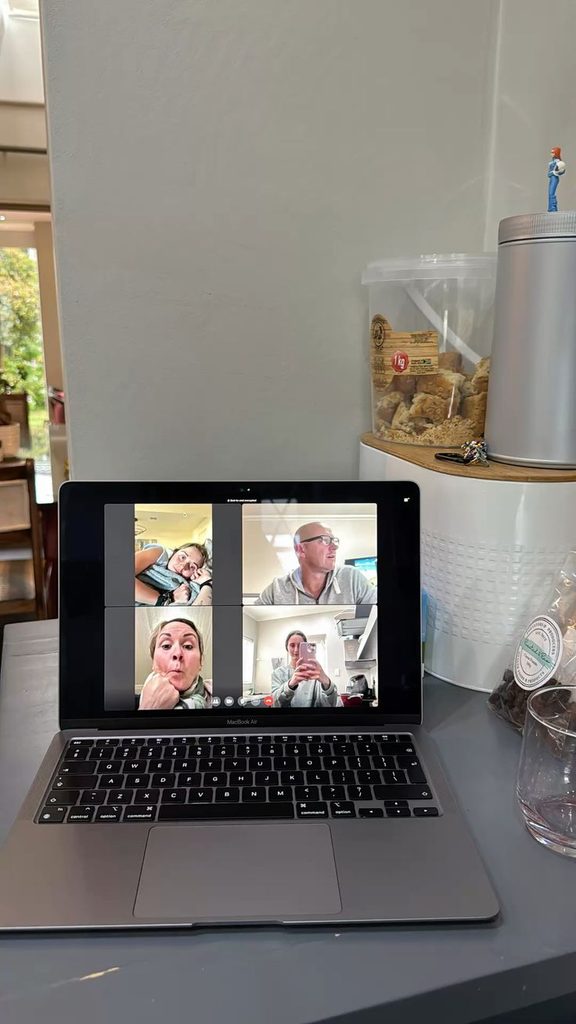
Check internet options before moving if you need a connection for work, school, or other important activities. You should also decide how you will stay connected with family and close friends.
Moving does not mean you have to disappear from the people who matter to you. Regular calls, messages, video chats, and visits can help you maintain those relationships.
At the same time, give yourself permission to build new connections. Your old relationships can remain important while your new life gradually develops its own community.
15. Learn the Local Rules and Expectations
Every city has rules and everyday expectations that may differ from where you previously lived. Some differences may involve parking, waste disposal, public transportation, housing, noise, pets, or other local matters.
Learn the rules that directly affect your daily life. This can prevent unnecessary problems with landlords, neighbors, authorities, or service providers.
You do not need to memorize every regulation. Focus on understanding the rules connected to your home, transportation, work, and regular activities.
Being new does not excuse you from learning how things work. A little research can help you settle in without repeatedly discovering important rules through mistakes.
16. Find Places That Make You Feel Comfortable
A new city can feel lonely when every place around you is unfamiliar. Finding a few comfortable places can help you feel more settled.
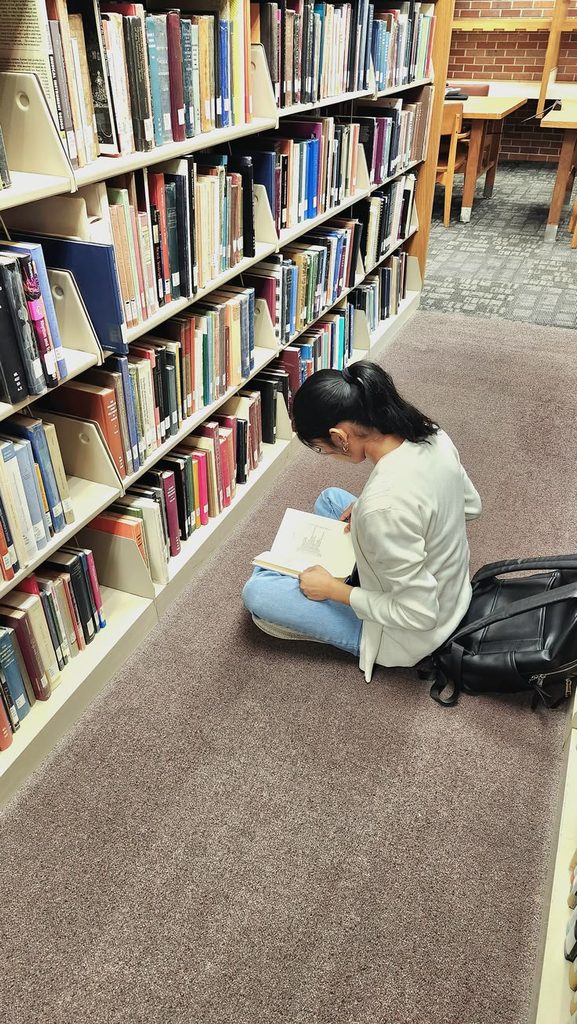
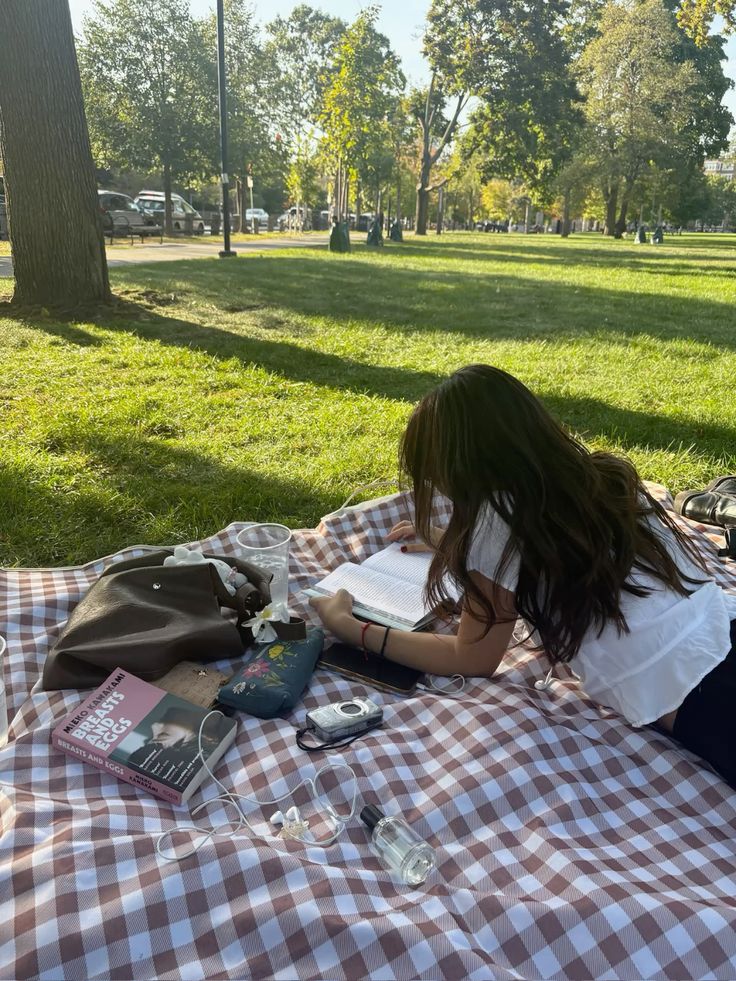
Maybe it is a quiet café, library, park, church, gym, bookstore, or community space. You do not need dozens of favorite places immediately.
Start by finding somewhere you enjoy visiting regularly. Familiar spaces can make an unfamiliar city slowly feel more like home.
They can also create opportunities to meet people naturally. Your goal during the first few months should not be becoming popular. Instead, give yourself opportunities to develop routines that make the city feel less strange.
17. Think About Making New Friends
Friendships may not happen immediately after you move. You may spend your first weeks feeling like everyone already has their own lives and routines.
That feeling can be discouraging, but it does not mean you will always feel alone. Look for natural opportunities to meet people through work, hobbies, classes, community groups, volunteering, sports, or other activities.
Be open to conversations without forcing every new person into a close friendship. Good relationships usually take time.
You also need to stay connected to people from home while building new friendships. Starting over does not mean replacing your old life completely.
It means creating space for new relationships alongside the parts of your old life you still value.

18. Know Where to Get Household Supplies
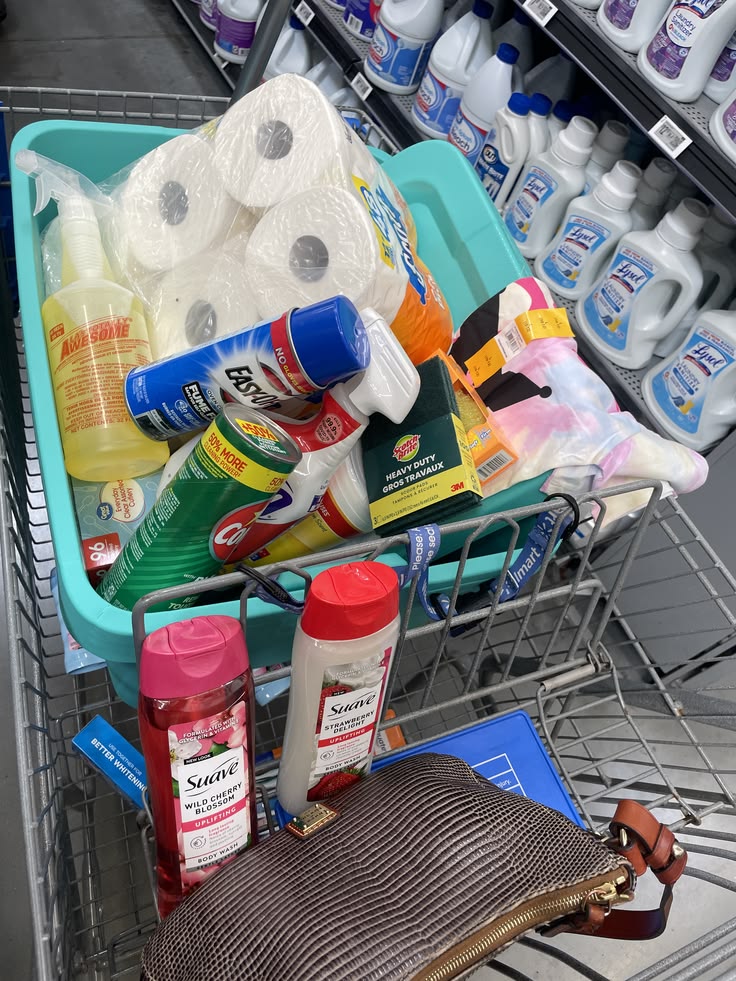
The first few days after moving can expose all the things you forgot to buy. You may suddenly need cleaning supplies, toiletries, batteries, light bulbs, kitchen items, or other basic household products.
Before moving, find nearby stores where you can buy these things. You do not need to purchase an entire household before arriving.
Instead, know where to find essentials when you need them. Compare prices if you are working with a tight budget.
It can also help to keep a small amount of basic supplies ready before moving day. That way, you can settle in without immediately running around the city searching for everything.
Knowing where to shop is a small detail that can make your first week much smoother.
19. Create a Simple Emergency Plan
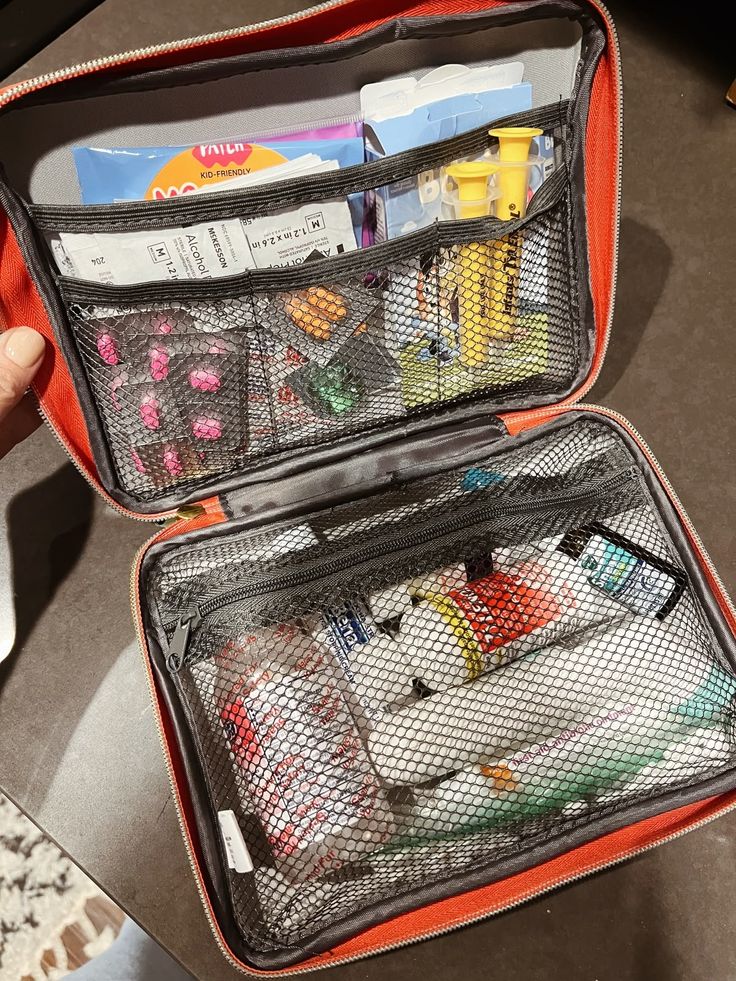
Moving somewhere new means you need to know what you would do during an emergency. Keep important contacts somewhere accessible.
Know the location of nearby hospitals, police stations, emergency services, and other important facilities. You should also tell a trusted person your new address and basic moving details.
If you are living alone, having someone who knows where you are can provide additional peace of mind. Keep copies of important documents and essential information somewhere safe.
Your emergency plan does not need to be complicated. It simply needs to give you clear steps when you are stressed and cannot think clearly.
Being prepared can make your new independence feel safer and more manageable.
20. Understand Your New City’s Lifestyle
Every city has its own pace and personality. Some places feel busy from morning until night, while others move more slowly.
You may discover different work schedules, social habits, food cultures, traffic patterns, and ways people spend their free time. Give yourself time to observe before deciding how you feel about everything.
You may love some parts immediately and dislike others. That is normal. You do not need to change your personality to fit your new environment.
At the same time, learning how people around you live can help you adjust more comfortably. A new city becomes easier to understand when you stop comparing every detail with your old home.

21. Plan How You Will Spend Your Free Time
Your life cannot revolve around work and errands alone. Once you move, you will need activities that help you relax, enjoy yourself, and feel connected to your surroundings.
Look for affordable hobbies and places you might enjoy visiting. You can explore parks, libraries, community events, walking routes, local restaurants, markets, sports, classes, or creative activities.
Having something enjoyable to look forward to can make a new city feel less intimidating. Your free time can also become an opportunity to meet people.
Do not pressure yourself to experience everything immediately. Give yourself time to discover what you genuinely enjoy.

22. Know How You Will Handle Homesickness
Even an exciting move can make you miss home. You may miss familiar food, family conversations, old friends, familiar streets, or simply knowing where everything is.
Homesickness does not mean you made the wrong decision. It often means you are adjusting to a major change.
Stay connected with people you love while giving yourself permission to build a new routine. You can also bring small familiar things into your new space.
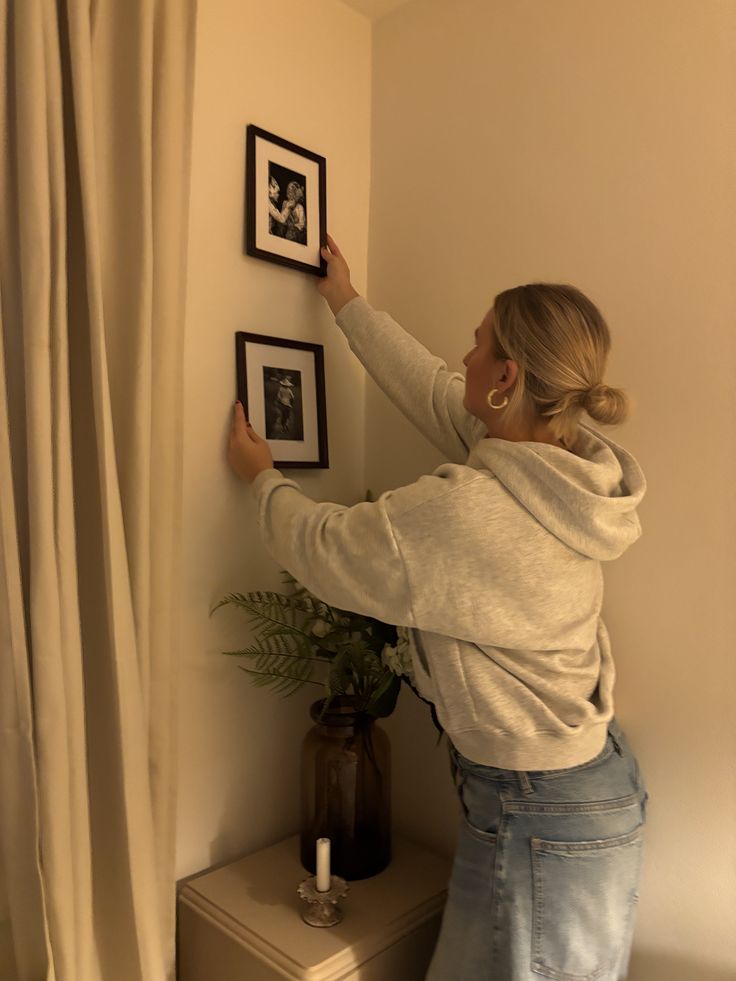
Photos, favorite meals, familiar music, or regular calls can help you feel grounded. At the same time, do not spend every day wishing you were somewhere else. Give the new city a genuine chance to become part of your life.
23. Give Yourself Time to Adjust
You may expect yourself to feel settled within the first few days. That expectation can create unnecessary pressure.
Learning a new city takes time because you are building knowledge that locals may have developed over many years. You will probably get lost occasionally.
You may choose the wrong bus, miss an exit, overpay for something, or discover that a supposedly short journey takes much longer. Those experiences are part of learning.
Give yourself room to make small mistakes without turning them into proof that you cannot handle independence. The city will become more familiar as you repeat ordinary routines.
One day, you may suddenly realize that you know exactly where you are going. That is usually how a new place slowly becomes home.
24. Prepare Yourself for Change
Moving to a new city can change more than your address. Your routines may change, friendships may shift, responsibilities may increase, and your priorities may become different.
Some changes will be exciting. Others may feel uncomfortable at first. You need to give yourself permission to grow without expecting everything to remain exactly as it was.
If you are leaving home for the first time, 25 Things to Do Before Living on Your Own for the First Time can help you prepare for the independence that comes with this transition.
You may also discover that some habits from your old environment no longer fit your new life. That is okay. Starting somewhere new gives you an opportunity to rethink routines and build a life that fits who you are becoming.

25. Remember That You Do Not Have to Figure Everything Out Immediately
Starting life in a new city can make you feel like you should have every answer before you arrive. You do not. You only need enough preparation to handle your first steps.
Your knowledge will grow as you explore the city, meet people, solve problems, and build routines. You will eventually learn which grocery store you prefer, which route saves time, where to get good coffee, and whom you can call for help.
You will discover things you could never have learned from a search engine.
If you are building independence more broadly, 35 Adult Responsibilities You May Encounter for the First Time can remind you that many adult skills develop through experience.
Your new city does not have to feel like home immediately. Give yourself time to learn its streets, routines, people, costs, and opportunities. One day, the unfamiliar places may become the places you know best.
Final Thoughts
Starting life in a new city can be exciting, scary, expensive, freeing, and confusing all at once. You may feel confident one morning and completely lost by the afternoon.
That does not mean you are failing. You are learning a new environment while building a new version of your everyday life. The best thing you can do is prepare for the practical details without expecting yourself to control everything.
Know where you will live, how you will travel, what your budget looks like, where you can shop, and who you can contact when you need help. Then give yourself room to discover the rest naturally.
The city may not feel like home during your first week or even your first month. But with time, ordinary routines can turn unfamiliar streets into familiar places.
You may eventually find your favorite store, your regular route, your favorite quiet corner, and people who make the city feel warmer. A fresh start does not require you to have everything figured out.
Sometimes, it simply requires enough courage to begin, enough preparation to stay steady, and enough patience to let your new life unfold.
Leave a Reply