Your first big move can feel like freedom, excitement, fear, and confusion packed inside one suitcase. One minute, you are imagining your new life, and the next, you are wondering what you forgot.
That feeling is completely normal because moving changes more than your address. It changes your routines, spending, responsibilities, relationships, and sometimes even your confidence.
A big move becomes much easier when you prepare for the boring details before moving day arrives. You need more than boxes and a moving date.
Your money, documents, belongings, transportation, housing, and daily routines all deserve attention before you leave.
If this is your first major transition, start slowly and give yourself enough time. You can also revisit 35 Things Nobody Tells You About Moving Out for the First Time for practical reminders about independent living.

45 Things to Do Before Your First Big Move
1. Know Exactly Why You Are Moving
Before packing anything, become clear about the reason behind your move. Maybe you found a new job, started school, or simply need a fresh environment. Your reason can help you stay focused when moving becomes stressful.
A clear reason also helps you make better decisions during preparation. You will know what deserves your money, time, and attention most. Write down your main reason somewhere you can see it often.
During my first major move, I underestimated how emotional the process could become. Remembering why I was moving helped me keep going when everything felt overwhelming.

2. Set a Realistic Moving Budget
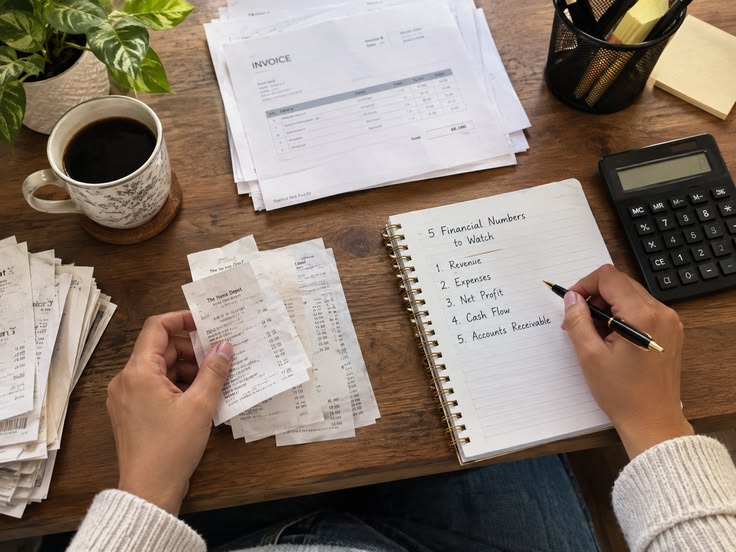
Moving can cost more than you expect because small expenses appear almost everywhere. Transportation, boxes, food, deposits, cleaning supplies, and unexpected costs can quickly add up.
Create a moving budget before spending money on anything unnecessary. Include your expected moving costs and leave some money for surprises. A little extra room can save you from serious stress later.
Your budget should also protect the money needed after arriving. You do not want to spend everything getting there and struggle afterward. Keep your future monthly expenses in mind while planning the move.
The planner has a startup-cost worksheet and savings planner for exactly this.
Keep this handy: 25 Things to Know Before Getting Your First Credit Card.
3. Know How Much Your New Life Will Cost
Moving costs are only one part of the financial picture. Your new location may have different rent, transportation, food, internet, utilities, and entertainment costs.
Research those expenses before committing yourself to the move. Try creating a simple monthly estimate using realistic numbers instead of hopeful guesses. This gives you a clearer picture of what life may actually cost.
You should also consider expenses that do not happen every month. Medical costs, clothing, repairs, gifts, and emergencies can still affect your finances. Knowing these possibilities helps you prepare with fewer surprises.
Save this for later: 35 Adult Responsibilities You May Encounter for the First Time.
4. Build an Emergency Fund
A big move becomes much harder when one unexpected expense wipes out your remaining money. An emergency fund gives you some breathing room when something goes wrong.
You do not need a huge amount saved before starting. Even a small financial cushion can help with urgent transportation, repairs, food, or temporary accommodation.
Try keeping emergency money separate from your normal spending money. That makes it harder to spend accidentally during your preparation. Your goal is simple: arrive at your new place with something still available for emergencies.
You’ll thank yourself later: 45 Life Skills to Learn Before Living on Your Own.

5. Confirm Your New Address
Your new address should be confirmed before you start making serious moving arrangements. Double-check the building number, street name, apartment number, city, and postal information.
Small address mistakes can create major problems during a move. Your movers could arrive at the wrong place, deliveries could disappear, and important documents might go somewhere else.
Save your full address somewhere accessible on your phone. You can also keep a written copy inside your important documents folder. Having the correct information ready makes many moving tasks much easier.

6. Understand Your New Neighborhood
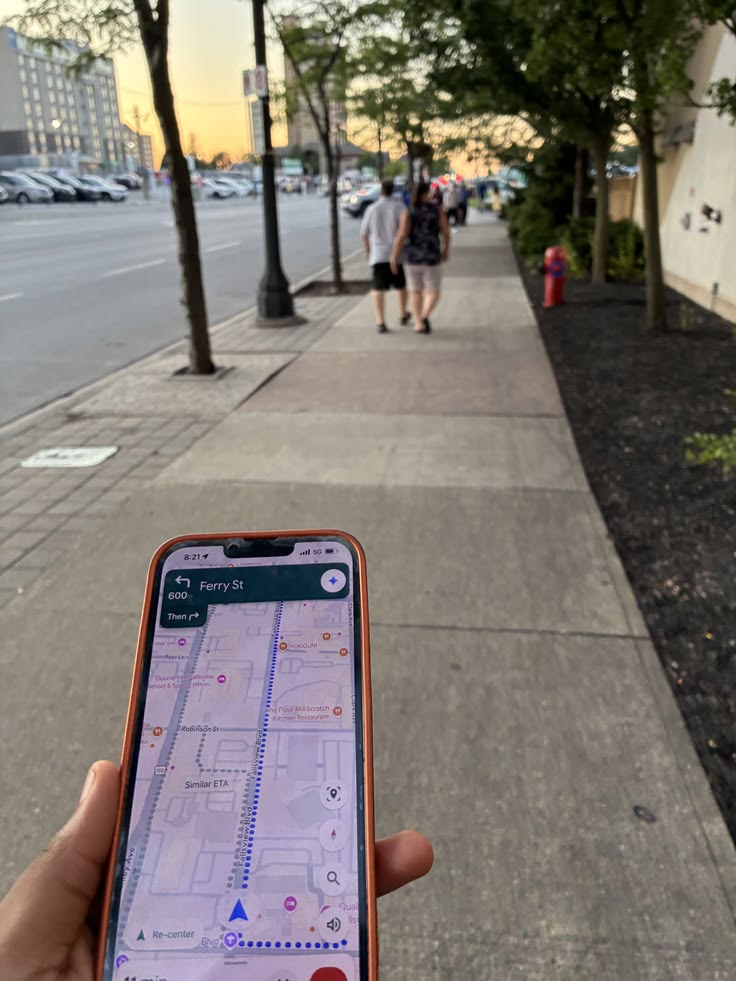
Knowing your new neighborhood can make the first few weeks feel less strange. Look around online and learn where basic places are located before moving.
Find nearby grocery stores, pharmacies, banks, hospitals, public transportation, and other places you may need. You should also learn the easiest routes to work, school, or other regular destinations.
If you are trying to figure out how to go about unfamiliar new place 25 Things to Figure Out Before Starting Life in a New City will guide you.
You do not need to know every street before arriving. Just learn enough to feel slightly familiar with your surroundings. That small preparation can make your first days feel much more comfortable.
7. Check Your Housing Agreement Carefully
If you are renting, read your housing agreement carefully before signing or moving in. Do not rush through pages simply because you are excited about getting your new place.
Pay attention to rent, deposits, repairs, utilities, notice periods, rules, and other responsibilities. Make sure you understand what you are agreeing to before committing yourself.
If something seems confusing, ask questions before signing. It is much easier to clarify a problem before moving than after you have already unpacked everything.

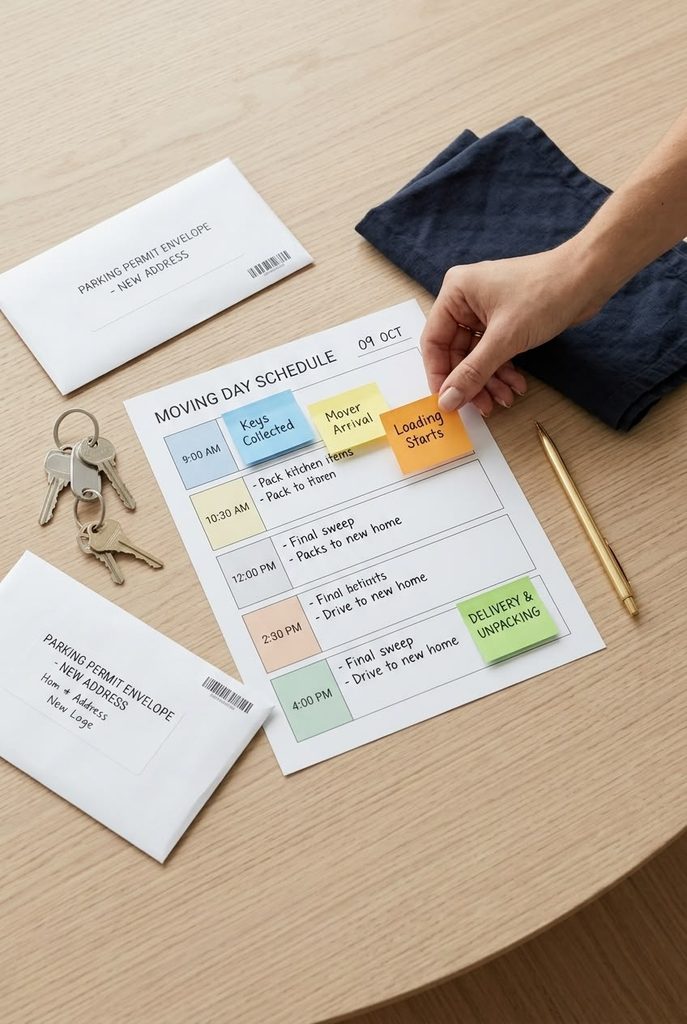
8. Confirm Your Moving Date
Your moving date should be clear to everyone involved in the move. Confirm the date with your landlord, movers, family members, friends, or anyone helping you.
Avoid making arrangements based on assumptions or casual conversations. Write down the final date and keep everyone updated if anything changes.
Also think about the time of day you will arrive. Moving into a new place late at night can create unnecessary stress. A well-planned arrival gives you more time to settle in calmly.
9. Decide What You Are Taking
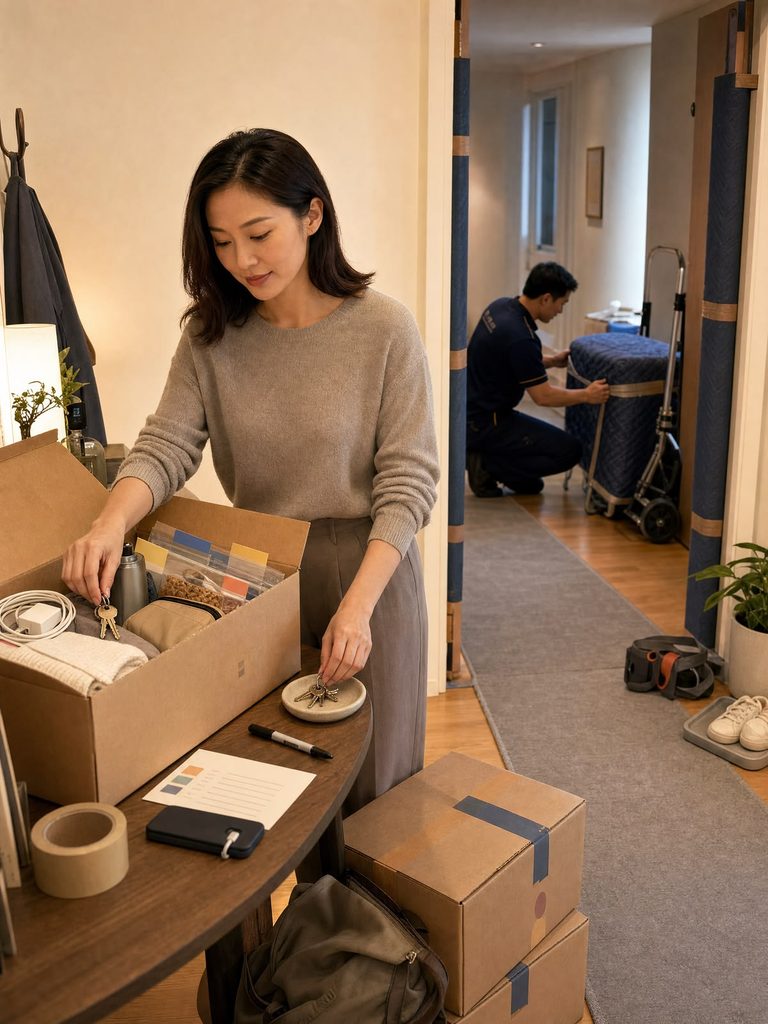
A big move is a great opportunity to stop carrying things you no longer need. Go through your belongings before putting everything into boxes.
Ask yourself if each item is useful, meaningful, or genuinely worth transporting. Some things may be better donated, sold, recycled, or left behind.
During my first big packing experience, I discovered how many things I had kept without using. That taught me to question every item before giving it space in my new home.
Pin this for later: 35 Things to Expect During Your First Month of Independent Living.

10. Start Packing Earlier Than You Think
Packing usually takes longer than people expect because everyday life continues during preparation. You still need clothes, food, toiletries, work items, and other essentials.
Start with things you rarely use and gradually pack more as moving day approaches. This prevents the final night from becoming a stressful race against time.
Give yourself enough space to label and organize each box properly. Rushing usually creates messy boxes that become difficult to unpack later.

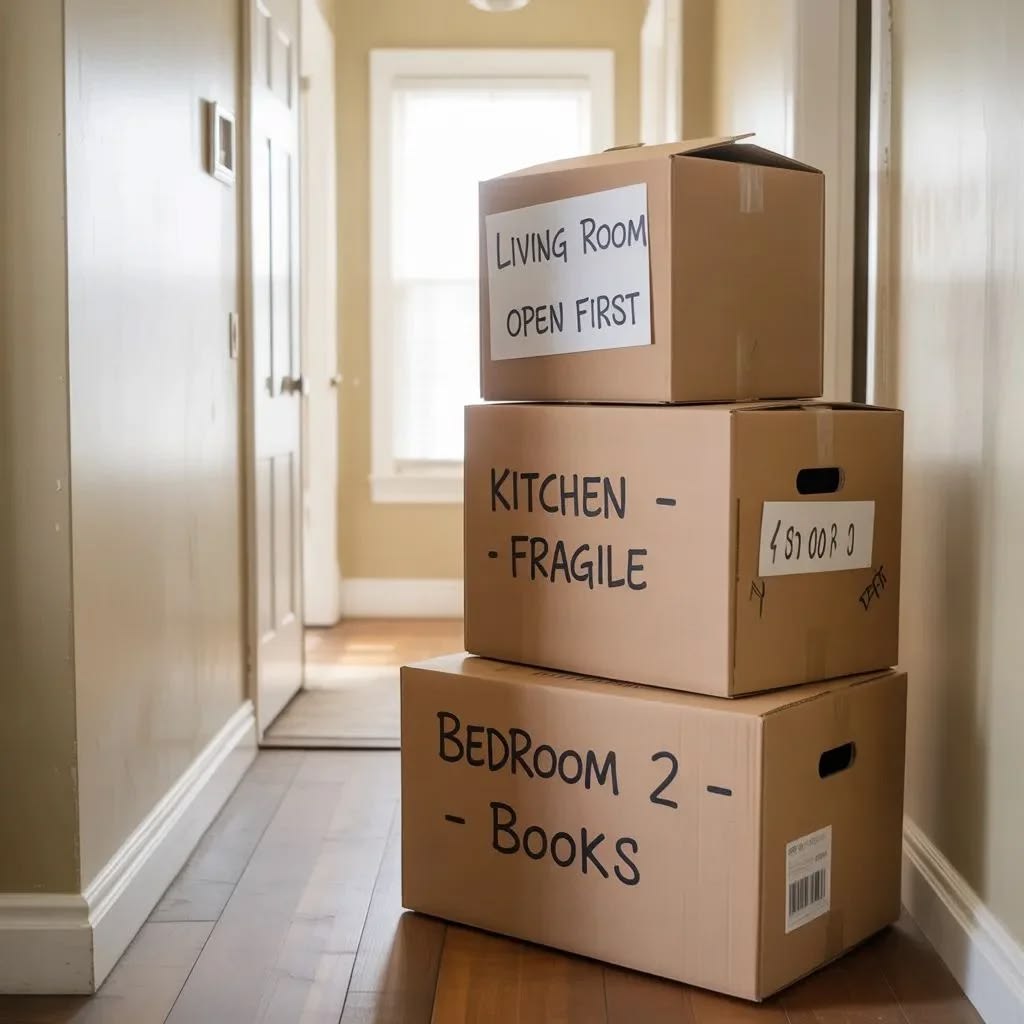
11. Label Every Box Clearly
A box filled with unknown items becomes frustrating when you urgently need something. Clear labels can save you from opening every box after arriving.
Write the general contents and destination room on each box. You can also mark boxes containing fragile items so they receive extra care during transportation.
Keep labels simple and easy to read. You should understand what each box contains without needing to remember your entire packing system.
12. Pack a First-Night Bag
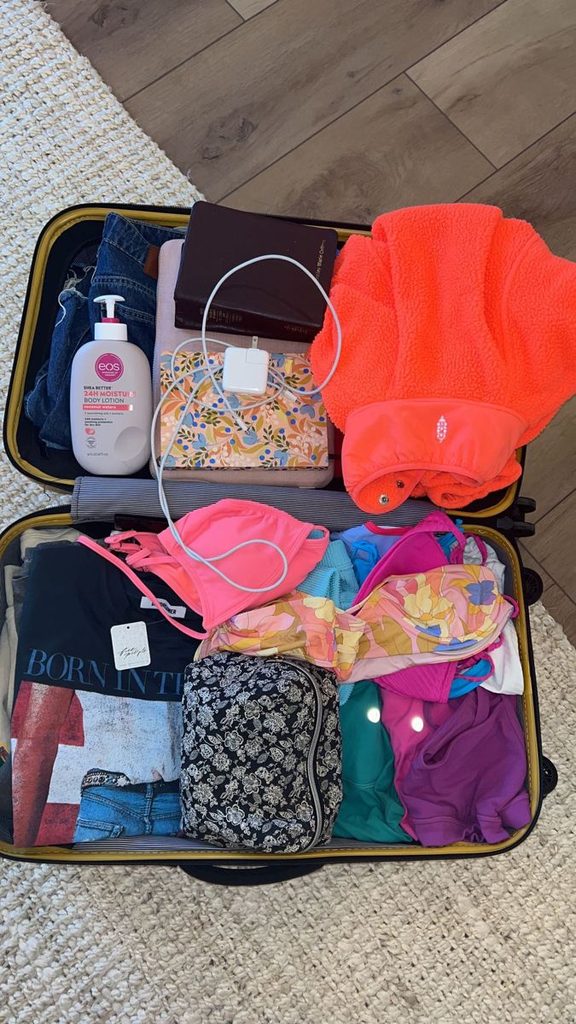
Your first night may be tiring enough without searching through twenty boxes for basic necessities. Pack one separate bag containing the things you will need immediately.
Include clothes, toiletries, medications, chargers, important documents, and anything else you normally use before sleeping. Keep this bag with you instead of putting it inside the moving truck.
That simple decision can make your first night much calmer. You will have what you need even if unpacking takes several days. I put a full first-night essentials checklist in the planner, plus a moving-day checklist.
Keep this guide nearby: How to Build Confidence During Your First Year of Adult Life
13. Protect Your Important Documents
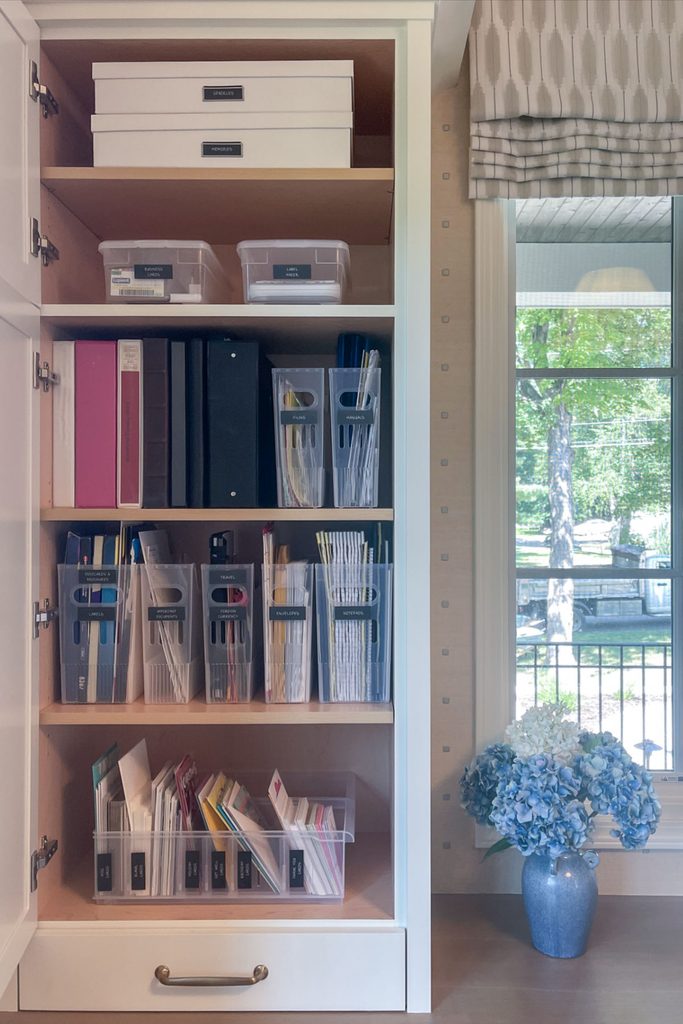
Important documents should travel with you instead of disappearing inside random moving boxes. Gather identification, financial papers, housing documents, school records, and other essential paperwork.
Keep everything together in a secure folder or document bag. You should also know exactly where that folder is throughout the move.
Avoid putting irreplaceable documents inside luggage that could easily get lost. Carrying them personally gives you greater control and peace of mind.
14. Back Up Important Digital Files
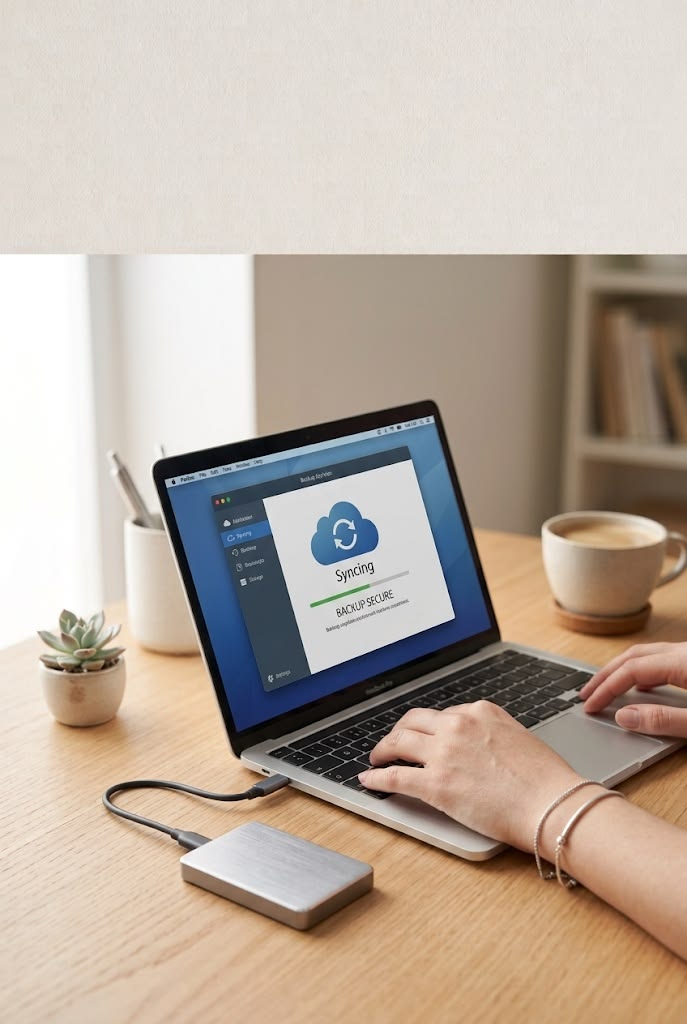
Your phone and computer may contain important information you cannot afford to lose. Back up important photos, documents, contacts, and other files before moving.
You can use cloud storage, an external drive, or another secure backup method. Check that the backup actually works before relying on it.
Moving can involve misplaced bags, damaged devices, and unexpected accidents. A backup gives you another copy when something goes wrong.
Trust me, you’ll want to read this: 25 Things to Do Before Living on Your Own for the First Time.
15. Arrange Your Transportation
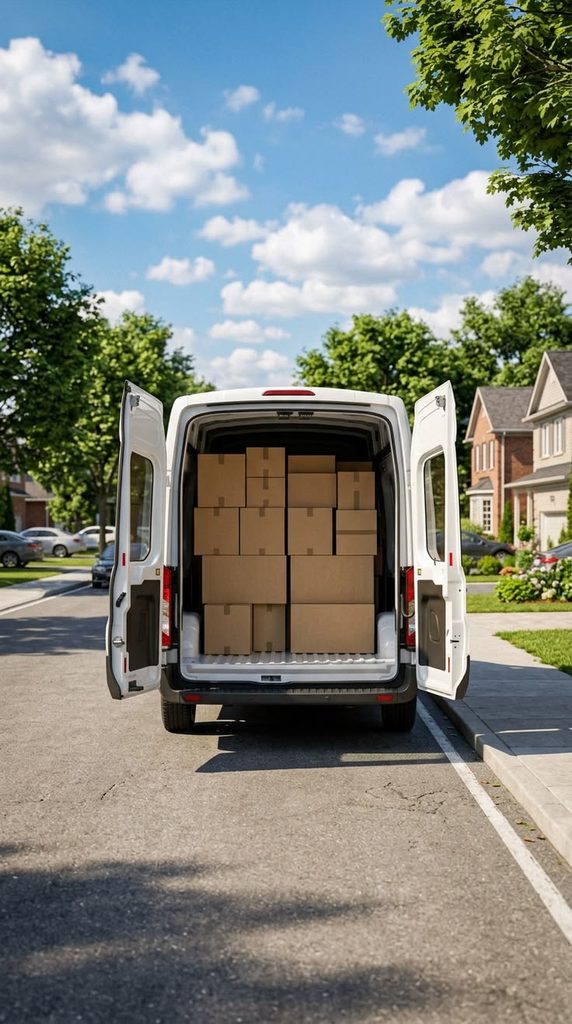
Do not leave transportation planning until moving day. Decide how you, your belongings, and anyone helping you will reach the new location.
If you are driving, check the vehicle, route, fuel needs, parking situation, and expected travel time. If someone else is driving, confirm the arrangement beforehand.
Think about what happens if your original plan fails. Having another option available can prevent panic when something unexpected happens.
16. Plan Your Route
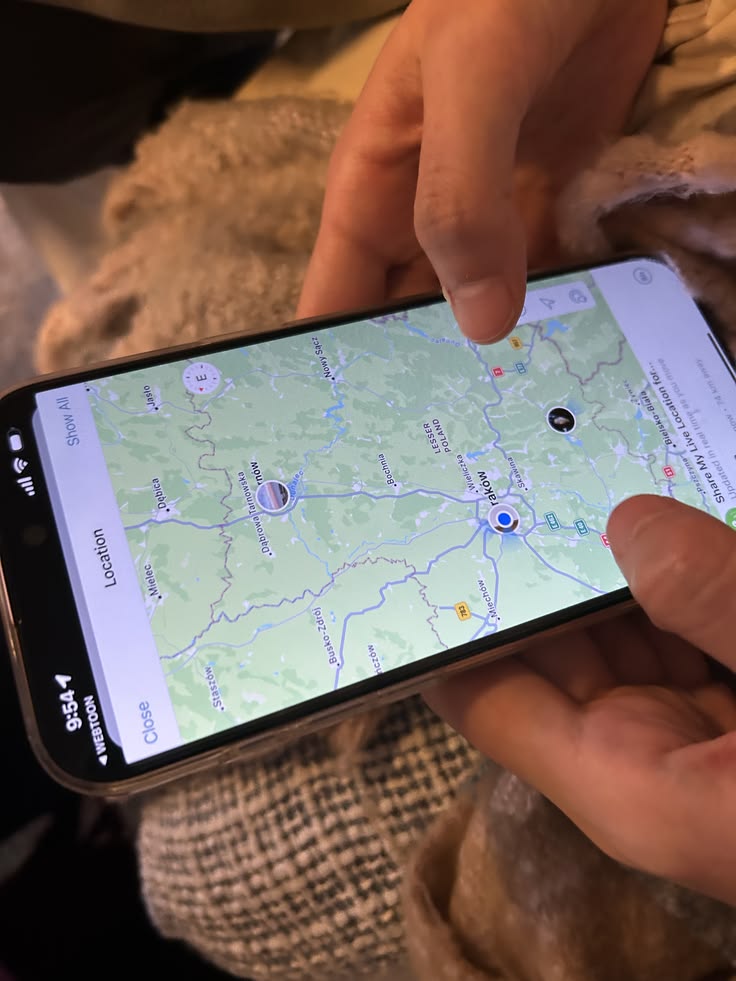
A long-distance move becomes easier when you know the route before leaving. Check the distance, major roads, possible stops, and expected travel time.
You should also consider traffic, weather, road conditions, and rest breaks. Avoid planning such a tight schedule that one delay ruins everything.
Save directions offline if your phone may lose service along the way. Having another navigation option can be extremely useful during unfamiliar travel.
Worth a look: 25 Things to Know Before Buying Your First Car.
17. Prepare Your Moving Supplies
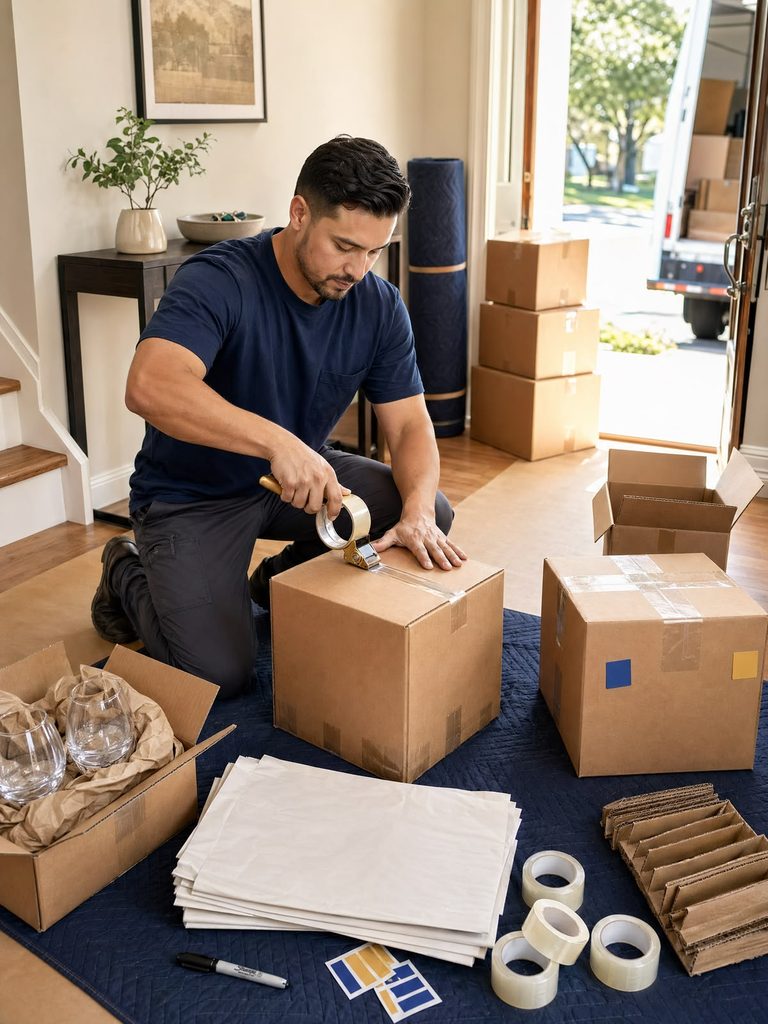
Packing requires more than cardboard boxes. You may need tape, labels, protective materials, scissors, cleaning products, bags, and other basic supplies.
Gather these things before serious packing begins. Running out of tape halfway through packing can create unnecessary frustration.
You can save money by collecting suitable boxes from places that offer them safely. Still, make sure your boxes are strong enough for what you plan to put inside.
18. Take Photos Before Leaving
Take photos of your current belongings and important areas before moving. These pictures can help you remember what you packed and how things looked beforehand.
If you are leaving a rental, photograph the condition of the property before departure. Clear pictures can help document existing damage or the condition of the space.
Keep the photos somewhere safe and backed up. They may become useful later if questions arise about belongings or property conditions.
See all the details: How to Manage the Responsibilities of Living on Your Own

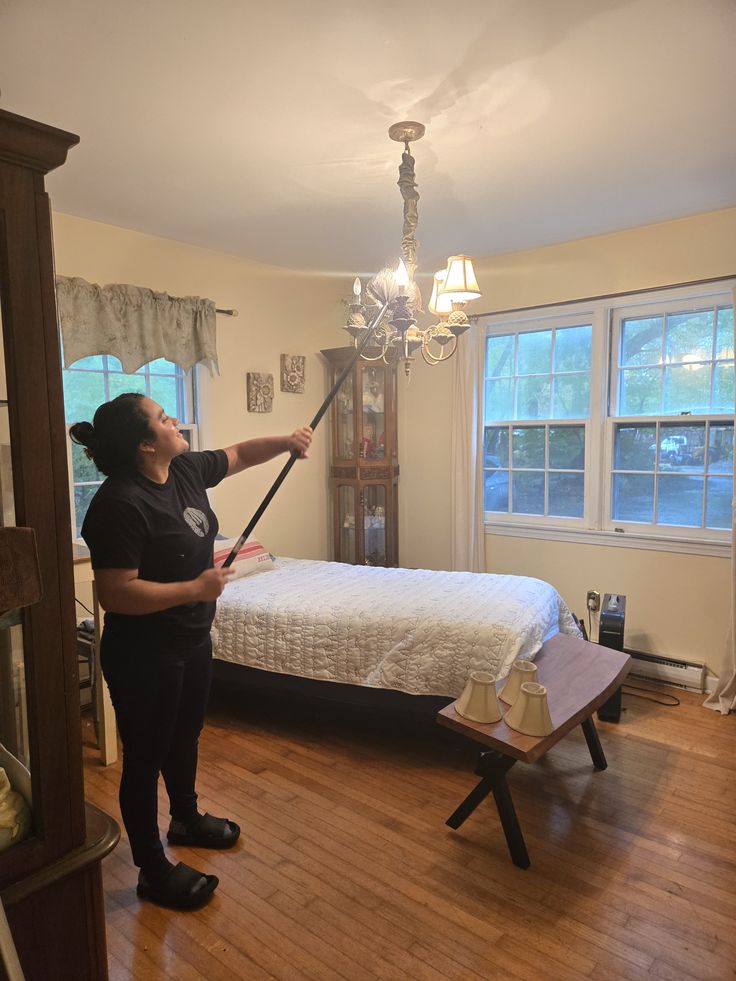
19. Clean Your Old Space Properly
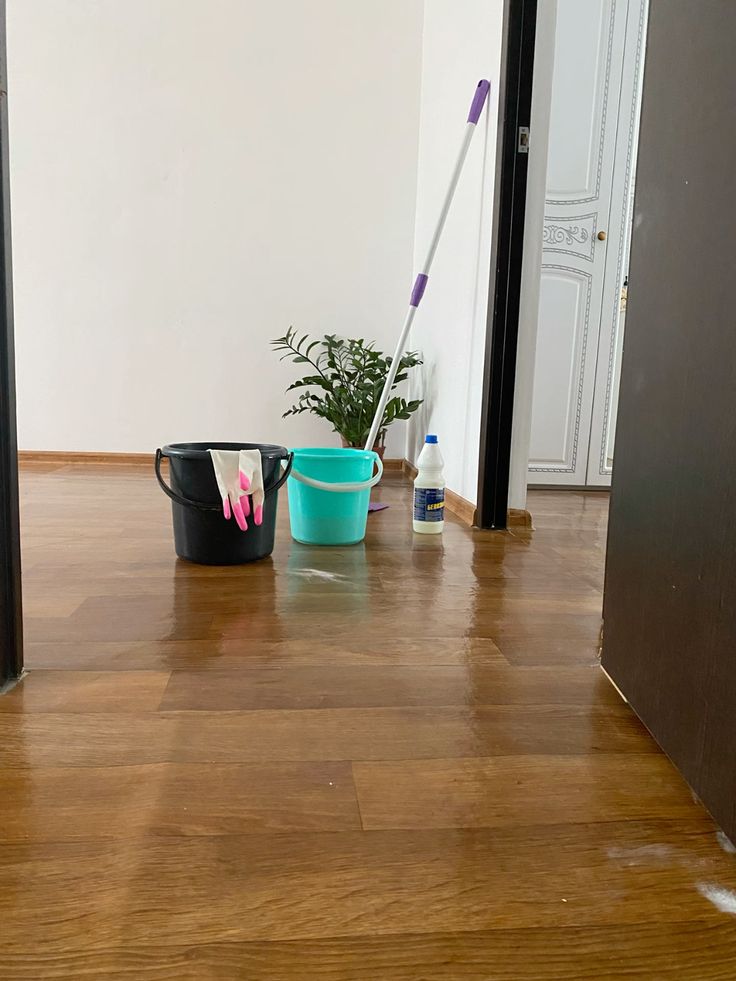
Leaving your old place clean can make the final stage of moving feel more complete. It can also matter if you are renting and expecting a deposit back.
Work through the rooms after most belongings have been removed. Check cupboards, corners, shelves, drawers, and other places where forgotten items can hide.
Do not forget areas that are easy to overlook. A final cleaning gives you a chance to leave the space properly instead of rushing away.
20. Check Every Storage Space
Before leaving, open every drawer, cupboard, closet, shelf, and storage area. Small belongings can easily disappear into places you rarely check.
Look behind furniture and inside bags that have already been packed. Check bathrooms, kitchens, bedrooms, and other areas carefully.
This final check can prevent the frustrating experience of remembering something after you are already far away. Take your time because moving day can make simple things easy to overlook.
Don’t lose this list: How to Prepare for Your First Utility Bills
21. Handle Your Utilities
Find out how electricity, water, gas, internet, and other services will work at your new place. Some services may already be active, while others may require you to arrange them.
Ask questions early instead of discovering problems after moving in. You do not want to arrive and realize you cannot access an important service.
Write down account information, appointment dates, and confirmation details. Keeping everything together makes setup much easier during an already busy period.
22. Update Your Address Where Needed
A major move often means changing your address with several organizations. Think about your bank, workplace, school, insurance, subscriptions, and other important services.
Make a simple record of places that need your new information. Updating them gradually can be easier than trying to remember everything afterward.
You should also check your delivery addresses on shopping accounts. An old address can cause packages to travel somewhere you no longer live. The planner has an address change checklist you can tick off as you go.
23. Tell Important People About the Move
Your move may affect family members, friends, employers, schools, and other people who regularly need to reach you. Let important people know your new location and contact details.
You do not need to make a huge announcement to everyone you know. Focus on people and organizations who genuinely need the information.
Keeping communication clear can also make the emotional side of moving easier. People may want to stay connected even after you physically relocate.
24. Prepare Your First Grocery Trip
Arriving hungry in an unfamiliar place can make the first evening feel harder than necessary. Plan a small grocery trip before or shortly after you arrive.
Think about basic food, water, toiletries, and simple household essentials. You do not need to completely stock the home immediately.
A short grocery plan can help you avoid spending heavily on takeout during your first few days. It also gives you a calmer start while you learn your new surroundings.
Start here: 35 Firsts to Prepare for When You Become an Independent Adult.

25. Prepare Your First Week’s Essentials
The first week can become surprisingly busy after a major move. You may need to unpack, clean, shop, work, study, register services, and handle unexpected tasks.
Prepare the essentials you know you will need immediately. Clothes, toiletries, food, chargers, bedding, work items, and basic cleaning supplies should be easy to reach.
Avoid expecting yourself to create a perfect home during those first few days. Give yourself permission to settle gradually while handling the most important tasks first.
26. Make a Basic Unpacking Plan
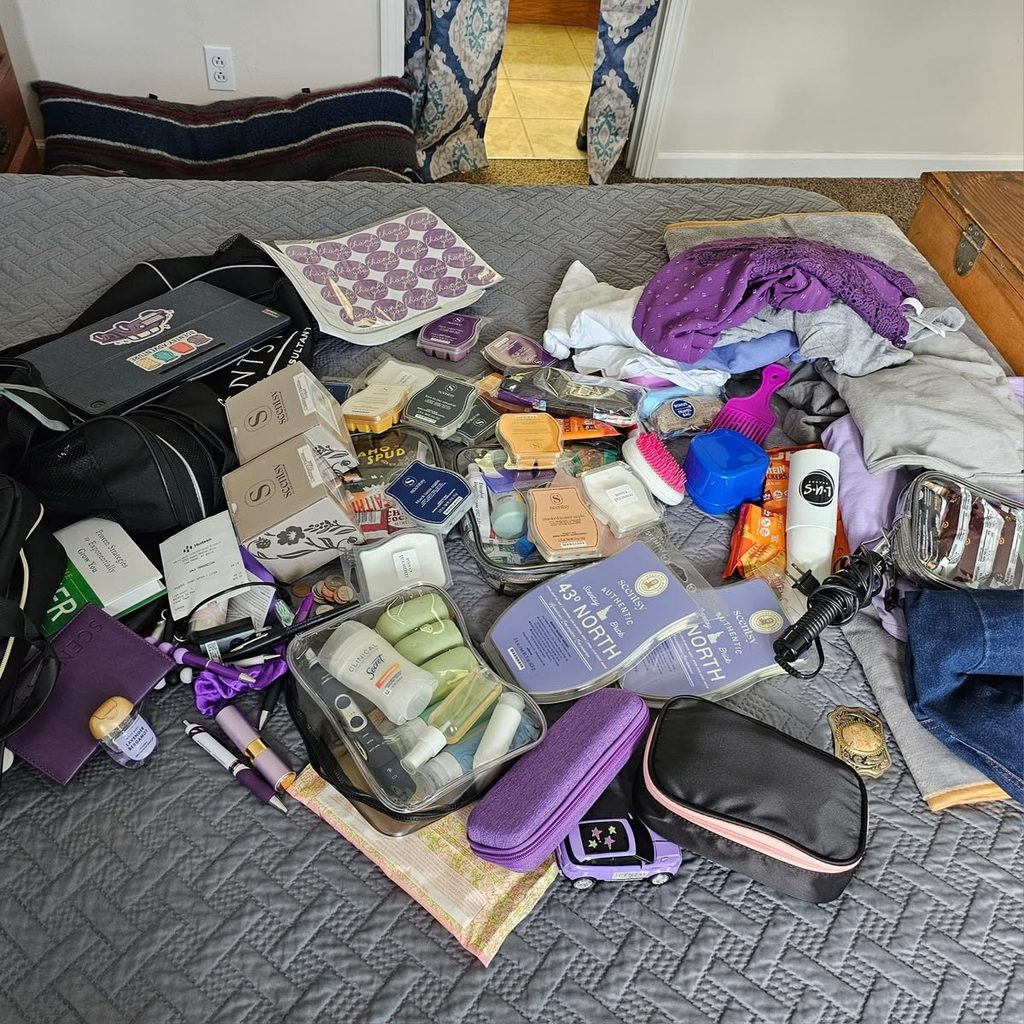
Unpacking everything at once can feel exhausting. Instead, decide which rooms and belongings need attention first.
Start with the things that help you sleep, eat, clean, work, and function normally. Decorative items can wait until your basic routines are working.
During my first major move, I wanted everything arranged immediately. I eventually realized that creating a functional home mattered more than making everything look perfect.
You might also love this: 35 Things to Expect During Your First Month of Independent Living.
27. Keep Your Essentials Within Reach
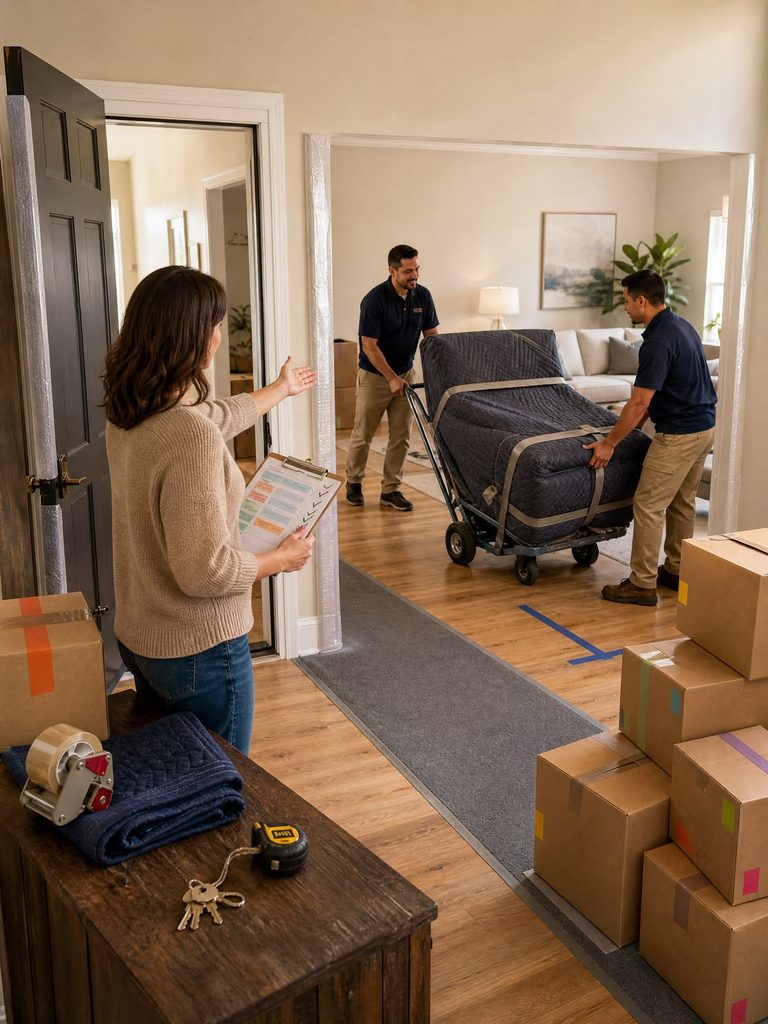
Do not bury your daily essentials underneath boxes. Keep toiletries, clothes, chargers, documents, medications, food, and basic cleaning items easy to access.
This can make the first few days much less frustrating. You will not need to destroy your packing system just to find something simple.
Think about what you normally use every morning and evening. Those items should be among the easiest things to reach after your arrival.
28. Prepare for Unexpected Delays
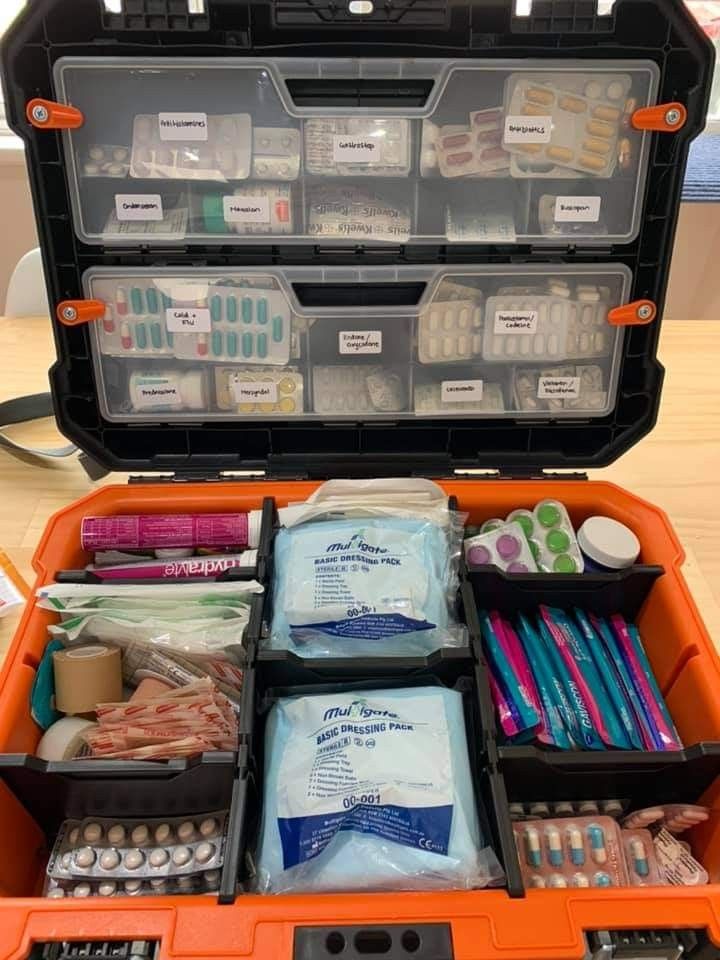
Even excellent plans can change during a big move. Transportation can take longer, keys can be delayed, weather can change, or other problems can appear unexpectedly.
Leave some flexibility in your schedule instead of planning every minute. Extra time can give you room to solve problems without panicking.
Also keep some emergency money and basic supplies accessible. Being prepared for delays does not mean expecting disaster. It simply means giving yourself options.
This one surprised me: What to Expect During Your First Week Living Alone
29. Have a Backup Plan
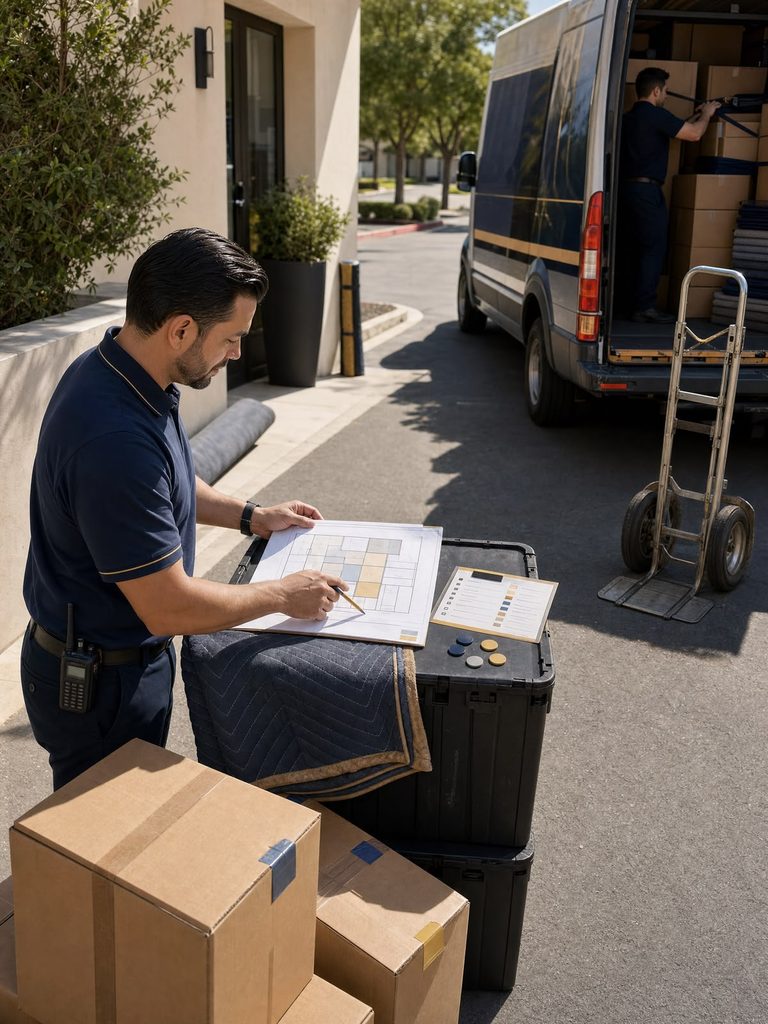
Think about what you will do if your main moving arrangement fails. Your backup might involve another driver, temporary accommodation, extra transportation money, or someone you can contact.
You do not need complicated emergency plans for every possible situation. Focus on the problems that could seriously affect your move.
Having a backup can make you feel calmer because you know another option exists. Even if you never use it, the preparation can still be valuable.

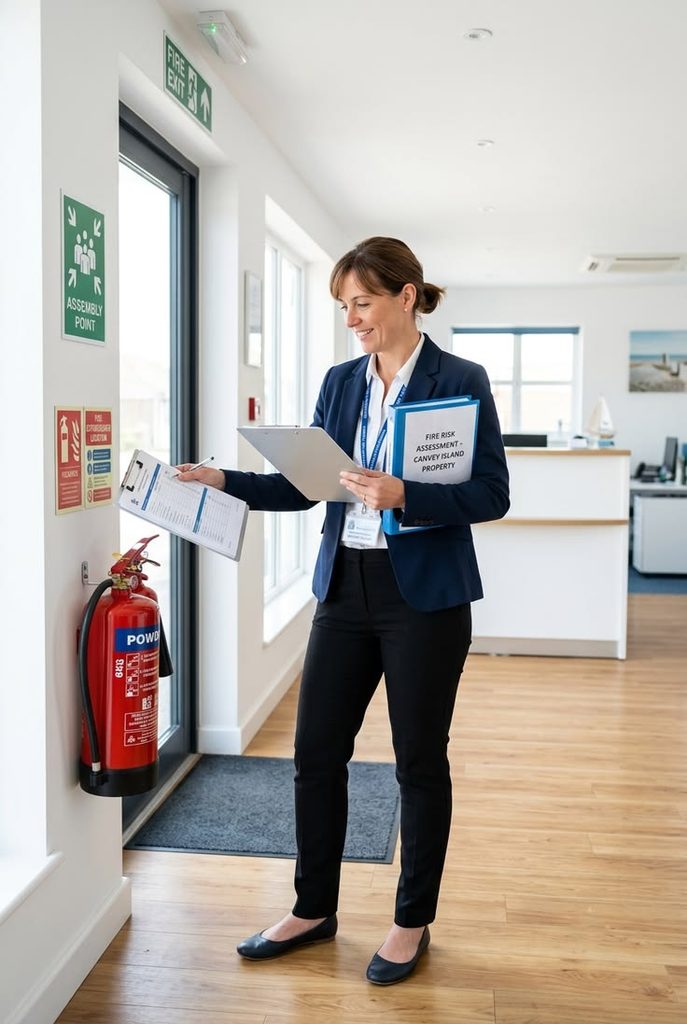
30. Learn Basic Safety Information
Before moving, learn the basic safety details connected with your new home. Know where exits, emergency contacts, important shutoff points, and nearby services are located.
If you live in an apartment, understand building access and any emergency procedures. Ask questions if something about the property feels unclear.
You should also keep emergency contacts saved on your phone. Small preparations can become extremely important during situations when thinking clearly becomes difficult.
Check this out: 35 Adult Responsibilities You May Encounter for the First Time.
31. Plan How You Will Get Around
Your new location may require a different transportation routine. Learn how you will travel to work, school, shops, appointments, and other regular places.
If public transportation is available, learn the basic routes and payment system. If you plan to drive, understand parking, fuel costs, and traffic patterns.
Your transportation choices can affect your monthly budget significantly. Planning early helps you avoid expensive routines that seemed convenient during your first week.

32. Prepare Your Work or School Routine
A big move can make ordinary responsibilities feel harder temporarily. Your work or school schedule may continue even while everything around you changes.
Plan how you will reach your workplace or school before moving day. Give yourself extra travel time during the first few days.
Also prepare the clothes, equipment, documents, and supplies you normally need. Keeping these routines stable can help you feel grounded while everything else changes.
Continue reading here: 25 Things to Figure Out Before Starting Life in a New City.
33. Tell Your Bank About Major Changes
Your bank may need updated personal information after your move. Check your account details and update your address when necessary.
You should also make sure you can access your banking app and account securely. Losing access to your money during a move can create serious stress.
Keep your financial information private throughout the moving process. You may be dealing with several people, payments, and transactions at once, so stay careful.

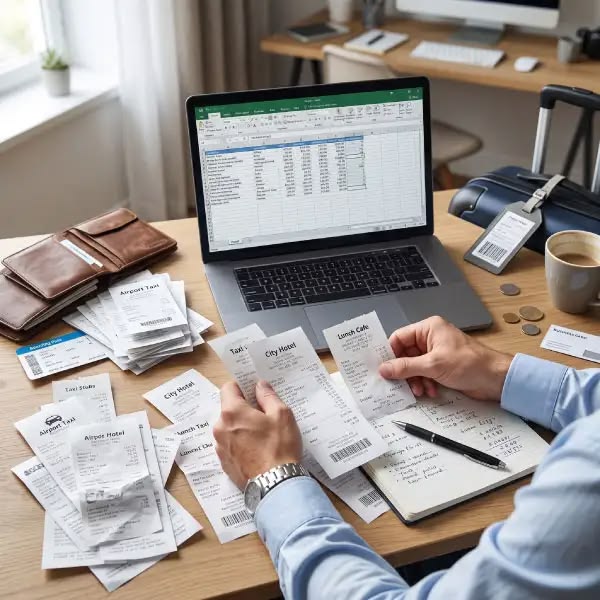
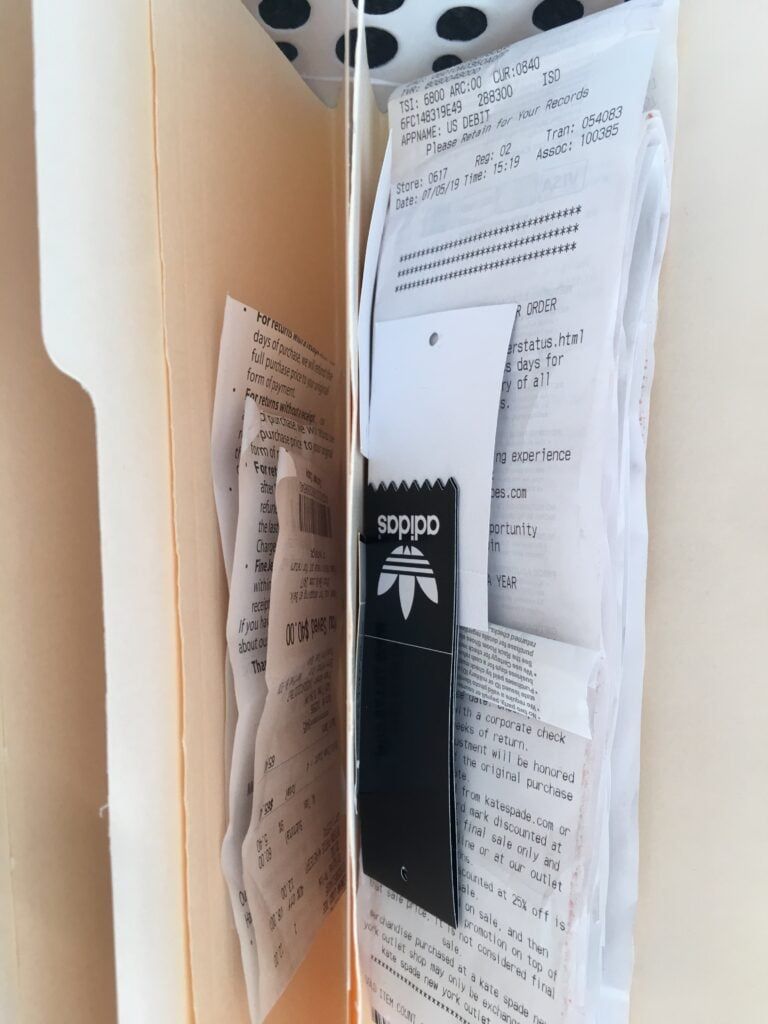
34. Organize Your Moving Receipts
Keep receipts and records for major moving expenses. These documents can help you track your actual spending against the original budget.
Store them digitally or inside one clearly marked folder. Avoid throwing receipts into random bags where they can easily disappear.
Reviewing your expenses afterward can also teach you something valuable. You will understand what cost more than expected and plan better for future moves.
You’ll use this again: 25 Things to Do Before Living on Your Own for the First Time.
35. Decide What You Can Afford to Buy Later
A new home can make you want to buy everything immediately. Furniture, decorations, appliances, kitchen items, and other things can become tempting very quickly.
Try not to empty your savings simply because the space looks unfinished. Start with essentials and slowly add other things as your finances allow.
Living in the space for a while can also show you what you actually need. Sometimes the items you thought were necessary end up becoming clutter.

36. Prepare Your Phone and Chargers
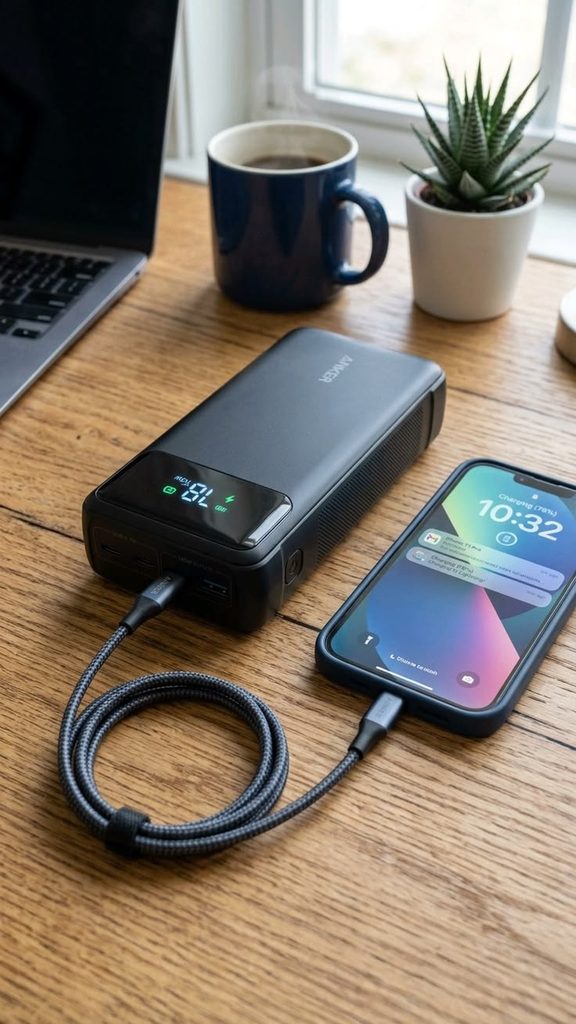
Your phone becomes especially important during a major move. You may need directions, contacts, payment information, messages, banking, and emergency communication.
Charge your phone before leaving and keep your charger somewhere easy to reach. A power bank can also provide useful backup during long travel.
Make sure important contacts are saved before you start traveling. You do not want to depend on memory when you are tired or stressed.
Save this for later: 45 Life Skills to Learn Before Living on Your Own.
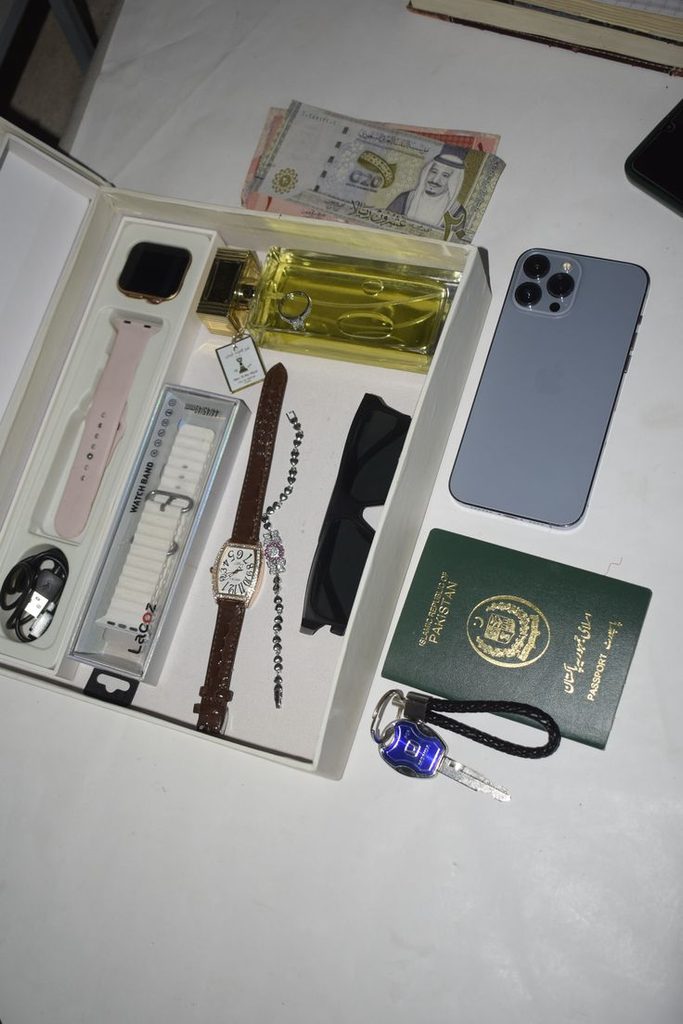
37. Keep Valuables With You
Important valuables should not disappear inside the back of a moving truck. Jewelry, important documents, electronics, money, and sentimental items deserve extra care.
Keep these belongings with you when practical instead of placing everything together. You will know exactly where your most important possessions are during transportation.
This also reduces the stress of wondering where something valuable ended up. Moving already involves enough uncertainty without adding avoidable worries.
38. Say Your Goodbyes Properly
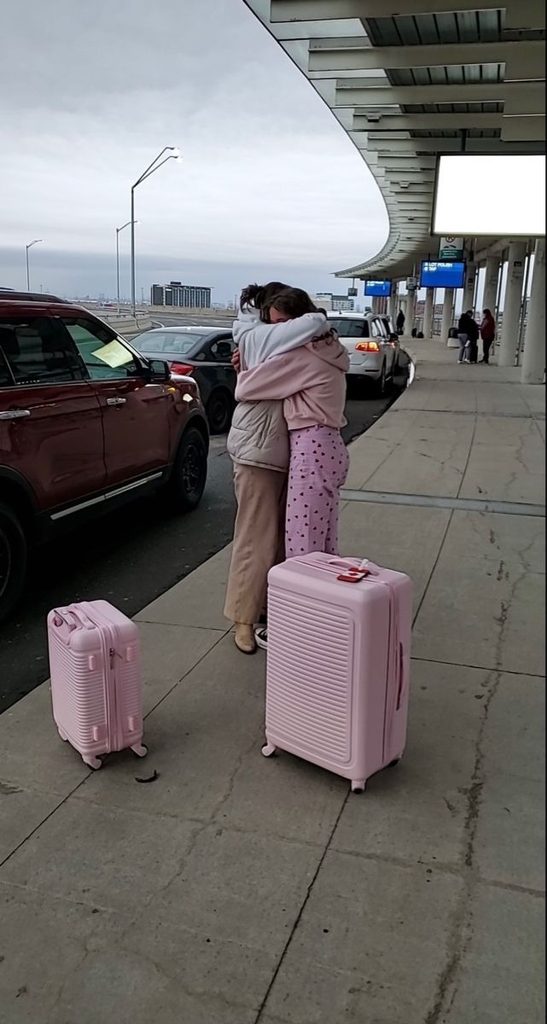
A big move is not only a practical experience. It can also be an emotional one, especially when leaving people and places that shaped your life.
Give yourself time to say goodbye to people who matter. You do not need a dramatic farewell, but meaningful conversations can help you leave with fewer regrets.
You may feel excited and sad at the same time. Those feelings can exist together, and neither one means you are making the wrong decision.
39. Prepare Yourself Emotionally
Moving somewhere new can feel lonely during the first few weeks. Familiar routines disappear, and simple tasks can suddenly feel unfamiliar.
Expect some emotional ups and downs instead of demanding constant excitement from yourself. Give yourself time to adjust to your new environment.
Stay connected with people you trust while building new routines. Independence does not mean you must handle every emotional moment completely alone.
Don’t be the last to see this: 35 Firsts to Prepare for When You Become an Independent Adult.

40. Make a List of Your First Priorities
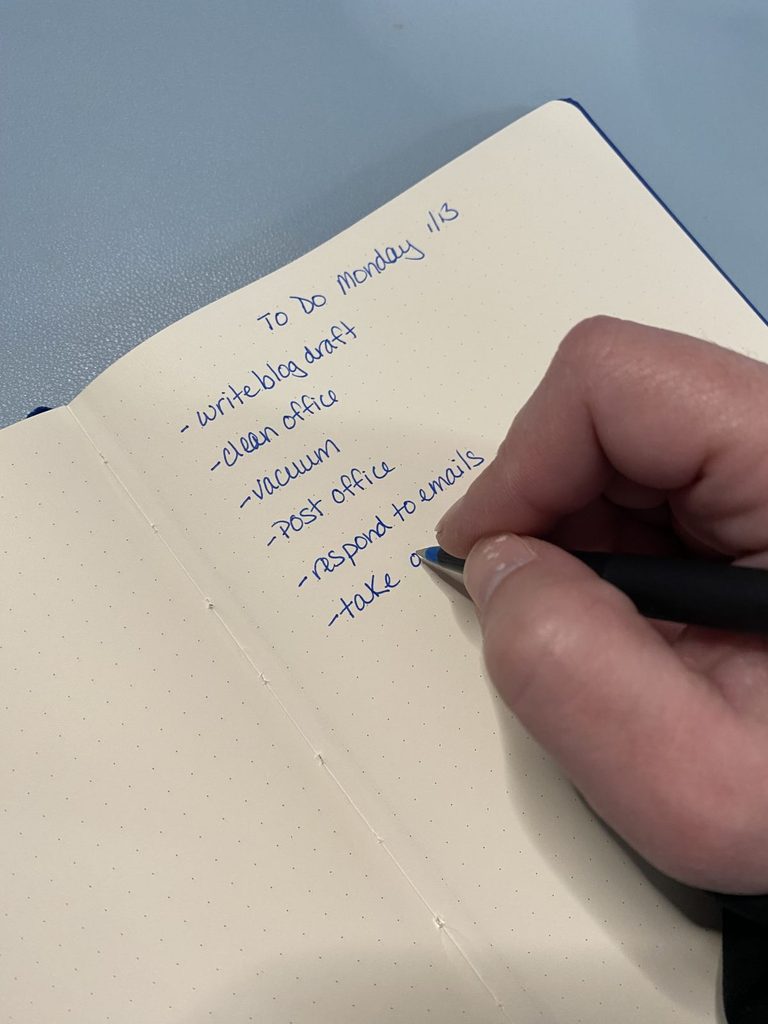
Your first priorities should focus on safety, shelter, food, communication, transportation, and important responsibilities. Everything else can usually wait for a little while.
Write down the tasks that genuinely need attention immediately. This can prevent small details from distracting you from bigger responsibilities.
You will probably have more tasks than expected during your first few days. Having priorities helps you decide what needs action now and what can wait.
41. Prepare for Your New Routine
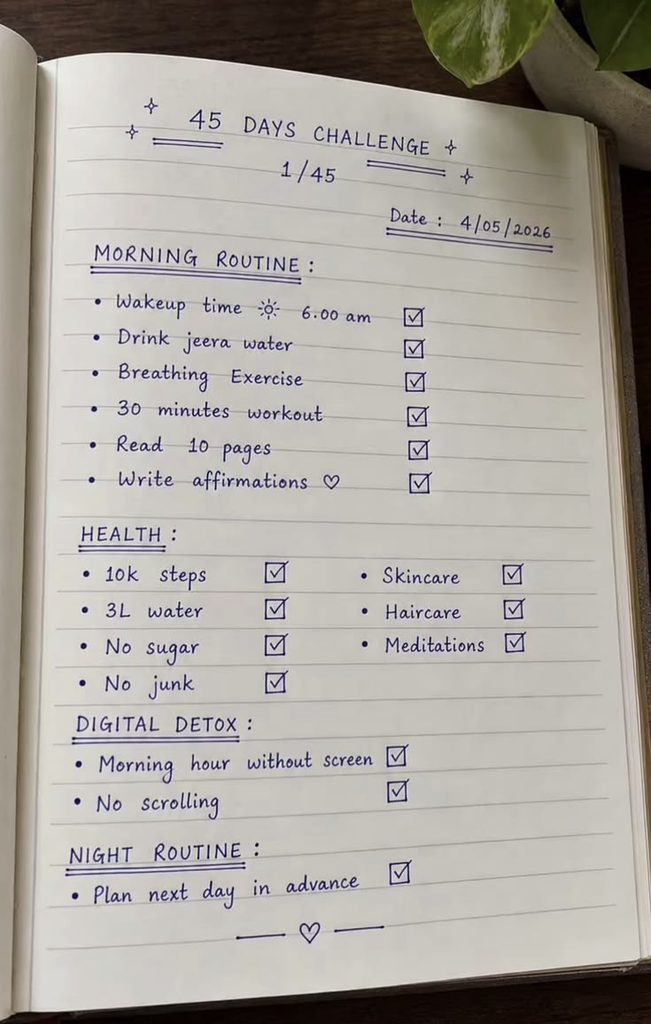
Your old routine may not work perfectly in your new environment. Travel times, work schedules, shopping habits, chores, and sleeping patterns may all change.
Give yourself time to discover a routine that fits your new life. You do not need everything figured out during your first week.
Pay attention to what feels difficult and adjust gradually. A comfortable routine usually develops through practice rather than one perfect plan.
Explore more ideas: 35 Things to Expect During Your First Month of Independent Living.
42. Learn to Expect Small Problems
Something will probably go slightly wrong during your move. Maybe a box gets misplaced, something breaks, or a planned arrangement changes unexpectedly.
Try not to treat every small problem like a disaster. Pause, figure out what needs attention, and handle the problem one step at a time.
Moving teaches you that independence involves solving ordinary problems without immediately panicking. Each small challenge can make the next one easier to handle.
43. Give Yourself Time to Settle
You may imagine that your new place will instantly feel like home. Sometimes it does, but sometimes comfort takes several weeks or months.
Allow yourself to settle slowly instead of judging the new environment immediately. Learn the neighborhood, create routines, meet people, and arrange your space gradually.
A home becomes familiar through repeated everyday experiences. Give yourself enough time to build those experiences before deciding how you truly feel.
Before you go, check this out: 25 Things to Know Before Buying Your First Car.

44. Keep Some Flexibility in Your Plans
Your first big move may not happen exactly as you imagined. Plans can change because of money, housing, transportation, work, family, or unexpected circumstances.
Having a clear plan is useful, but staying flexible can protect your peace. If something changes, look at your available options instead of assuming everything has failed.
You are learning how to manage a major adult transition. Flexibility is part of that learning process and can make difficult moments easier to navigate.
Find even more inspiration: 35 Adult Responsibilities You May Encounter for the First Time.
45. Remember That You Do Not Need Everything Perfect
Your first big move does not need to look perfect from the beginning. You may forget something, change your routine, buy things later, or make mistakes along the way.
What matters is arriving prepared enough to begin your new chapter safely. Give yourself permission to learn as you go.
During another move, I realized that perfection was making me more stressed than the actual work. Once I focused on progress instead, everything started feeling more manageable.
You are not expected to know everything immediately. You are simply taking the next step toward a life you are learning to manage yourself.

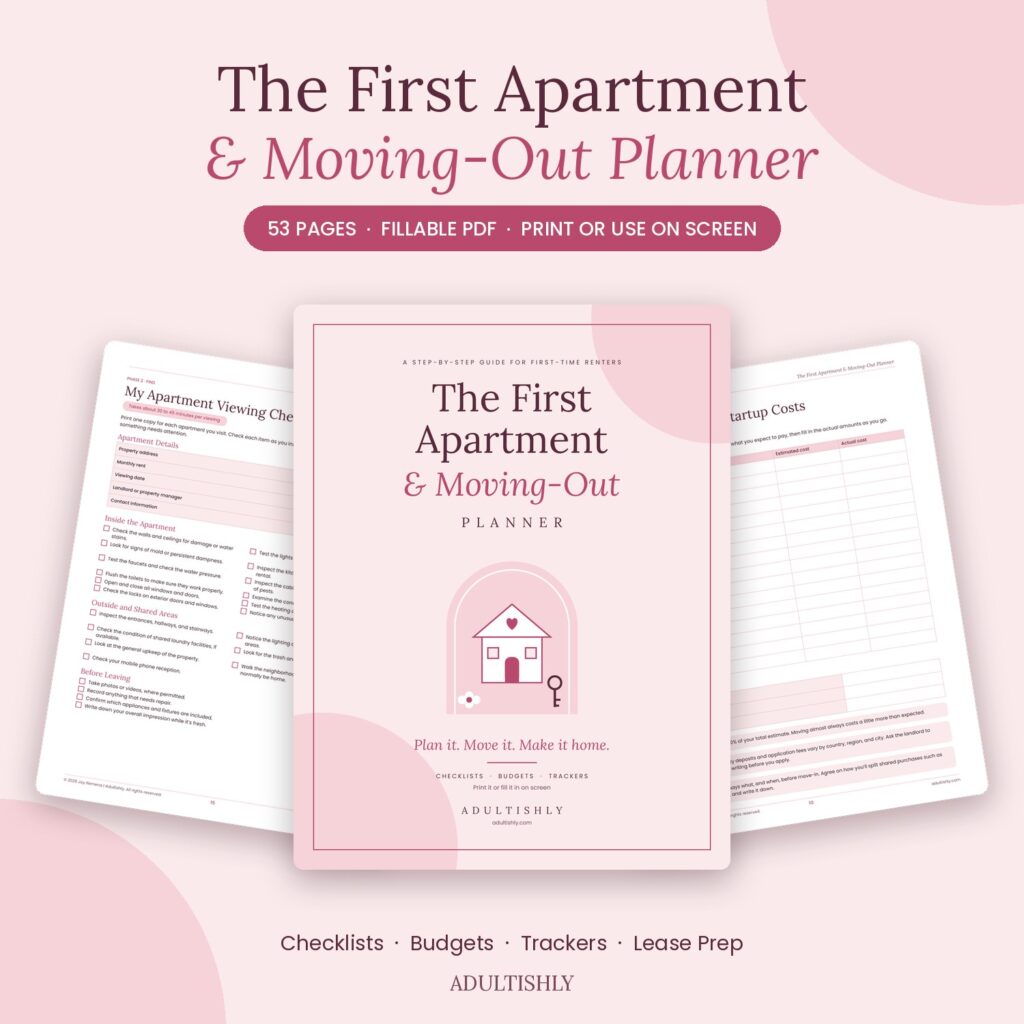
“Don’t forget the small things. The First Apartment & Moving-Out Planner has packing, address change, moving-day, and move-in checklists, all in a fillable PDF. [Get the Checklist]”
Final Thoughts
Your first big move can be one of the most exciting transitions of young adulthood. It can also challenge you in ways you never expected before leaving.
The goal is not to control every single detail from beginning to end. Instead, prepare the important things, protect your money, organize your belongings, and leave room for unexpected changes.
You may still feel nervous when moving day arrives. That does not mean you are unprepared or incapable of handling your new life.
Take the process one step at a time and give yourself permission to learn. Your first big move is not simply about reaching another address. It is about becoming more confident in handling life on your own.
And when the boxes are finally unpacked, remember that you do not need everything figured out. You only need enough courage to keep learning, adjusting, and moving forward.
Leave a Reply