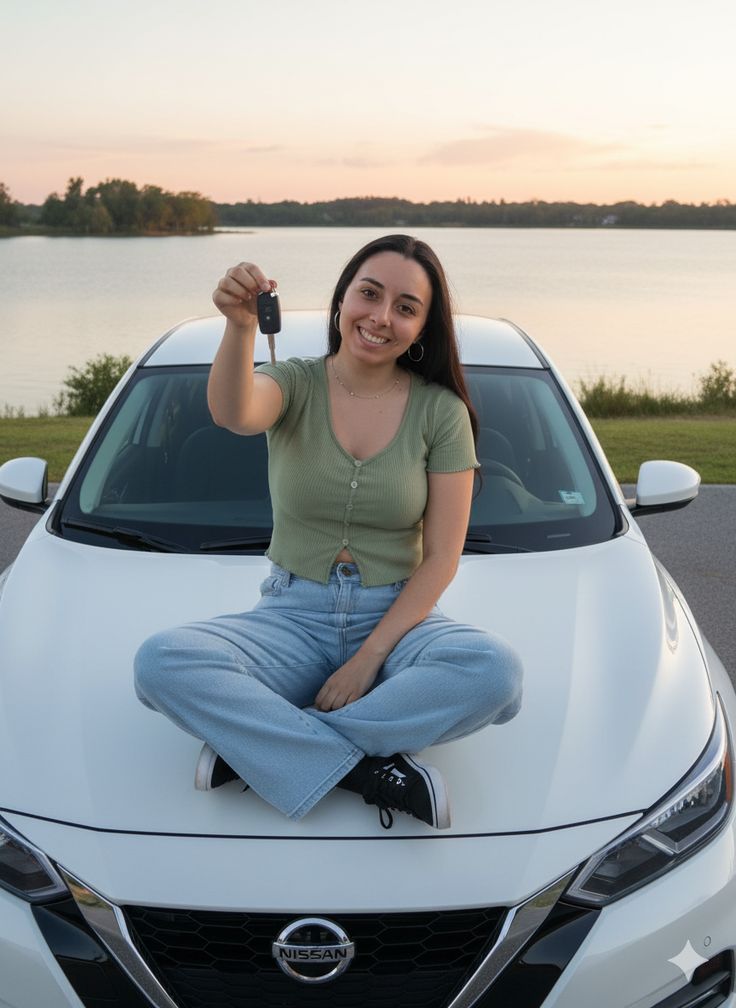
Buying your first car can feel like one of the biggest signs that you are finally becoming independent. You imagine choosing the car, holding the keys, and driving away knowing it belongs to you.
Then reality starts asking questions that excitement alone cannot answer. How much can you really afford each month? What happens when something breaks? Can you handle insurance, fuel, repairs, registration, and unexpected costs?
Your first car is not just something that takes you from one place to another. It can become a major part of your monthly responsibilities, plans, and lifestyle.
That is why rushing into the first attractive deal can create problems you never expected. A car that looks affordable today might become stressful after several months of ownership.
The good news is that you can prepare before signing anything. You can learn what to check, what questions to ask, and which costs deserve your attention.
If you are still preparing for independent adulthood, 35 Firsts to Prepare for When You Become an Independent Adult can help you think beyond the car itself.
Your first car does not need to be perfect or impressive. It needs to fit your real life, your budget, and your ability to maintain it.
25 Things to Know Before Buying Your First Car
1. Know Why You Actually Need a Car
Before looking at cars, take some time to understand why you want one. Your reason can affect the type of car you actually need.
Maybe you need reliable transportation to work every morning. Perhaps public transportation takes too long, or you recently moved somewhere with limited transport options.
You might also want a car because everyone around you seems to have one. That feeling is understandable, but it can lead you into an expensive decision.
Think about your normal week instead of imagining your perfect lifestyle. Consider your work, school, shopping, family visits, errands, and regular social activities.
A small car may work perfectly for someone who mainly drives around town. Another person might genuinely need more space because of work or family responsibilities.
During my first serious look at buying a car, I realized how easily excitement could distract me from practical needs. I started thinking about appearance before thinking about daily use.
That experience taught me something simple. Your first car should solve a real problem instead of creating a new one.

2. Set a Realistic Car Budget
The price written on the car is only one part of what you will spend. Your real budget needs to include the costs that continue after buying it.
Fuel, insurance, maintenance, registration, repairs, parking, and other regular expenses can add up quickly. Some costs might also appear unexpectedly during the year.
Before shopping, look at your monthly income and existing responsibilities. Then decide how much room you genuinely have for car-related expenses.
Try not to build your budget around your best month. Use a normal month when several ordinary expenses are already competing for your money.
You also need some money left for savings and emergencies. Spending every available amount on a car can leave you struggling when something unexpected happens.
A car payment that looks manageable by itself may become uncomfortable alongside rent, food, utilities, phone bills, and other responsibilities.
If you are still learning how independent living affects your money, 35 Things to Expect During Your First Month of Independent Living is worth keeping nearby.
Your budget should make owning the car feel manageable, not like a monthly punishment.

3. Do Not Spend Every Dollar You Have
Having enough money to buy a car does not mean you should spend all of it. This is one of the easiest mistakes for first-time buyers.
You might find a car that costs exactly what you saved. Paying for it could leave you feeling proud because you technically avoided borrowing money.
The problem begins when the first repair arrives and your savings account is suddenly empty. Even a reliable used car can eventually need maintenance.
Keeping some money available gives you breathing room after the purchase. You may need new tires, routine servicing, repairs, registration costs, or other unexpected expenses.
Your savings also protect you from using expensive debt for every little problem. That matters because car ownership can sometimes bring several expenses close together.
Before buying, decide how much of your savings you are comfortable using. Keep a separate amount available for emergencies whenever possible.
It can be tempting to think, “I will rebuild my savings later.” Life has a way of making later more expensive than expected.
A car should become part of your financial life without destroying the financial cushion you worked hard to build.
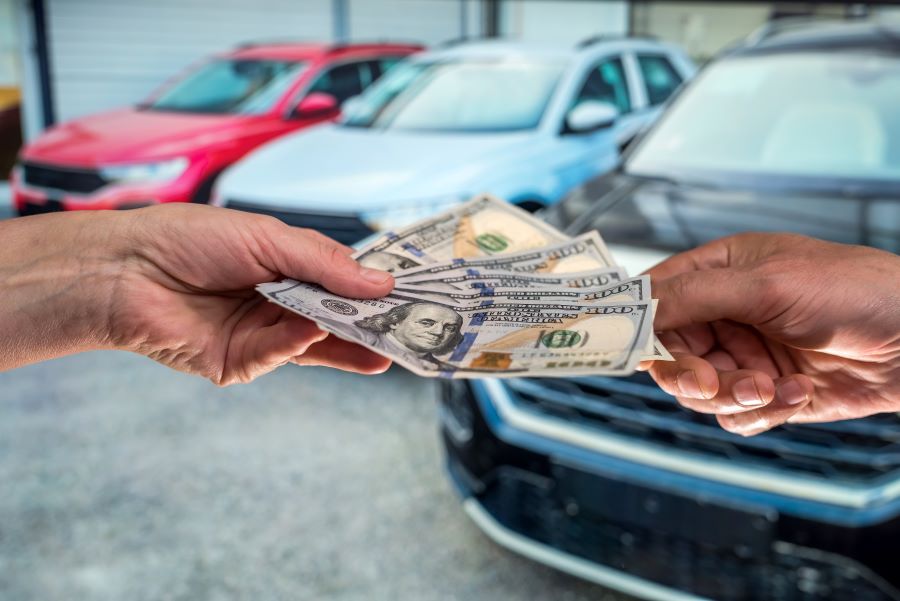
4. Understand the Total Cost of Ownership
Two cars can have similar prices but completely different ownership costs. That difference matters more than many first-time buyers realize.
One vehicle may use more fuel every month. Another might have expensive parts or require more frequent maintenance.
Insurance costs can also differ depending on the vehicle, your location, your driving history, and other factors. You should investigate those costs before making your decision.
Think beyond the day you receive the keys. Imagine owning the car for one year, three years, or longer.
Ask yourself how much you might spend keeping it on the road during that time. This broader view can change which cars seem affordable.
A cheaper car is not automatically cheaper to own. Sometimes spending slightly more upfront can make sense when the vehicle is dependable and easier to maintain.
The important thing is knowing what you are getting into before committing your money. You want the purchase price to fit your budget, but you also need the ongoing costs to fit your everyday life.
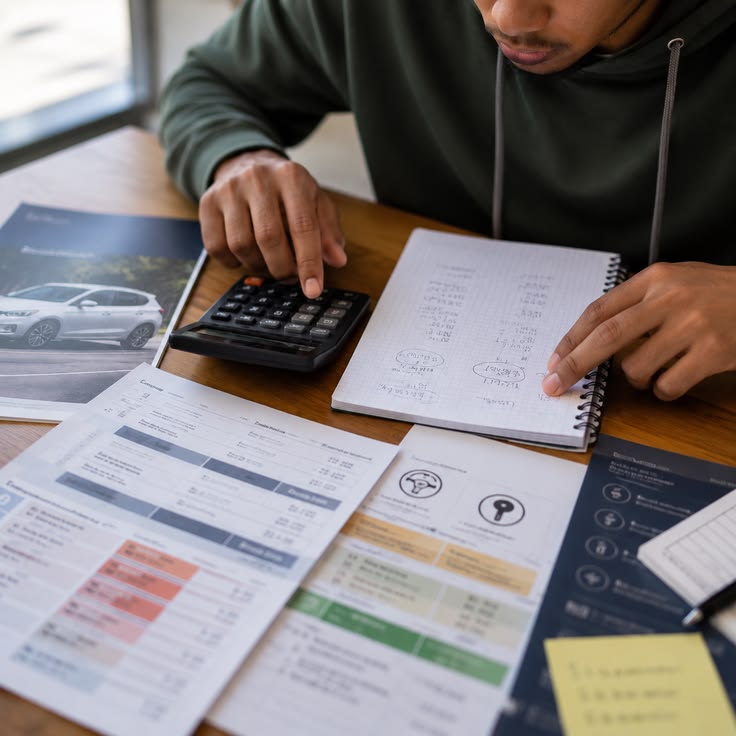
5. Decide Between New and Used
Your first car does not have to be brand new. A well-maintained used car can provide reliable transportation while costing less upfront.
At the same time, buying used requires careful checking because you need to understand the vehicle’s condition and history.
A new car may come with fewer immediate maintenance concerns, but depreciation can affect its value quickly. Financing can also create a larger long-term commitment.
Think about what makes sense for your current financial situation. You do not need to impress anyone with your first vehicle.
A dependable used car that fits your budget can sometimes be a better starting point than an expensive new vehicle.
If you choose used, take your time checking the vehicle carefully. Ask questions about maintenance, previous ownership, accidents, repairs, and other important details.
Do not let a clean appearance make you assume everything underneath is perfect. A car can look beautiful while hiding expensive mechanical problems.
Your first car should support your independence rather than turn into a financial burden you spend years trying to manage.
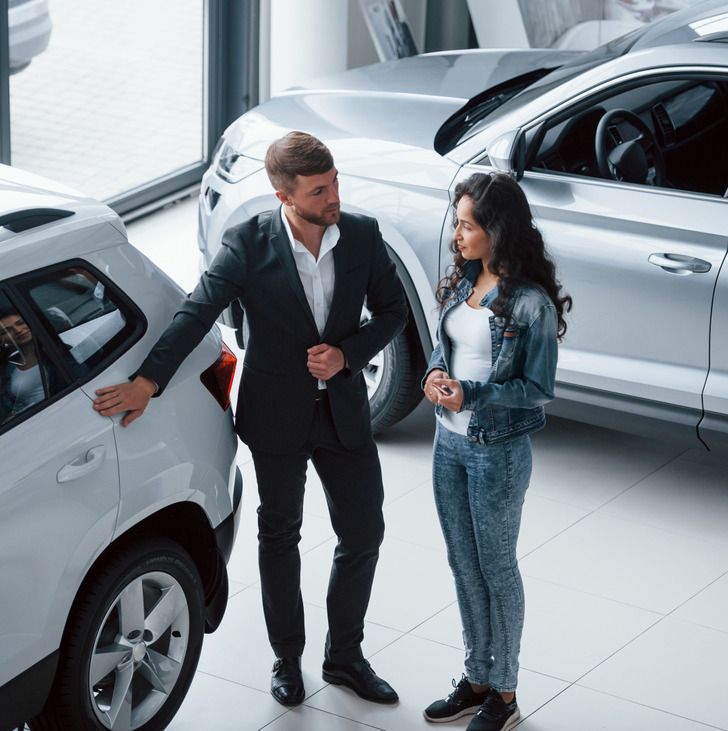
6. Research the Car Before Seeing It
Research should happen before you visit the seller, not after you have already fallen in love with the car.
Look at common problems, average prices, fuel use, maintenance costs, reliability concerns, and replacement parts.
You can also compare similar models to understand what your money can realistically buy. This keeps one attractive listing from controlling your decision.
Write down the questions you need answered before viewing the car. That small step can help you stay focused during the conversation.
If a seller gives you information that does not match what you researched, stop and investigate further.
You should also compare prices from several sellers. One unusually cheap vehicle may have a reason behind its price.
Research gives you confidence because you understand the market before someone tries to persuade you. You are less likely to make a rushed decision when you know what you are looking at.
Take your time, especially when the seller keeps saying someone else is interested.
Pressure is not a reason to buy a car.
7. Know the Difference Between Want and Need
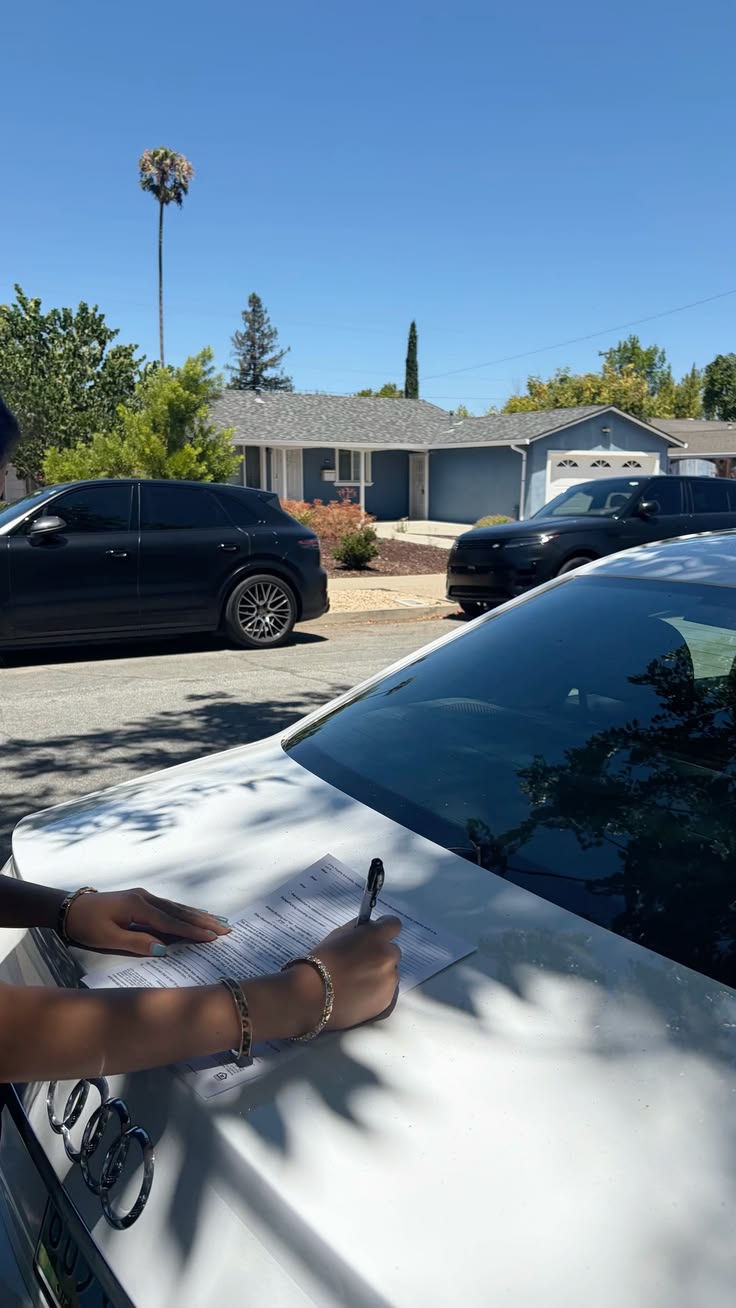
Your first car can teach you an important lesson about adulthood: wanting something does not mean you can comfortably afford it.
You may dream about a particular brand, color, model, interior, or collection of features. Those preferences are fine, but they should not control your entire budget.
Start with what you need for daily transportation. Then consider the features you genuinely value.
Maybe you need good fuel economy because you drive long distances. Perhaps you need enough space for equipment, children, or regular family responsibilities.
Other features may simply be nice to have. They can be considered after your basic needs and budget are already satisfied.
During my first car-shopping experience, I noticed how quickly a few attractive features could make a car seem more necessary than it really was.
That was a useful reminder that advertisements are designed to make you want more. Your budget has to protect you from that temptation.
The right first car is rarely the one with every possible feature. It is the one that gives you what you need without stretching your finances too far.

8. Check the Car’s History
A vehicle has a story, even when the seller gives you a clean-looking car. You need to understand as much of that story as possible.
Ask about previous owners, accidents, major repairs, maintenance records, and other significant events. A vehicle history report can provide useful information, depending on where you live and what records are available.
You should also compare the information you receive with the physical condition of the car. Inconsistencies deserve further questions.
For example, unusual wear, mismatched paint, warning lights, or other signs can make you wonder about previous damage. Do not feel embarrassed about asking detailed questions. You are preparing to spend a large amount of money.
A seller who gets irritated because you want information is giving you another reason to slow down. You do not need to become a mechanic before buying your first car. You simply need to take the vehicle’s history seriously.
Knowing where the car has been can help you make a more informed decision about where it might take you next.
9. Always Inspect the Car Properly
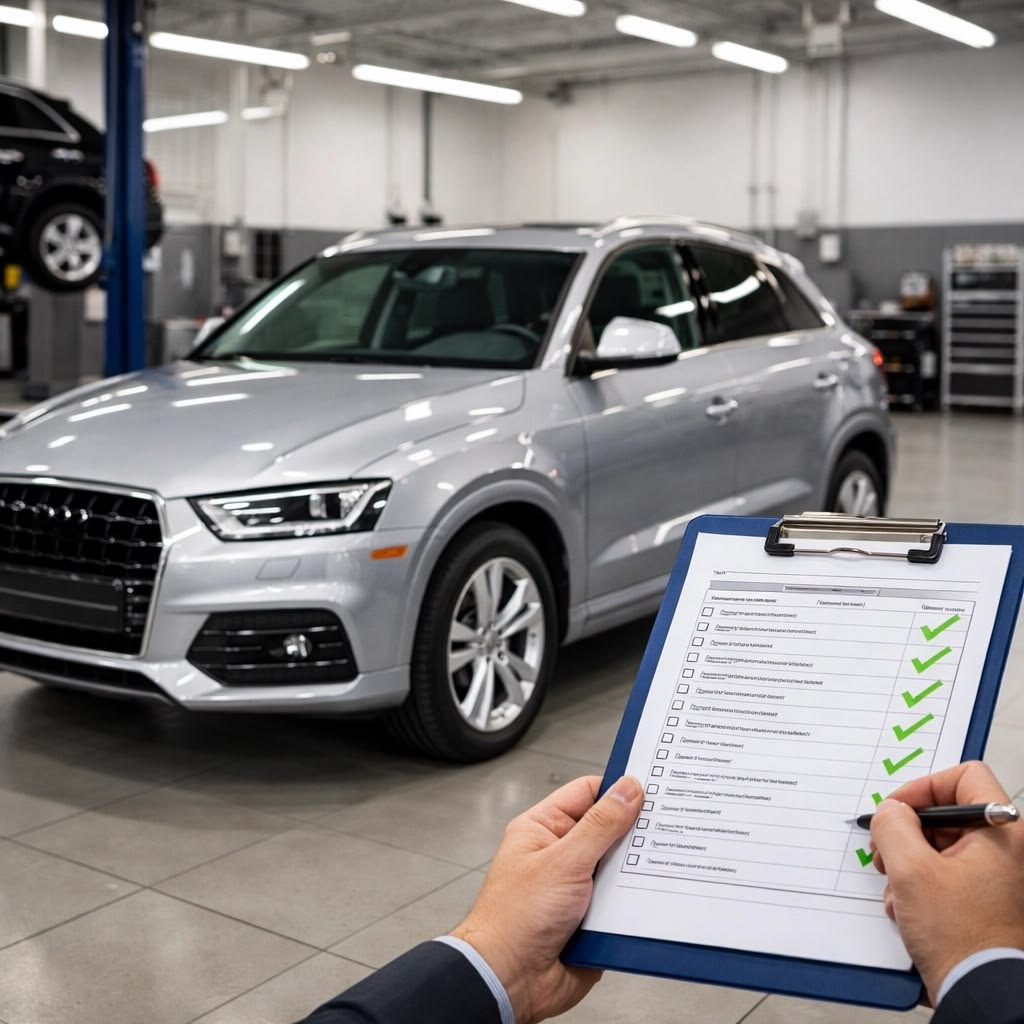
Never rely only on photographs or a short conversation. You need to see the vehicle in person and inspect it carefully.
Look at the body, tires, lights, windows, seats, dashboard, and other visible parts. Pay attention to anything that looks damaged, unusually worn, or poorly repaired.
Start the car and listen carefully. Strange sounds, warning lights, unusual smells, or other problems should not be ignored. Take the car for a proper test drive when possible. Notice how it starts, accelerates, brakes, turns, and behaves on the road.
If you do not know much about cars, bring someone who does. An experienced person may notice problems you completely miss.
Pay attention to how the seller responds when you ask questions about problems. Honest answers are useful, while vague explanations should make you cautious.
Do not allow excitement to rush the inspection. You are not buying a pair of shoes that you can easily return.
A careful inspection can save you from discovering expensive problems after the money has already changed hands.

10. Get a Qualified Mechanic to Check It
A professional inspection can be one of the most valuable steps before buying a used car. You might notice scratches, worn tires, or a strange sound, but a qualified mechanic can look much deeper.
They can check important mechanical systems and identify problems that may not be obvious during a normal test drive. The inspection costs money, but that cost can be small compared with a major repair later.
If the seller refuses to allow an independent inspection, take that seriously. You deserve enough time and information to make a careful decision.
Do not allow someone to convince you that an inspection is unnecessary because the car “drives perfectly.” A vehicle can drive normally while still having problems that require attention.
Think of the inspection as part of the buying process rather than an unnecessary extra.
You are not being difficult by wanting to know what you are purchasing. You are protecting yourself from an expensive surprise.
11. Ask for Maintenance Records
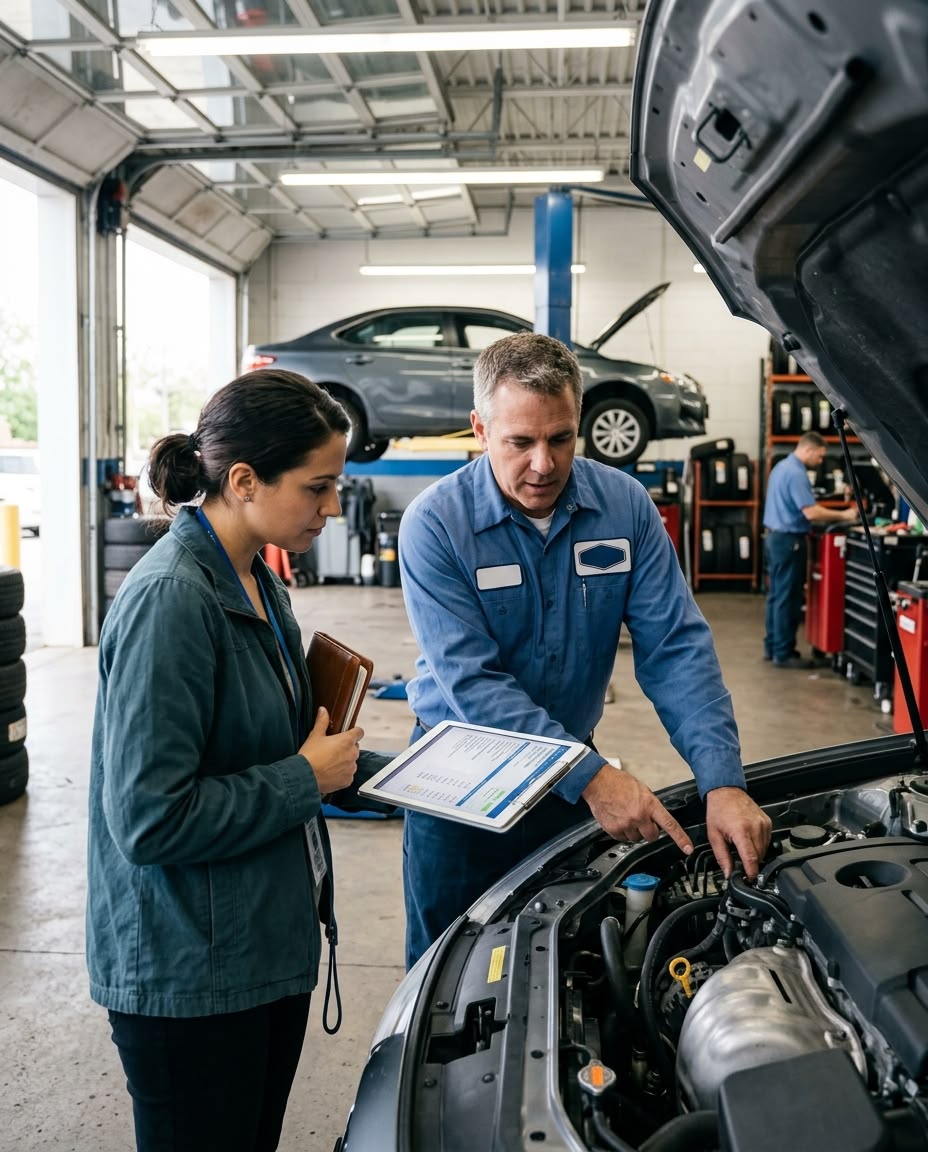
Maintenance records can tell you a lot about how a vehicle was treated. They can also help you understand what might need attention soon.
Look for evidence of routine servicing, oil changes, repairs, tire replacements, and other important maintenance work. A vehicle that has been consistently maintained may give you more confidence than one with no clear records.
Missing records do not automatically mean the car is bad. Some owners simply fail to keep paperwork properly.
Still, missing information means you should investigate more carefully before making your decision. Ask the seller what work has recently been completed. Then compare their answers with available documents.
You can also ask what the vehicle may need soon. Honest conversations about upcoming maintenance can help you prepare financially.
Do not buy a car simply because the seller says it has been “well maintained.” Ask for evidence whenever possible. Good records give you a clearer picture of the vehicle and can make future maintenance easier to plan.
12. Be Careful With Car Loans
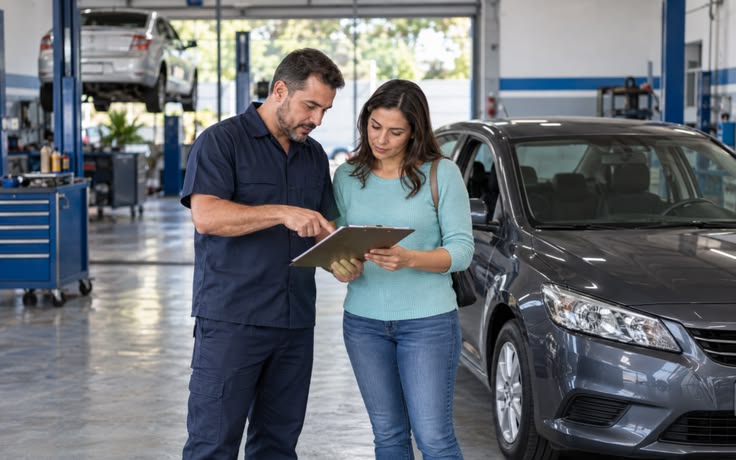
Financing can make a car look more affordable because you focus on the monthly payment. But the monthly payment is not the whole story.
You need to understand the interest rate, loan length, total amount paid, fees, and other conditions before accepting financing.
A longer loan can reduce the monthly payment while increasing the total amount you pay over time.
You also need to consider what happens if your income changes. A payment that works today may become stressful during a difficult season.
Read the agreement carefully and ask questions about anything you do not understand.
Never allow someone to rush you into signing because they say the offer is available for only a short time. You can also compare financing options instead of automatically accepting the first one offered.
If you already use credit or plan to use it for the purchase, 25 Things to Know Before Getting Your First Credit Card can help you think more carefully about borrowing and repayment.
Borrowing money is not automatically bad, but borrowing without understanding the full cost can create problems.

13. Consider the Deposit Carefully
If you are financing the car, you may be asked to make a deposit or down payment. The amount can affect your loan and monthly payments.
A larger deposit may reduce how much you need to borrow. Still, putting every available dollar into the purchase can leave you without emergency savings.
Think about the balance between reducing the loan and keeping enough cash available. Your personal circumstances matter because the best amount will not look exactly the same for everyone.
Before paying anything, understand what the deposit means and what happens if the purchase does not go ahead.
Make sure you receive proper documentation for any money you hand over.
Do not transfer money simply because someone promises to reserve the vehicle. Confirm the seller, vehicle, terms, and paperwork first.
Your excitement should never become an excuse to skip basic financial caution. A first car is important, but protecting your remaining savings is just as important after the purchase.
See why this is so popular: What to Expect During Your First Week Living Alone

14. Think About Fuel Costs
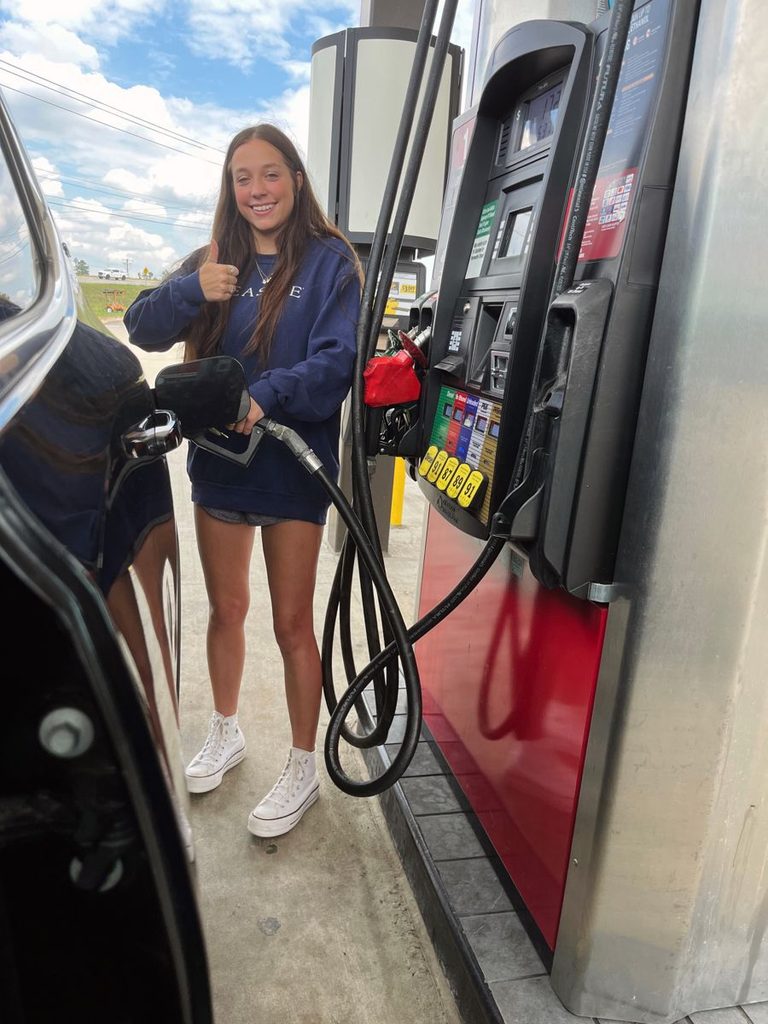
Fuel can become one of the most regular expenses connected to your car. Small differences in fuel use can matter over months of driving.
Think about how far you normally travel each week. Then consider how much driving you expect to do after buying the car.
A vehicle that uses more fuel may become expensive when driven frequently. You should also think about fuel availability and prices in the places where you normally travel.
Do not only look at the car’s fuel economy on paper. Your actual driving habits will affect what you spend.
Someone who mostly drives short distances may have different costs from someone who regularly travels between cities. Your first car should fit the roads and distances that are part of your real routine.
A beautiful car becomes much less exciting when you are constantly worried about affording fuel. Think about the full year of driving, not only the first trip home with your new keys.
Don’t miss this: How to Navigate Your First Month of Independent Living
15. Remember Insurance and Registration
Insurance and registration can be easy to forget when you are focused on the purchase price.
Yet these expenses can become necessary before you can properly use the vehicle.
Find out the requirements in your location before buying. Also investigate the expected insurance cost for the specific vehicle you are considering.
Do not assume every car will cost the same to insure. Ask about the documents you need, renewal dates, fees, and other responsibilities attached to ownership.
You should also understand what your insurance covers and what it does not cover. These details might feel boring while you are shopping, but they become important once the car is yours.
A good purchase should include enough planning for the legal and financial responsibilities that come with ownership.
If you are already learning how many adult responsibilities arrive at once, 35 Adult Responsibilities You May Encounter for the First Time can help you prepare for that bigger picture.
Owning a car means more than simply having something parked outside your home.
16. Think About Parking Before Buying
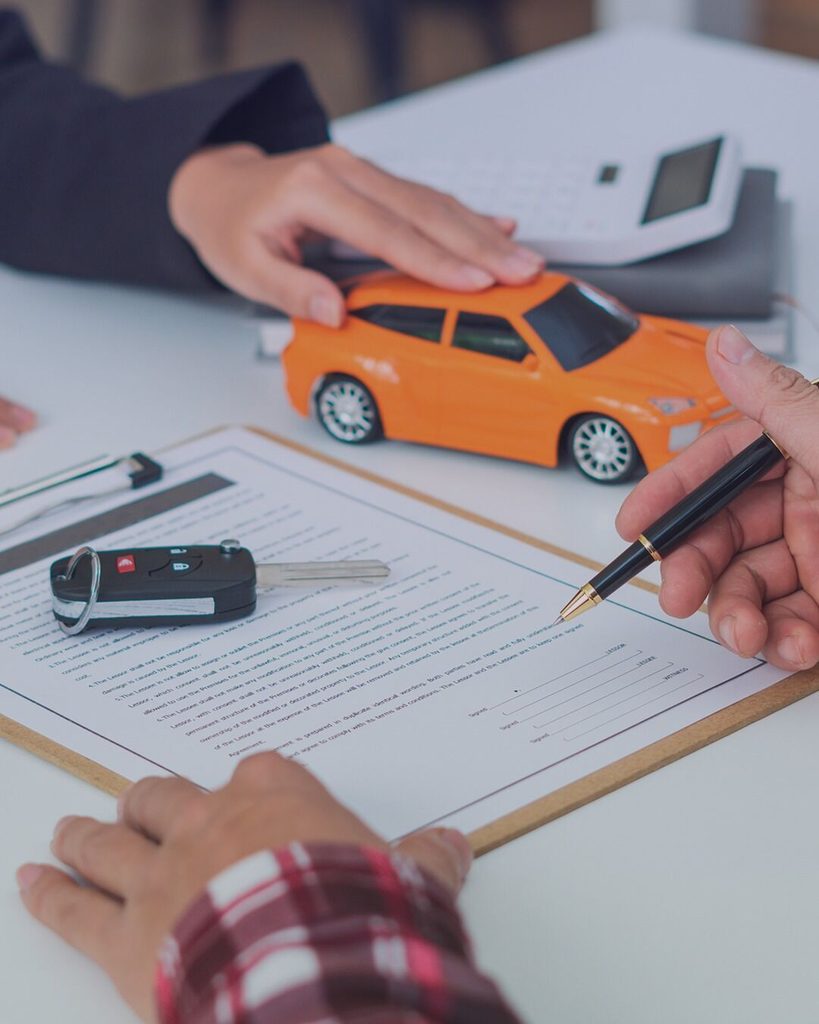
Parking can become a surprising problem, especially after moving into a new home or apartment. Before buying a car, think about where you will keep it during normal days and nights.
You may need to pay for parking at work, school, your apartment, or other regular locations.
Some places may have limited spaces, strict rules, or additional fees. Think about your normal routine instead of assuming parking will somehow work itself out.
A car that fits your budget may still become inconvenient if you constantly struggle to find safe parking. You should also consider security and weather conditions where you normally leave the vehicle.
These details may seem small before buying, but they can affect your daily experience significantly. The best car is not only affordable to purchase. It should also be practical to keep and use.
Spend a little time thinking about parking before you spend a lot of money on the car.
You need to see this: How to Prepare Financially Before Living on Your Own
17. Prepare for Repairs
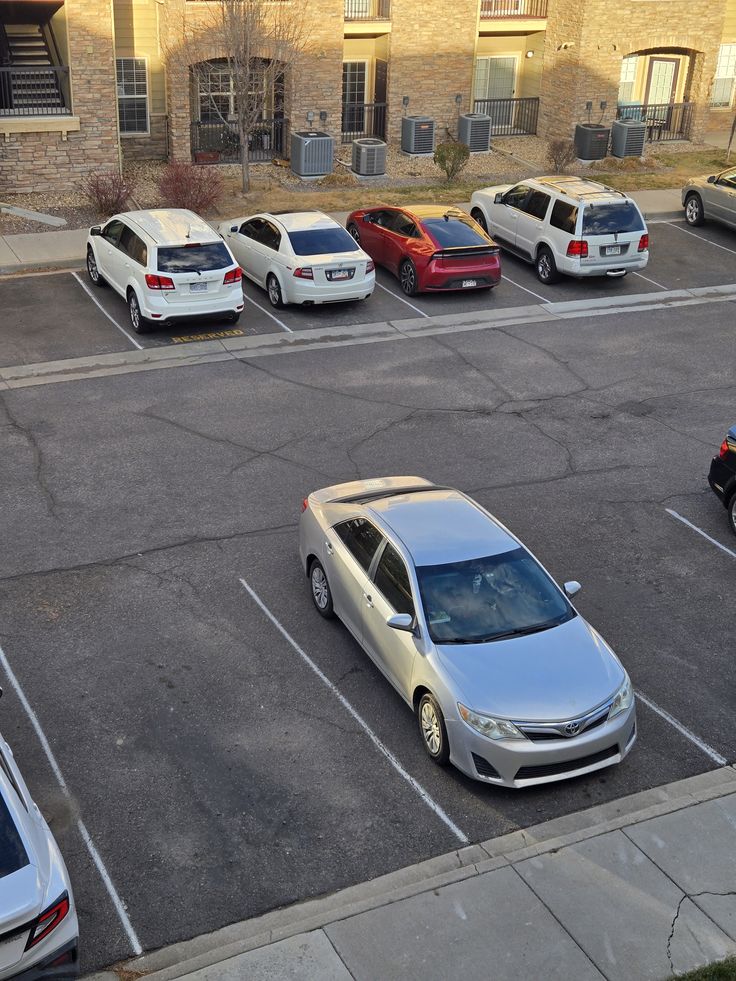
Every car owner eventually needs to deal with maintenance and repairs. Your first car will teach you that ownership comes with ongoing responsibility.
Some repairs will be small, while others can cost much more than you expected. That is why setting aside money for vehicle maintenance is important. Waiting until something breaks can make every repair feel like an emergency.
Learn the basic maintenance schedule for the vehicle you choose. Understand when important services should happen.
You can also find a trustworthy mechanic before you urgently need one. That way, you are not choosing someone under pressure when your car suddenly refuses to cooperate.
Do not ignore small problems because they seem inconvenient. A minor issue can sometimes become more expensive when left unattended.
Taking care of the car regularly can help you avoid some unnecessary problems. Your first car is also your first lesson in maintaining something valuable. Treat it like a responsibility, not just a possession.
This one surprised me: What to Do Before Signing Your First Lease
18. Do Not Ignore the Tires
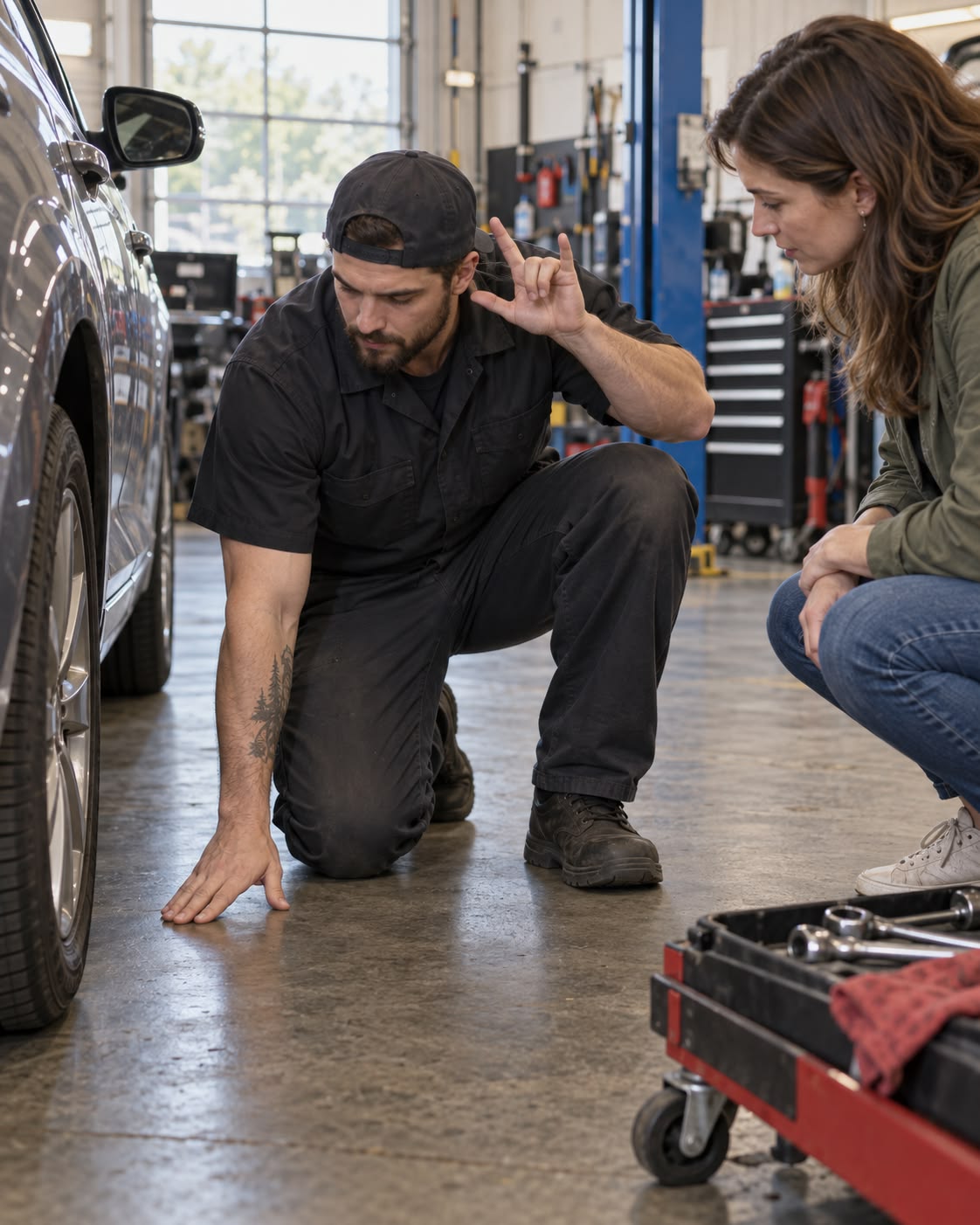
Tires might not be the first thing you think about when choosing a car, but they matter greatly. Check their condition before buying and ask about their age and maintenance history.
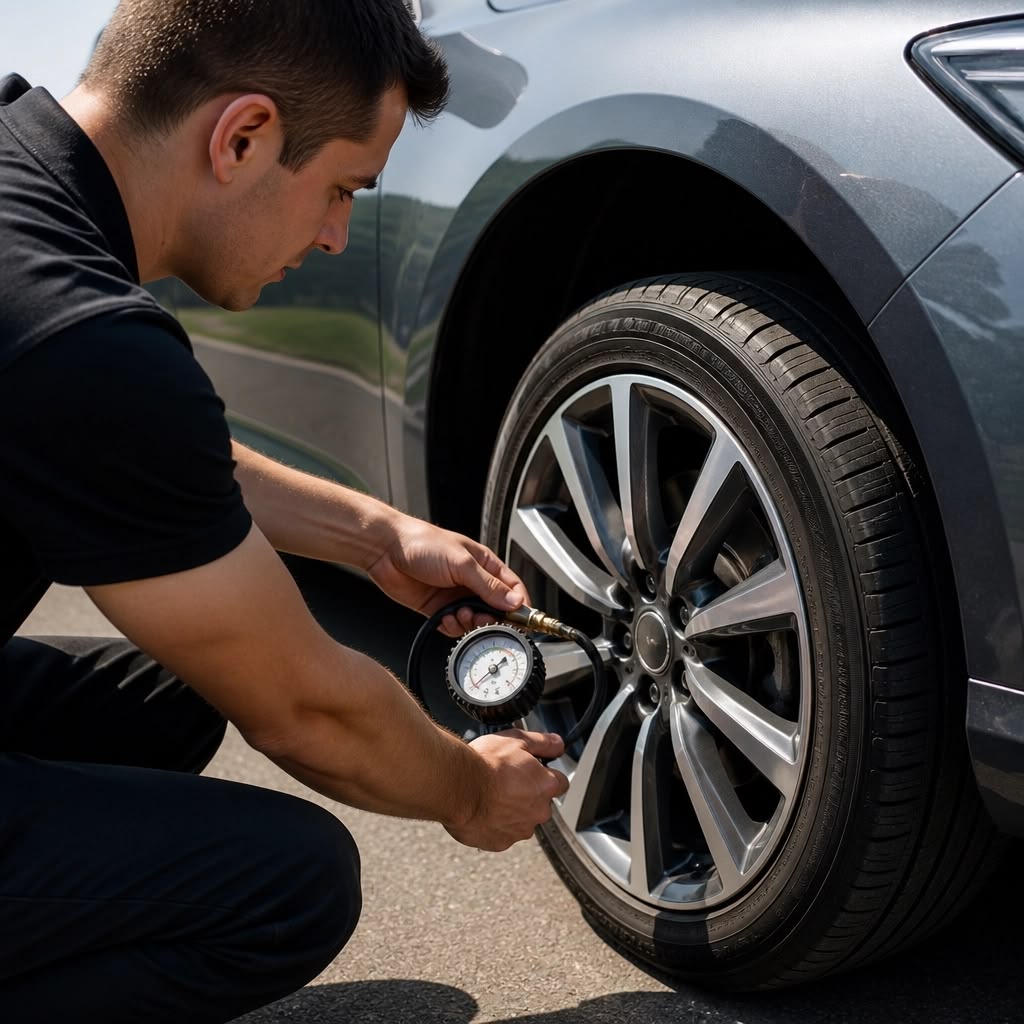
Look for uneven wear, visible damage, or signs that the tires may need replacement soon. You should also learn how to check tire pressure properly. Maintaining the correct pressure can support safer and more efficient driving.
Replacing several tires at once can become an unexpected expense, especially when you have recently spent heavily on the car itself.
Ask the mechanic to inspect them during the pre-purchase inspection. A car can have a clean interior and attractive body while still needing important tire work.
Do not let appearance become your only measure of condition. Learning a few basic things about your tires can make you more confident as a new car owner.
Trust me, you’ll want to read this: How to Prepare for Your First Grocery Shopping Trip
19. Take the Test Drive Seriously
A test drive is more than an opportunity to enjoy the car. It is your chance to notice how the vehicle actually behaves. Pay attention to the steering, brakes, acceleration, sounds, visibility, seats, mirrors, and general comfort.
Try different road conditions when possible. You want to understand how the car feels during normal driving. Notice if anything feels strange or uncomfortable.
You should also make sure you can comfortably reach the controls and see the road clearly. A car may look perfect online but feel completely wrong once you sit inside.
Do not let the excitement of driving your potential first car make you overlook problems. Take your time and pay attention.
If possible, drive the vehicle more than once before making your final decision. You are choosing something that may become part of your everyday life, so comfort and confidence matter.
Worth a look: How to Prepare for Your First Apartment Viewing
20. Never Let a Seller Rush You
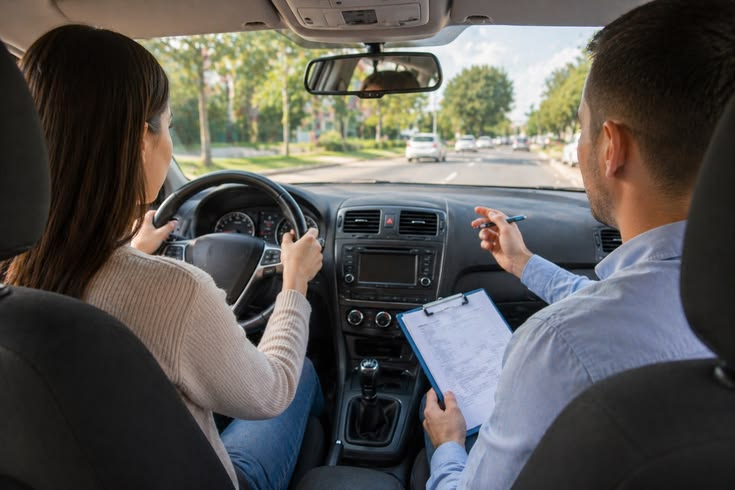
Pressure can make smart people make decisions they normally would not make. A seller may tell you another person is coming soon or that you need to decide immediately.
Sometimes urgency is real, but you still have the right to slow down and think. Ask yourself why you feel pressured to buy this particular vehicle.
If you have not completed the inspection, checked the documents, or reviewed the financial details, you are not ready to rush.
There will always be another car. Losing one deal is usually easier than living with a bad purchase. You should feel comfortable asking questions and taking time to understand the agreement.
A trustworthy seller should be able to handle reasonable questions without making you feel foolish. Your money deserves patience.
When you are buying your first car, slowing down can be one of the smartest things you do.
Take a peek: What to Expect When You Move Out for the First Time
21. Know the Car’s Resale Value
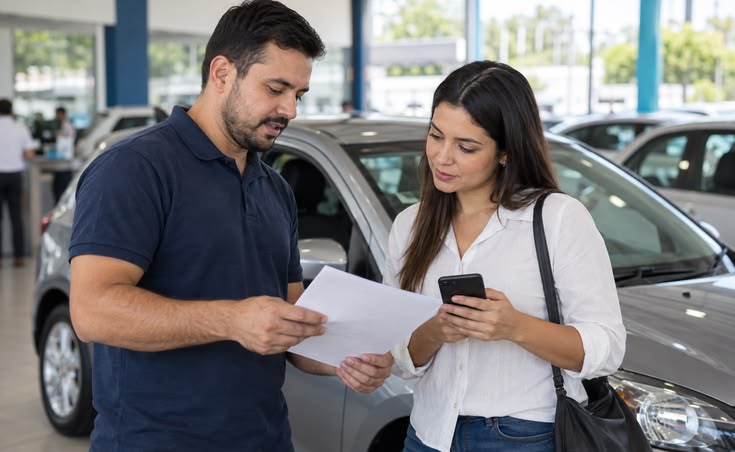
You may plan to keep your first car for many years, but your circumstances can change. You might move to another city, change jobs, start a family, or decide that another vehicle suits your life better.
That is why resale value is worth considering before buying. Some cars hold their value better than others because of demand, reliability, availability, or maintenance considerations.
You do not need to become an expert in vehicle values. Basic research can still help you understand what happens if you eventually sell.
Think about how easily you could find another buyer when the time comes. A vehicle that is difficult to resell may become harder to replace when your circumstances change.
Your first car does not need to be an investment. Still, understanding its future value can help you make a more thoughtful purchase.
22. Think About Your Future Plans
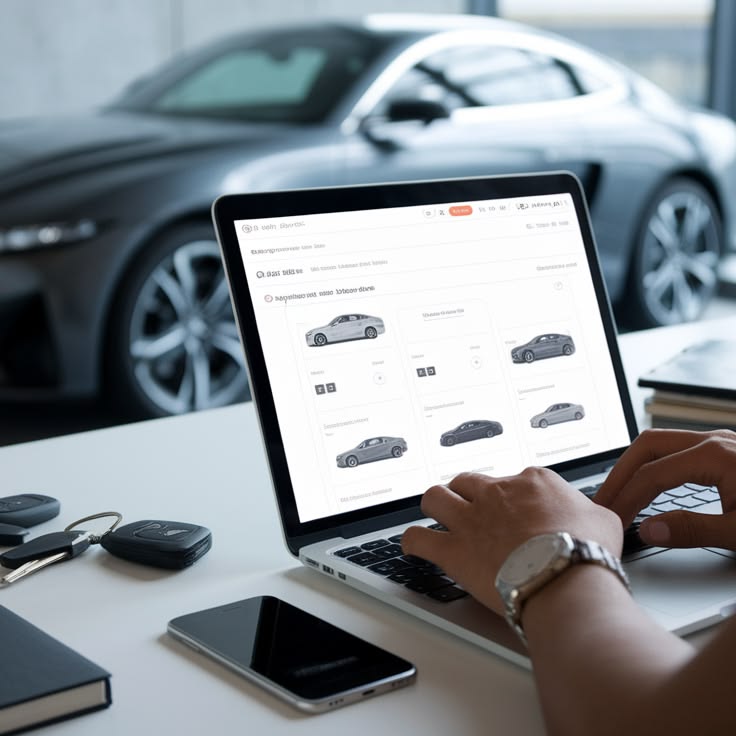
The car you need today may not be the car you need two years from now.
Your life can change quickly during young adulthood. Work, school, relationships, family responsibilities, and where you live can all affect your transportation needs.
That does not mean you should buy a car based entirely on an imaginary future. Instead, consider realistic changes you already expect.
If you plan to move soon, think about how the car will fit your new location. If your work may require regular travel, consider the distance and costs involved.
If you are planning a major move, 45 Things to Do Before Your First Big Move can help you think about how transportation fits into that transition.
You do not need to predict everything that will happen. Just avoid choosing a vehicle that only works for your current situation while ignoring major changes you already know are coming.
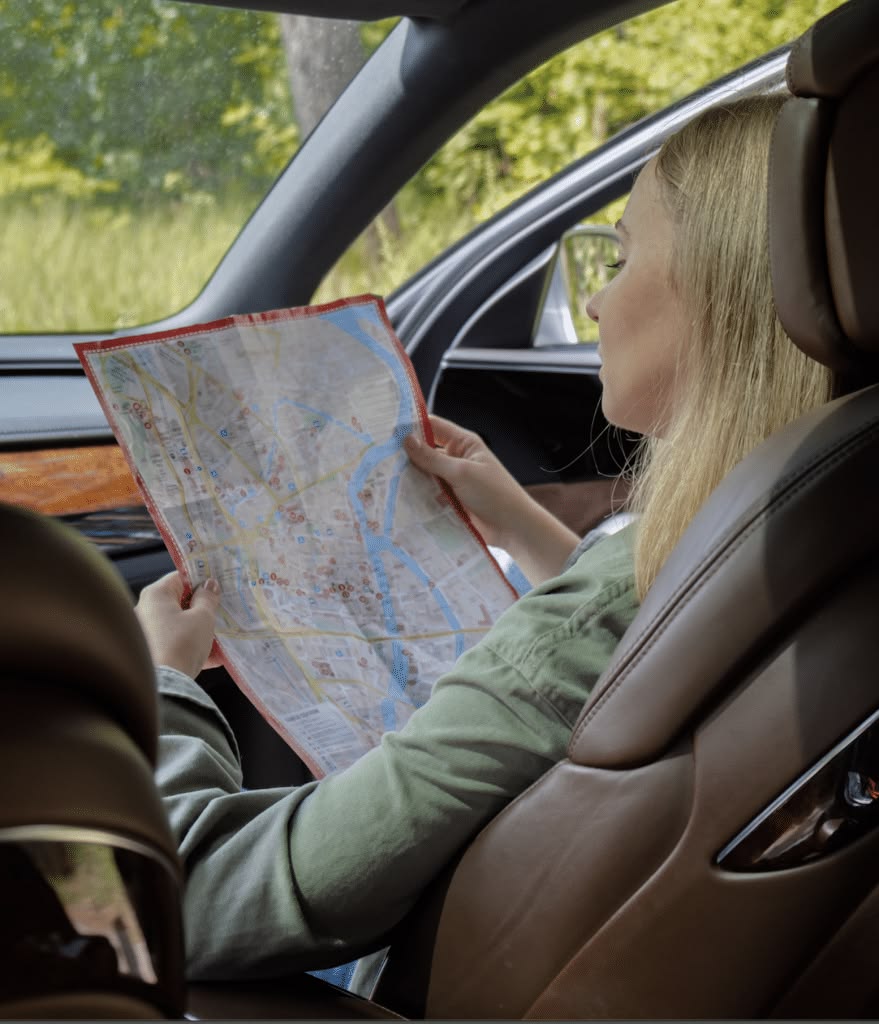
23. Learn Basic Car Skills
You do not need to become a mechanic before buying your first car. Still, learning a few basic skills can make ownership much easier.
Know how to check your oil, understand basic dashboard warning lights, and learn how to check tire pressure. It is also useful to know how to handle a flat tire and what to do when your car will not start.
These simple skills can reduce panic when something unexpected happens. You should also keep important documents and emergency supplies organized.
Learning basic car skills gives you more confidence because you are not completely dependent on someone else for every small problem. As you become more independent, these practical abilities become part of everyday adult life.
If you are building your overall independence, 45 Life Skills to Learn Before Living on Your Own is another useful guide to keep close.
You do not need to know everything at once. Start with the basics, practice them, and slowly become more comfortable handling your vehicle.
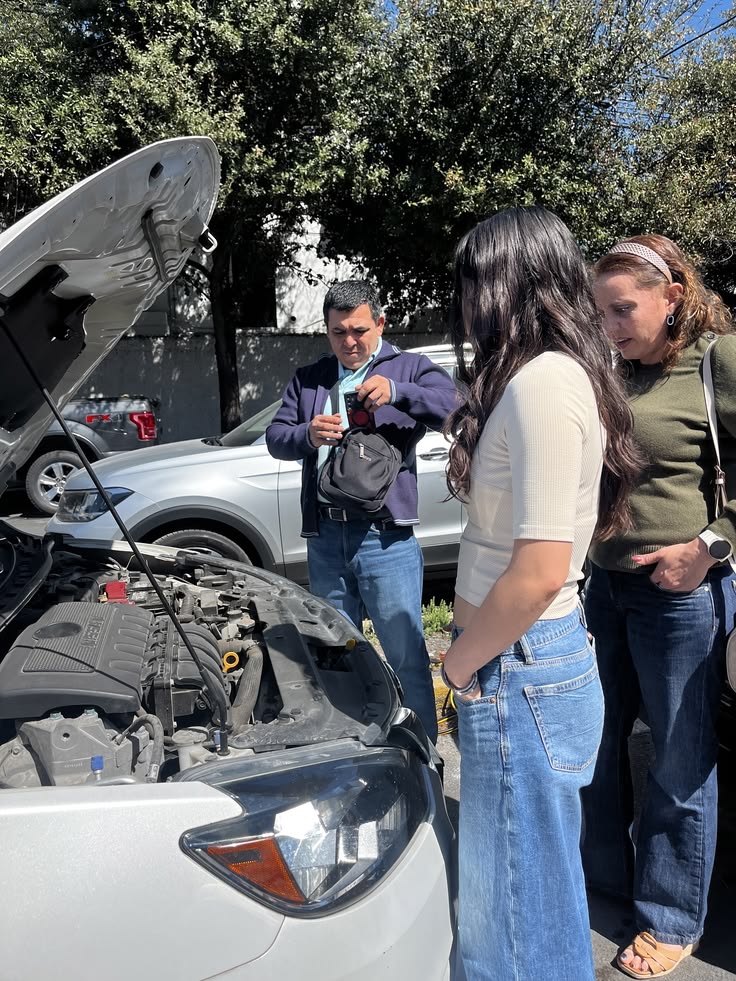
24. Do Not Forget Your Emergency Plan
A car can give you freedom, but it can also leave you stranded when something goes wrong. That is why having an emergency plan matters before you begin driving regularly.
Think about who you can call if your car breaks down somewhere unfamiliar. Keep important contact information accessible and know what roadside assistance options are available to you.
You should also understand what steps to take after an accident or other unexpected event. Your emergency plan does not need to be complicated. It simply needs to give you something practical to follow when you are stressed.
Being prepared can make a frightening situation feel more manageable. Your car should help you become more independent, not make you feel helpless whenever something unexpected happens.
A little preparation can make a major difference when you are far from home.
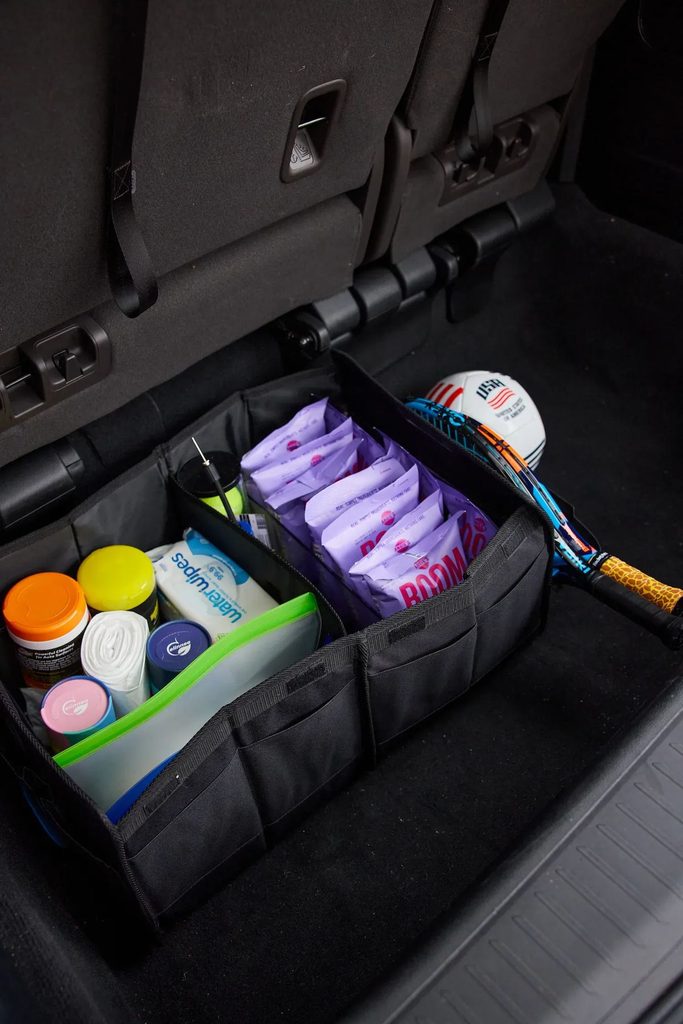
25. Remember That Your First Car Is Not Your Forever Car
Your first car does not need to be your dream car. It only needs to serve you well during the season of life you are currently entering.
You may eventually earn more money, develop different needs, or discover that another type of vehicle suits you better.
That is completely normal. Your first car can teach you about budgeting, maintenance, responsibility, planning, patience, and decision-making.
It may not have the newest features or the most impressive appearance. Still, a reliable car that fits your budget can give you something much more valuable: room to grow without unnecessary financial pressure.
During my first experience with car ownership, I learned that the most exciting part was not having the nicest vehicle. It was knowing I could handle the responsibility that came with it.
That feeling can be much more satisfying than impressing people with what you drive. Give yourself permission to start simply.
Your first car is one chapter in your adult life, not the final statement about how successful you are.

Final Thoughts
Buying your first car can feel like a huge adult milestone, and honestly, it can be exciting. But excitement should never replace careful thinking when your money and future responsibilities are involved.
Take your time researching the vehicle, checking its condition, understanding the costs, and reviewing your budget. You do not need the most expensive car to prove that you are independent.
You need a car that fits your real life without constantly putting pressure on your finances.
Remember that the purchase price is only the beginning. Fuel, insurance, maintenance, repairs, parking, registration, and unexpected problems can all become part of ownership.
Give yourself room to prepare for those responsibilities. If your first car is simple, dependable, and affordable, that is something worth being proud of.
The goal is not simply to drive away with a set of keys. The goal is to begin this new responsibility with confidence, wisdom, and enough financial breathing room to enjoy your independence.
Leave a Reply