Moving into a rental can feel exciting, but the space may not immediately feel like yours. You may look around and notice plain walls, unfamiliar rooms, and furniture that feels temporary.
I remember seeing my first rental and wondering how I could make it feel personal without damaging anything. I wanted warmth and personality, but I also knew I could not make permanent changes.
That was when I realized creating a home was more about thoughtful choices than expensive renovations. You can create a comfortable rental by working with what you already have.
Simple changes can make your bedroom, living room, kitchen, and bathroom feel much more welcoming. You can also create a space that reflects your personality without breaking your rental agreement.
Before decorating, it helps to understand How to Read and Understand Your First Lease Agreement.
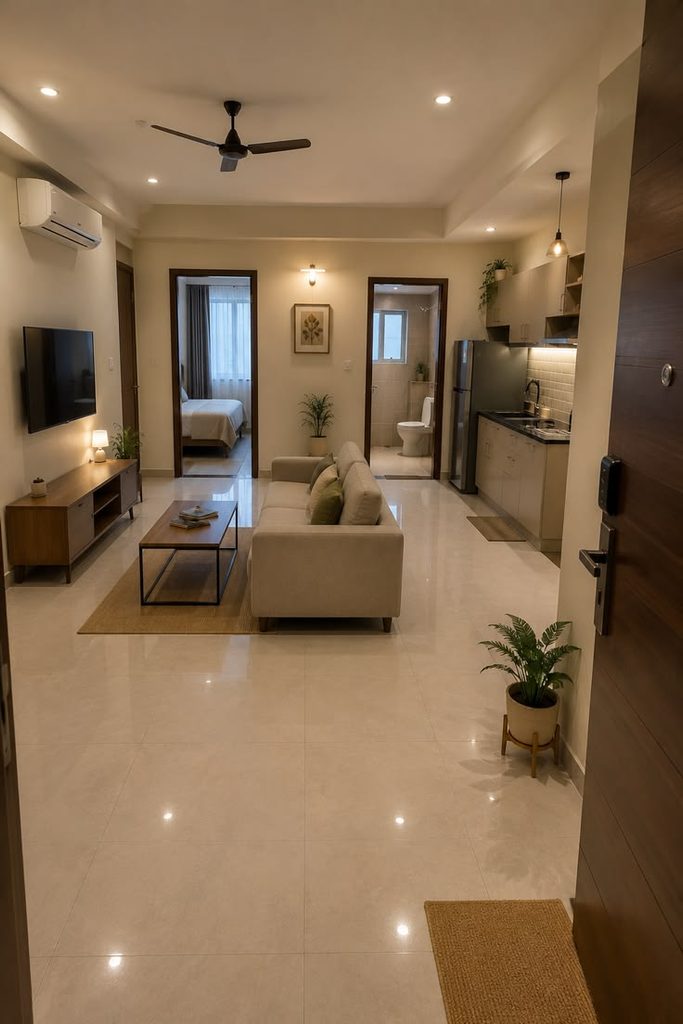
How to Make a Rental Feel Like Home Without Permanent Changes
Start With What You Already Have
Before buying anything new, spend some time looking carefully around your apartment. Notice the natural light, existing furniture, wall colors, flooring, windows, and available storage.
These details can help you decide what your apartment actually needs. You might discover that your space already has several useful features.
Maybe the living room receives beautiful morning light, or your bedroom has enough storage. Instead of trying to change everything, focus on making those existing features work better.
When I first moved into a rental, I wanted to buy everything immediately. After a few weeks, I realized some purchases were unnecessary because the apartment already had useful basics.
That experience taught me to slow down and understand the space before spending more money. This approach can also make your first apartment setup feel less stressful overall.
If your space still feels overwhelming, How to Set Up Your First Apartment Without Feeling Overwhelmed can guide your first steps.

Make the Walls Feel More Personal
Plain walls can make a rental feel temporary, especially when the apartment has little decoration. The good news is that you can add personality without making permanent changes.
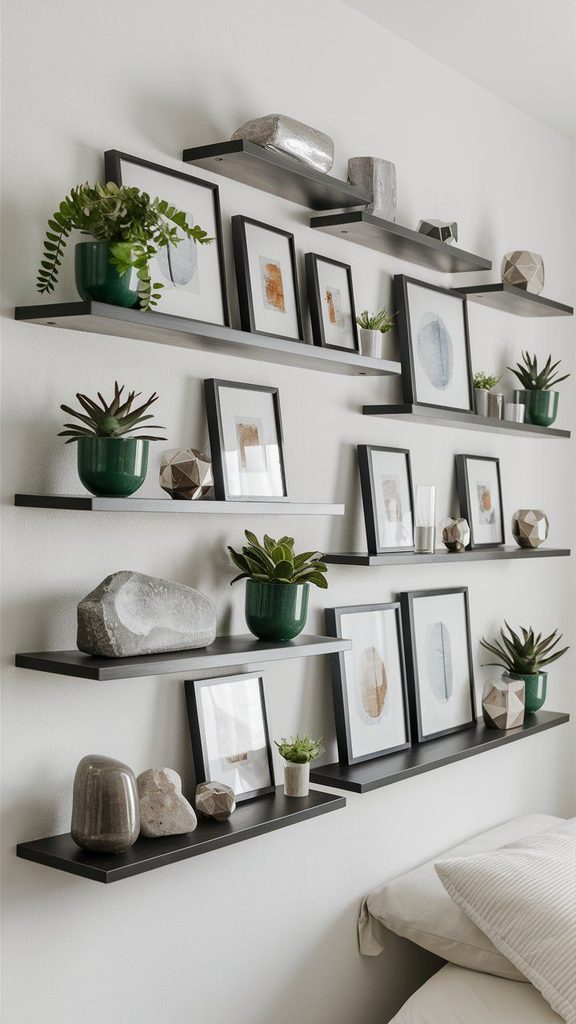
Removable wall hooks, temporary picture strips, and renter-friendly hanging options can display your favorite items. You can use framed prints, photographs, artwork, or simple wall decorations that reflect your personality.
Try creating one small gallery instead of covering every available wall. A few meaningful pieces often feel warmer than many decorations placed without much thought.
You can also use leaning artwork instead of attaching everything directly to the wall. Large framed pieces can rest against furniture, shelves, or sturdy surfaces while adding visual interest.
If you prefer simple decoration, choose artwork with colors already appearing around your apartment. This creates a more connected look without requiring professional decorating skills or expensive purchases.
Always check your rental agreement before using anything that could leave marks or damage surfaces. Your landlord may have specific rules about nails, paint, hooks, or wall coverings.
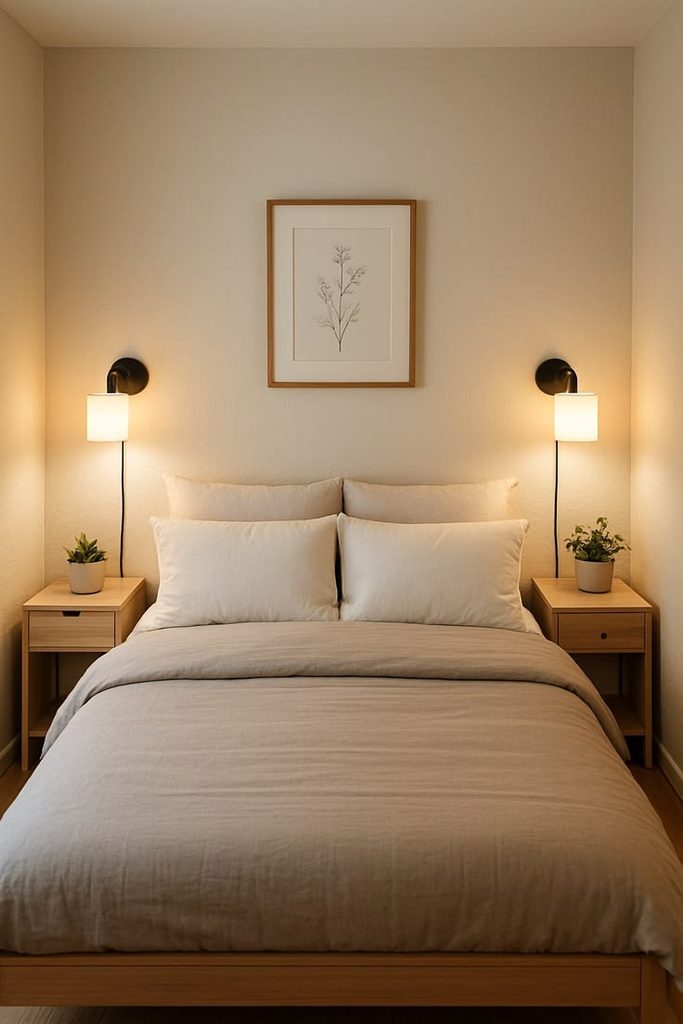
Use Soft Furnishings for Instant Warmth
Soft furnishings are one of the easiest ways to make a rental feel comfortable. They can change the mood of a room without changing its permanent structure.
Start with simple items such as curtains, cushions, blankets, rugs, and comfortable bedding. These pieces can introduce color and texture while making your space feel warmer.
A rug can also help define a living area when your apartment feels too open. It can make a small seating area feel intentional instead of randomly arranged.
You do not need expensive rugs or designer cushions to create this effect. Choose pieces that feel comfortable, practical, and suitable for your everyday lifestyle.
For example, darker or patterned fabrics can sometimes hide everyday marks better than very pale materials. That can be helpful when you are learning how to manage your first independent home.
If your apartment is small, choose soft furnishings carefully so they do not crowd your walking areas. Your goal should be comfort without making the room difficult to move through.

Bring In Your Favorite Colors
Color can completely change how a rental feels, even when you cannot repaint the walls. You can introduce your preferred colors through smaller items instead of permanent changes.
Think about cushions, bedding, curtains, towels, rugs, lamps, artwork, and decorative storage boxes. Using similar colors in different rooms can also make the entire apartment feel connected.
You do not need to choose one strict color scheme for everything. Instead, pick two or three main colors that you genuinely enjoy seeing around you.
For example, warm neutral colors can create a calm background for brighter personal touches. You can then add small amounts of your favorite color through artwork, cushions, or accessories.
This approach gives you freedom to change things later without replacing everything you own. That matters because your style may change as you become more comfortable living independently.

Make Lighting Work Harder
Lighting can make a rental feel completely different, especially when the apartment has harsh overhead lights. You do not have to replace permanent fixtures to create a softer atmosphere.
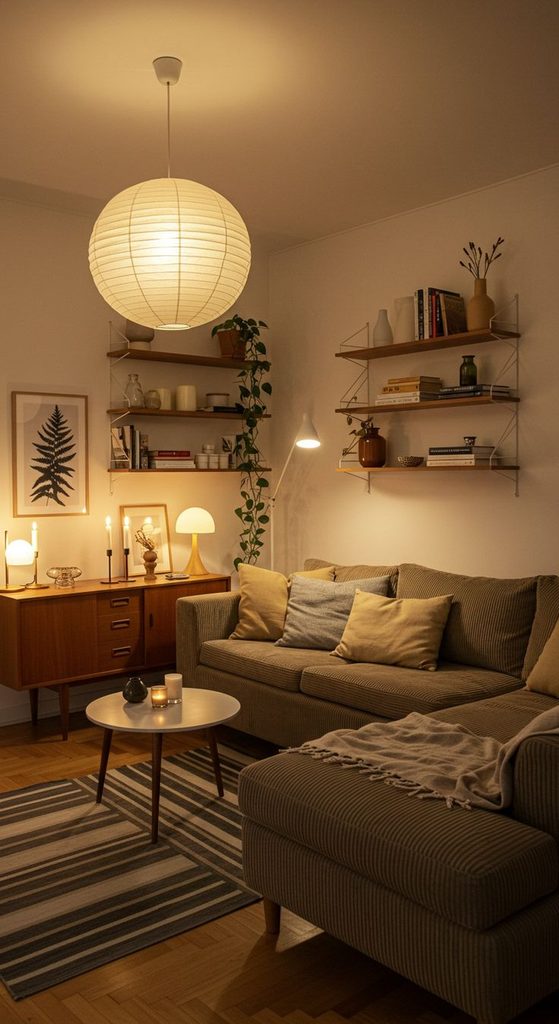
Instead, consider adding floor lamps, table lamps, bedside lights, or small rechargeable lights. Different lighting levels can make the same room work for relaxing, reading, working, or entertaining.
A warm lamp beside your sofa can create a comfortable evening corner. Another small lamp beside your bed can make your nighttime routine feel calmer.
You can also use daylight to your advantage during the day. Keep windows reasonably clear so natural light can reach more of your living space.
When I changed the lighting in my own rental, the room suddenly felt more welcoming. Nothing structural changed, but the apartment looked warmer and felt much more comfortable.
If you are still settling into your new place, What to Do During Your First Week in a New Apartment can help you prioritize those early tasks.
Add Greenery Without Creating Extra Work
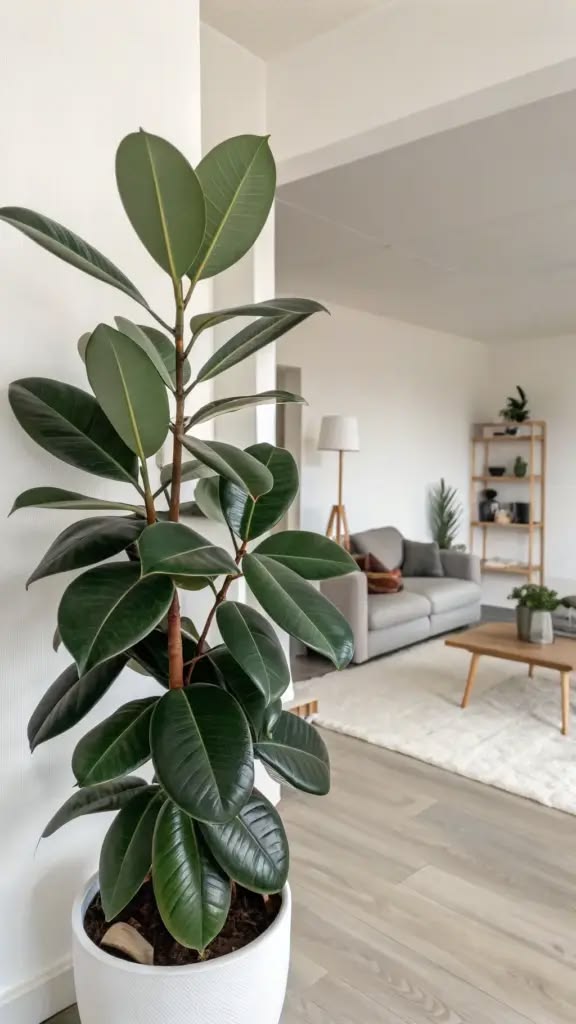
Plants can make a rental feel more alive, even when the apartment itself looks plain. You can choose real plants, small indoor trees, flowers, or low-maintenance greenery.
If you are new to caring for plants, start with something simple. You do not need several plants scattered around every room to create a difference.
One plant beside a window can add life to an otherwise empty corner. A small plant on a shelf can also soften an area without taking much space.
Artificial plants can work too if regular plant care does not fit your lifestyle. Choose realistic options that do not make the apartment feel overly decorated.
You should also think about where plants will be easiest to maintain. Placing them somewhere visible can remind you to water them when necessary.
The goal is creating a home that supports your lifestyle instead of creating another responsibility. That same idea becomes useful when developing How to Build Simple Home Habits That Save Time Every Week.
Create Comfortable Corners
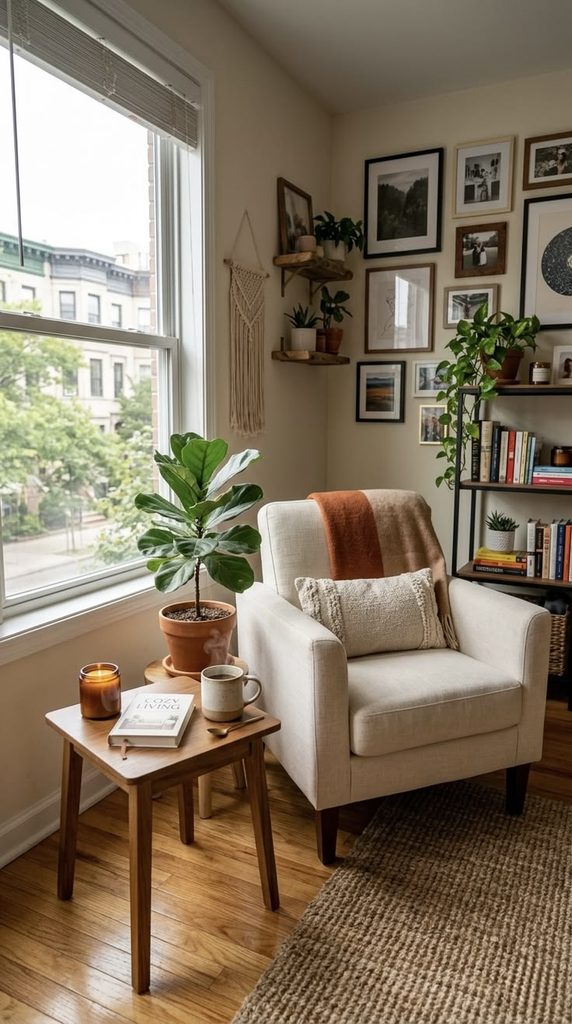
A home becomes more personal when you create small areas for things you genuinely enjoy. You do not need a large apartment to create these little spaces.
A comfortable chair beside a lamp can become your reading corner. A small table near a window can become your morning coffee spot.
You could also create a simple work area if you study or work from home. The important thing is giving everyday activities a comfortable and practical place.
These corners can make your apartment feel less like an empty rental. They also help you understand how your space should support your actual daily routine.
Try not to copy another person’s apartment exactly because their lifestyle may be completely different. Your home should reflect how you spend your own time and what makes you comfortable.
If your apartment is small, thoughtful arrangement becomes even more important for everyday comfort. You may find How to Organize a Small Apartment for Everyday Living especially useful here.
Use Storage That Looks Good
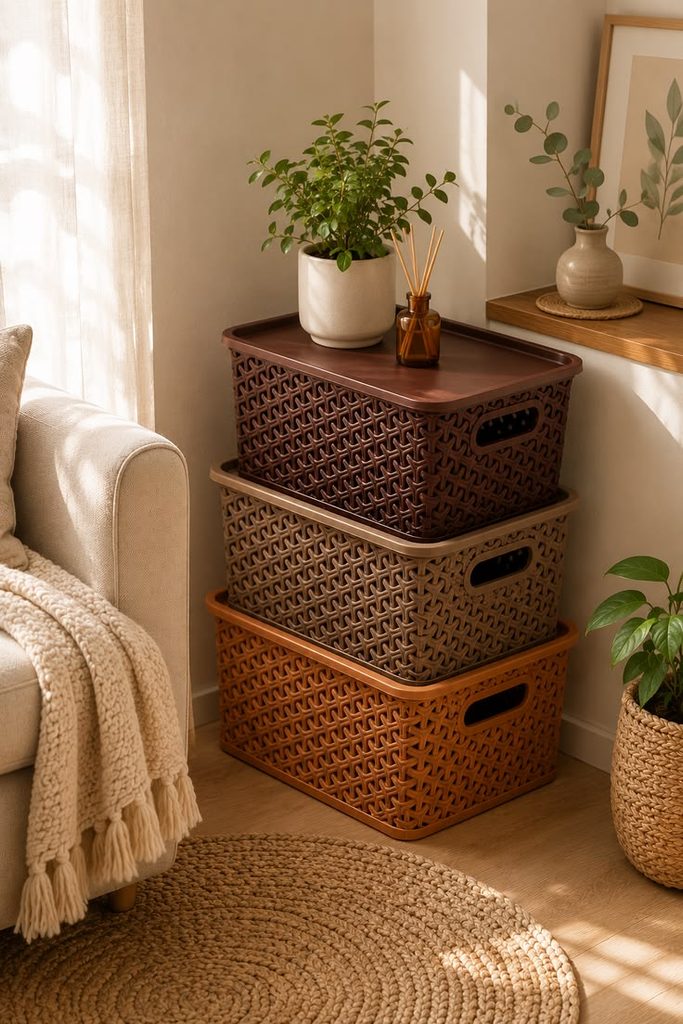
Storage does not always have to look like something you are trying to hide. You can choose baskets, boxes, shelves, and organizers that also add personality.
Open baskets can hold blankets, books, towels, or other frequently used items. Closed storage can keep less attractive household items out of sight.
Choose storage pieces that match the colors and style already present in your apartment. This makes practical items feel like part of the decoration instead of random additions.
Storage also helps prevent your home from becoming visually crowded. When everything has a reasonable place, cleaning and organizing usually become much easier.
That matters especially during busy weeks when you do not have time for major tidying sessions. A simple storage system can save you from constantly moving the same items around.
If you share your rental with someone else, storage becomes even more important. Clear spaces can reduce confusion and make shared living more comfortable.
You can also revisit How to Split Household Responsibilities With a Roommate for ideas about managing shared spaces fairly.
Personalize the Bedroom First
Your bedroom should probably be one of the first spaces you make comfortable. It is where you rest, recharge, and begin or end most days.
Start with comfortable bedding that suits your preferences and the temperature of your apartment. Then add a few personal touches that make the room feel peaceful and familiar.
You could display photographs, use a favorite blanket, or add a small bedside lamp. Even simple curtains can make the room feel more finished and comfortable.
Try keeping unnecessary items away from the bed area because clutter can make relaxation harder. You want your bedroom to feel like a place where you can properly switch off.
You can also create a simple nighttime routine around the space. Small habits like putting clothes away can help your bedroom remain comfortable without constant cleaning.
For new renters, learning these habits early can make independent living much easier. The same principle applies when building a realistic How to Create a Cleaning Routine You’ll Actually Stick To.

Make the Kitchen Feel Like Yours
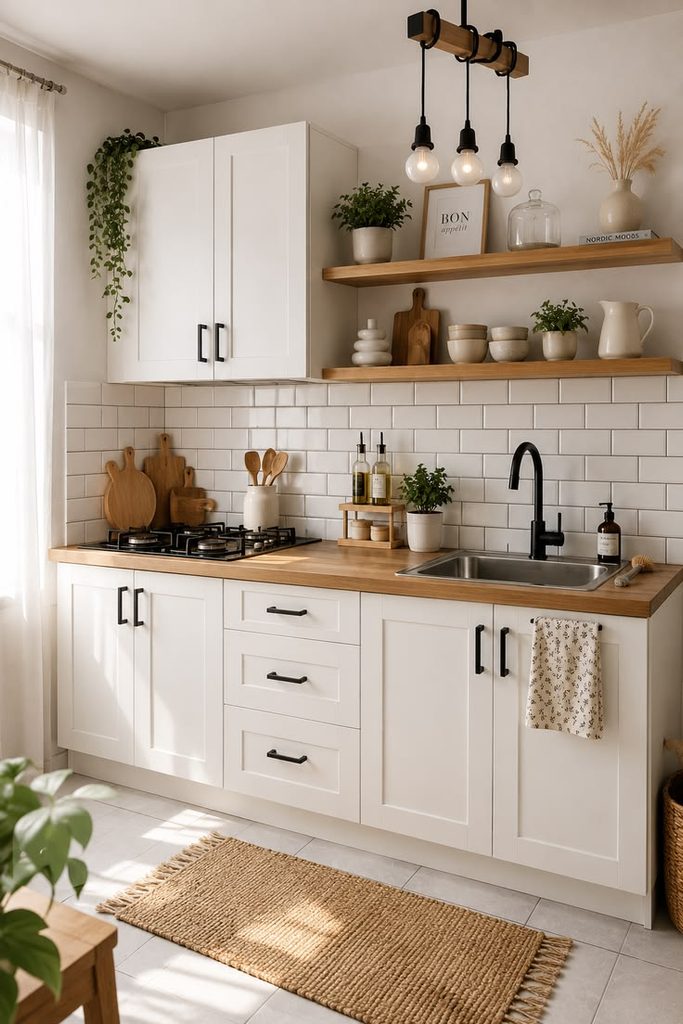
The kitchen can quickly become one of the most personal areas in your apartment. You use it regularly, so small improvements can make everyday living feel easier.
Start by arranging your frequently used cooking items where they are easy to reach. Keep everyday plates, cups, utensils, and cooking tools somewhere convenient for your routine.
You can also add small decorative touches without changing cabinets or permanent fixtures. A simple kitchen mat, attractive storage jars, or a small plant can add personality.
Try not to fill every available surface with decorations because kitchens need practical working space. You should still have enough room for preparing food and cleaning comfortably.
If you are still learning how to manage your first home, organization can save you time. A well-arranged kitchen makes cooking, cleaning, and putting things away much easier.
Make the Bathroom Feel Comfortable
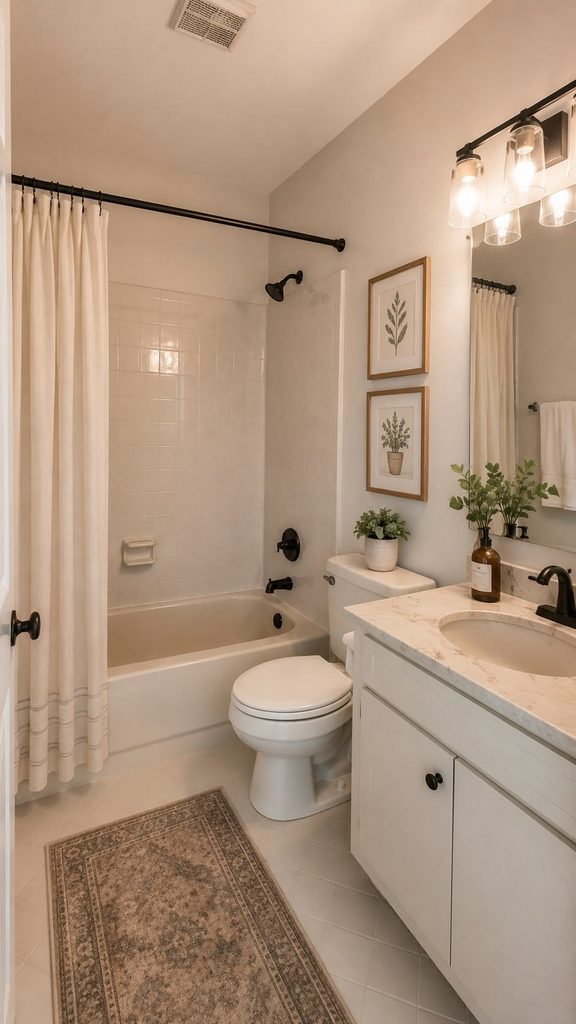
Bathrooms can feel cold or impersonal when you first move into a rental. Simple changes can make yours feel cleaner, warmer, and more personal.
Start with fresh towels, a comfortable bath mat, and a simple shower curtain if needed. Choose colors that work well with the existing bathroom rather than fighting against them.
You can also use attractive containers for everyday items that normally sit around the sink. This keeps useful products accessible while making the space look more organized.
Avoid filling the bathroom with unnecessary decorations because moisture can make maintenance harder. Instead, choose a few practical items that make your daily routine more pleasant.
Good organization also matters because bathrooms can become cluttered very quickly. Keeping personal products grouped together makes cleaning faster and daily routines easier.
Decorate Without Overspending
Creating a home does not mean buying everything you see in a home decor store. In fact, buying too much too quickly can leave you with unnecessary clutter.
Start by identifying the things that would genuinely improve your everyday comfort. Then prioritize those items instead of buying decorations simply because they look attractive.
You can also find affordable pieces through secondhand stores, local sellers, or items you already own. Sometimes, rearranging existing furniture creates a bigger difference than buying something new.
Give yourself time to understand your preferences before spending heavily on decoration. Your first apartment does not need to look finished within the first month.
If you are still handling practical setup tasks, How to Set Up Utilities in Your First Apartment should remain higher priority than decoration.
Rearrange Furniture Until It Feels Right
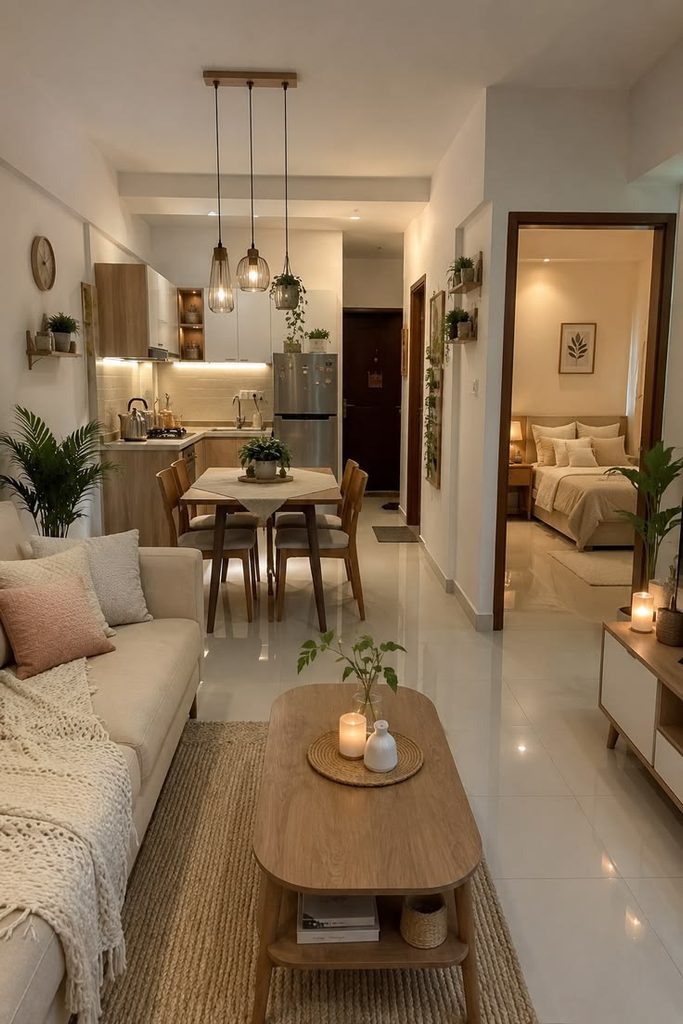
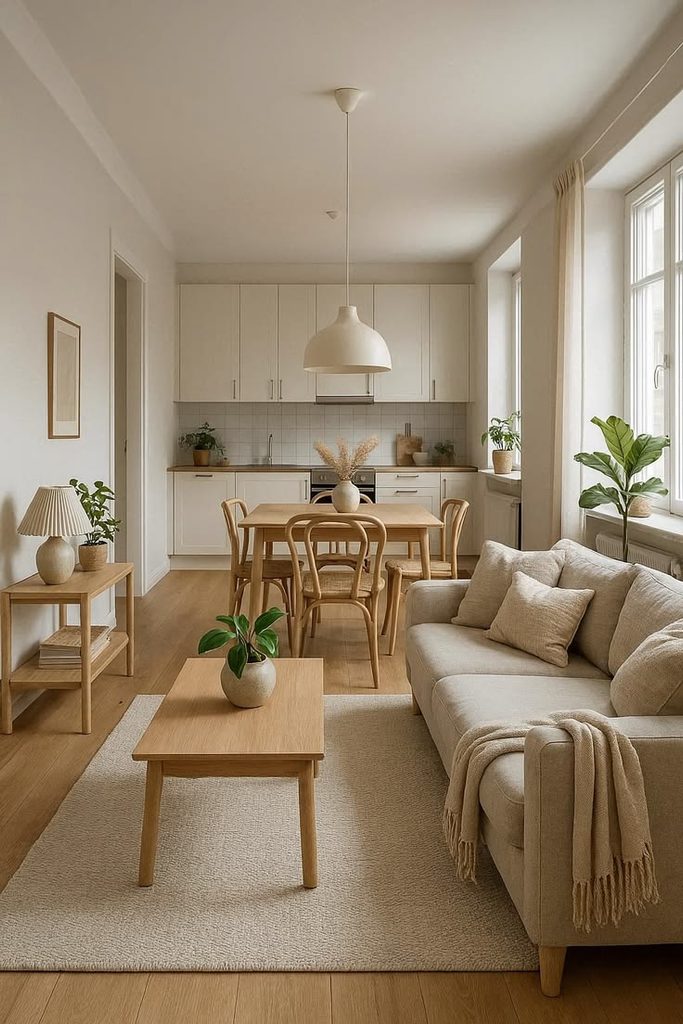
Furniture placement can strongly affect how comfortable your rental feels. You might need to try several arrangements before finding one that works properly.
Start by thinking about how you actually move through each room. Leave enough space around doors, windows, walkways, and frequently used furniture.
Try placing seating where conversation feels natural instead of simply pushing everything against walls. At the same time, avoid arrangements that make small rooms feel cramped.
Do not worry if your first arrangement does not work. Moving furniture around is part of learning how your apartment functions.
I once spent an entire afternoon moving one small table around my living room. It seemed unnecessary at first, but the final position made the room much easier to use.
Sometimes, comfort comes from small adjustments rather than expensive purchases. Give yourself permission to experiment until the room feels natural.
Protect the Rental While Making It Personal
Making your rental feel like home should never mean ignoring your rental agreement. You still need to protect walls, floors, doors, cabinets, and other permanent features.
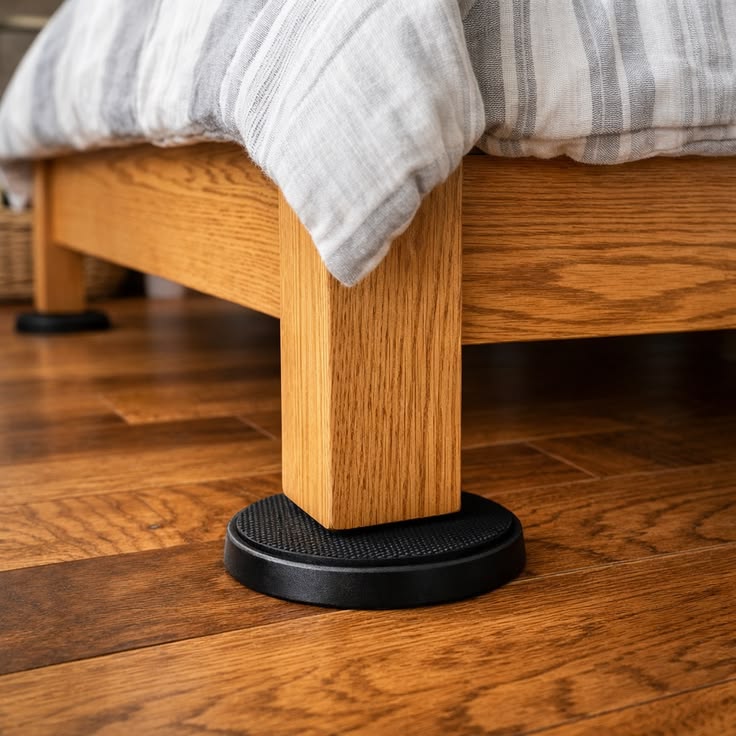
Use removable options when they are allowed and suitable for your particular surfaces. Place protective pads beneath furniture to reduce scratches on floors when moving heavy pieces.
Avoid making changes simply because they seem easy to reverse. Some repairs can become expensive if they leave marks or damage the property.
Keep records of the apartment’s original condition when you move in. Photos can help document existing marks, scratches, stains, or other issues you noticed initially.
If you are preparing for move-in, What to Expect During Your First Apartment Move-In can help you handle those early details.
Let Your Home Grow Slowly
Your apartment does not need to become your dream home immediately. Give yourself time to understand what you genuinely need and enjoy.
You may discover that a piece of furniture does not suit your routine. You might also realize that one room needs more storage or better lighting.
That is completely normal when you are learning how to live independently. Your home should change as you learn more about yourself and your daily habits.
Instead of chasing a finished look, focus on creating a space that works. A comfortable chair, organized kitchen, clean bathroom, and peaceful bedroom can already feel like home.
Over time, you can add personal items that have meaning instead of filling empty spaces. This approach usually creates a home that feels more genuine and less copied.

Keep Your Home Easy to Maintain
A beautiful rental becomes frustrating when keeping it beautiful requires too much effort. Try choosing items that are practical enough for your everyday routine.
Avoid buying decorations that need constant cleaning if you already have a busy schedule. Choose washable fabrics, simple surfaces, and storage solutions that are easy to maintain.
Your home should support your life rather than become another source of stress. That means decoration should always work alongside cleaning, organization, cooking, and daily responsibilities.
A simple home can still feel beautiful when everything has a useful purpose. You can also make weekly routines easier by keeping frequently used items within easy reach.
This balance becomes especially important when you are living alone for the first time. You are not only decorating a space; you are learning how to manage it.

Make the Space Feel Like You
The final step is adding things that carry personal meaning. These might include photographs, books, artwork, souvenirs, family items, or small gifts.
Personal objects can make a rental feel familiar even when everything else feels new. They remind you that your home represents your life, not just the property you rented.
You do not need to display everything you own at once. Choose a few meaningful items and give them places where you can enjoy seeing them.
Your home should tell a small story about who you are and what matters. That feeling cannot come from expensive furniture alone.
As you settle in, you will naturally discover new ways to personalize your space. The important thing is giving yourself permission to create a home slowly.
Final Thoughts
Making a rental feel like home does not require painting walls or making expensive permanent changes. You can create warmth through lighting, soft furnishings, artwork, plants, storage, and meaningful personal items.
Start by understanding your apartment and working with the features it already provides. Then make small changes that improve comfort without creating unnecessary work or expenses.
Remember that your first rental is also a learning experience. You are discovering what furniture suits you, what routines work, and what your home actually needs.
Give yourself time to experiment because your first decorating decisions do not need to be permanent. Your apartment can change as your lifestyle, budget, and preferences change.
Most importantly, focus on creating a home that feels comfortable and practical for your everyday life. You do not need a perfect apartment to enjoy independent living.
Start with what matters most, make small changes, and allow your rental to become yours gradually. Before long, you may walk through the door and realize the space finally feels like home.
Leave a Reply