Nobody hands you a rulebook on your first day, but everyone quietly follows one. You notice it when someone speaks over you in a meeting or heats smelly fish in the microwave.
The rules are never written on the wall, yet people feel it right away when you break them.
The scary part is that nobody will tell you. They will just form an opinion, and that opinion follows you around the office like a shadow.
But here is the good news, because good manners are easy to learn once someone explains them in plain words.
That is exactly what this post is here to help you with. If you are still preparing for your new role, you can also read 25 Things to Know Before Starting Your First Job to feel steady.
Now let us walk through 25 workplace etiquette rules that will make you the colleague everyone enjoys working with.

25 Workplace Etiquette Rules Every Young Professional Should Know
1. Arrive on Time
Being on time is the first rule of good manners, and it matters from the very first day. When you walk in late, people notice, and they quietly decide how reliable you are.
Aim to get to work ten minutes early so you can settle down, greet people, and prepare for the day. The same goes for meetings, calls, and lunch breaks, because every minute counts for someone.
If you are learning what to avoid in your first days, these 35 First-Day-at-Work Mistakes to Avoid will help you start strong.
Sometimes delays happen, like heavy traffic or a sick child, and that is only human. When it does, send a short message as early as you can and say when you expect to arrive.
This small step shows that you respect other people’s plans. Being late once is forgiven quickly, but being late often becomes your reputation.
See why this is so popular: How to Handle Workplace Mistakes Professionally

2. Greet People Warmly
A simple good morning can change the mood of an entire office. Smile, look people in the eye, and say hello as you walk in, even when you are tired or nervous.
Many beginners keep their heads down and rush to their desks, and people may read that as coldness. You do not need to chat for long, because a short and friendly greeting is enough.
Make sure you greet the receptionist, the security guard, and the cleaner too, since they are part of the team.
Do the same when you leave, with a light “See you tomorrow” or “Have a good evening.” These small words make people feel seen and appreciated.
Over time, they also make you easier to approach, which helps when you need support. Warm greetings cost nothing, but they pay you back with goodwill for years.
Don’t miss this: How to Prepare for Your First Performance Review

3. Introduce Yourself Properly
On my first day, I mumbled my name so softly that my new coworker asked me to repeat it three times. I wanted to disappear, and I learned that a clear introduction is a gift you give to others.
Say your name slowly, offer a handshake or a friendly nod, and mention your role in one short sentence. Something like “Hi, I am Ada, and I just joined the marketing team” works perfectly.
Listen carefully when others share their names, and repeat them once to help them stick. If you forget a name later, it is fine to say, “I am sorry, could you remind me of your name?” That honesty is much better than guessing.
When you are introducing two people, say each person’s name and one useful detail about them. This helps them start a conversation and shows that you pay attention to others.

4. Dress Appropriately
Clothes speak before you do, so choose them with care. Look at what your coworkers and managers wear on normal days, and match that level, or go a little neater.
Some offices expect suits, while others are happy with jeans and clean shoes, and you will only know by observing. If the dress code is written in a handbook, read it and follow it. When you are unsure, ask your manager or HR in a polite way.
Whatever you wear, make sure it is clean, ironed, and comfortable. Pay attention to hygiene too, like fresh breath, tidy hair, and light perfume, because shared spaces make everything noticeable.
Avoid clothes that are too tight, too short, or covered in bold slogans. You do not have to spend a lot of money to look professional. A few well-fitting outfits that you can mix and match will carry you through the week.
Bookmark this post: 23 Things to Do Before Your First Job Interview

5. Respect Meeting Time
A meeting is a group of people giving up their time, so treat it as valuable. Arrive a couple of minutes early, bring your notebook, and silence your phone before you sit down.
Read the agenda if there is one, and think about what you can add. When the meeting starts, give the speaker your full attention and avoid typing or scrolling on unrelated things.
If you have to leave early or join late, tell the organizer in advance. Keep your comments short and clear, and avoid taking over the conversation. When the meeting ends, write down any task given to you and its deadline.
Following up on what was agreed shows that you were listening. Good meeting manners make you look prepared, and they help the whole team finish on time.
You need to see this: How to Build Healthy Work Habits Early in Your Career

6. Keep Your Phone Under Control
Your phone is a great tool, but it can also be a big distraction and a sign of bad manners. Keep it on silent during work hours and put it away during meetings, conversations, and group lunches.
If you are expecting an urgent call, tell people beforehand and step outside when it arrives. Looking at your screen while someone talks to you sends the message that they are not important.
Take personal calls in a private space, away from your coworkers’ desks, and keep them short. Avoid watching videos or playing music out loud, because sound travels fast in an open office.
Use your breaks to check messages and social media. When people see that you can manage your phone well, they trust you to manage your work well too.
This is trending right now: How to Make a Great First Impression During Your First Week at Work

7. Mind Your Volume
Offices can get noisy very quickly, and loud voices can make it hard for people to think. Speak in a calm tone, especially in open spaces where many people are working at the same time.
If you need a long conversation or a loud laugh, find a meeting room or a quiet corner. Avoid shouting across the room to get someone’s attention, and walk to their desk instead.
Be careful with phone calls and video meetings too, since your voice may carry further than you think. Use headphones when listening to music or videos, and keep the sound low enough that others cannot hear it.
If someone asks you to lower your voice, do it with a smile and without arguing. Respect for quiet is a sign that you care about other people’s focus. A peaceful office helps everyone work better, including you.
Everyone’s clicking on this: How to Stay Organized When You Start a New Job

8. Listen Without Interrupting
Interrupting is one of the fastest ways to make people feel unheard. When someone is speaking, let them finish their point before you add yours, even when you are excited to share.
Keep your eyes on them, nod now and then, and avoid checking your phone. If you need a moment to think, it is okay to pause before answering.
When you disagree, wait for your turn and say something like, “That is a good point, and here is another way to see it.” This keeps the conversation friendly. If someone interrupts you, stay calm and say, “May I finish my point?” in a gentle voice.
Listening well takes practice, but it makes people trust you quickly. Colleagues who feel heard will also listen to you more closely when it is your turn to speak.

9. Use Names and Titles Correctly
People care about how their names are said and written, so take a little time to get it right. If you are not sure how to pronounce a name, ask politely and write down the sound.
Using someone’s name in a conversation shows that you value them. In some workplaces, people use titles like Mr., Ms., or Dr., especially with seniors and clients, so watch what others do.
Wait for someone to invite you to use their first name if the culture is formal. Avoid nicknames, unless the person has told you that they like them. Do not shorten or change a name just because it is long or hard to say.
When you write emails, spell names carefully and double-check them before sending. Getting names right is a quiet way of showing respect, and people never forget how that feels.
Most popular this week: How to Build Confidence in the Workplace

10. Write Polite Emails
Email is where many young professionals slip, because it feels as casual as texting. Start with a greeting, write a clear subject line, and keep your message short and to the point.
End with a thank you and your name. Read the message once before you send it, to catch typos and any tone that may sound rude.
Avoid writing in capital letters, using many exclamation marks, or sending jokes to people you do not know well. If you want to know exactly what to avoid, read these 45 Things You Should Never Say in a Professional Email.
Be careful with “Reply All,” and make sure that everyone on the list really needs your message. When you are upset, wait before replying, because an angry email is hard to take back.
A polite and clear email builds your image every time it lands in someone’s inbox.

11. Behave Well in Video Calls
Video meetings are now part of normal work life, and they come with their own manners. Join a minute early, test your sound, and check that your camera shows a tidy background.
Look at the camera when you speak, and mute yourself when you are not talking to cut out background noise. Dress as you would for an office meeting, at least from the waist up.
Avoid eating loudly, walking around, or doing other tasks while the call is going on, because people can see you. Use the chat or the raise-hand button instead of talking over someone.
If your internet fails, rejoin quickly and send a short message to explain what happened. When the call ends, say thanks and leave properly. Treat the screen like a real room, and you will rarely go wrong.

12. Be Careful With Chat Messages
Workplace chat apps make talking easy, but they can also make mistakes easy. Keep your messages clear and respectful, and remember that they can be saved and shared.
Avoid sending long personal stories, jokes about others, or complaints about work in a group channel. Do not expect instant replies, and do not send message after message when someone is busy.
Use the right channel for the right topic, like a direct message for private questions and a group channel for things everyone needs to know. Respect people’s working hours and avoid sending non-urgent messages late at night.
When you need something fast, say so politely and explain why. A good chat message is short, kind, and easy to understand. Think of it as speaking aloud in the middle of the office.

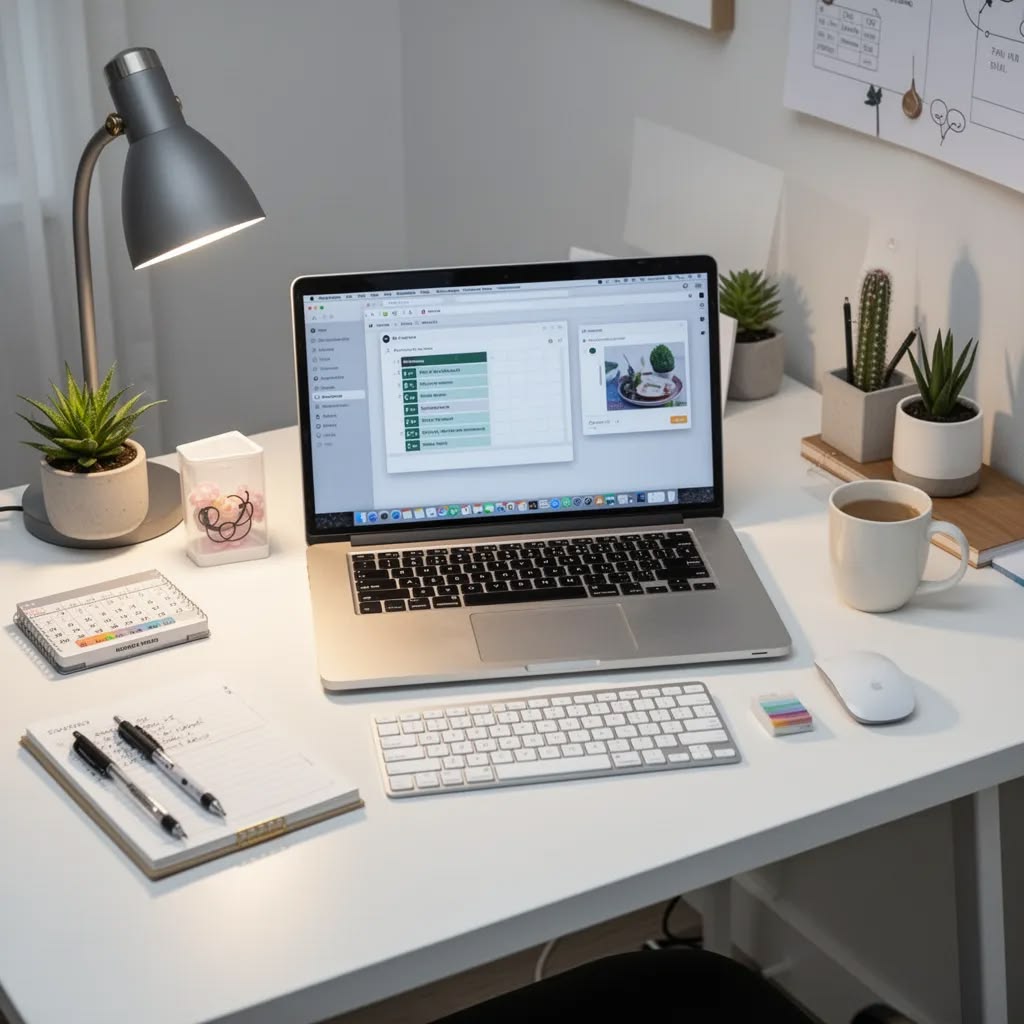
13. Keep Your Desk Tidy
Your desk is like a small window into how you think, and people often judge it without saying a word. A messy desk with old cups, crumpled papers, and tangled cables can make you look careless.
Spend a few minutes at the end of each day clearing trash, stacking papers, and putting things back in their place. Keep your computer files in clear folders so that you can find them fast.
This habit is easy to build, and it gets easier when you know what to arrange. If you would like a complete list, check these 25 Things to Organize Before Starting a New Job.
Keep personal items simple, like one or two photos or a small plant. Avoid hanging things that may offend others. A tidy desk helps you focus and shows others that you take your role seriously.
14. Respect Shared Spaces
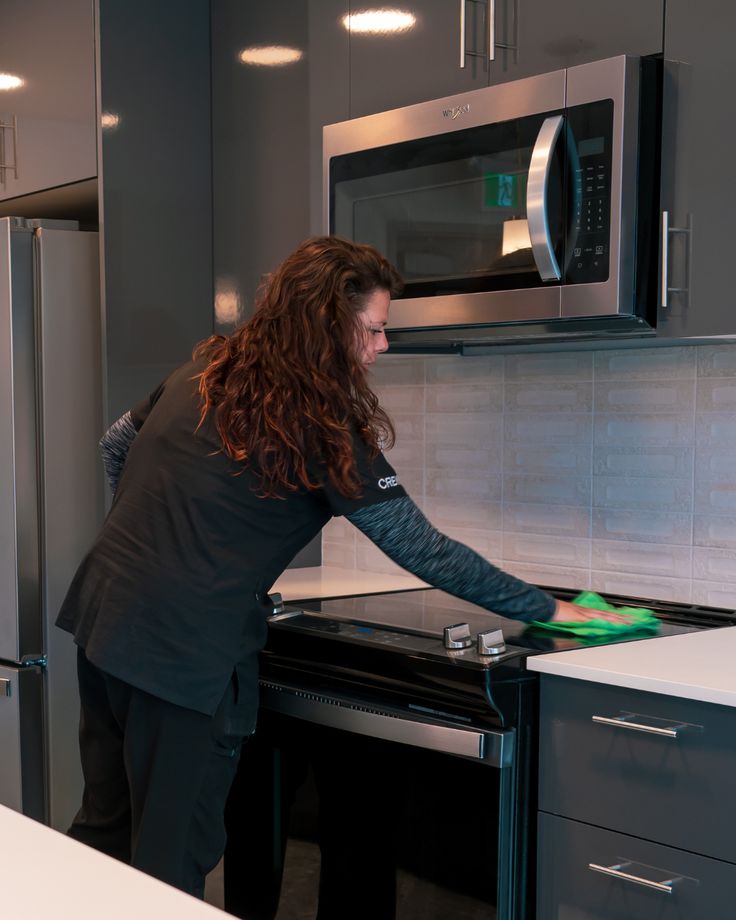
Kitchens, meeting rooms, printers, and restrooms belong to everyone, so use them with care. Wash your cup, wipe the table, and throw away your trash after using the kitchen.
If you finish the paper in the printer or the coffee in the pot, refill it for the next person. Leave meeting rooms clean and push chairs back to where they were.
Do not take other people’s food from the fridge, even if you think it has been there for a long time. Label your own food if the office does that. Keep restrooms tidy and report any problems to the right person.
When you borrow something, return it quickly and in good condition. Small acts of care show that you think of others, and people notice who always leaves things better than they found them.
15. Mind Your Lunch at the Desk
In my second job, I once reheated leftover fish at my desk, and half the floor complained by lunchtime. I was embarrassed, and I learned that smells travel much farther than we think.
If you eat at your desk, choose mild foods and keep the meal quick and tidy. Strong smells like fish, boiled eggs, or heavy spices are better enjoyed in the break room or outside.
Chew quietly, and avoid crunchy snacks during meetings and calls. Clean your desk and your hands afterwards so that crumbs and grease do not spread. Offer to share if you bring something nice for the team, but never force people to take it.
Remember that some coworkers may have dietary needs, so be understanding. Considerate eating habits make shared spaces a happy place for everyone.

16. Respect Personal Space and Privacy
Everyone needs a little room to breathe, even in a busy office. Stand at a polite distance when you talk to someone, and knock or ask before stepping into their space.
Do not touch other people’s belongings, and never read their screens or papers as you pass by. When you see something private, look away and keep it to yourself.
Be careful with personal questions too, like those about age, pay, family plans, or health. If a coworker shares something private with you, keep it safe and do not repeat it.
Likewise, share only what you are comfortable with and keep your own boundaries clear. People feel safe around those who respect their privacy. Trust grows slowly, but it can disappear very fast when it is broken.

17. Avoid Gossip
Gossip may look like harmless fun, but it can poison a workplace and hurt your own name. People who gossip with you will gossip about you, and your words may reach the person you talked about.
When someone starts a story about a coworker, you can listen politely and change the topic. Do not add to the story or pass it on.
If you hear something that is truly serious, like bullying or unfair treatment, report it to the right person instead of whispering about it. Focus your talks on work, ideas, and positive things.
Say good things about people when they are not in the room, because those words also travel. Being known as someone who is safe to talk to is worth more than any juicy story.
Read this next: How to Ask for Help at a New Job Without Feeling Embarrassed

18. Ask Questions Politely
Asking questions is how you learn, but how you ask matters too.
Pick a good moment, like when the person is not rushing to a meeting, and say, “Do you have a minute to help me with something?” Be clear about what you need, and show that you tried to find the answer first.
Write down the reply so that you do not need to ask again.
If you are new and wondering where to begin, these 21 Questions to Ask During Your First Week at a New Job can guide you.
Thank the person for their time and tell them how their help worked out. Avoid asking the same question again and again, because people may feel you are not listening.
Good questions show curiosity and humility, and most people are happy to help someone who asks with respect.

19. Ask for Help the Right Way
Everyone gets stuck sometimes, and asking for help is not a weakness. The trick is to ask early, before a small problem becomes a big one.
Explain what you are working on, what you have tried, and where you are stuck. This helps the other person give a quick and useful answer without guessing.
If the stress ever feels heavy and you do not know where to begin, these 25 Things to Do When You Feel Lost in Your First Job can give you a gentle path forward. Respect the other person’s time and be ready to learn from their advice.
When they help you, say thank you and let them know how it went. Do not rely on the same person every time, and try to grow your own skills. Smart people know when to ask, and they do it with grace.
You might also love this: How to Write Professional Emails at Work

20. Give and Take Feedback Gracefully
Feedback can feel uncomfortable, but it is one of the best tools you have for growing. When you receive it, listen to the whole message, breathe, and say thank you.
Do not argue or defend yourself right away, because you can think about it later. If something is unclear, ask for an example so that you can improve next time.
When you give feedback, choose a private place and a calm voice. Talk about the work and not the person, and share one thing that went well along with what could be better.
Be specific, like “The numbers on page two need checking,” instead of “You are careless,” and offer help if you can.
Feedback given with kindness builds stronger teams, and feedback taken with grace shows that you are ready for bigger things.

21. Share Credit and Give Thanks
Early in my career, I presented a project in a meeting and forgot to mention the teammate who had done half of the work. She never complained, but I could see the hurt in her face, and I felt awful afterwards.
I apologized and made sure to give her credit in the next meeting. Since then, I always name the people who helped me.
When your team does well, say “we” more than “I.” When someone helps you, thank them in front of others if you can. Write a short thank-you note for bigger favors.
Do not take ideas from someone else and present them as your own. Sharing credit costs you nothing, and it makes people want to work with you again. A generous person gets support from others when it matters most.

22. Admit Mistakes Quickly
Mistakes are a normal part of work, especially when you are new. What counts is how you handle them. When you notice an error, tell the right person as soon as you can, explain what happened in plain words, and suggest a fix.
Do not blame others, and do not make excuses that sound weak.
Hiding a mistake usually makes it worse, because it grows while you try to cover it up. A simple “I made a mistake, and here is how I plan to correct it” earns respect. After it is fixed, think about what you can do to avoid it next time.
People remember honesty far longer than they remember errors. Owning your mistakes shows that you are mature and can be trusted with more.

23. Handle Disagreements Calmly
You will not agree with everyone at work, and that is perfectly fine. What matters is how you disagree. Choose a private moment, keep your voice calm, and begin by saying what you understand about the other view.
Then share your idea and the reasons behind it. Avoid sarcasm, eye-rolling, and raising your voice.
If emotions rise, take a short break and come back when you are calmer. Focus on the problem and not on the person. Be willing to compromise, because the goal is a good result for the team, not a win for yourself.
If you cannot agree, ask your manager to help decide in a fair way. People who disagree with kindness are respected, even by those who hold opposite views.

photo credit
24. Be Reliable
Being reliable means doing what you say you will do, when you say you will do it. Keep track of your deadlines, and tell people early if something changes.
Do not promise more than you can handle, because broken promises hurt trust. Show up for meetings, finish your tasks, and follow up when you say you will.
Reliability is one of the best 35 Professional Habits to Build Early in Your Career, and it grows from small daily actions. Keep a simple to-do list, and review it every morning and evening.
When you cannot finish a task, say so honestly and offer a new time. Managers give bigger chances to people they can depend on. Your name becomes your brand, and reliable people have a very strong one.

25. Say Thank You and Leave Politely
Good manners at the end of the day leave a lasting impression. Before you leave, say goodbye to the people near you, and thank your manager if they helped you that day.
Switch off your computer, tidy your desk, and take your trash with you. If you are going on leave or finishing a project, inform your team ahead of time and hand over any tasks clearly.
Do not forget to say thank you more often, for small things like help with a task or an idea in a meeting. If you ever leave the company, do it with grace by giving proper notice, finishing your work, and thanking your colleagues.
The people you work with today may help you in the future. A kind goodbye is as important as a warm hello.
Before you go, check this out: 19 Resume Mistakes That Can Hurt Your Job Search

Final Thoughts
Good manners are not about being fake, pretending to be someone you are not, or acting stiff around your coworkers. They are about showing people that you notice them, respect their time, and care about the space you share.
Small actions, such as greeting colleagues, listening when someone speaks, keeping your workspace tidy, and saying thank you, can make a real difference in how people experience working with you.
You do not have to be the loudest person in the office or become everyone’s best friend to build good workplace relationships. Sometimes, the smallest acts of consideration leave the strongest impression.
When you arrive on time, keep your promises, and treat people politely, you show that you can be trusted. These habits also make teamwork easier and help create a workplace where people feel comfortable and respected.
The best part is that you can start improving your workplace manners without changing everything about yourself. Pick a few rules from this list and begin practising them tomorrow morning.
Smile at the person at the next desk, silence your phone during meetings, listen without interrupting, and thank someone who helps you. Keep practising until these actions become natural parts of your daily routine.
Your coworkers may notice your efforts, and your manager may begin to see you as someone who is dependable and considerate.
Although good manners alone cannot guarantee career success, they can strengthen your professional reputation and improve your working relationships.
Remember, your career grows through more than skills and qualifications. How you treat people matters, too.
Leave a Reply